Work Location: London
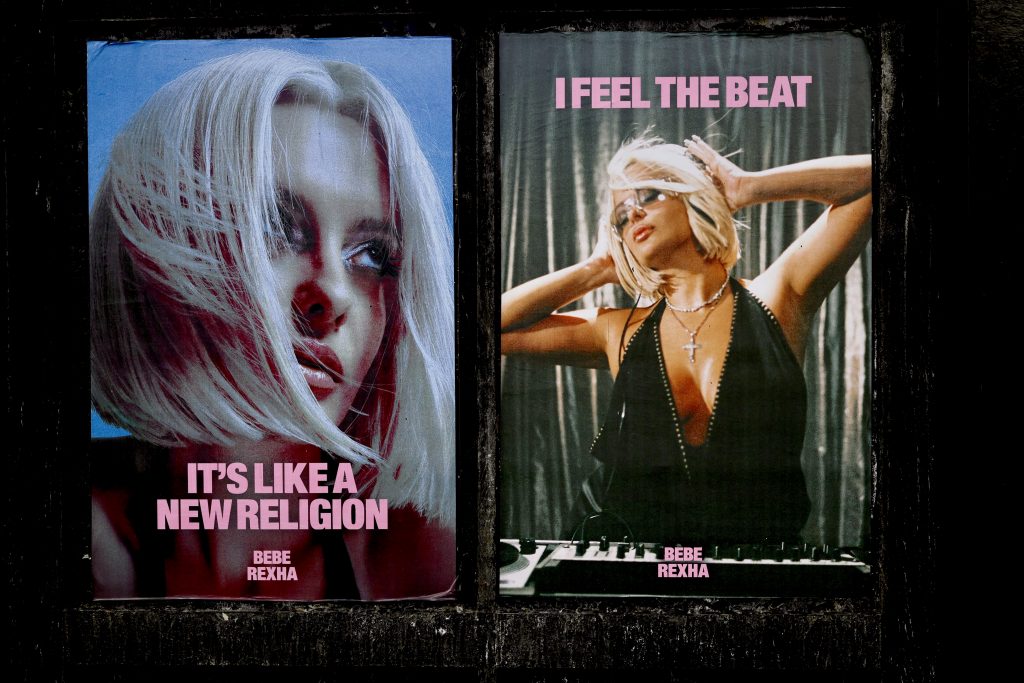
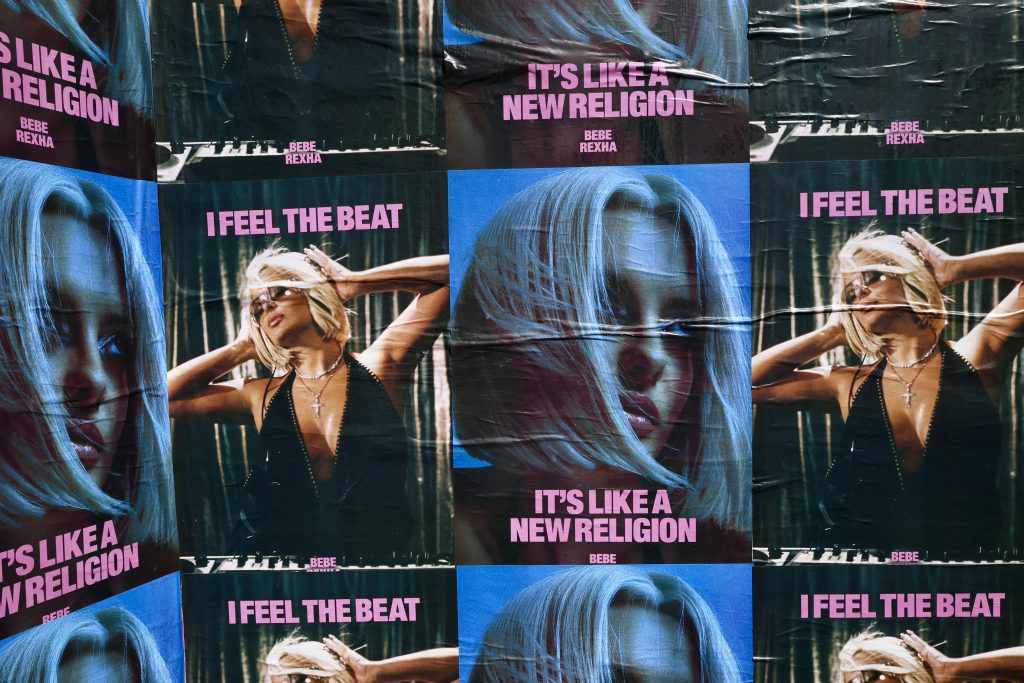
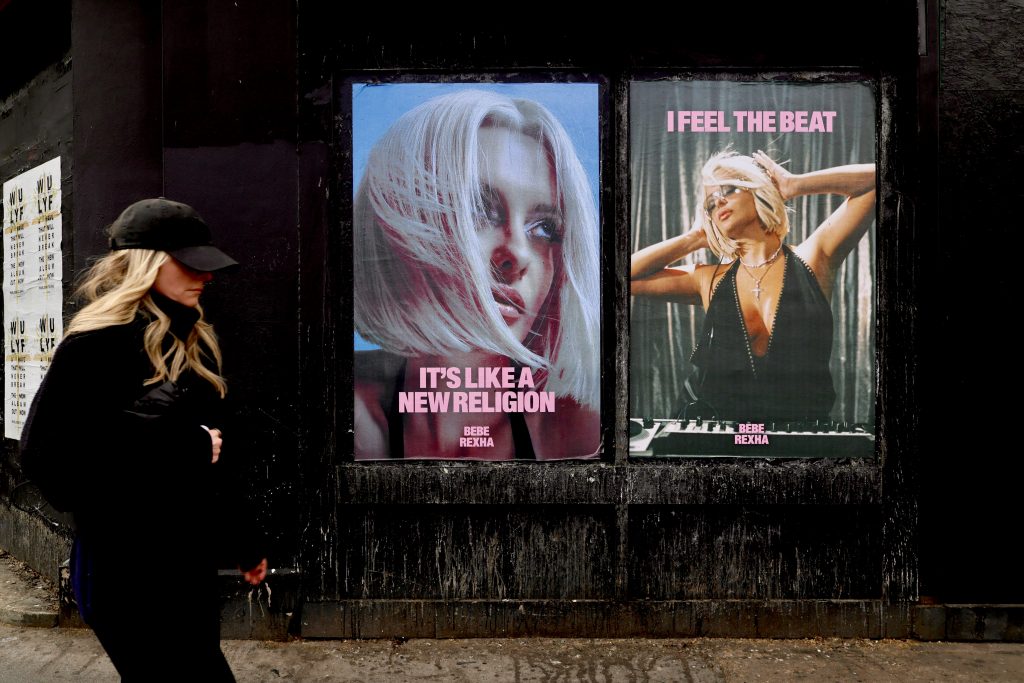
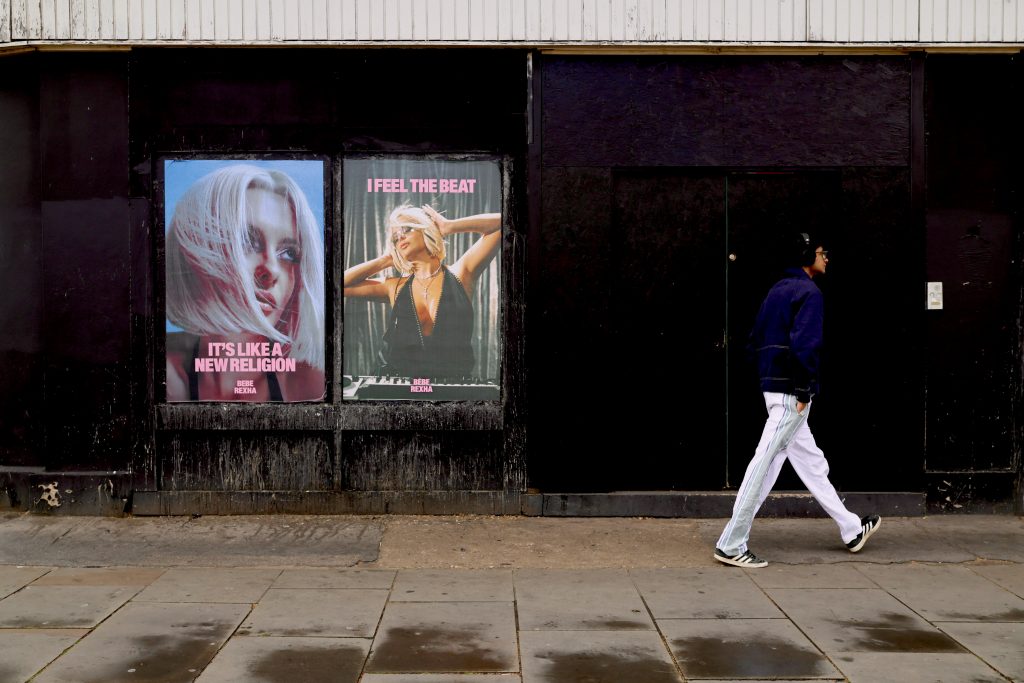
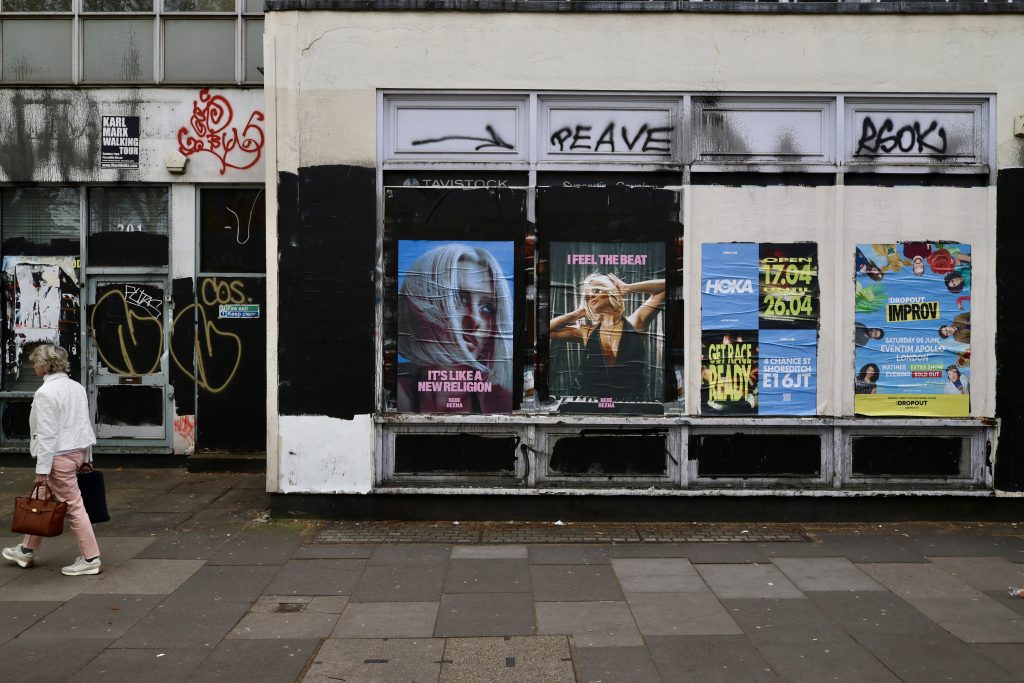
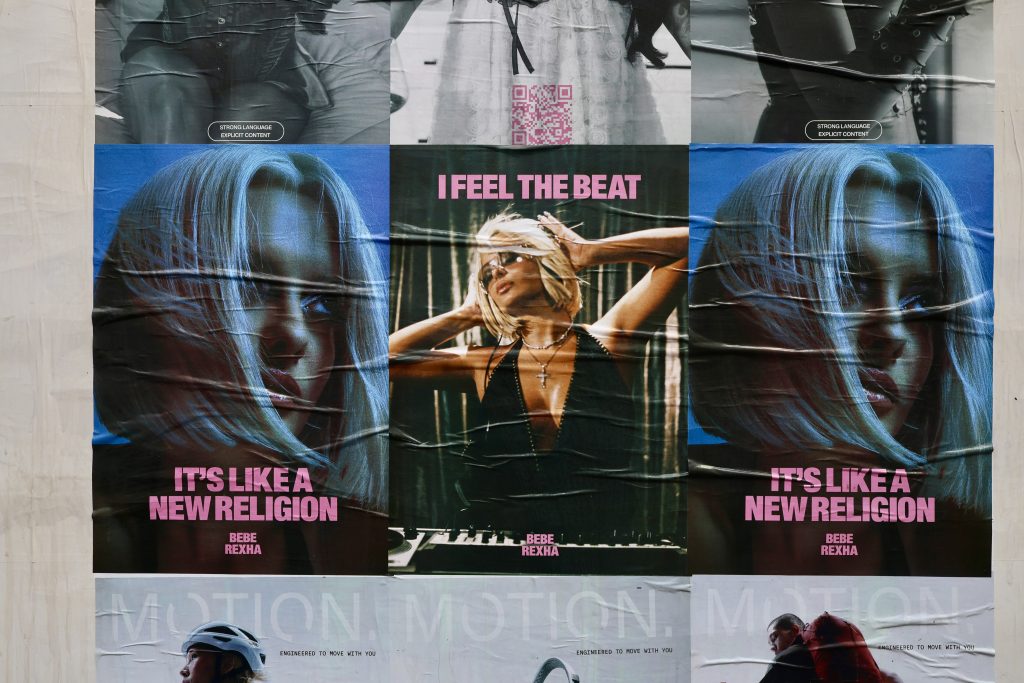
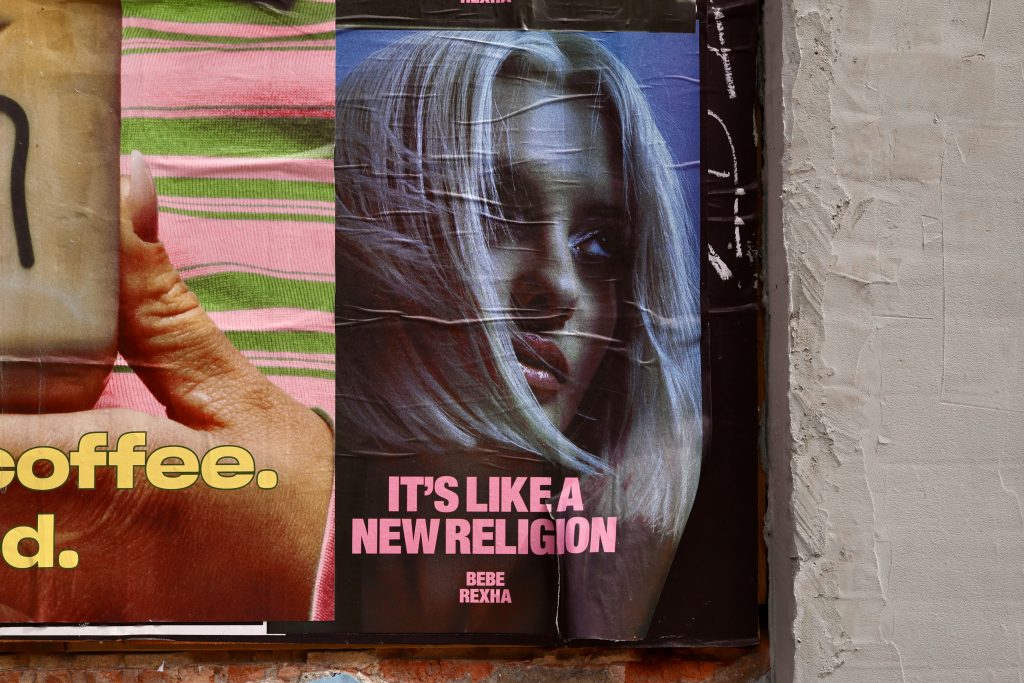
Her independent debut, “New Religion” featuring Faithless, served as a sharp opening statement for her upcoming album, Dirty Blonde.
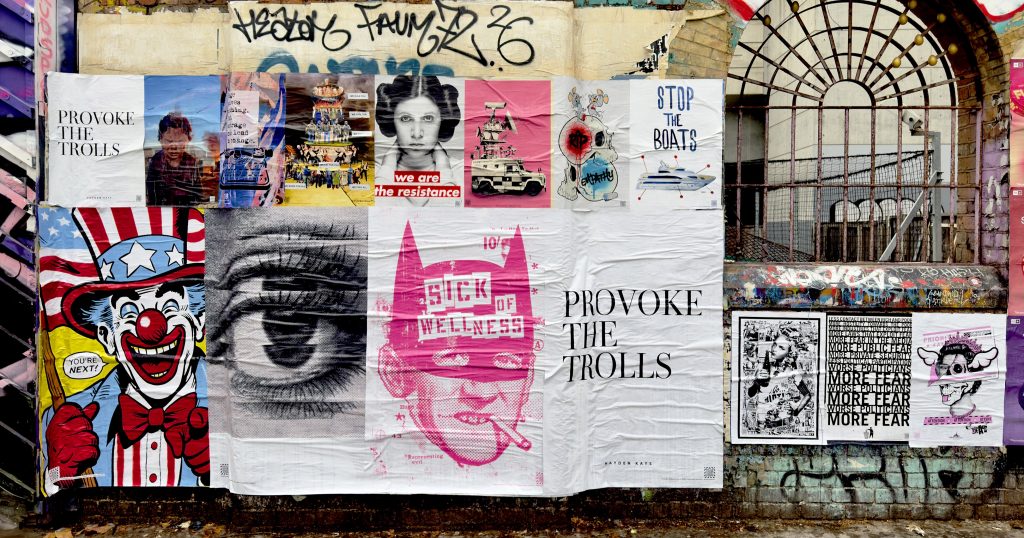
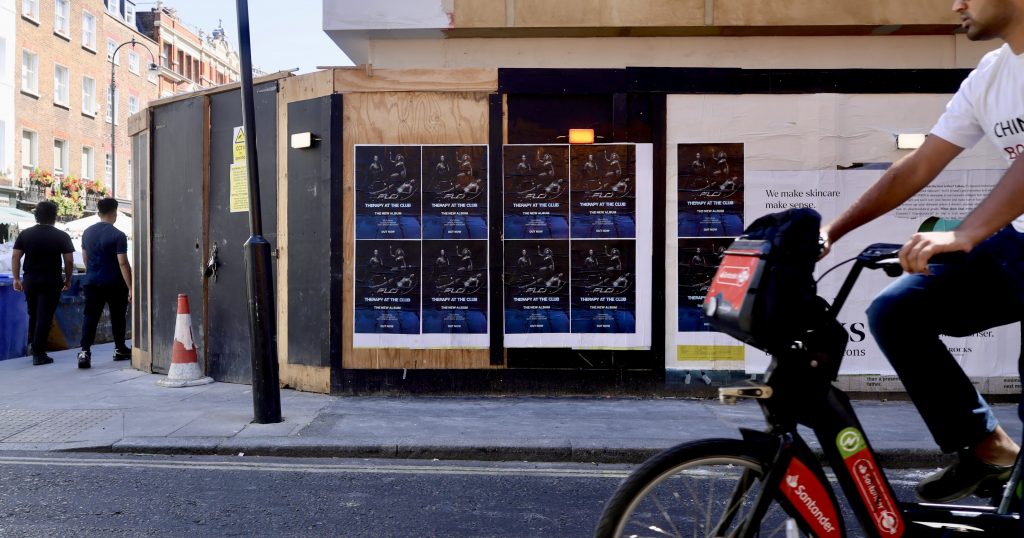
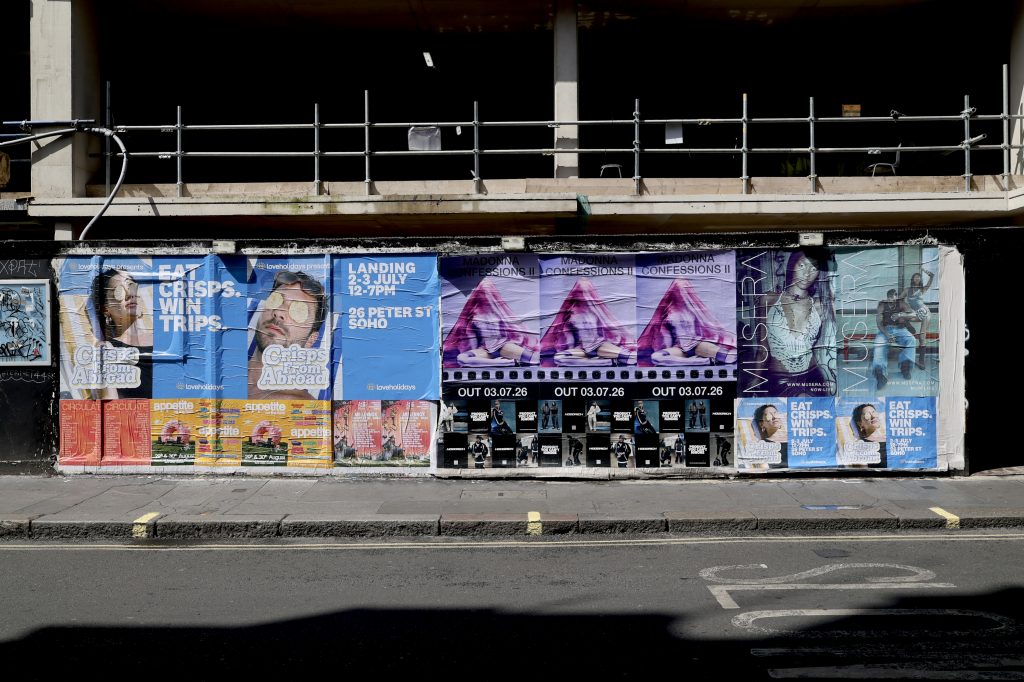
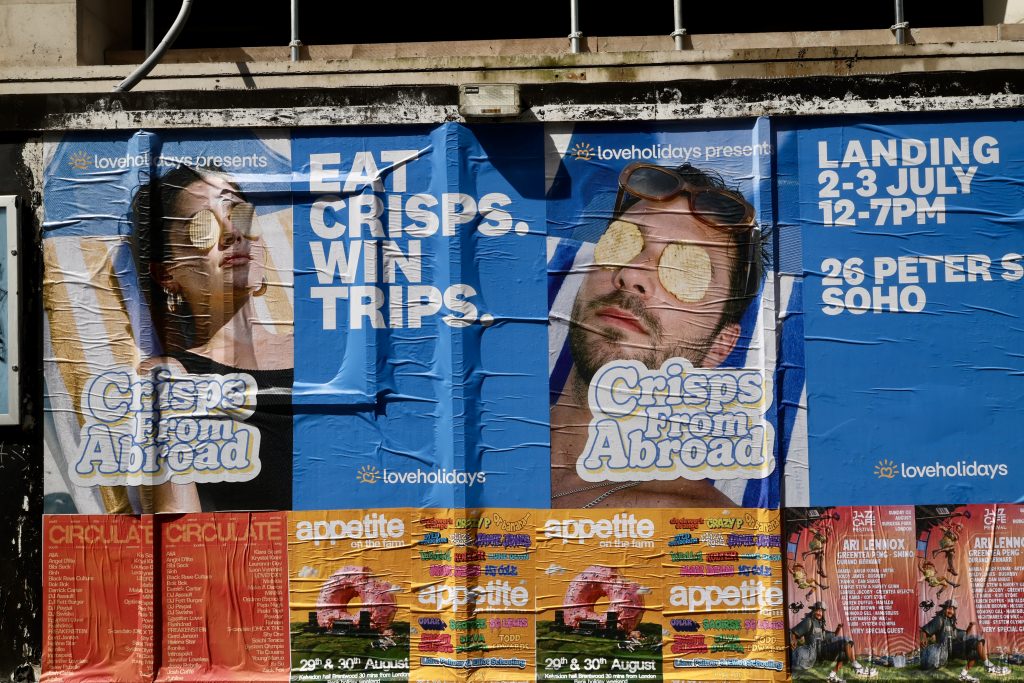
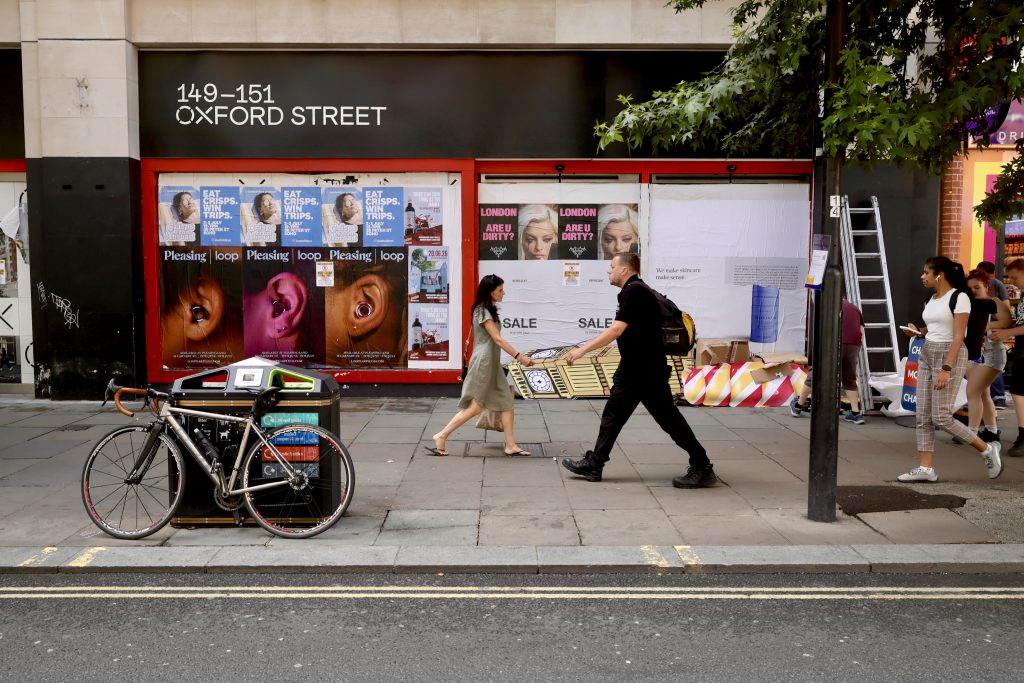
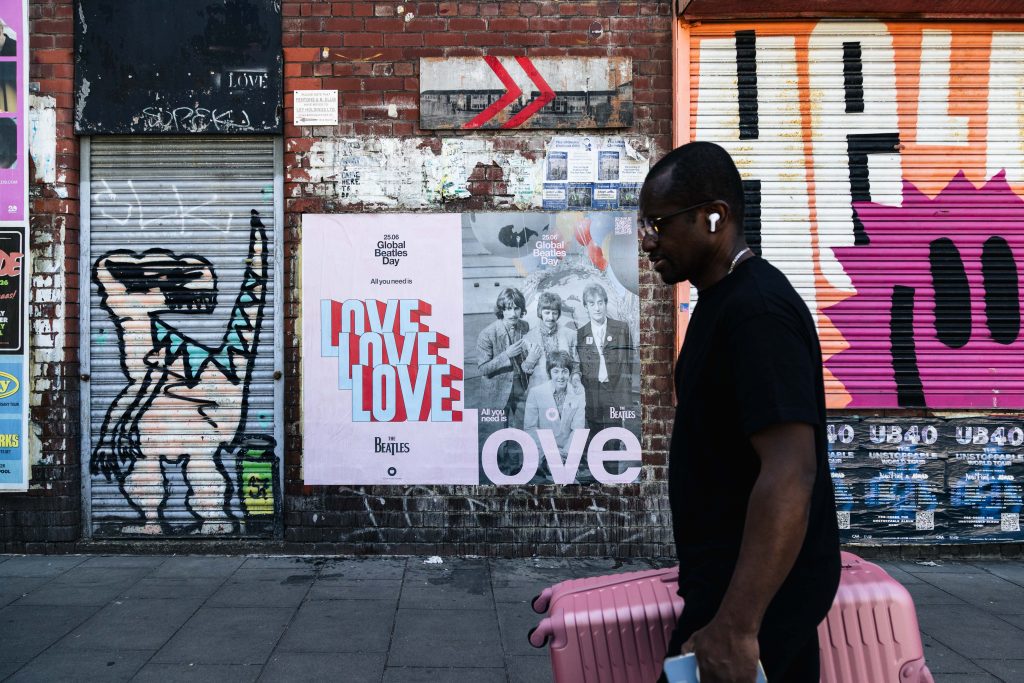
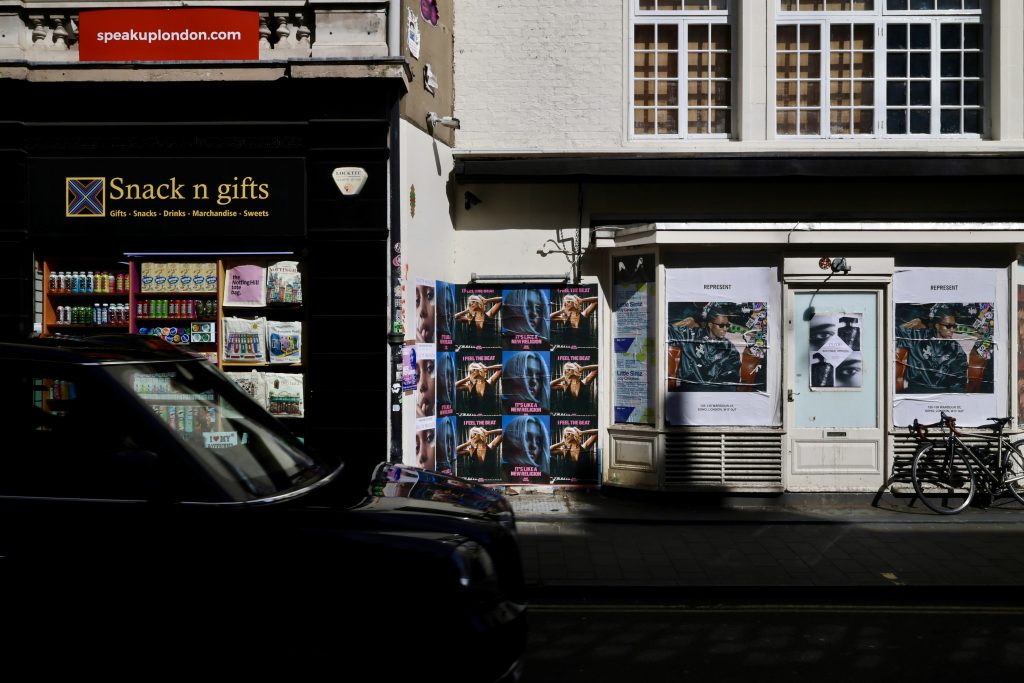
Without a major label’s PR machine, Bebe Rexha and UNCLE ignited London’s streets, plastering the city with raw 4-Sheet and B2 flyposters. The message was loud, local, and impossible to ignore.
Bold B2 posters papered the walls, from Chelsea to the Kings Road. It was raw, it was refined, and it was gloriously “wild”. Turns out, even the chicest corners of SW3 couldn’t resist a touch of street-side sparkle.
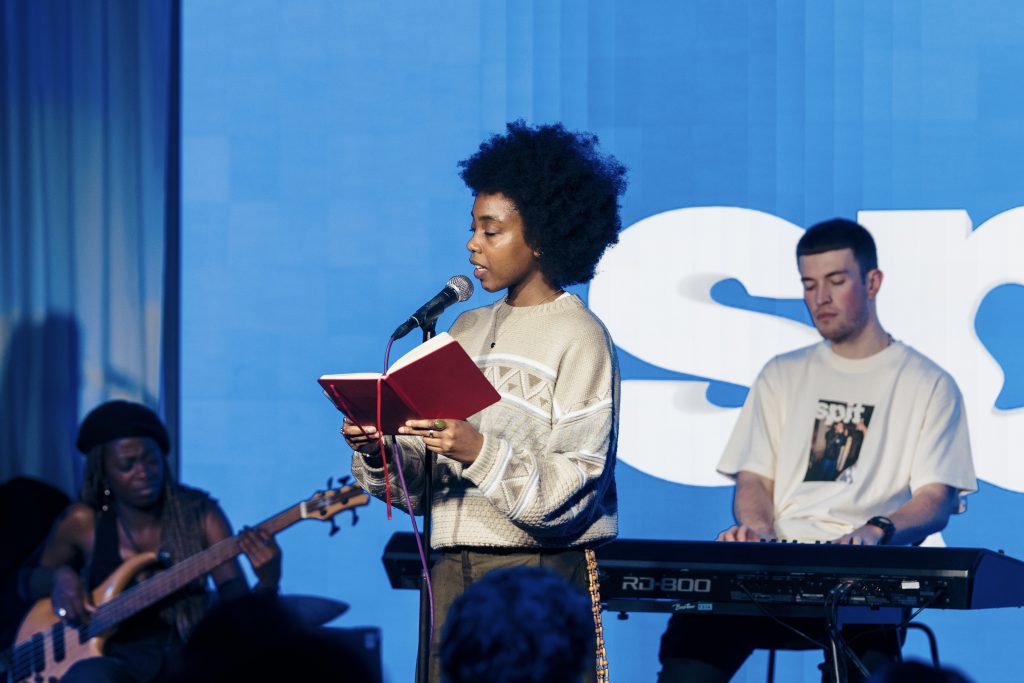
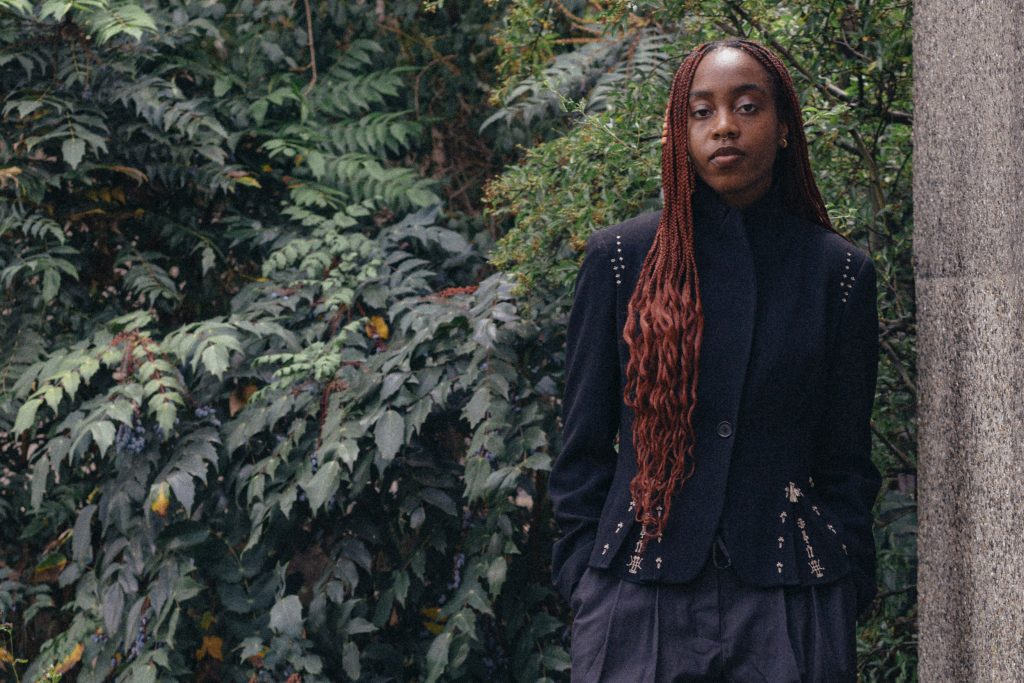
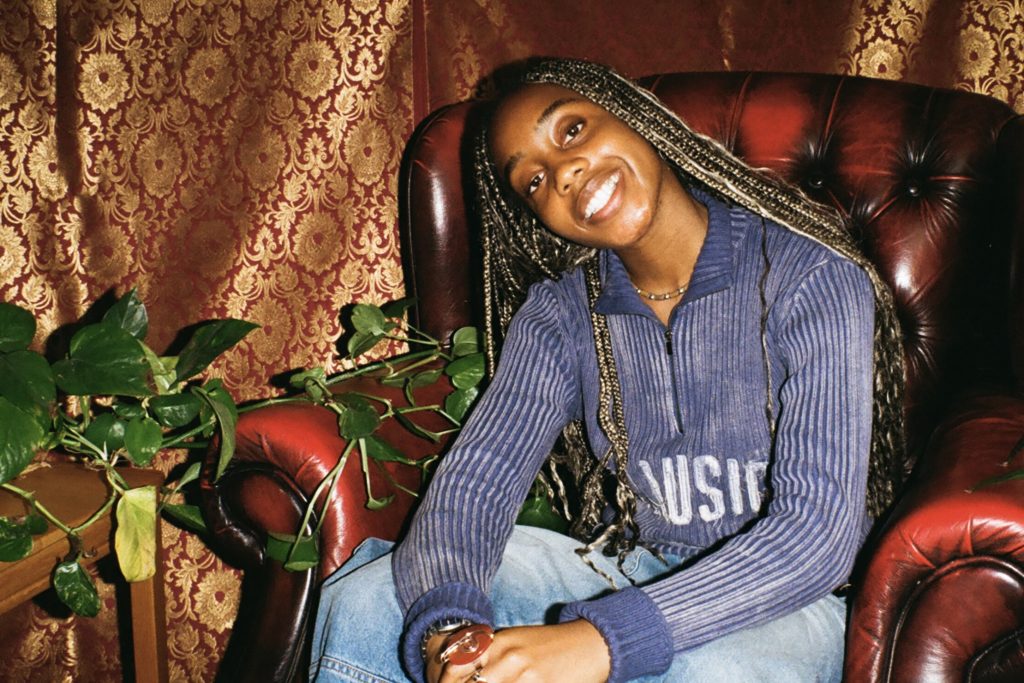
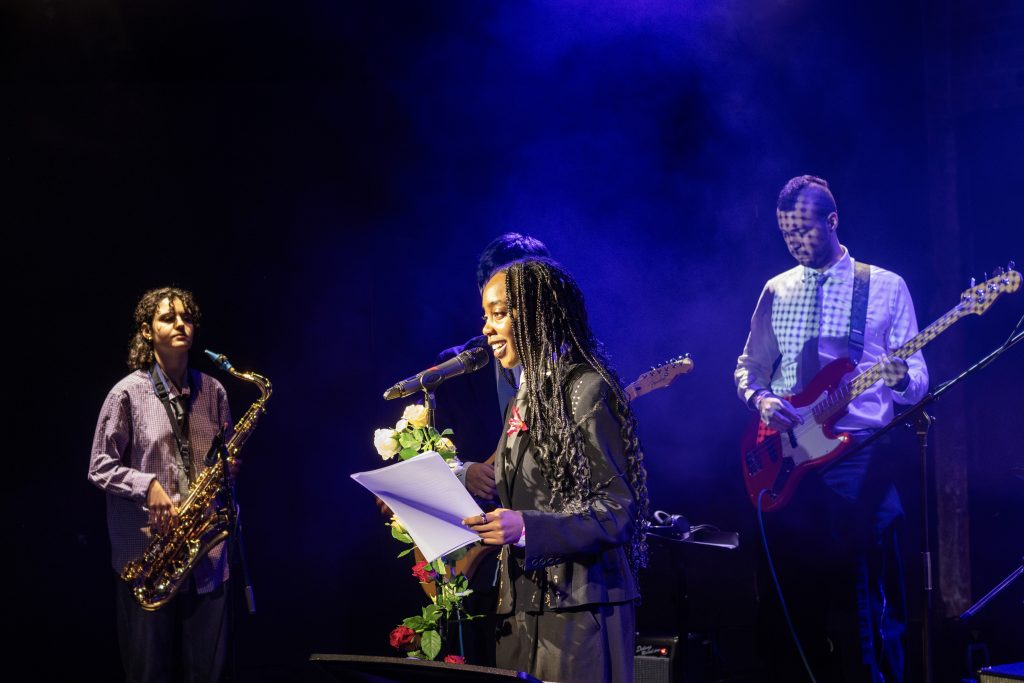
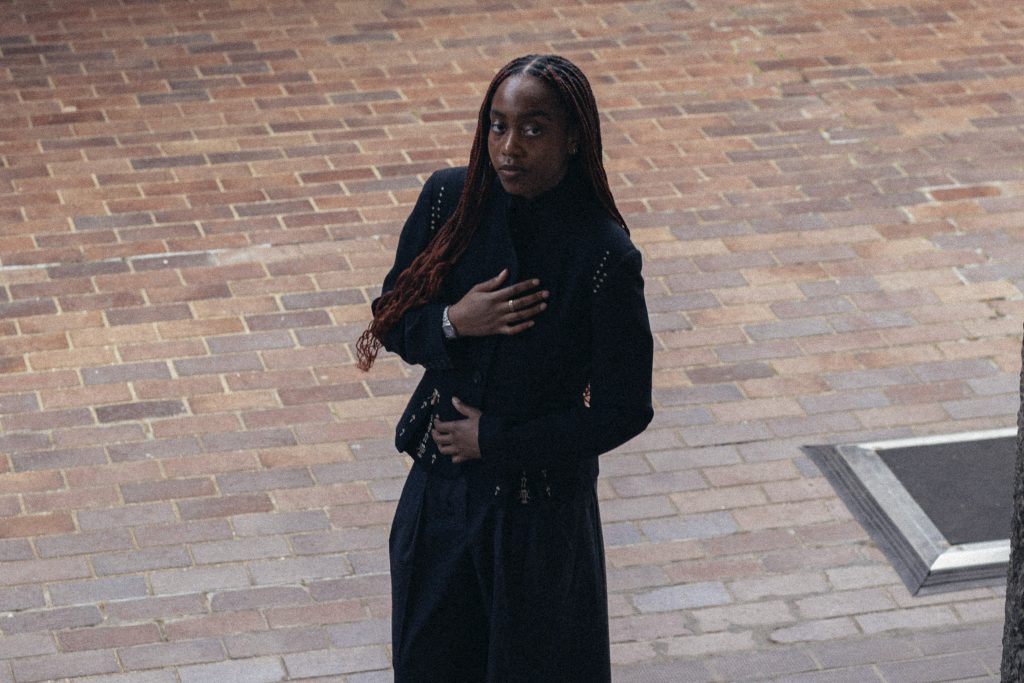
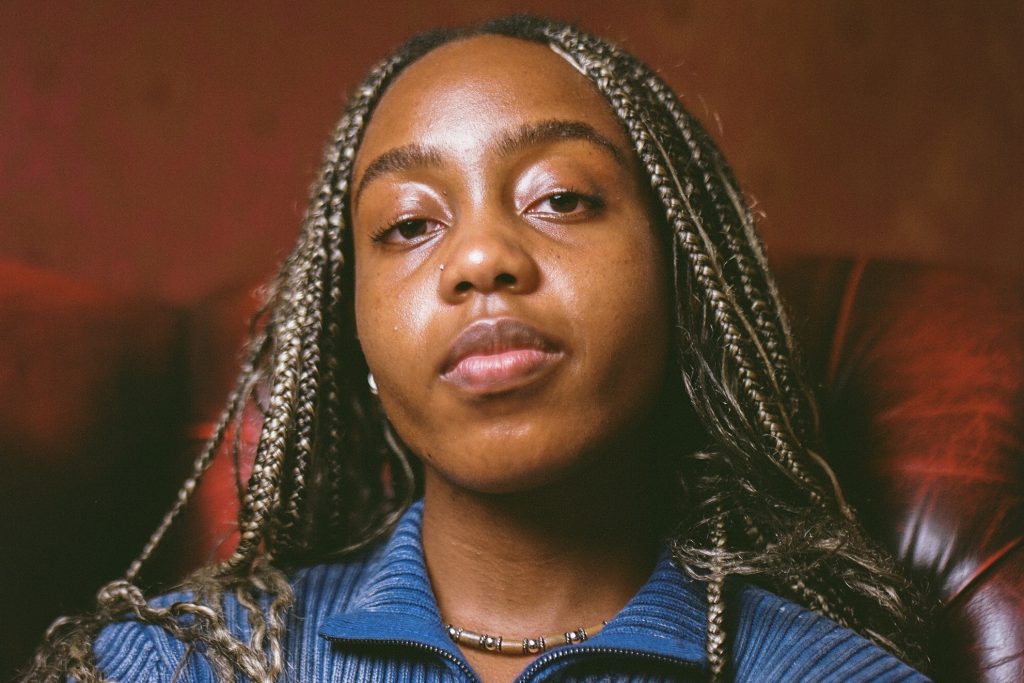
Those are the words of Maureen Onwunali, the Dublin-born Nigerian poet whose work is resonating with in-person audiences at a growing number of poetry events, while also travelling online, as culture increasingly has for much of her 23 years. “June Jordan, Audre Lorde or James Baldwin never had to post three reels a month to be picked up by the algorithm,” she says, listing both her influences and stating her disillusionment with today’s media landscape at the same time.
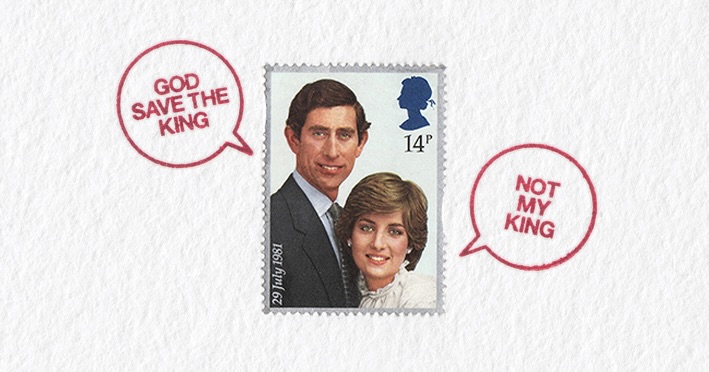
On the other side of that coin, though, is her gratitude that her words have reached places she has not. Her poems have found people in small towns across Australia, the Americas and beyond, carrying observations on masculinity, migration, care, nightlife and the people society forgets to notice. In Puffer Jacket Poetry, she writes of Black masculinity and the men who are rarely given permission to be soft. Put simply: ‘the mandem don’t cry enough.’ In another poem, she asks God to save, not the King, but “the people we forget to notice.” Those sending money back home. Line cooks working from a mother’s muscle memory. Voluntary litter pickers saving the world, one crushed Red Bull can at a time.’
A long-time resident of Milton Keynes, Onwunali is also interested in place as something you can shape, rather than just somewhere you happen to live. Born to Nigerian parents in Ireland, she says her family “built Nigeria in our living room,” carrying culture and tradition across borders. Ireland and Nigeria, to her, are connected by their histories of colonisation, by the same “Babylon” showing its face in different parts of the world. Milton Keynes, meanwhile, is younger and greener and still becoming itself. While Camden regularly calls with her residency at the iconic Roundhouse, MK is a place that she’s excited to have a tangible impact on.
Her own route into poetry was mostly self-taught, shaped less by the poems she was handed at school than by rap, cyphers and performance. Instead, she would sit in front of the TV while eating, watching poetry slams and studying how people used language. Poetry, as she understands it, is less a fixed document than “a living, breathing thing.”
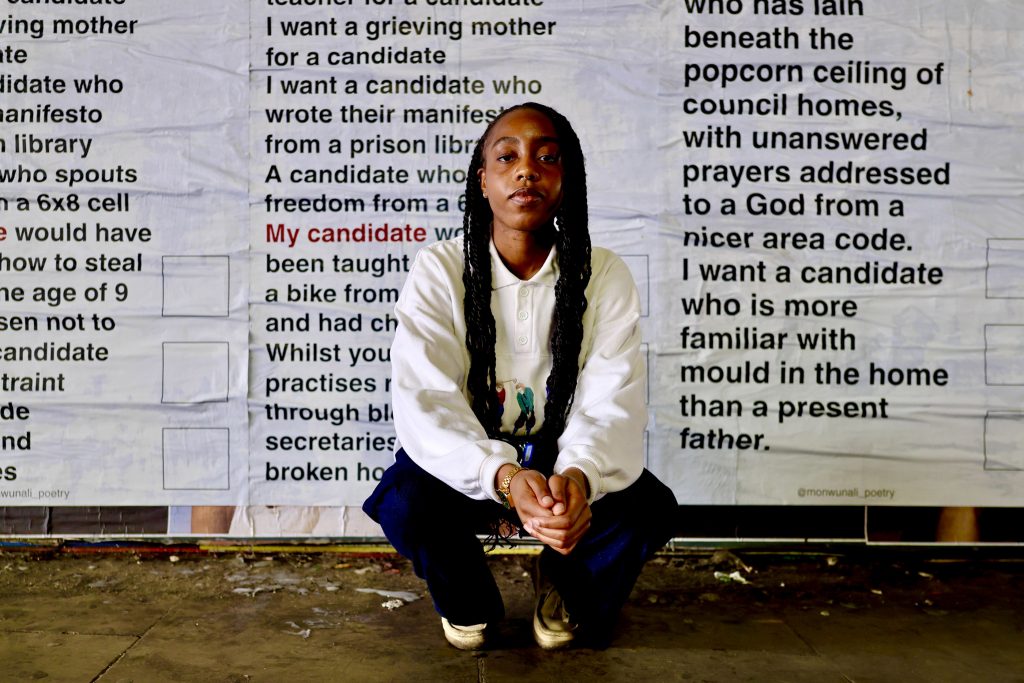
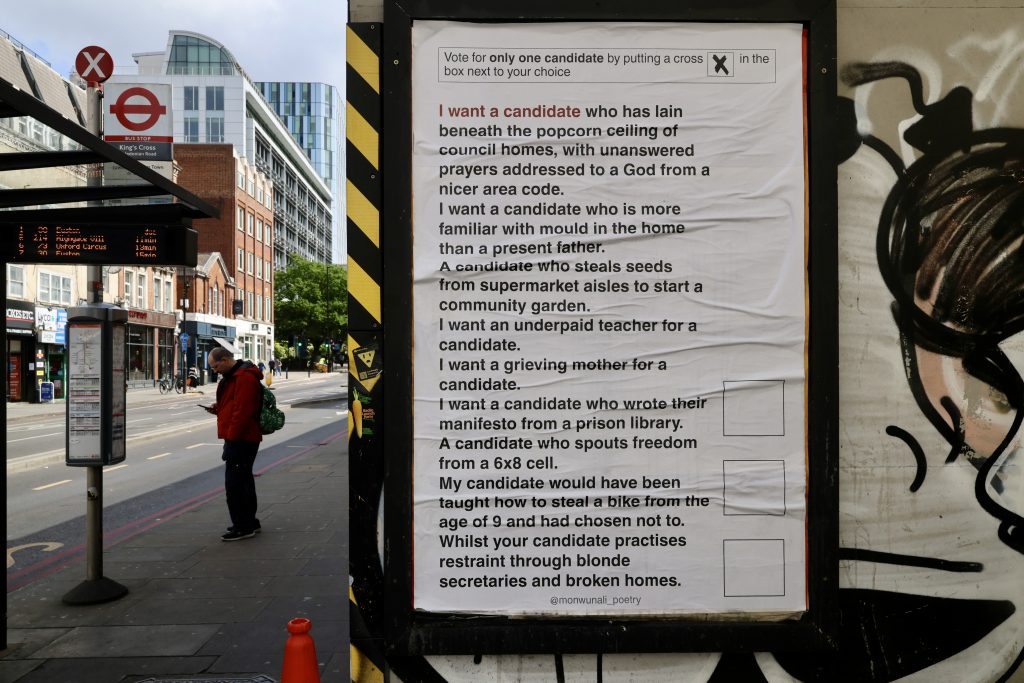
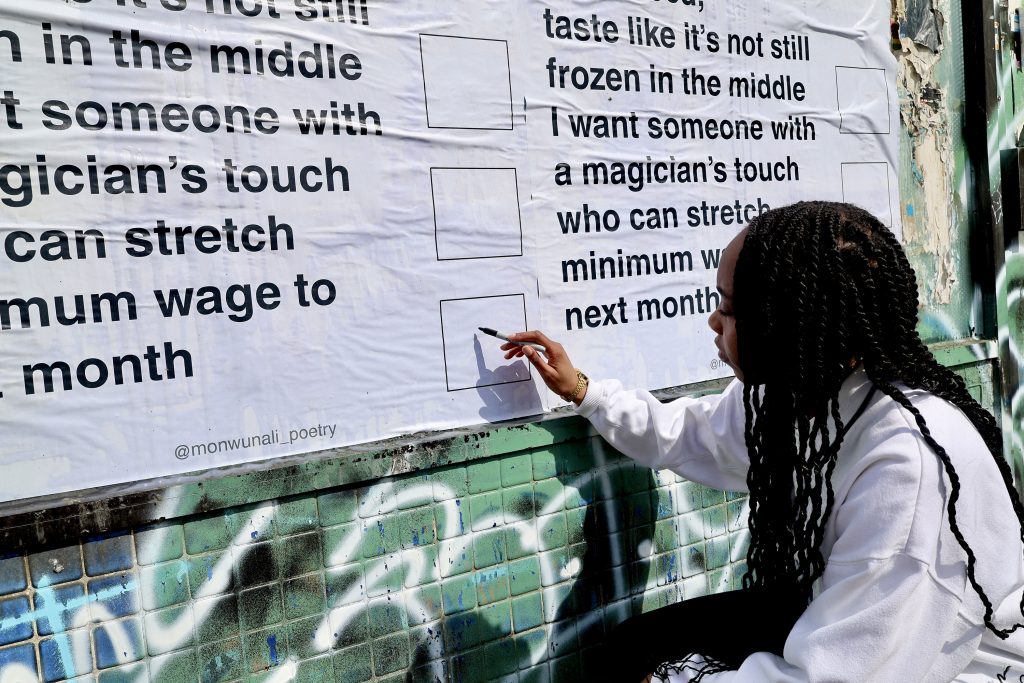
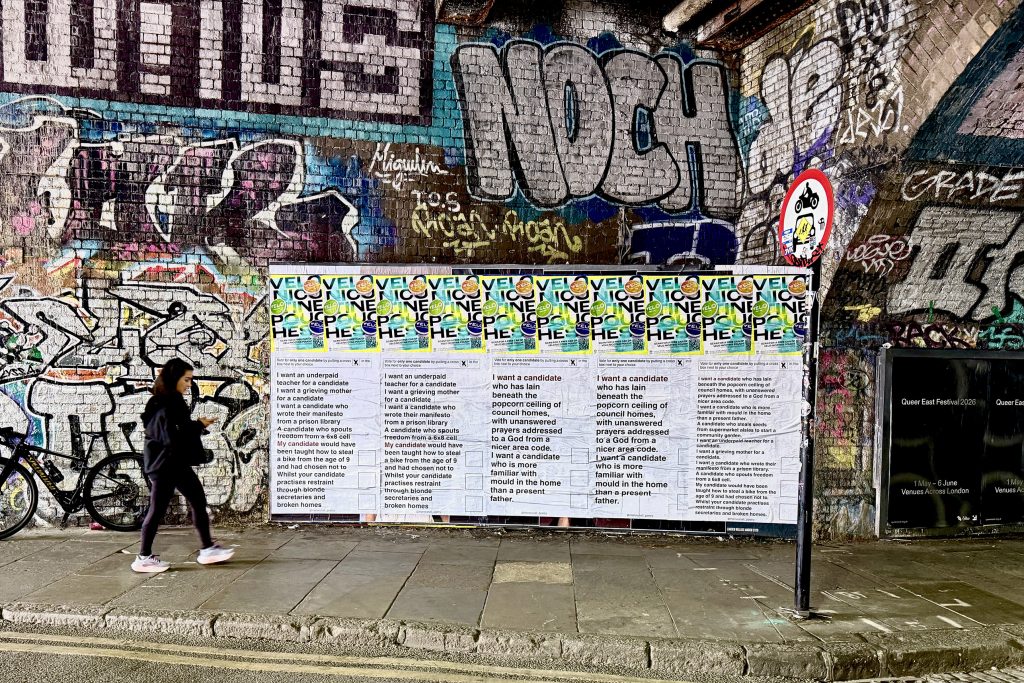
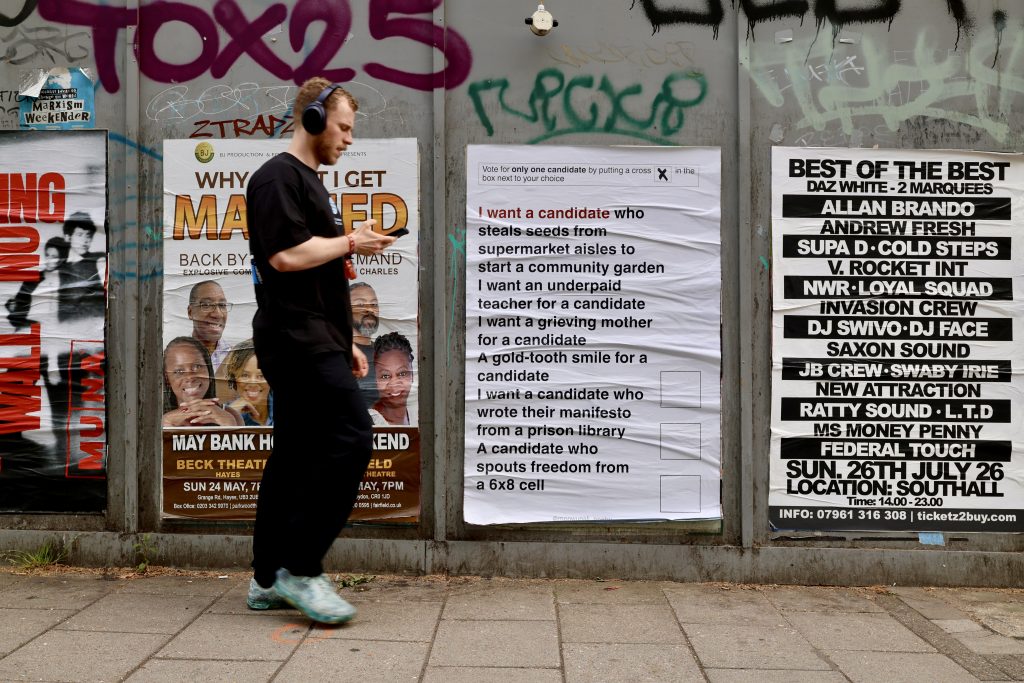
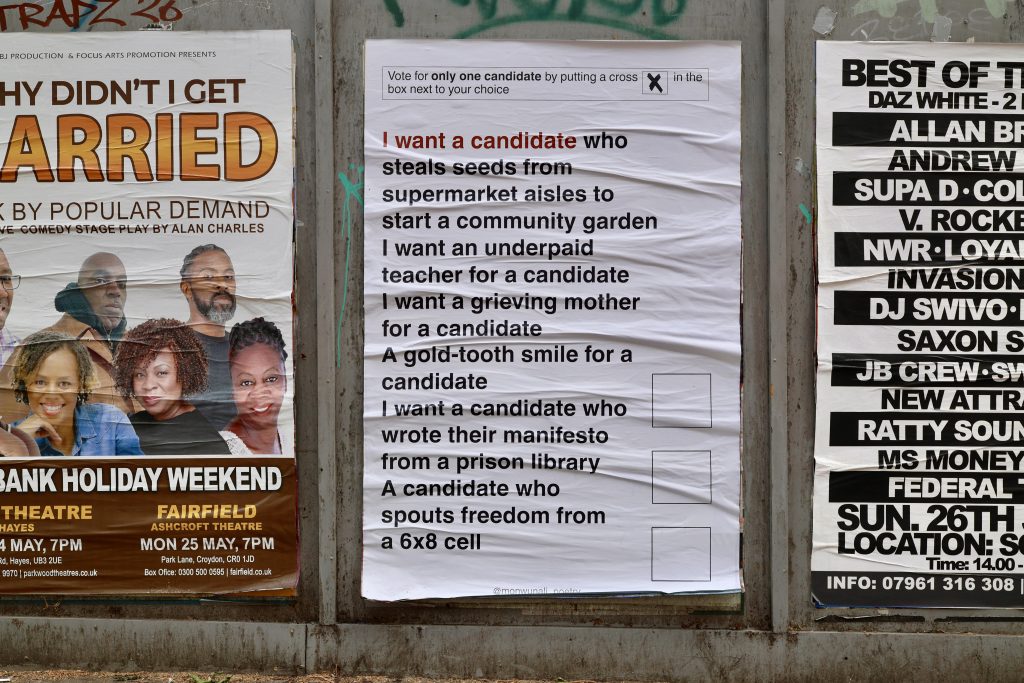
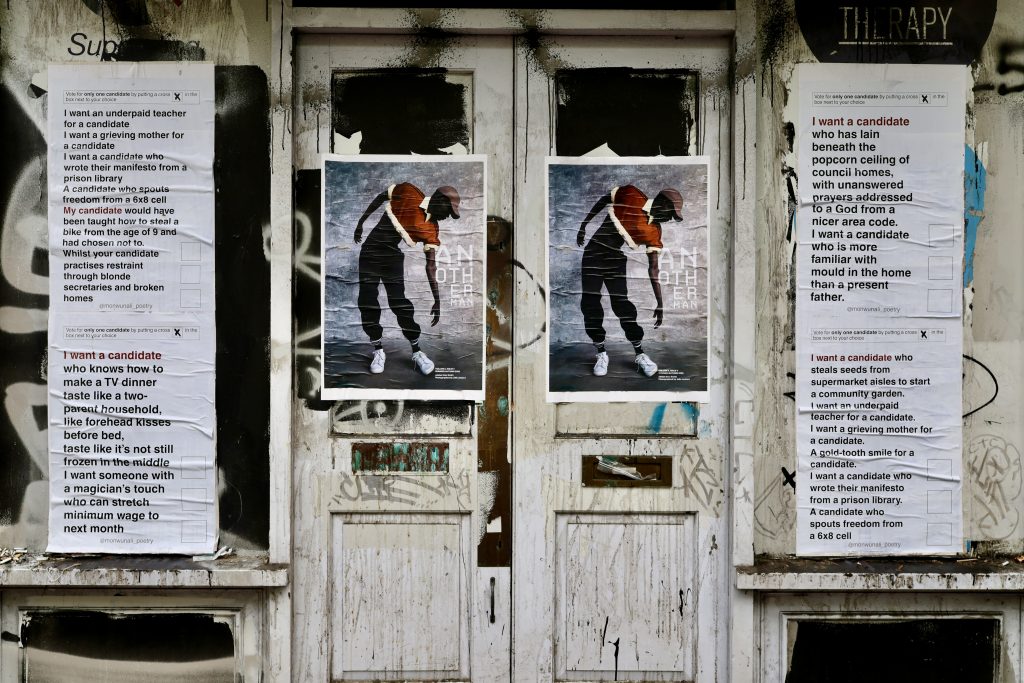
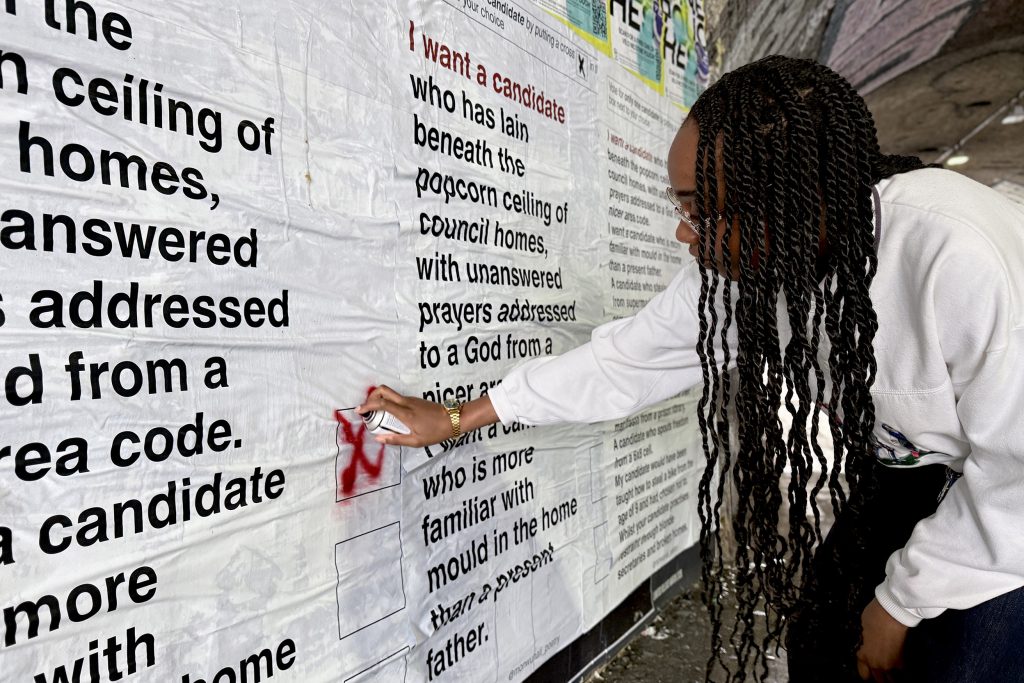
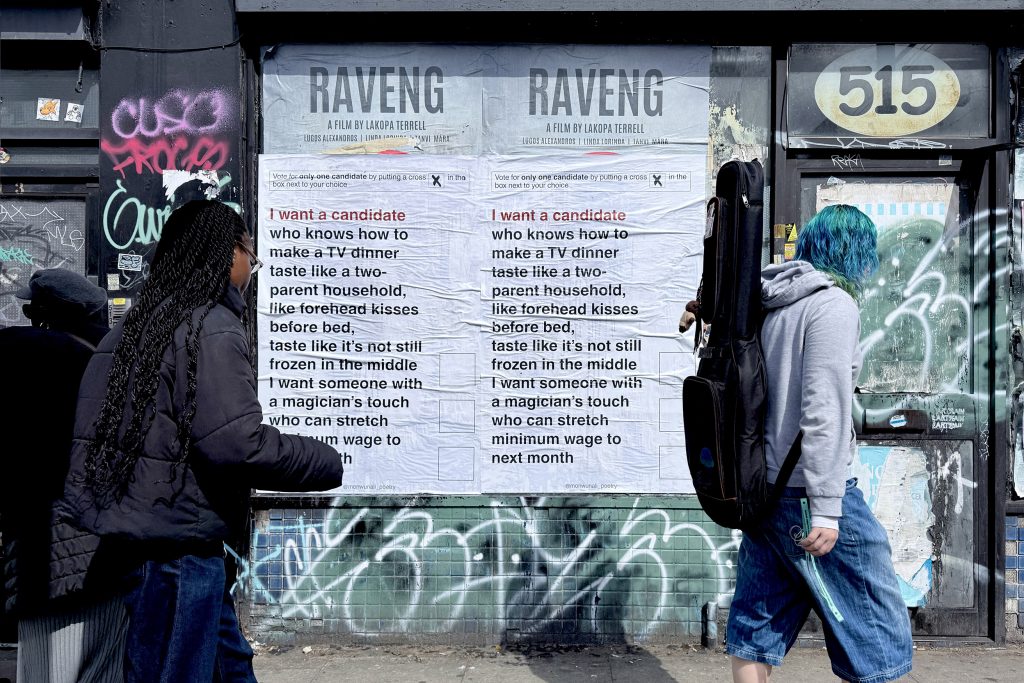
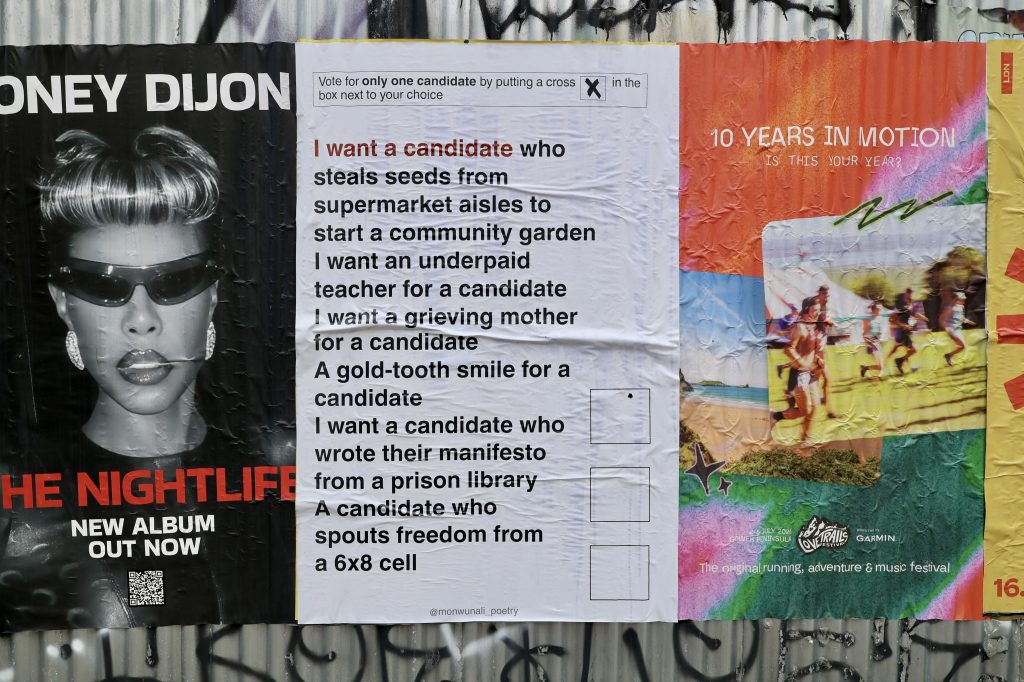
That makes her UNCLE collaboration, created ahead of the local elections, feel especially fitting. Inspired by Zoe Leonard’s I Want a President, Onwunali’s poem asks what kind of candidate people actually want, and what might happen if we raised our standards. It is poetry off the phone screen, off the stage and into the street.
I was never really fixed on poetry to start off with. It was more storytelling. I grew up with MTV playing in the background, and I was obsessed with rap, with cyphers, with wordplay — how people could build whole worlds with such limited space through language.
At one point I wanted to be a rapper, but I could never catch the beat — I just had too much to say. So I went back to just the words, and from there my relationship with writing really grew.
I started writing when I was about eleven. At the time it felt quite uncool, so it stayed personal — more like documentation. But as I got older, I realised I was writing about political realities around me, growing up in an immigrant household, and I started to feel like it was too important to keep to myself. If I really believed in what I was saying, it couldn’t just live and die with me.
The turning point was a workshop with the poet Joelle Taylor. I brought a folder with everything I’d ever written, read some of it out, and she invited me to perform in London. It was just me, my mum, and half my English department on a train, and I remember getting on stage and thinking, this is it.
From there it kind of snowballed — I did a poetry slam at the Roundhouse after sixth form, ended up winning it, and then eventually came back on a residency. I’ve been freelancing for the last couple of years now, which still feels a bit mad.
A LOT OF YOUR WORK PULLS MEANING OUT OF REALLY EVERYDAY MOMENTS — SMALL GESTURES, GIVING UP YOUR SEAT ON THE TUBE — WHAT DRAWS YOU TO THOSE KINDS OF DETAILS?
I think it comes from that idea that everything is poetry. You just have to take a moment to see it. It’s the art of noticing.
I always describe it as grabbing a moment and holding it up to the light. Even something like giving up your seat — most people have done it and don’t think anything of it, but when you actually look at it, it becomes this really beautiful, compassionate act.
I think I’m trying to remind people how similar we are. We spend so much time thinking what we’re going through is completely unique, but really we’re all living very similar lives. Everyone wants to feel part of something bigger, and sometimes you just need reminding that you already are.
I’d say it’s a bit of both, but probably more the latter.
A lot of the time, I’m writing from a place of urgency — like, everyone stop what you’re doing and listen. Let’s acknowledge what’s actually happening.
I’m not really interested in sitting with something for ages and perfecting it in a traditional sense. Sometimes it just feels like the sky is on fire, and I want people to hear what I have to say right now.
Of course, people might look back on it later as a reflection of the time, but for me it’s about the present — bearing witness to what’s happening and making people aware of it.
YOU’VE ASKED A REALLY INTERESTING QUESTION IN ANOTHER INTERVIEW — “WHY DO WE NEED OTHER PEOPLE TO TELL US WHAT WE’RE FEELING?” — DO YOU THINK POETRY SHOULD BE SOMETHING EVERYONE DOES, RATHER THAN SOMETHING A FEW PEOPLE PURSUE PROFESSIONALLY?
I still hold that belief. I think we often see it as the doers and the feelers, as if there’s a special group of people responsible for capturing all of the world’s feelings and turning them into something we can consume, whether that’s music, poetry, painting, or whatever else.
But I don’t think that should be the case. Poetry is for everyone, and it’s one of the few times in life where you don’t have to ask for permission to say things or think things. You don’t have to wait for anyone to tell you that you’re allowed to feel something, or allowed to question something.
You can just grab the closest pen and write. Even if you don’t write it down, you’re still speaking to yourself. You’re bearing witness to something and saying, this deserves to be archived, remembered or reflected on.
People say nothing in life is free, but the thought, the noticing, that is free. Even though I call myself a poet, I don’t think that separates me from “non-poets”. I don’t really think there are non-poets. It’s not a title or a role as much as it’s an act. I wouldn’t want someone to think, “Well, she’s the poet, so I’ll just listen.” We’re all constantly doing the act.
So yes, I think we need to stop relying on other people for our feelings and take control of that ourselves.
Yeah, definitely. I have a line in one of my poems that’s something like, “Who’s to say the revolution will be spoken in your jargon tongue anyway?”
For me, the function of poetry is to reach as many people as possible. Why would I want to put limitations on that just to show off my vocabulary, or prove I can use certain language techniques? It’s not a way of showing how educated I think I am. My priority is trying to connect to as many people as possible.
I think that happens through those everyday moments we look past. Those are the moments where people can say, “Actually, I do see myself in that.”
Our first introduction to poetry is often through school, and the GCSE anthology has given poetry a terrible reputation. People hold a grudge against it for years. They still shudder when they hear the word poetry.
I think we need to undo that. I’m trying to save poetry’s reputation a bit. In school, poetry can feel like this fixed document, like it’s written in stone and you can’t really do much to it. But really, it’s more like a Google document. It’s a live thing being edited as we speak. It’s breathable, it’s moving constantly, it has its own heartbeat. It’s alive, and it’s not written in stone. It’s supposed to be fluid.
It’s so important. I actually have a poem I performed at a GCSE conference, and I started it with: “William Wordsworth ain’t worth my words if the kids don’t know what their words are worth.”
Then it goes on from there, and the students go crazy because they understand what it’s saying. It’s in slang, but it’s still poetry.
I do think everything is a political act: what we see, what we don’t see, the voices that are platformed and the voices that are silenced. The poetry we’re shown is so often overrepresented by old white men talking about duchesses and colonial expansion. The writing might be beautiful, but if the kids can’t see themselves in it, they’re not going to connect. There are no stakes in it for them.
Poetry has been around since people learned how to communicate with each other. In collective cultures, in the global south, oral storytelling and oral history is poetry. It has always been there and always will be there.
When people talk about Wordsworth, I always think the real poets, in every generation, are the people in town centres on soapboxes being called crazy, saying, “Listen to what I have to say. This is what’s going on with the world.”
I’d call myself a soapbox poet. I want to be the town’s crazy person yelling into the sky, beating my chest at the world, saying: this is what’s happening.
The curriculum has introduced some reforms and more modern poetry, so there is work being done, but I still think there’s a lot more to do.
The poem is after Zoe Leonard’s I Want a President. It’s built around that idea of, “I want a candidate who…” and then it goes from there.
I live in Milton Keynes, in quite a diverse neighbourhood, and I had a Reform candidate knock on my door. I just thought, this is hilarious. Absolutely hilarious.
It made me think that we need to raise our standards. With anything else, whether it’s doctors, electricians or engineers, we want the best because we know quality matters. But when it comes to politicians, we settle for so much. We concede so much. We need to want better for ourselves and our communities.
So the poem essentially lists the type of candidate I want to see. There are lines like, “I want a gold tooth smile for a candidate,” or “I want a grieving mother for a candidate,” or “I want a candidate who knows how costly their words are,” and “a candidate who has felt the cold of concrete.”
I want someone I can relate to. Whether or not that’s realistic doesn’t really matter. I’m not concerned with realism. I’m concerned with getting people to question the type of candidate they want to see, and whether that is actually reflected in what’s on the ballot.
I’m keen to see how people react to it, and hopefully it starts a conversation about what we ask for as electorates.
WITH THE LOCAL ELECTIONS IN MIND, DO YOU THINK THERE’S SOMETHING POWERFUL ABOUT FOCUSING ON WHAT’S HAPPENING AROUND YOU — IN YOUR IMMEDIATE ENVIRONMENT — RATHER THAN ALWAYS THINKING NATIONALLY OR GLOBALLY?
One hundred percent. I don’t necessarily believe the current electoral system is going to bring about some kind of utopia, but local elections are about tangible, everyday, material changes that really affect people.
I think it’s important to have a say in the things you can actually reach your hand out and touch and feel. Some people might argue that it’s even more important than a wider national election, because you will very much feel the impact of how you vote. It’s closer to home.
Being born to Nigerian parents has influenced not only my work, but my sense of self. I think the first and probably last time I was in Nigeria, I was less than one year old, so I don’t have any real memories of it. But my parents did their best to pack as much culture and tradition as they could into this 25kg luggage and bring it to Ireland with them.
They built Nigeria in our living room, so I’ve always had a close connection to the culture and my roots. I don’t feel like a stranger in that part of my identity.
Then being born and raised in Dublin was my formative years. It’s my friends, my family, and even my accent. I’ve been in the UK for eleven years now and you can still hear bits of it.
Politically, I think my Irish and Nigerian identities work hand in hand. Ireland has often tried to stand up against injustice because of its own history, and Nigeria has also experienced British Empire. That same Babylon reared its ugly face in both parts of the world, so those identities feel very similar to me in that sense.
With Milton Keynes, people always ask, why Milton Keynes? And honestly, my mum chose here. But I really like it. It’s so fresh and new. It’s only about sixty years old, and you can tell it was so intentional. Even when you look at the map, with the grids, it feels a bit like Barbie’s dollhouse sometimes, because everything is so planned.
But I think it’s beautiful. It’s very green, it’s malleable, and now it’s a city. I feel oddly patriotic about it. Londoners think anything outside London is just farmland, but I’ll defend Milton Keynes to the end.
I see myself in it, honestly. It’s still growing and I’m still growing. I’ve worked a lot with the council there, and I’m trying to do my part in moulding Milton Keynes into the city I want to see. That’s such a cool thing, because who can say they’re actually helping to mould their city?
I think it’s already on its way, in terms of poetry becoming more mainstream. I recently performed at the Roundhouse, and we claimed it was the largest poetry event in the world. It was 1,500 people in the audience, so maybe it was — I need to check that.
I love that poetry is on big stages, but I don’t want it to become a one-sided conversation. Poetry should be an equal exchange. I don’t want to be put on a pedestal, or on a platform, and just talk down to people.
I’d love more people to engage with it, not just as audience members, but as mutual givers and receivers. I want people to really give it a try, and share more. I want poetry to feel as normal as singing in the shower — something everyday. Like, of course I’ll write a poem on my way to work.
For my own work, I think I’m already doing a lot of what I wanted to do, so everything else is kind of a bonus. Being freelance means I don’t really answer to anyone, and there aren’t the same limitations on what I can say. I get to use my politics degree in the purest form, rather than going down the traditional route into the civil service or something like that.
I think I’ll probably get more political, and I’d like poetry to become more mainstream in that way too. I want it to feel normal to have these conversations over dinner, or in the classroom.
WHAT DO YOU HOPE PEOPLE TAKE AWAY FROM THIS WORK — WHETHER THAT’S THE POEM ITSELF OR THE WIDER COLLABORATION?
I’d just emphasise dreaming bigger. Don’t be confined to the terrible standards we’ve given ourselves.
You can actually aspire for a better candidate, a better world, and better communities.
And obviously, go out and vote.
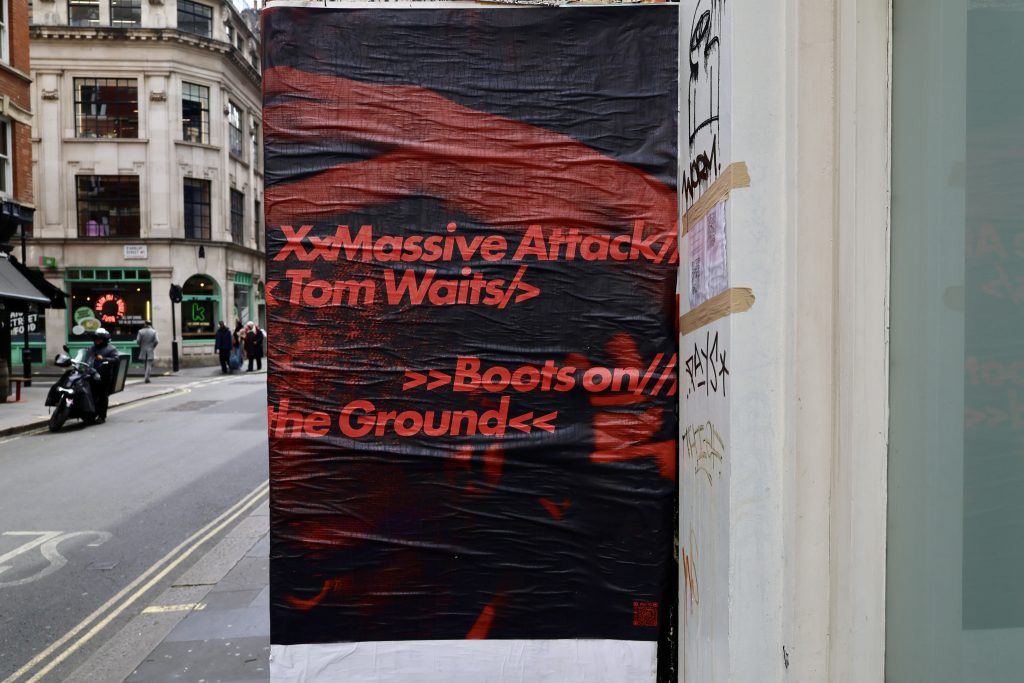
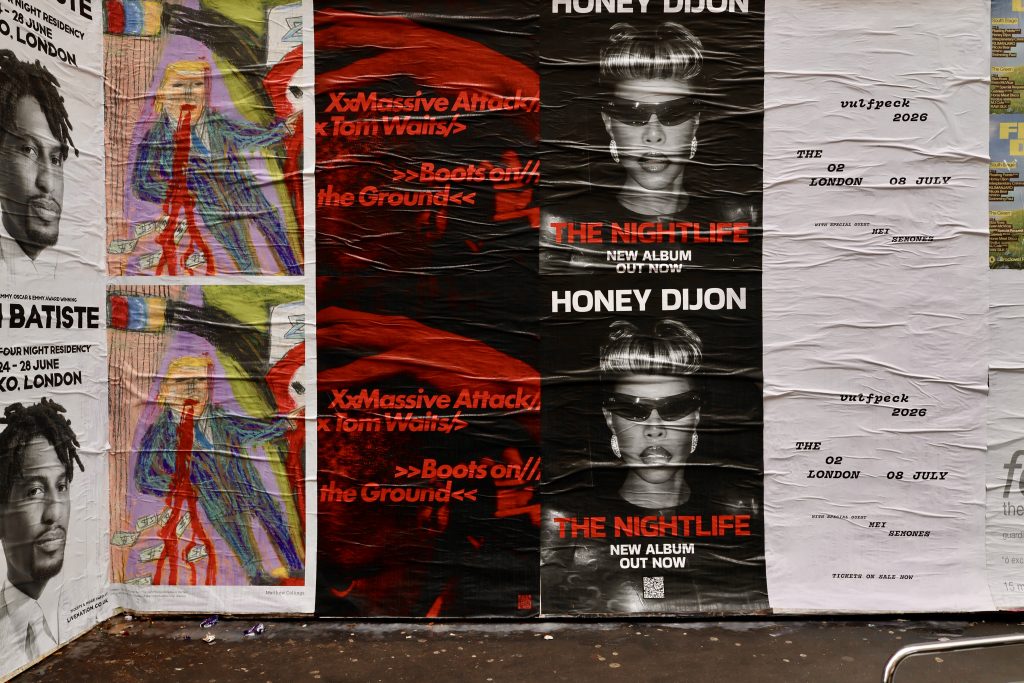
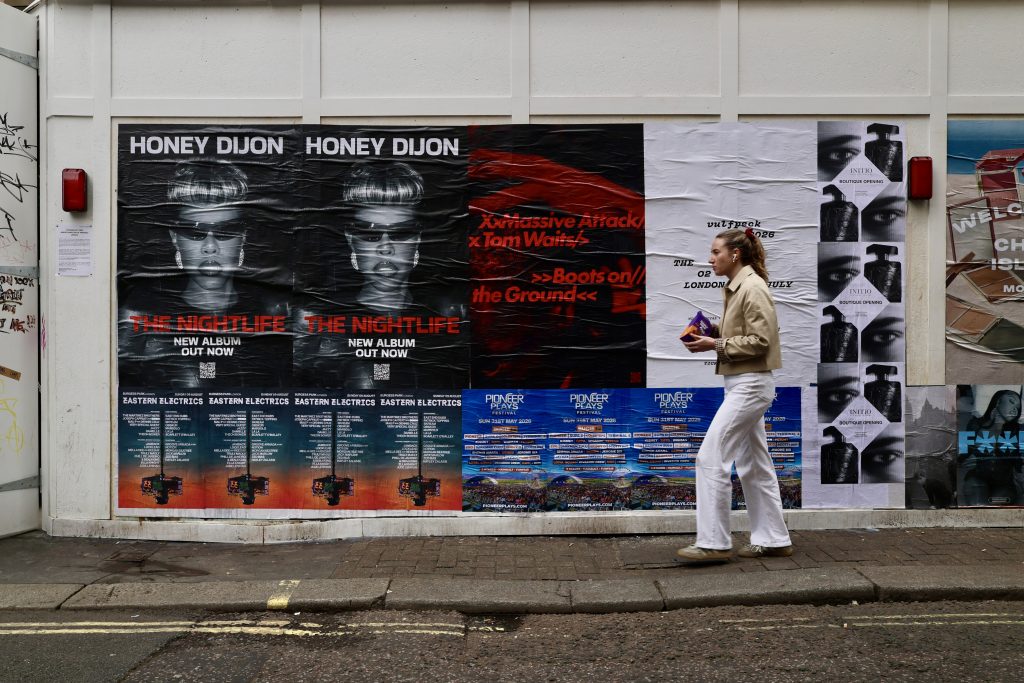
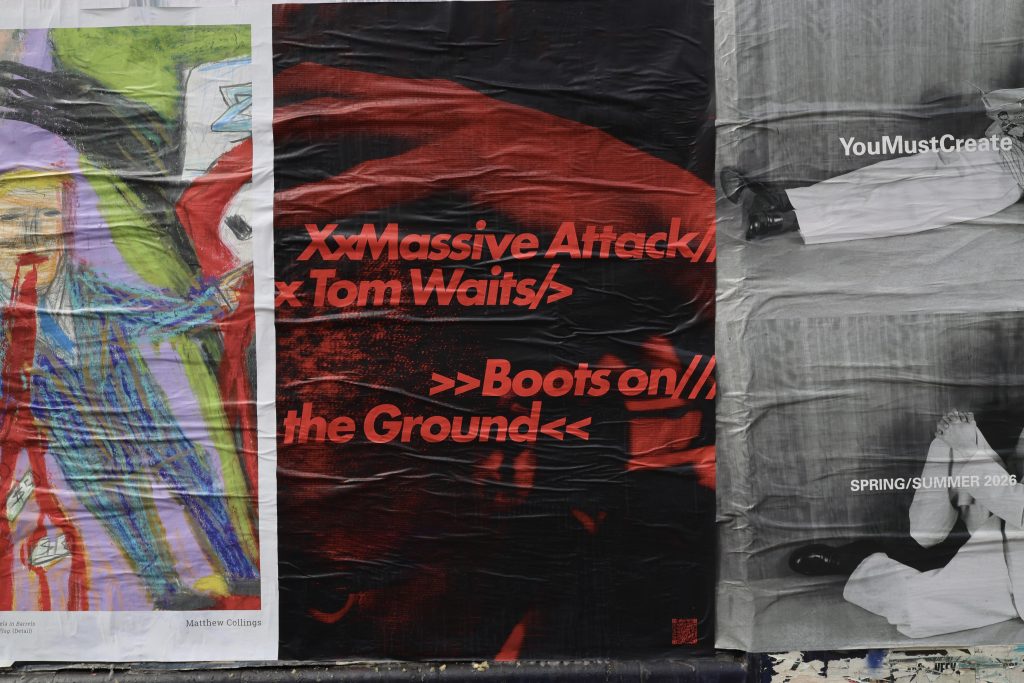
To drive the point home, UNCLE took to the streets of Bristol, Manchester and London, through a bold 4-sheet poster campaign. Massive Attack saw the political climate and pasted their protest across the nation’s walls.
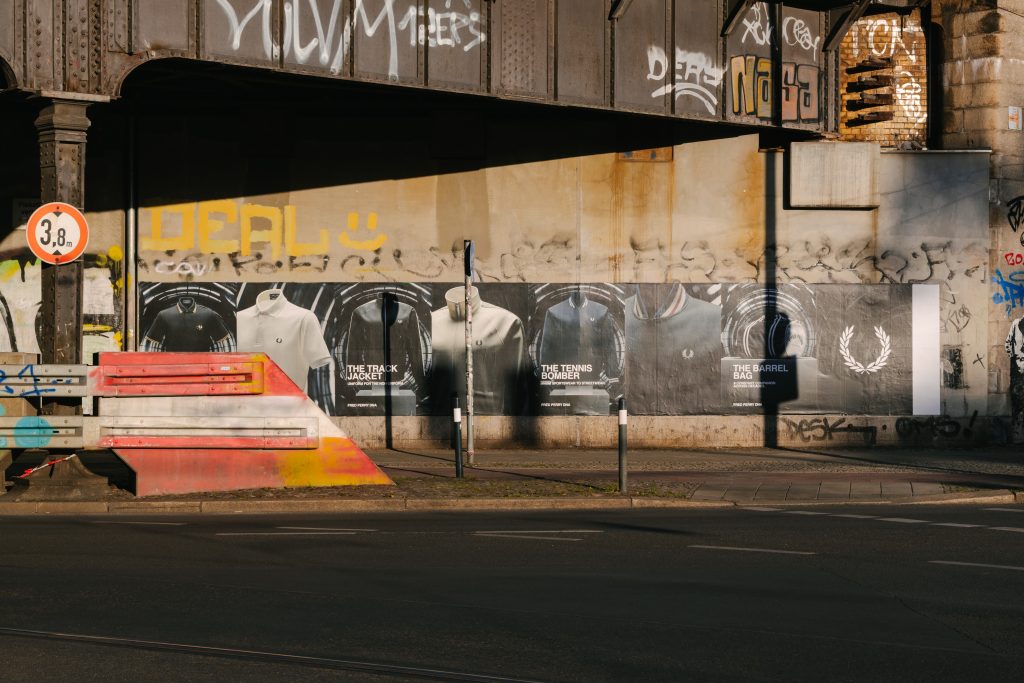
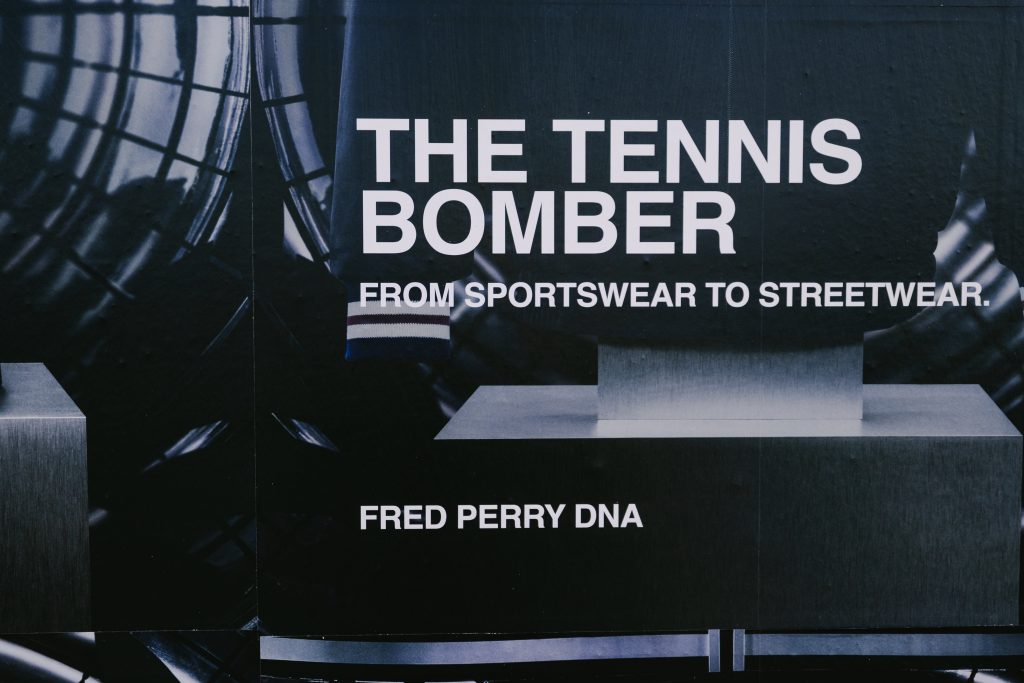
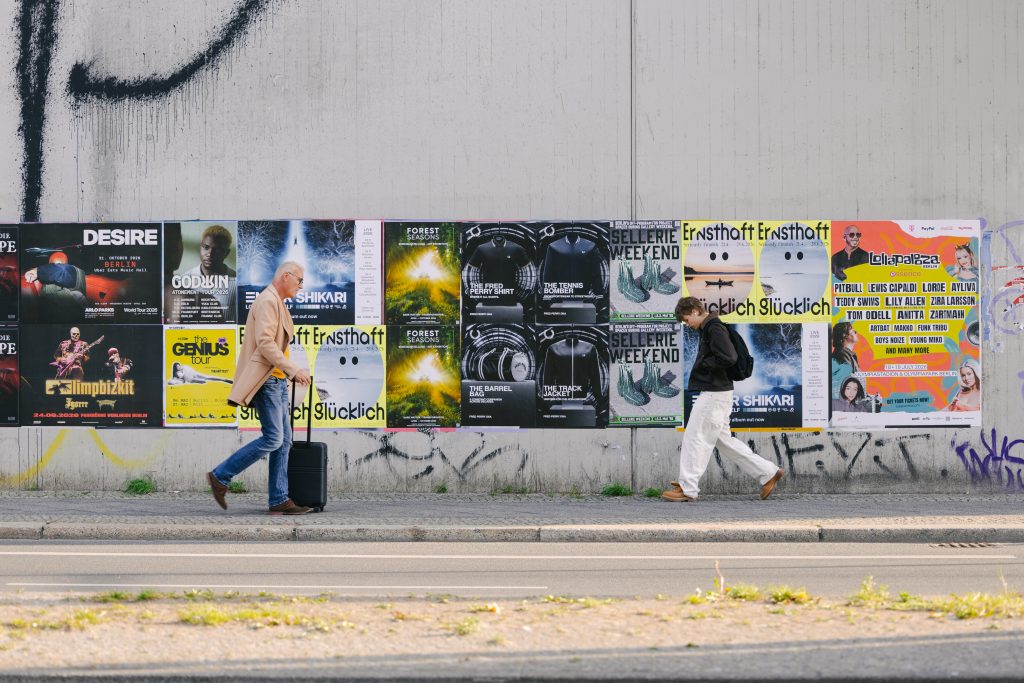
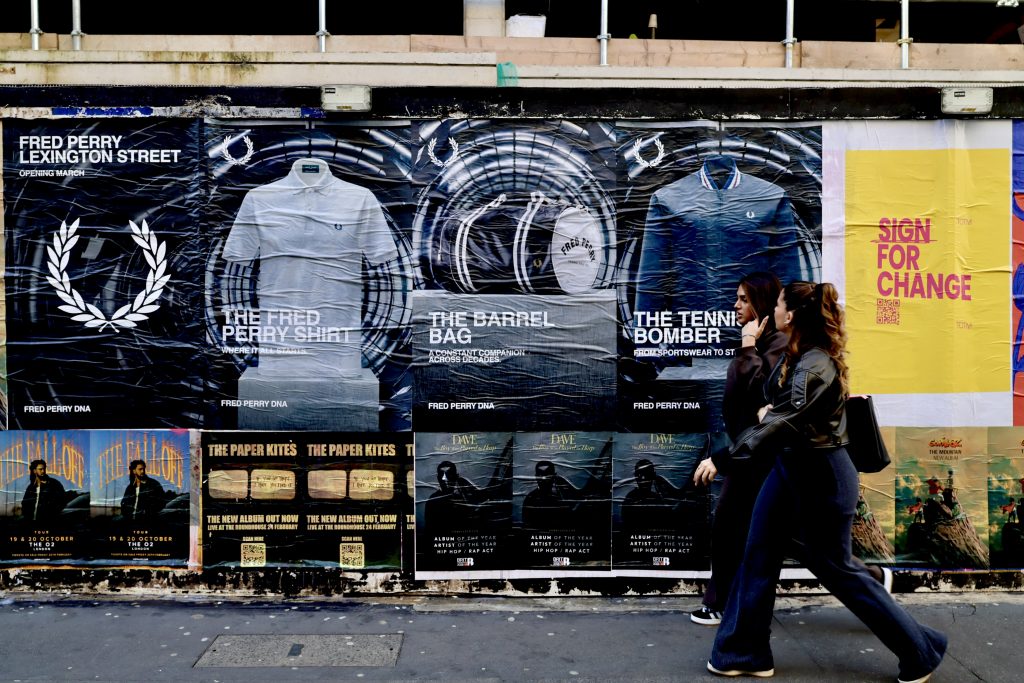
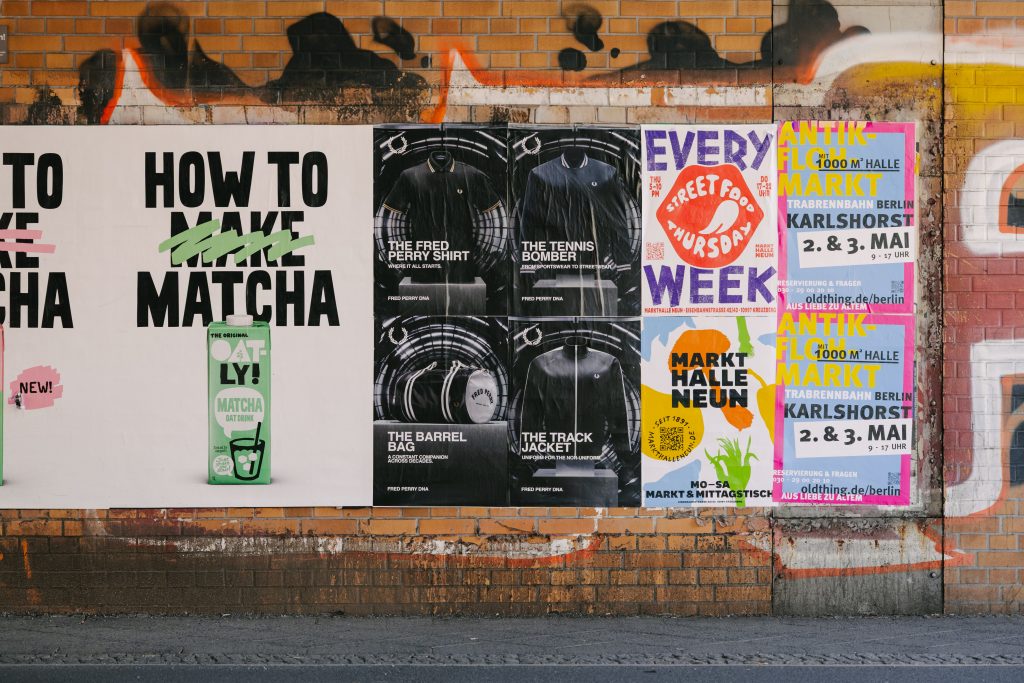
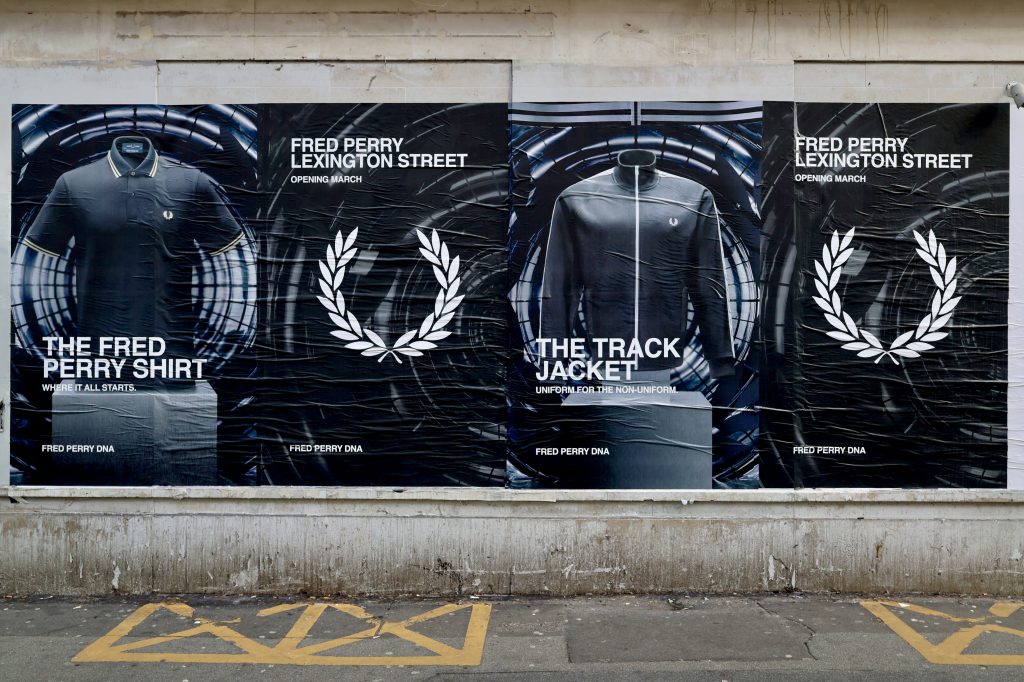
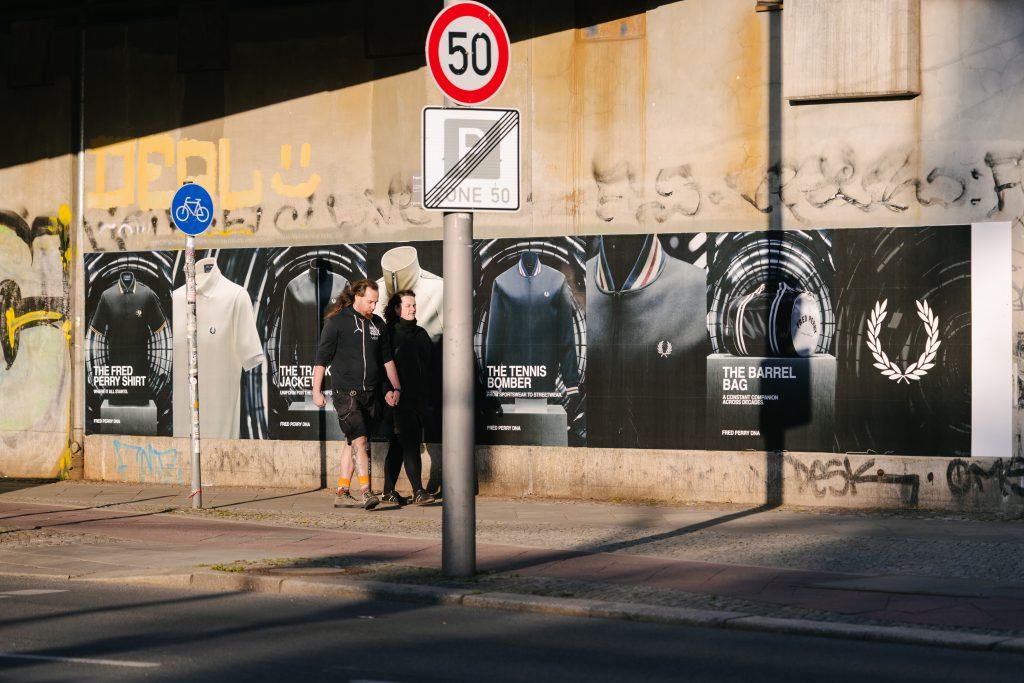
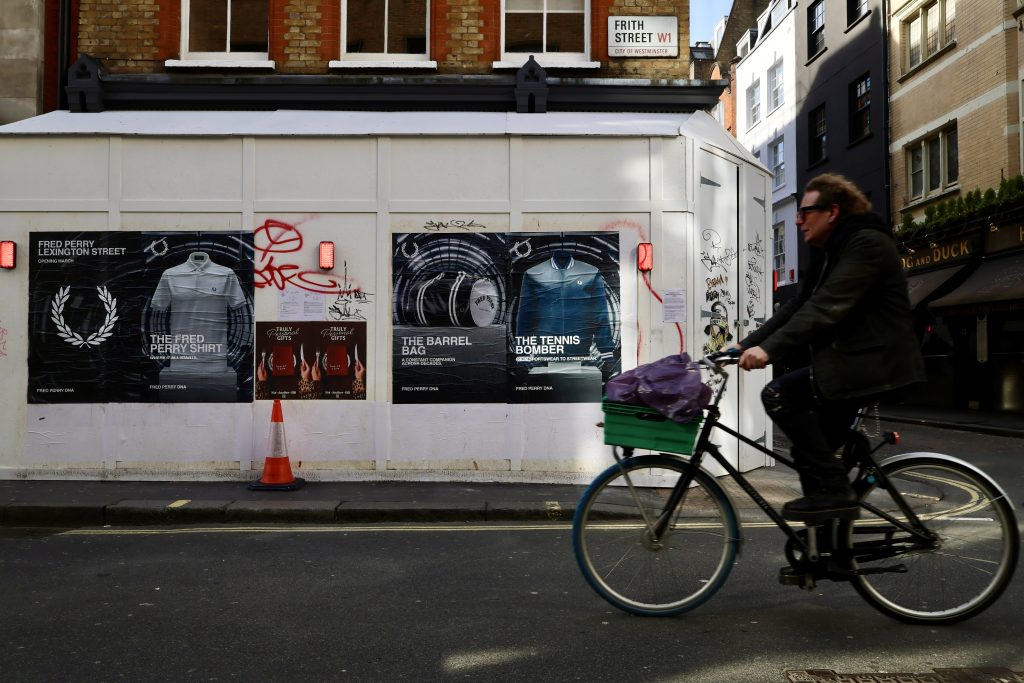
UNCLE has now stamped this transition across the capital, using city banners and A1 posters to claim the space. The TENNIS BOMBER and the TRACK JACKET lead the way, proving that the shift from sportswear to streetwear isn’t a trend – it’s a takeover. It is sharp, British, and perfectly at home in the Berlin streets.
UNCLE mirrored this glow through the streets of London and Manchester. Strategic 4-sheet campaigns turned grey streets into a sun-soaked world, bringing West Coast heat into the British cities.
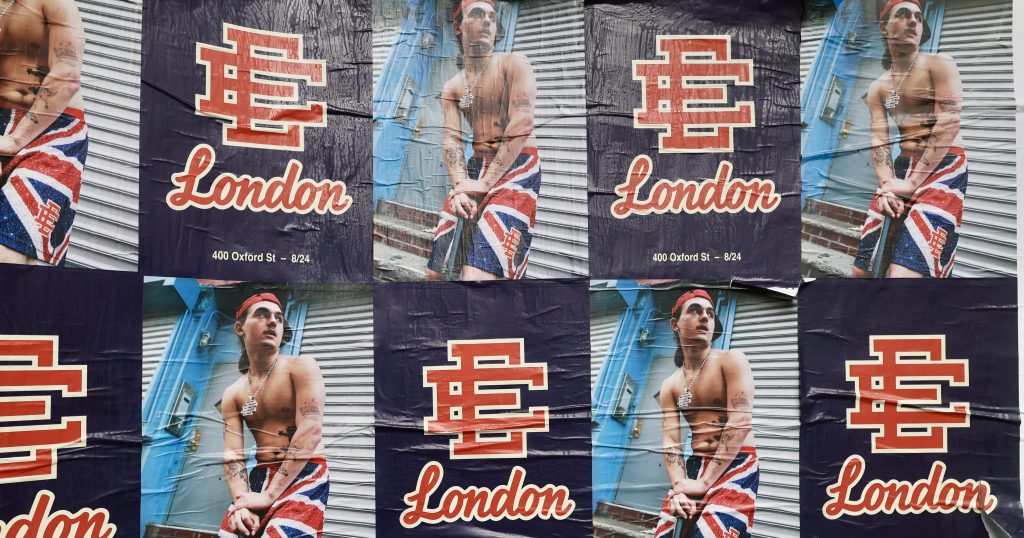
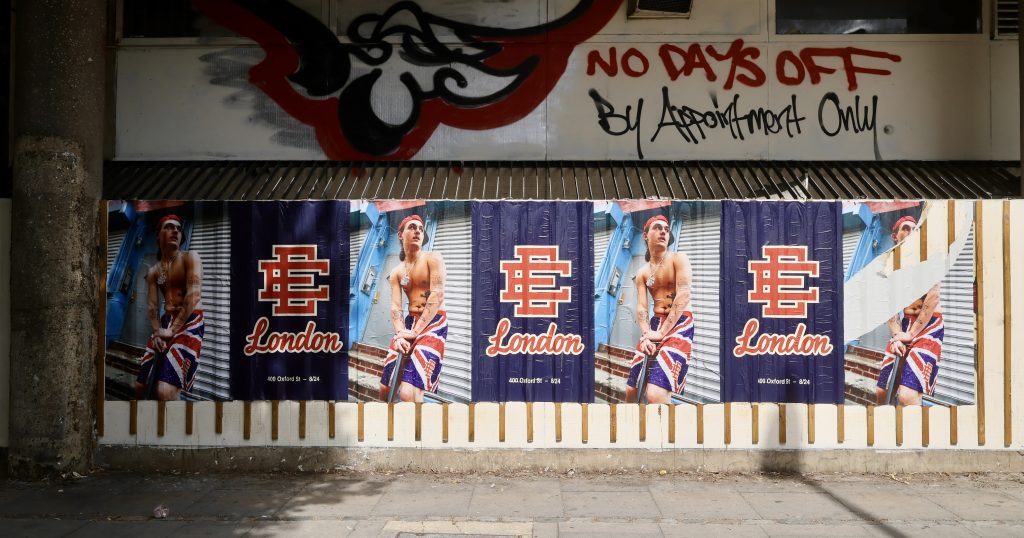
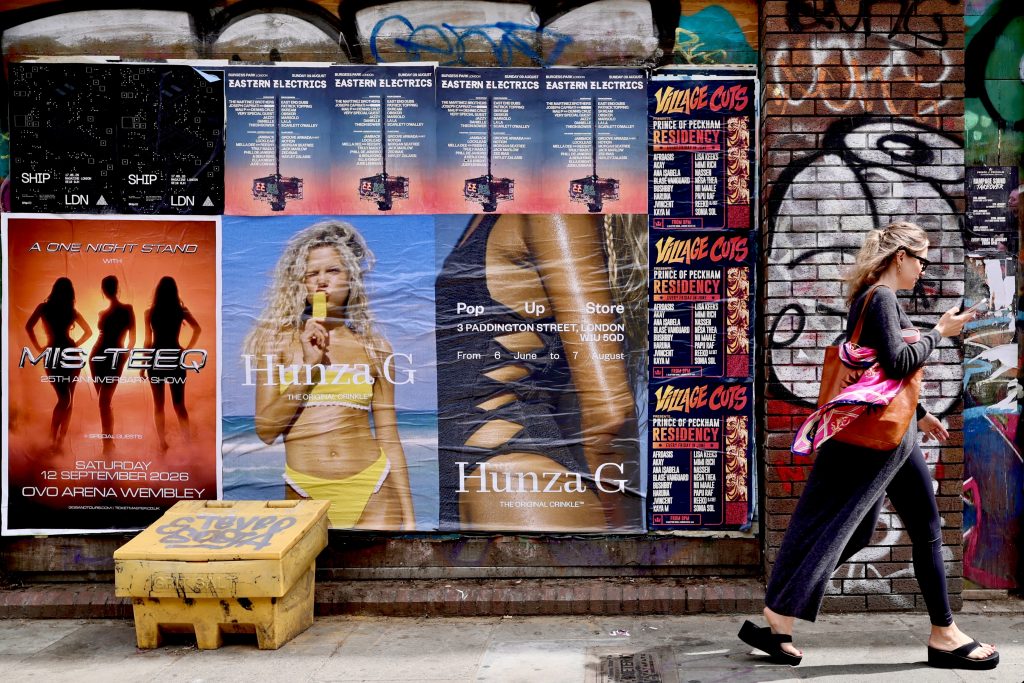
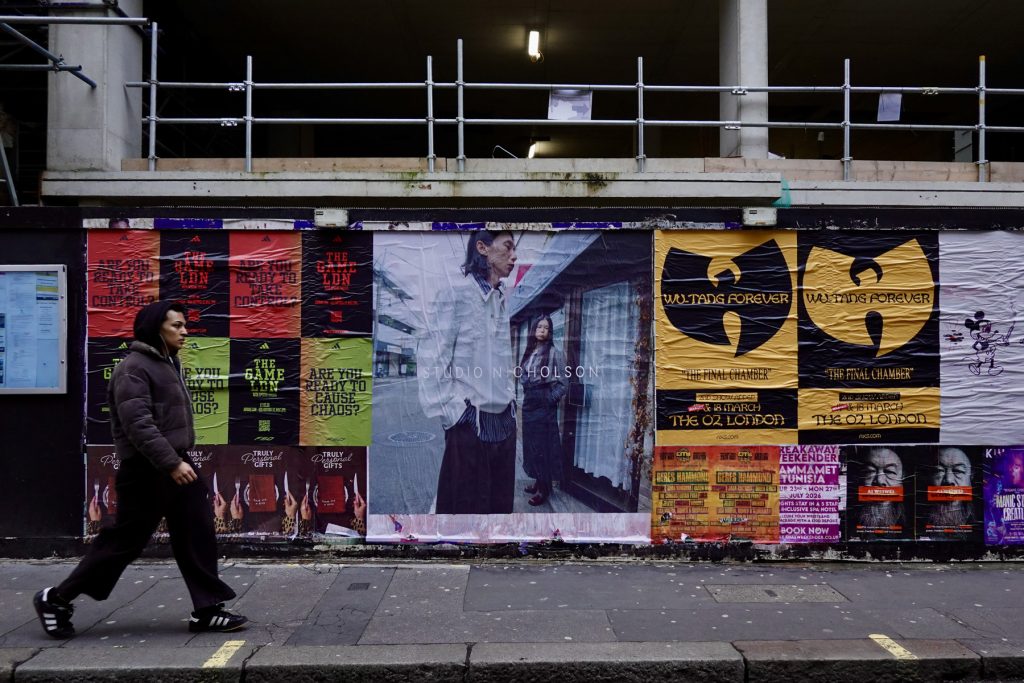
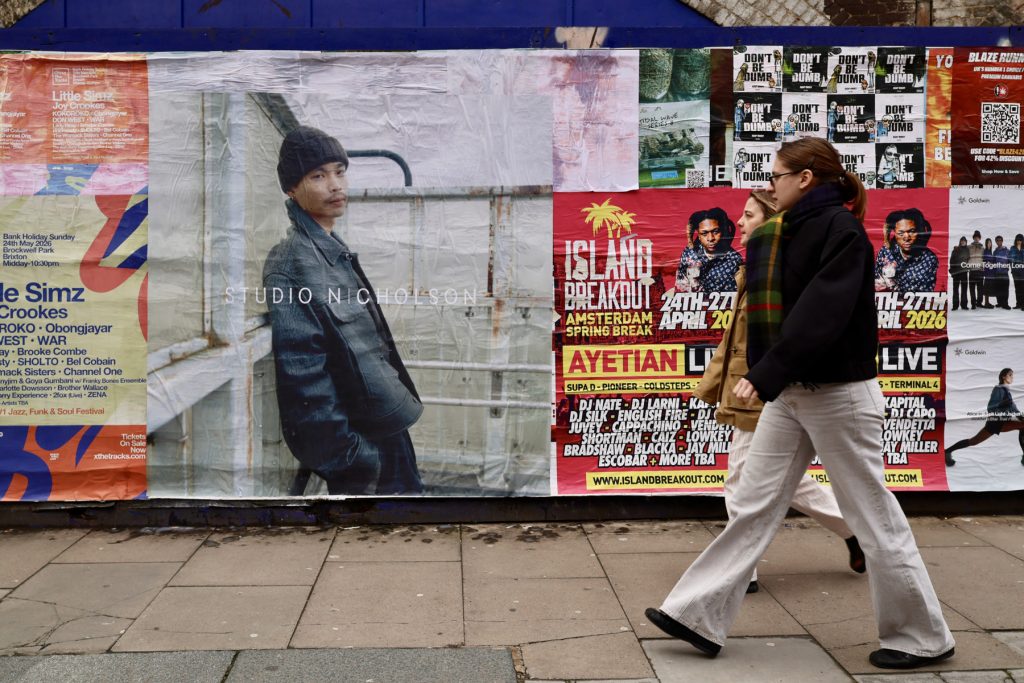
UNCLE executed a flyposting campaign across London, saturating the streets with 4-sheets, megasites and B1 blocks.
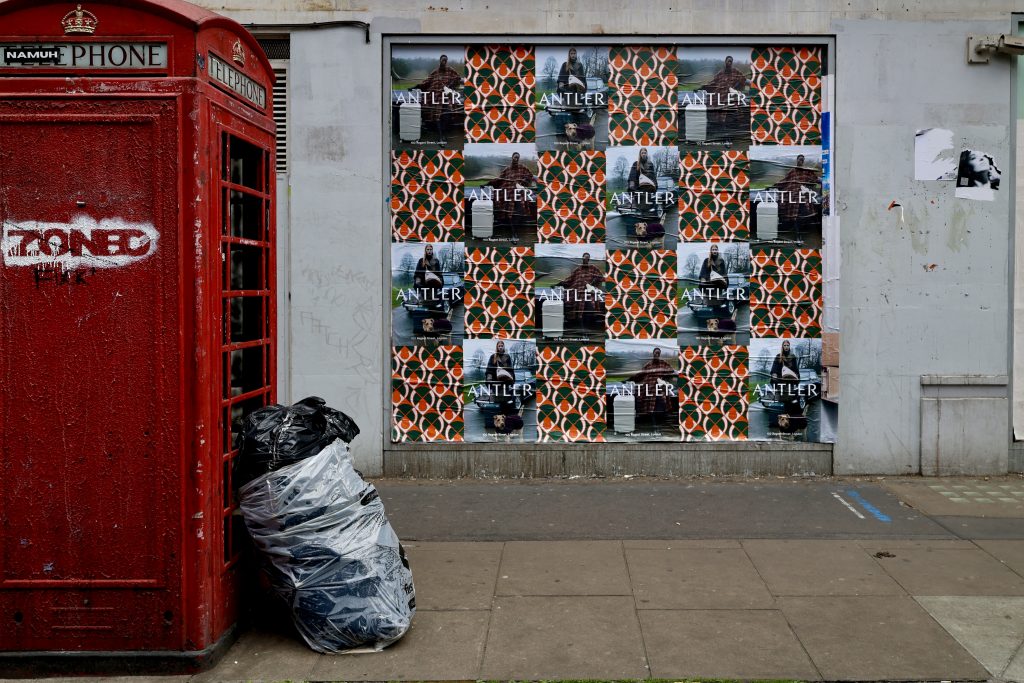
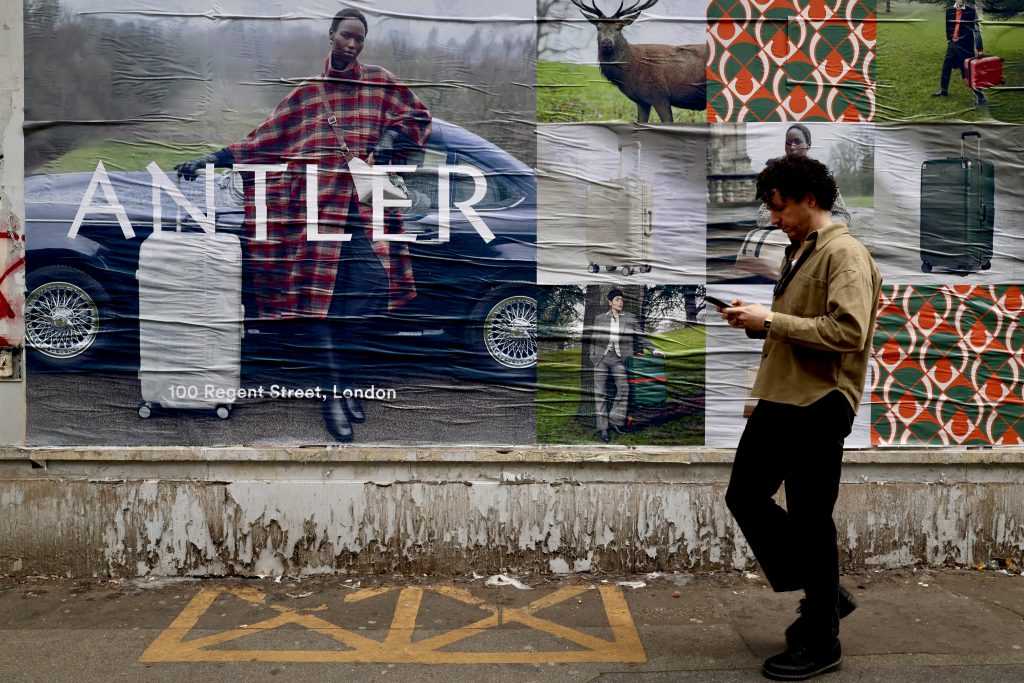
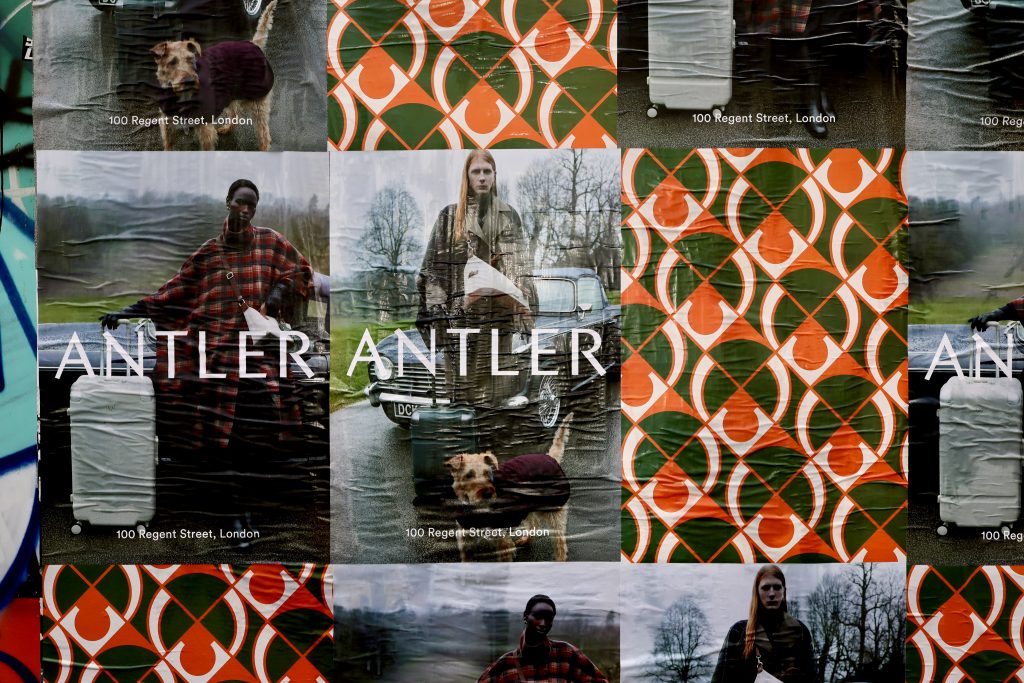
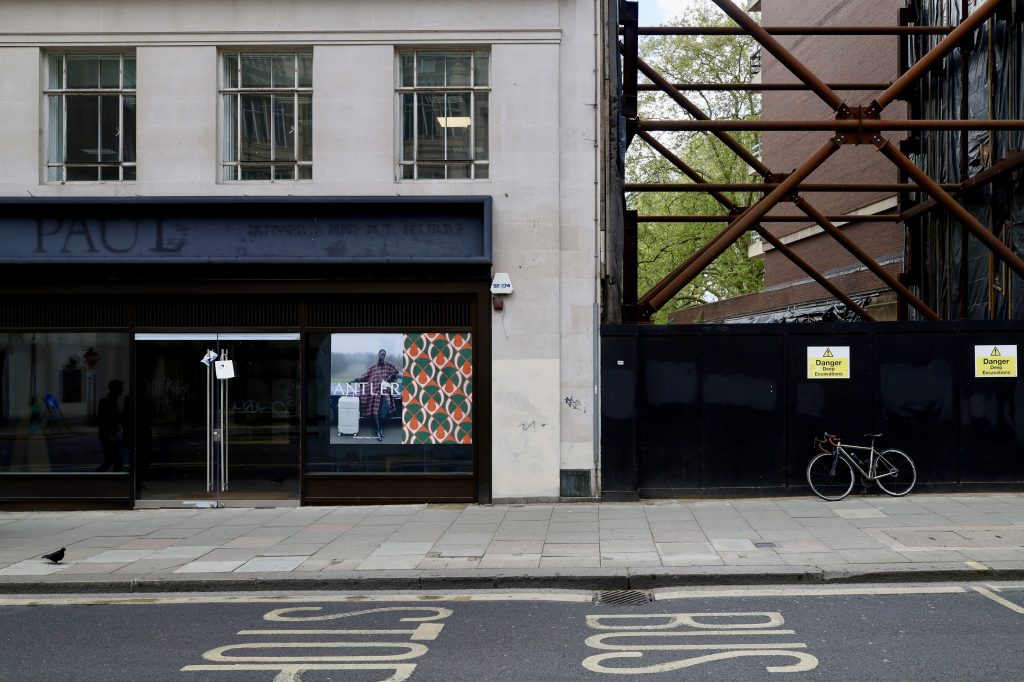
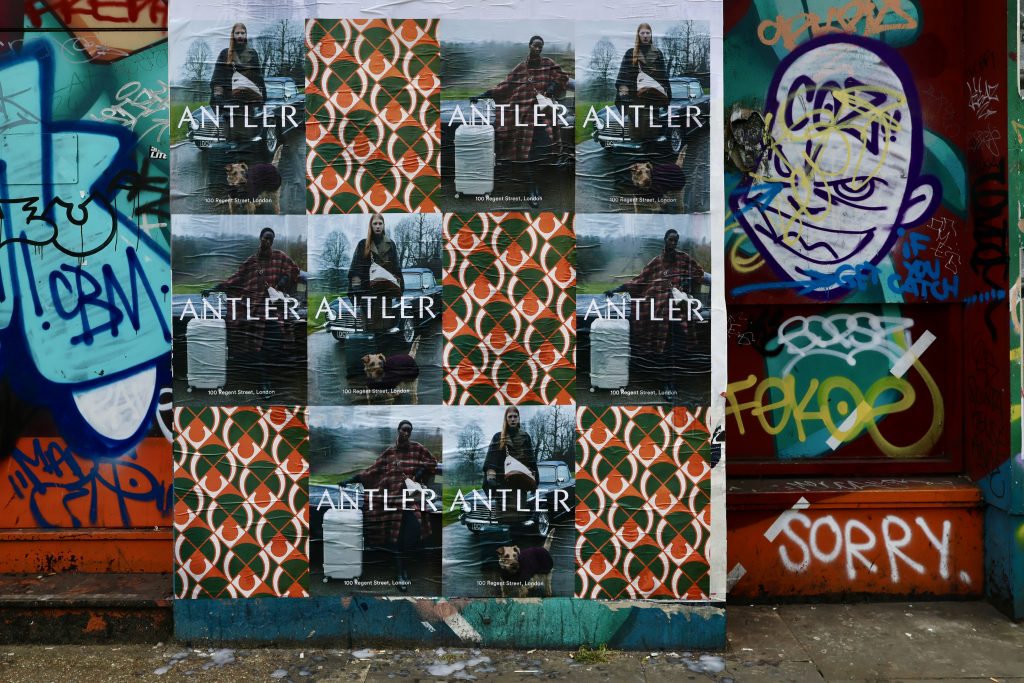
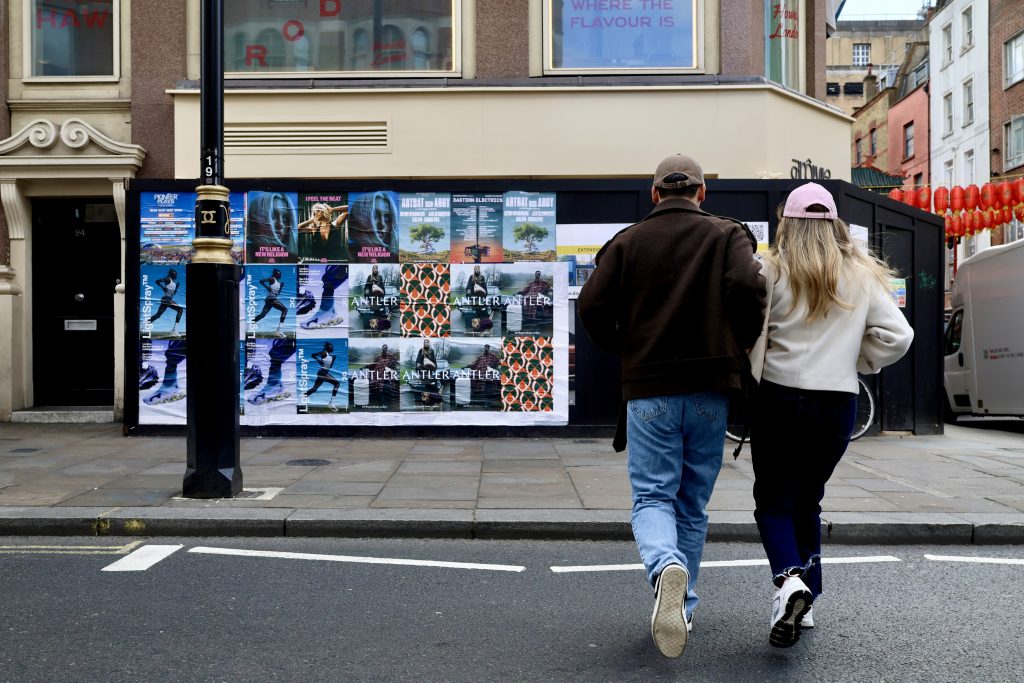
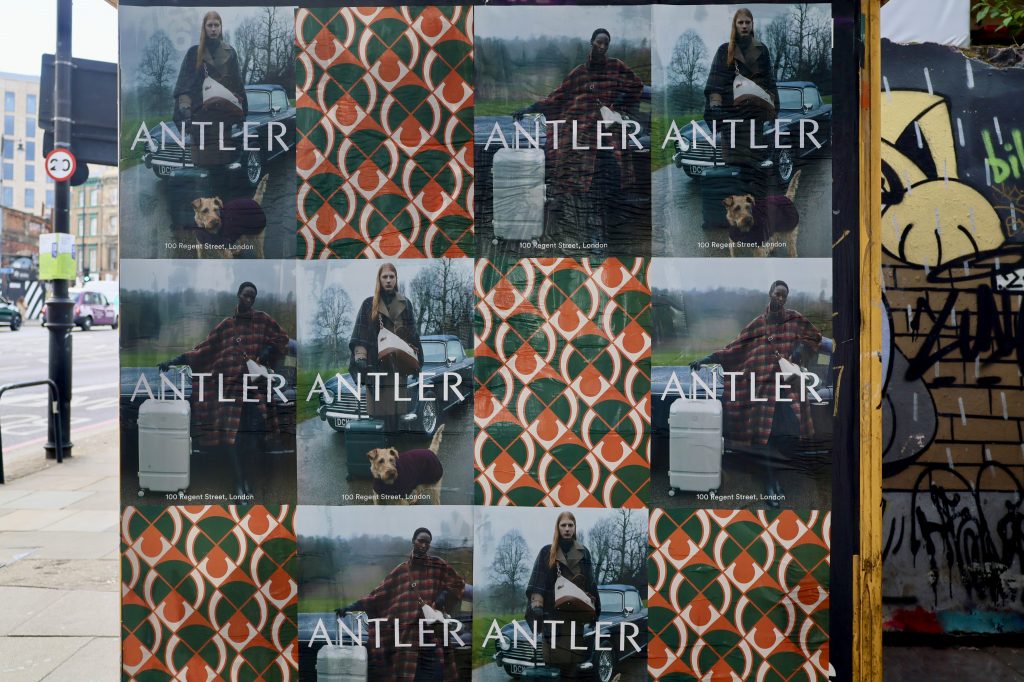
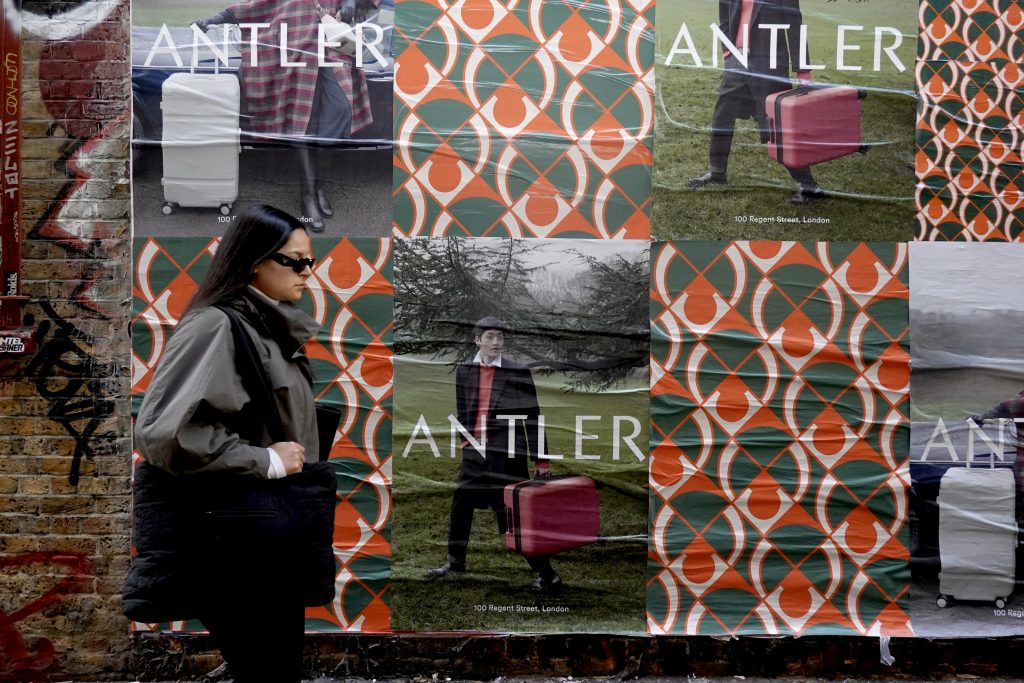
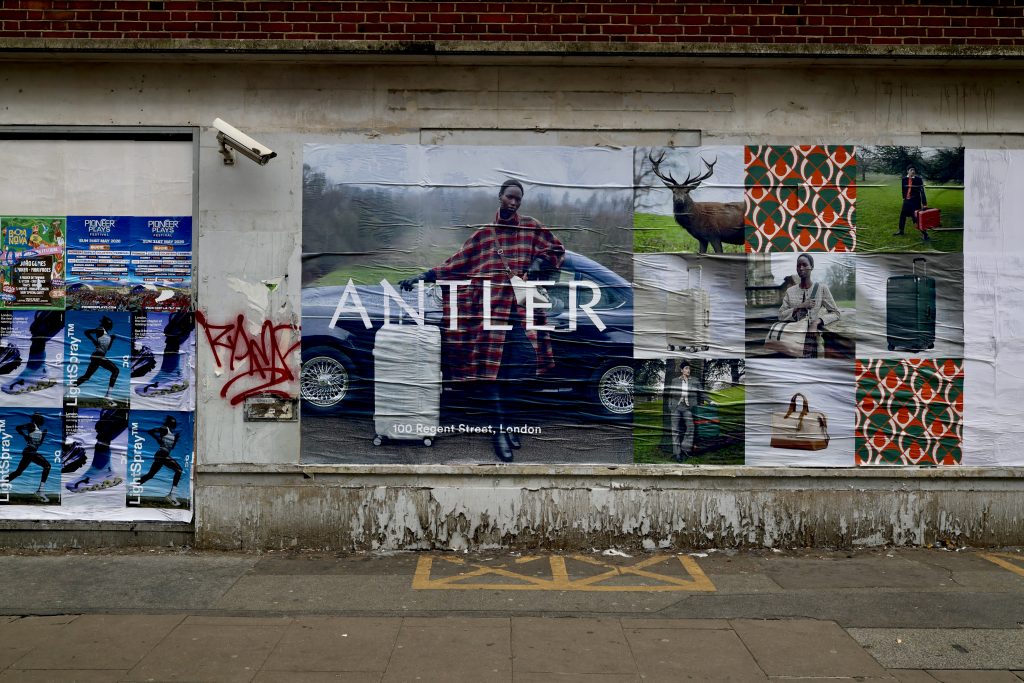
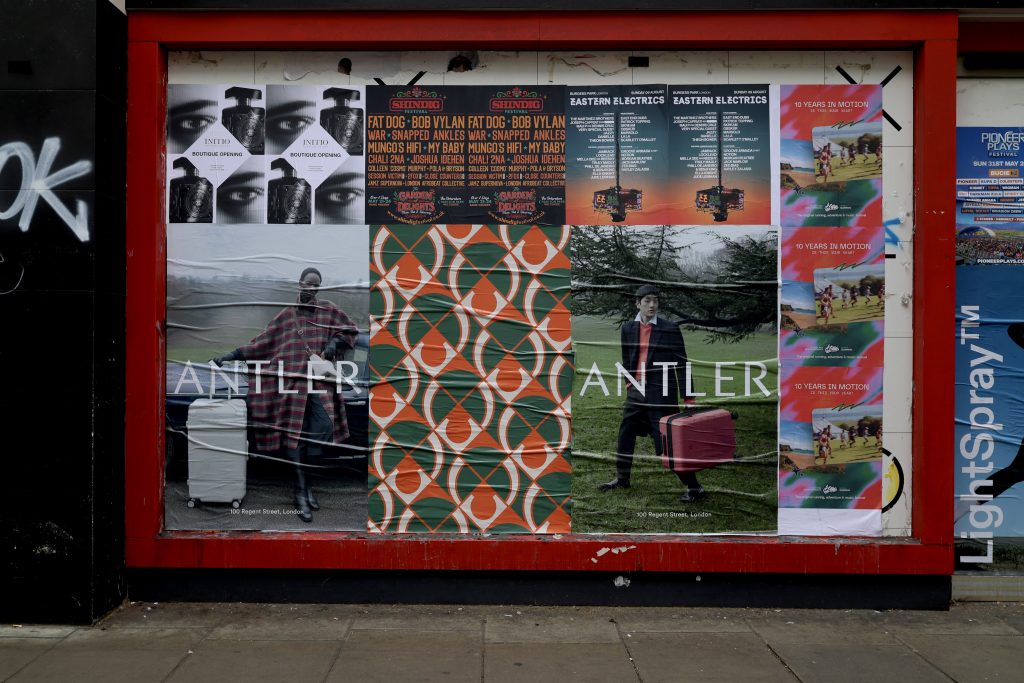
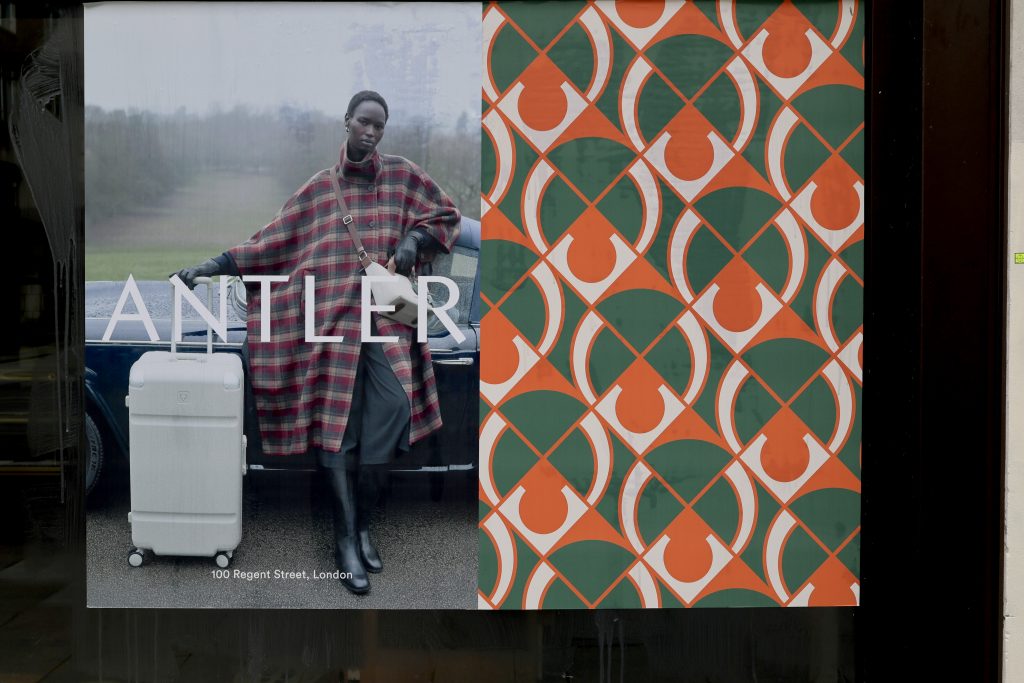
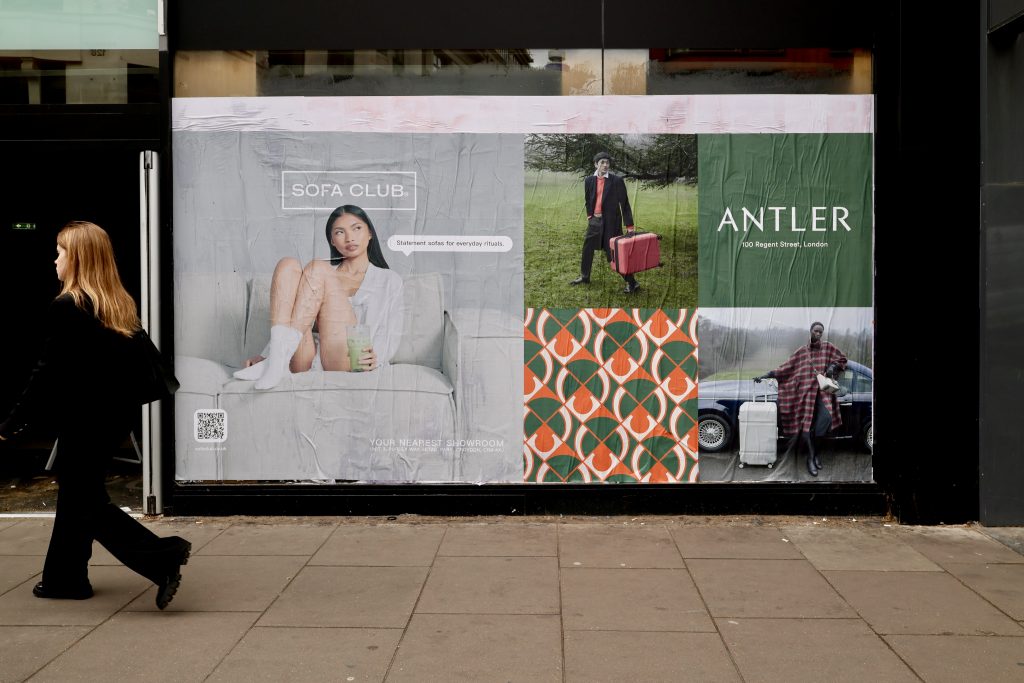
The interlocking geometry signalled a pivot from traditional luggage maker to curator. By the time the doors opened, the silhouette felt like part of the architecture.
Antler didn’t ask for space; through the streets, they simply took it.
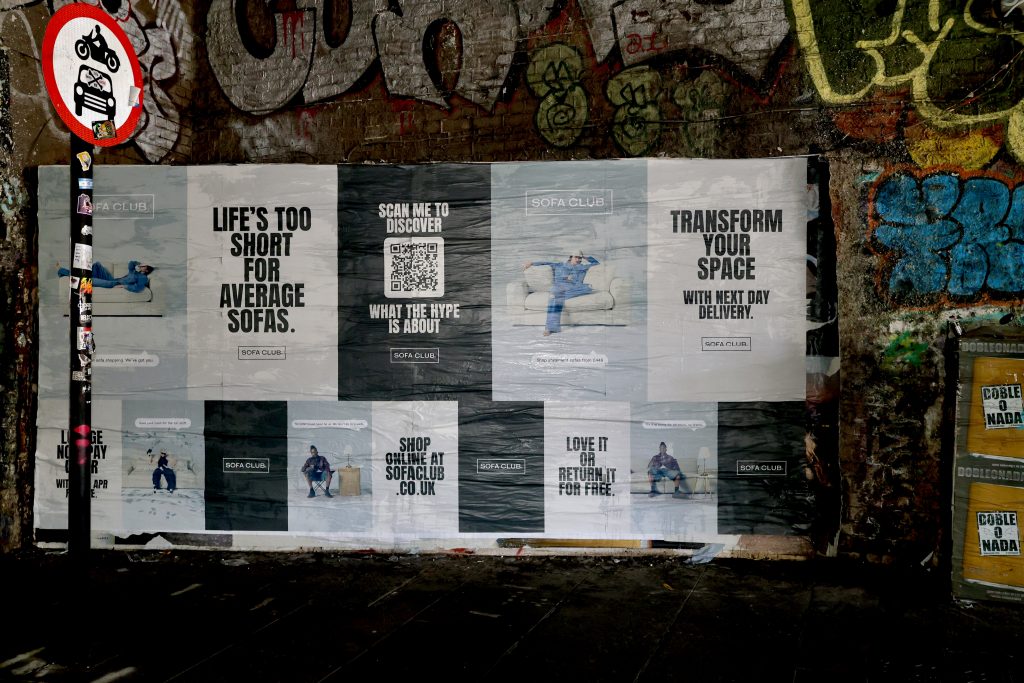
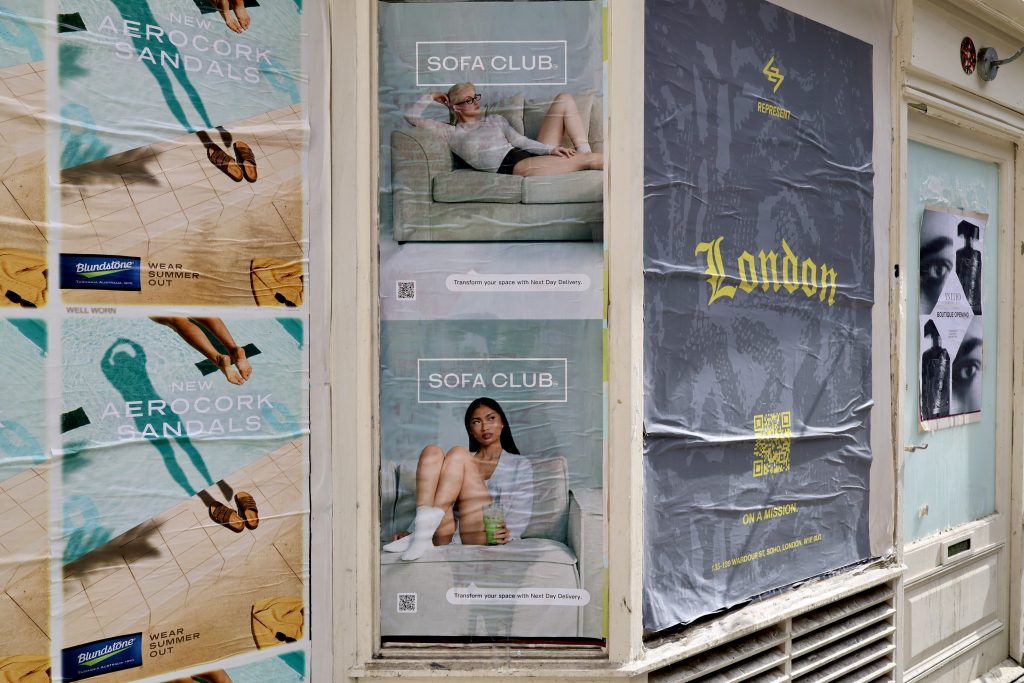
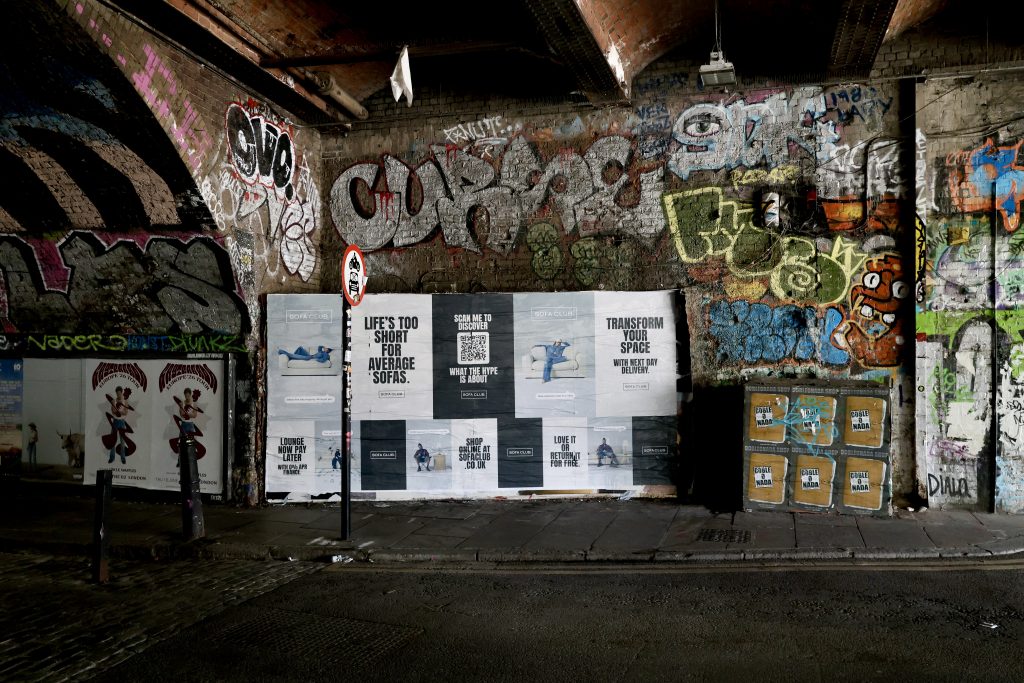
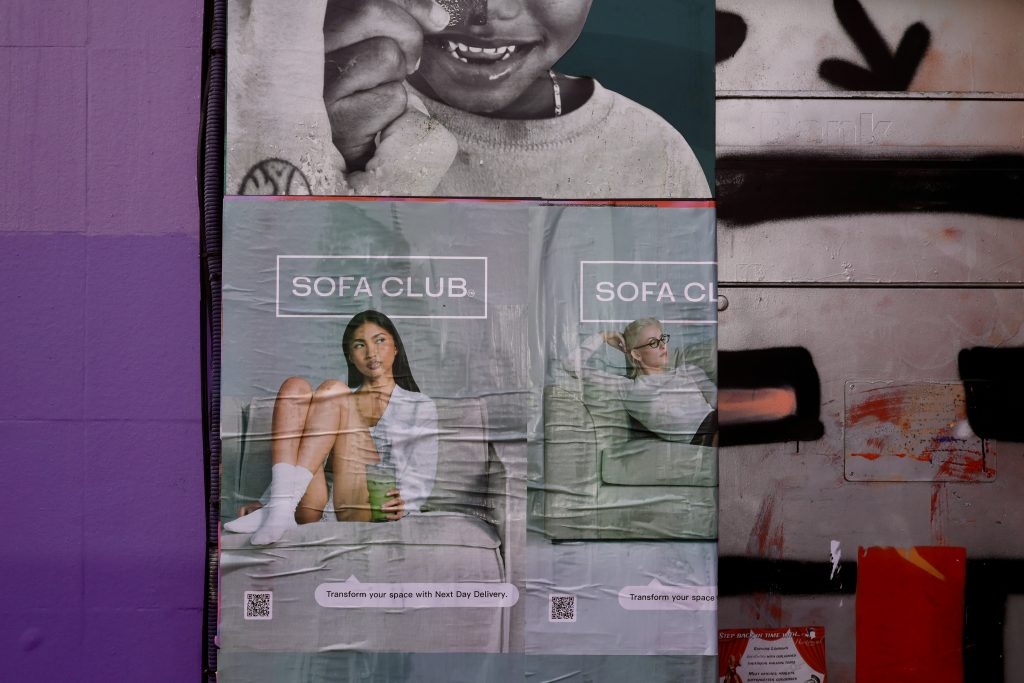
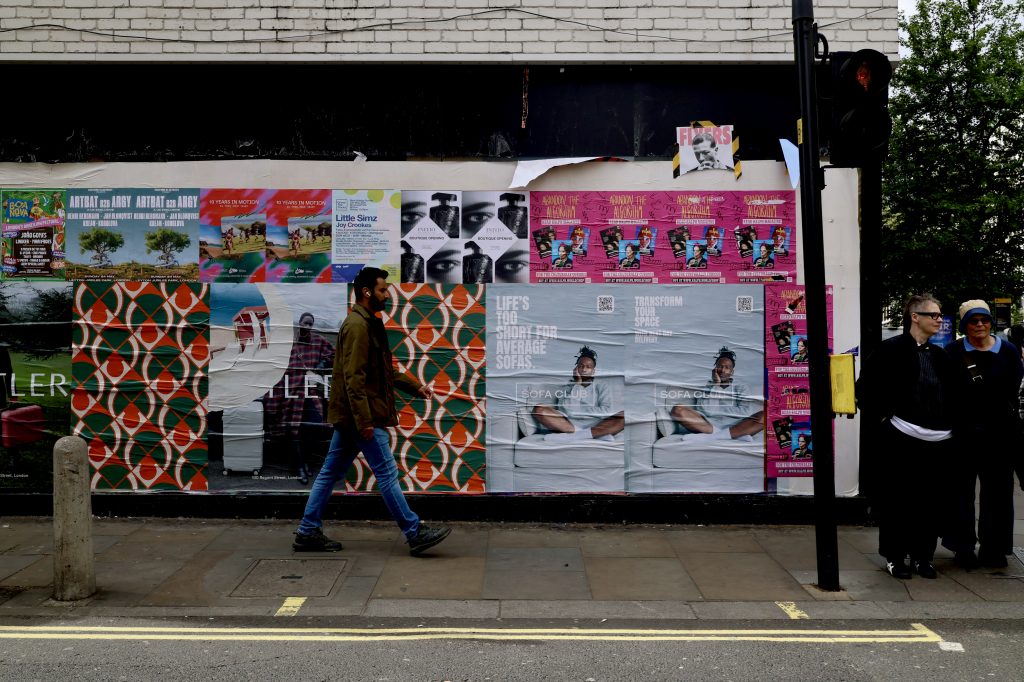
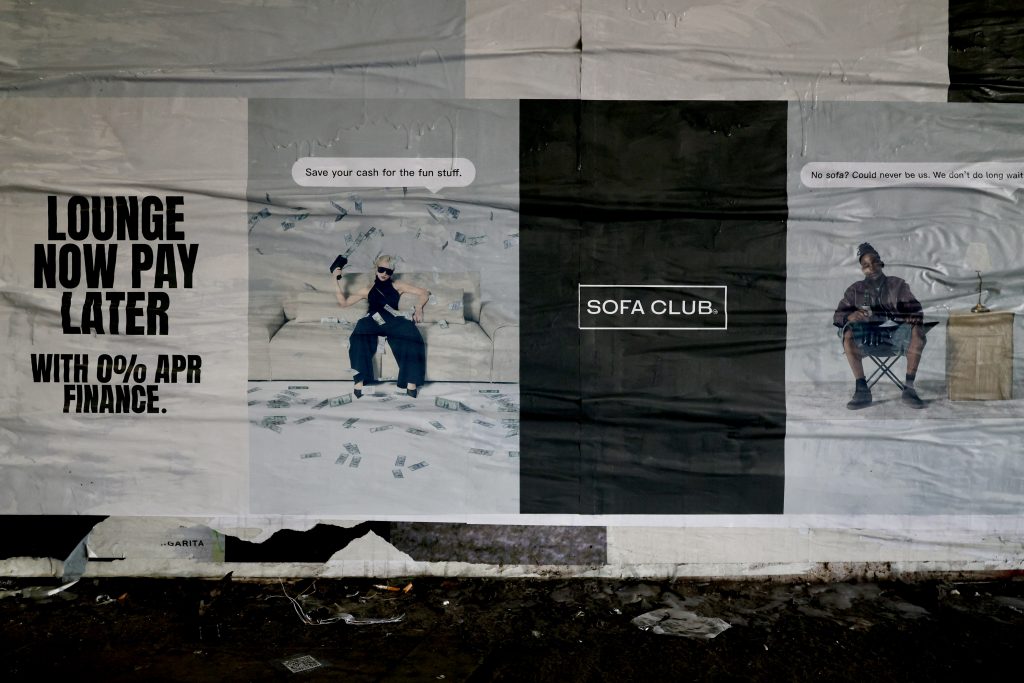
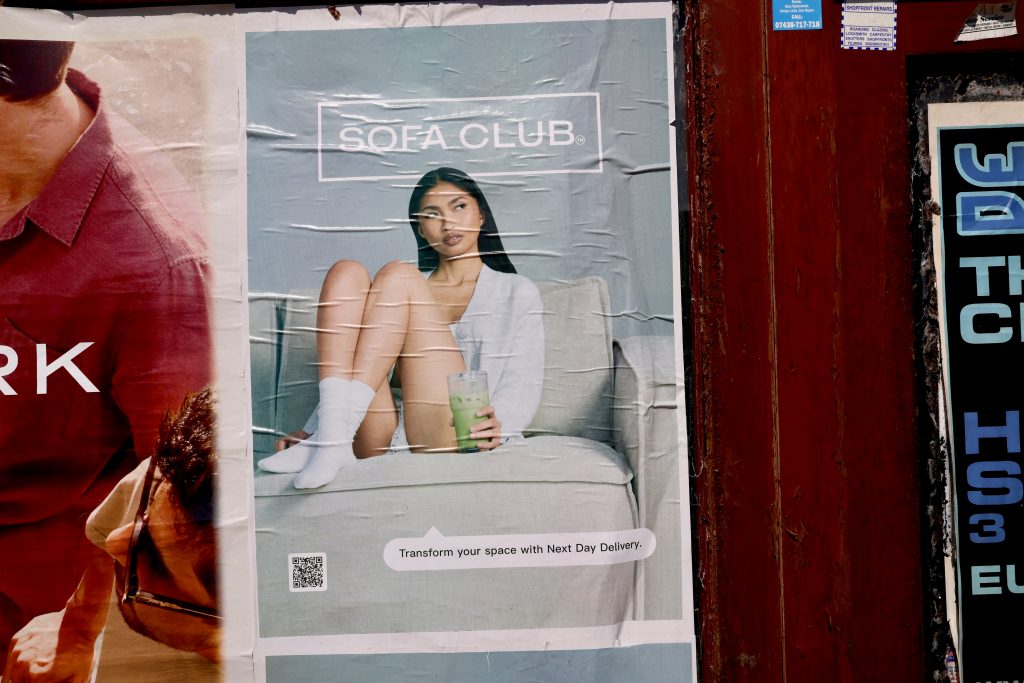
Since 2012, Sofa Club has redefined furniture. Sharp silhouettes, fashion-first, and accessible high-end style. Beyond furnishing spaces; they dresse them.
For their latest London takeover with UNCLE, city walls were too small. From Soho to Shoreditch, megasites, 4-sheets and raw flyposting literally “opened up”; spilling fully-styled lounges onto the concrete.
By shattering the fourth wall via B2s and paste ups, they created a hyper-real moment that forced Londoners to stop, stare and realise that the street offered a luxury their commute never could.
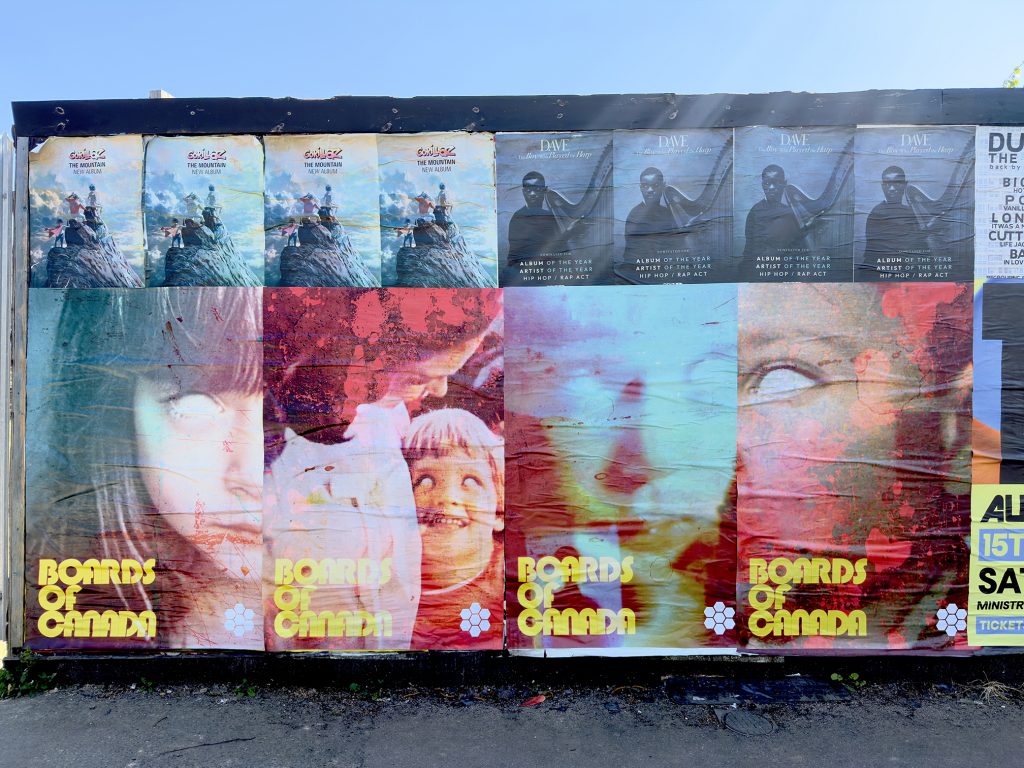
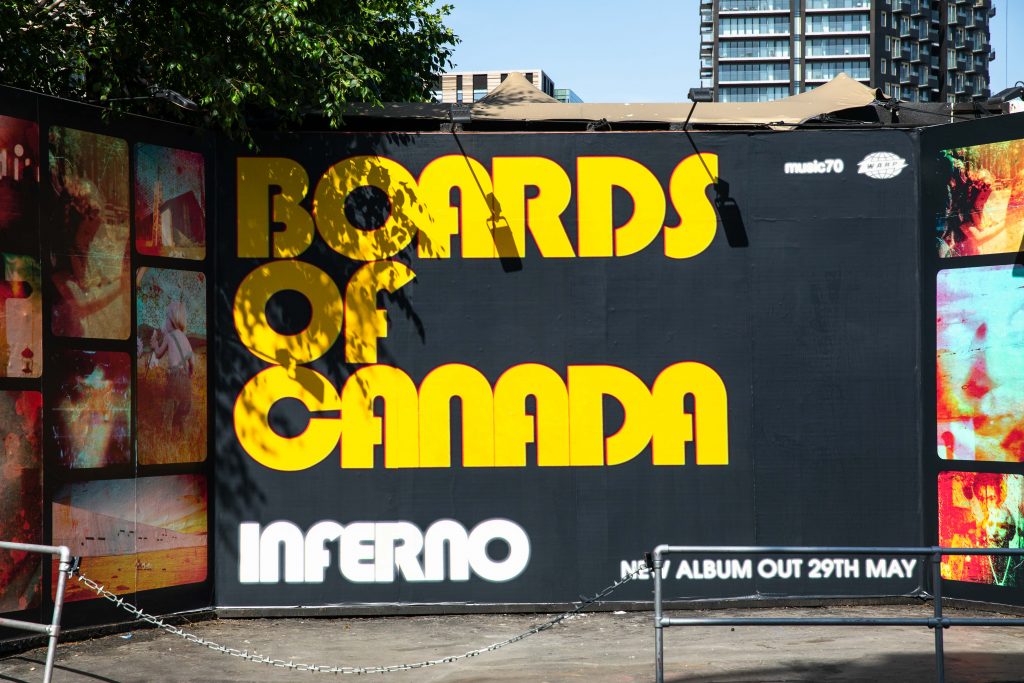
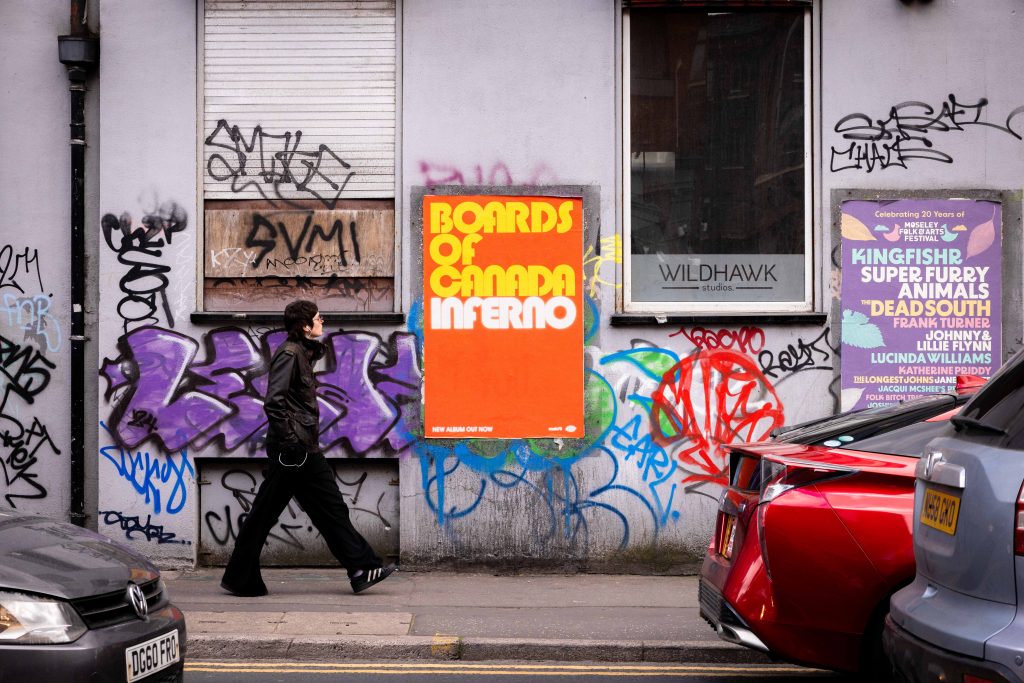
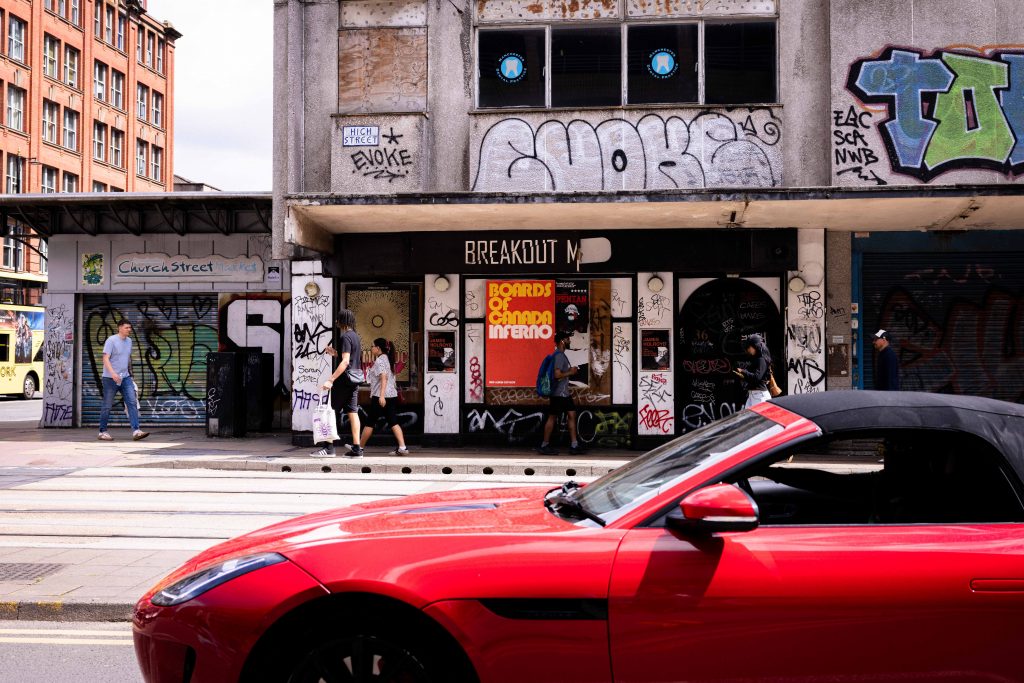
With Warp Records fuelling the hype and UNCLE executing, the streets became a haunting playground. The campaign deployed 3,000 B2 posters, surgical 4-sheet strikes, and massive paste-up blocks. Reddit melted down as the evidence mounted: the Sandison brothers didn’t just return—they reclaimed the frequency. The cult is officially back.
UNCLE saturated East London with a high-energy campaign, deploying 4-sheets and 4-sheet blocks. It was a surge of pure colour injected directly into the street.
East London never tasted so fresh.
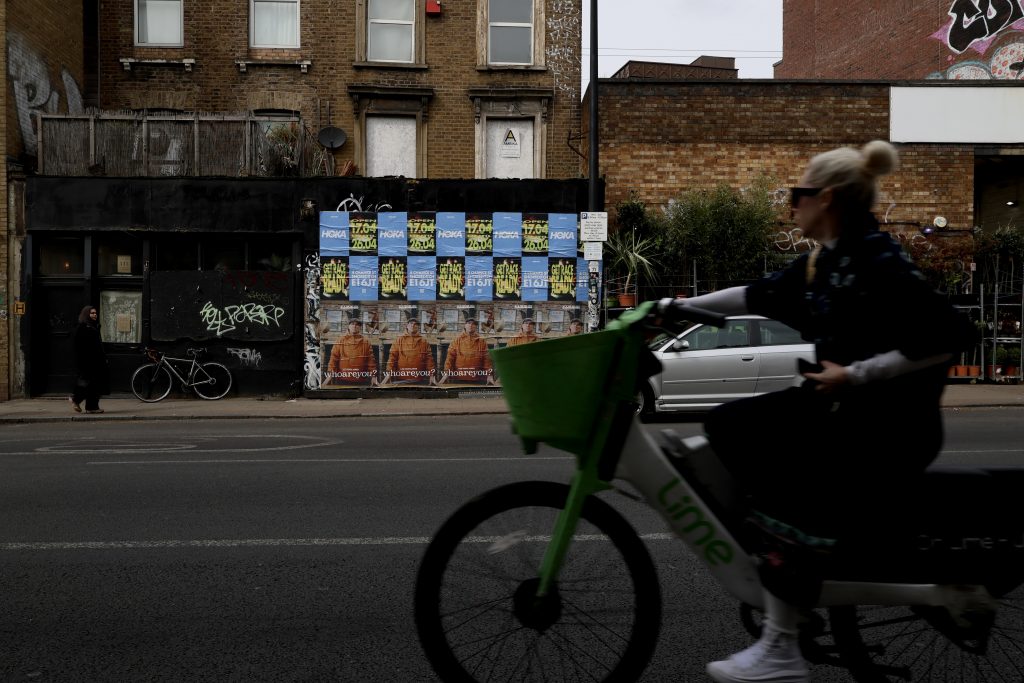
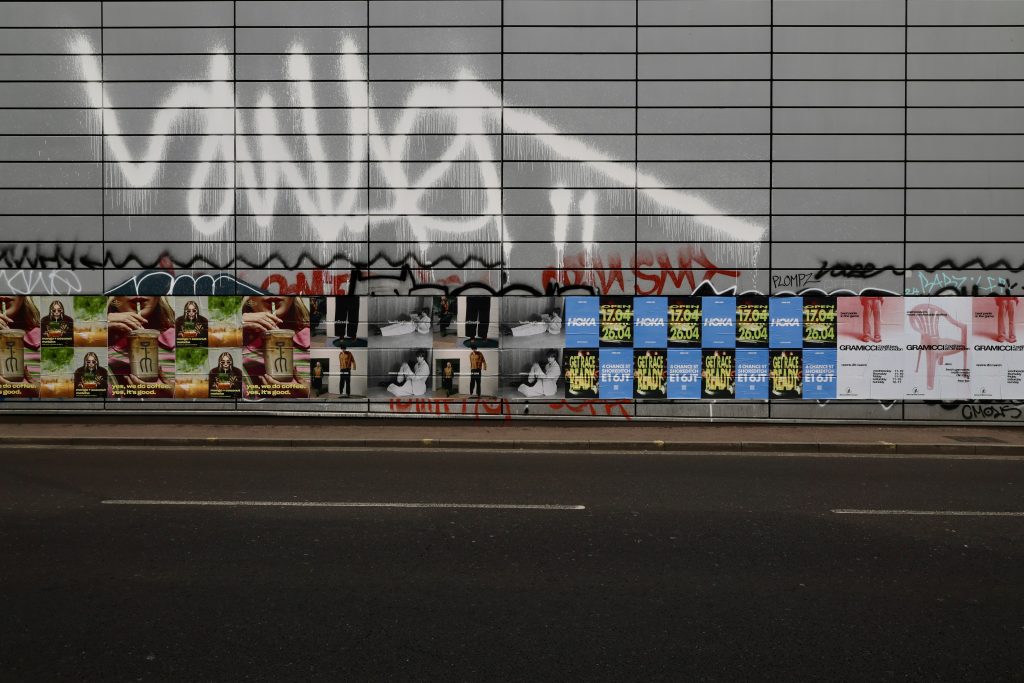
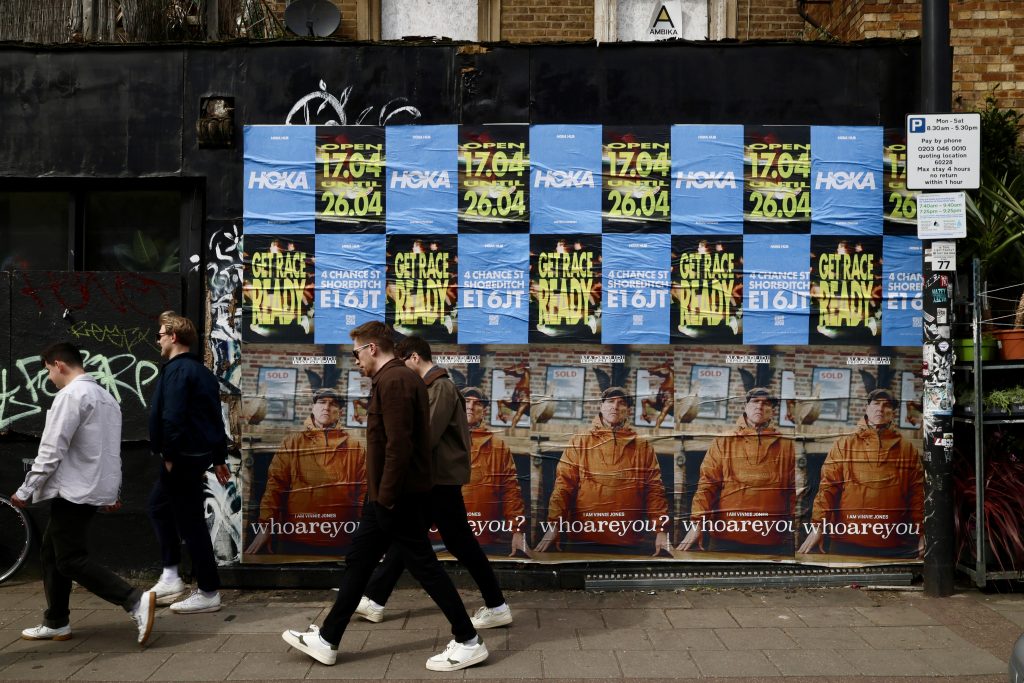
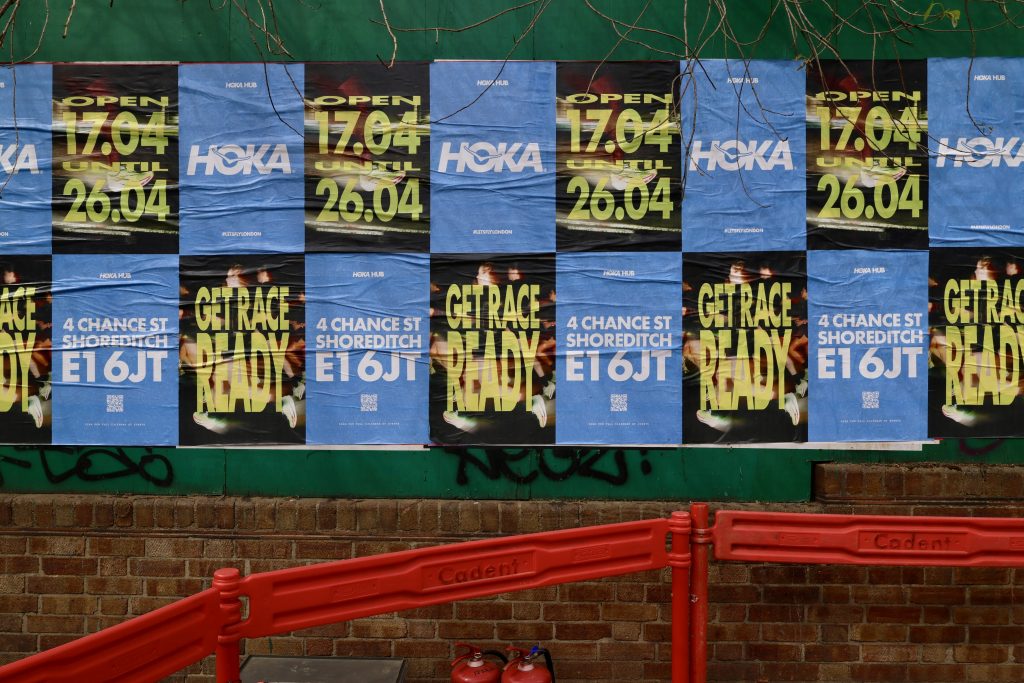
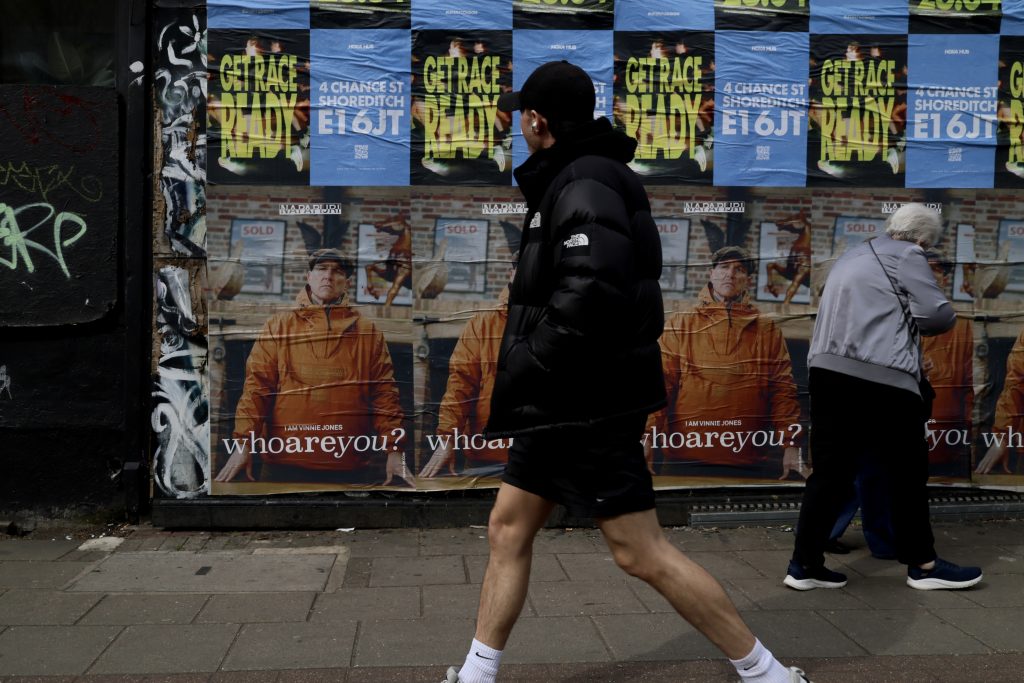
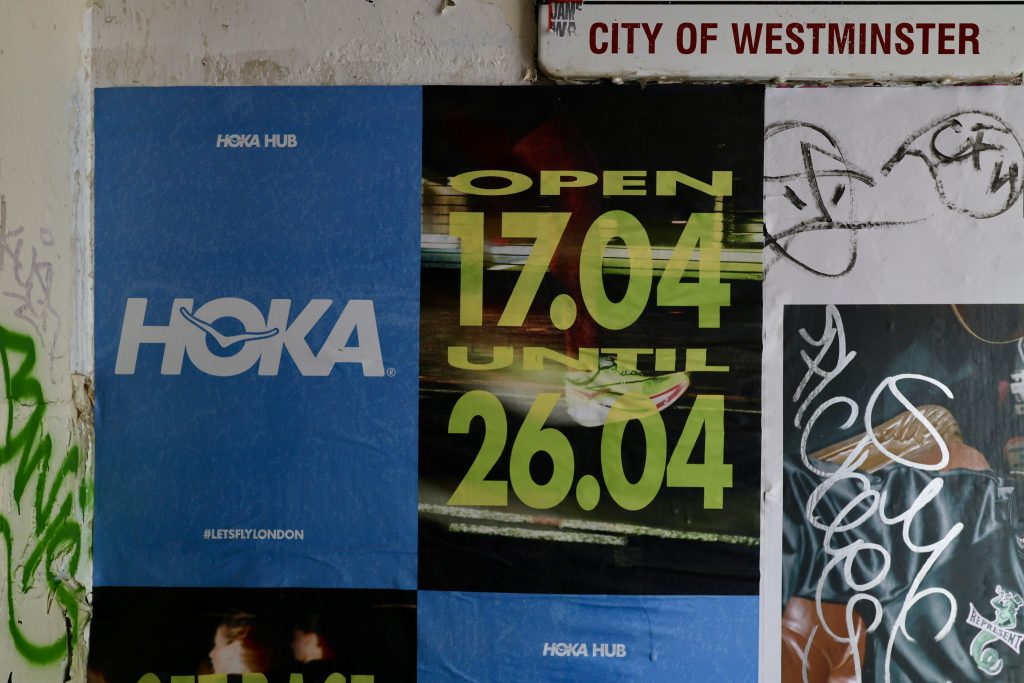
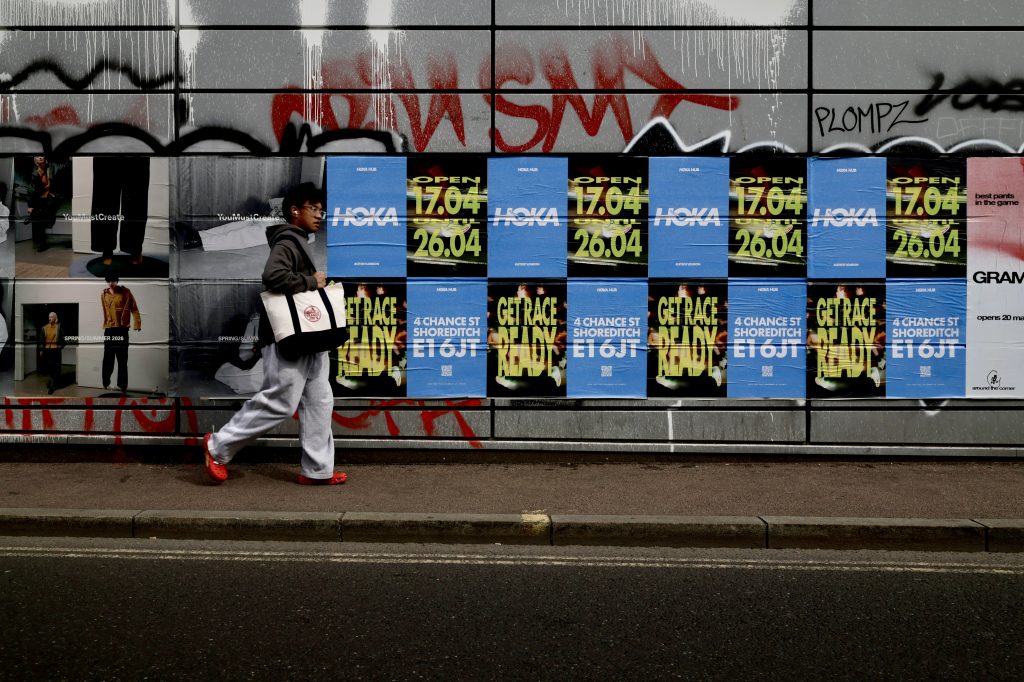
This wasn’t about a casual warm-up, it was about high-octane performance meeting East London’s relentless edge. 4 Chance St became the ultimate hub for those ready to outrun the noise.
To signal the takeover, UNCLE hit the streets with high-impact 4-sheet and 4-sheet blocks, ensuring the “Get Race Ready” call was impossible to miss.
No fluff, no excuses – just pure momentum for the chase.
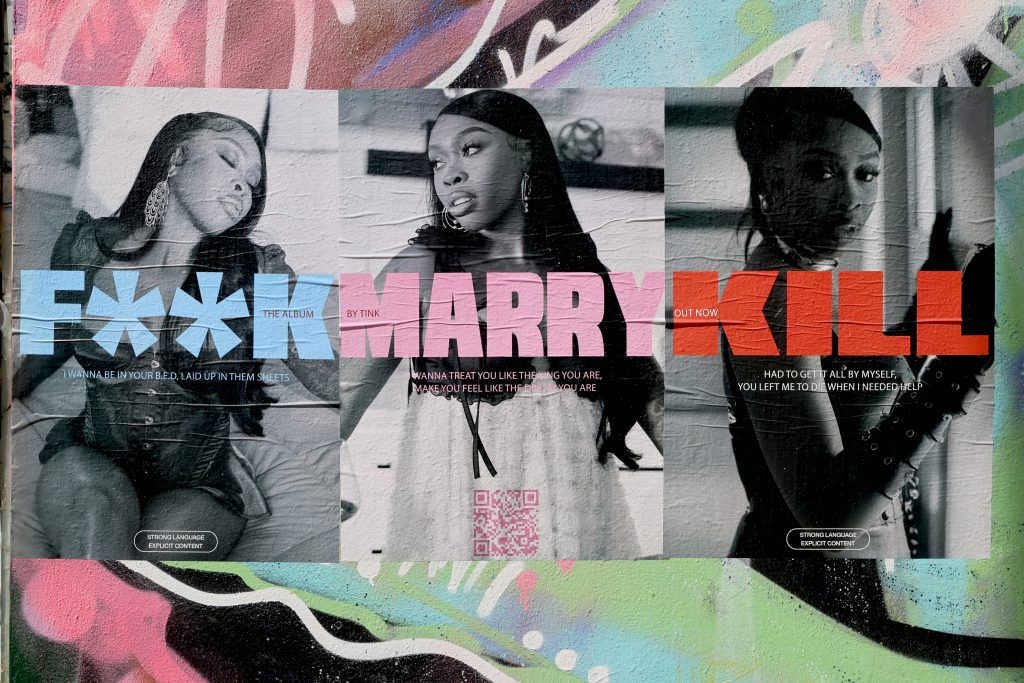
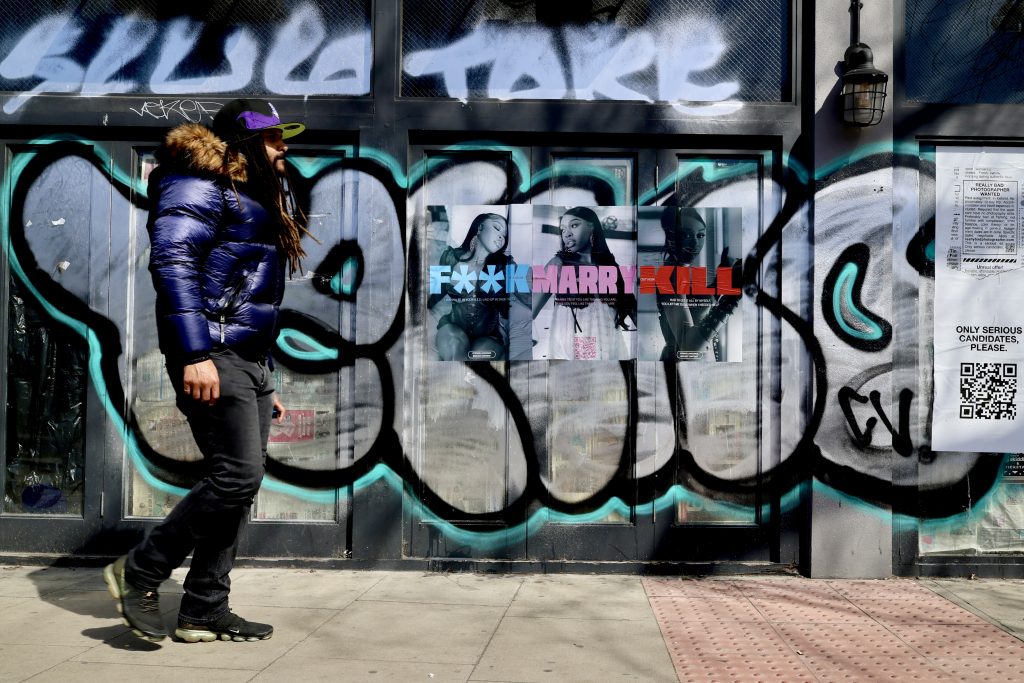
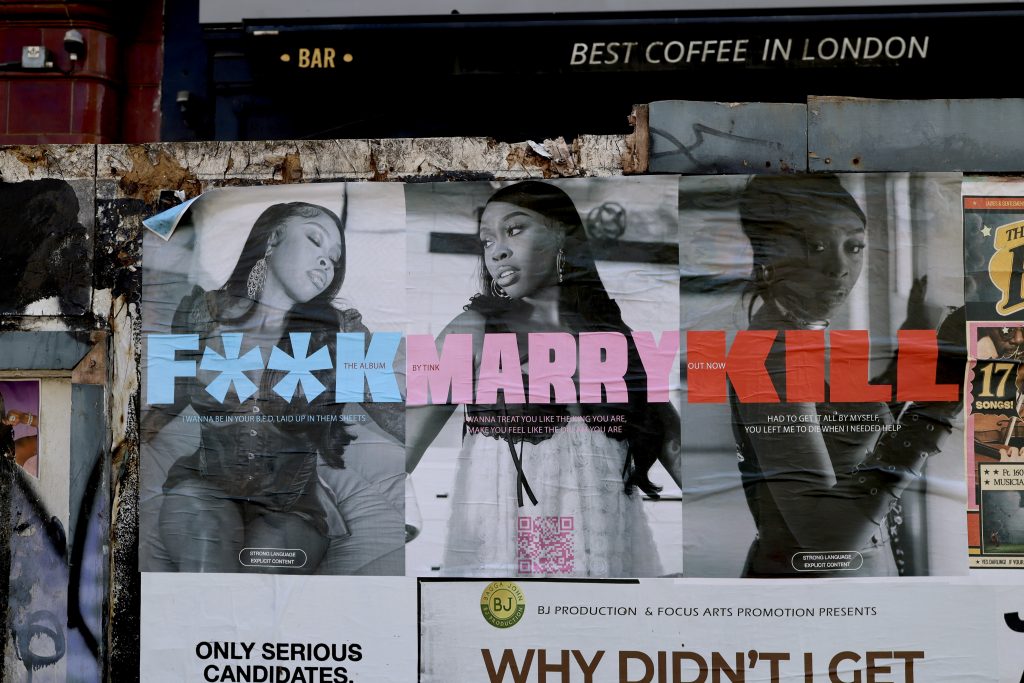
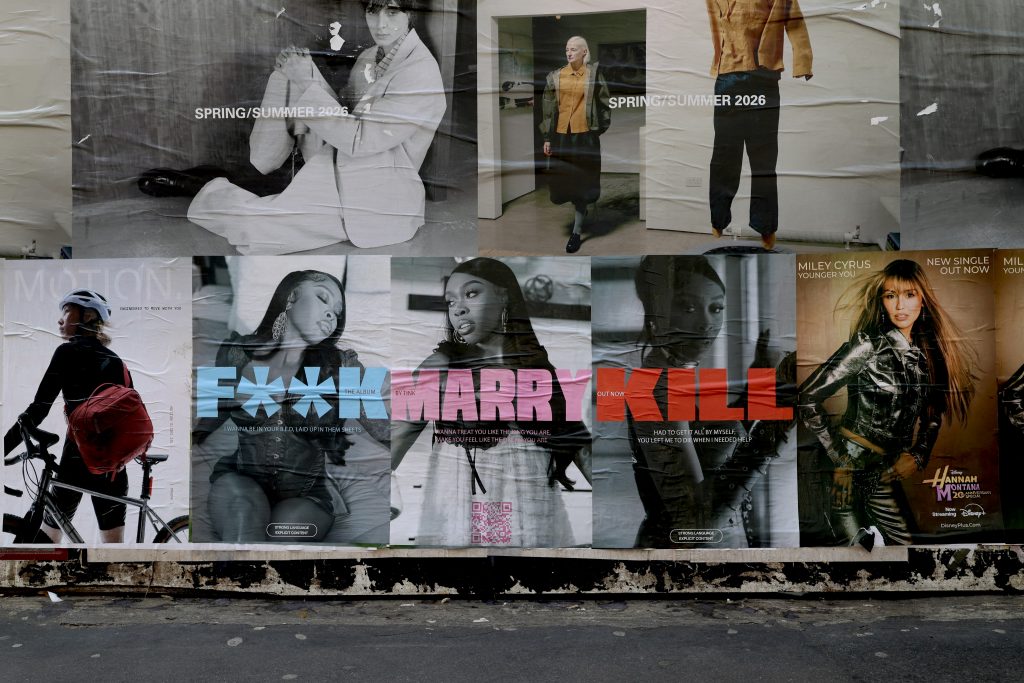
Her latest drop wasn’t just music; it was a masterclass in modern R&B storytelling. Tink dissected how we recklessly sort our lovers like school games – messy, blurred boundaries, and usually fuelled by a stiff drink. It was sharp, provocative, and unapologetically raw.
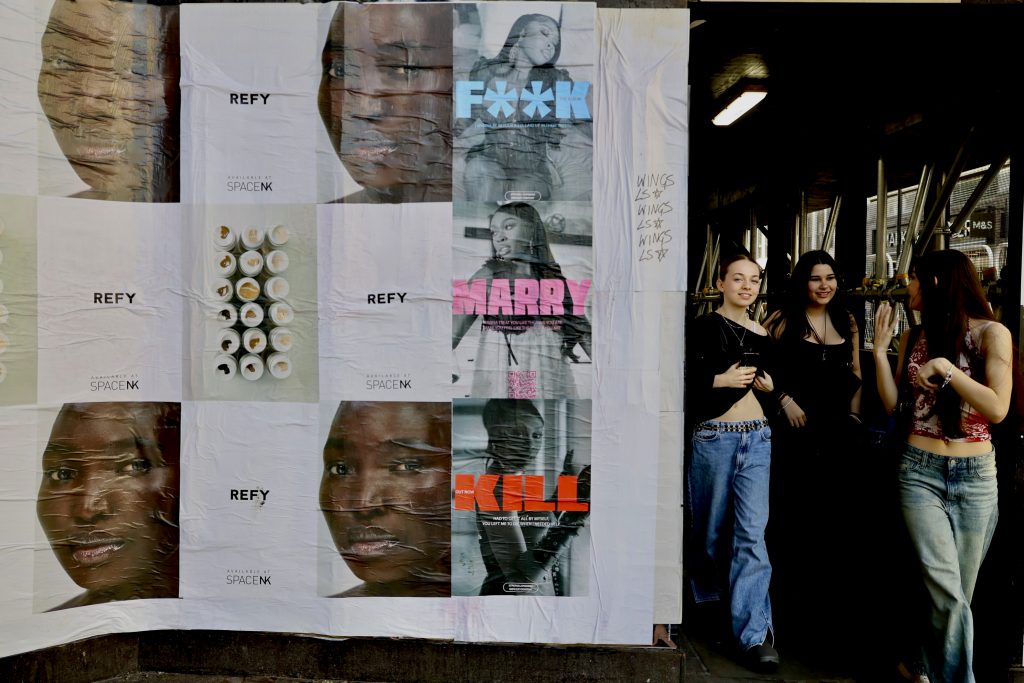
To match that energy, UNCLE took over the London streets, plastering the city with high-impact B2 blocks. Tink didn’t just play the game; she broke it.
Across London, UNCLE turned the streets into a raw scrapbook. No glossy campaigns here, just B2 posters acting as gritty, street-level echoes for the fans who grew up with her. This isn’t just a track; it’s a defiant reconciliation.
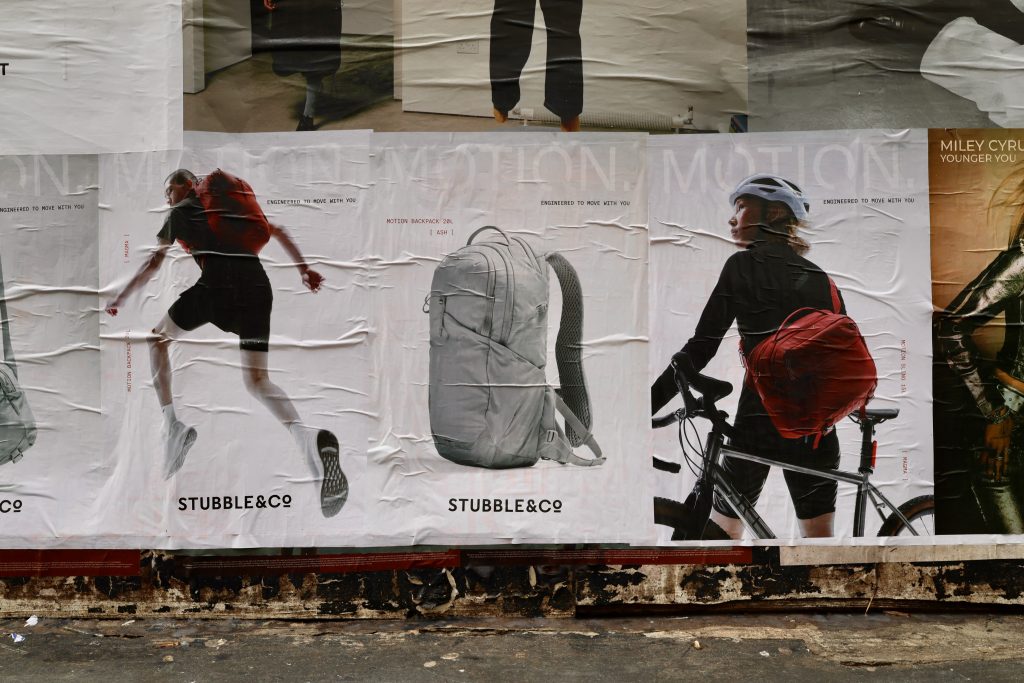
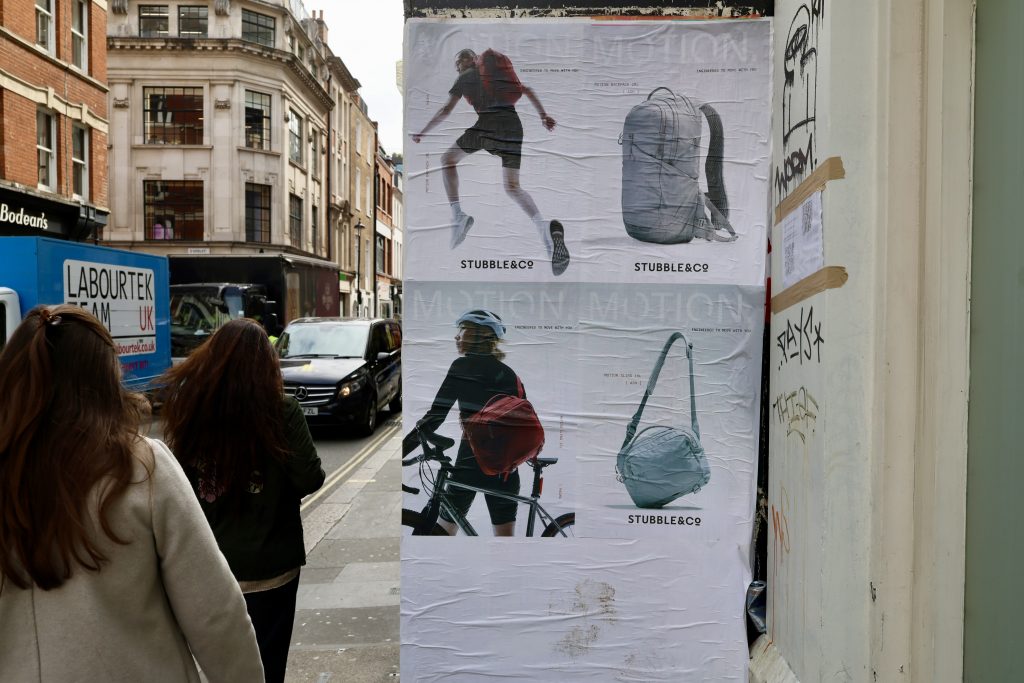
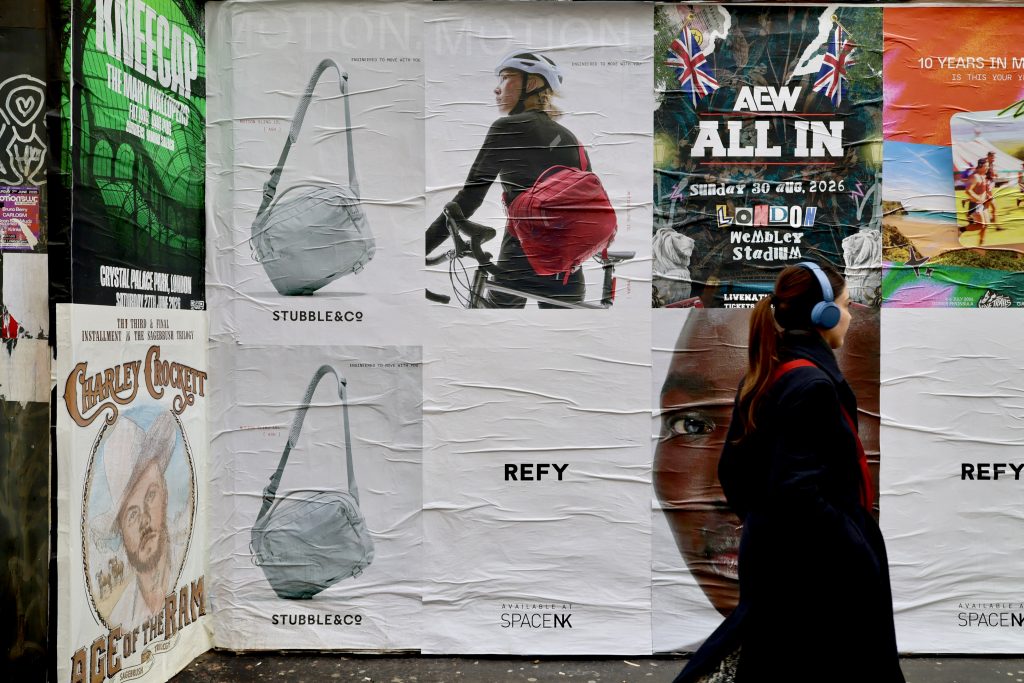
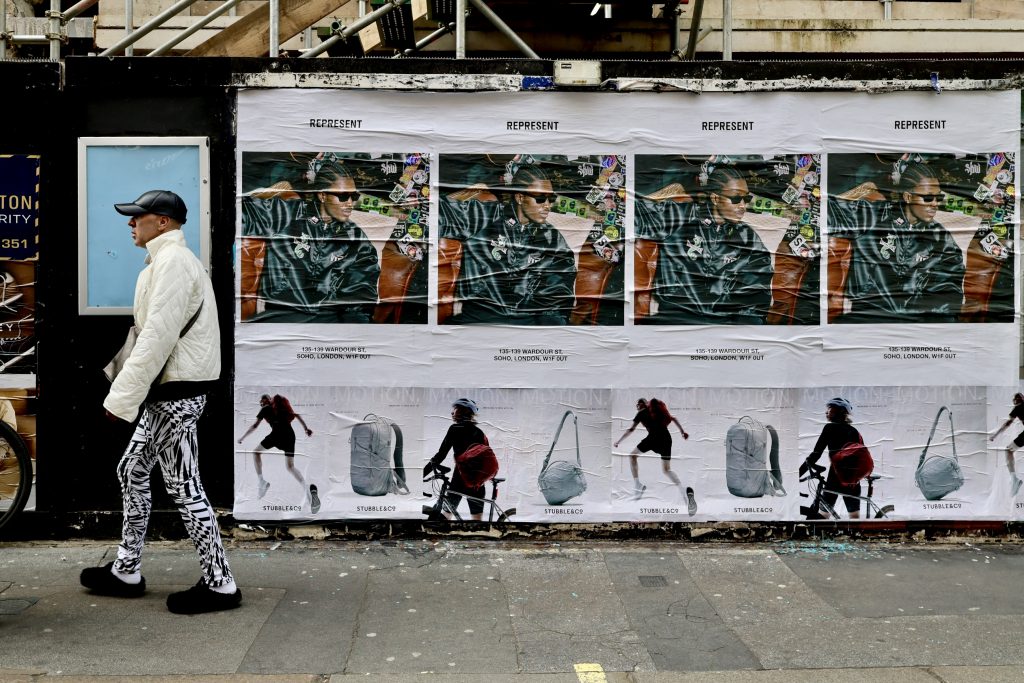
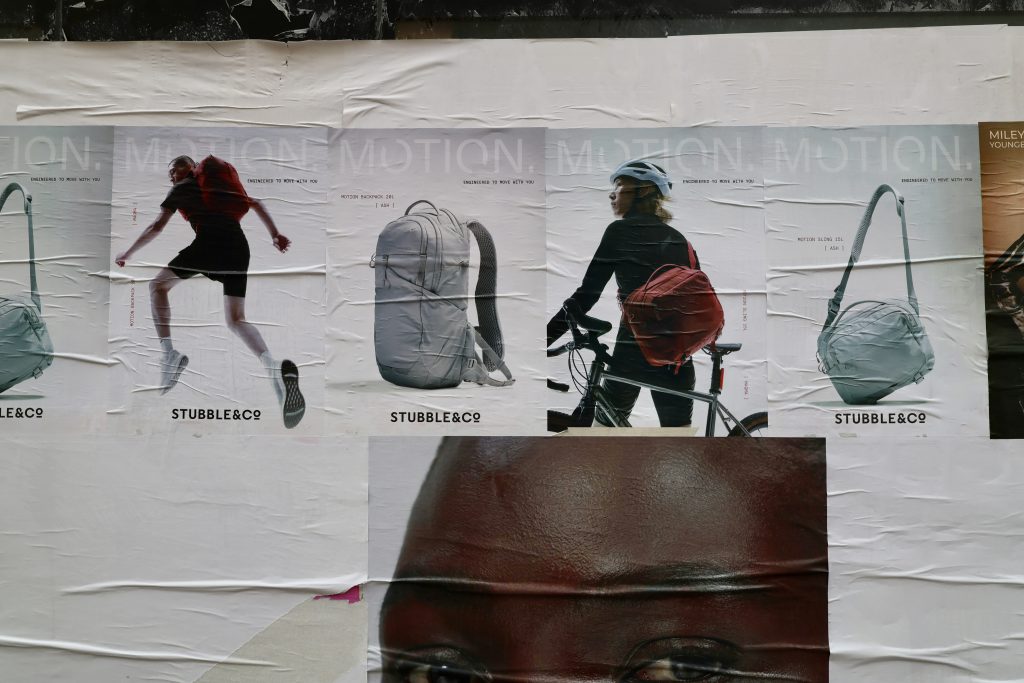
The Motion 20L was hammered onto the grit of Soho via raw paste-ups and anchored to the B2 blocks of Battersea. From Borough to the 4-sheets of the West End, the bag was plastered across every street corner, claiming the urban sprawl as its own territory.
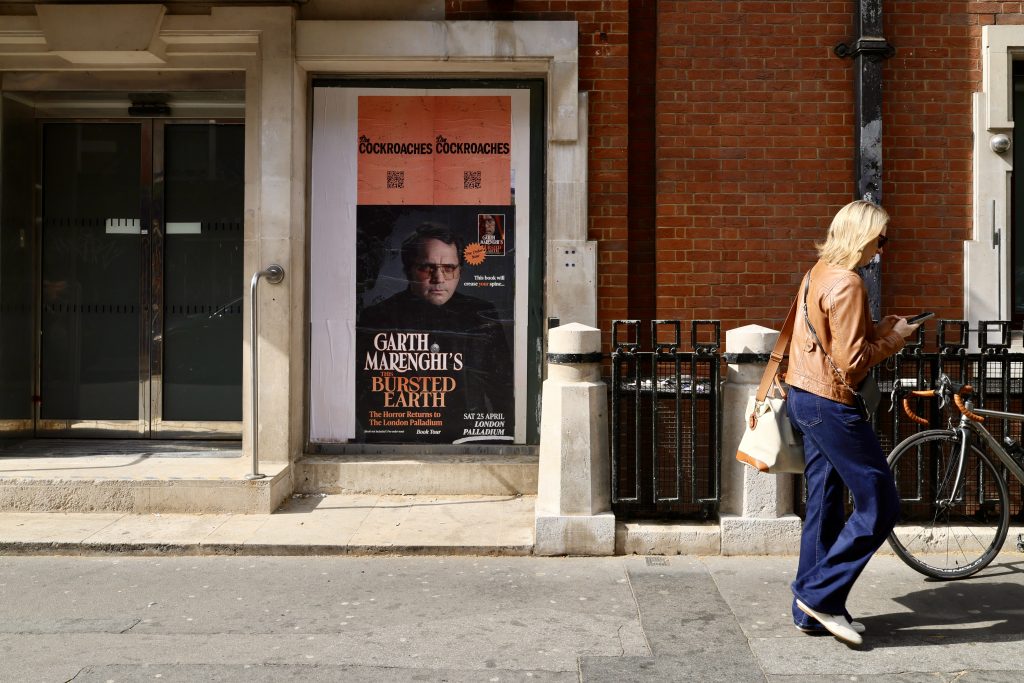
UNCLE flooded the streets with B1 formats, sparking a viral fever dream. While the Stones often say “you can’t always get what you want,” eagle-eyed fans knew the game. A QR code warped commuters into a gritty 70s bedroom where a clock ticked toward April 11, 2026. With Ronnie Wood already hinting at a new release, the mystery turned into a global roar.
The Stones reclaimed their territory, and London was officially hooked.
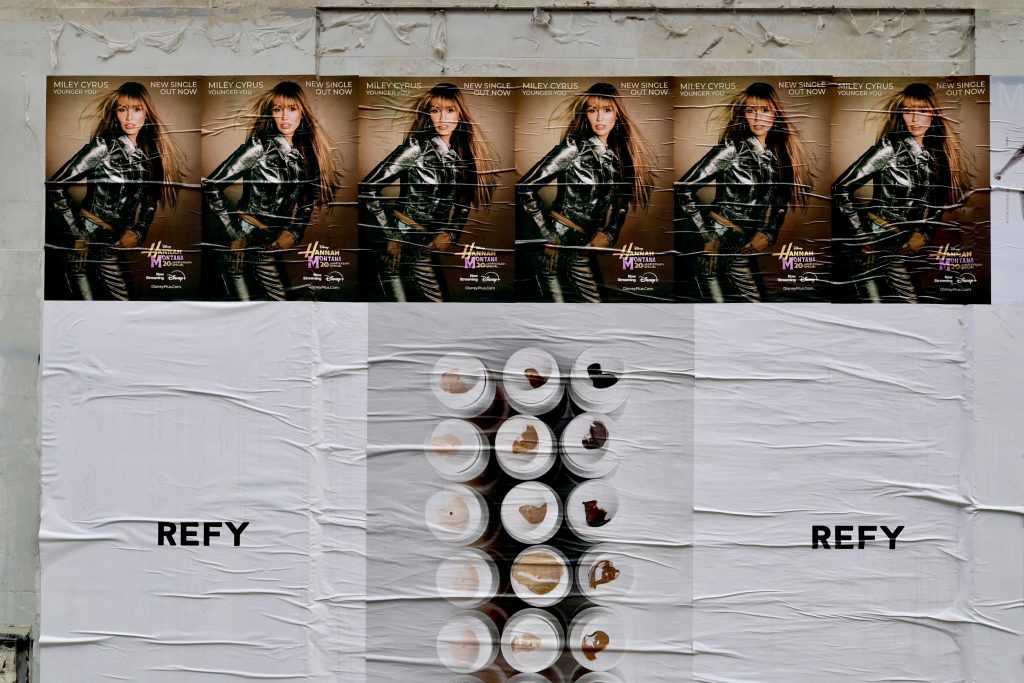
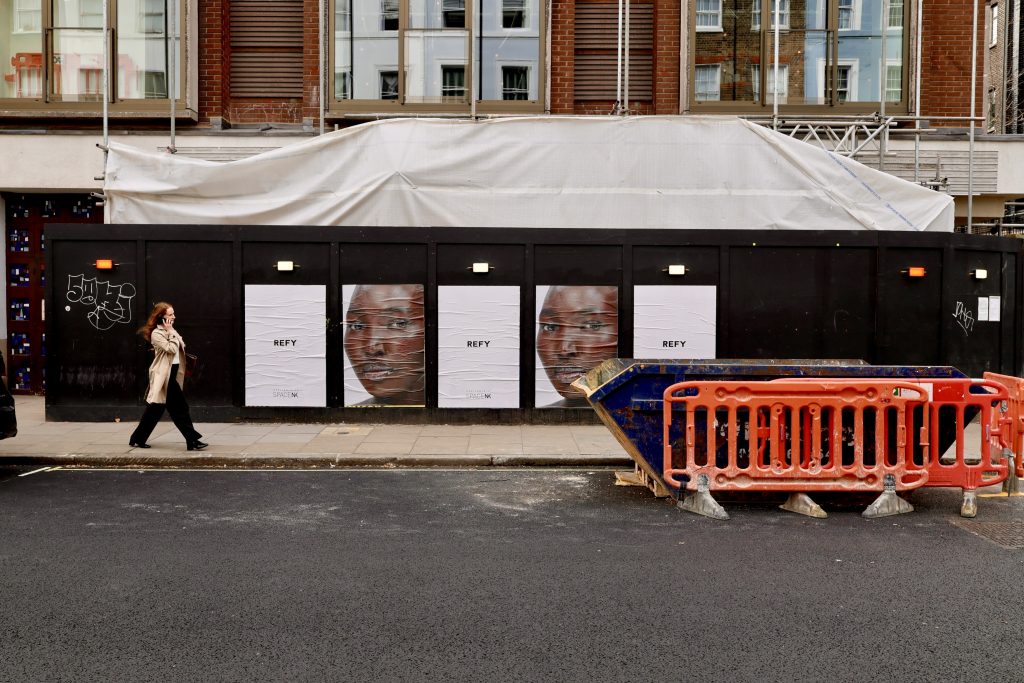
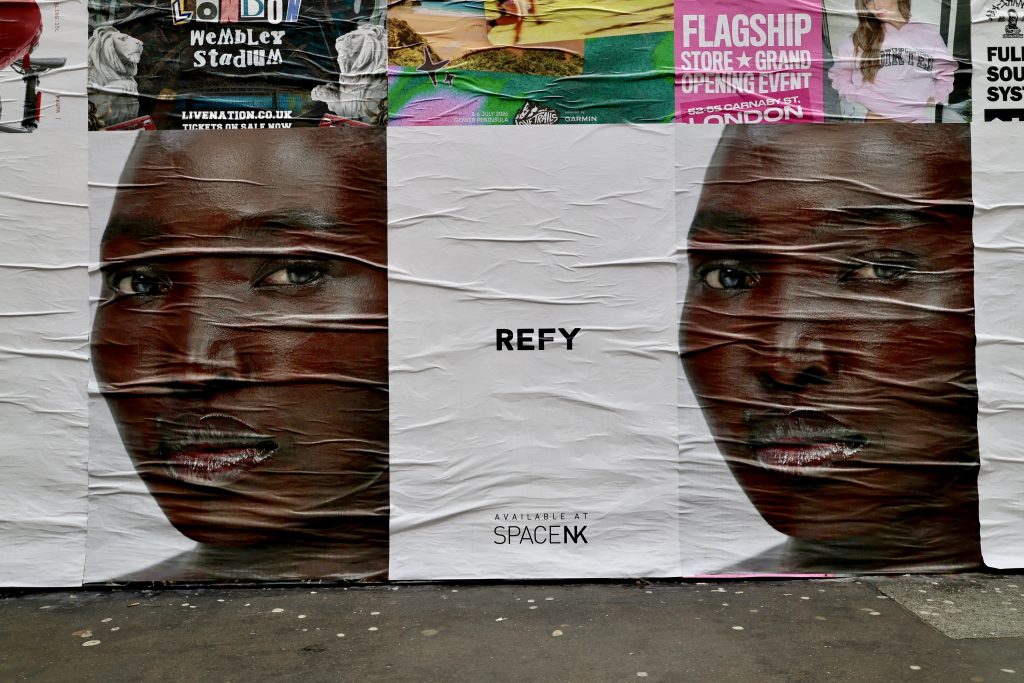
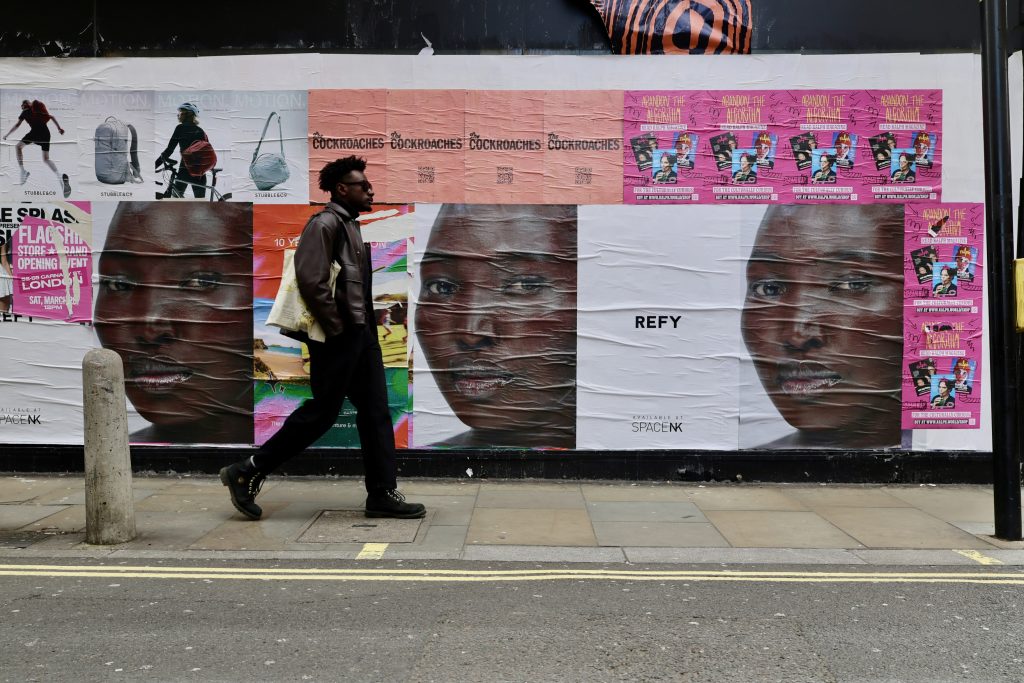
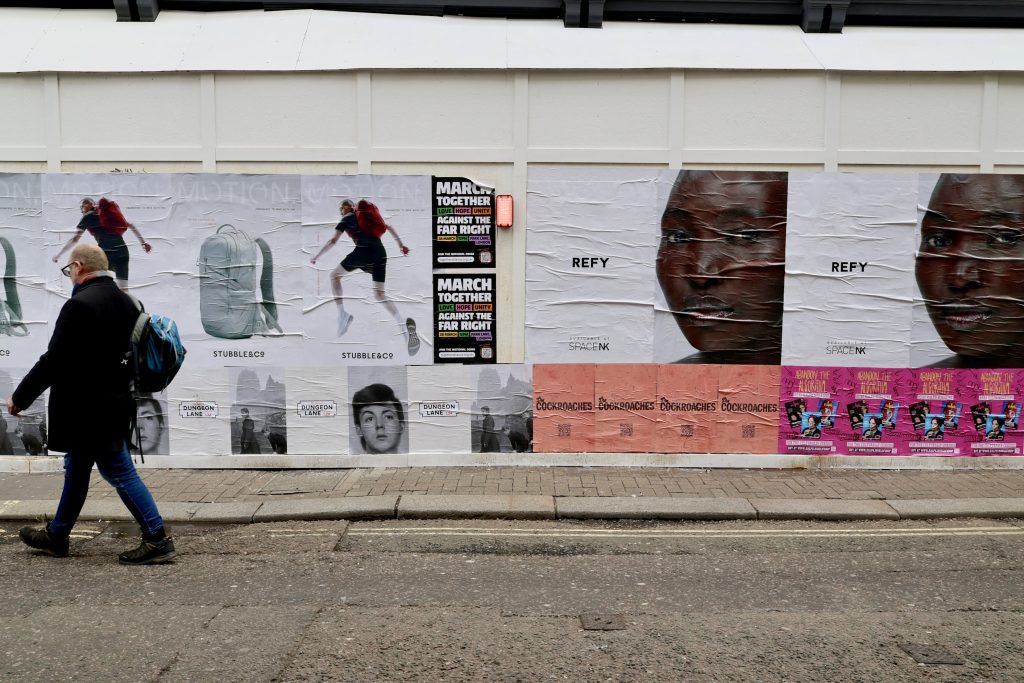
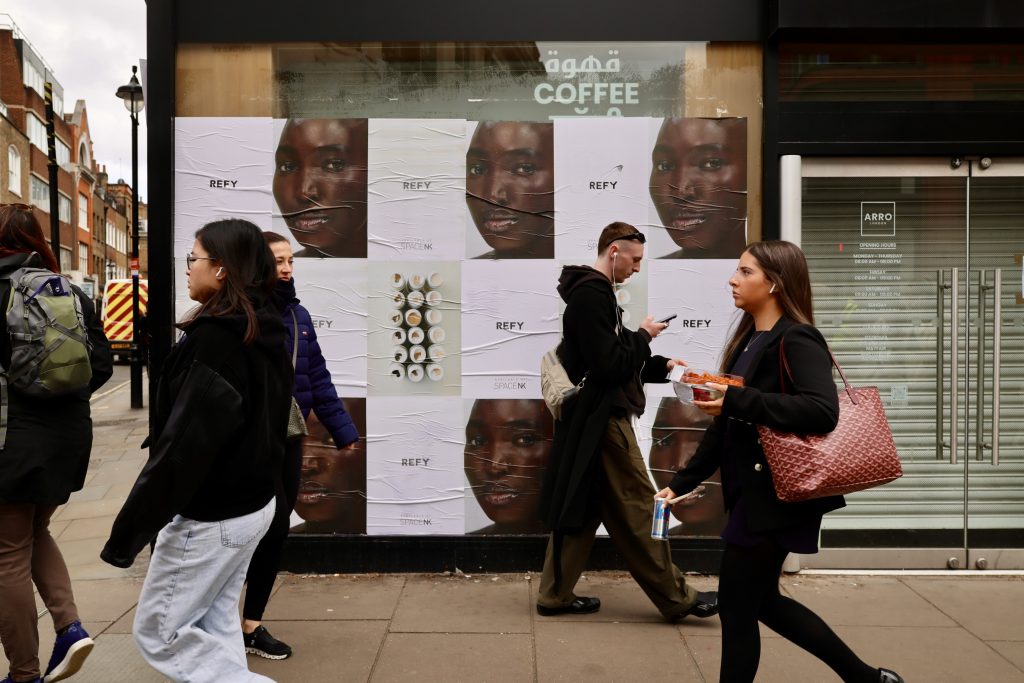
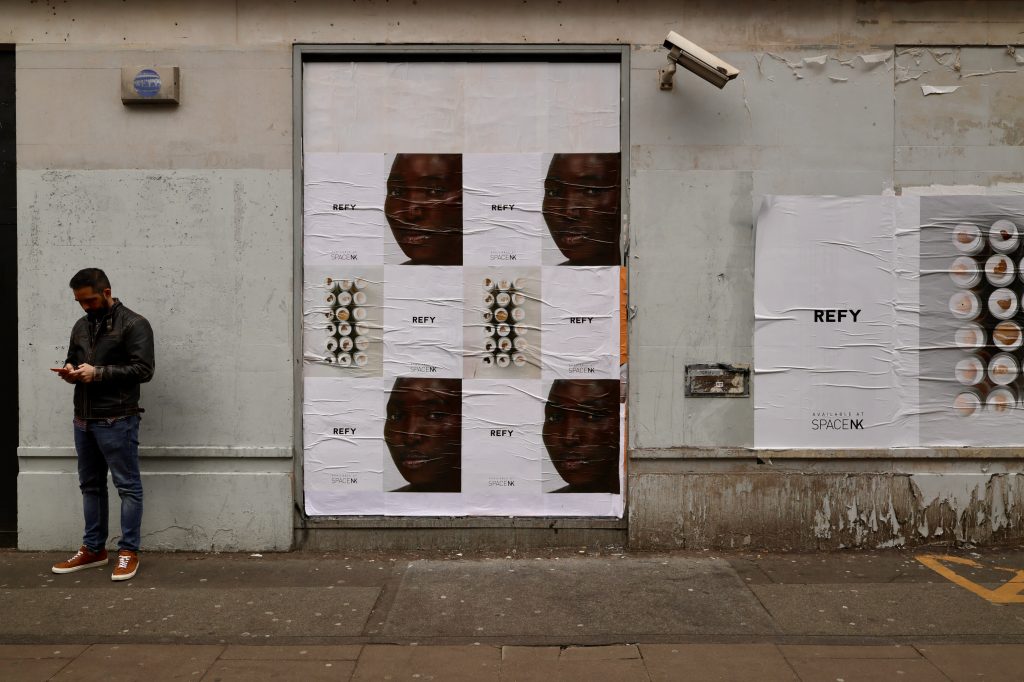
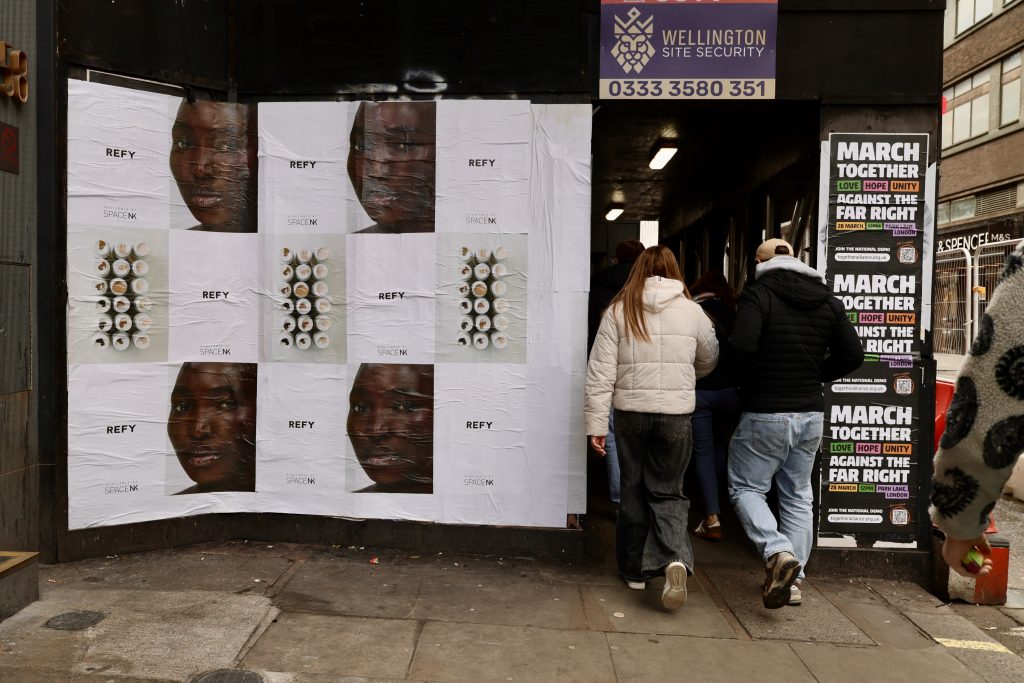
UNCLE transformed the streets of London, flooding the capital with a striking minimalist aesthetic that landed like a shock to the system. Raw B2 blocks and 4-sheet takeovers dominated the urban landscape, scaling REFY’s “less is more” manifesto across the entire city.
The first move was made. London belonged to REFY.
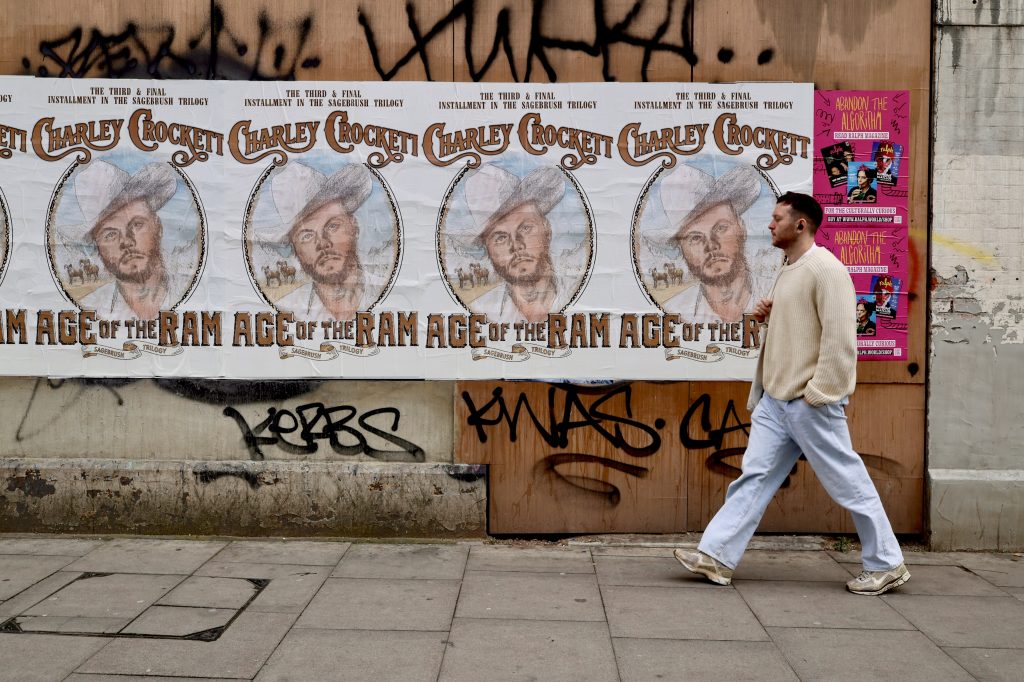
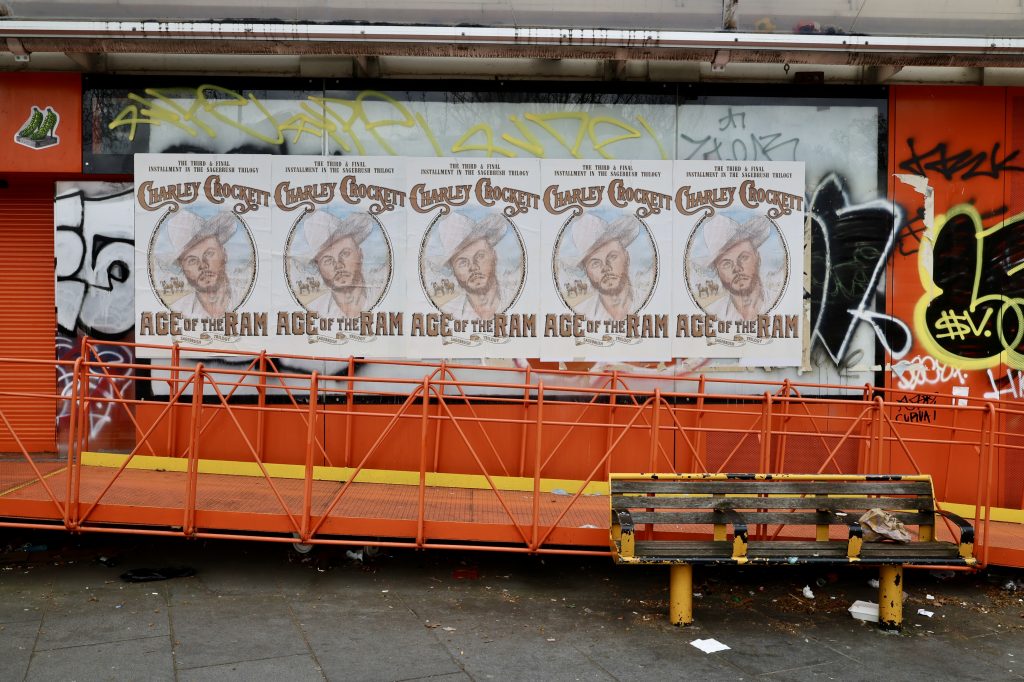
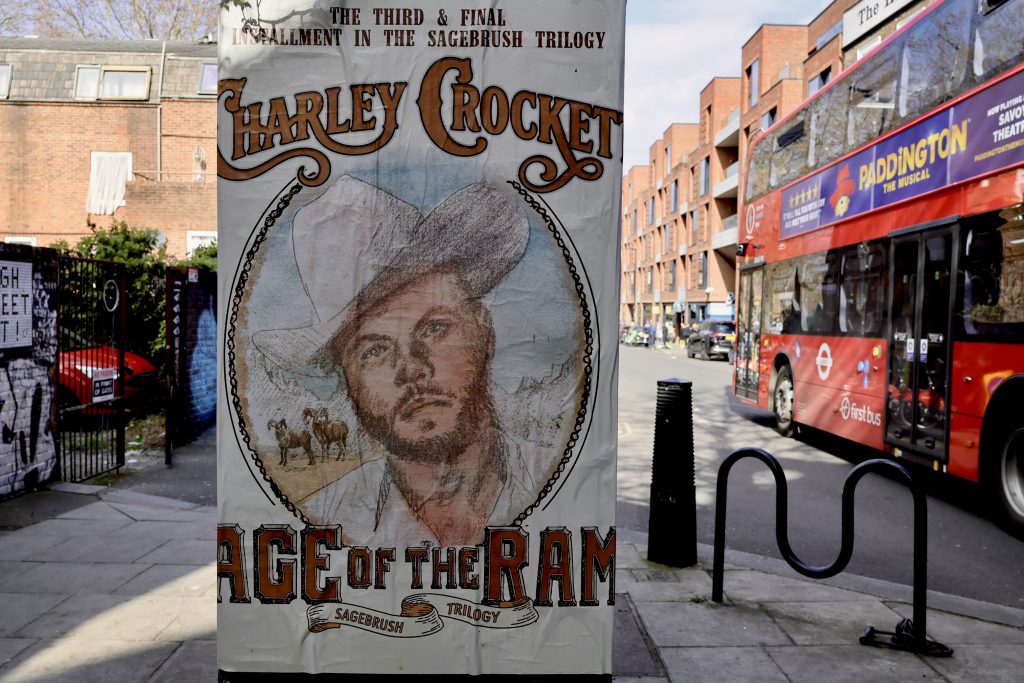
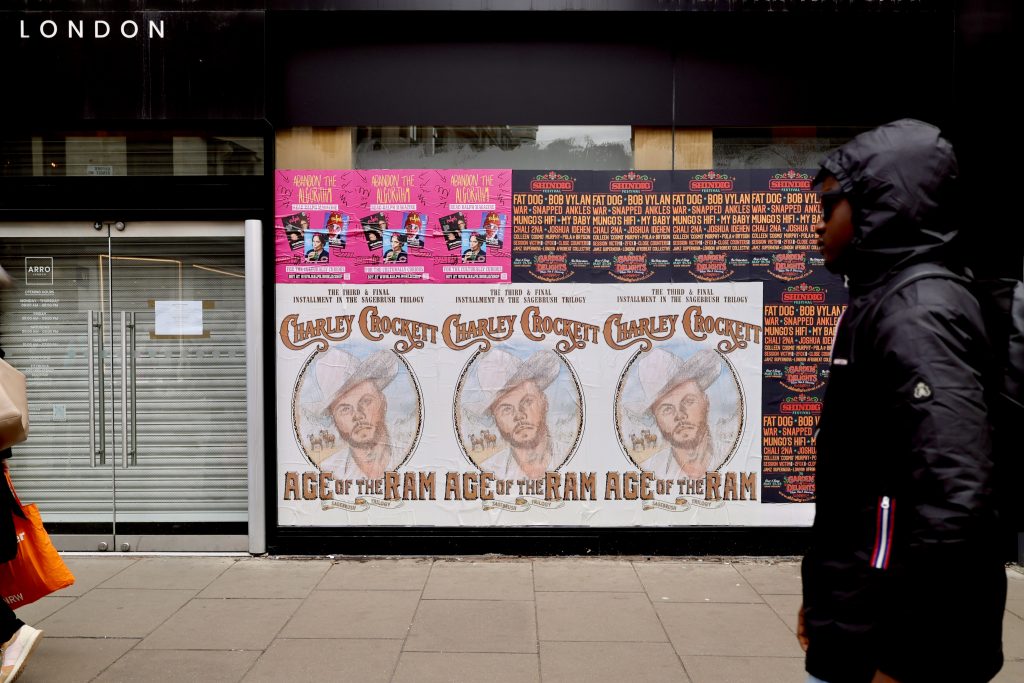
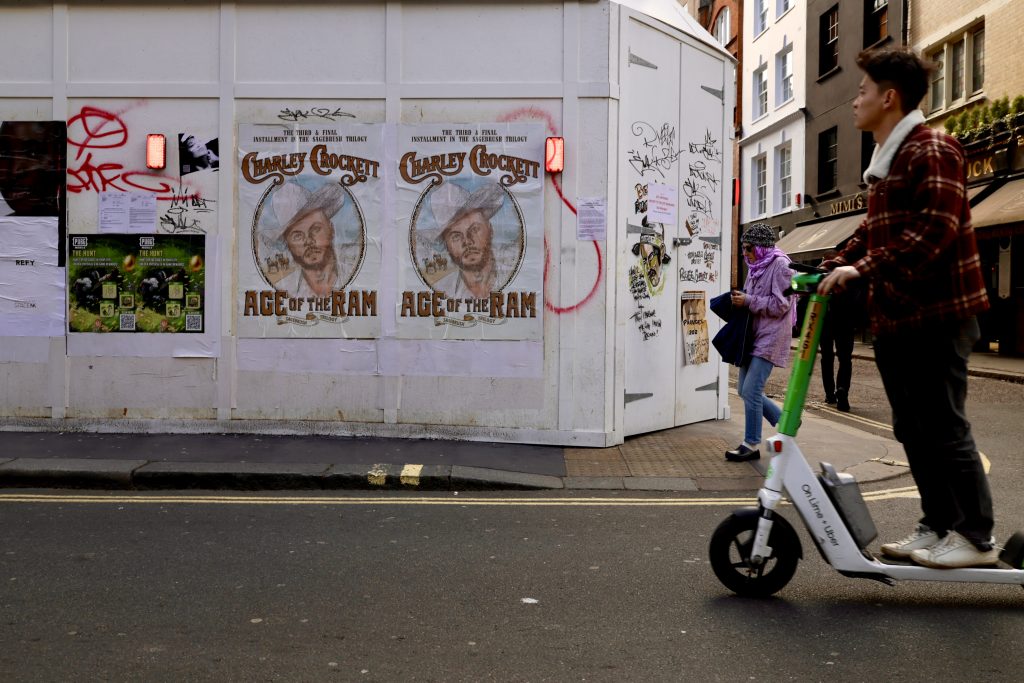
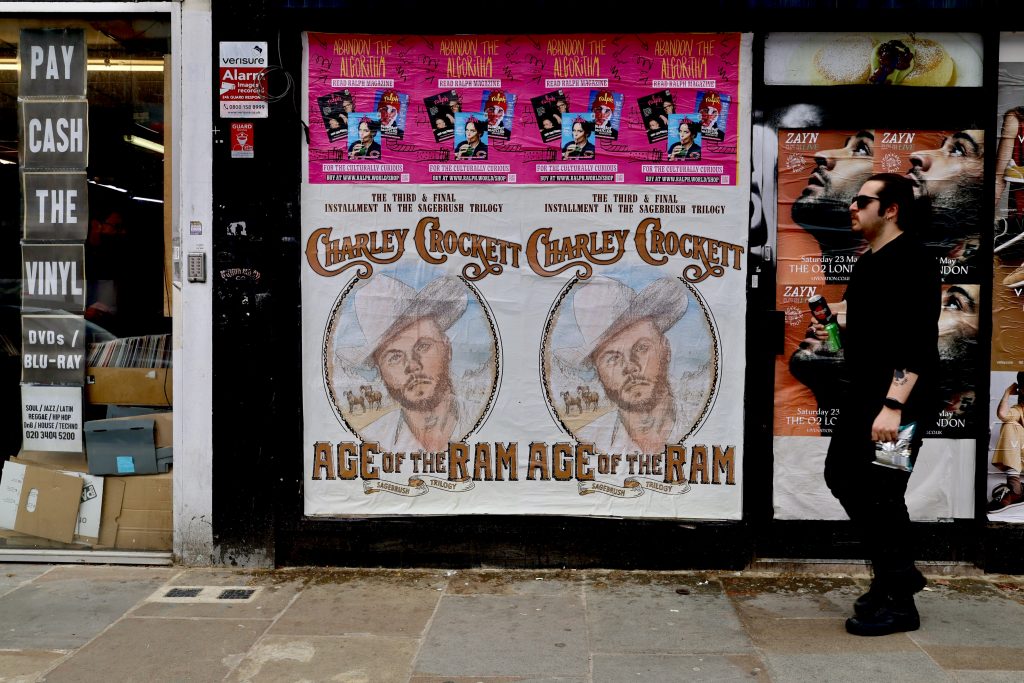
UNCLE backed the release with a flyposting takeover, plastering the album’s outlaw spirit across East and West London. No polished billboards—just raw paper on walls, mirroring the soul of the record.
The trilogy is complete.
The Age of the Ram is now.
For the launch of PRE-SS26, they partnered with UNCLE to reclaim the streets with a 4-sheet guerrilla blitz across the walls of Manchester and the concrete arteries of London. It was a hostile takeover – pairing bold silhouettes with the unapologetic energy of outdoor flyposting.
Just proper British grit, pasted where it mattered most.
A total street takeover. Across the city, massive UNCLE B1 flyposting blocks stood bold. UNCLE gave it to the streets.
In a massive street-level tribute, UNCLE seized control of Liverpool and London, flooding the streets with an intensive 4-sheet takeover. Even before Paul’s first mention—IYKYK—the landscape had transformed. From the docks to the West End, every wall stood as a silent testament to his most personal story yet.
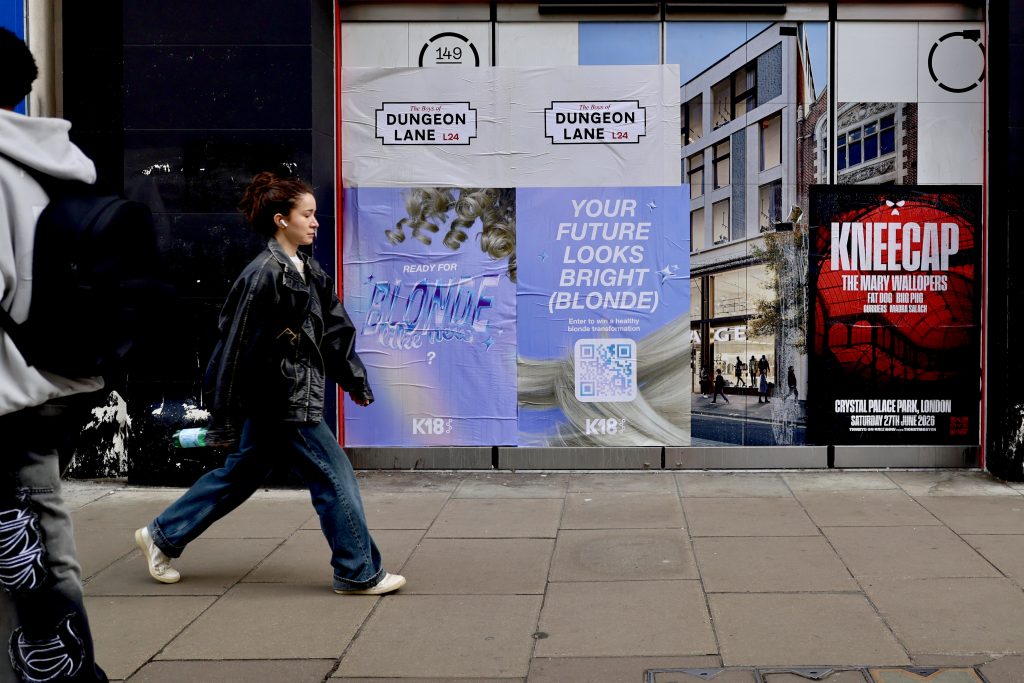
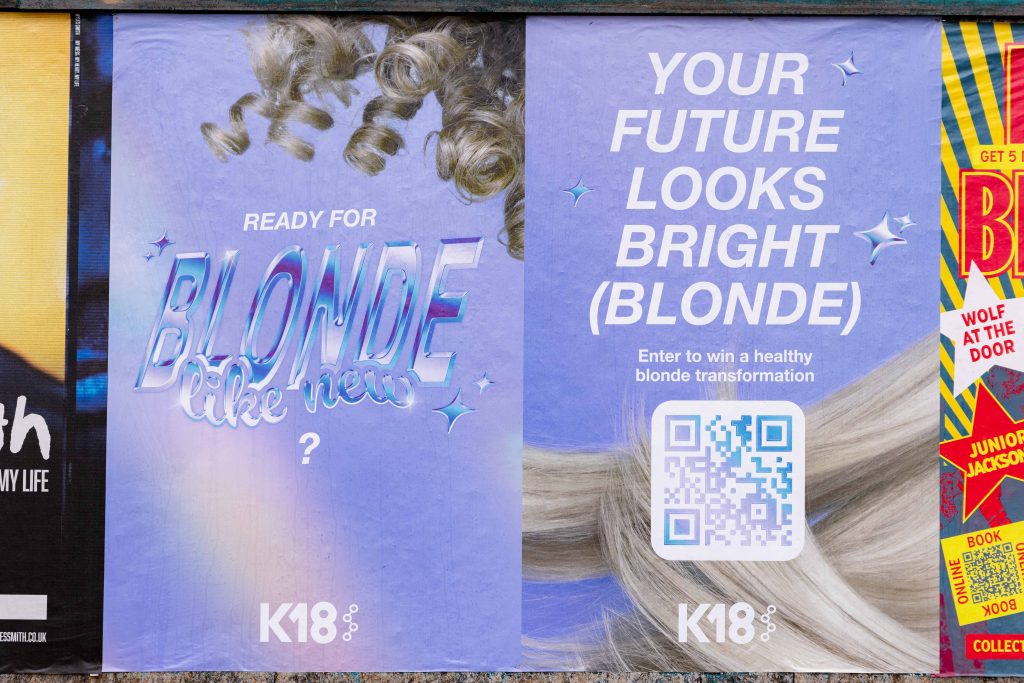
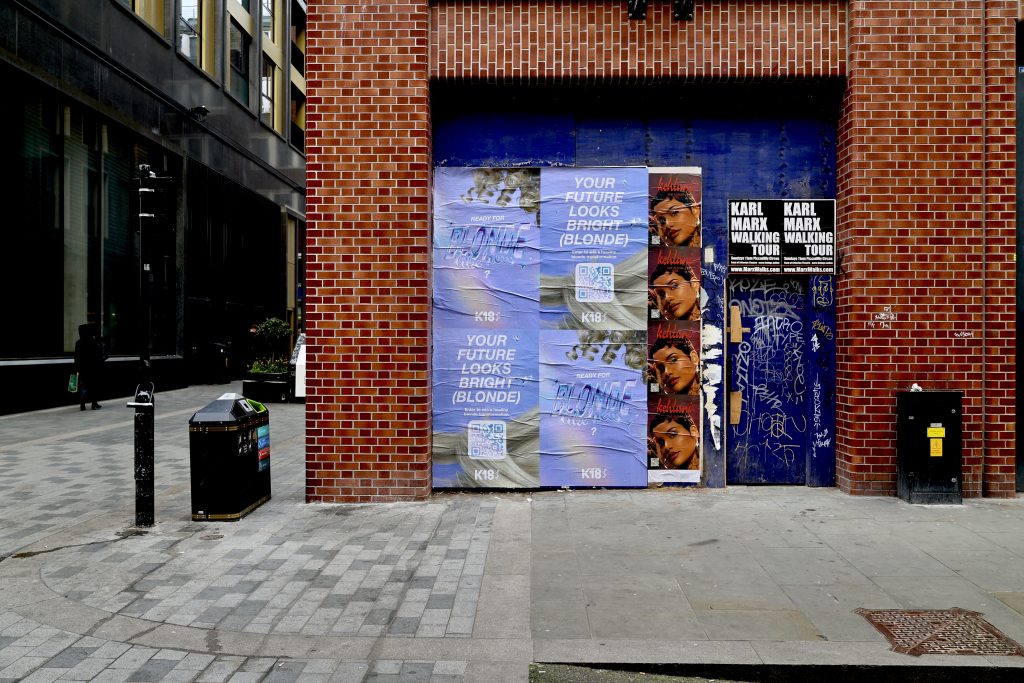
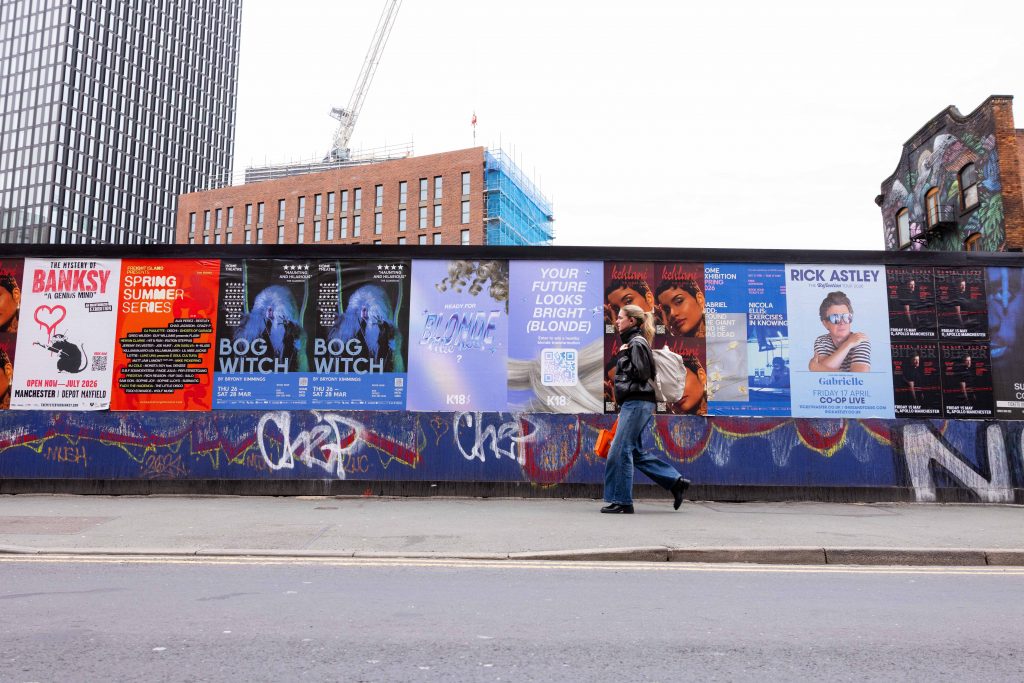
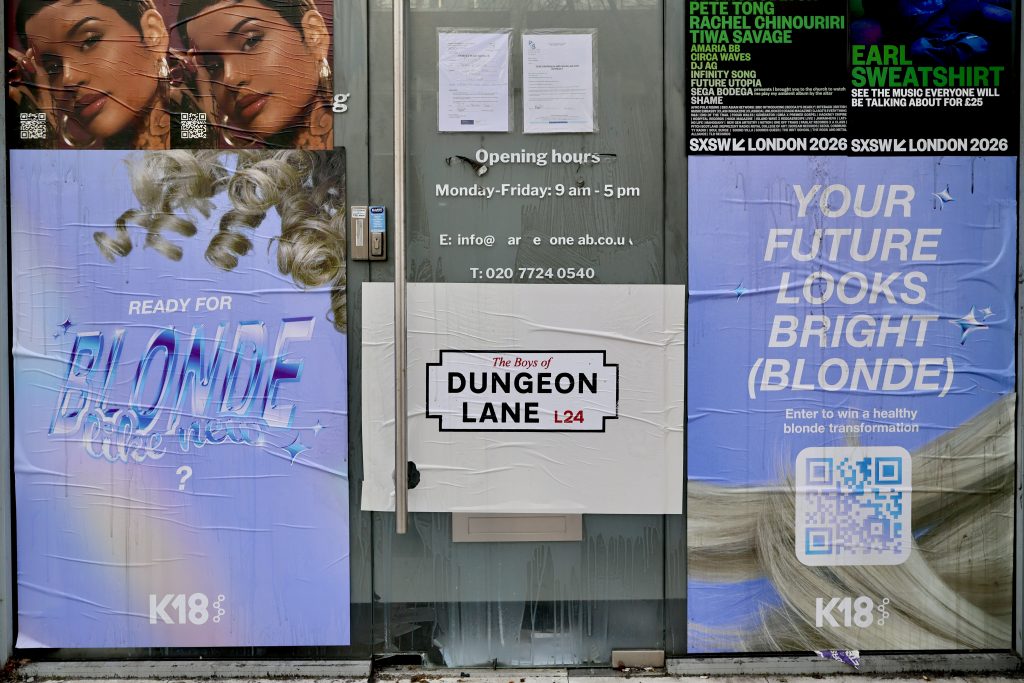
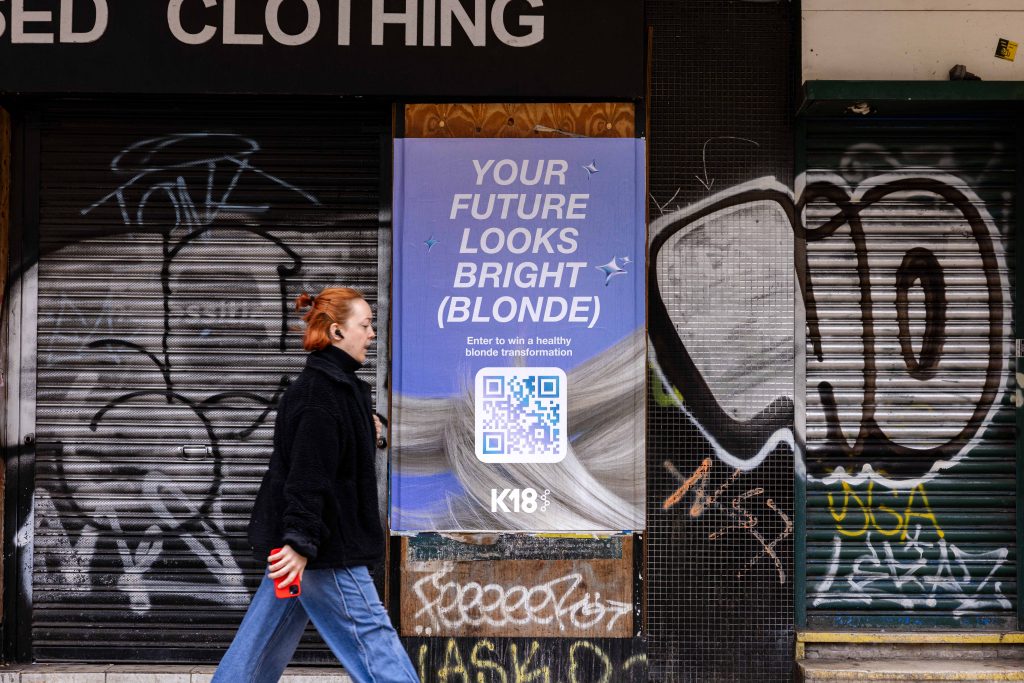
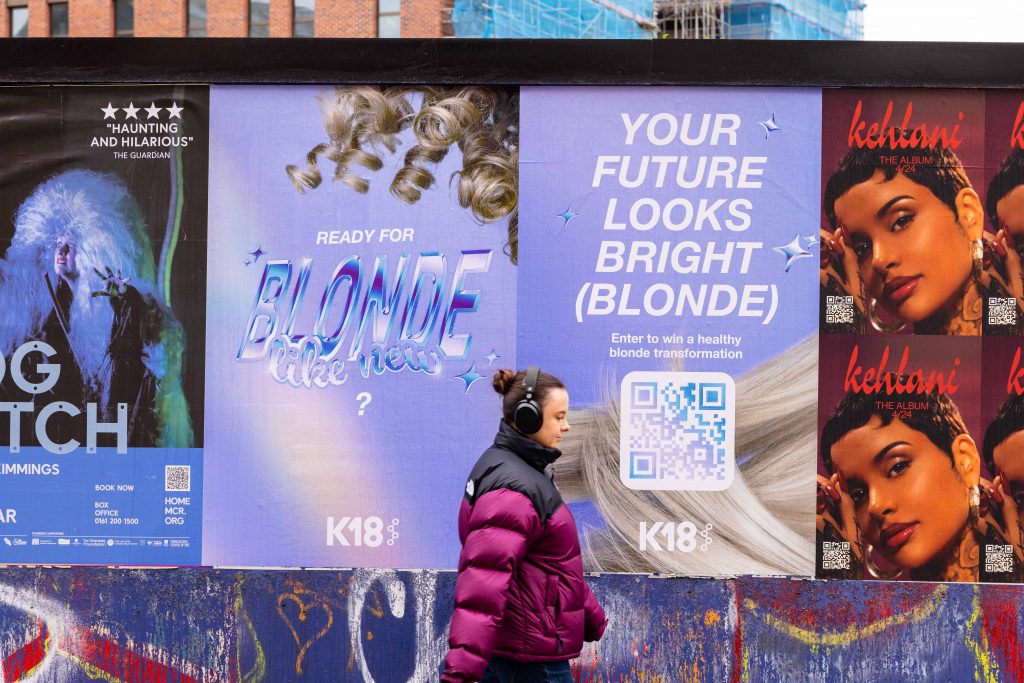
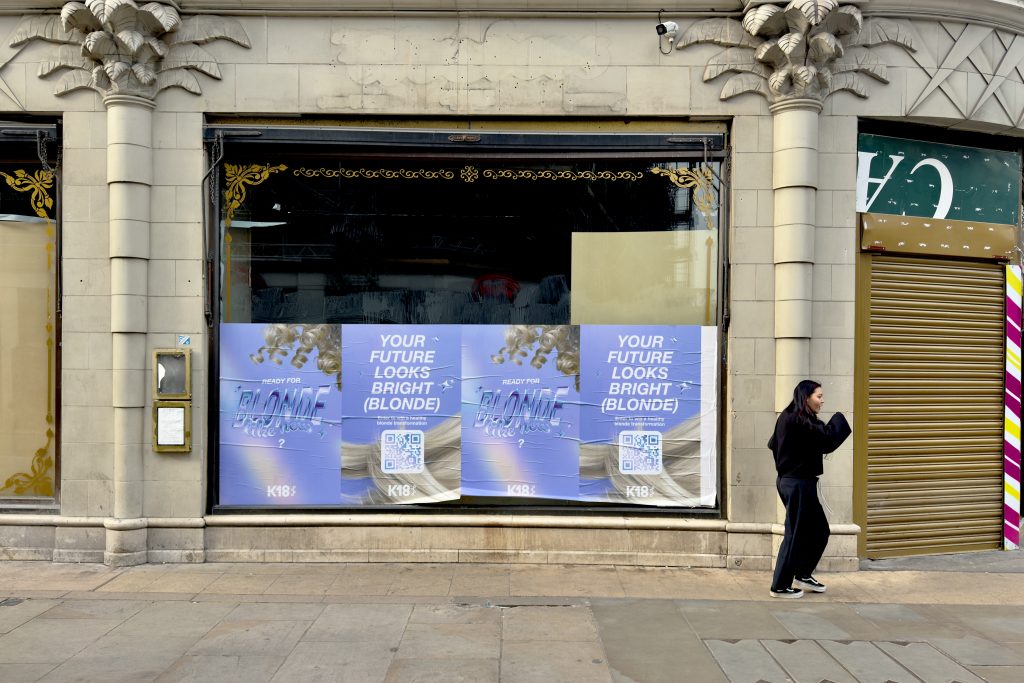
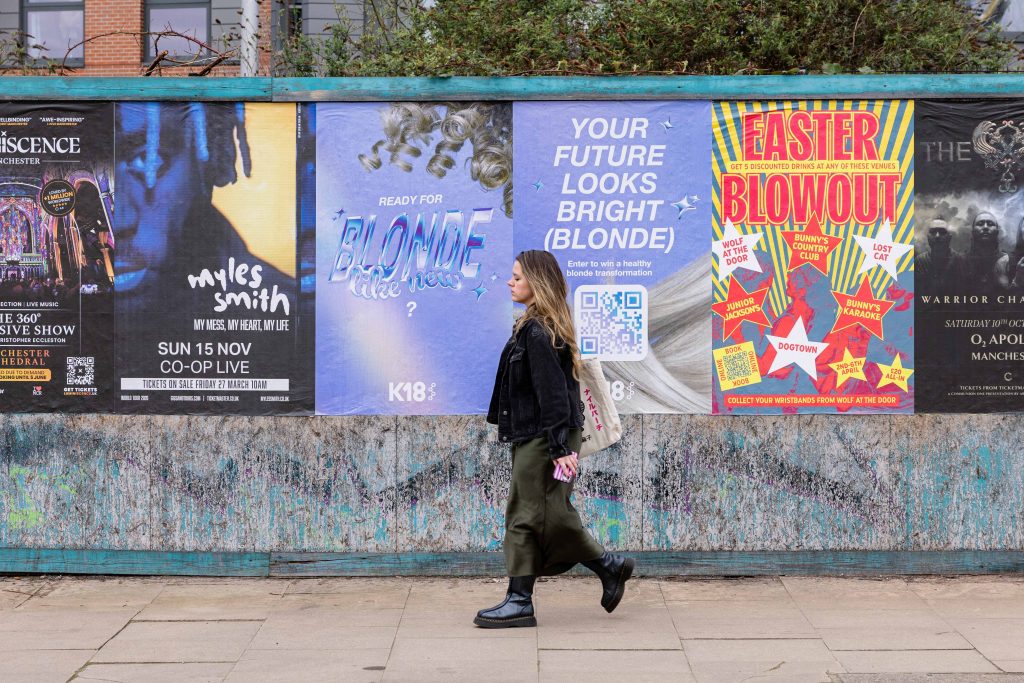
Commanding the streetscape with 4-sheet citywide and block formats, every wall was hijacked to announce something BIG: a chance for a radical, long-lasting blonde transformation. UNCLE brought the grit; K18 brought the science. Both cities were officially saturated.
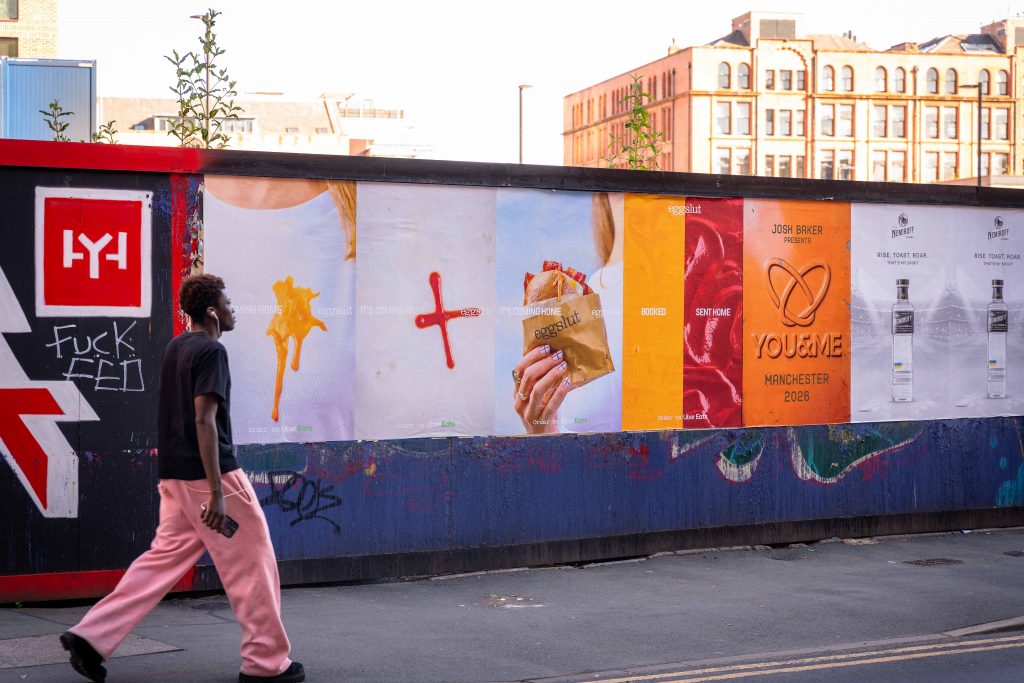
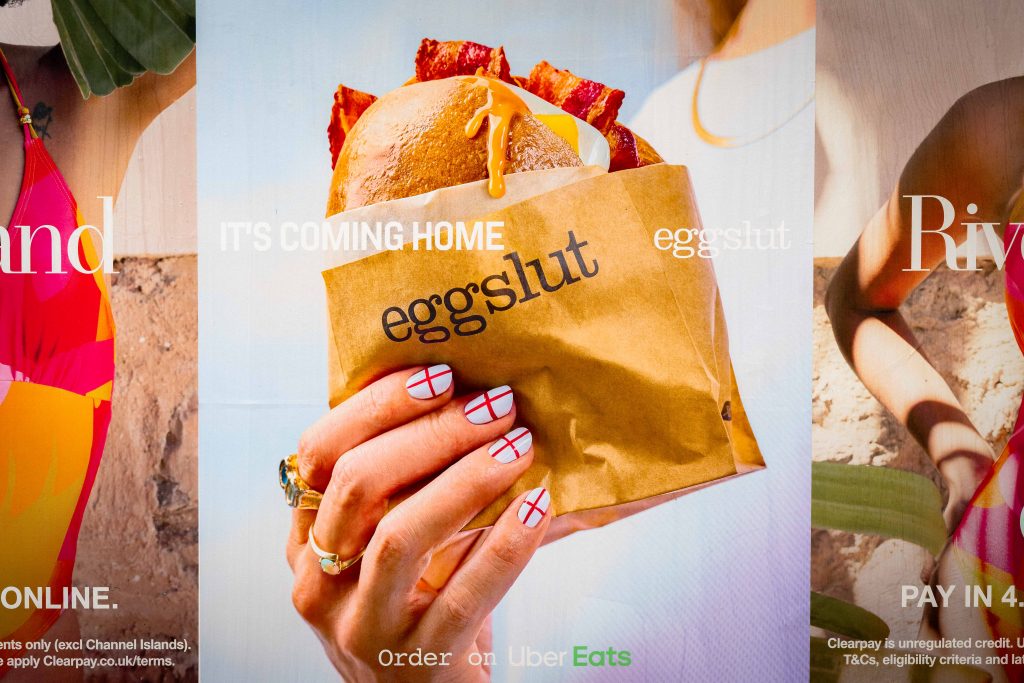
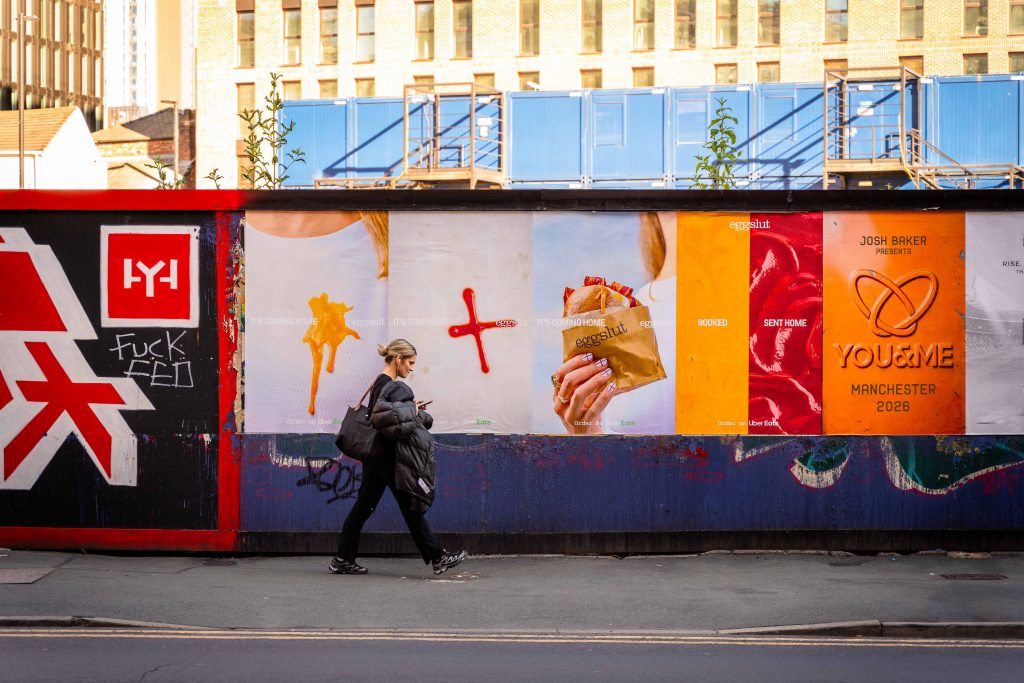
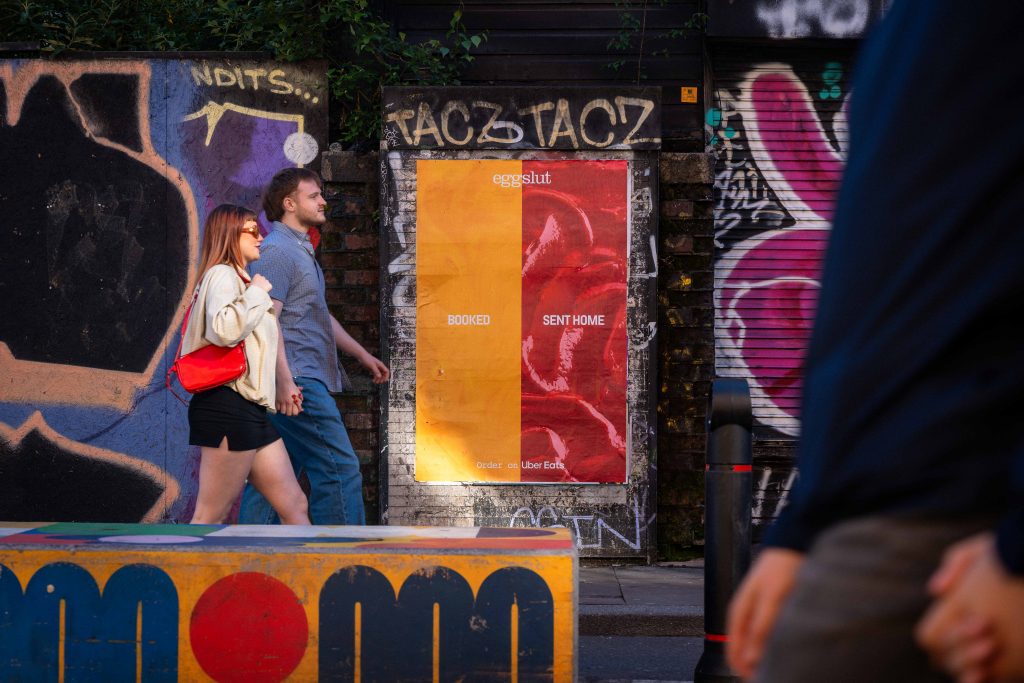
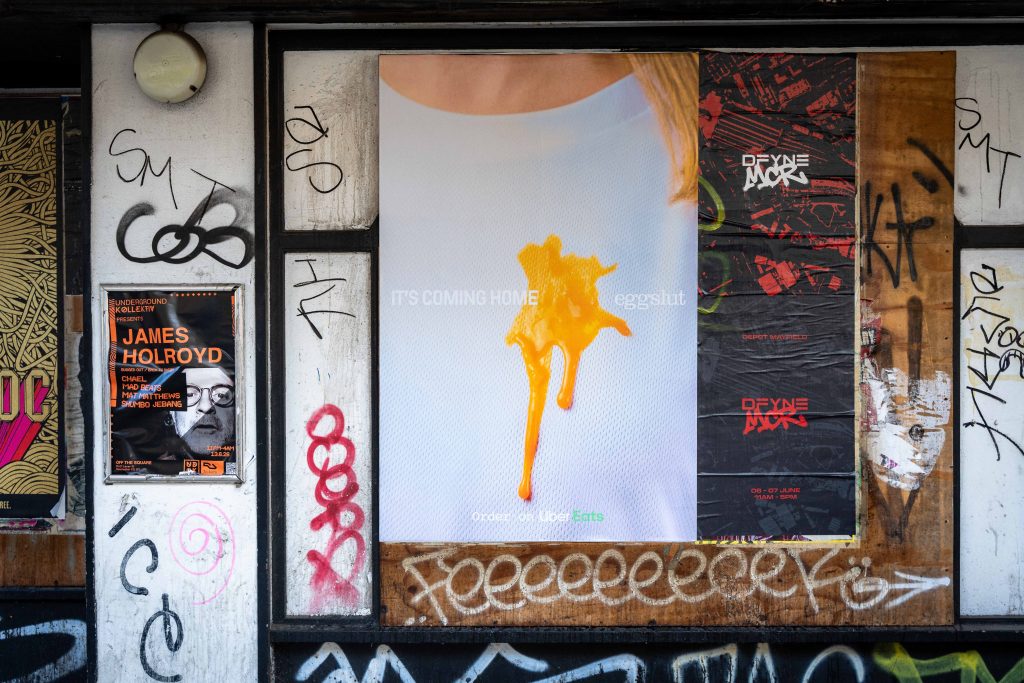
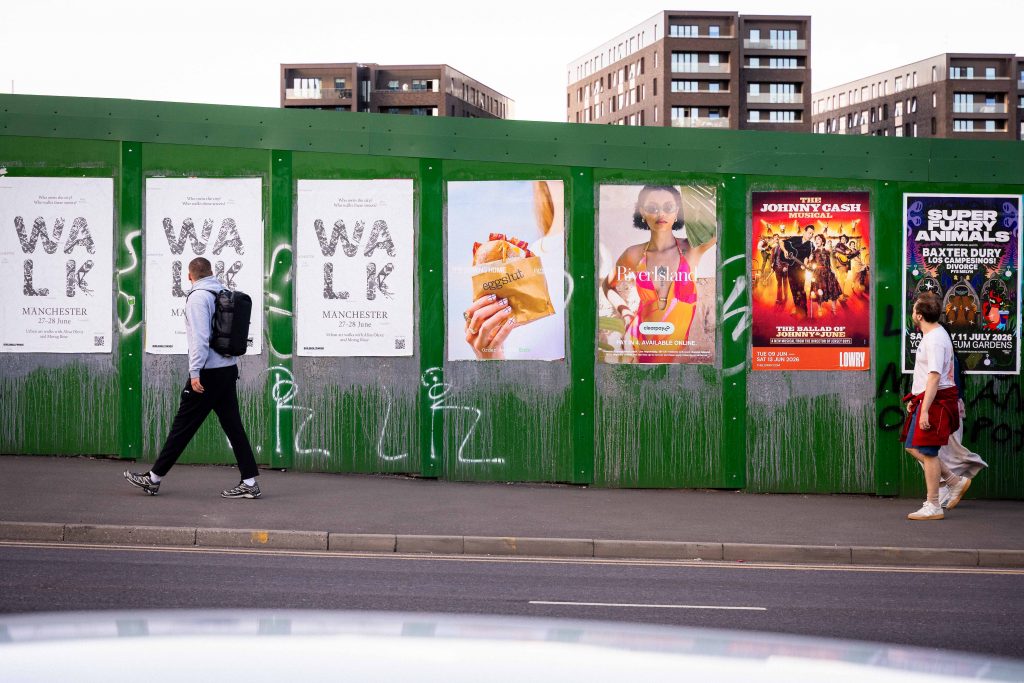
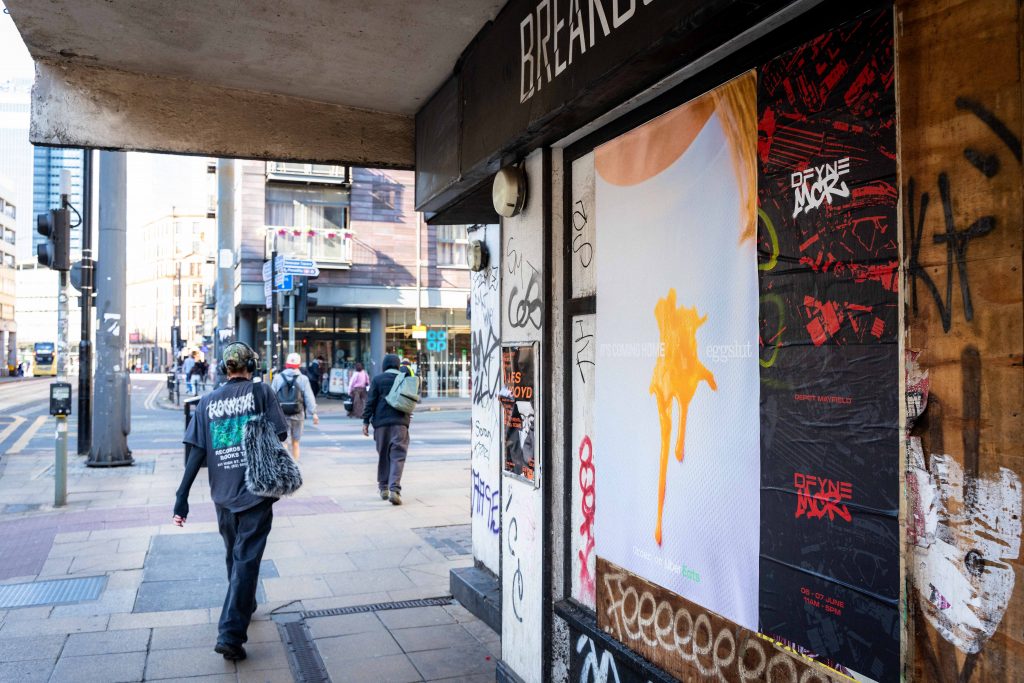
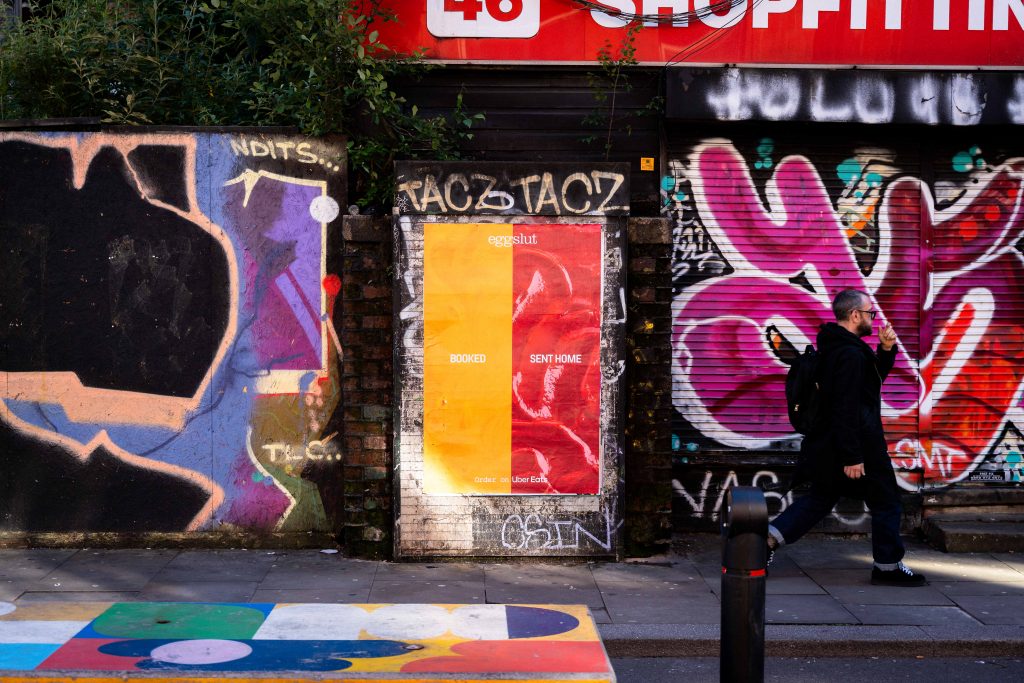
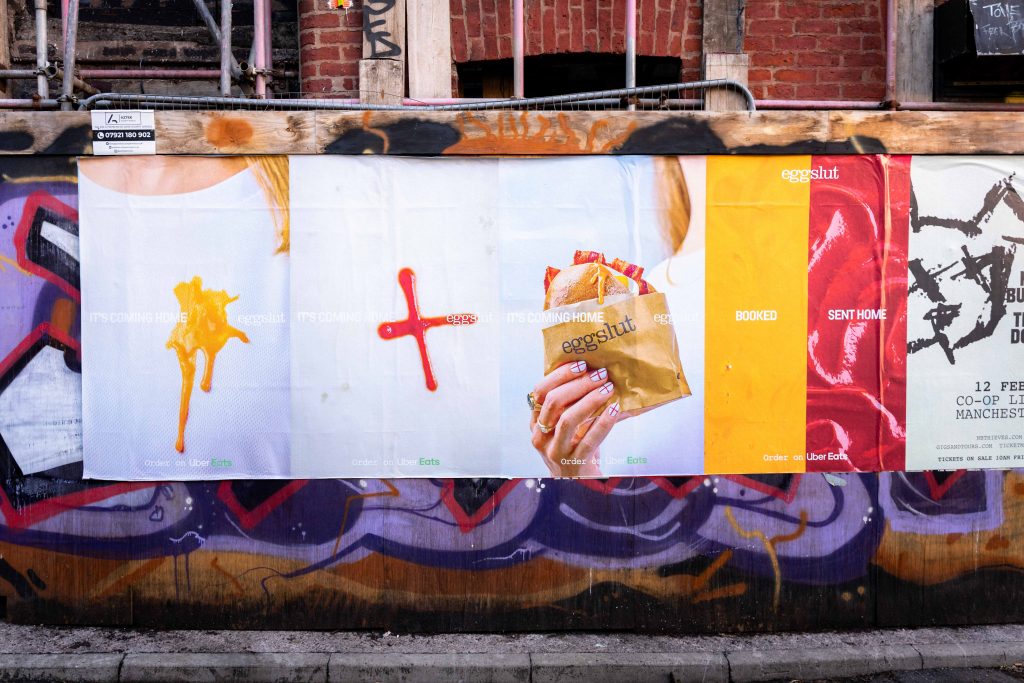
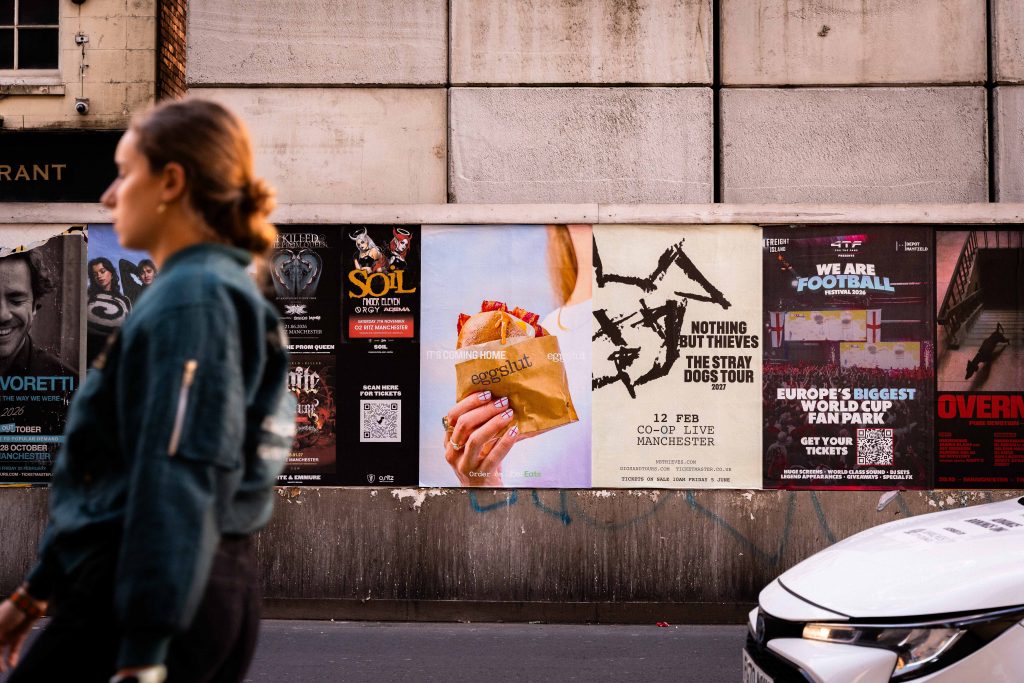
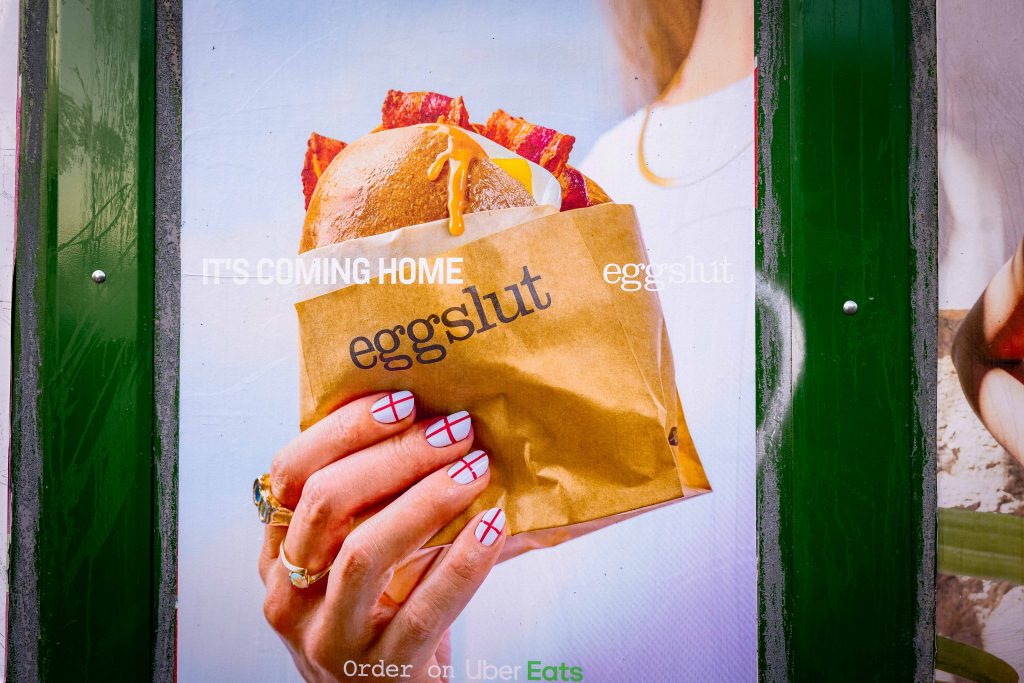
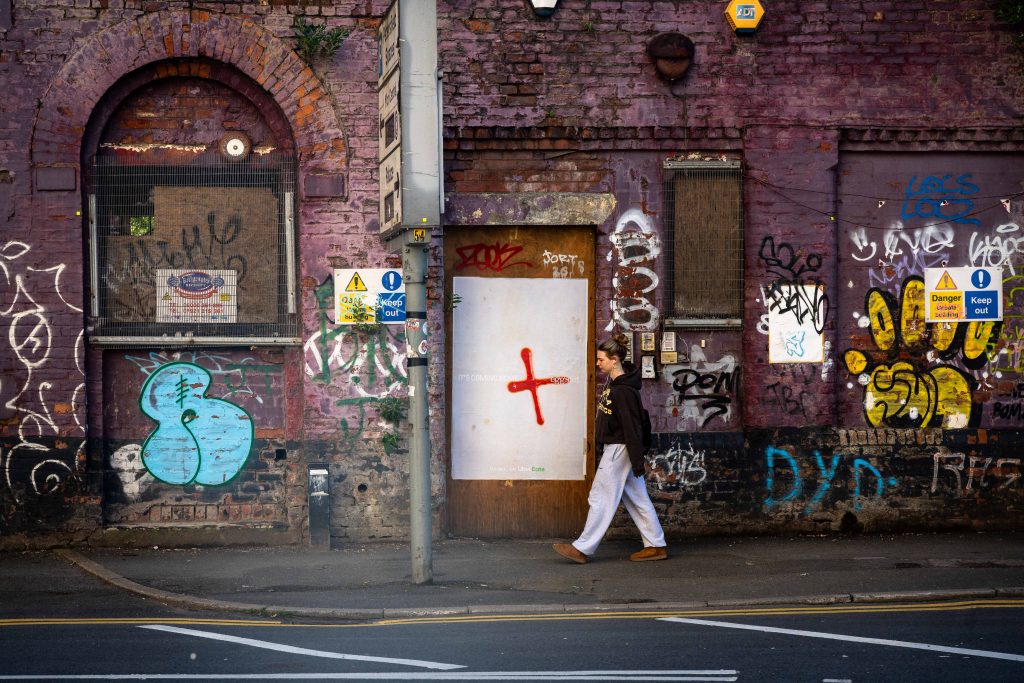
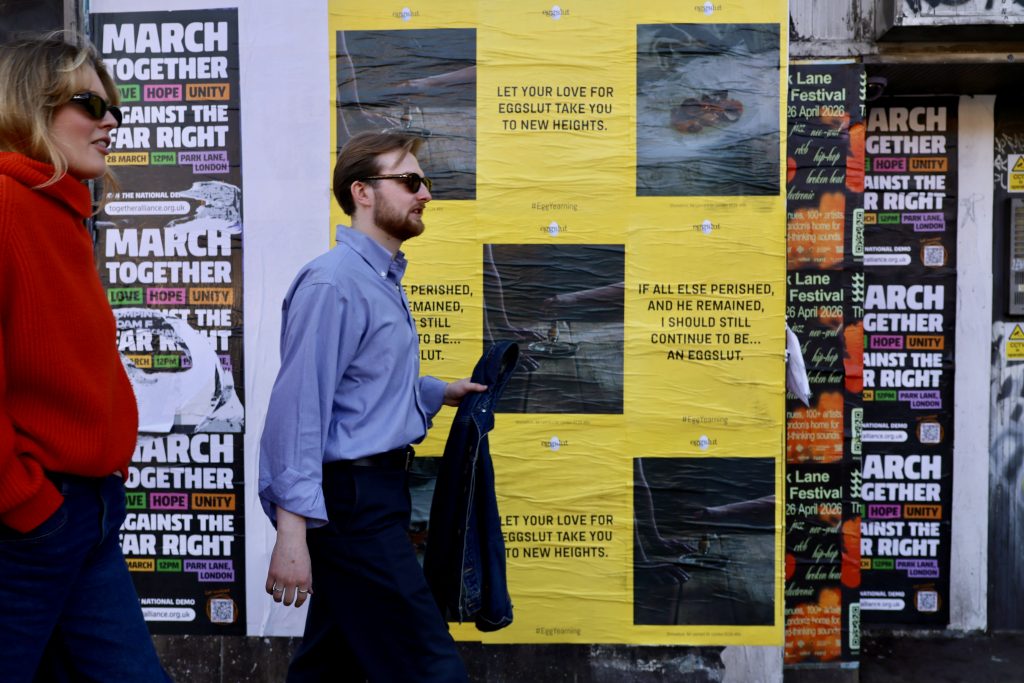
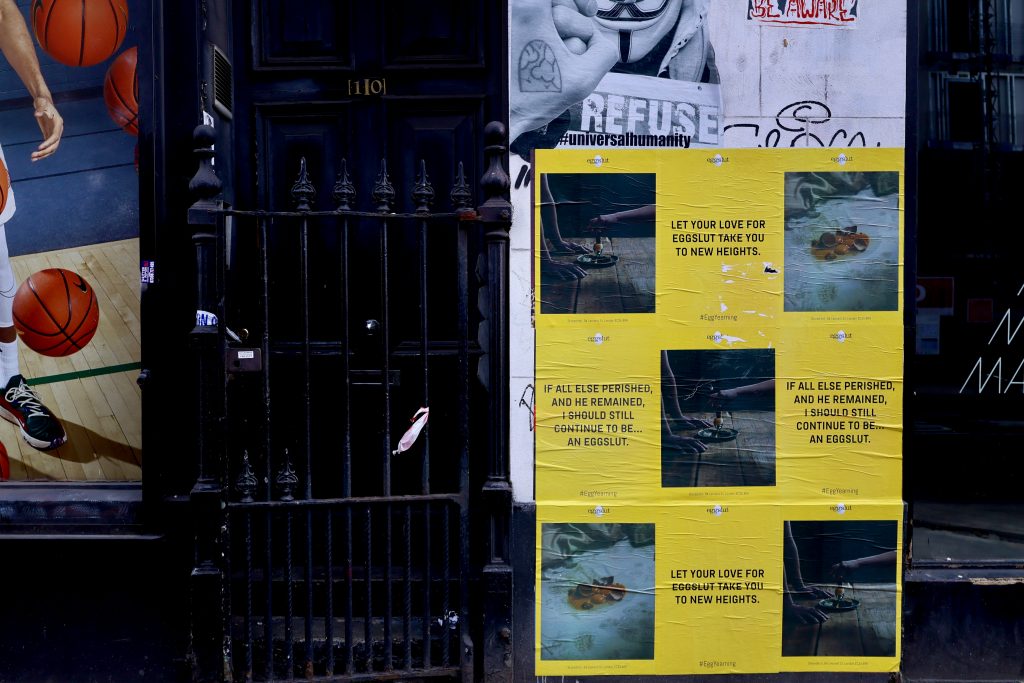
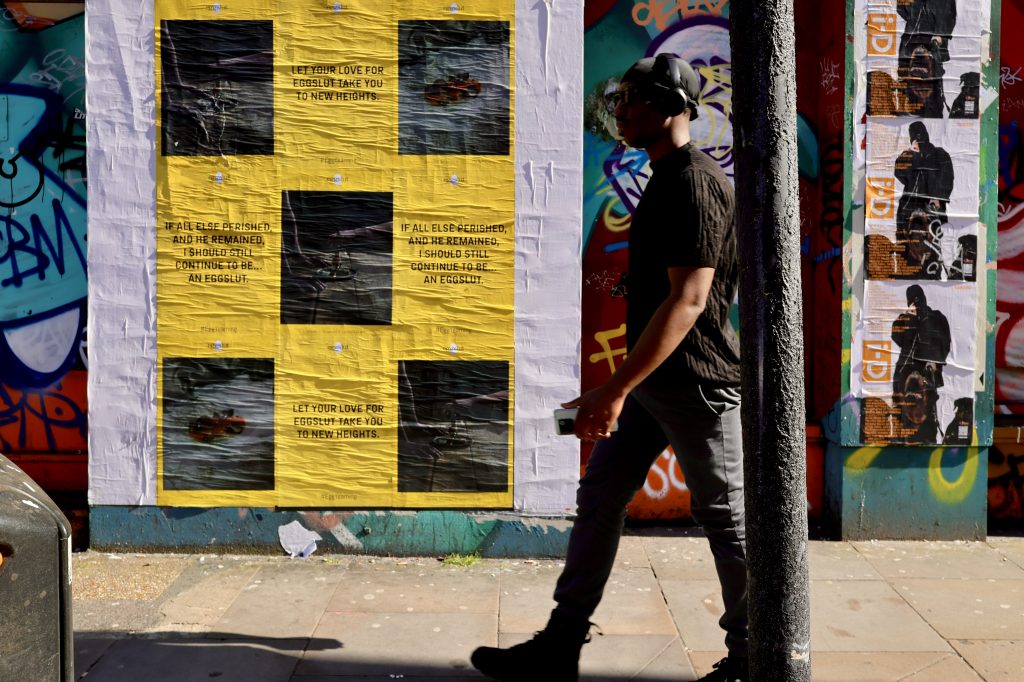
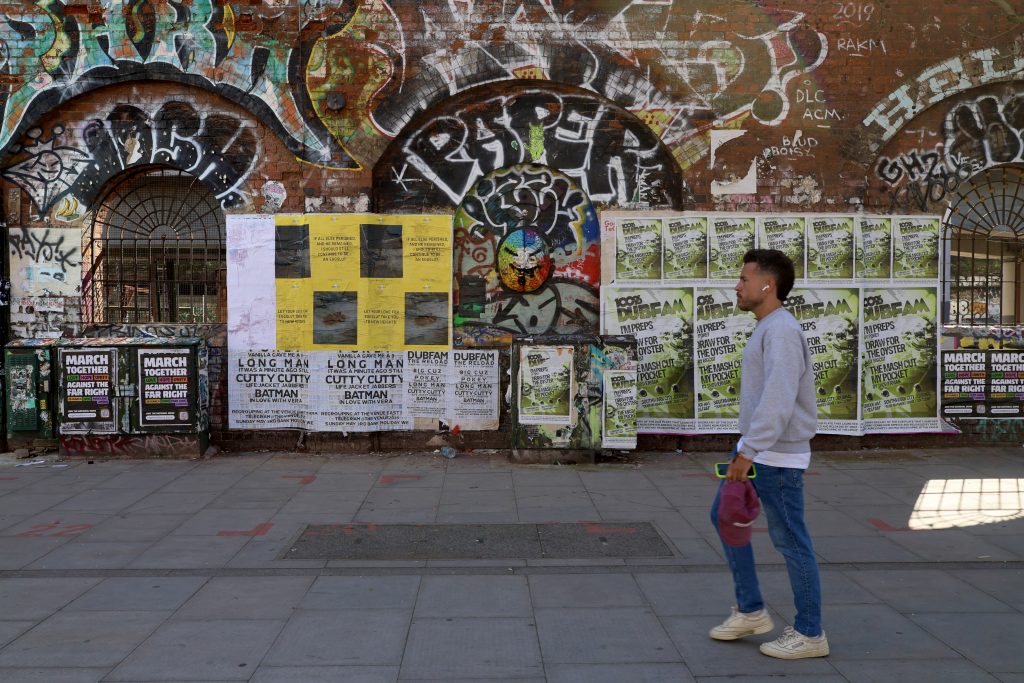
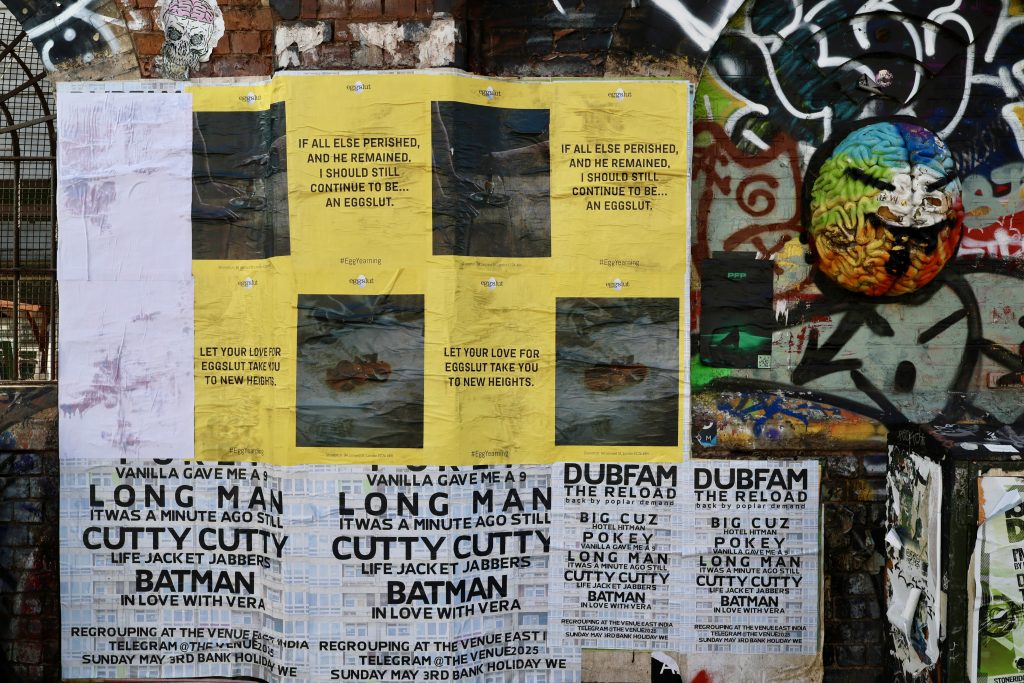
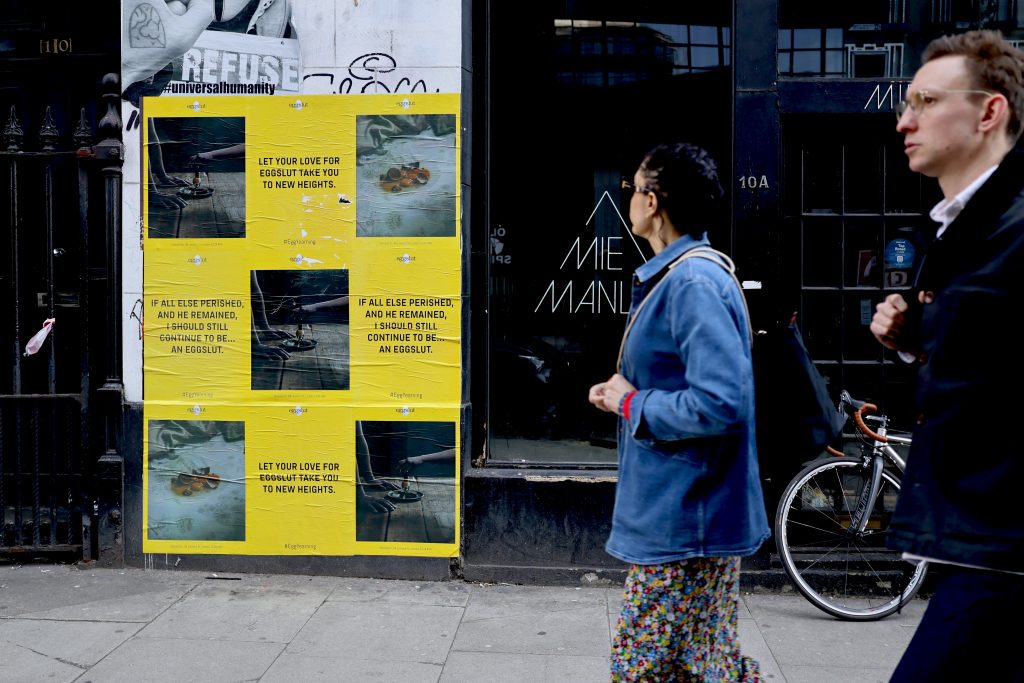
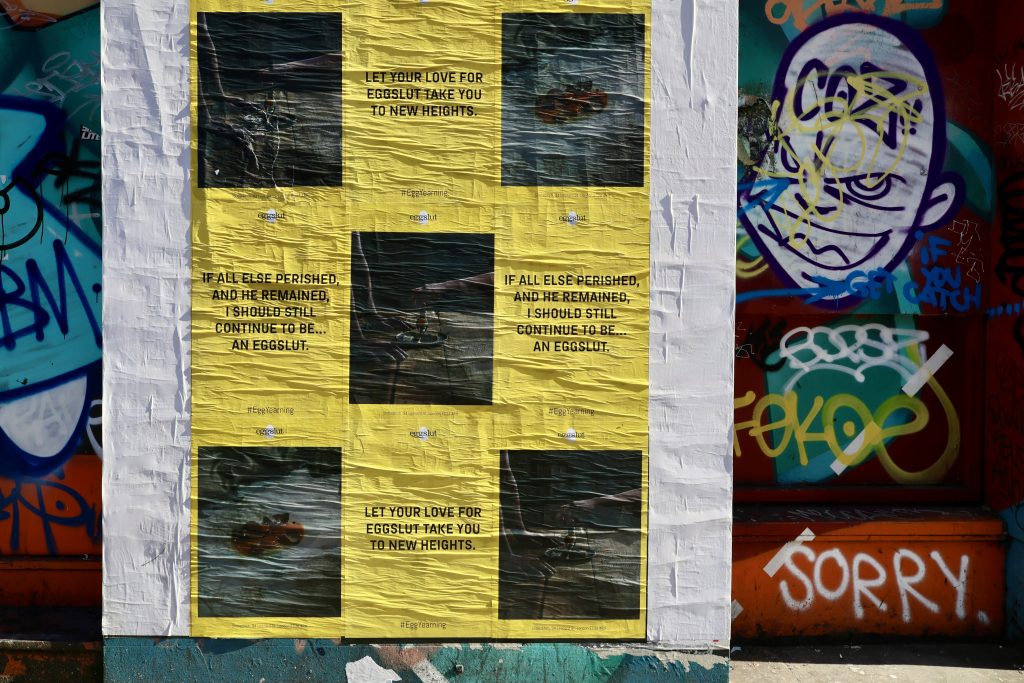
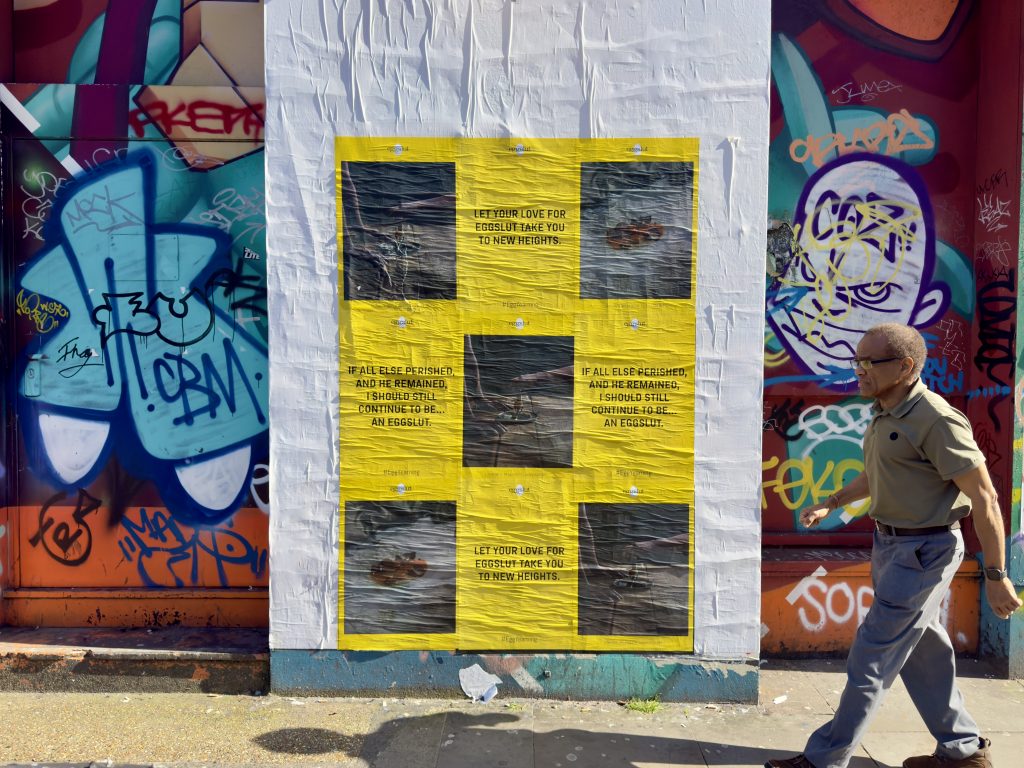
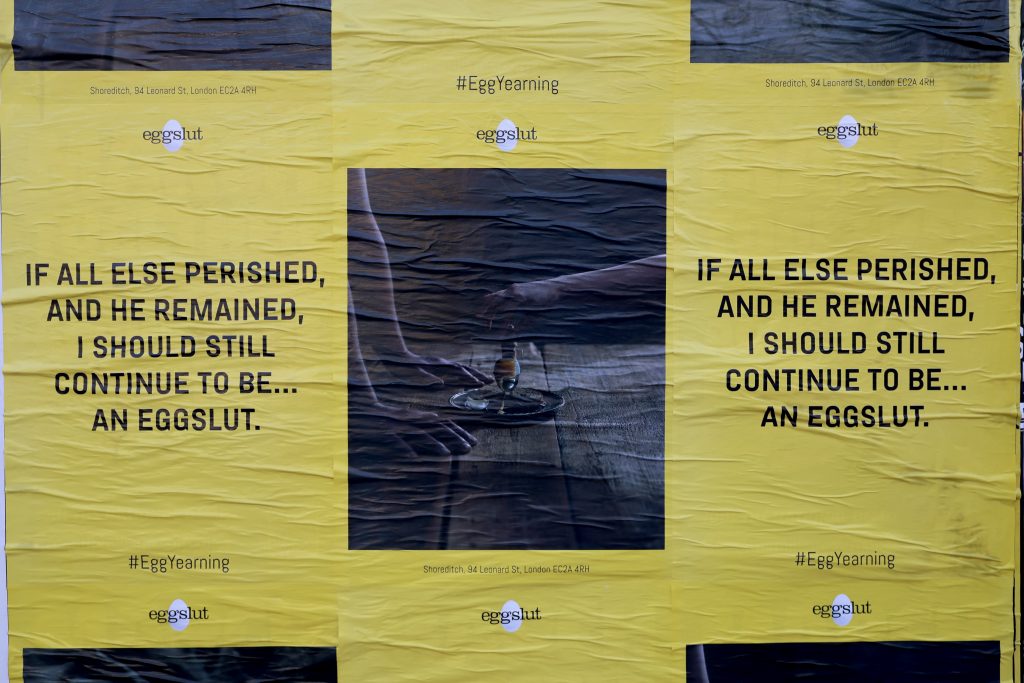
Eggslut hijacks the language of forbidden desire. ‘Egg Yearning’ flips classic romance on its head—swapping breathless longing for an unapologetic obsession with breakfast. Corsets out, brioche in.
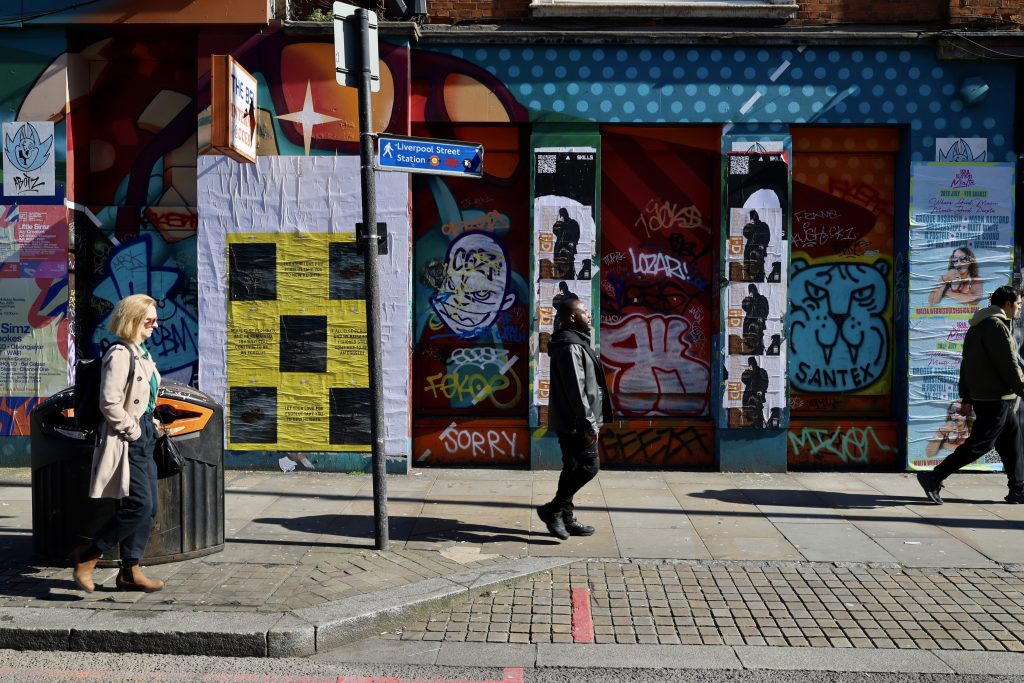
Inspired by the internet’s obsession with raw intensity, the brand hit up London streets with UNCLE, plastering B2 flyposting blocks across the city—turning street grit into a gallery of pure craving. No restraint. Just subversive indulgence.
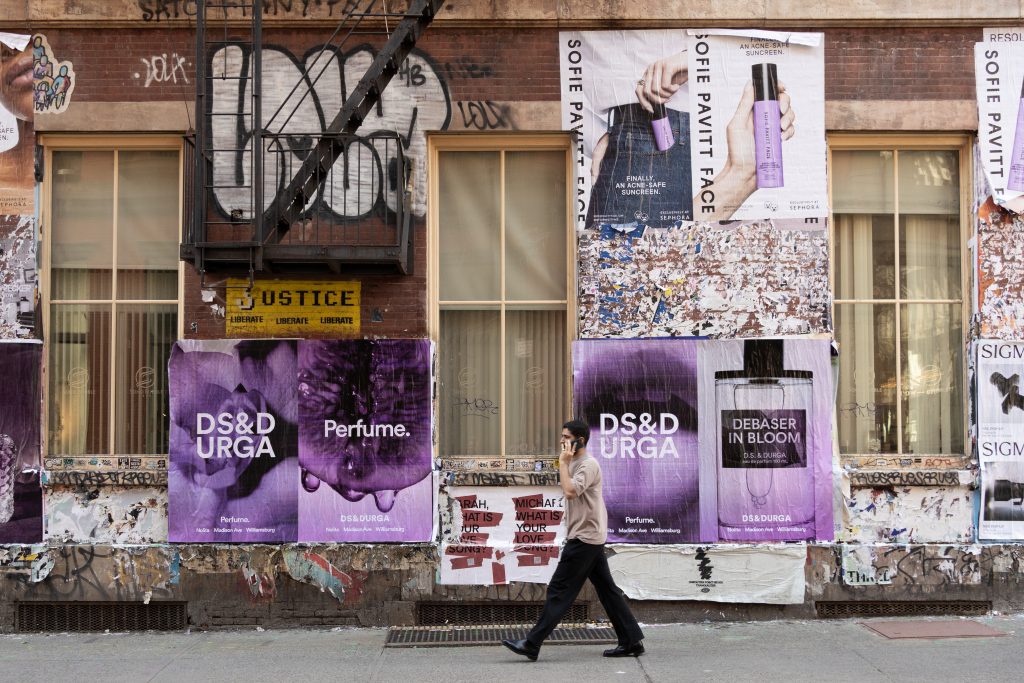
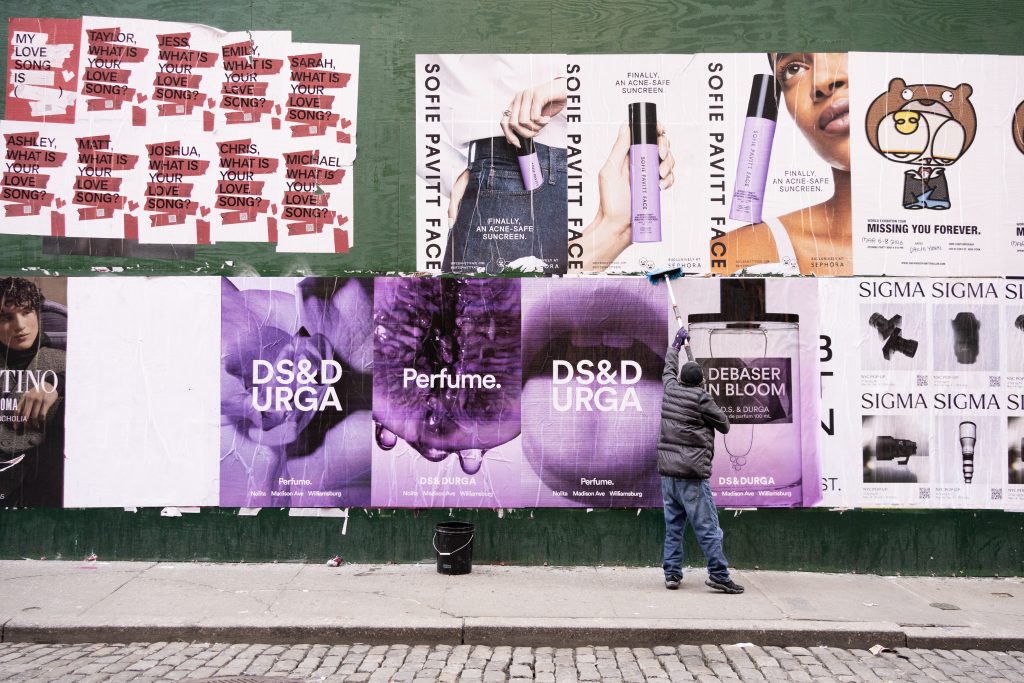
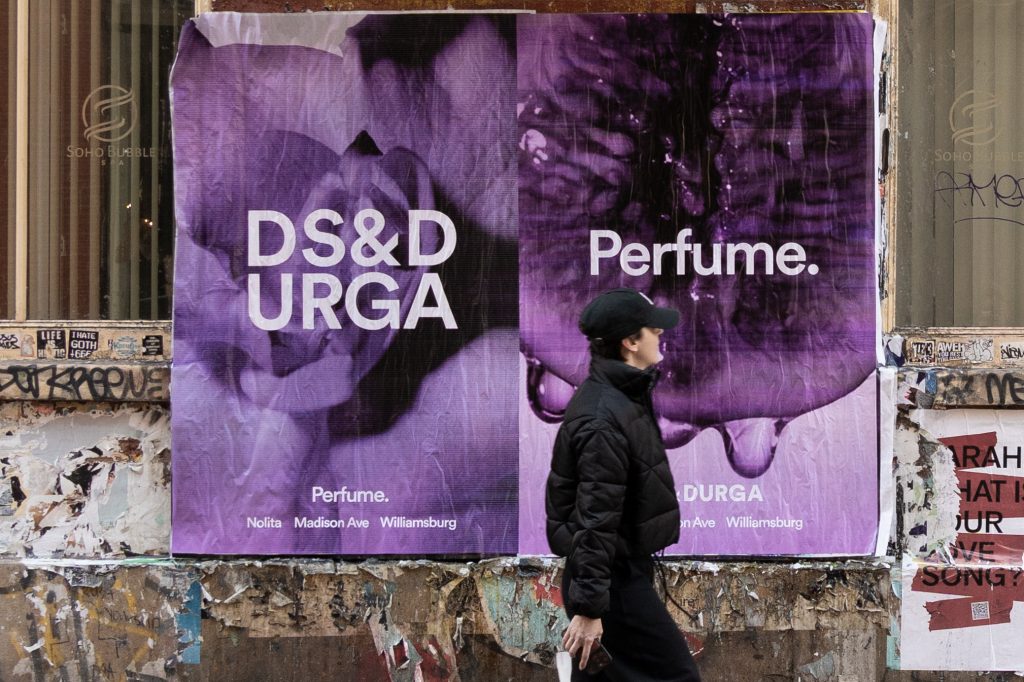
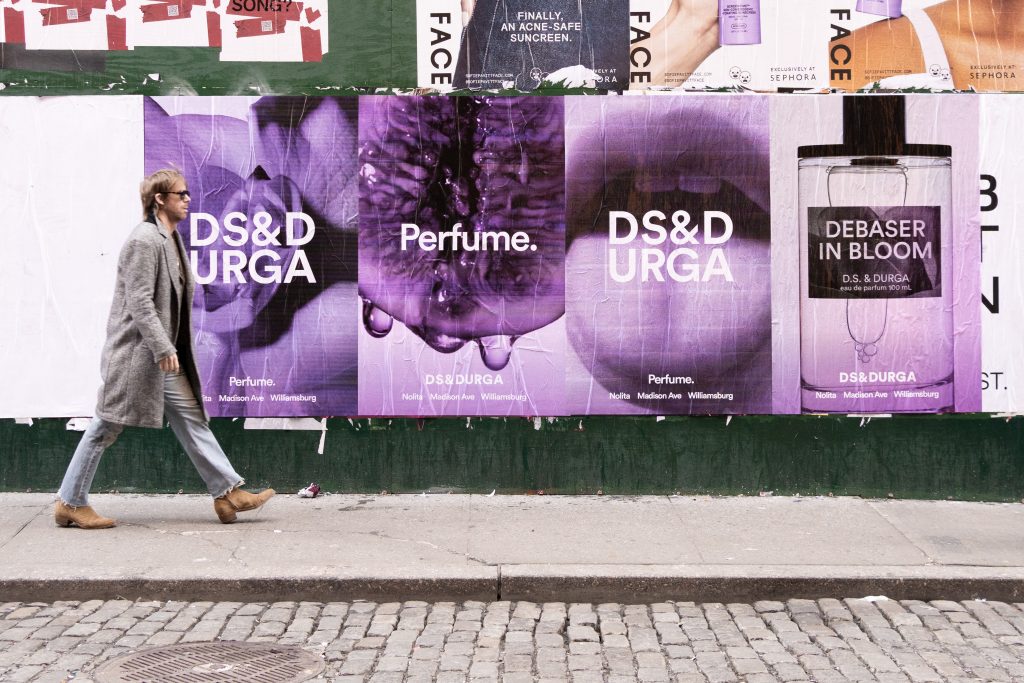
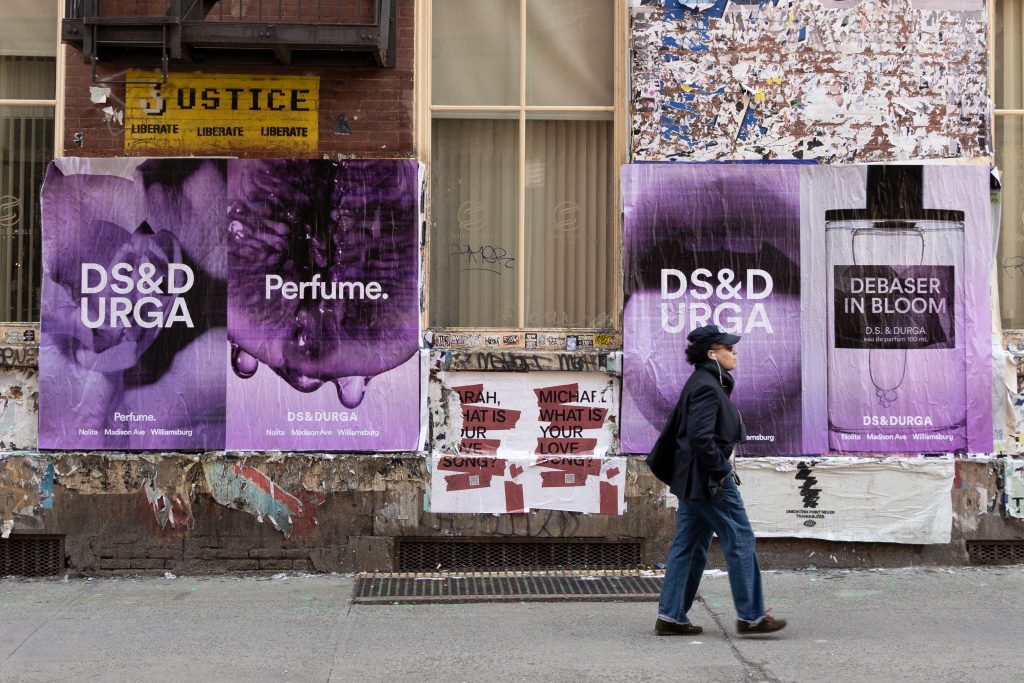
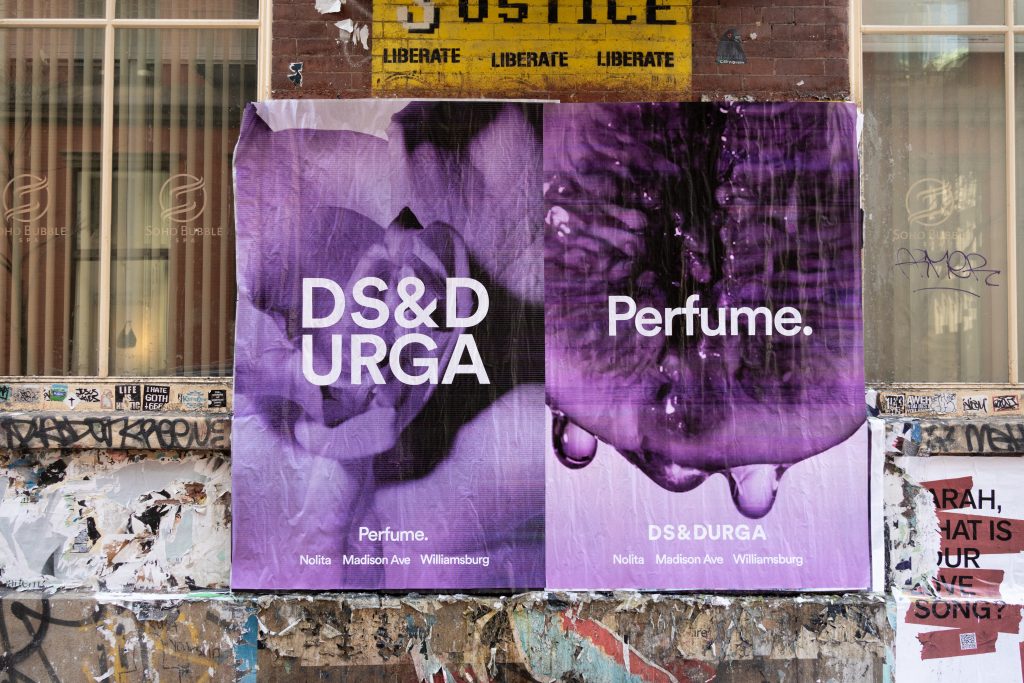
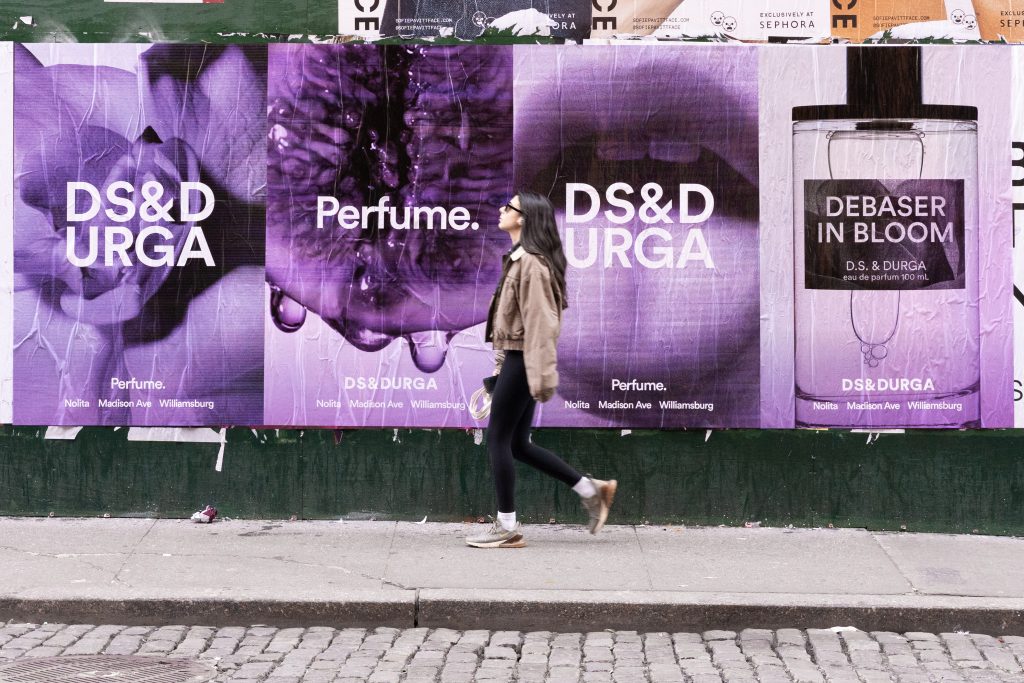
Debaser in Bloom turns up the volume—“hot, humid, sexy” fig collides with white gardenia and the metallic bite of cassette nostalgia. No boutiques, no restraint. With UNCLE, the launch hit the streets in a surge of XL flyposting and B2 blocks, flooding New York in full force.
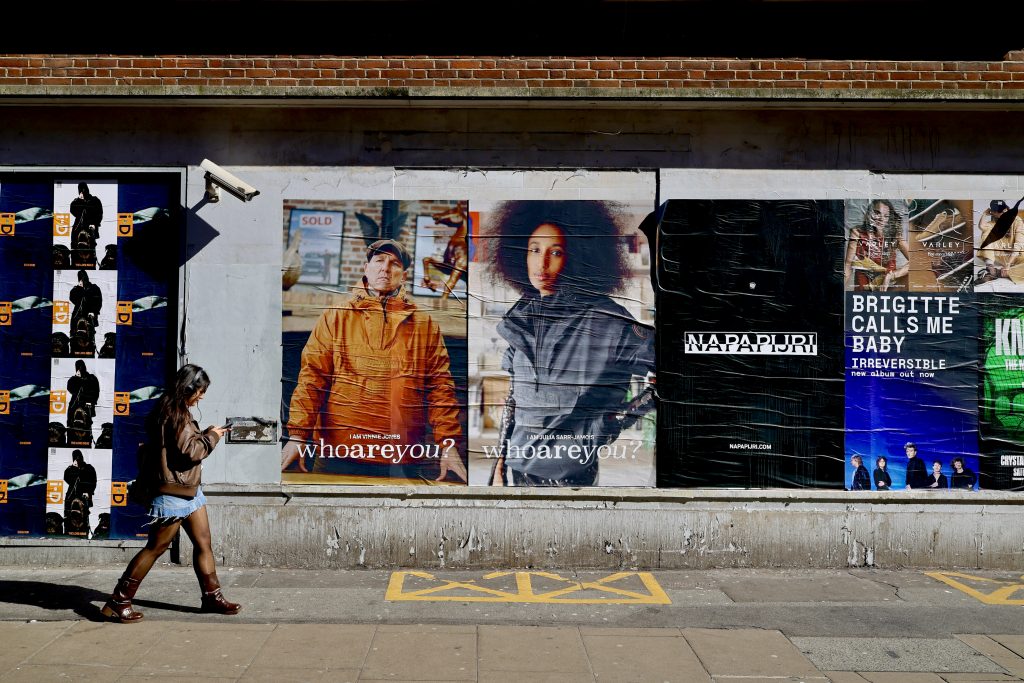
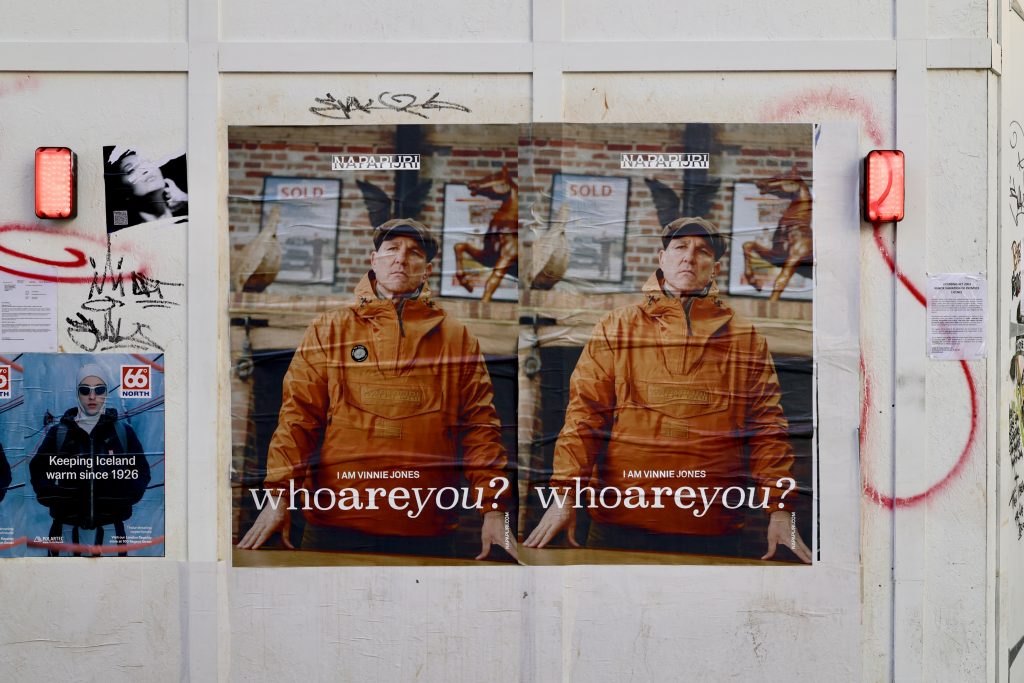
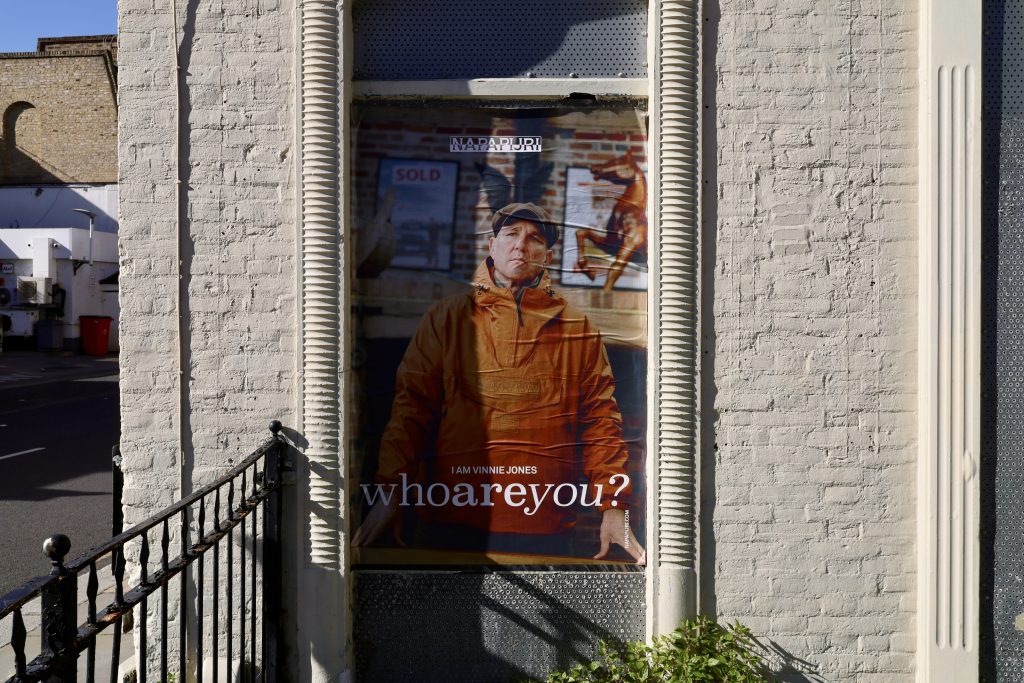
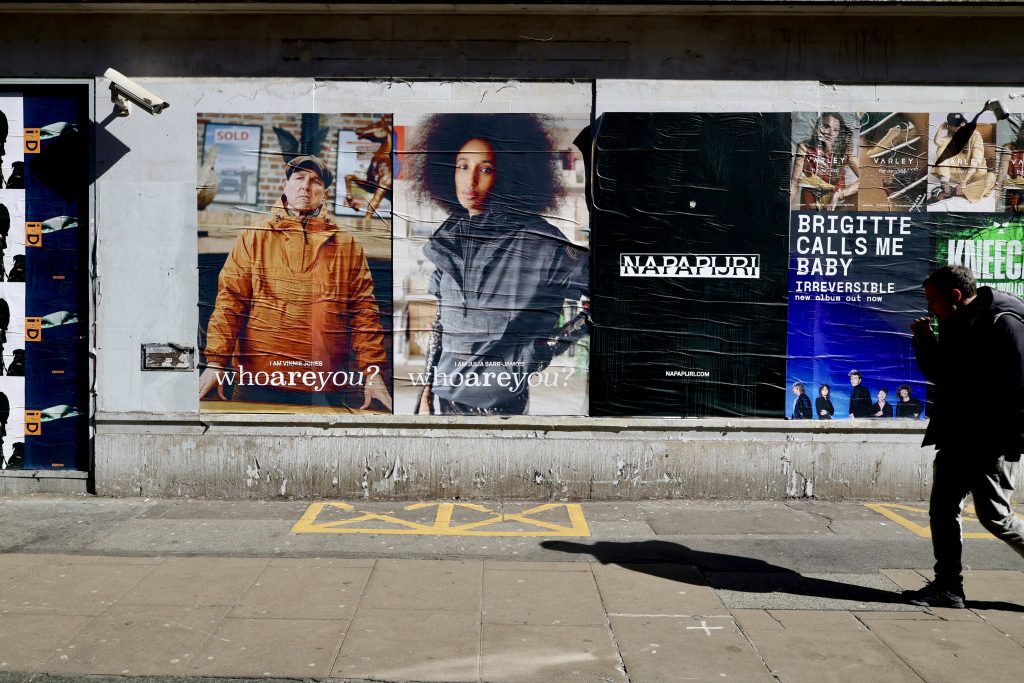
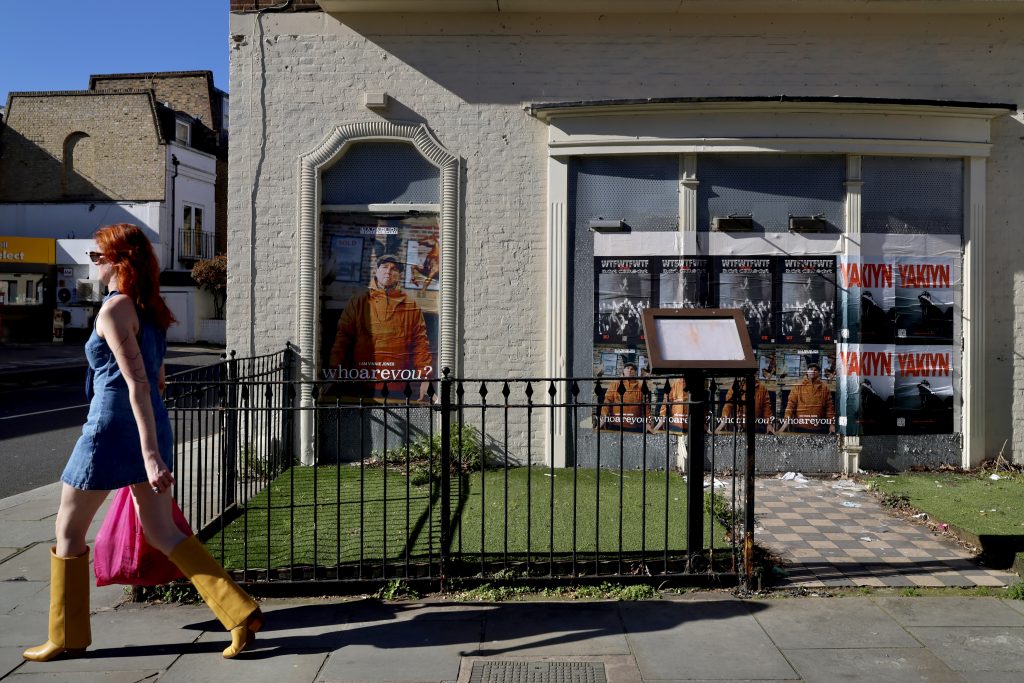
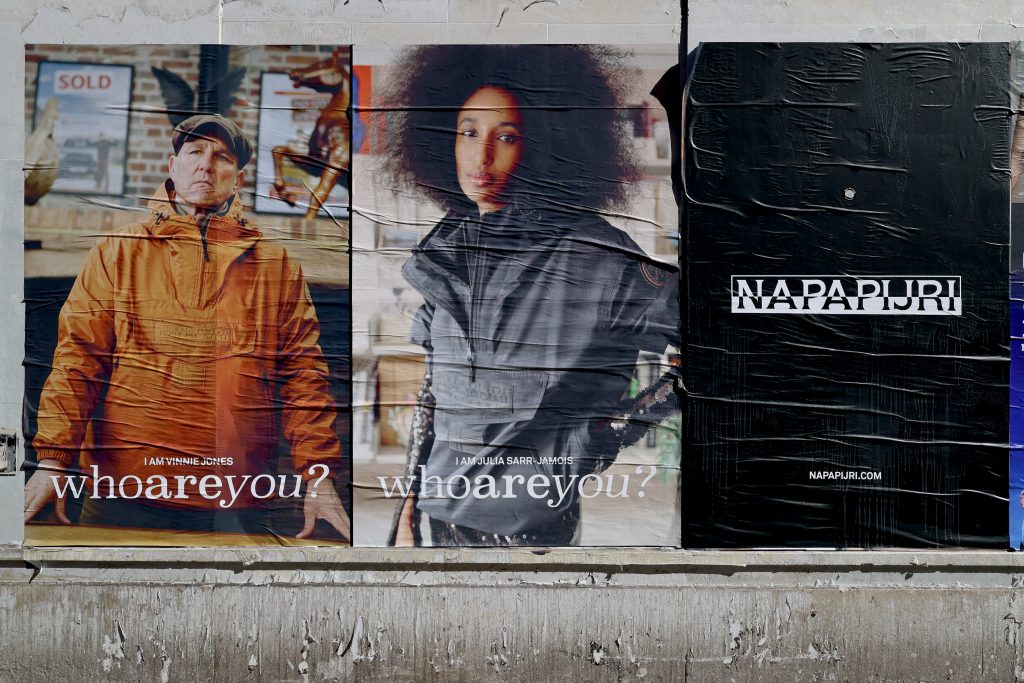
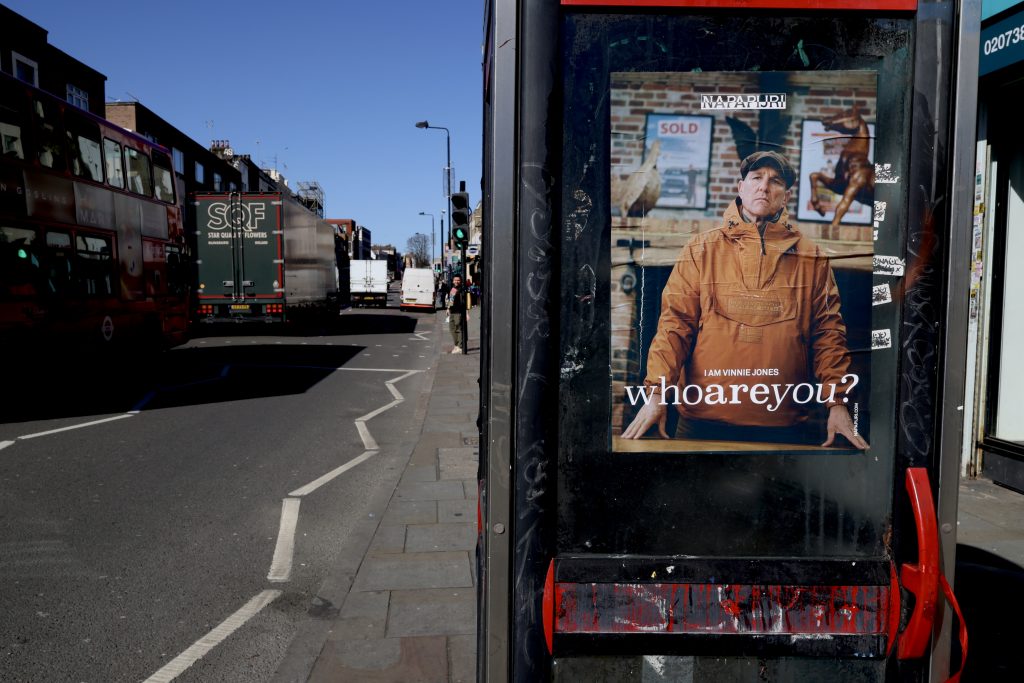
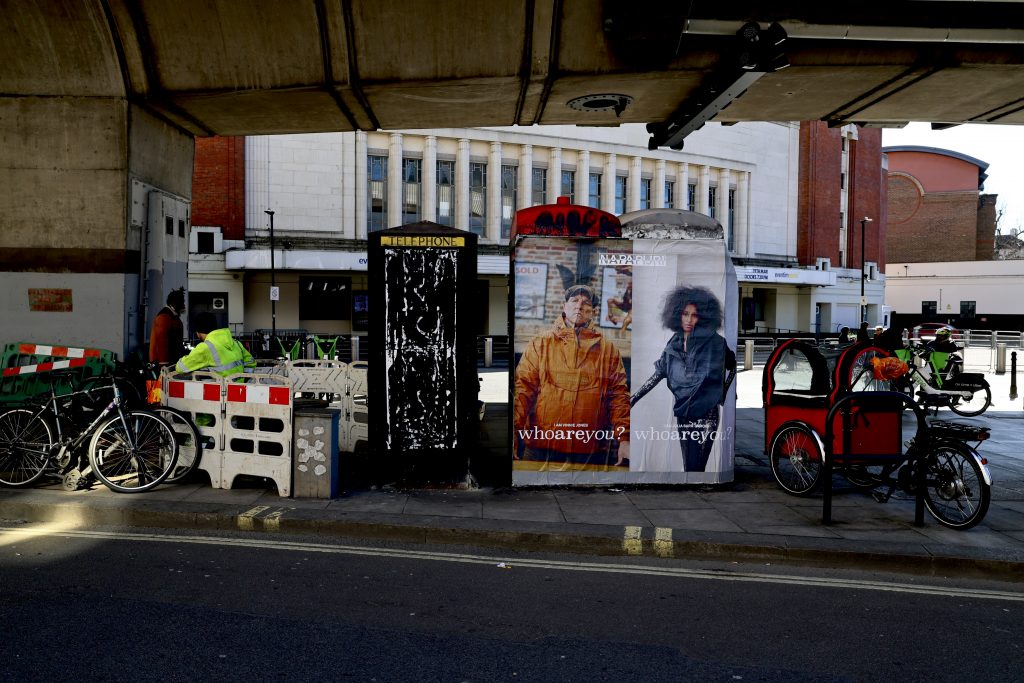
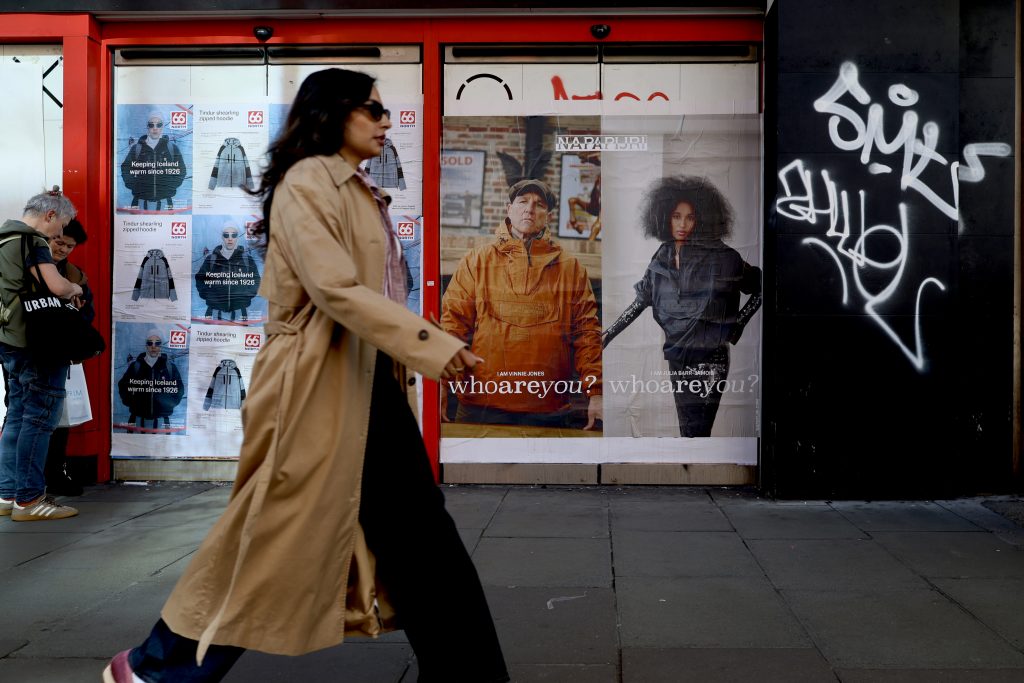
This March, Napapijri took that manifesto to the streets with UNCLE, taking over West London with B1 and 4-sheet flyposting to spotlight fashion disrupter Julia Sarr-Jamois and the legendary Vinnie Jones.
No polish, just pure cultural grit.
UNCLE celebrates this meeting between Niall and Amelia right in the heart of London’s streets. We used the raw power of physical posters to make the March 20th drop impossible to miss.
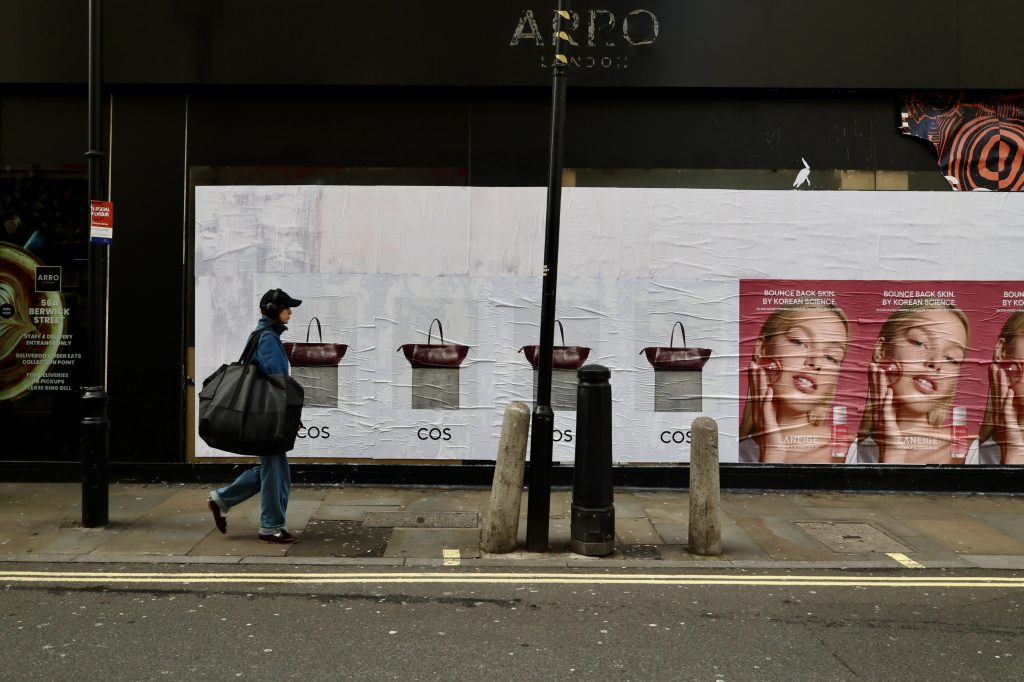
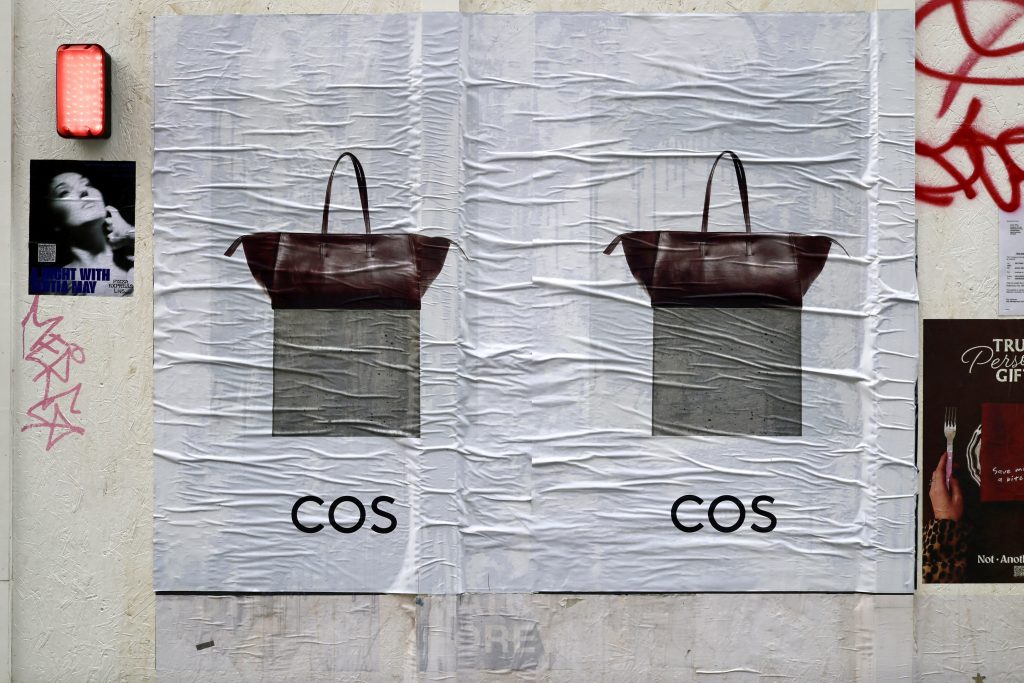
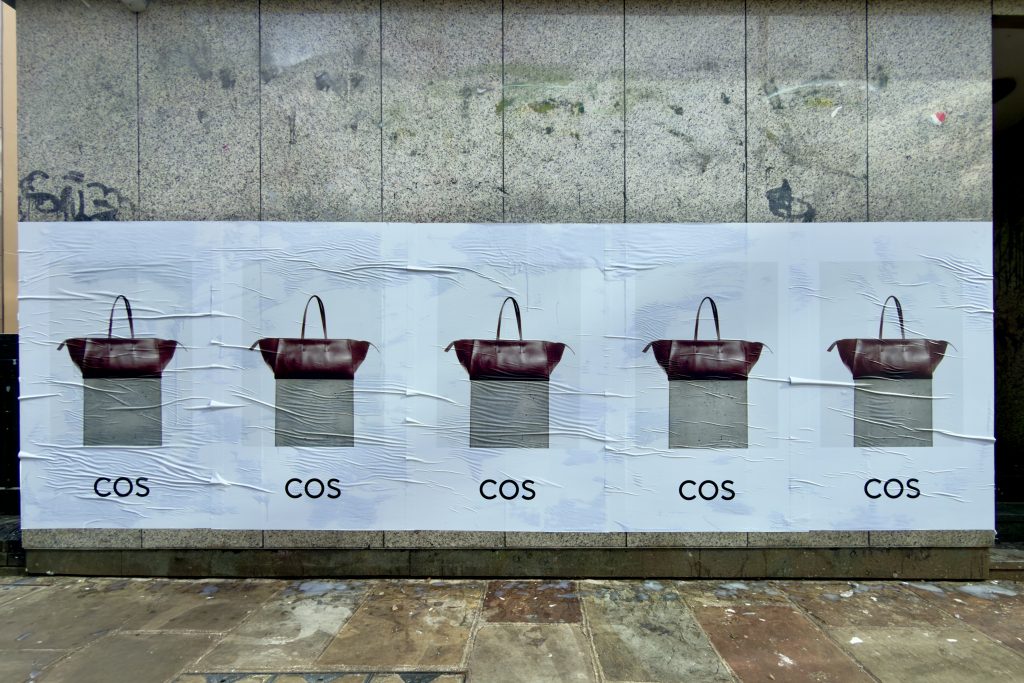
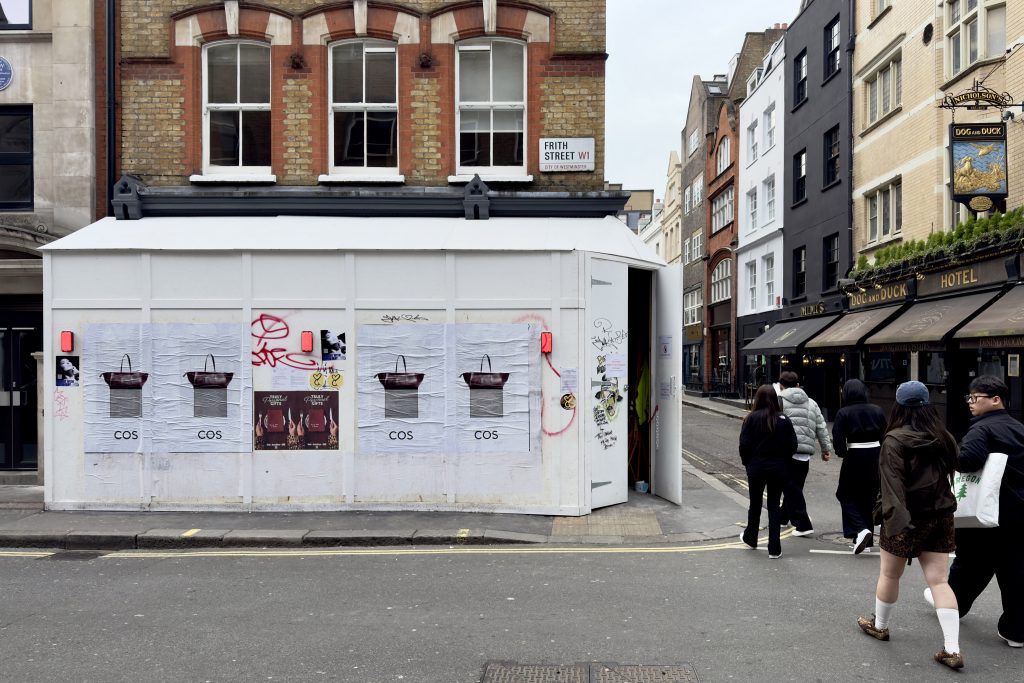
COS
To mark the launch, UNCLE took its striking East–West silhouette straight to the walls of London. Raw 4-sheet blocks. No polish. Just presence.
High-fashion craftsmanship placed exactly where it belongs.
Built for movement.
Built for the street.
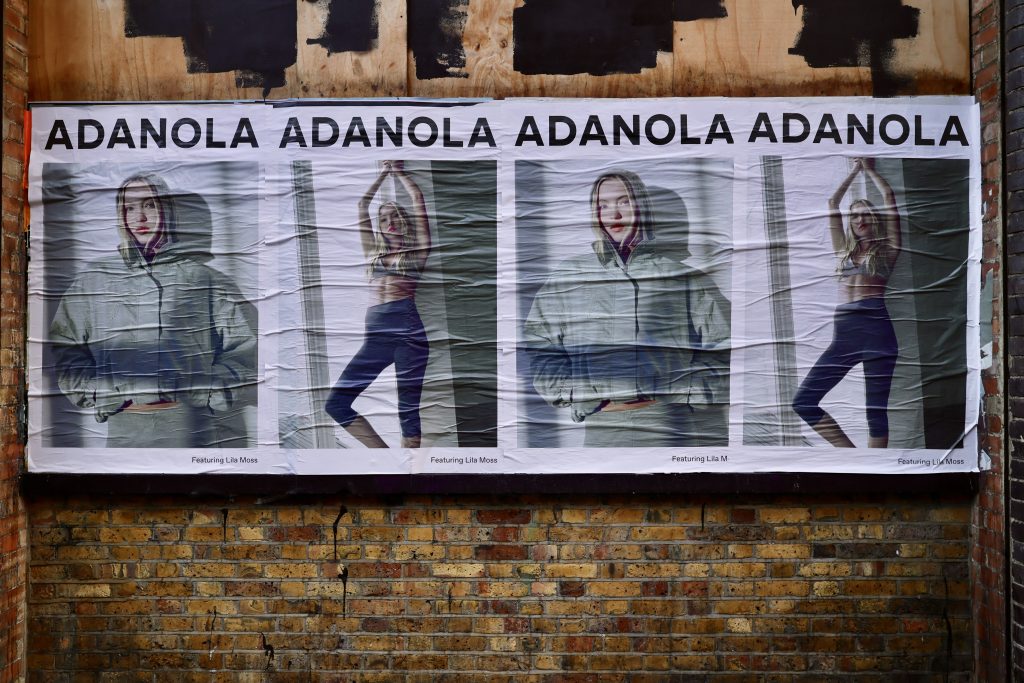
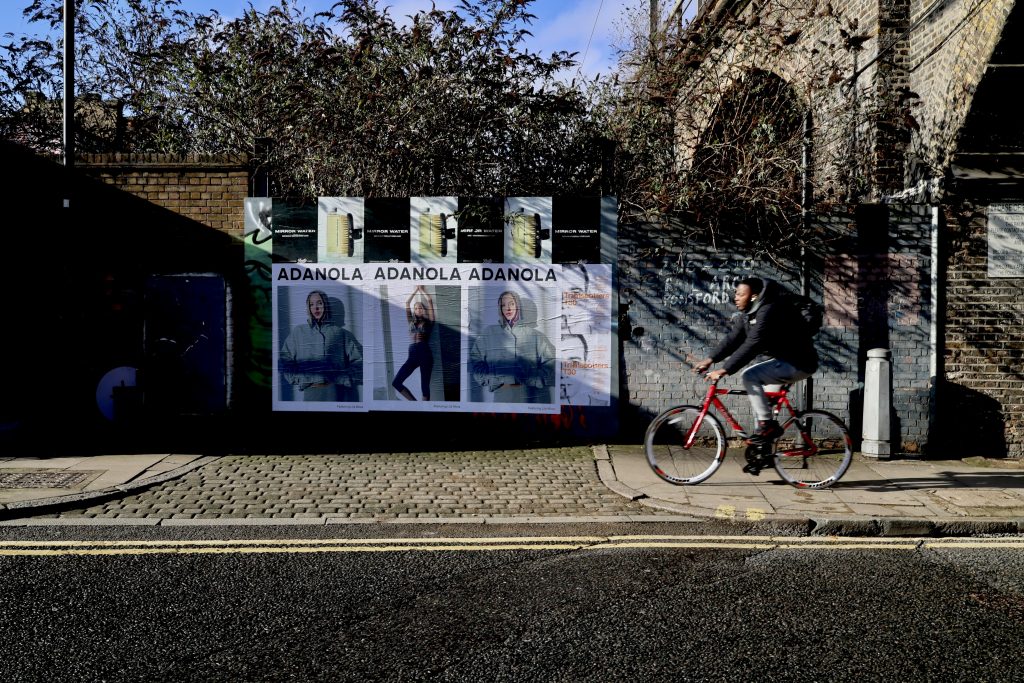
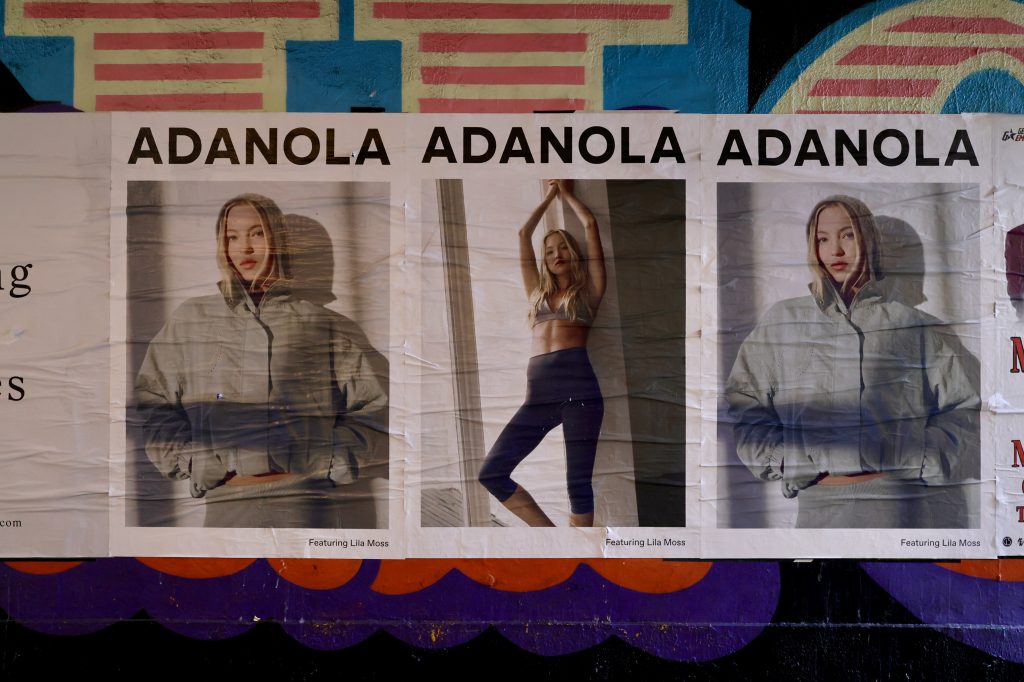
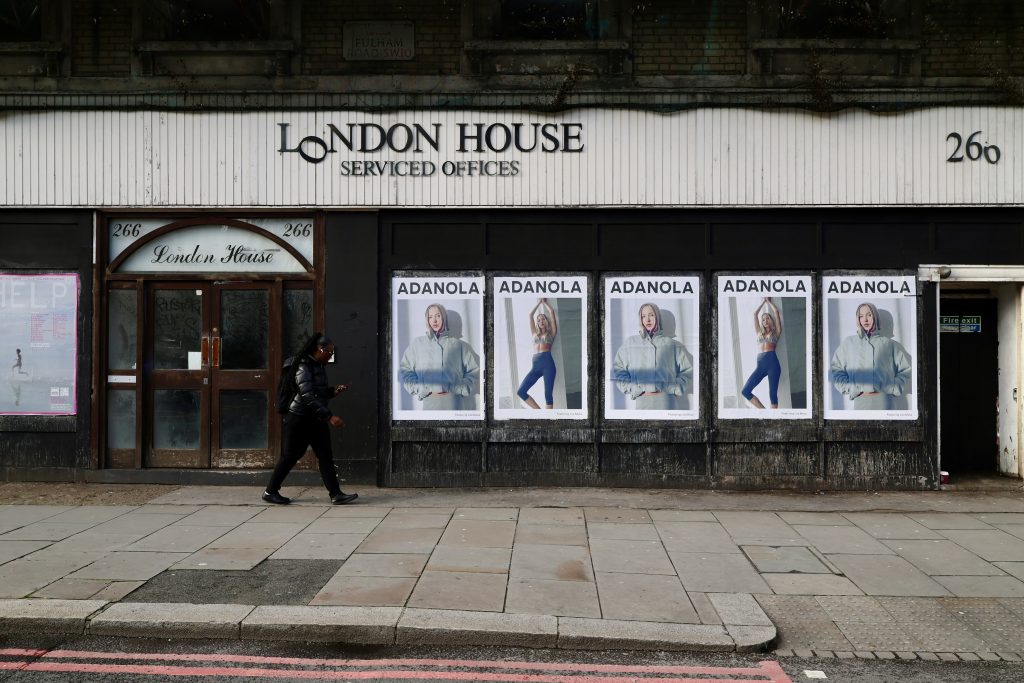
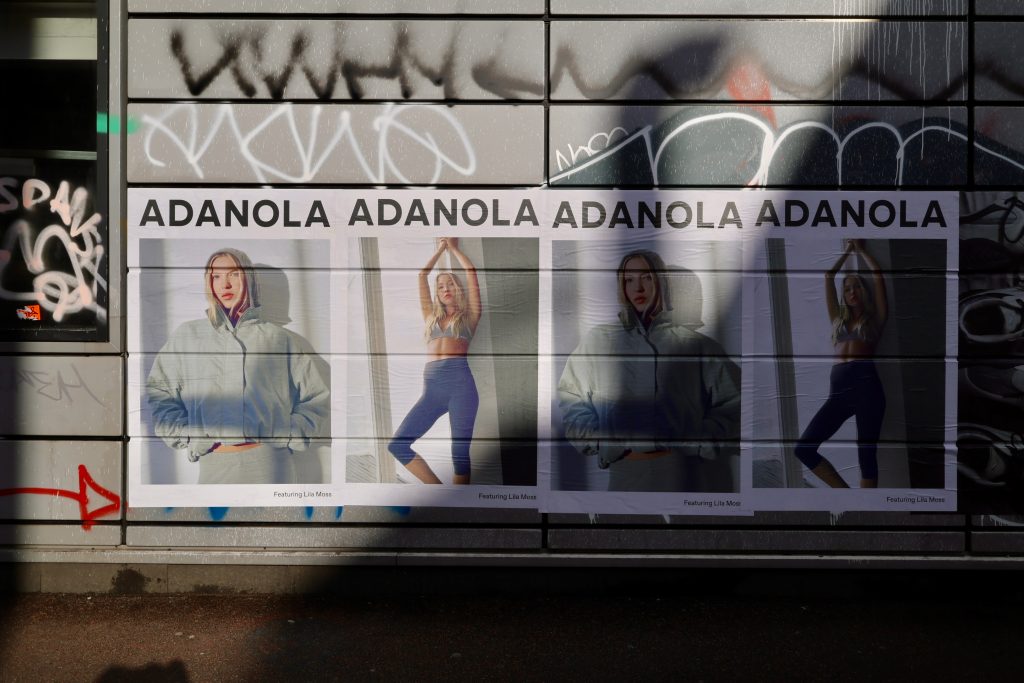
While Lila Moss brought the refined, tonal minimalism, UNCLE brought the noise.
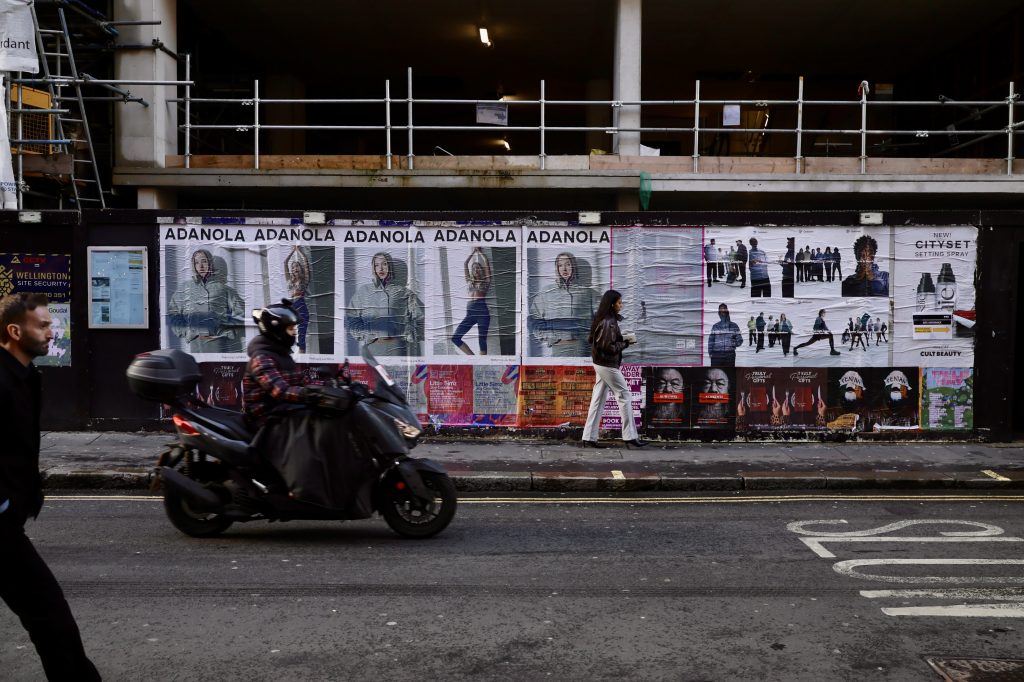
We took Adanola’s effortless
movement and hit the pavement.
We invaded London’s most influential territories with high-impact flyposting. From the creative East to the high-end West, we brought a raw, gritty aesthetic
to the streets. UNCLE made sure Adanola’s understated elegance didn’t just ‘launch’.
It took over the streets.
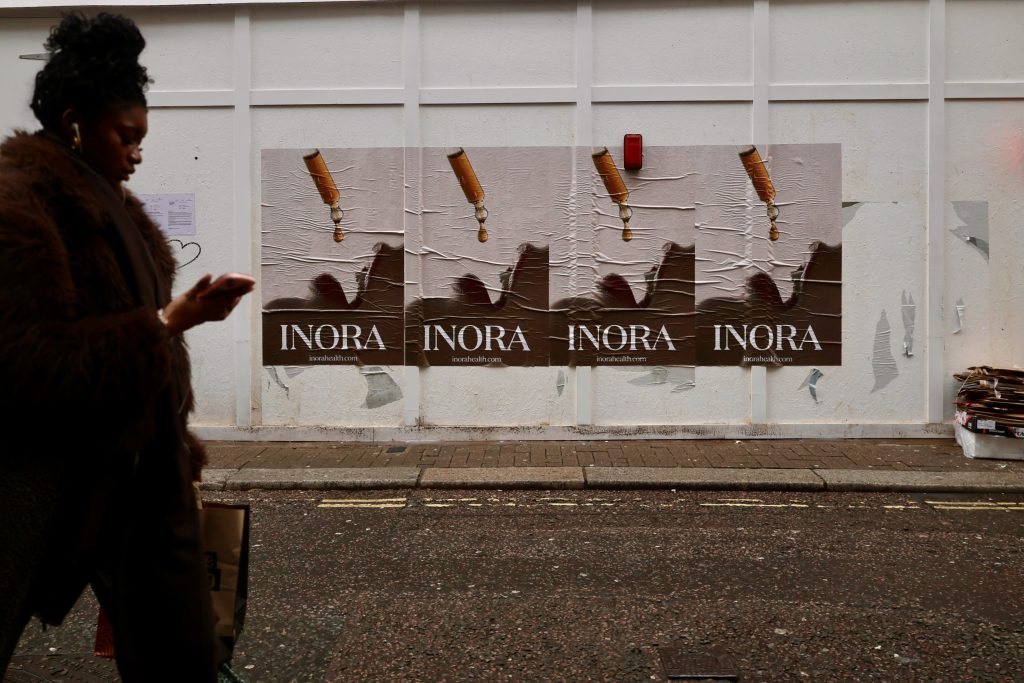
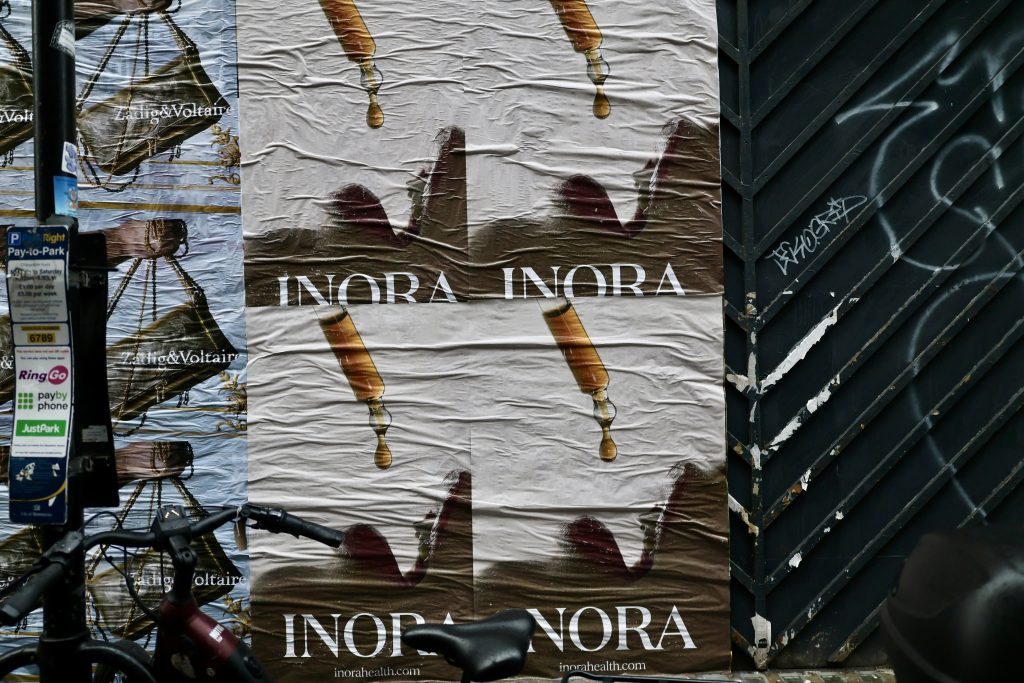
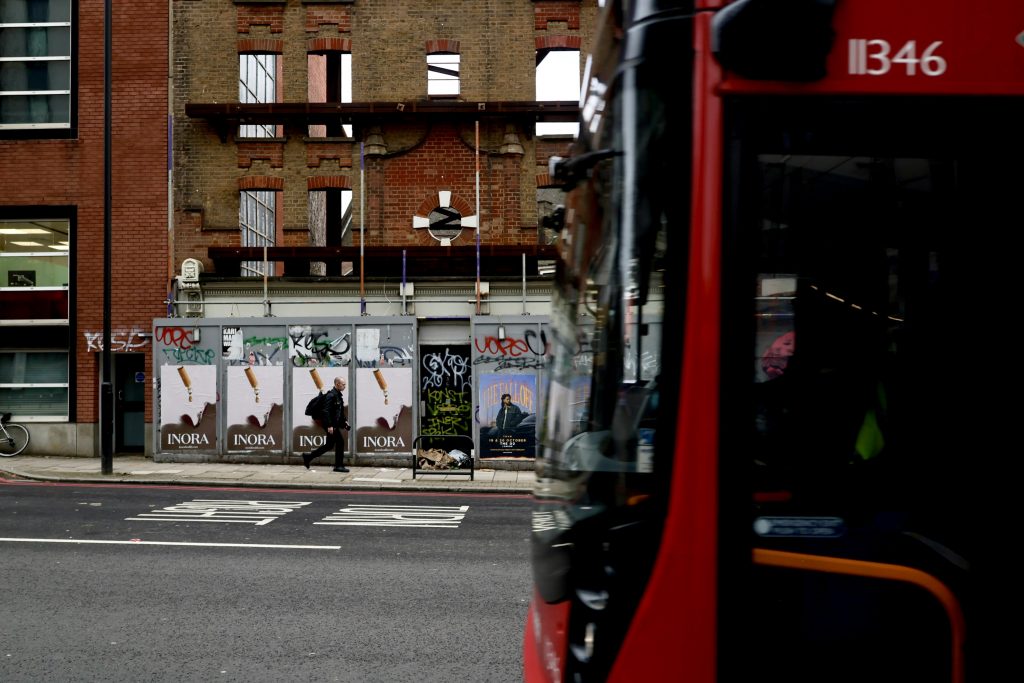
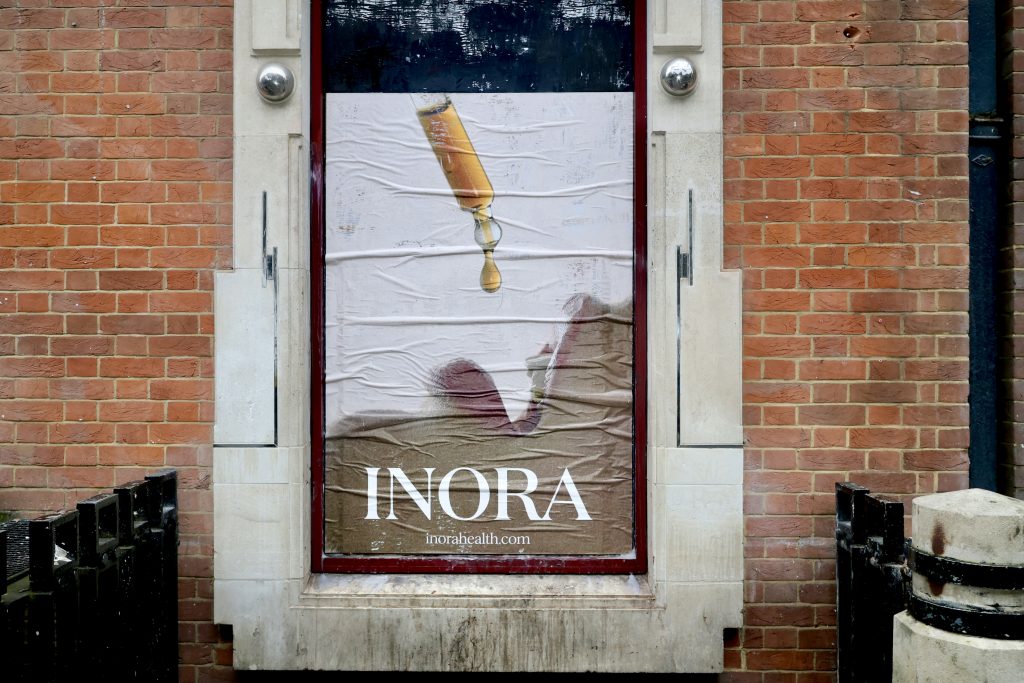
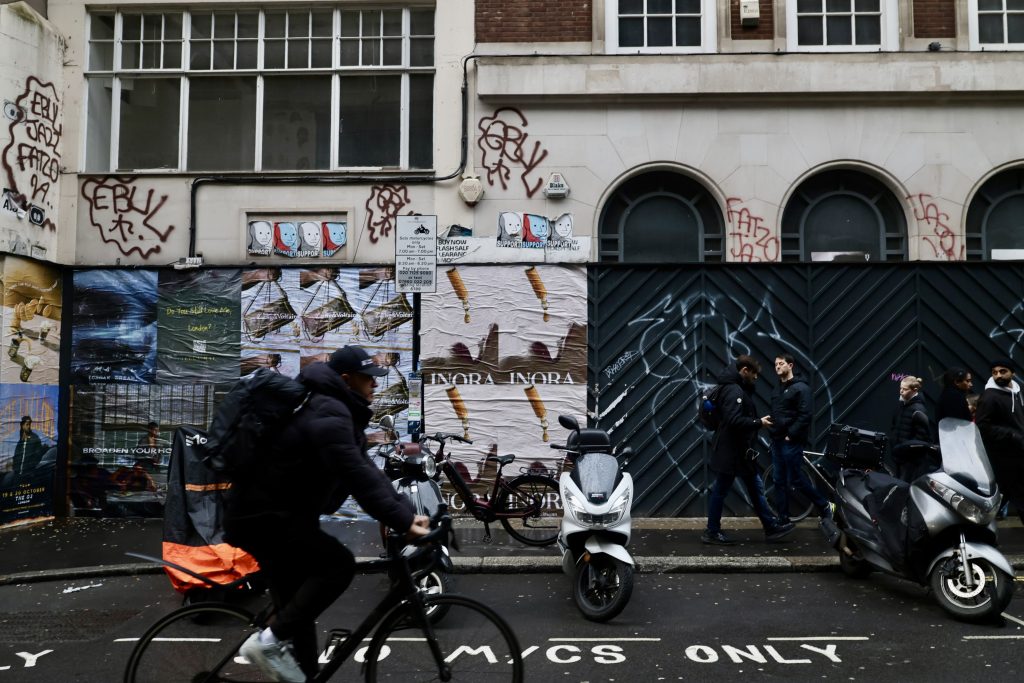
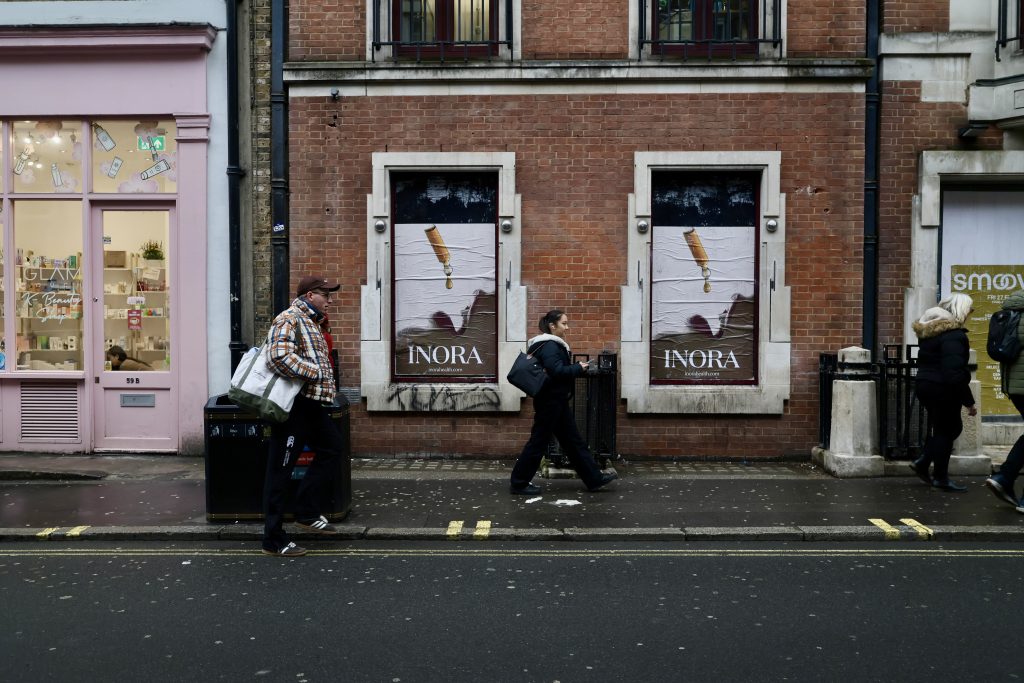
As INORA launched its new solution to modern stress during London Fashion Week, UNCLE took the antidote straight to the source of the chaos. Engineered for the high-performance rituals of the women who run the city, this liquid energy was injected into the daily flow of workout classes, iced coffees, and business lunches.
Through high-impact 4-sheet flyposting and storefront takeovers, we cut through the London noise. From the high-pressure grid of the City to the creative hubs of the East, we turned weathered, graffiti-strewn walls into a direct portal to the INORA universe.
Nothing Tech
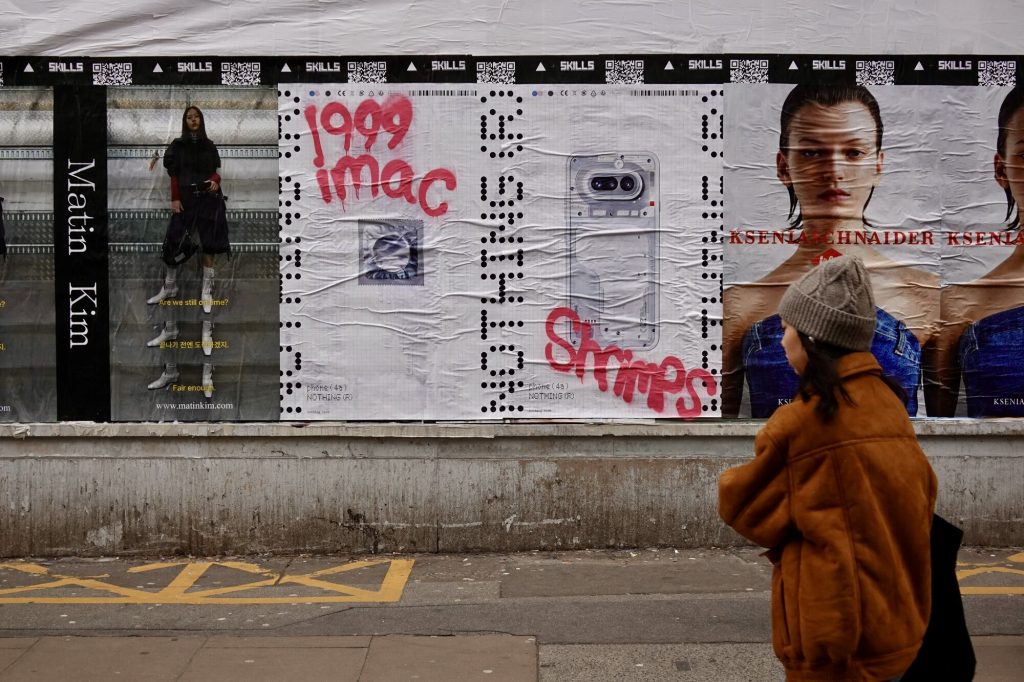
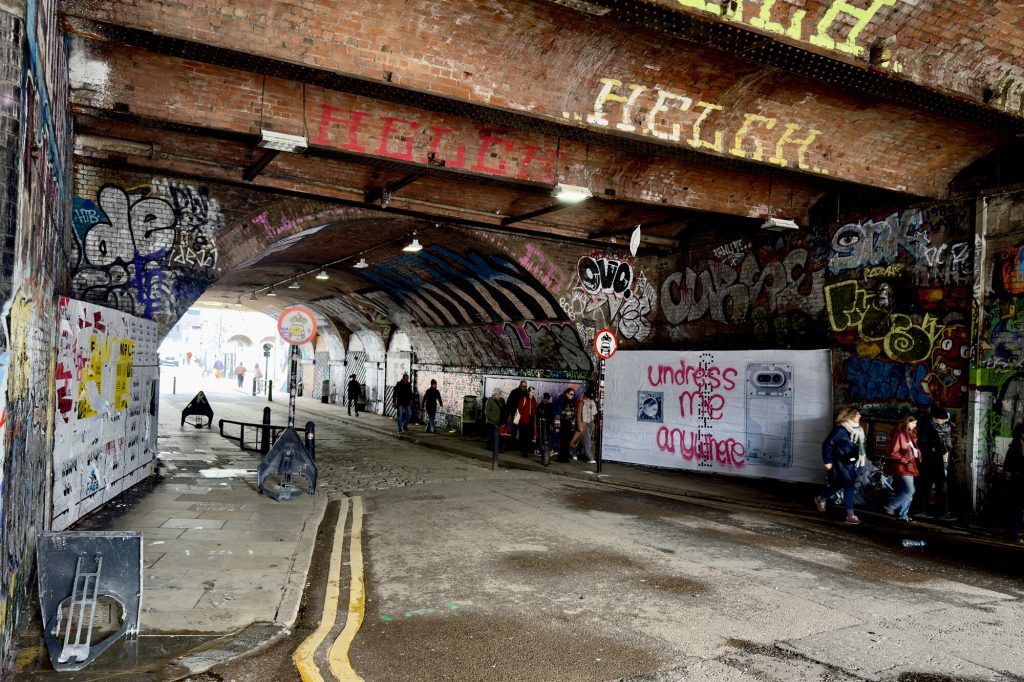
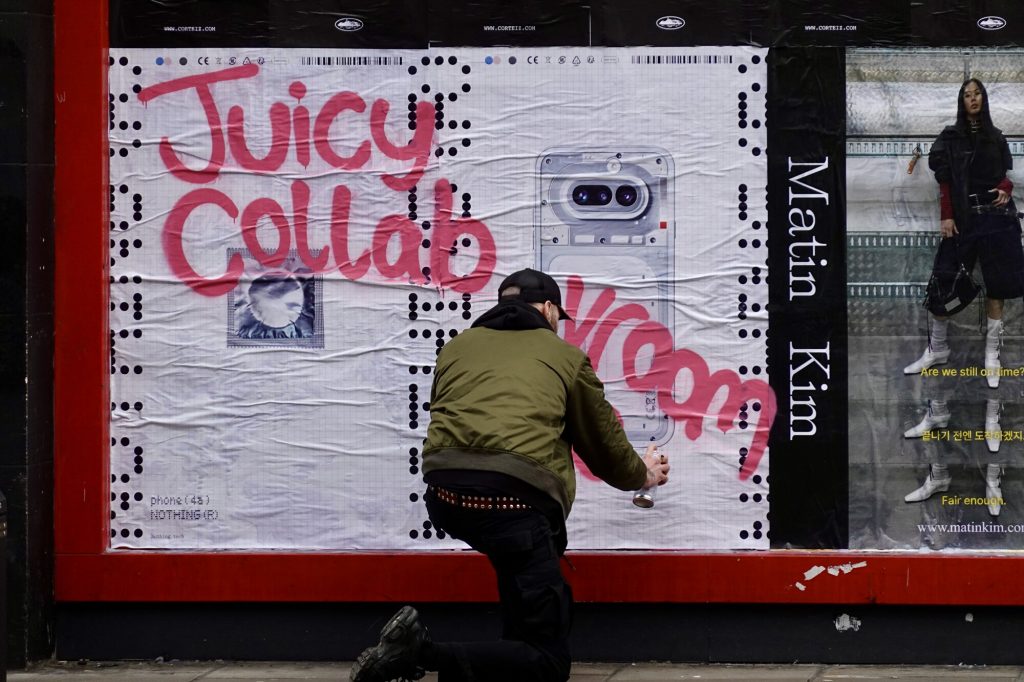
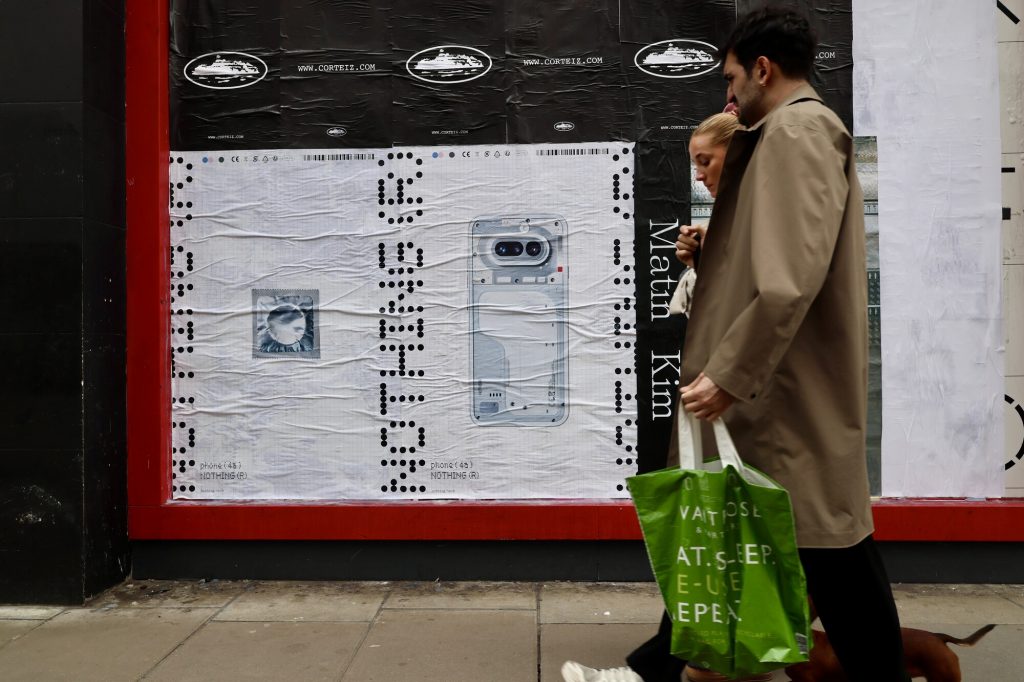
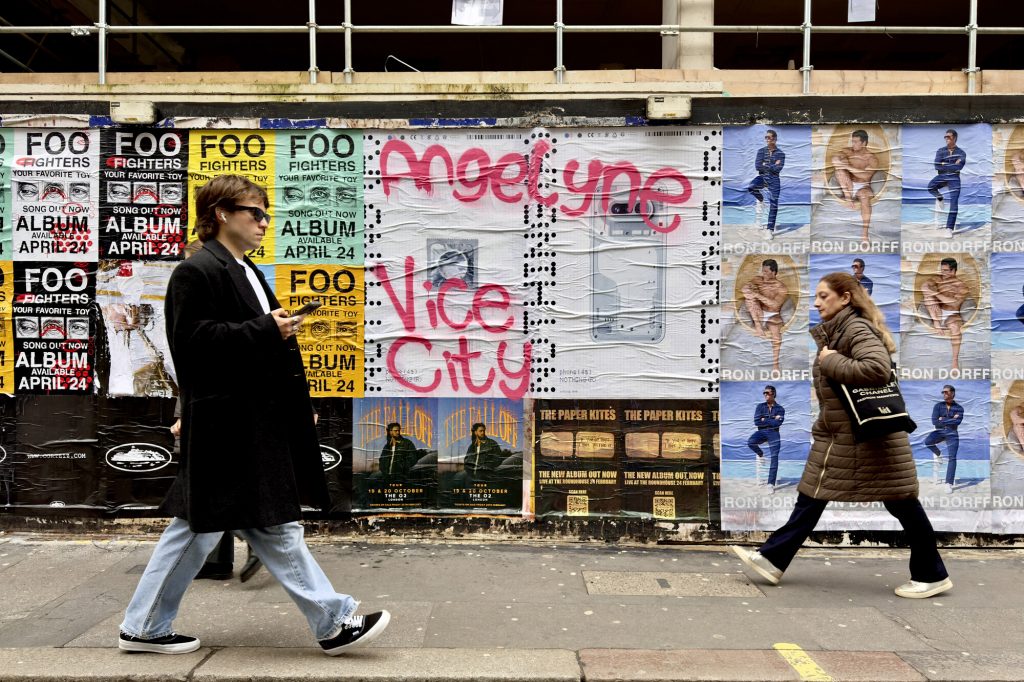
Moving away from its signature monochrome tone, Nothing Tech celebrated the launch of the Phone (4a) pink with a splash (of paint).
The deliberate shake-up is in response to the sameness across modern tech, expressing themselves in an industry of aluminium and glass.
Like the phones, UNCLE brought a celebration of nostalgia, fun and optimism to the streets of London. The black and white 4 sheets were used as the canvas for pink graffiti, creating a moment in the city that challenged the industry’s status quo.
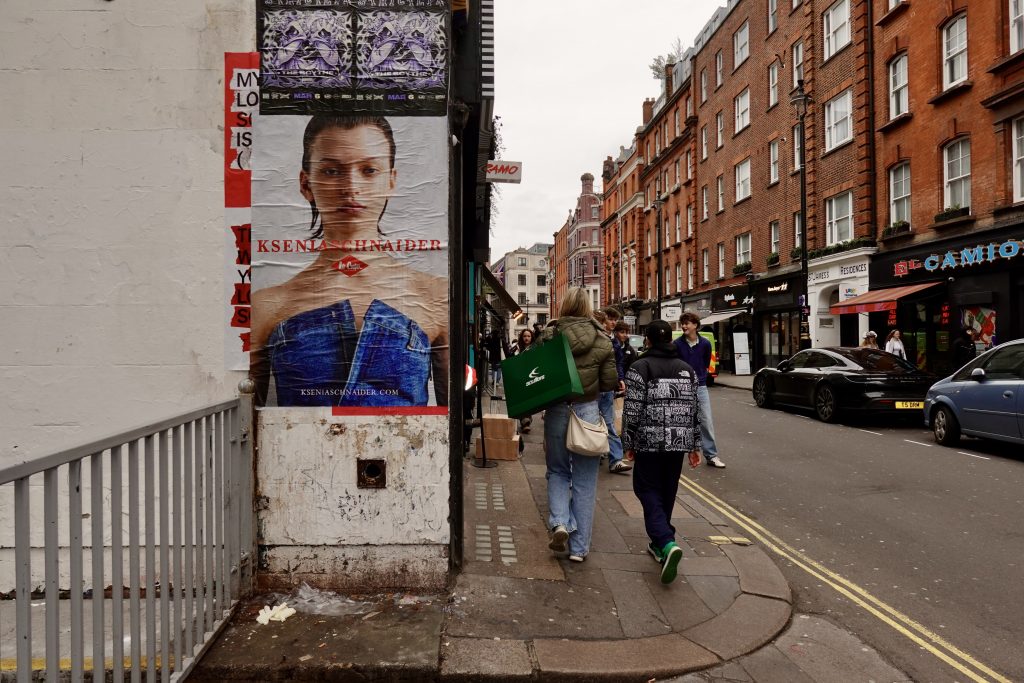
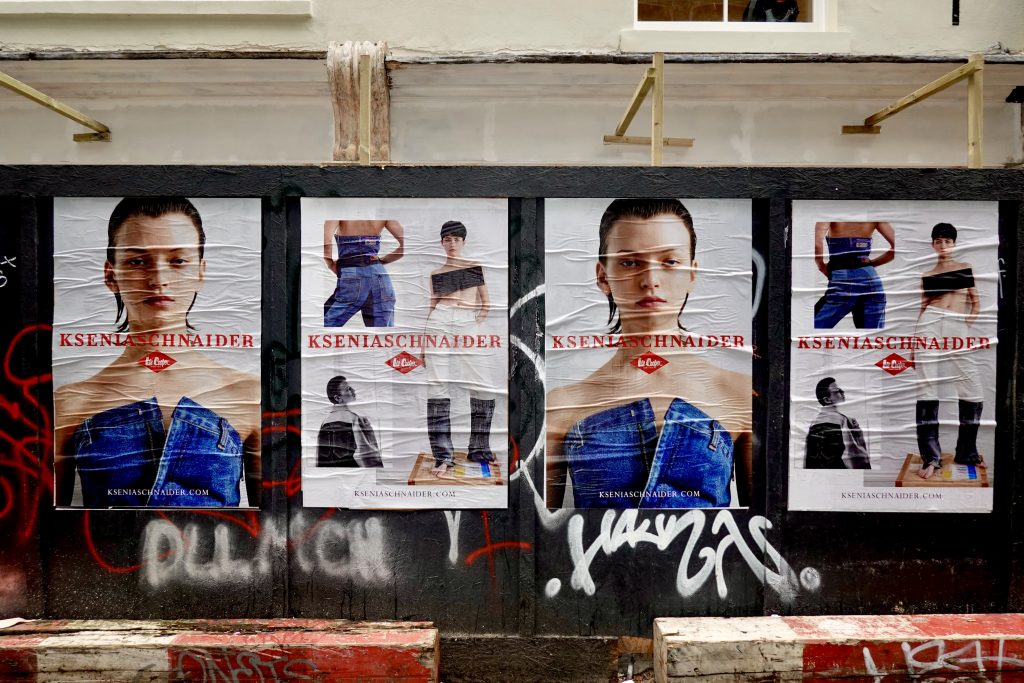
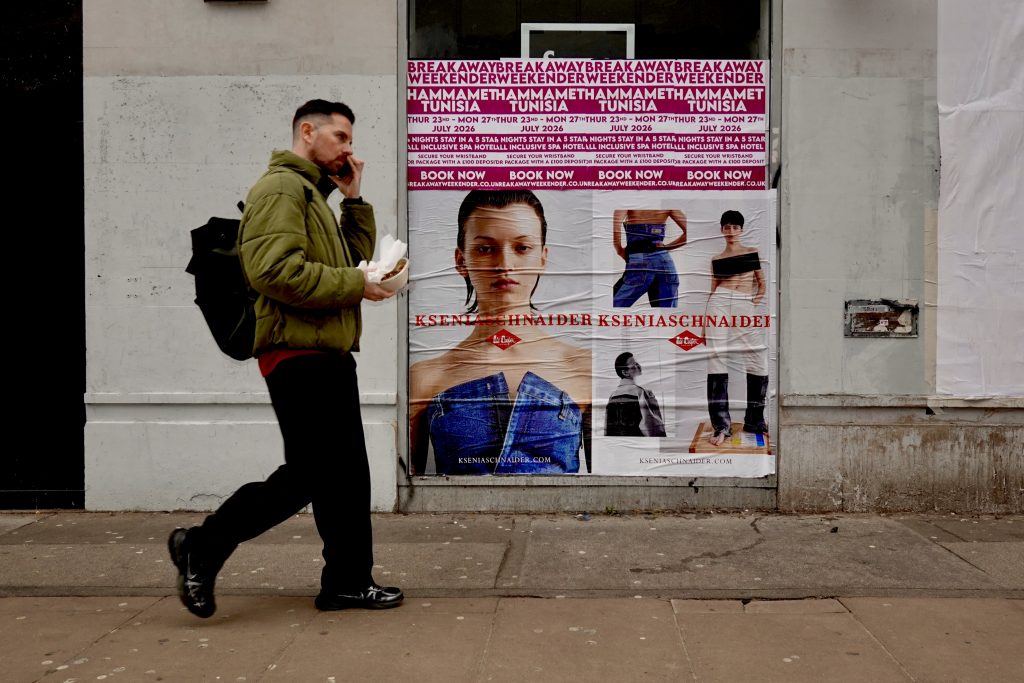
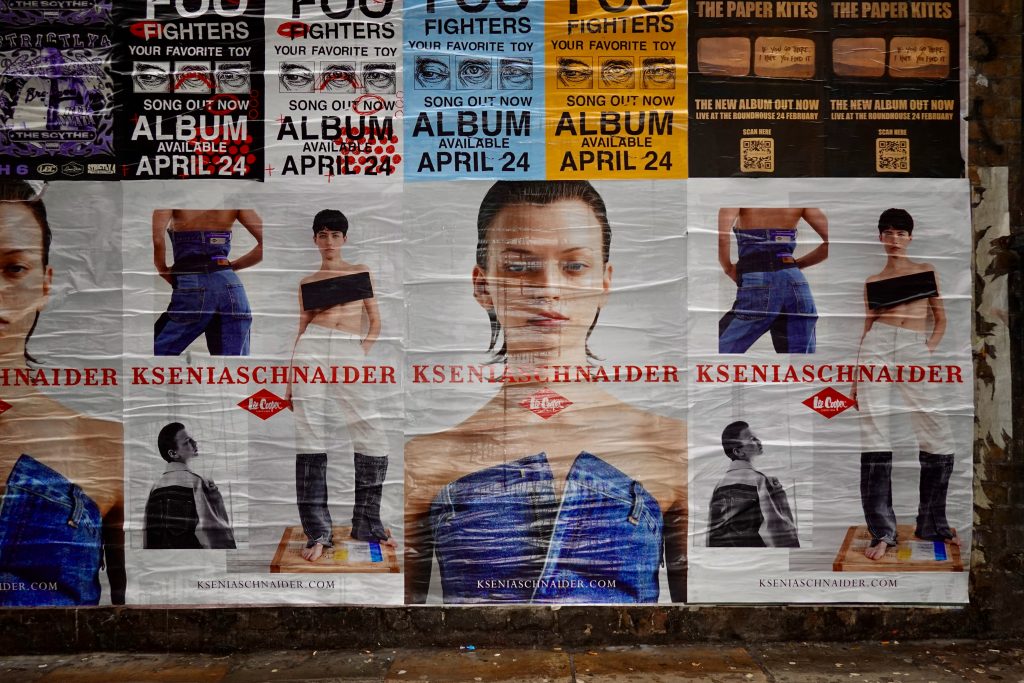
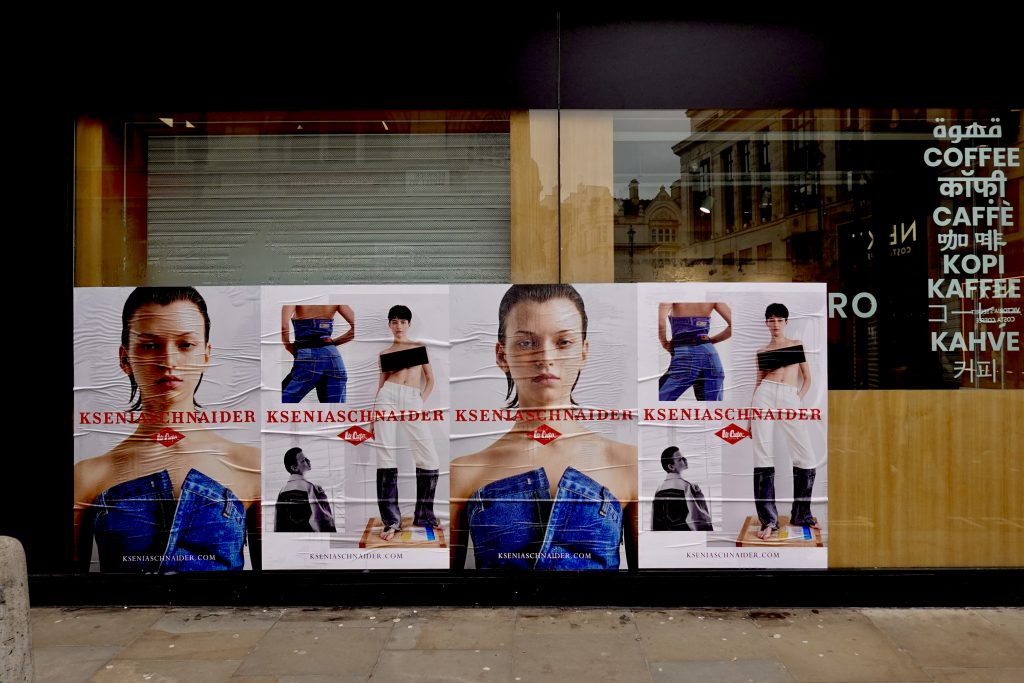
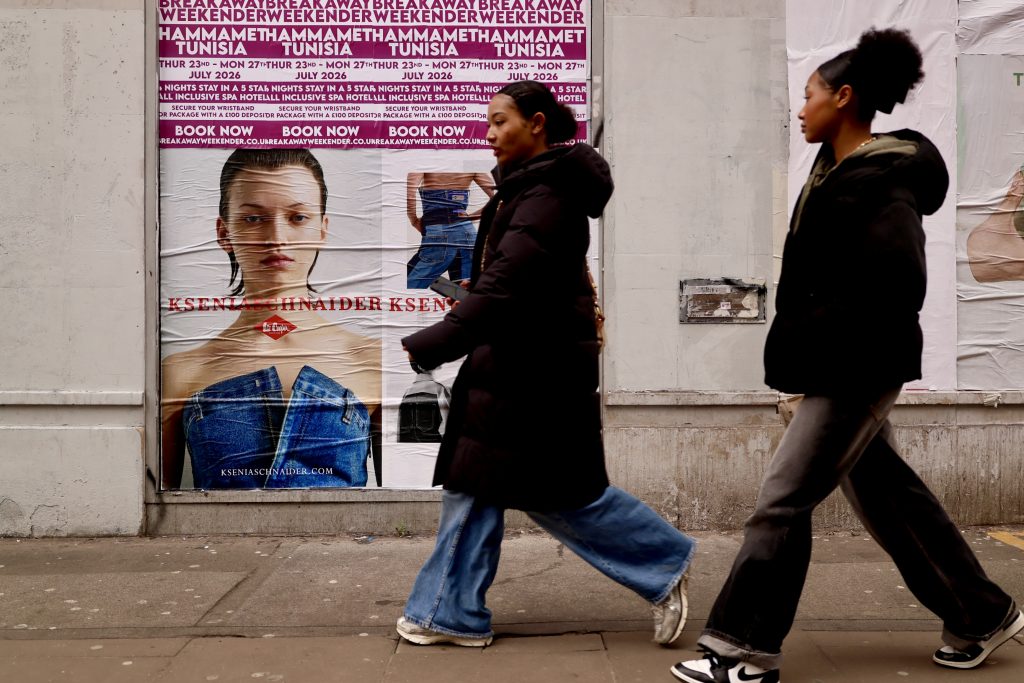
KSENIASCHNAIDER x LEE COOPER
With roots in workwear and durability, Lee Cooper is the Original British Denim brand, making a perfect partnership with KSENIASCHAIDER’s sustainable, experimental ethos. The collection merges classic denim forward for a new generation.
To introduce the collection at London Fashion Week, UNCLE brought 4-sheets to the heart of Soho. With bold, cropped portraits, London streets throughout the festival radiate the collection’s fusion of craftsmanship and innovation.
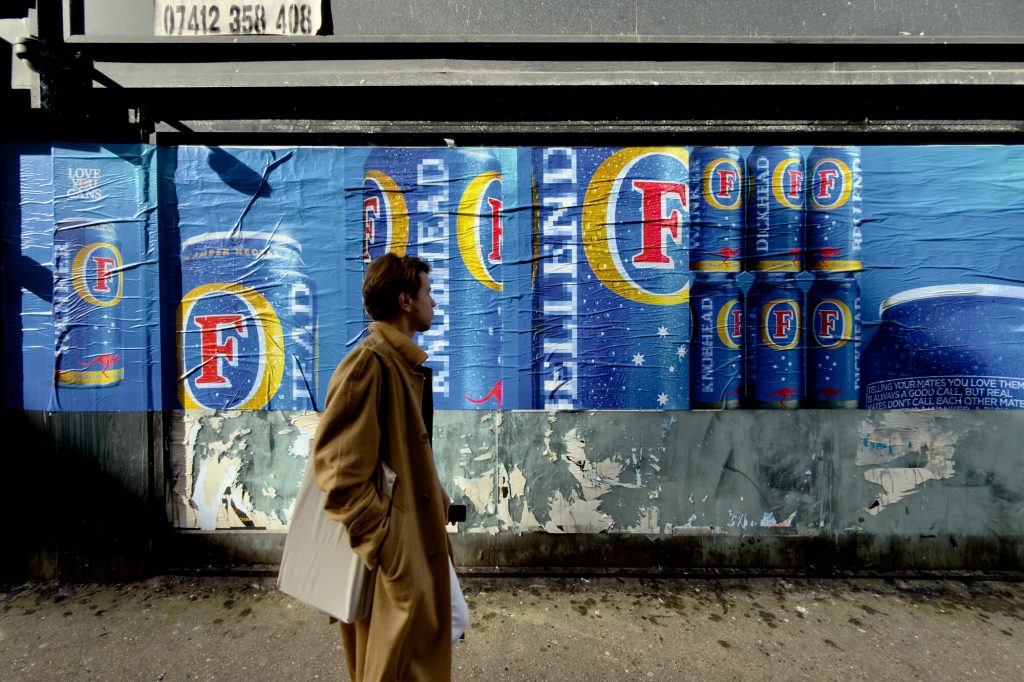
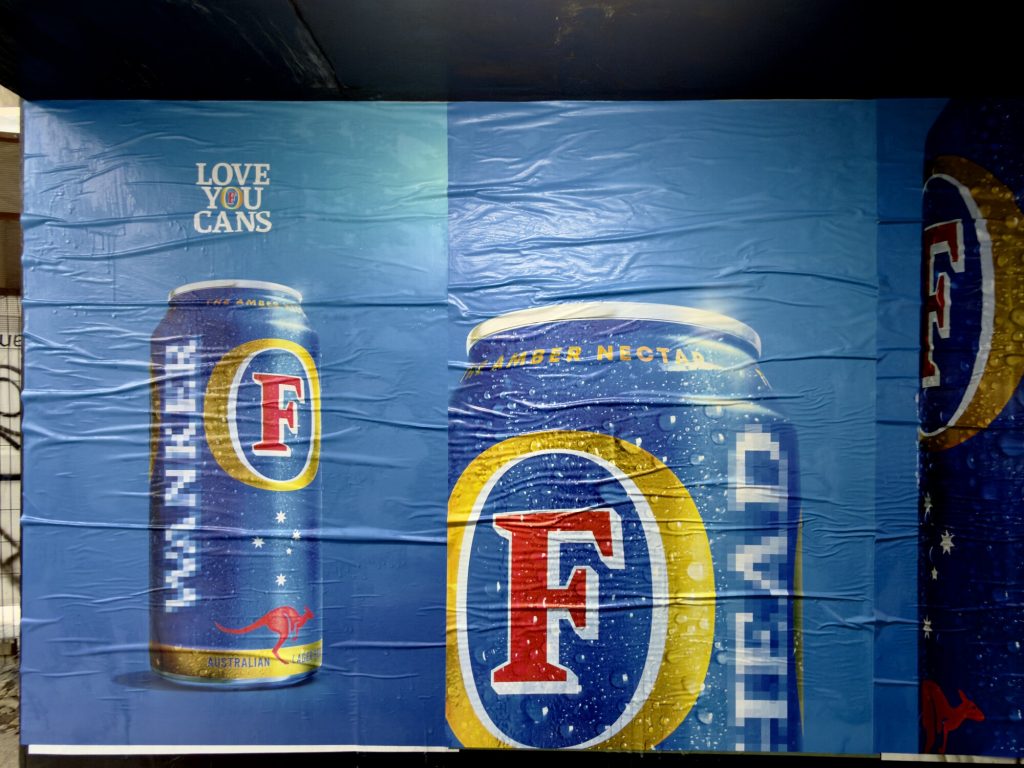
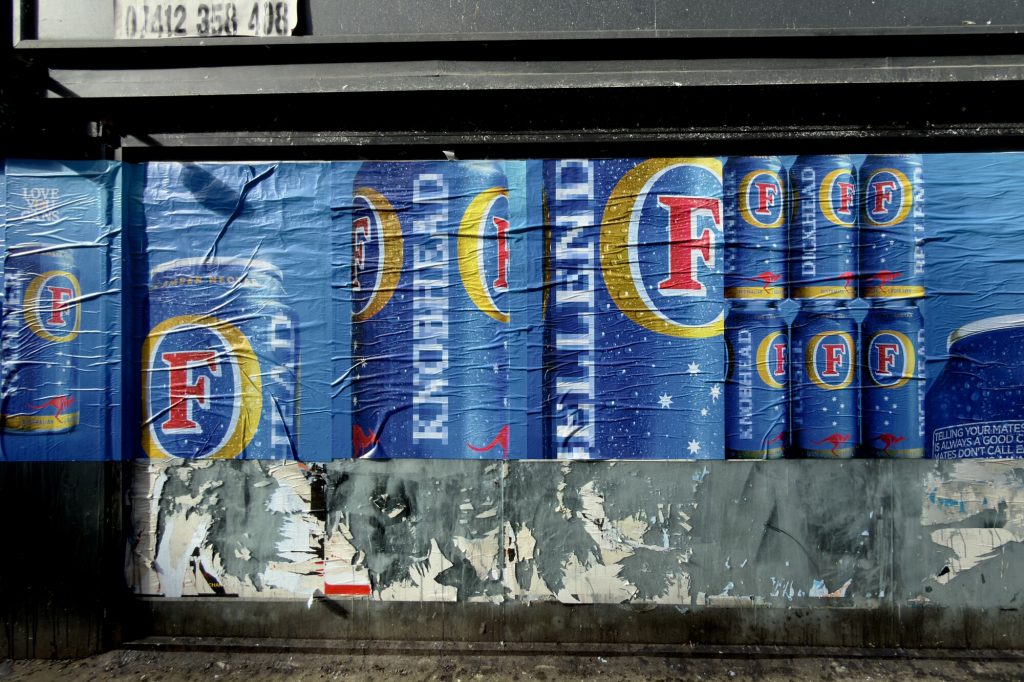
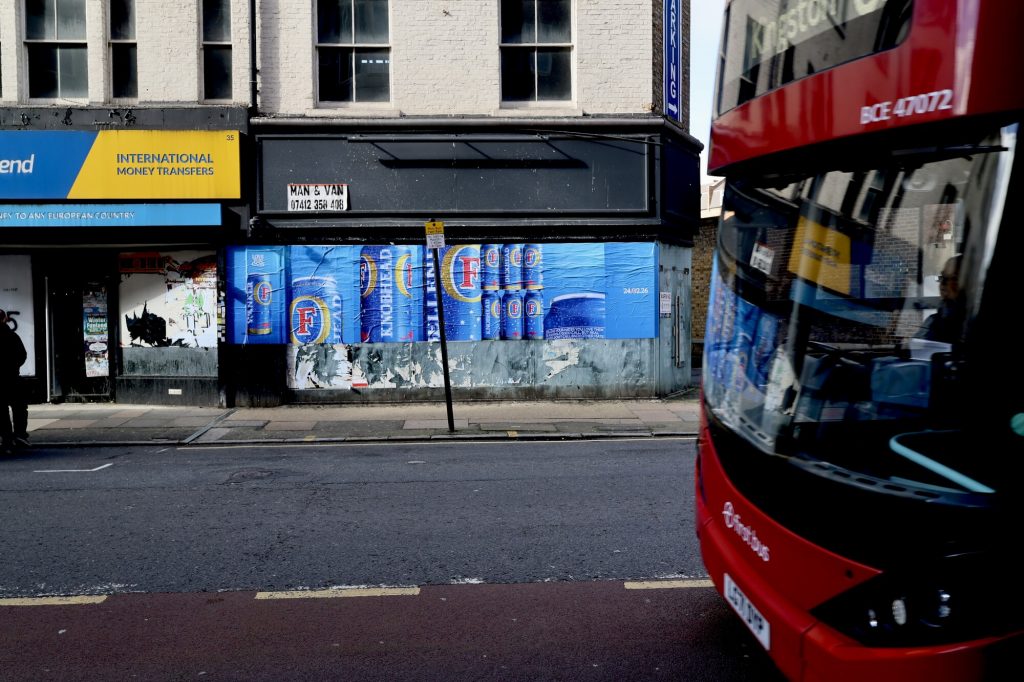
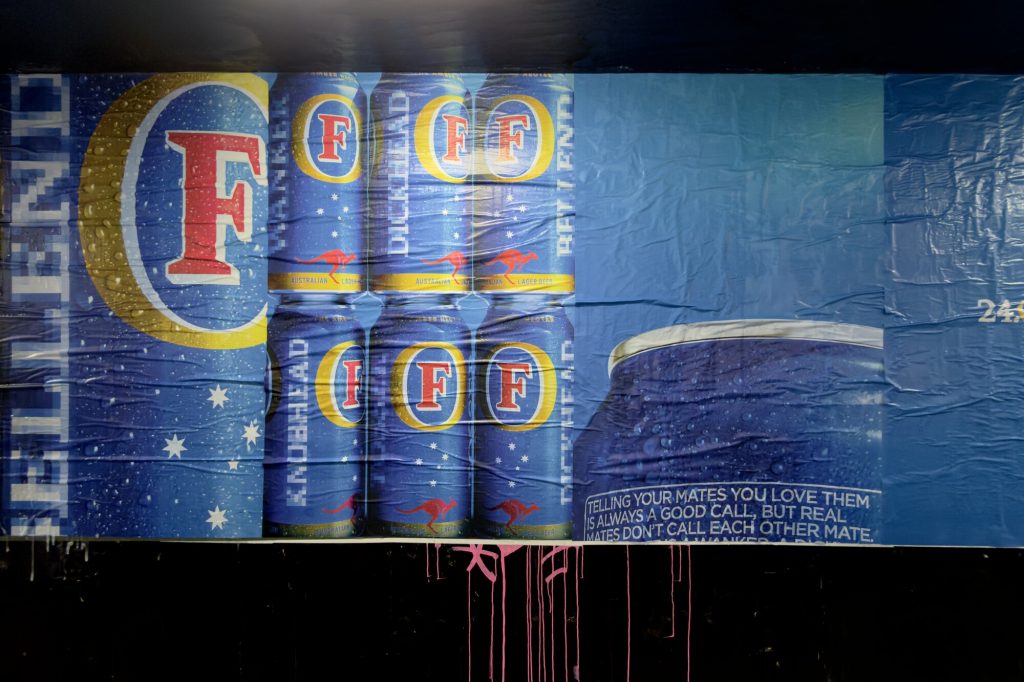
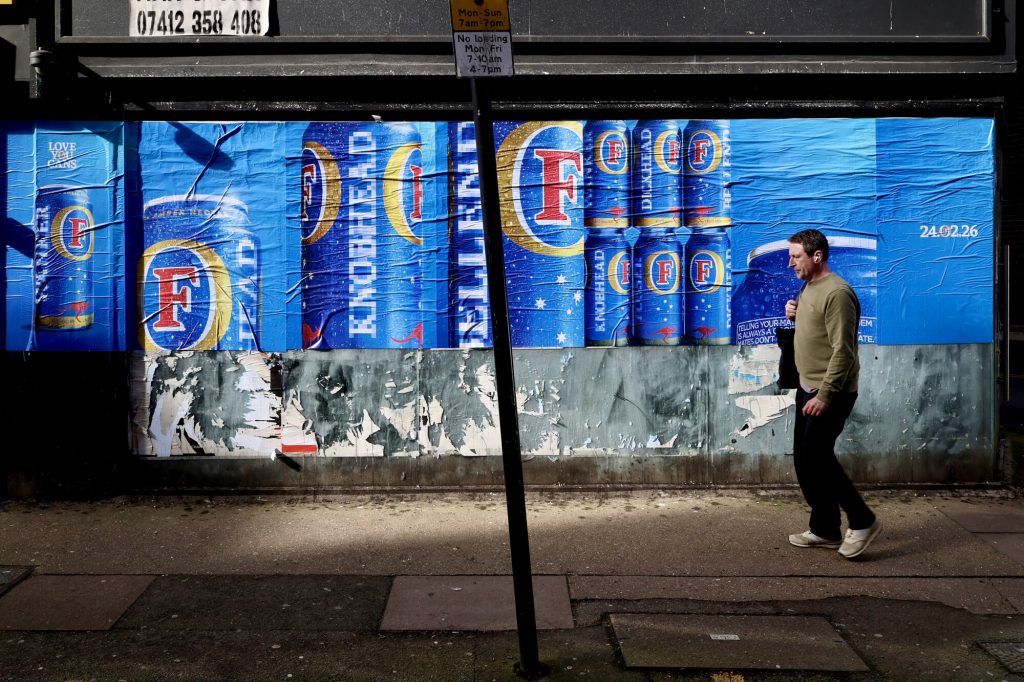
Foster’s: Love You Cans
With 4 sheet blocks, UNCLE brought the campaign to London – where “all the bros affectionately known as Richard Head” could show they care about their mates.
Featured in Campaign Magazine’s creative highlights.
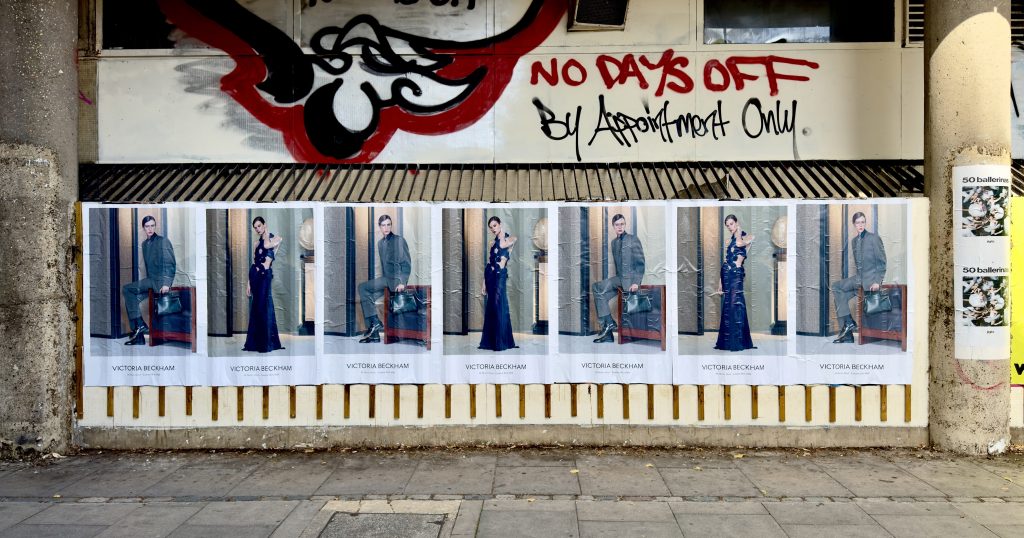
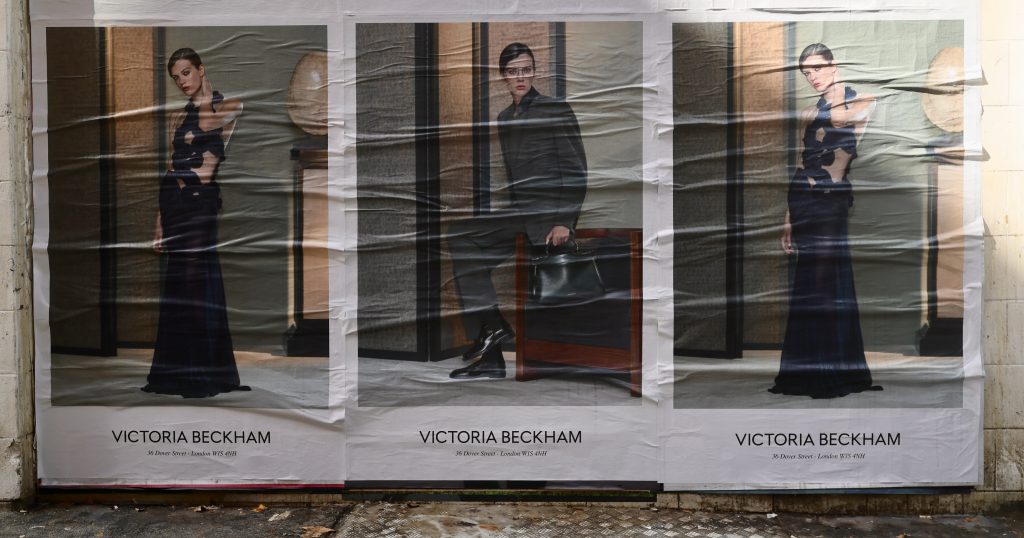
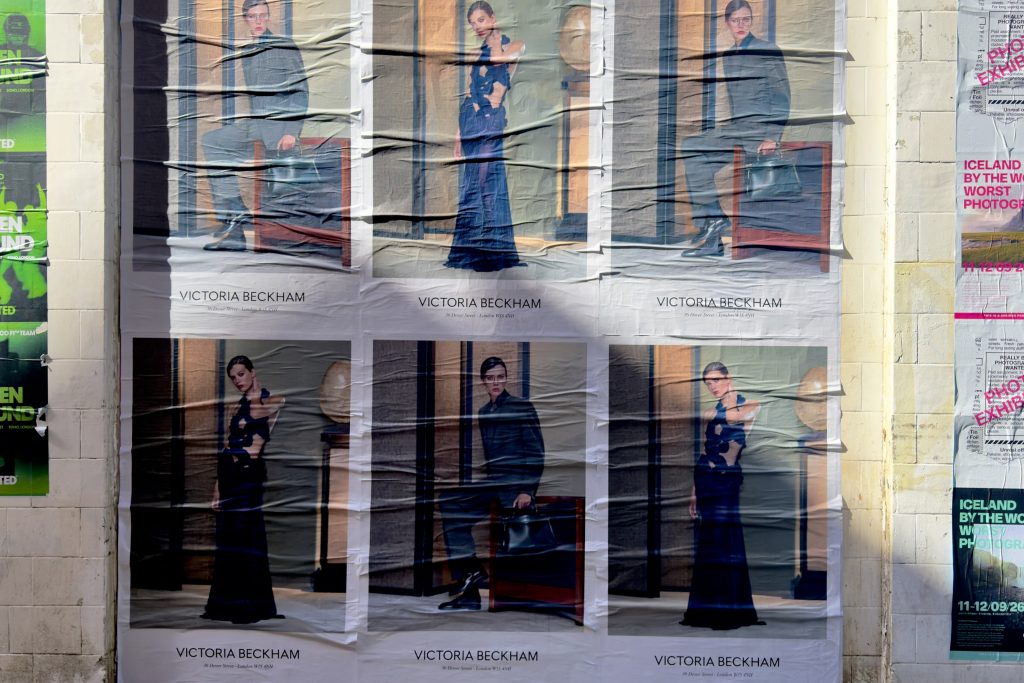
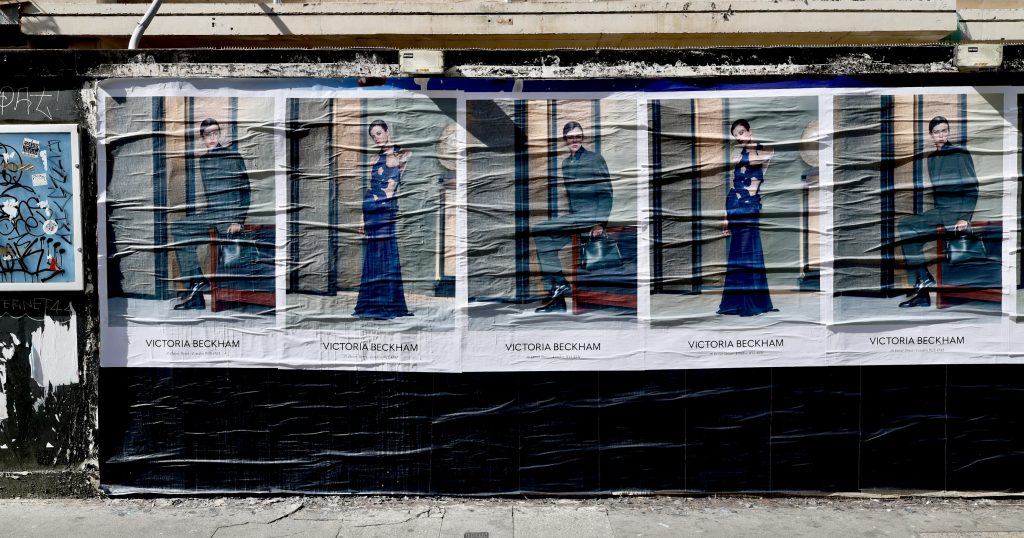
UNCLE helped translate their refined ethos from their Spring 26 lookbook into poster form. Rolling out takeovers that echoed the brand’s minimalist language, as well as paste-ups for larger impact, the campaign let repetition and restraint do the work.
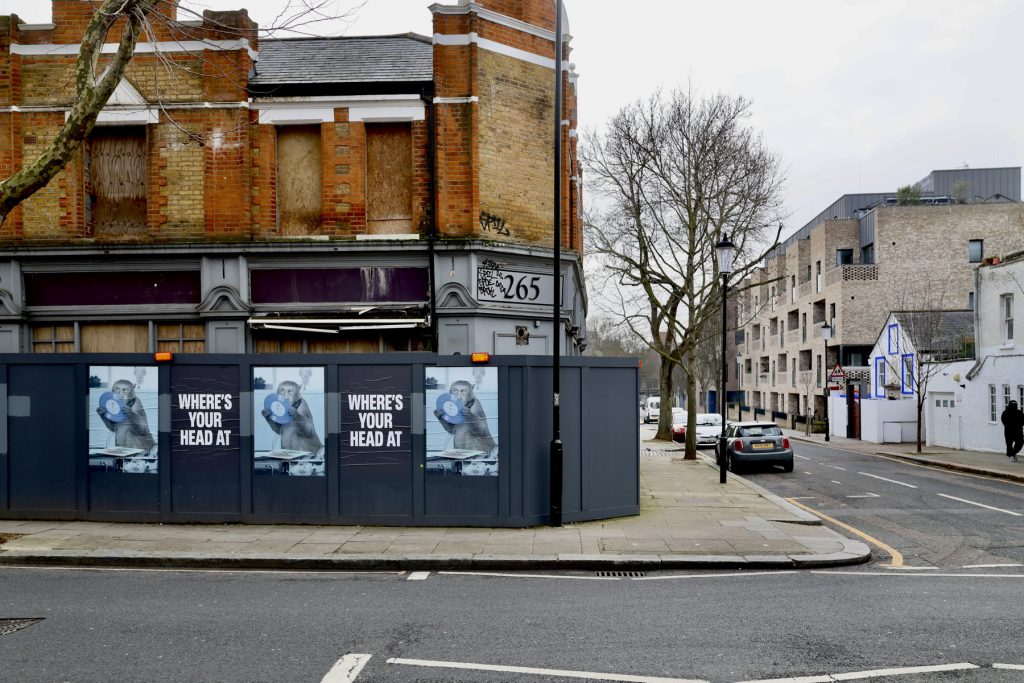
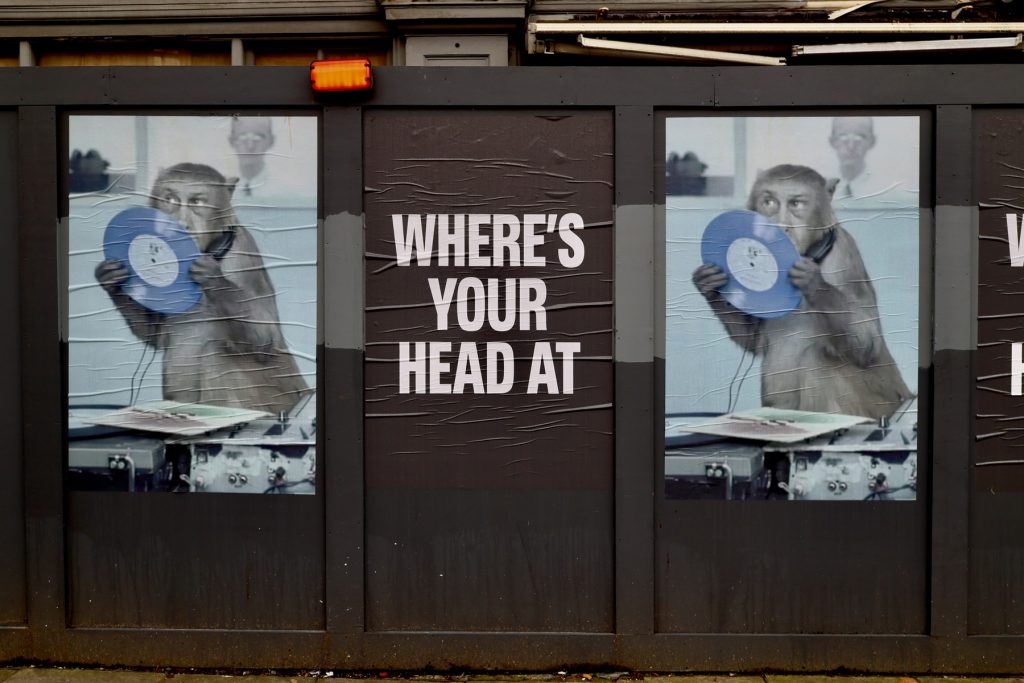
Boiler Room recently announced a daytime open-air festival at London’s Burgess Park with the legendary English duo, Basement Jaxx.
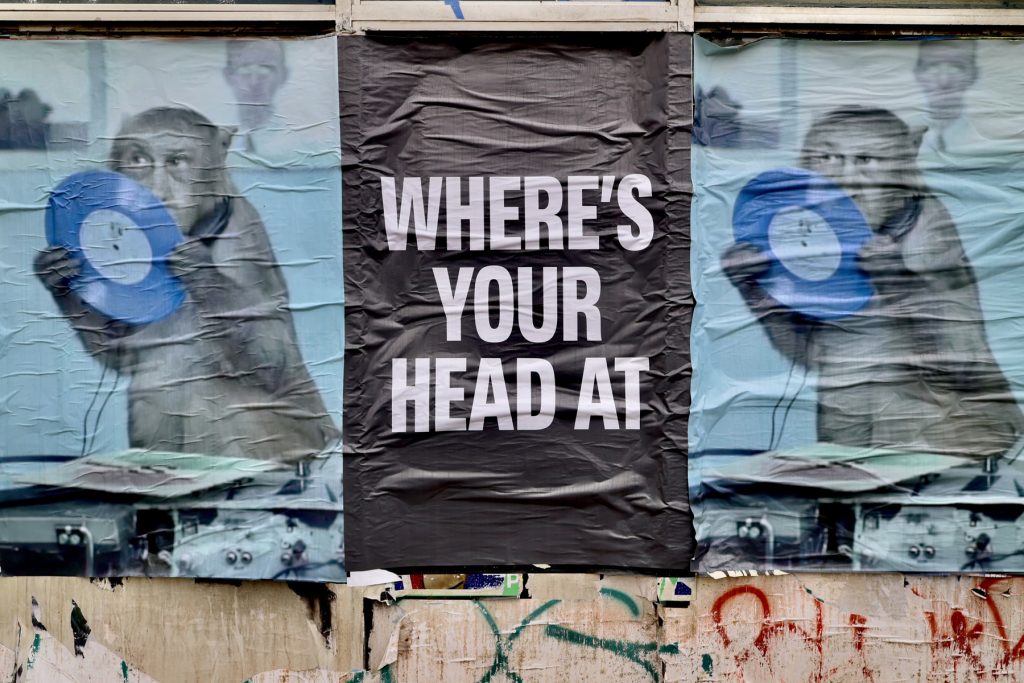
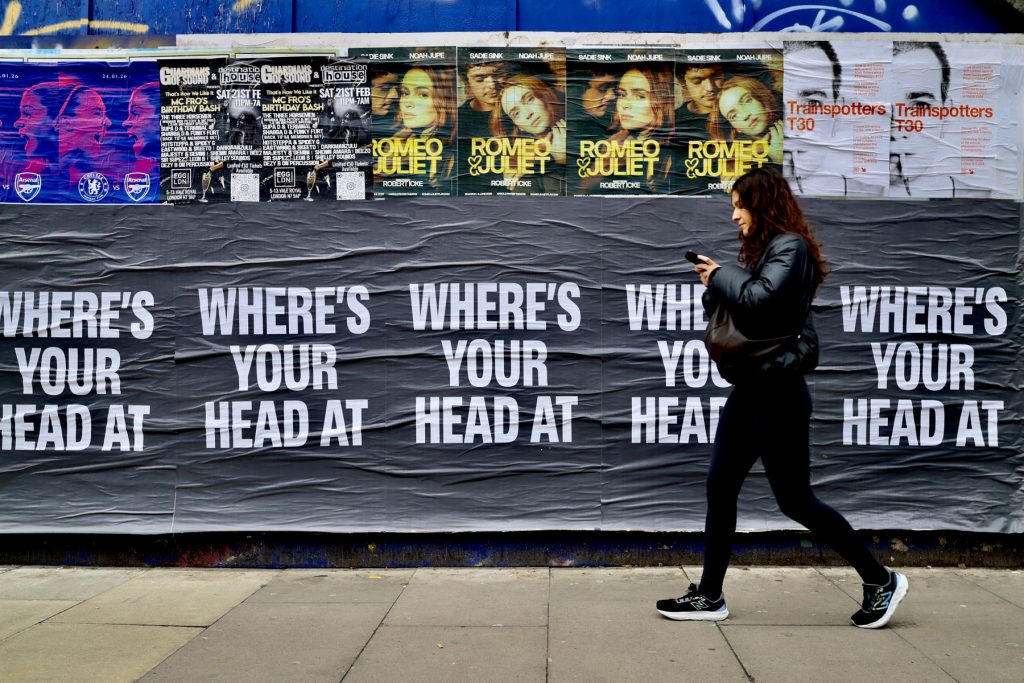
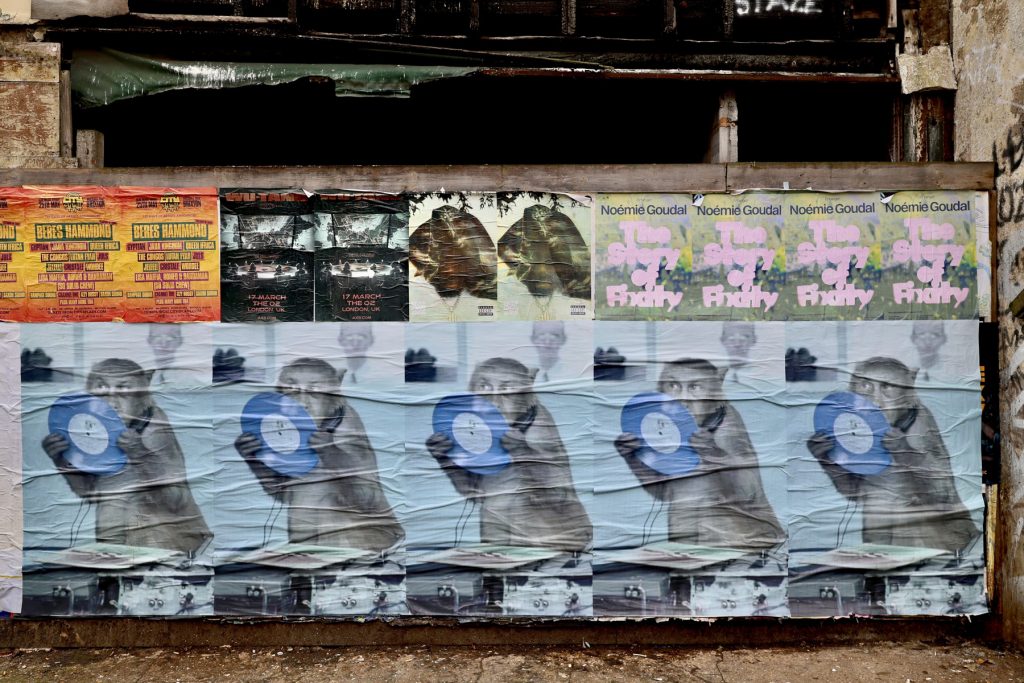
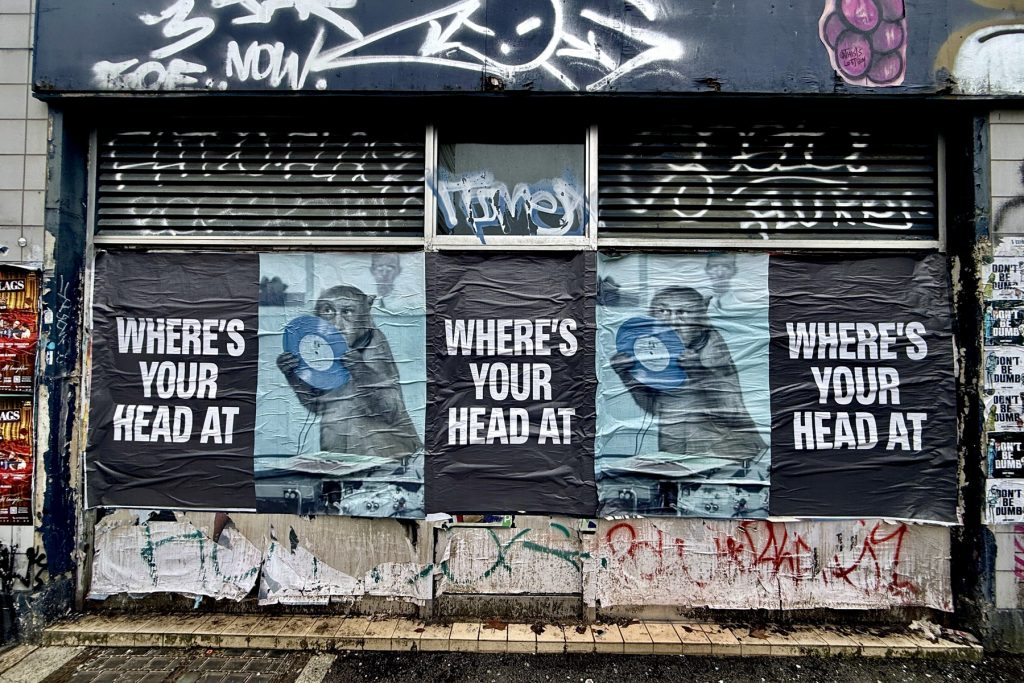
UNCLE worked with Boiler Room to mark the occasion with a takeover of London’s streets. Large posters read “WHERE’S YOUR HEAD AT?” – a nod to the 2001 era-defining anthem – and were placed alongside imagery of the iconic monkey from the music video. The result was a campaign that stopped passersby in their tracks and pulled them straight into the energy of a noughties nightclub.
UNCLE flooded the streets of London and Manchester, cutting through the noise with a heavy-duty spread of B2s and 4-sheets.
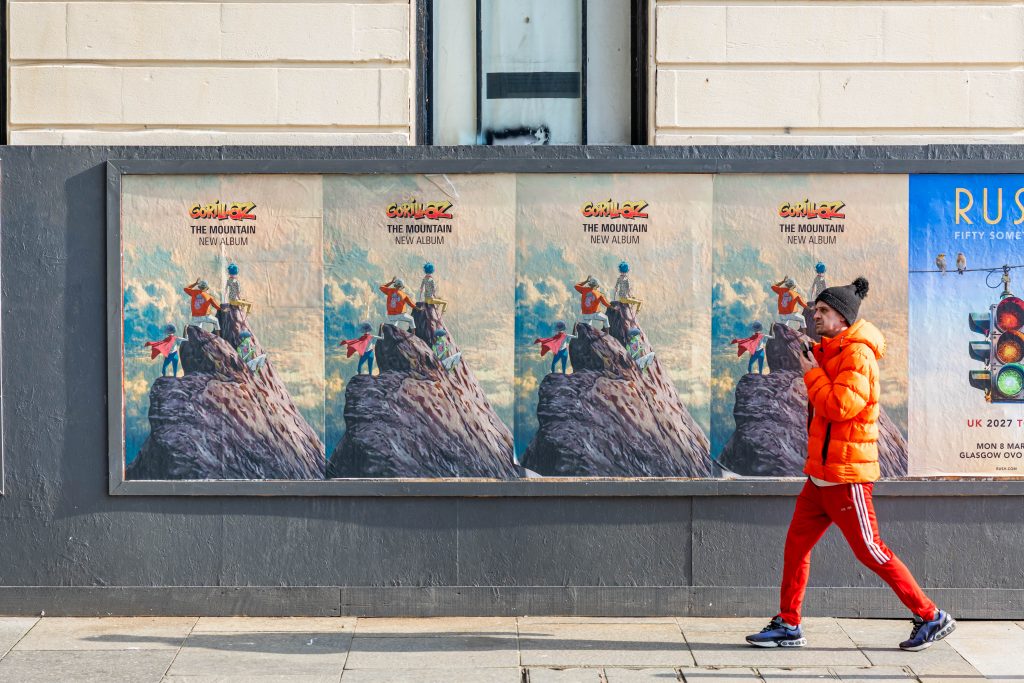
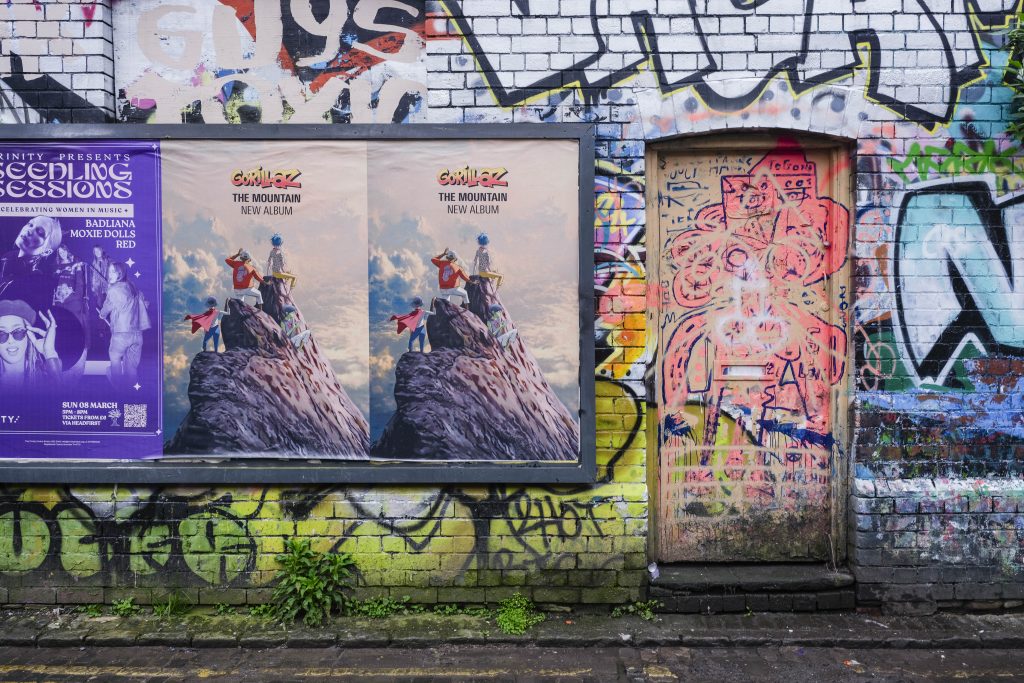
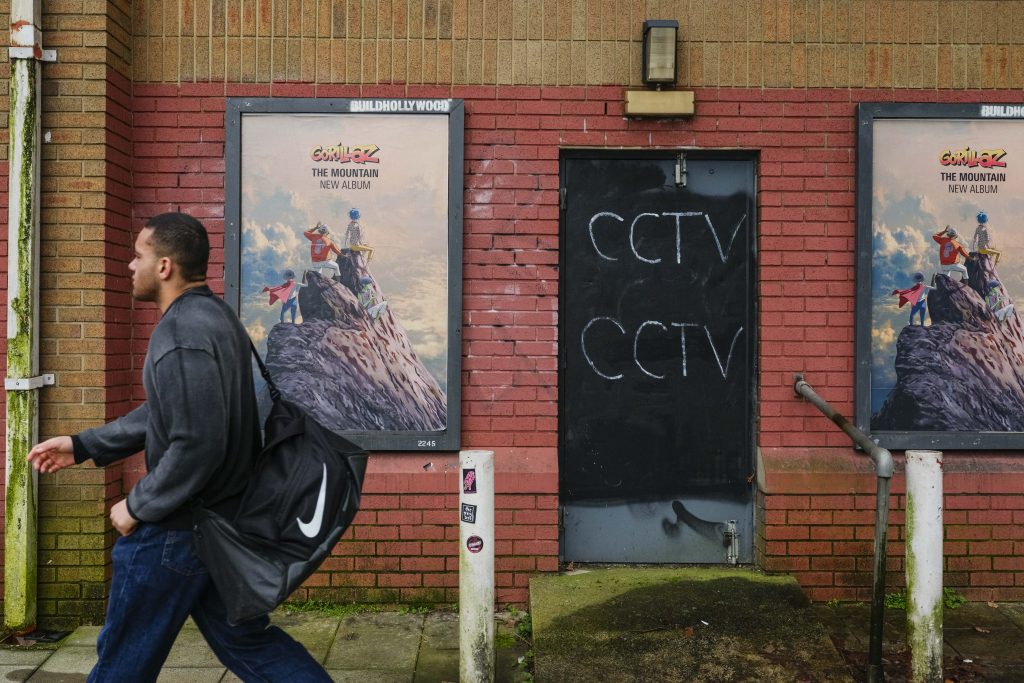
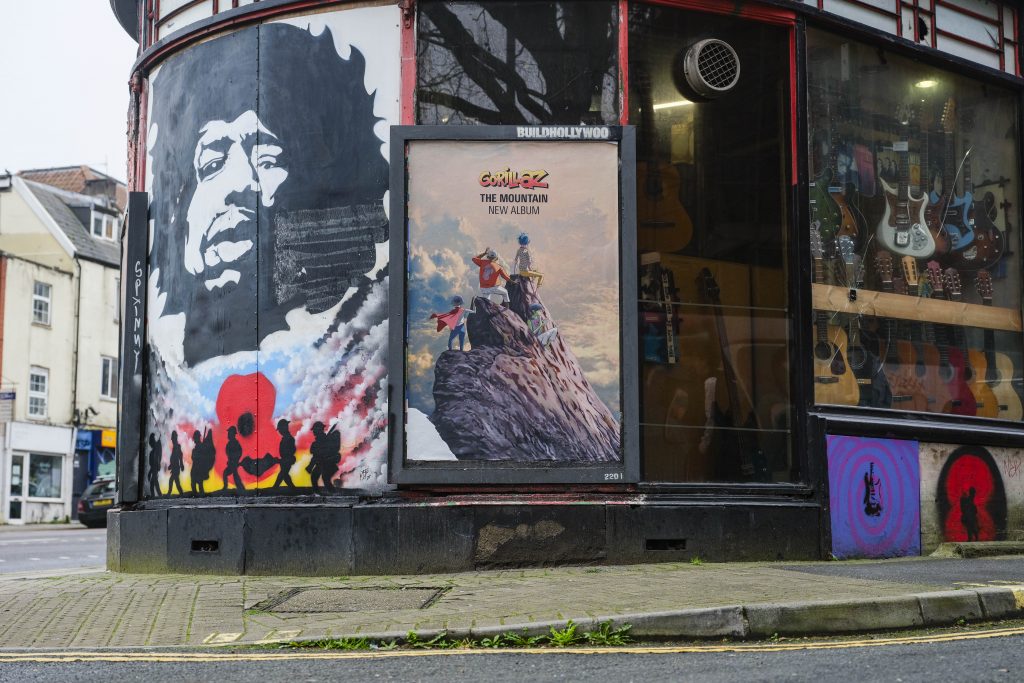
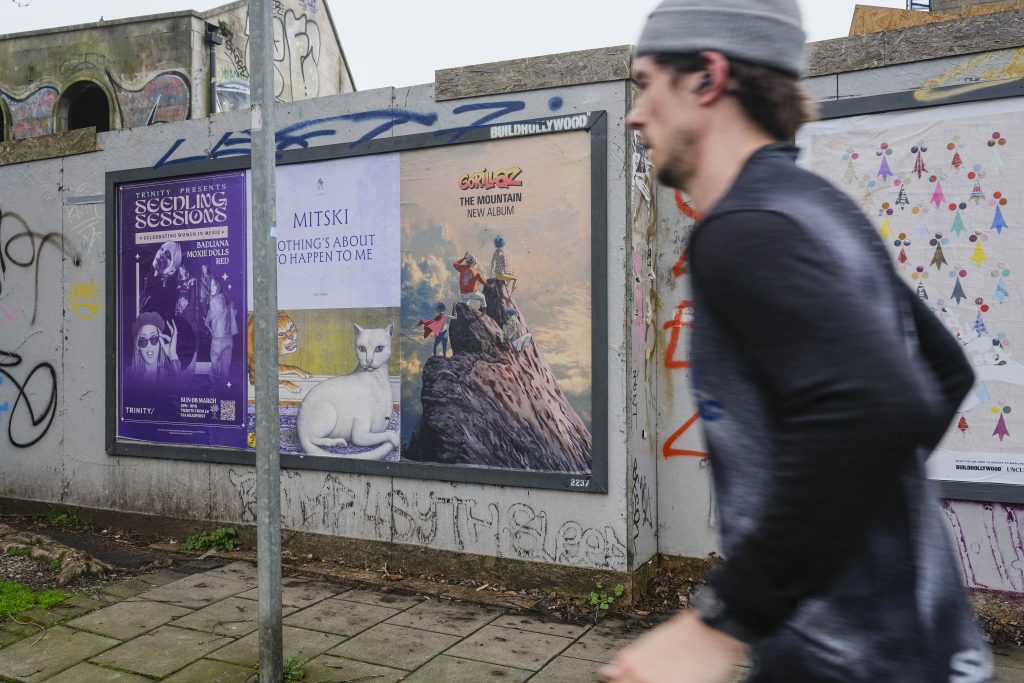
Twenty-five years on, and the Gorillaz fire is still prolific. This wasn’t just a campaign; it was a homecoming for the legends.
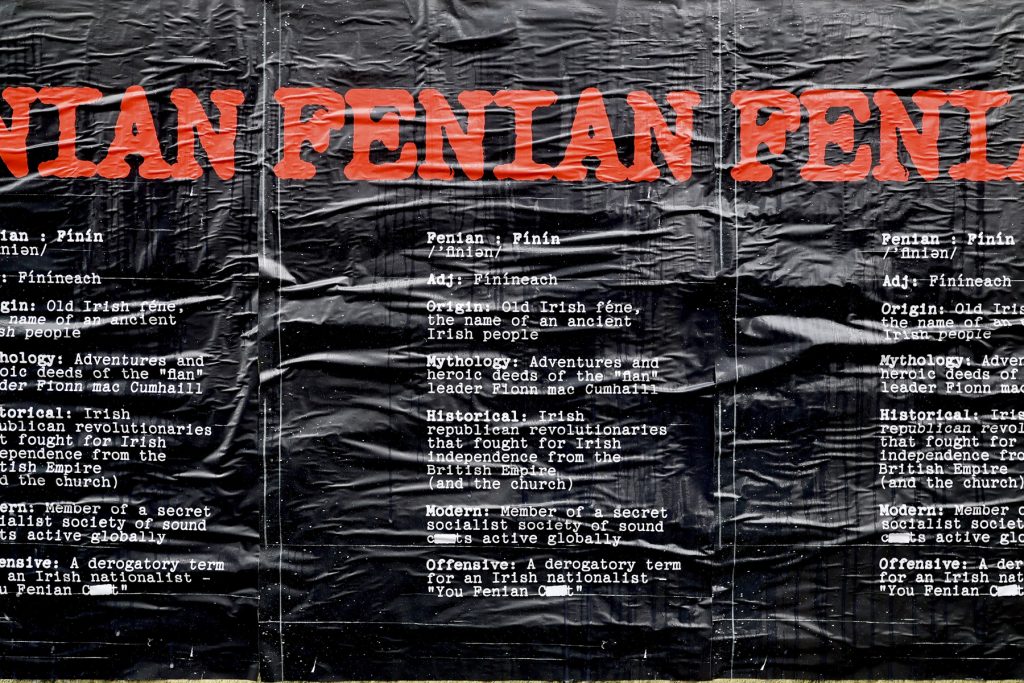
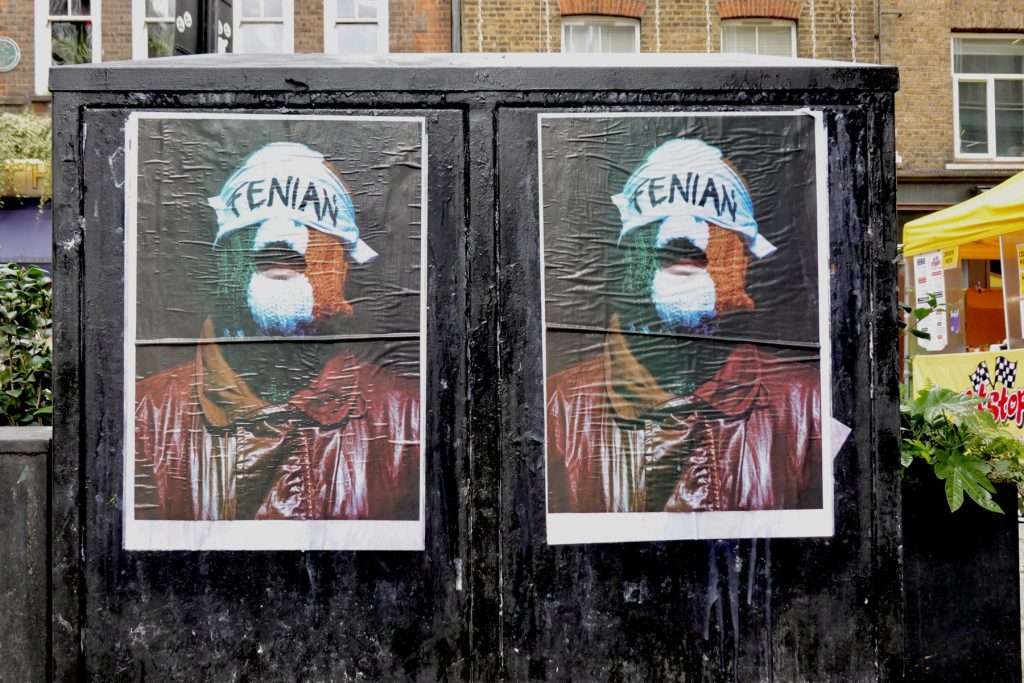
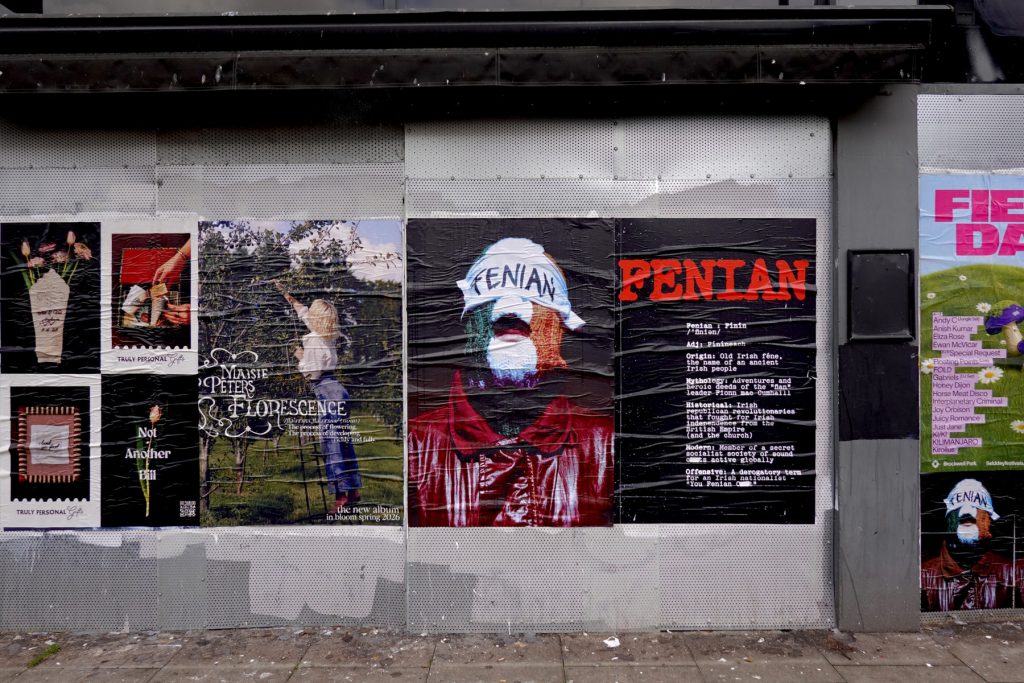
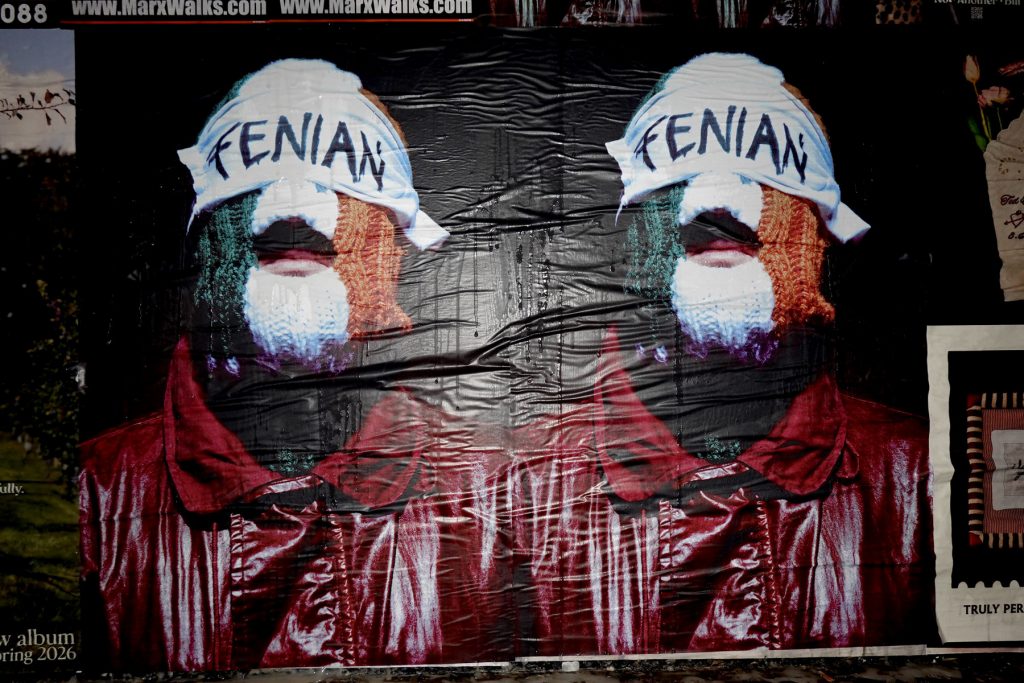
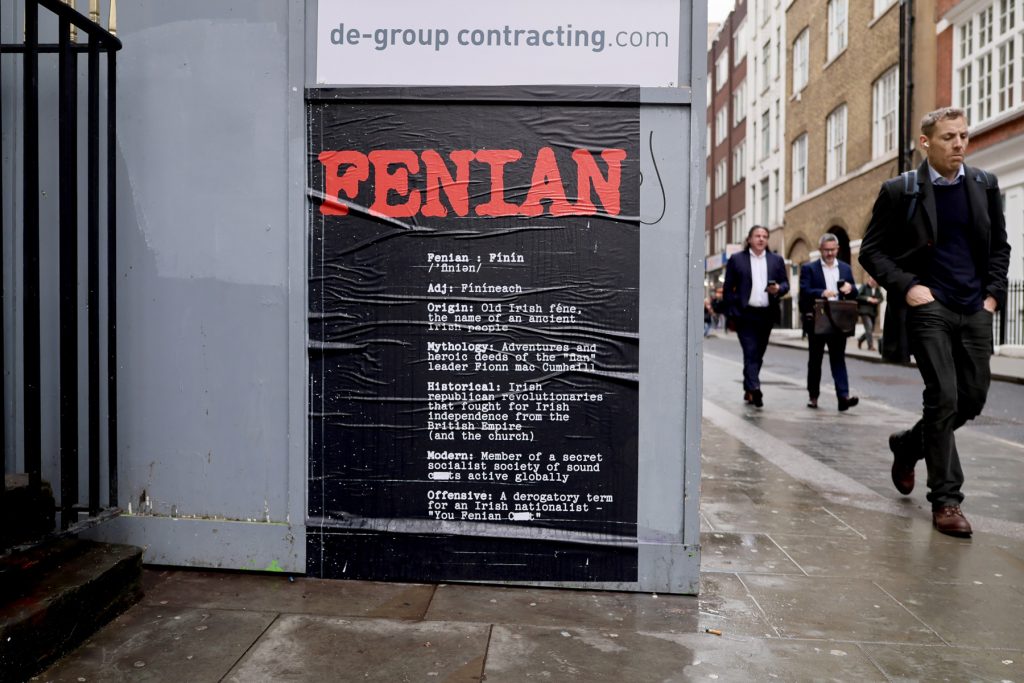
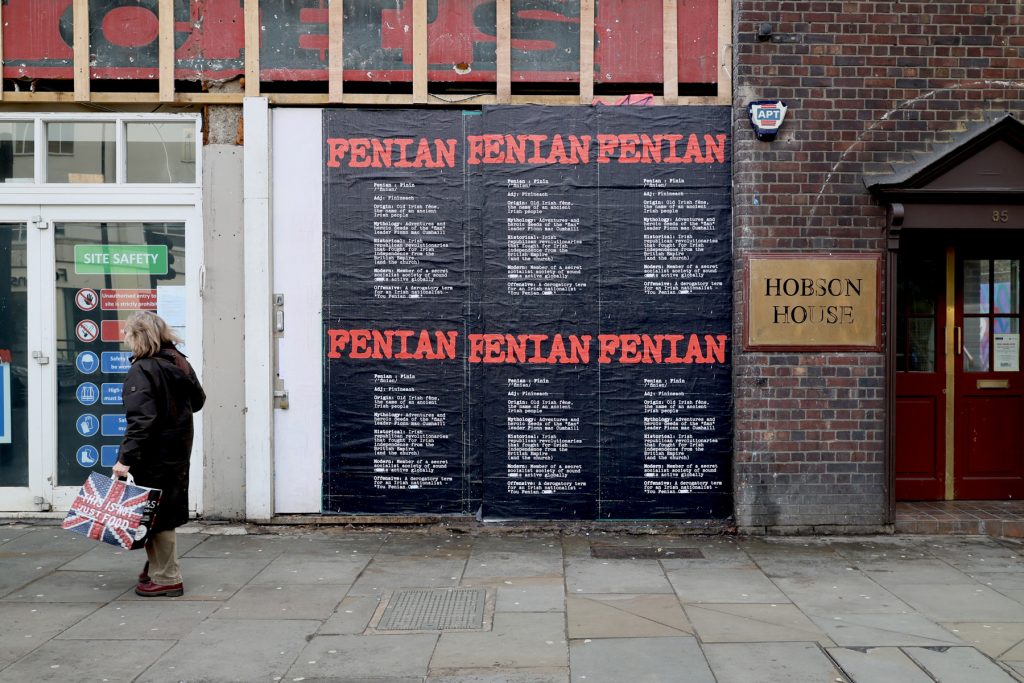
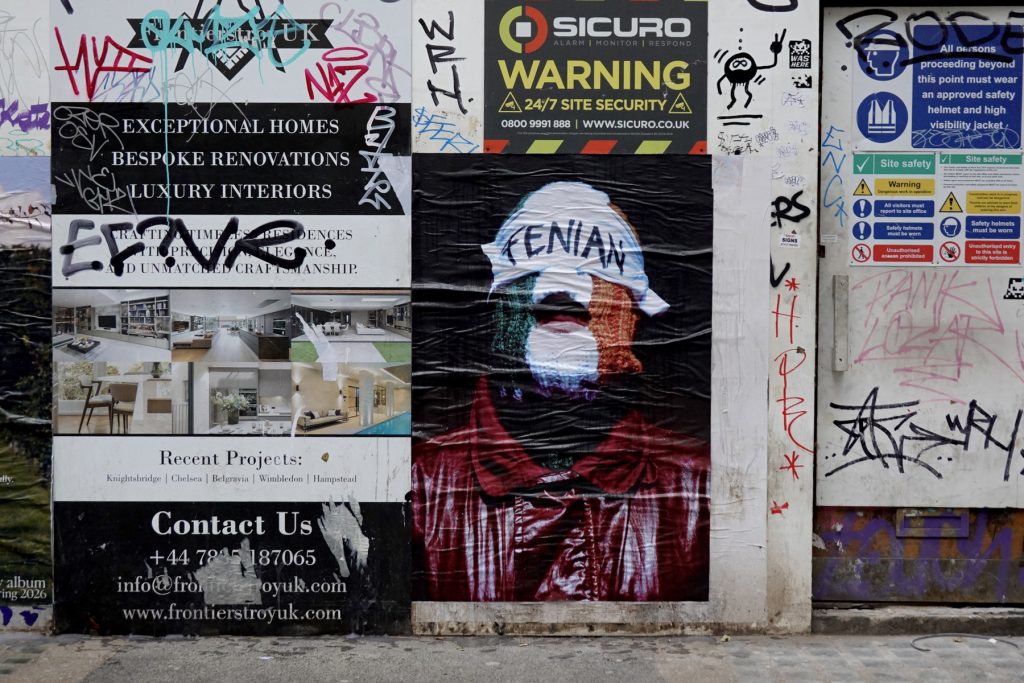
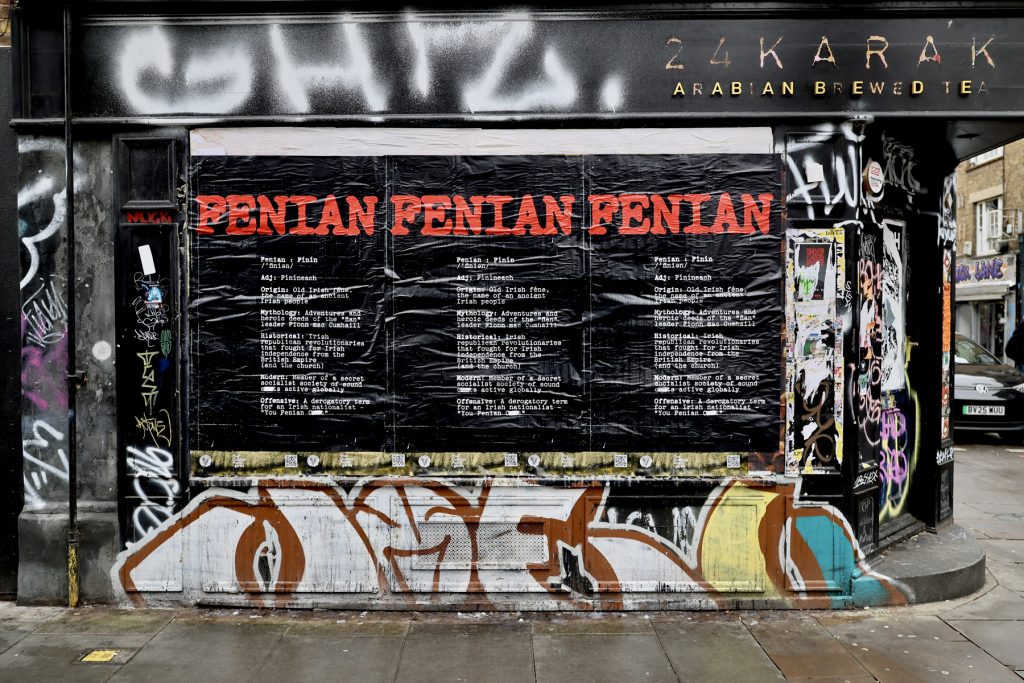
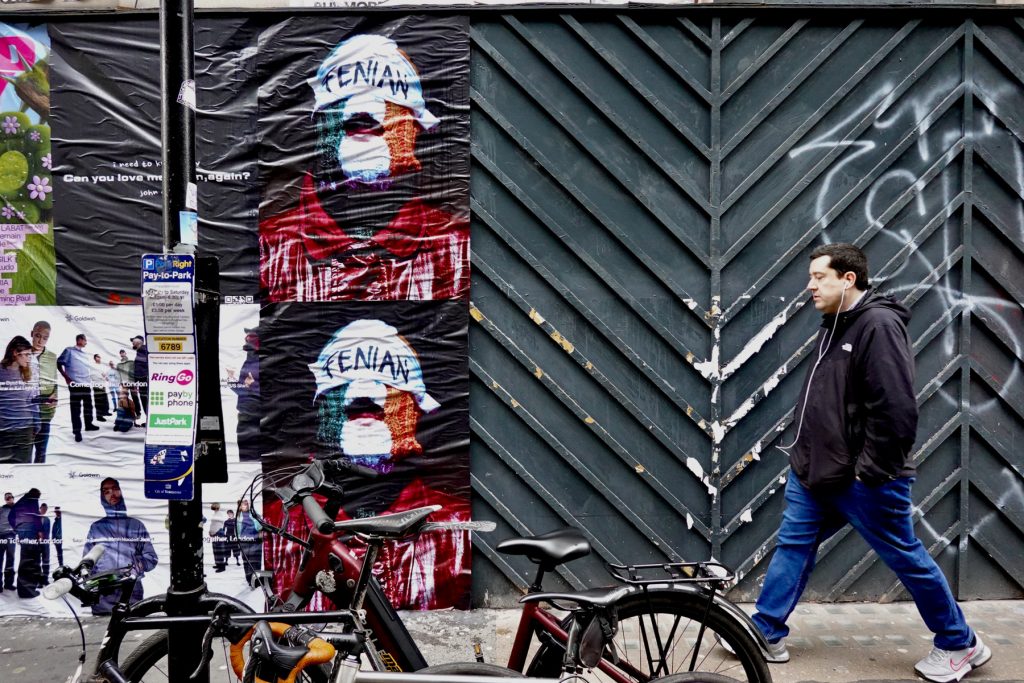
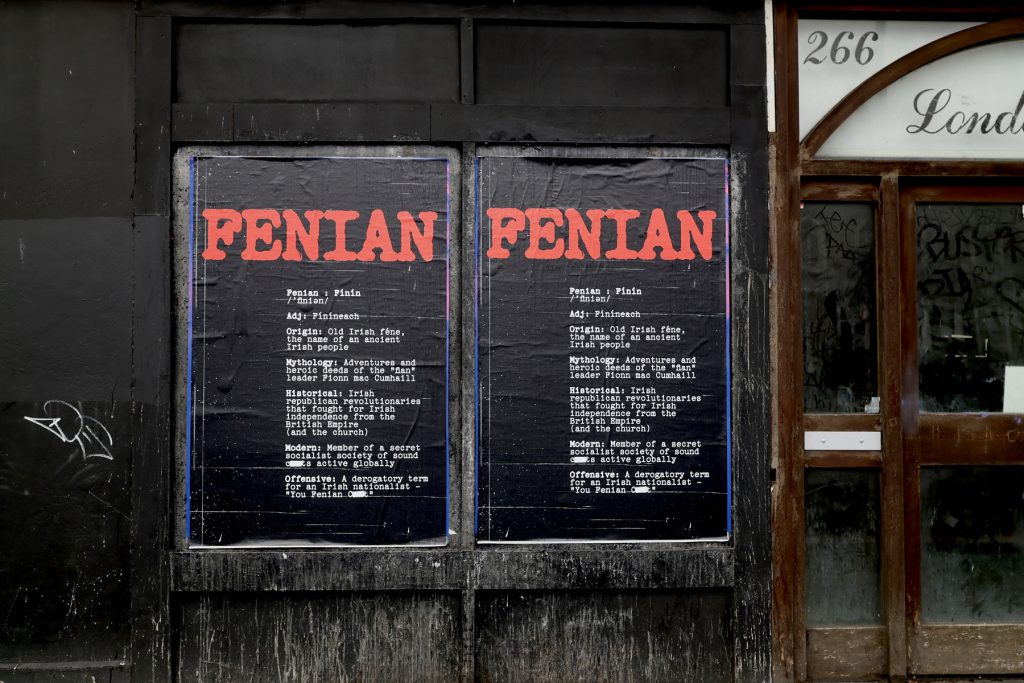
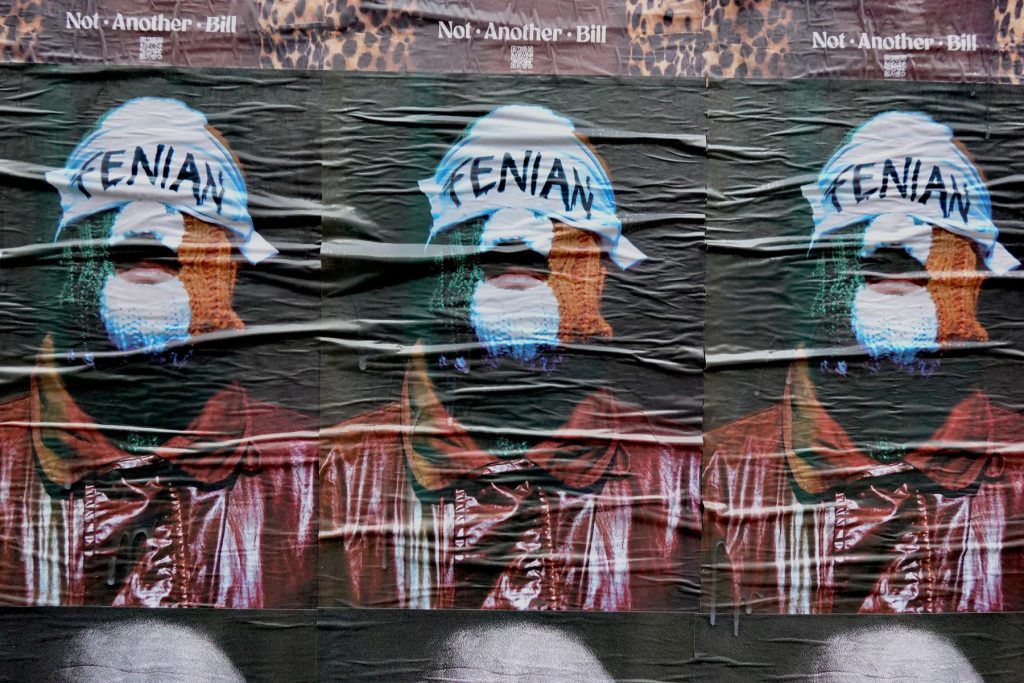
Kneecap: Fenian
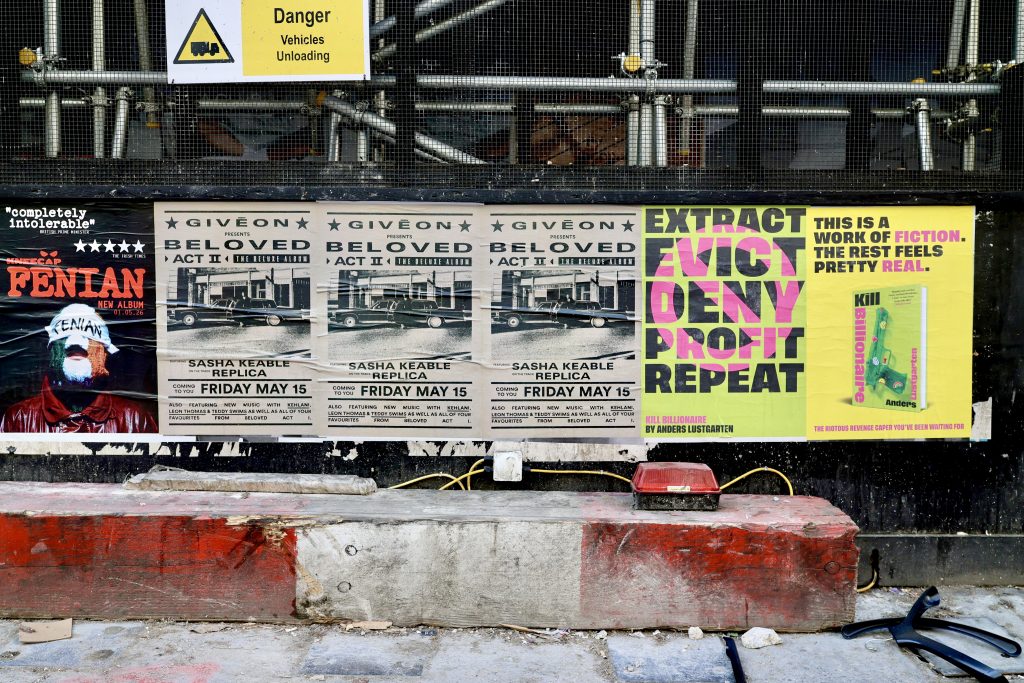
UNCLE helped with the rollout of the album in two distinct phases. The first leaned hard into language and context, pasting oversized definitions that reframed a loaded word on the street. The second phase revealed the album artwork: bold and unmistakably Kneecap.
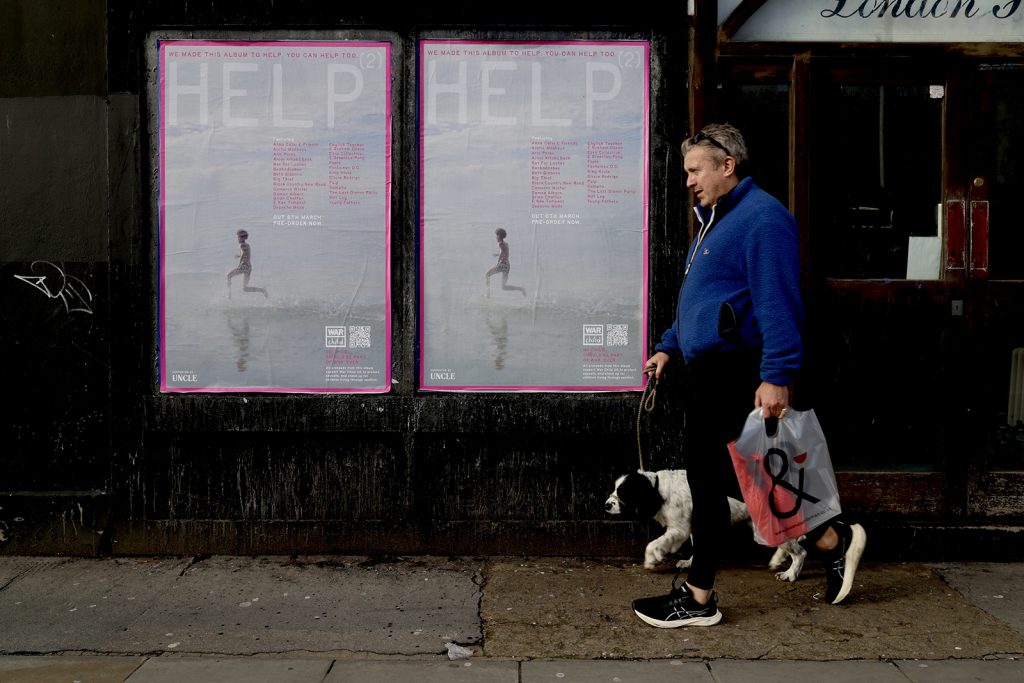
Back in 1995, War Child brought together some of the biggest names in music to record an album in one day. The result, HELP, raised over a million pounds for the charity, which had been set up to support children caught up in the Bosnian conflict. Fast forward to 2021 and a label, War Child Records, was set up to re-release four albums released by the charity between 2002 and 2009.
Each album saw artists covering beloved records, collaborating with other artists, or donating new songs. 1 Love was released in 2002 with a track list that included Sugababes and The Prodigy (the latter remaking The Specials’ ‘Ghost Town’). The following year saw Hope released, in response to the Iraq War, with exclusive tracks and covers from the likes of George Michael, Spiritualized, Beth Orton and Yusuf Islam. 2005’s Help! A Day in the Life celebrated the tenth anniversary of the original and in 2009, War Child Presents Heroes had a collaboration between Lily Allen and Mick Jones from The Clash and covers from Beck, Estelle and Franz Ferdinand.
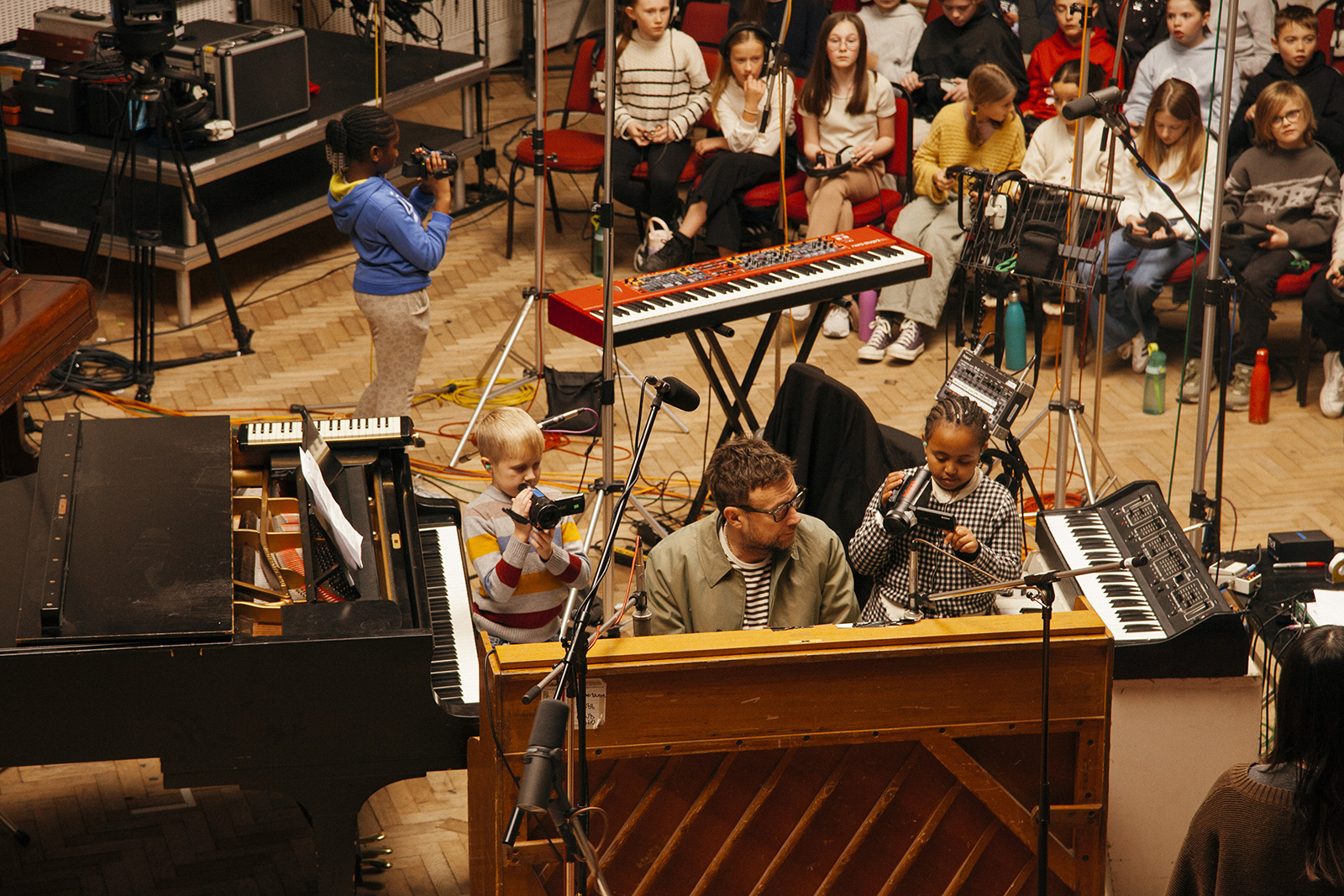
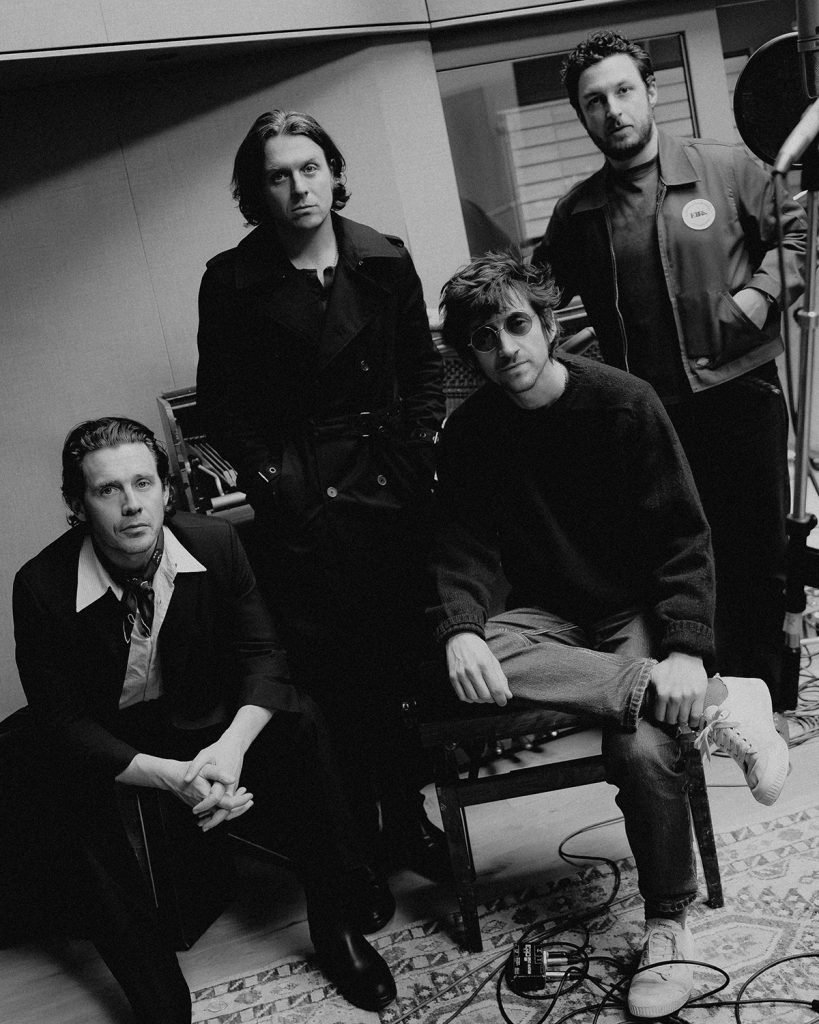
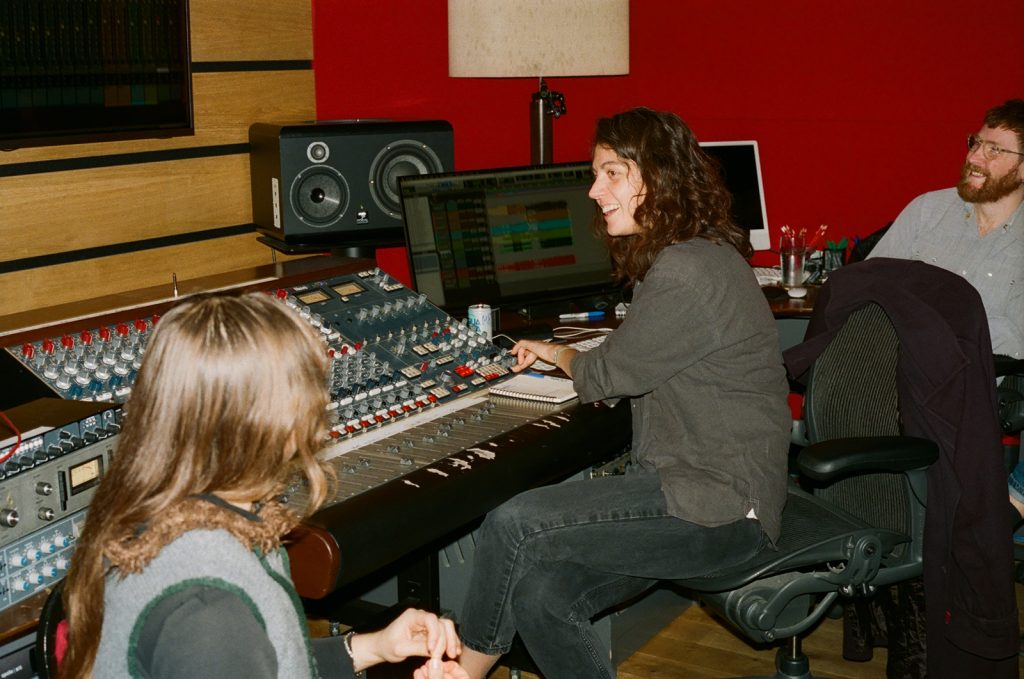
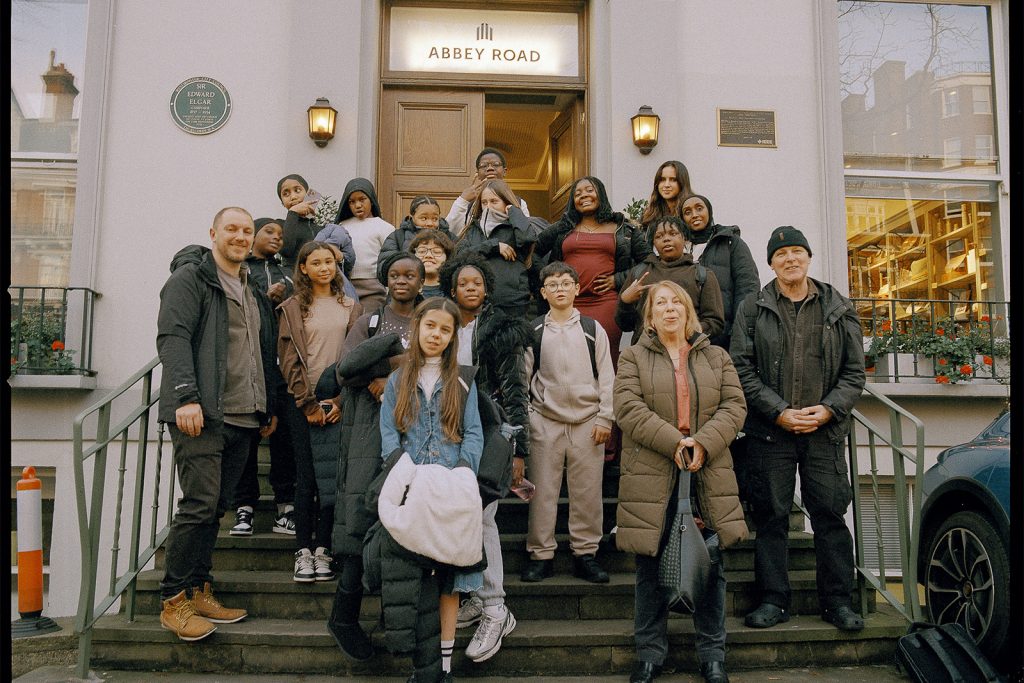
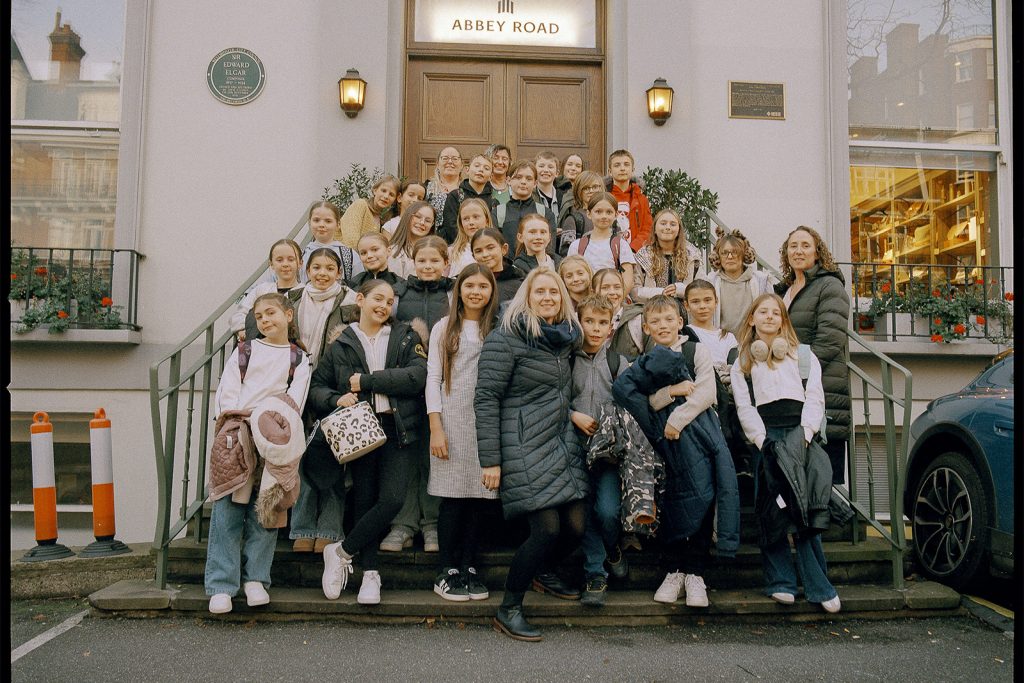
Now, HELP(2) is poised to repeat that success. Recorded over one intense week at Abbey Road Studios in November last year and executive produced by James Ford, the project was unveiled via the surprise release of a brand-new Arctic Monkeys track. Alongside original recordings, the album features a run of standout covers, including Olivia Rodrigo’s take on ‘The Book of Love’ and Fontaines D.C.’s powerful reimagining of Sinéad O’Connor’s ‘Black Boys on Mopeds’.
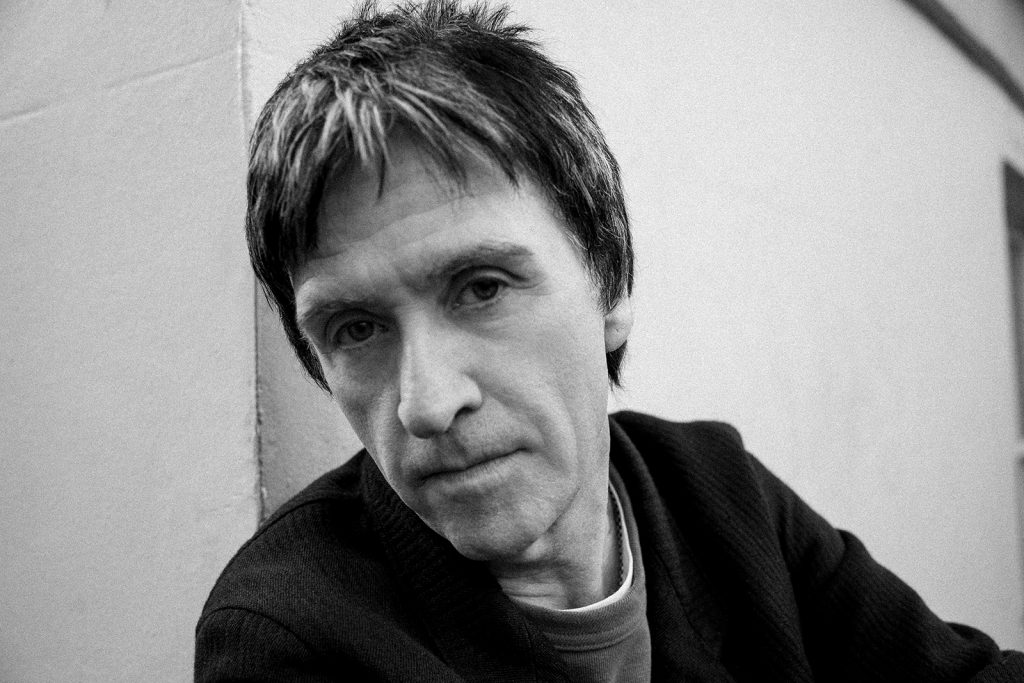
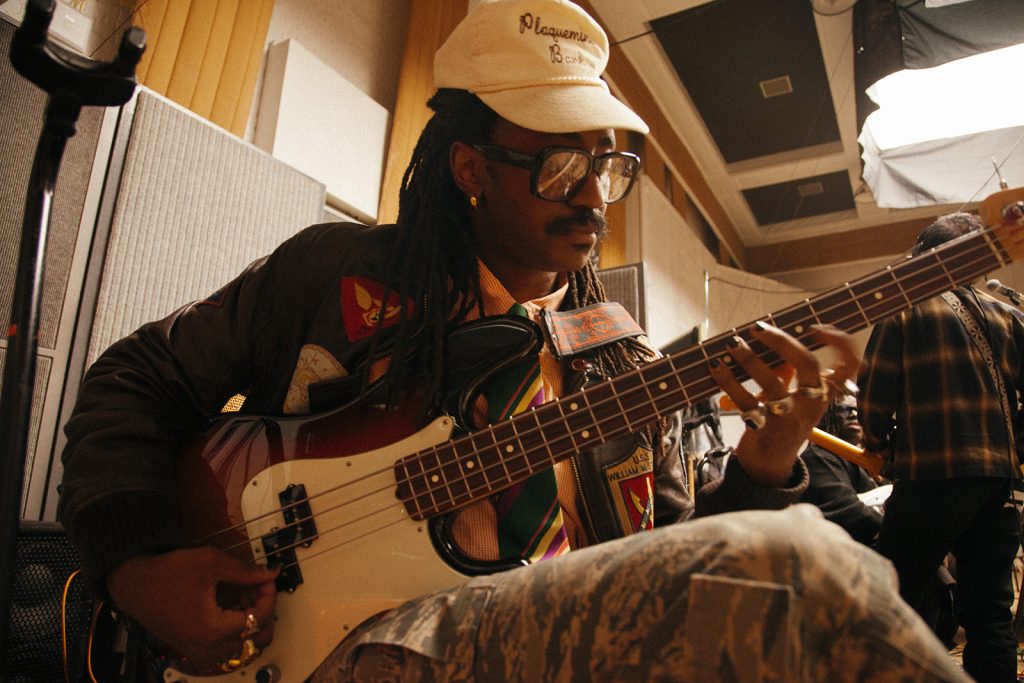
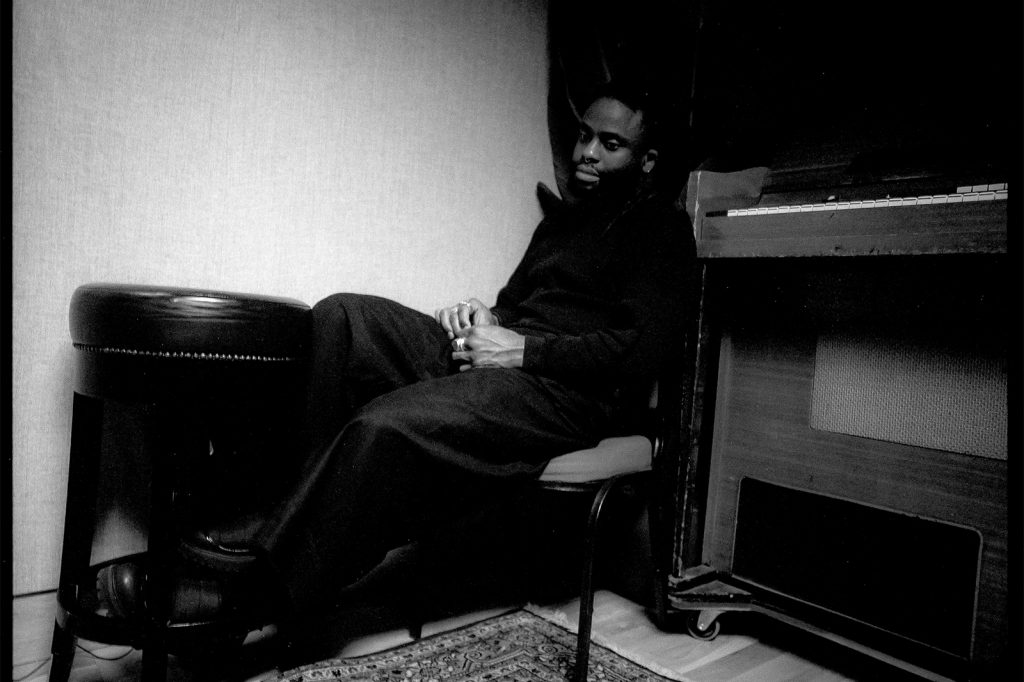
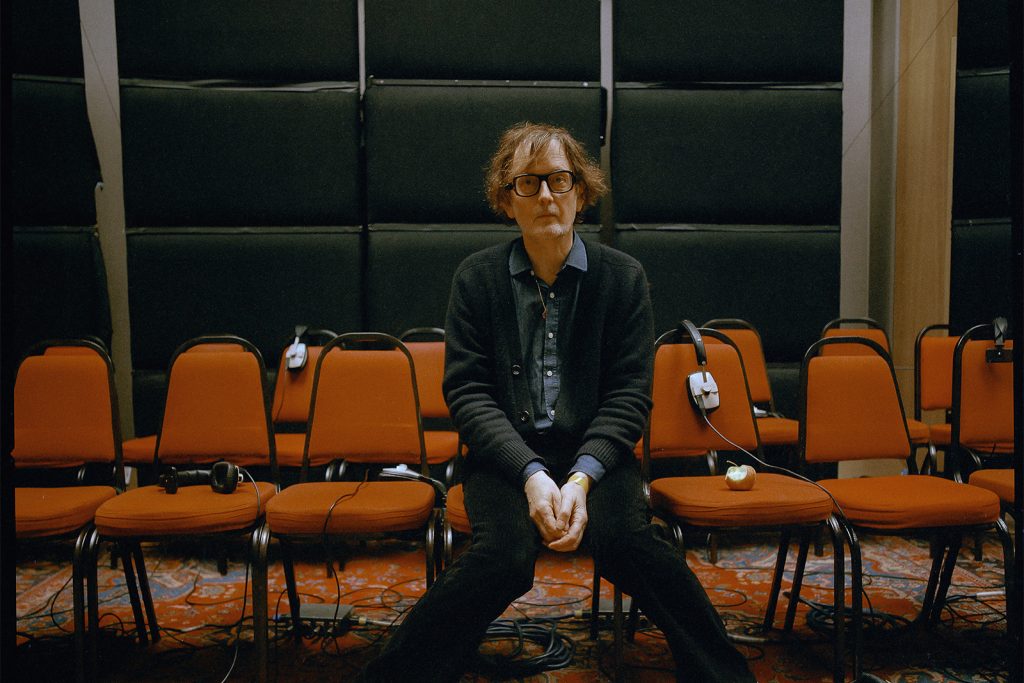
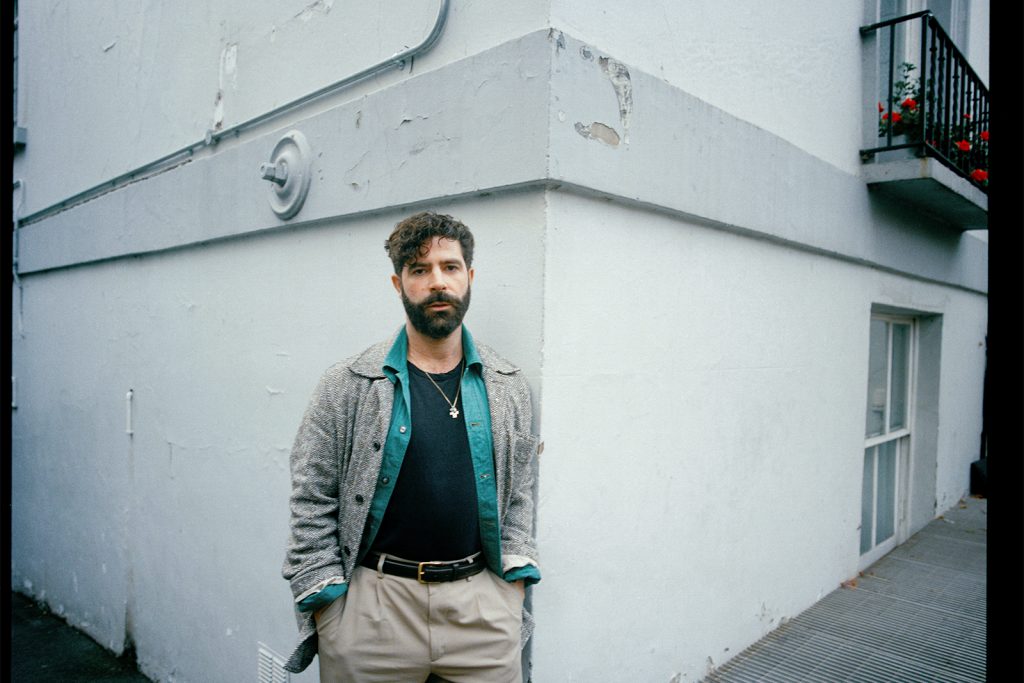
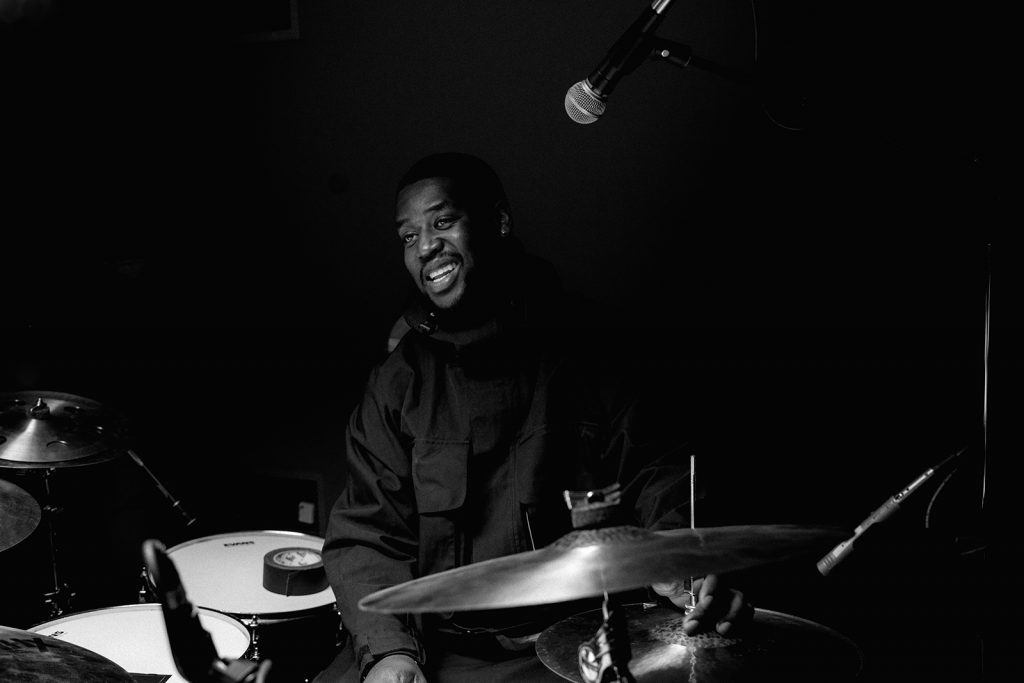
Additionally, there’s an all-star band pulled together by Damon Albarn. Alongside vocals from Kae Tempest and Grian Chatten, ‘Flags’ also features Johnny Marr on guitar, Adrian Utley from Portishead, Dave Okumu of The Invisible, Seye from Gorillaz and Ezra Collective drummer and bandleader Femi Koleoso.
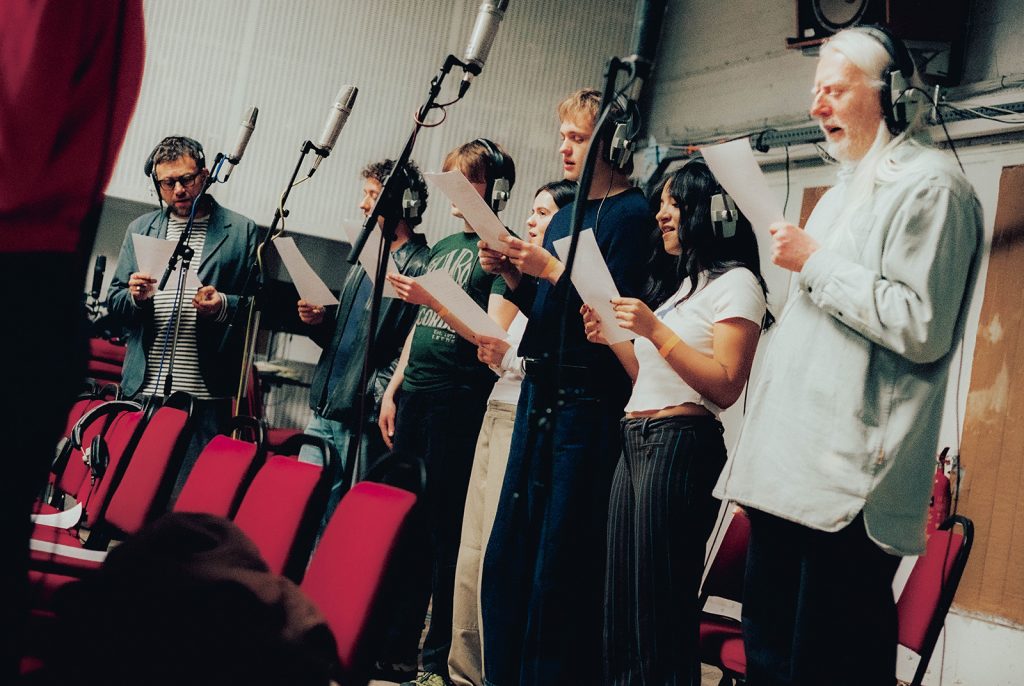
It was collaborative in every sense of the word. “They were in the studio for two days,” recalls War Child’s head of music, Rich Clarke. “First day, Damon decided he’d really like to incorporate a children’s choir. The A&R team hastily found two children’s choirs and they took the second day to record it. Then on the second day he decided it would be amazing to have an adult choir as well. The call went out, and we had all of Pulp come in, and all of English Teacher. Carl Barât, Marika Hackman, Declan McKenna, Let’s Eat Grandma. Everyone mucked in.”
Money raised from HELP(2) will go to War Child’s work in 14 counties, where they partner with local organisations to provide emergency support, protection and care, education and community support during and in the aftermath of conflict. It also offers a sunny moment in otherwise unrelenting realities.
“For last few years, taking the Ukraine conflict as a starting point, the news has been saturated with violence,” says Rich Clarke. “We didn’t think there’d be war in Europe again, possibly in our lifetimes. The situation in Gaza. Sudan is finally making it into the news and that’s the largest humanitarian crisis in the world right now. There’s a feeling of helplessness, generally. This felt like a positive project people could lean into.” It’s certainly necessary: around 520 million children are affected by conflict, roughly double the number thirty years ago.
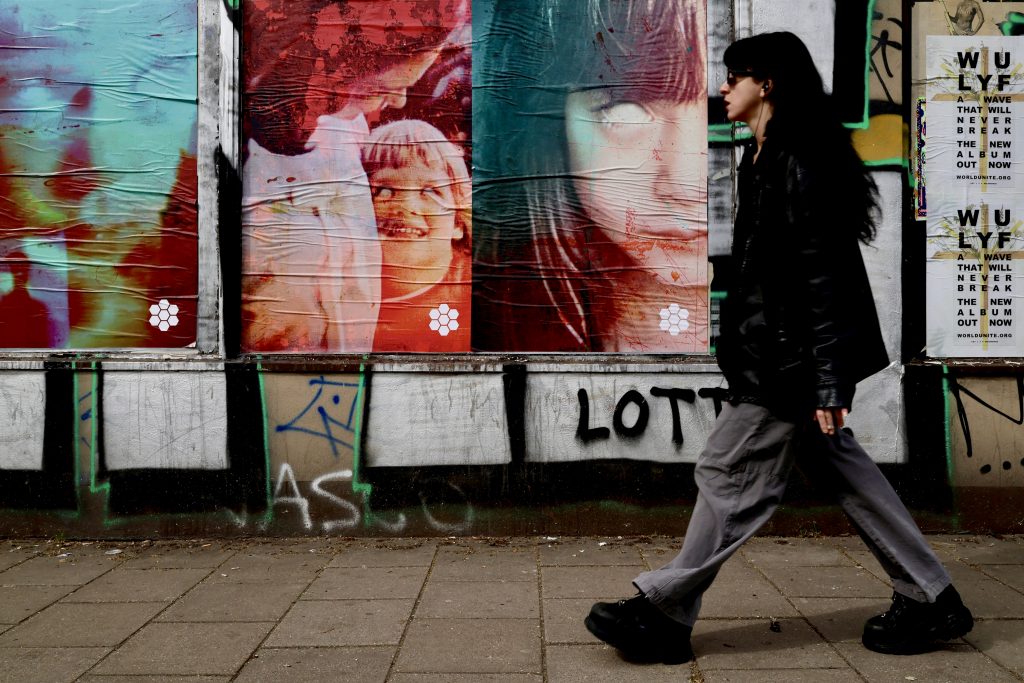
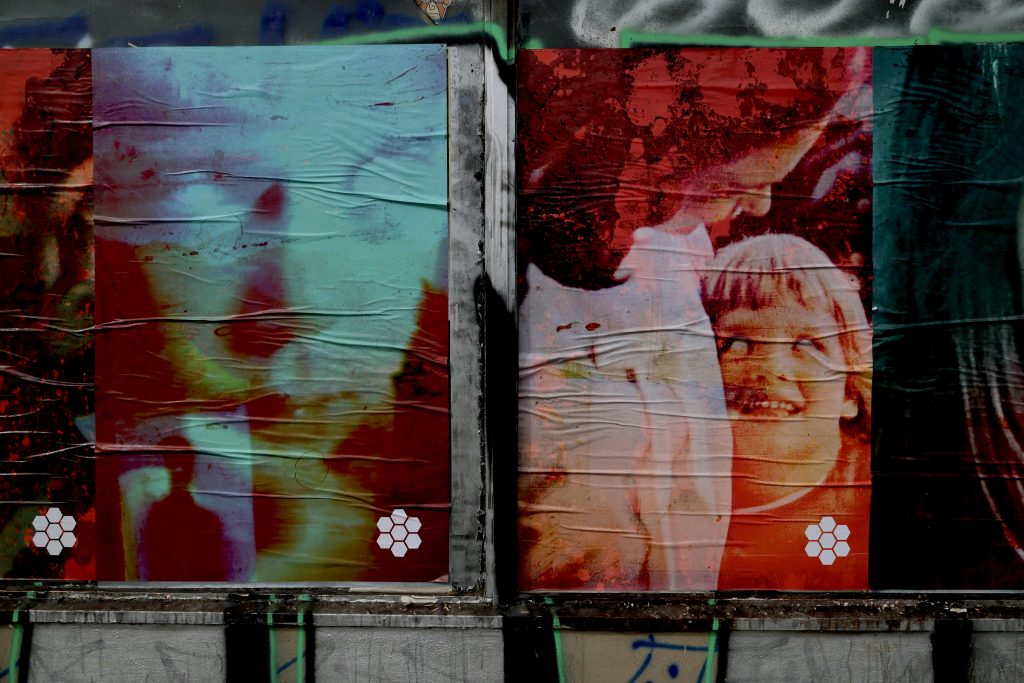
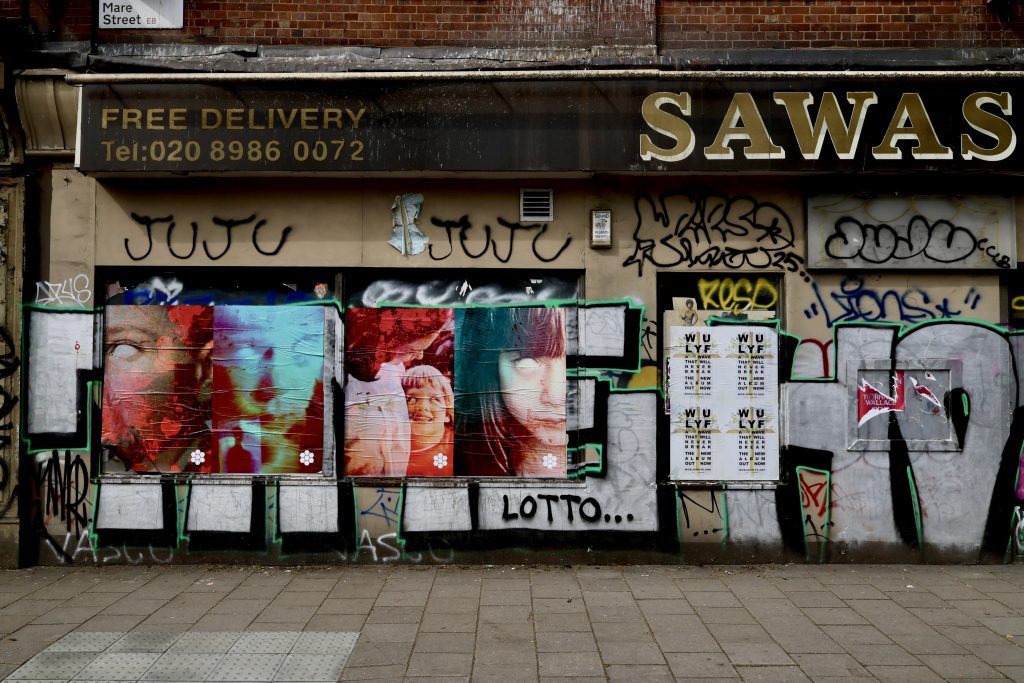
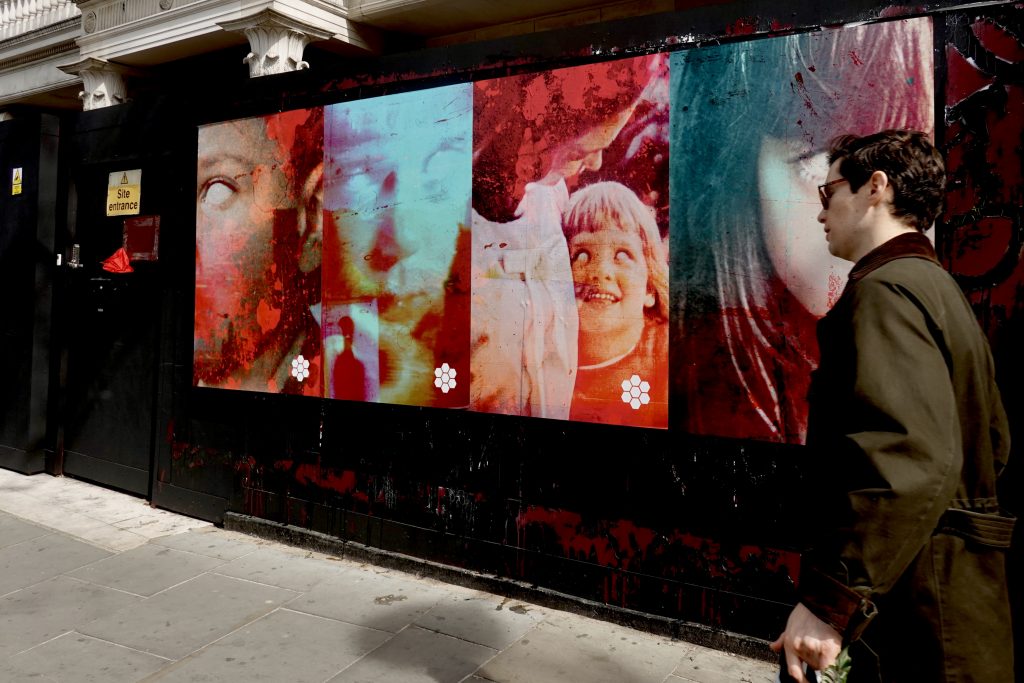
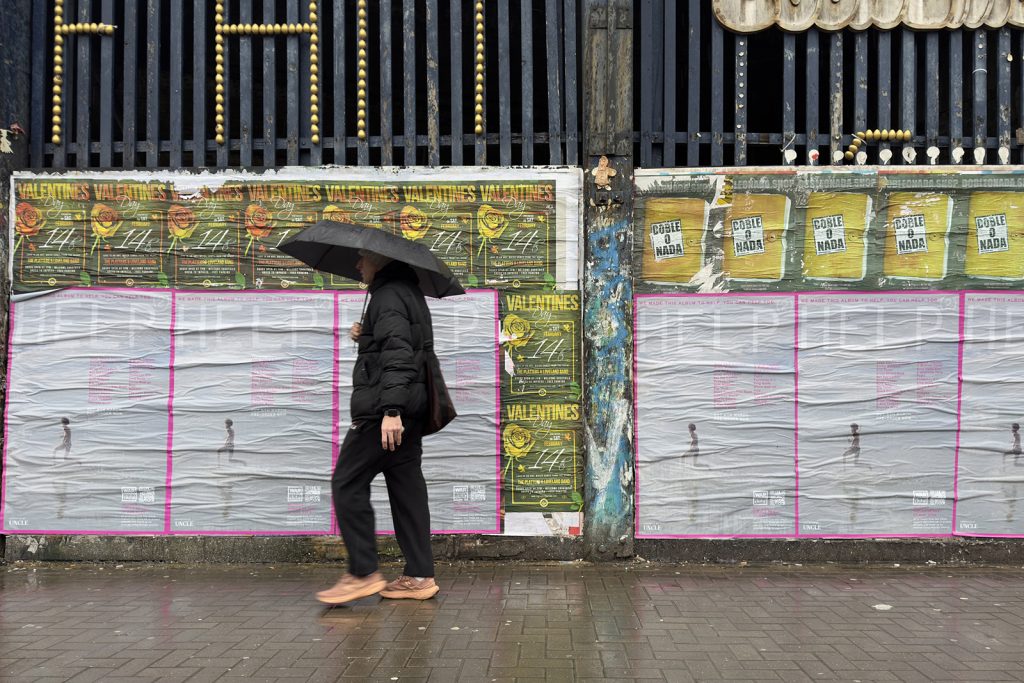
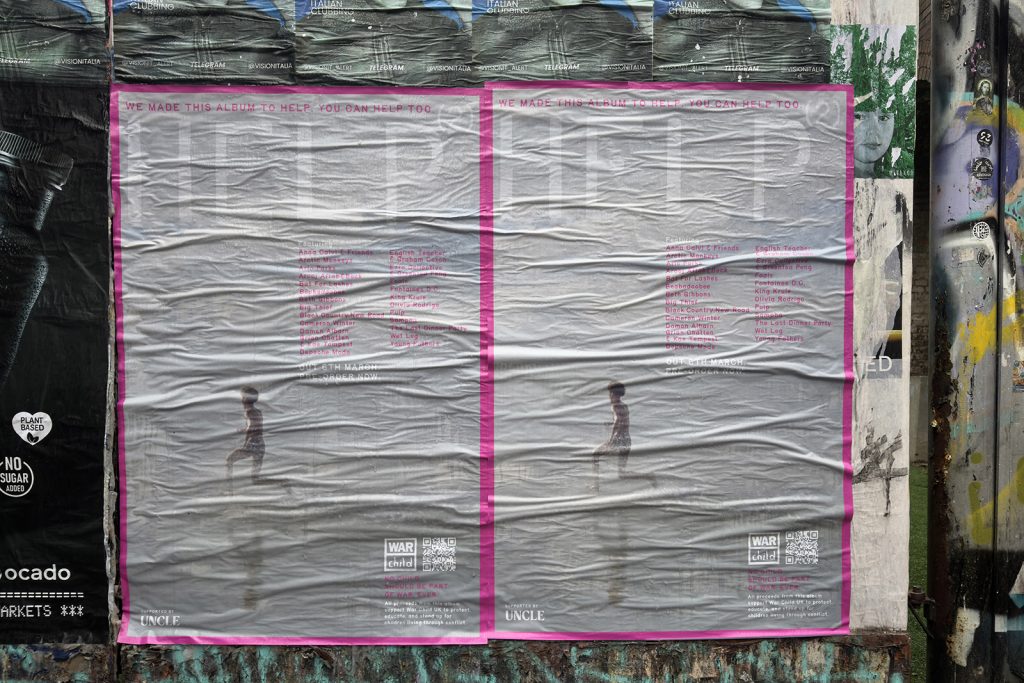
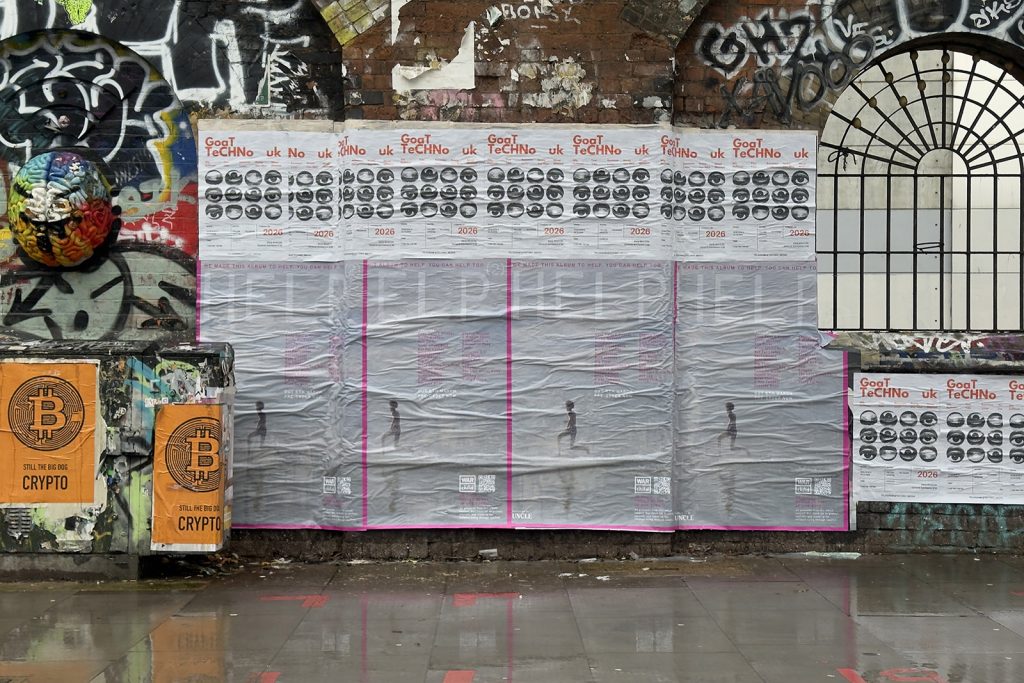
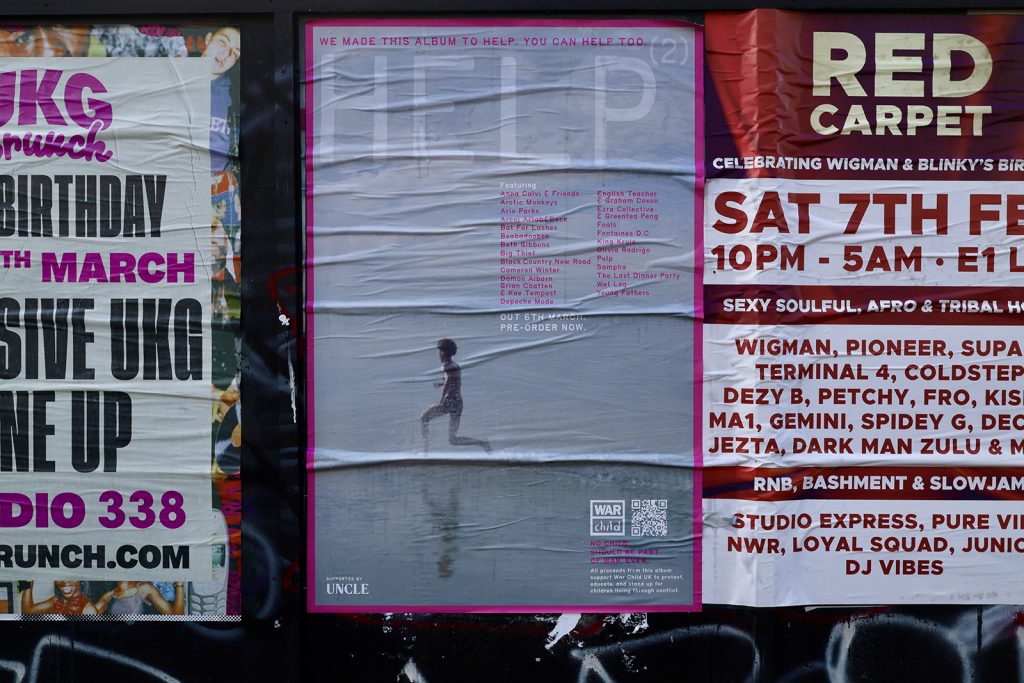
HELP(2) visuals were led by Academy Award-winning director Jonathan Glazer and frequent collaborator Mica Levi, and the album artwork is now visible across London on poster and billboard sites donated by BUILDHOLLYWOOD and UNCLE. “I’m going to cycle down Camden Road on the way home, take a pic, pop it on my Instagram,” says Clarke. “Doing it as a billboard is a real ‘wow, it’s real!’ moment. That’s the picture you send your mum, isn’t it? It hits harder than forwarding the PDF file.”

There’s heritage and trust. The creative lynchpin of everything is producer James Ford, and this record is a reflection of the collective spirit of the music industry. James is in a current battle with leukaemia, which he came down with a couple of months after agreeing to do this. The original idea was very different – working very closely with each and every artist in the studio but that wasn’t possible. He did the production remotely and a lot of other producers, engineers and mixers stepped up and filled in: David Wrench, Marta Salongi, Catherine Marks. It was a collective spirit, for James and for the cause.
The Arctic Monkeys track ‘Opening Night’ had eight million streams within a few days of release. What else can you tell us about the music?
We had a real coup getting Cameron Winter at a point when Geese have gone absolutely stratospheric. There’s a Depeche Mode cover of a track called ‘Universal Soldier’ which is a folk song Donovan made famous. They’ve done a full Depeche industrial makeover of it and it punches quite hard.
What are the musical links between HELP from 1995 and HELP (2)?
There’s a narrative that weaves through from then to now. Beth Gibbons comes back and does a cover of Velvet Underground’s ‘Sunday Morning’. Graham Coxon plays guitar on the Olivia Rodrigo track and he’s on English Teachers’ track. Damon Albarn’s back. Pulp weren’t on the original, but the original was nominated for the Mercury Prize the year after it was released. Pulp won, for Different Class, but they said HELP should have won and donated the prize money to War Child.
Another link between then and now is the role of billboards in spreading the word…
Billboards are consumed the same way as ’95 – it’s what you see from the top deck of the bus – but it’s used differently. Back then you’d tell your mates when you got to work but now it’ll be straight up on whatever platforms people use. I love some of the creativity you see around billboards, like when they go beyond the frame or become an art piece. It’s always nice to see something you don’t expect. There aren’t that many nice surprises in life now, so it’s good to see something that makes you stop and look. So, I hope people stop and look and scan the QR code.
The idea behind the visual world of the album is ‘by children, for children’. How did that work in the studio?
We will always represent children in a dignified and empowering way and we would never use imagery that shows injury or trauma. The scene on the album cover captures a moment of transcendence and escape for the boy running through the water. It does show that brutality of war but there are moments of incredible lightness that celebrate childhood. It’s unbridled happiness: the joy, the light, everything. The cover and creative direction for the project was by Academy Award Winner Jonathan Glazer. Academy Films built on that, giving eight- and nine-year-old children handheld cameras, to film the artists recording. You can see what’s happening in the studio through the eyes of a child.
We worked with Academy Films to get crews out to Gaza, Yemen and Sudan, where handheld cameras were given out to children. They filmed their peers just being children. They run, jump, play, climb, laugh, fall over, drop the camera. It’s deeply moving, but positive and empowering. It humanises conflict; it’s not far away or distant. Childhood is universal.
Are there any plans to record artists from conflict zones?
It’s something we’ve explored in the past. We’ve worked with musicians around Kinshasa in the DRC and there’s been a talk of a musical exchange with our programmes in Jordan and Lebanon. There’s a desire to do it but we just haven’t found the right way. A lot of musicians here are from backgrounds in the conflict countries we work in, so we’re always really keen to link that up; to tell that story, to shine a light. We’re in 14 countries and only a few are on the news agenda.
It’s easy to imagine that charity sits in a different place to culture. I think that’s a false binary. Is this something that War Child thinks about?
The first seeds of change often come from culture: art, theatre, music. That’s the first form of protest often, the first form of reaction. Culture and charity seek change, serve a purpose, and to make a difference.
Are there challenges in being vocal and active about conflict even when you’re just focusing on children’s experience?
Yes. It is and it isn’t. Like every charitable organisation, we’re politically neutral. There are challenges with some of the more politicised conflicts. Ultimately children are always the innocent victims of war. War is waged for many different reasons and different agendas and we do our best to navigate it.
The track list for HELP in 1995 wasn’t printed on the inlay because there wasn’t time between recording and release. What else has gone down in your organisational history about that time?
The challenge and the excitement of getting in there and laying down in a single day. Two of the artists were The Stone Roses and Stereo MCs – I think it took them five years and eight years respectively to make their second albums. In 1995 the logistical piece was massive: to record it in the day and have it in the shops five days later. There are stories of private jets, tapes missing ferries – somehow it all got together. It went to print on the artwork before Eno who mastered the album had finished sequencing. There’s no track list on the vinyl this time either, for a similar reason. There was an artwork production deadline – but it’s also an homage to the original. We put a sticker on the front this time.
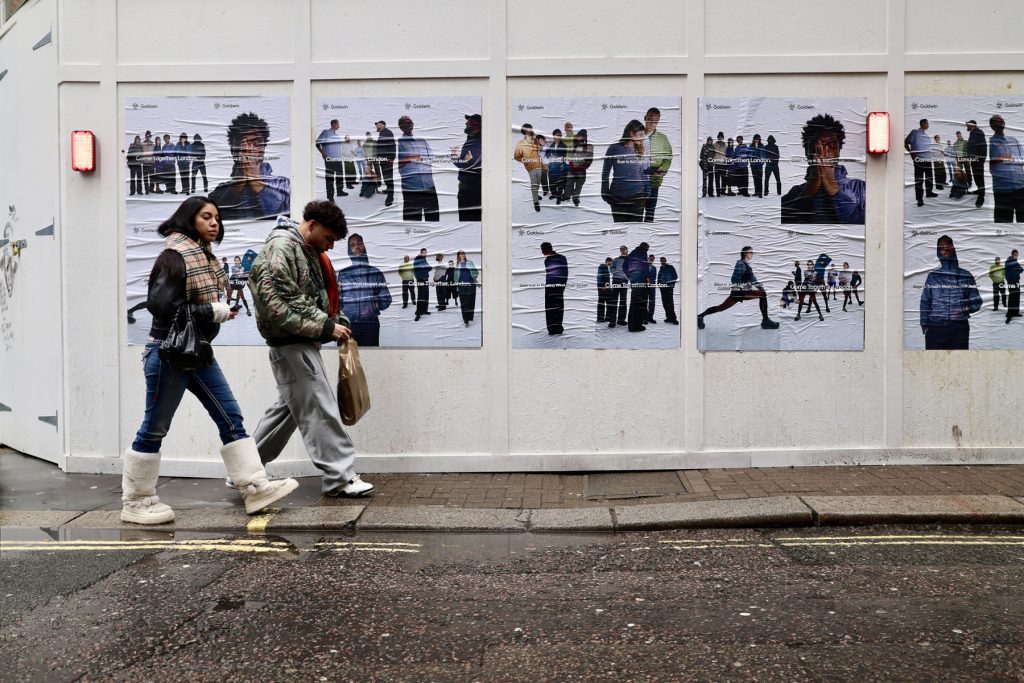
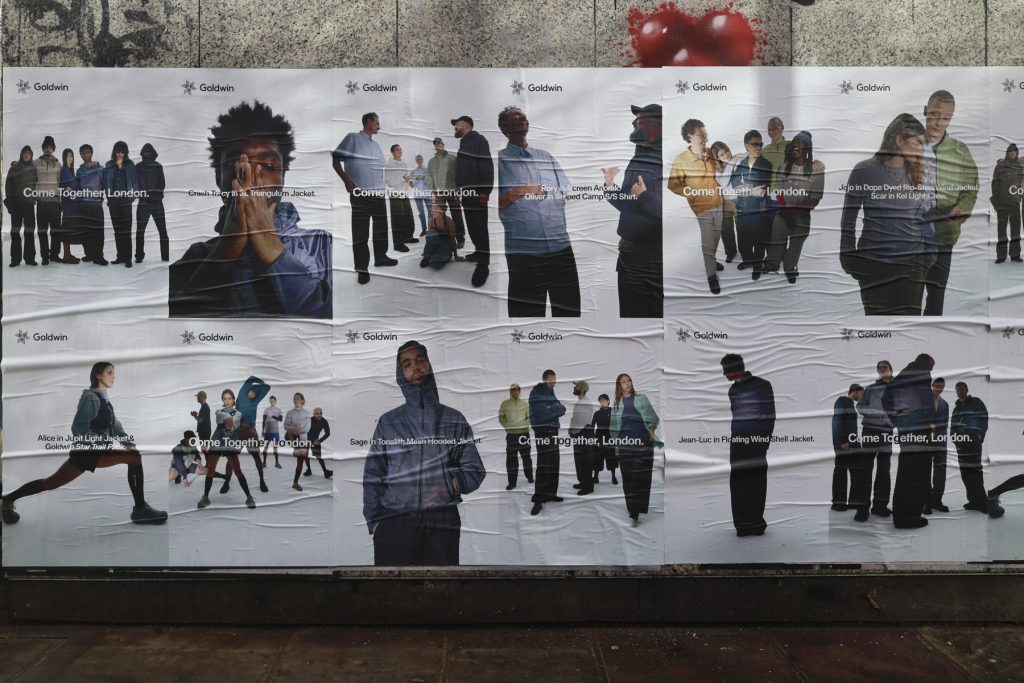
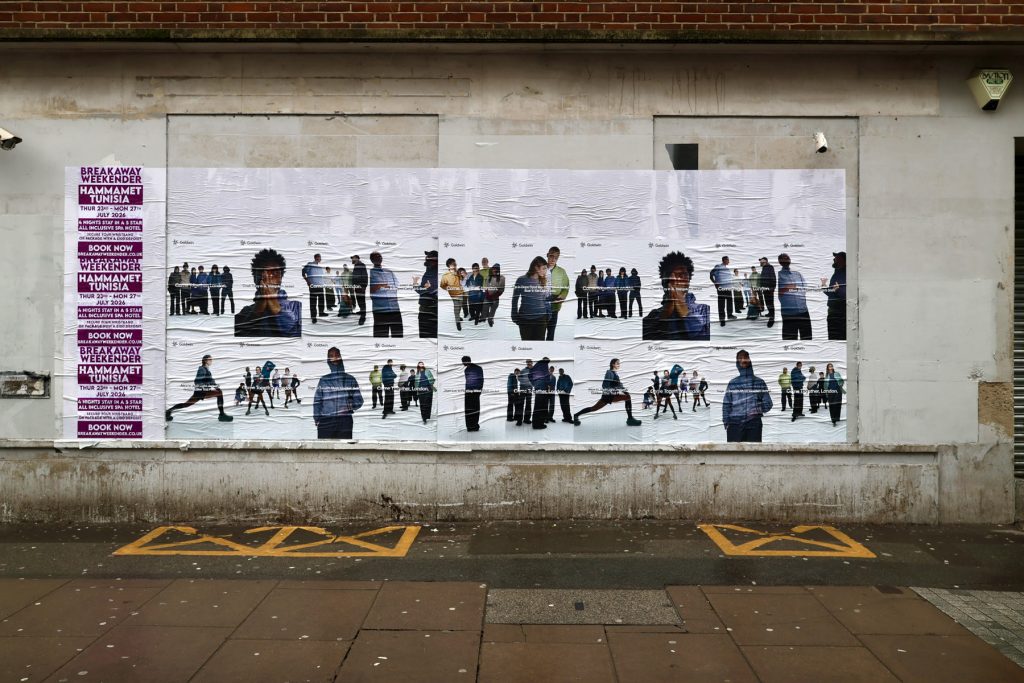
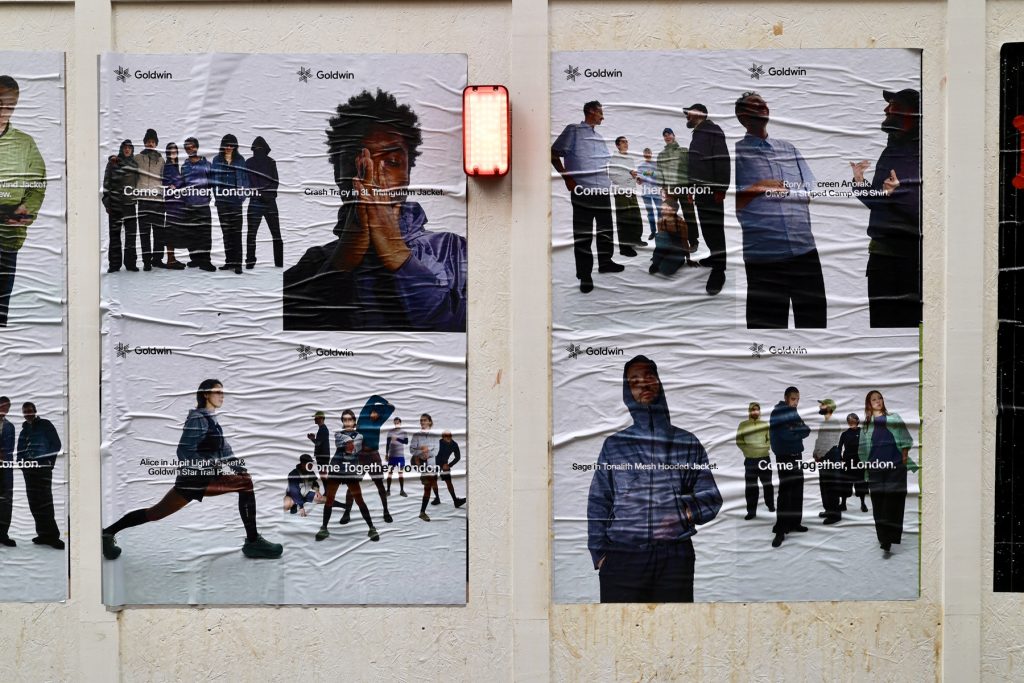
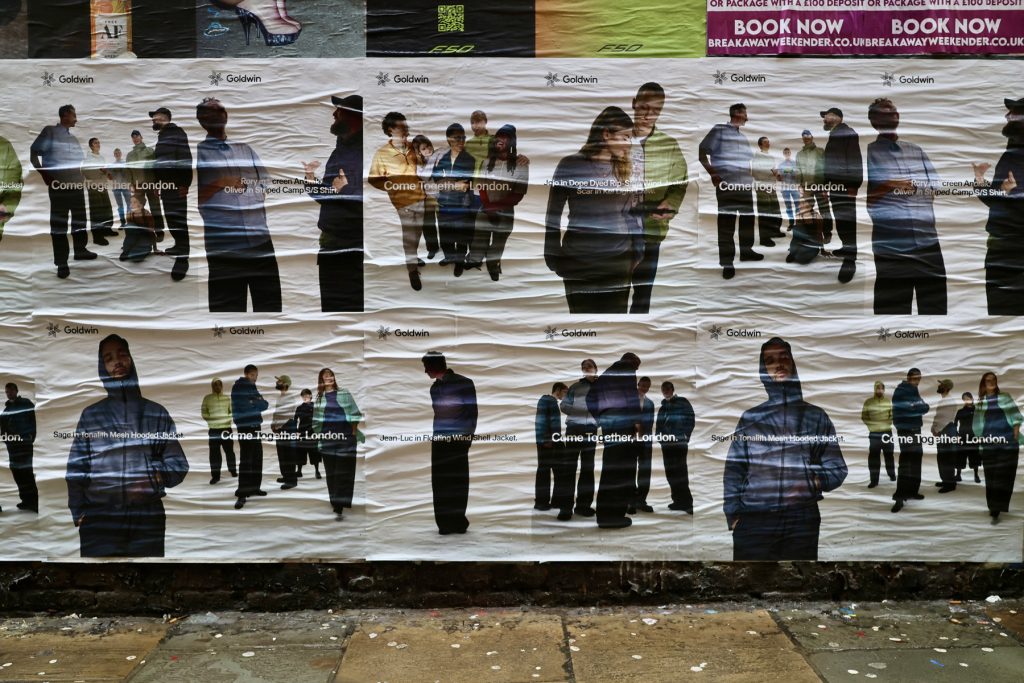
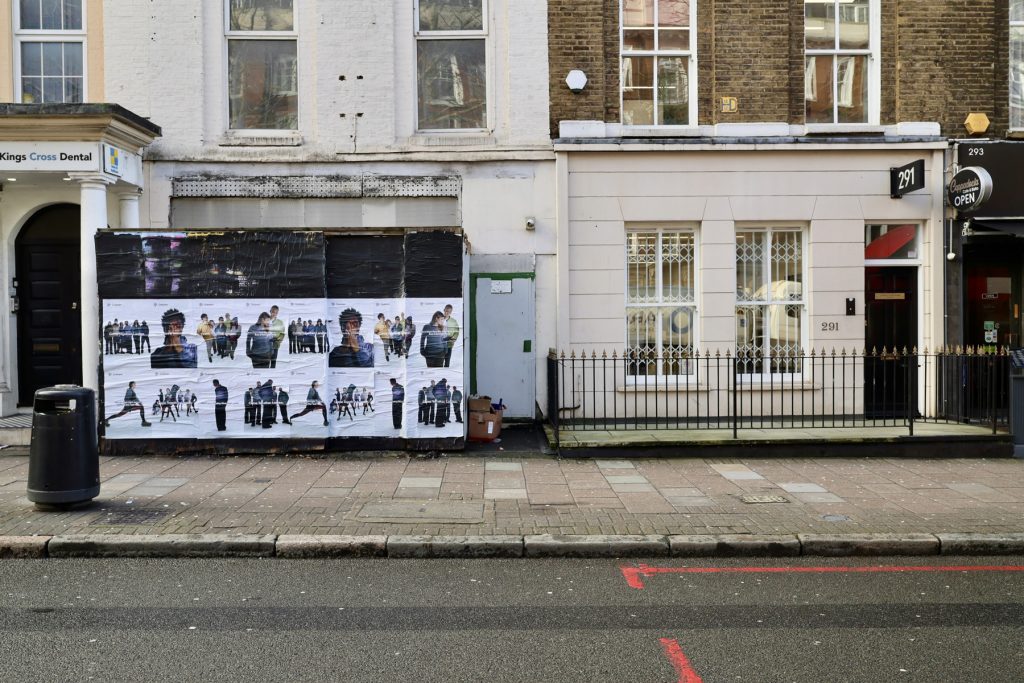
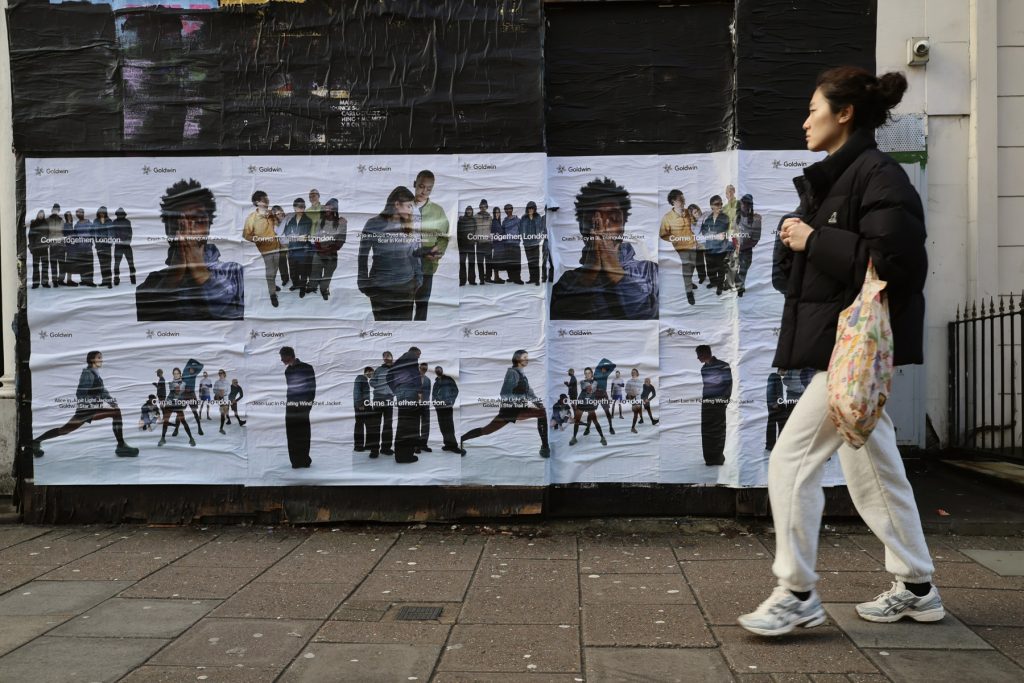
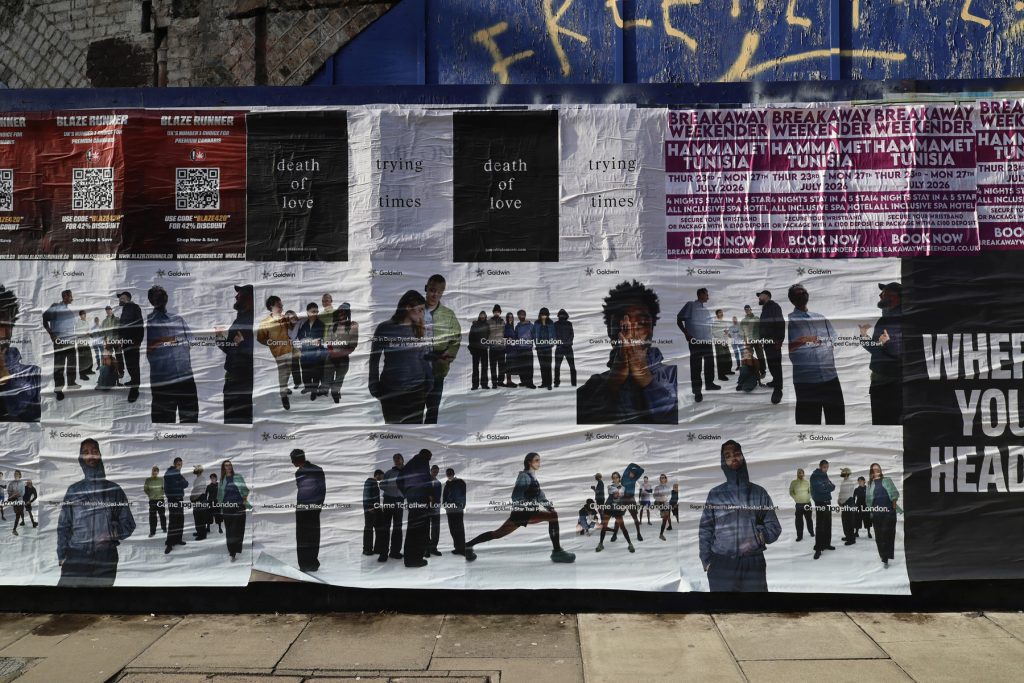
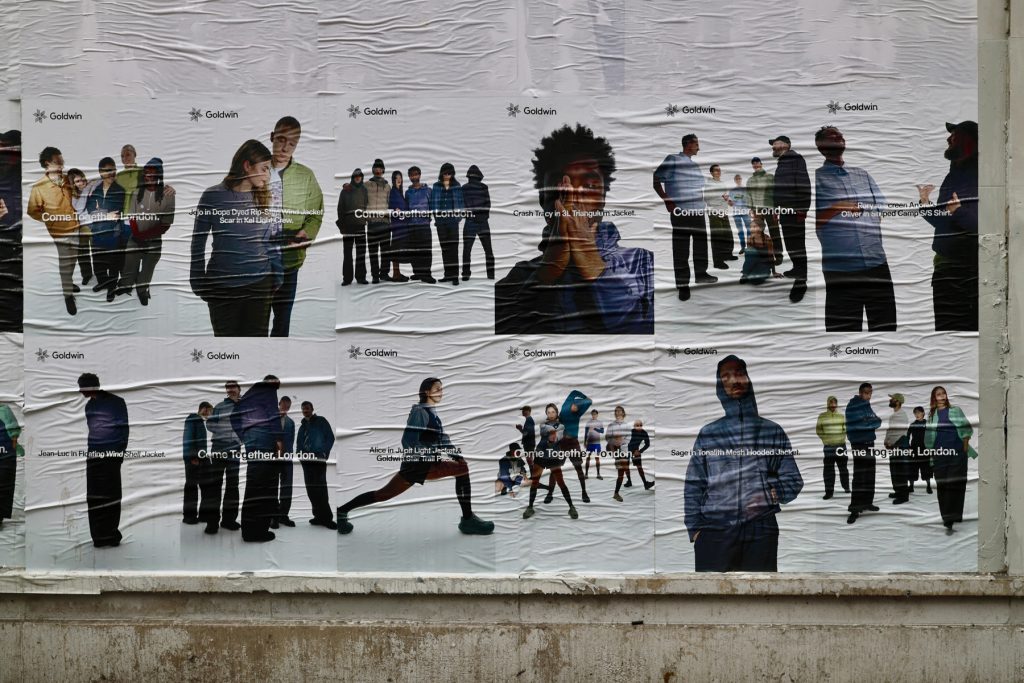
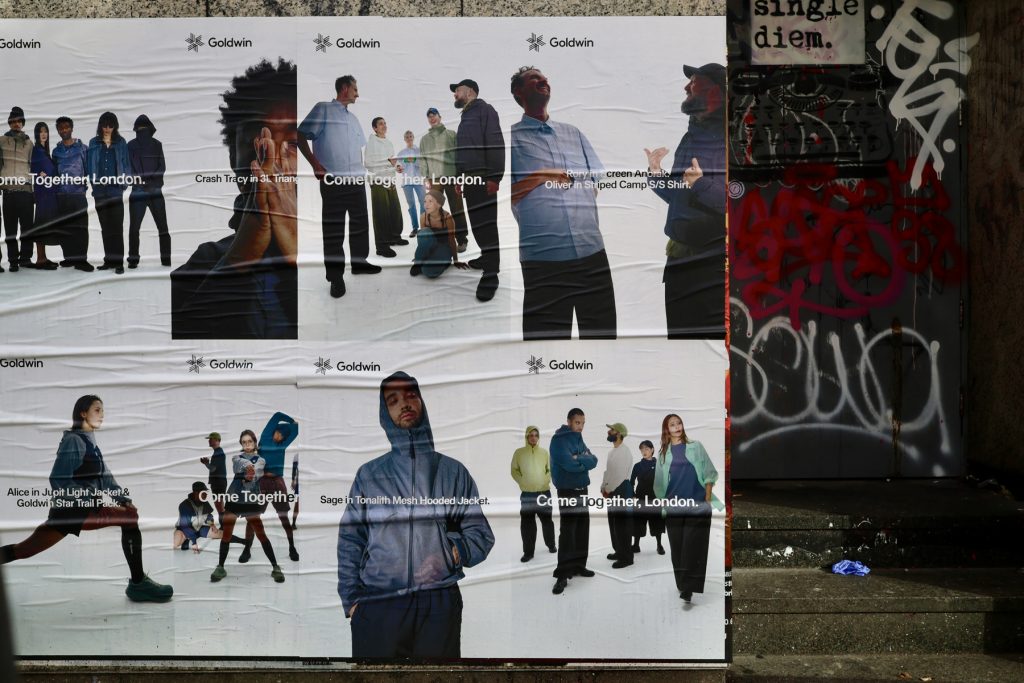
Goldwin
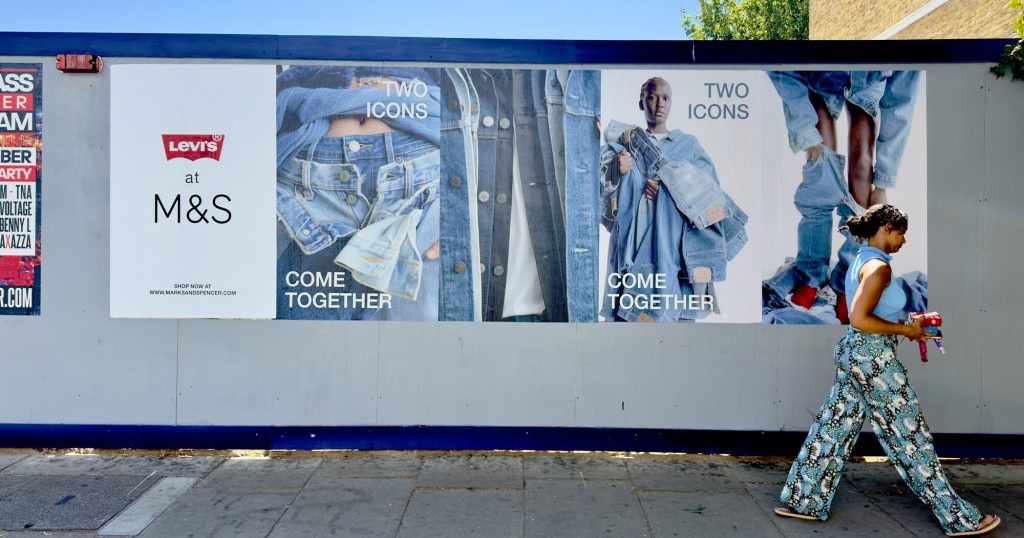
Running across 4 sheets and 4 sheet blocks, the work featured pared-back studio imagery of groups and individuals styled in Goldwin outerwear, overlaid with the line “Come Together, London.” The repetition of creatives and composition built scale, while the calm, functional aesthetic cleanly cut through the visual noise of London. This isn’t Goldwin shouting for attention, but confidently taking their place – courtesy of UNCLE.
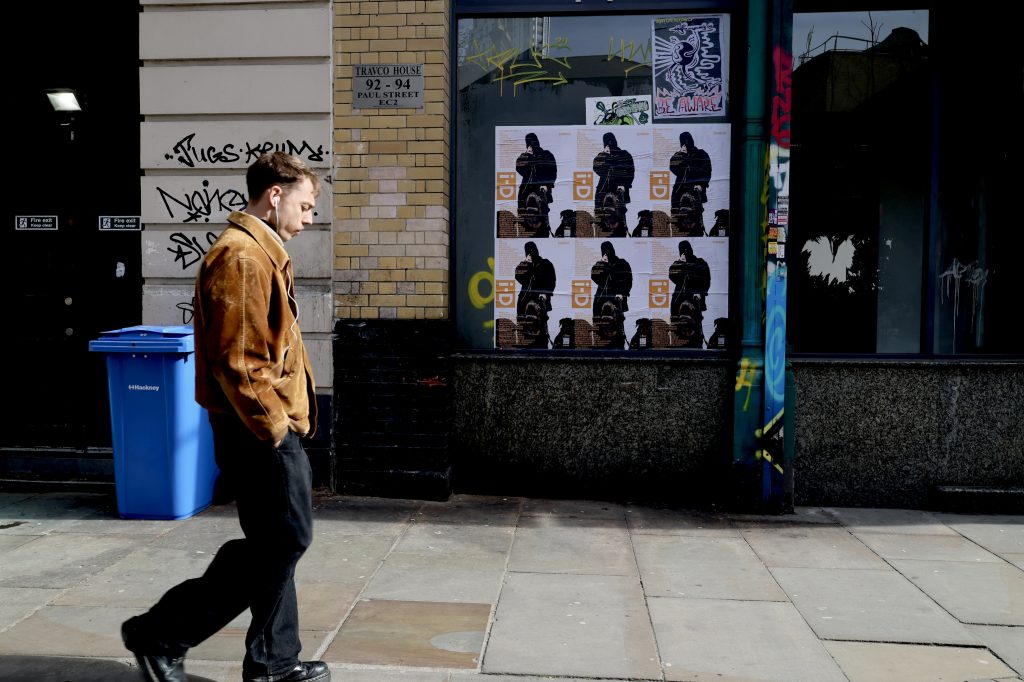
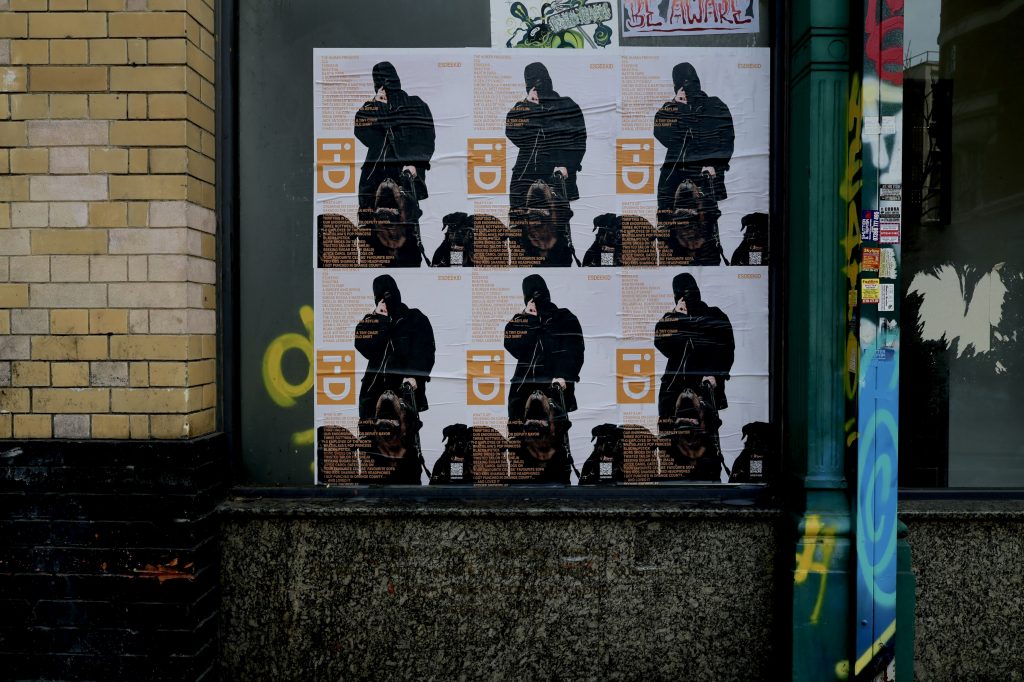
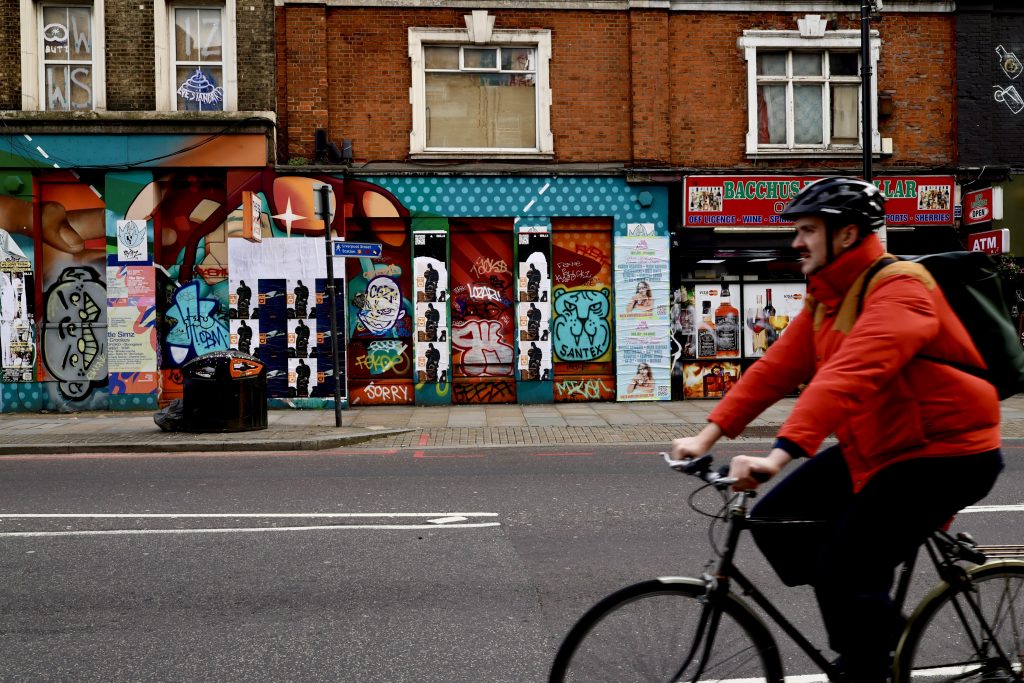
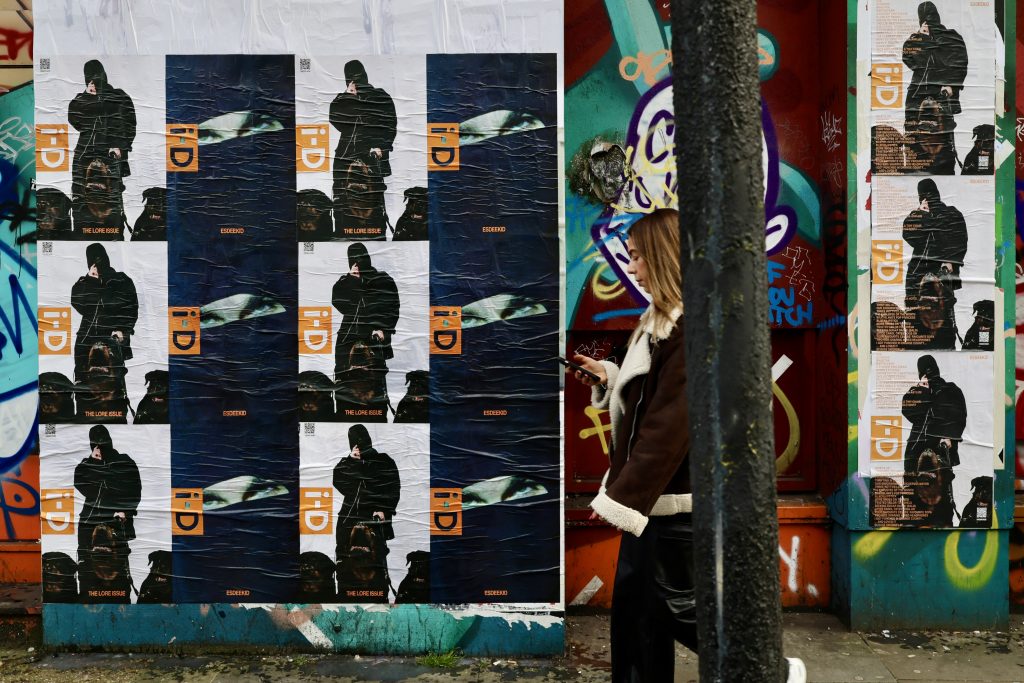
To celebrate Issue 376, UNCLE injected a shot of pure adrenaline into London’s arteries with a radical flyposting offensive.
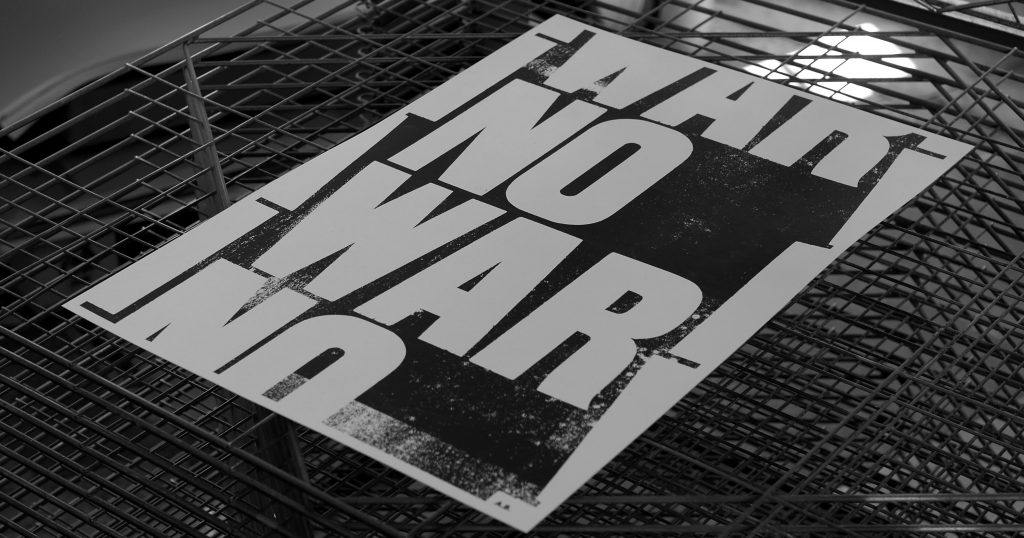
From monumental UA Quads to raw B2 blocks, we saturated the city, spreading the anti-algorithmic culture. This was more than a drop; it was a visual insurrection. In an age of fleeting pixels, we left a heavy mark on the concrete.
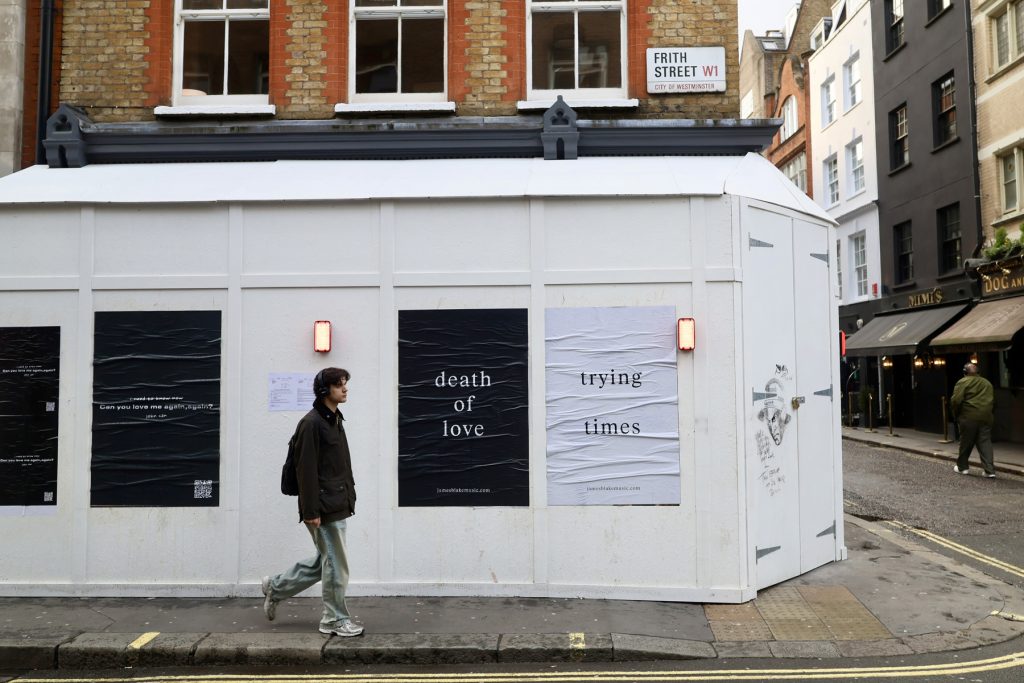
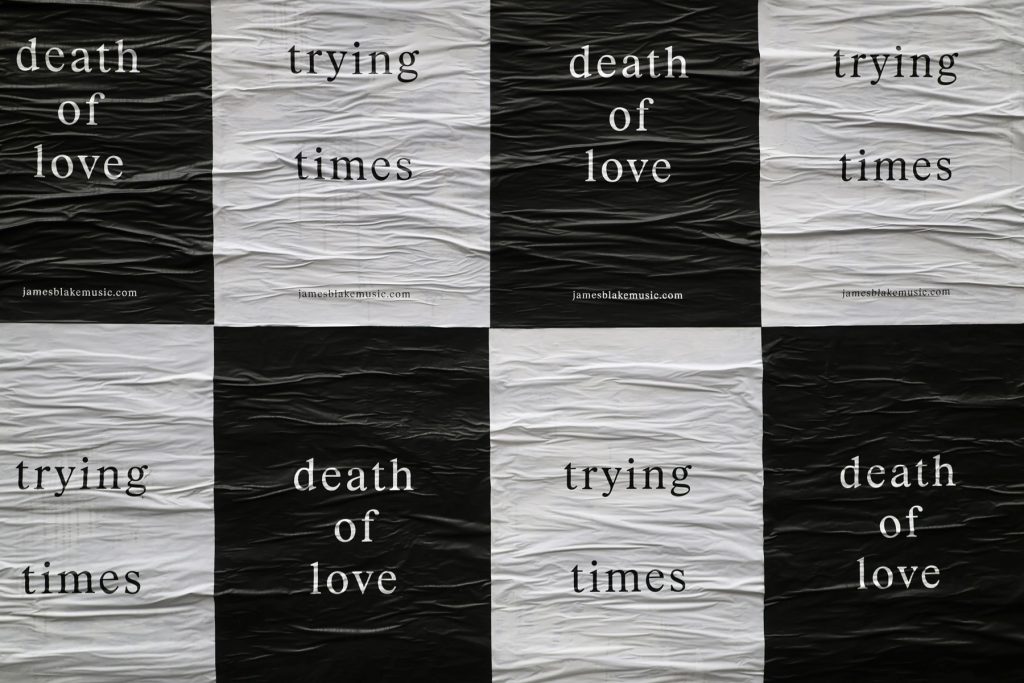
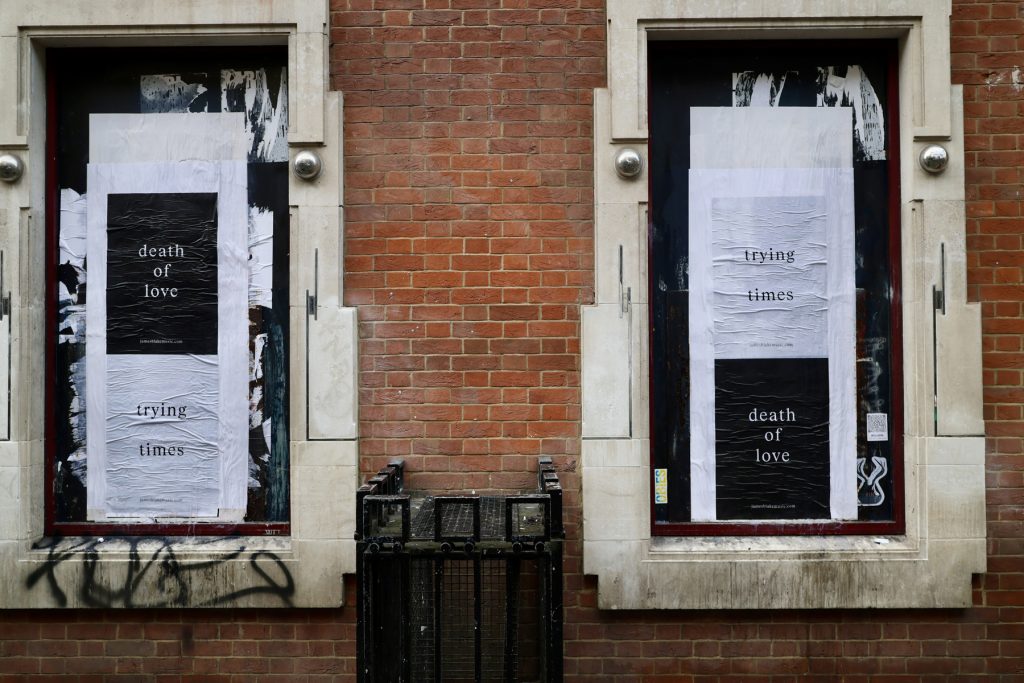
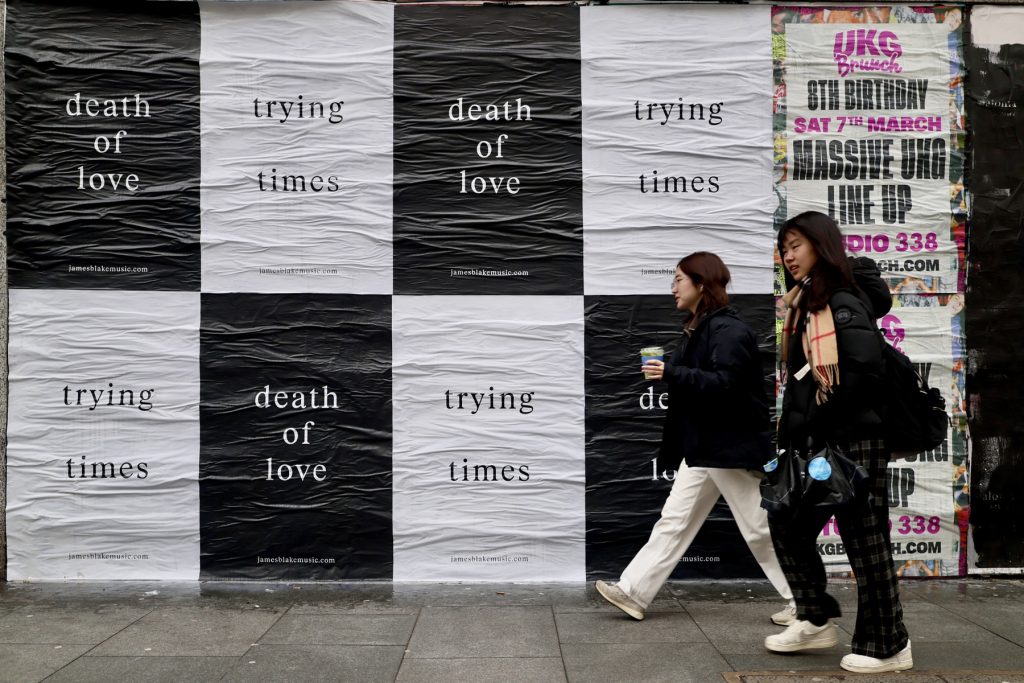
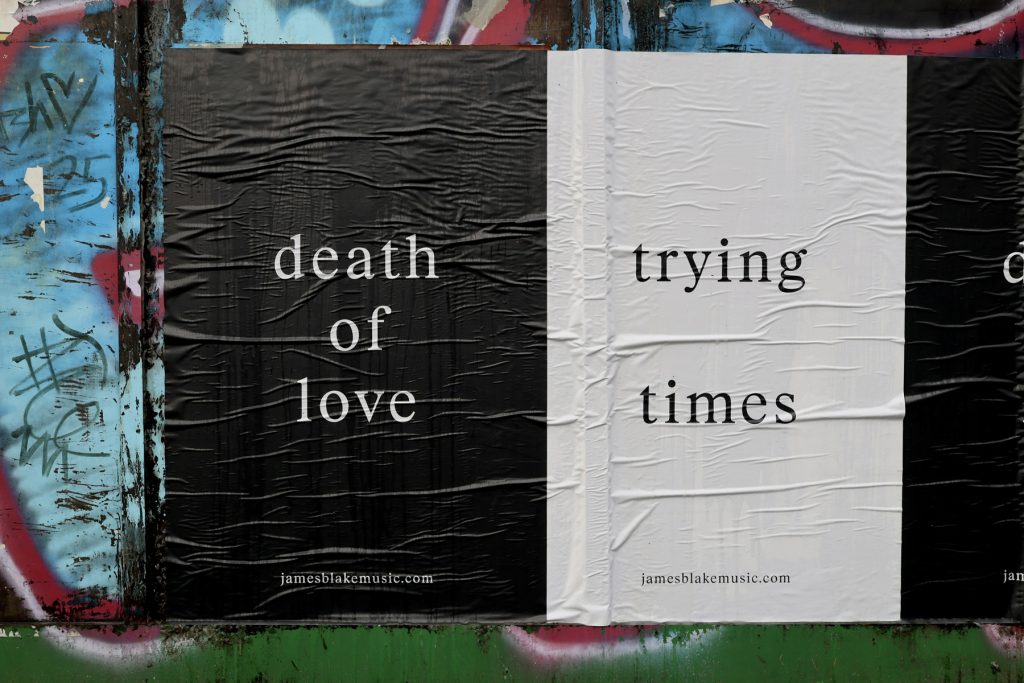
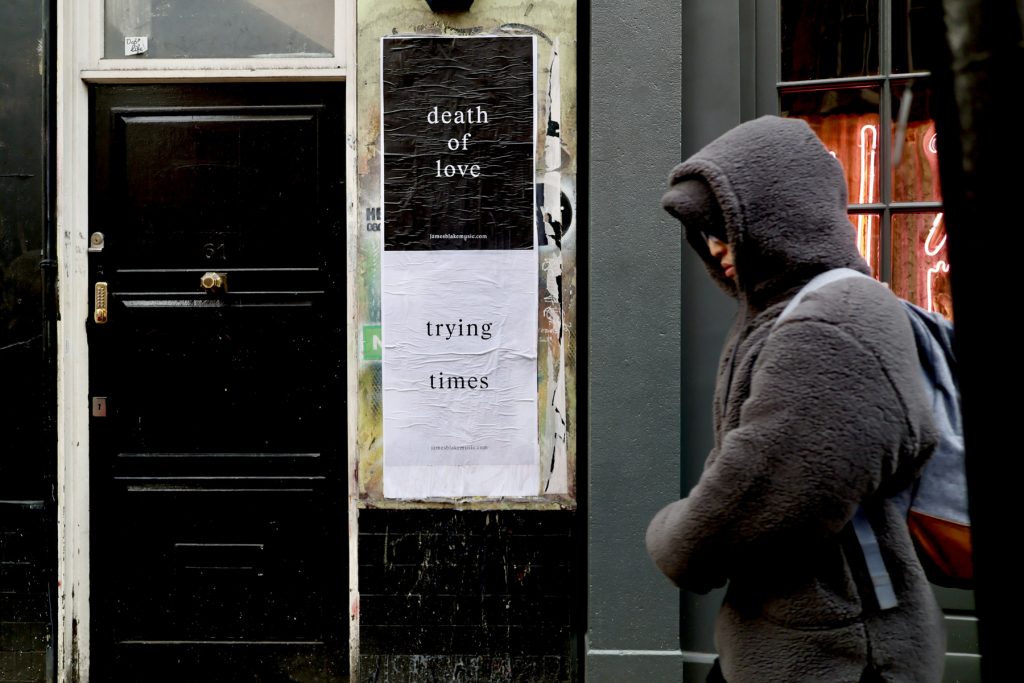
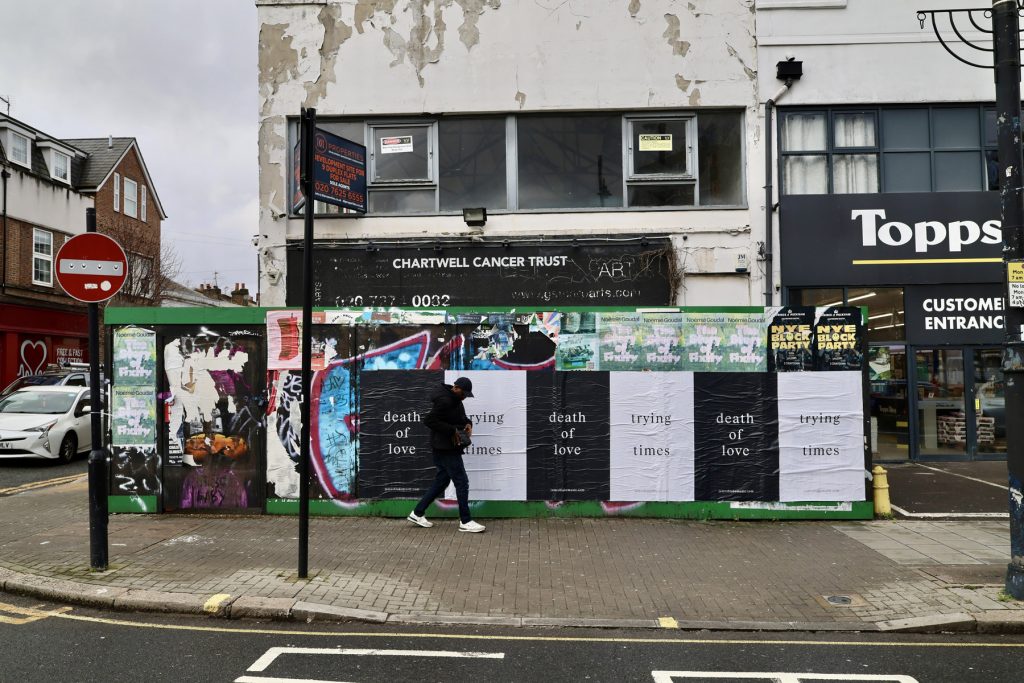
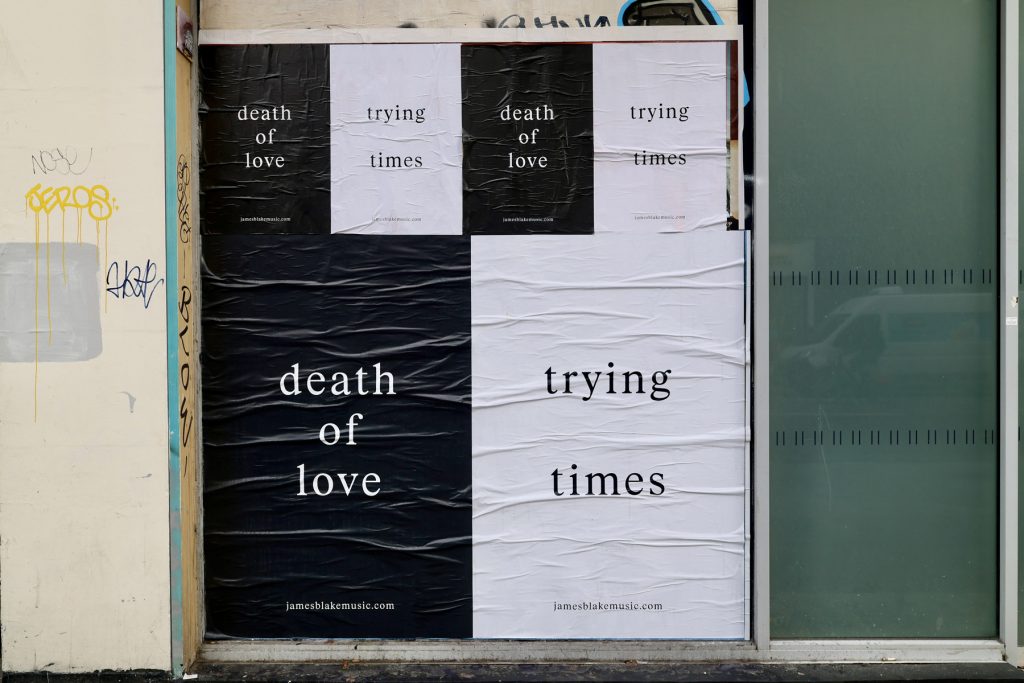
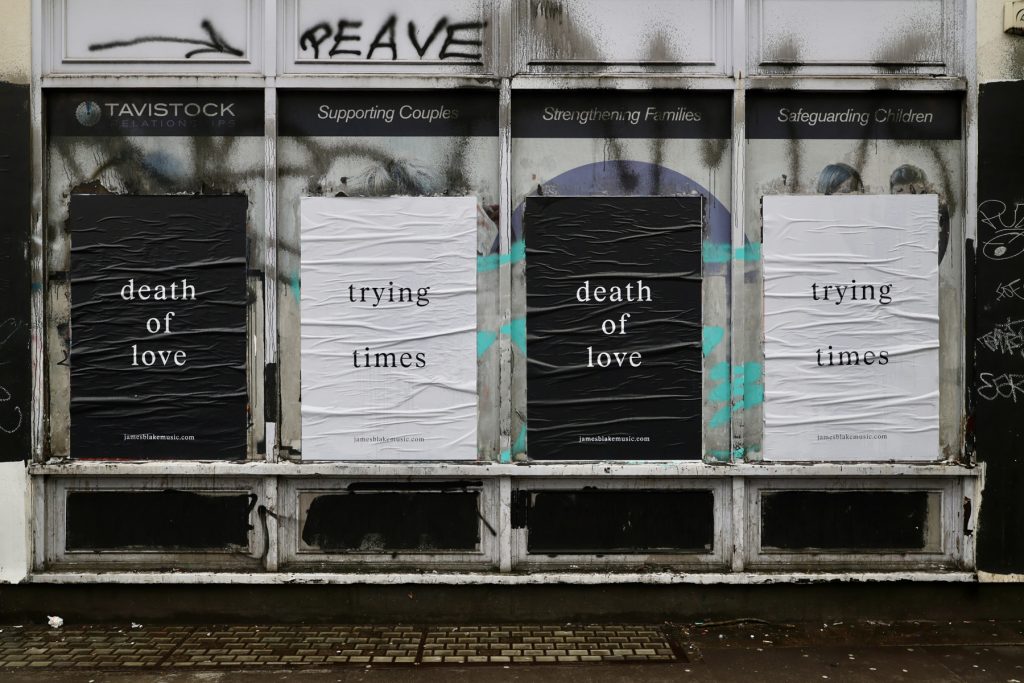
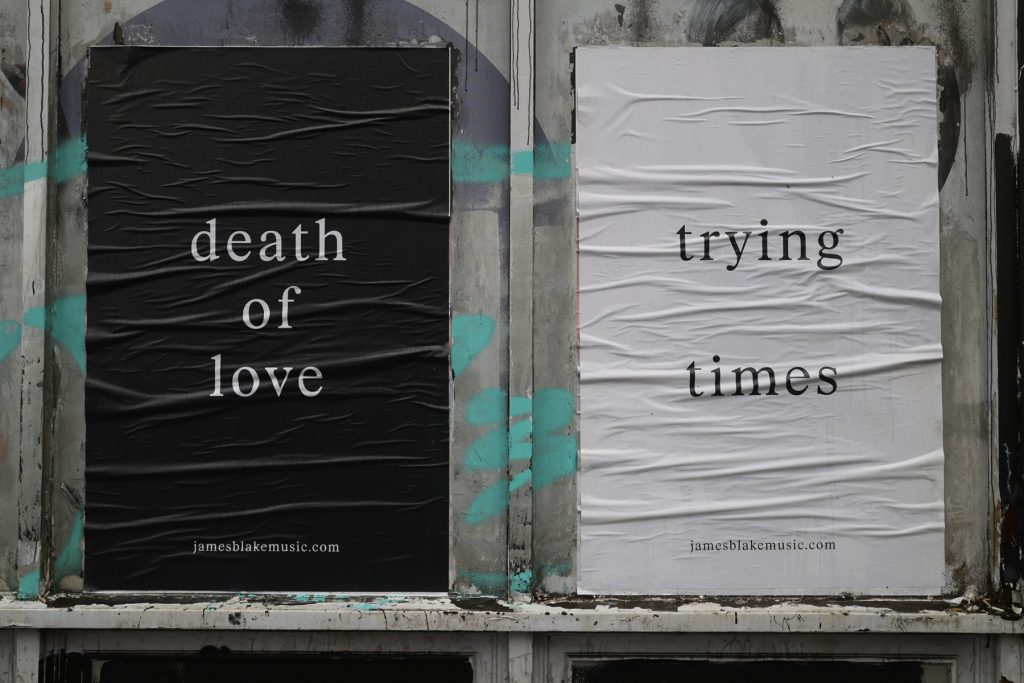
After Blake teased the album online for 72 hours, UNCLE worked with Virgin Music to do the same, but in the physical world. Featuring stark, type-driven posters with the album and single titles, the campaign mirrors the emotional weight of the forthcoming album and Blake’s comments on modernity.
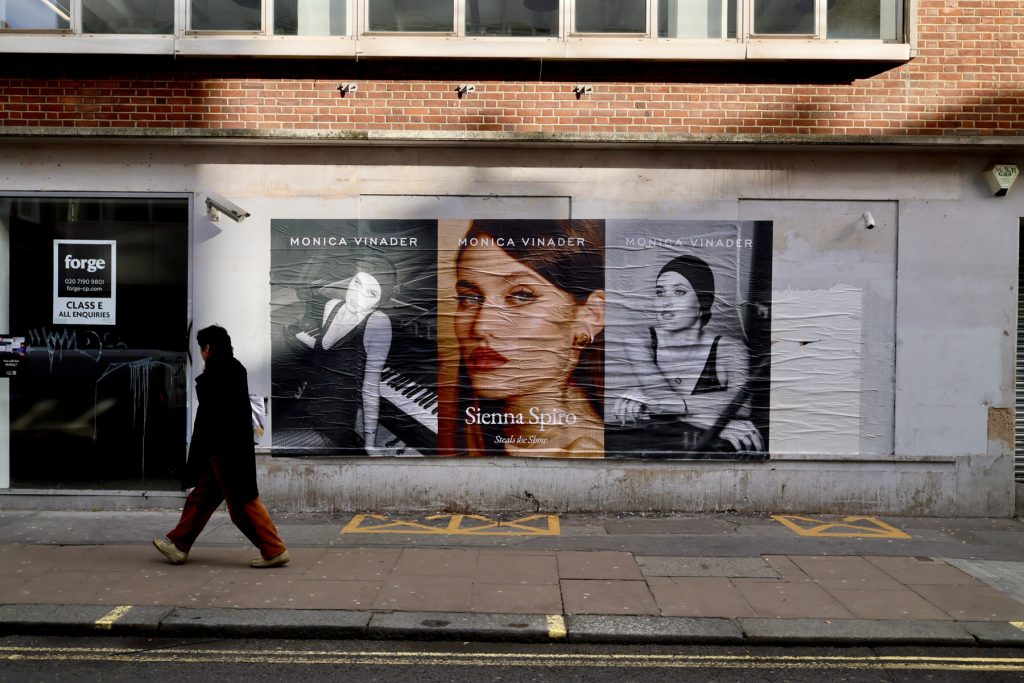
Concentrating on West and Central London, UNCLE let the campaign sing out with a flyposting rollout across a mix of small and large formats. Black-and-white, warmed-toned portraits turned city walls into a stage, letting the collaboration speak where London moves most.
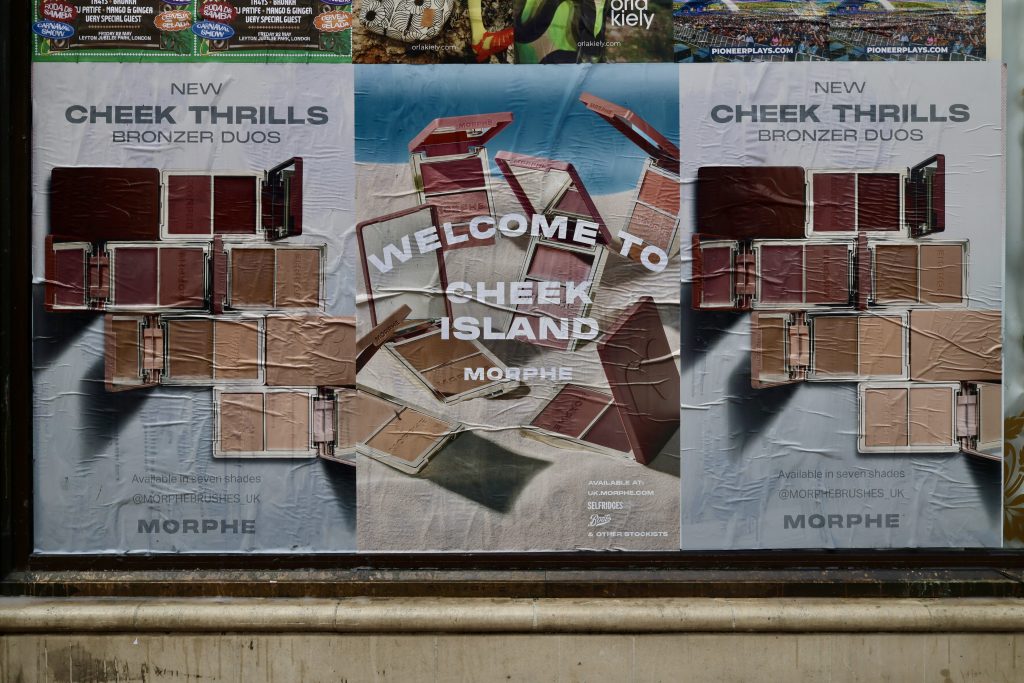
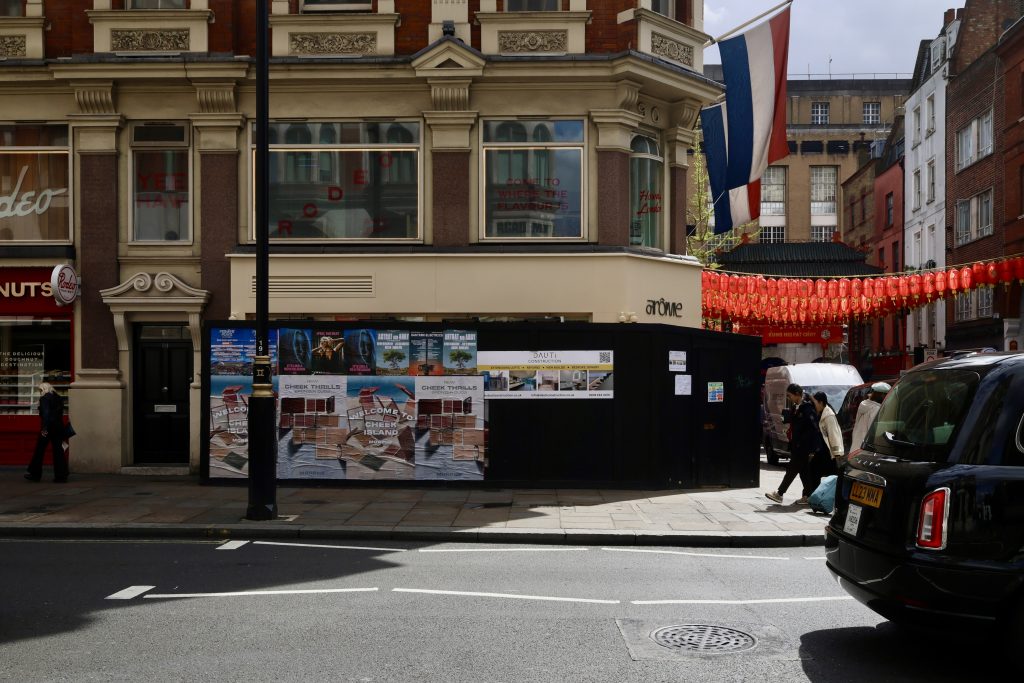
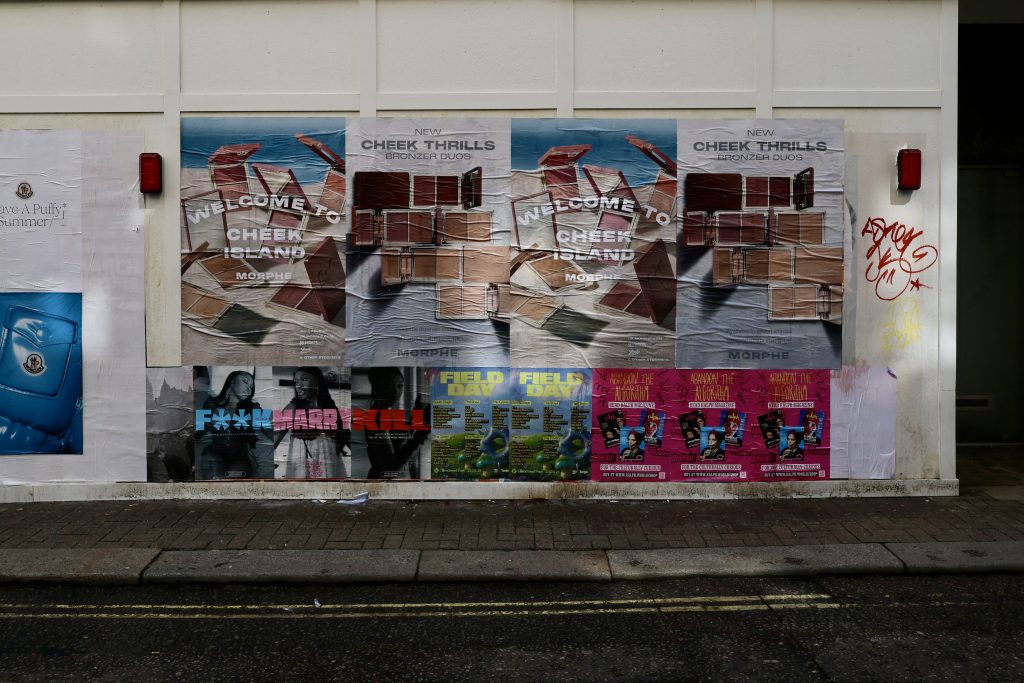
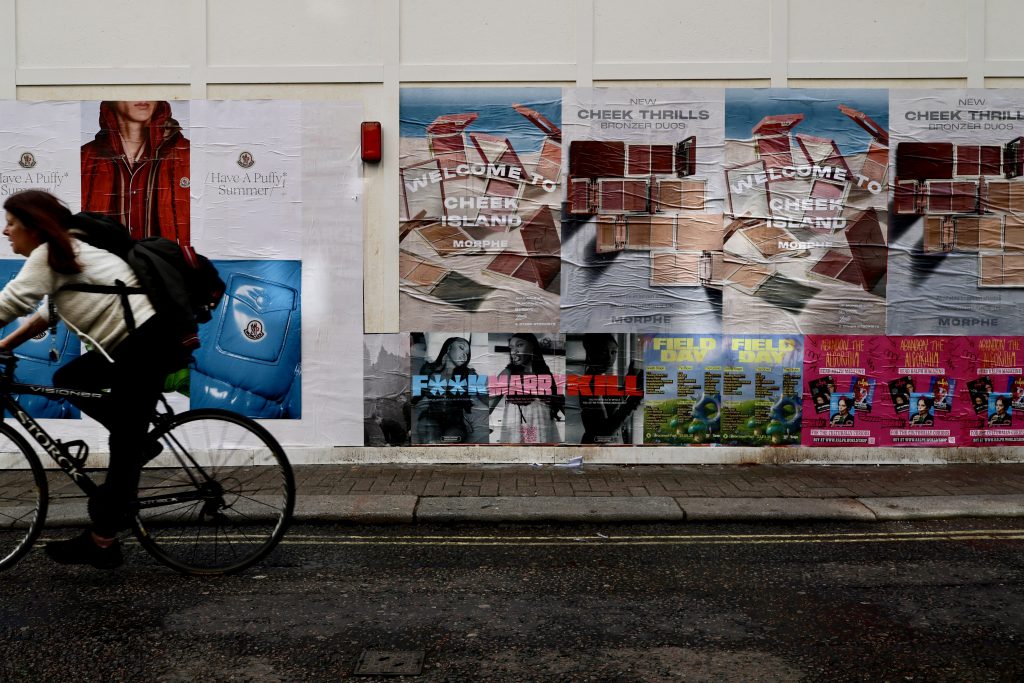
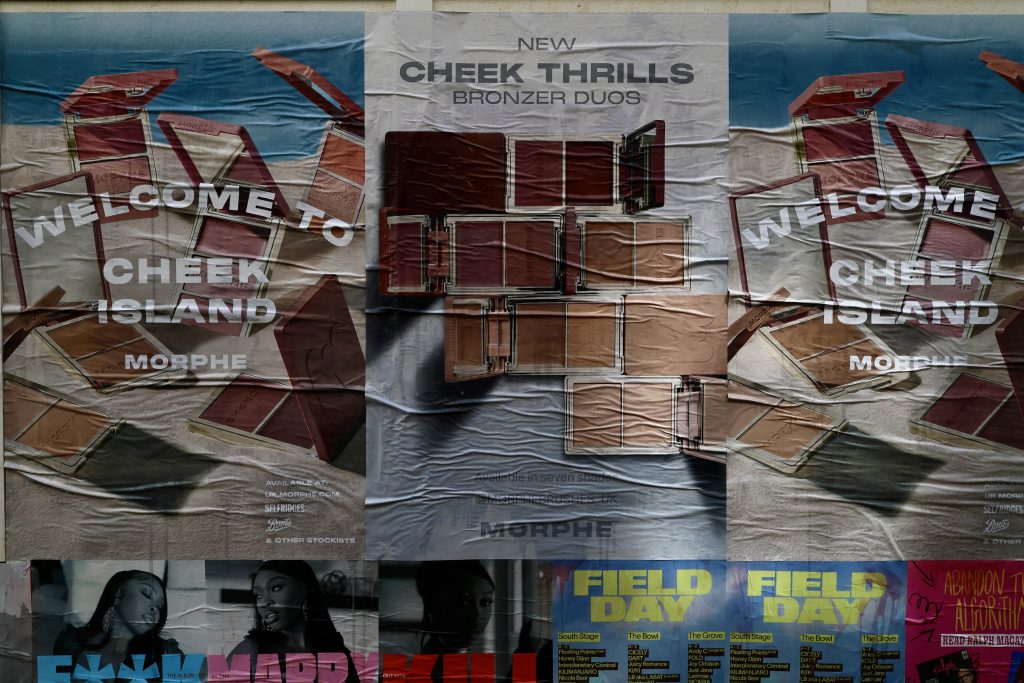
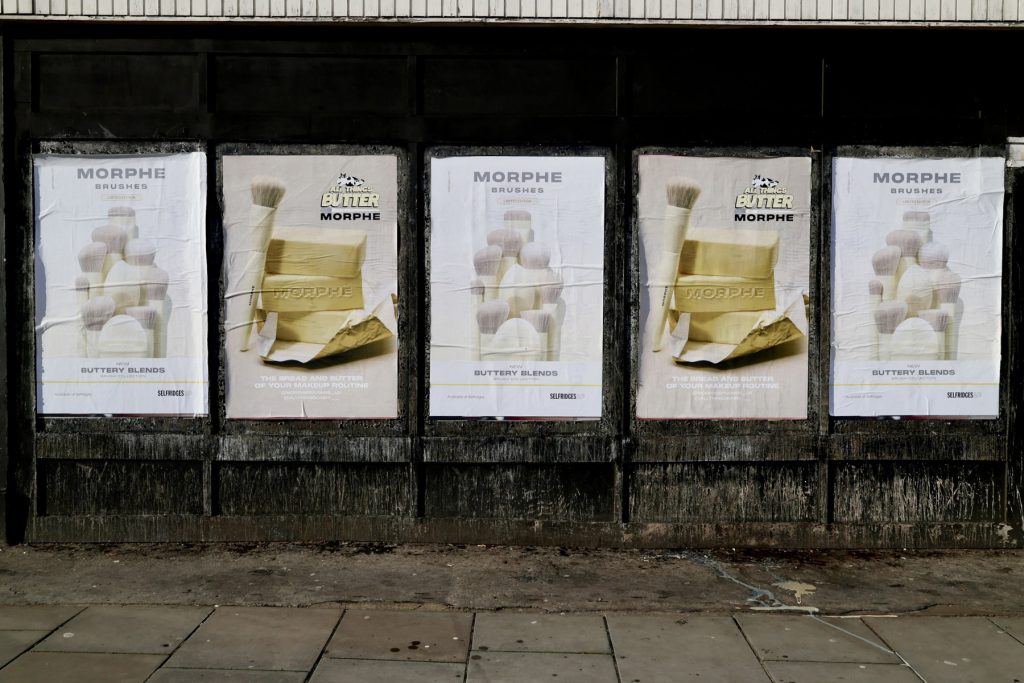
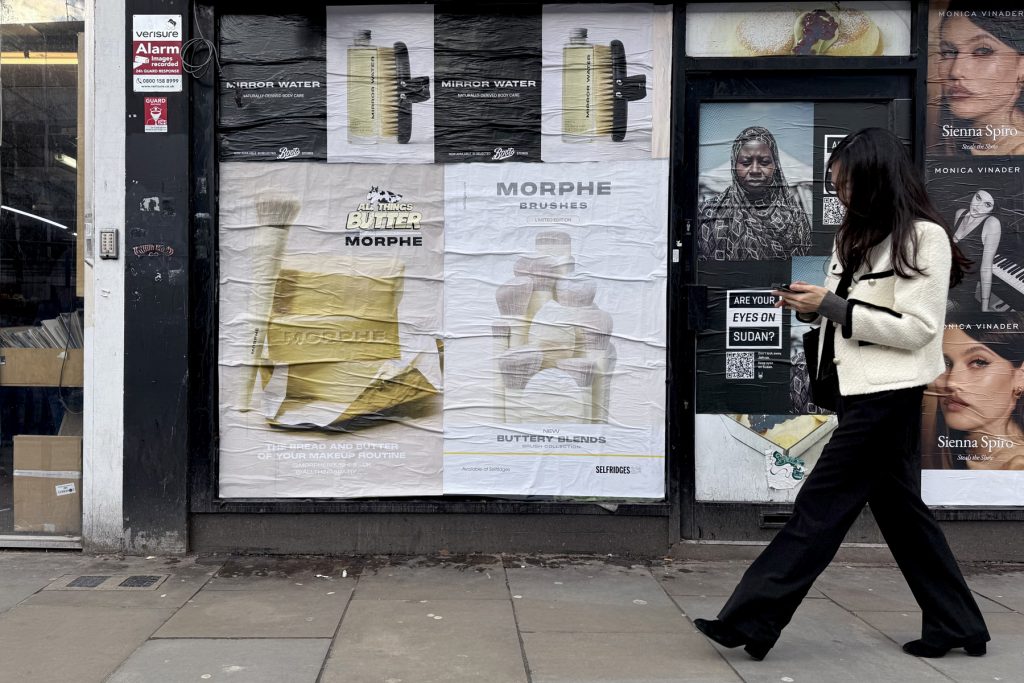
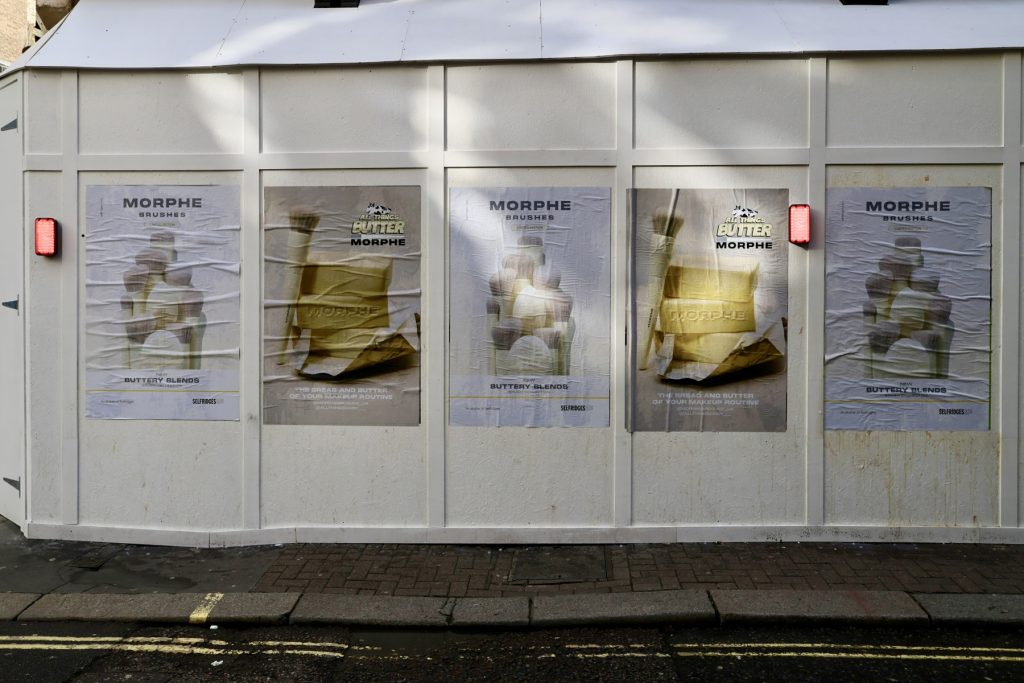
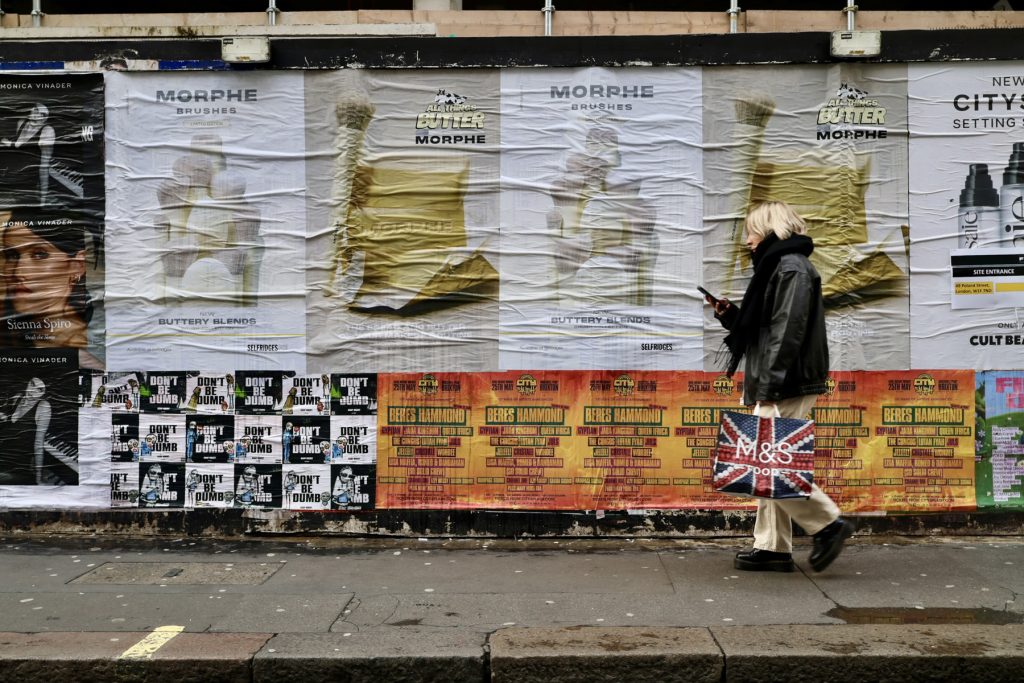
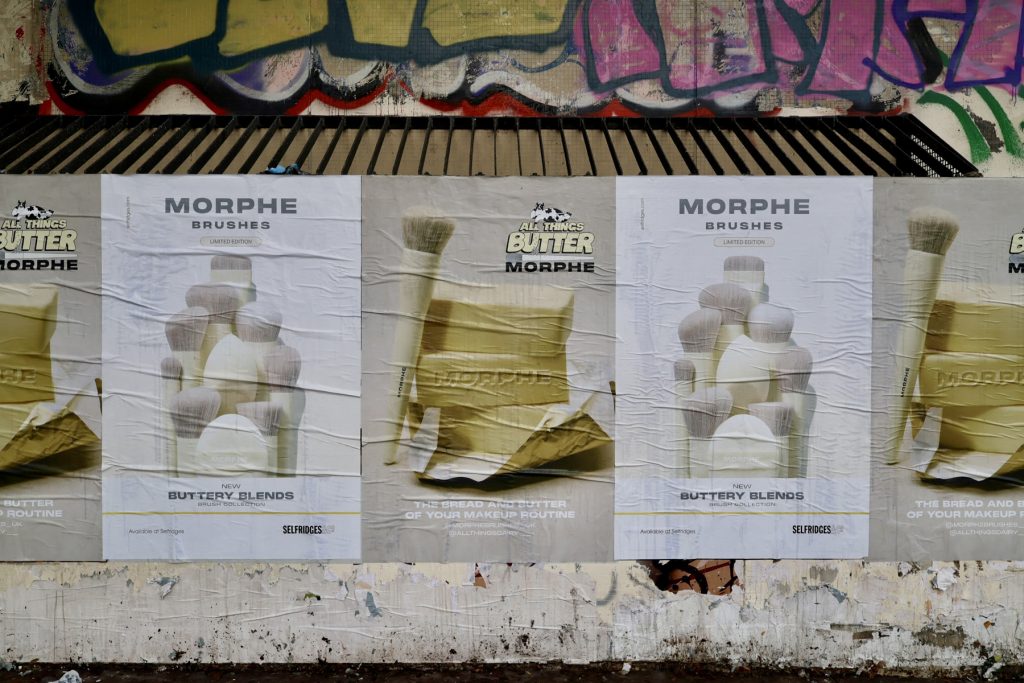
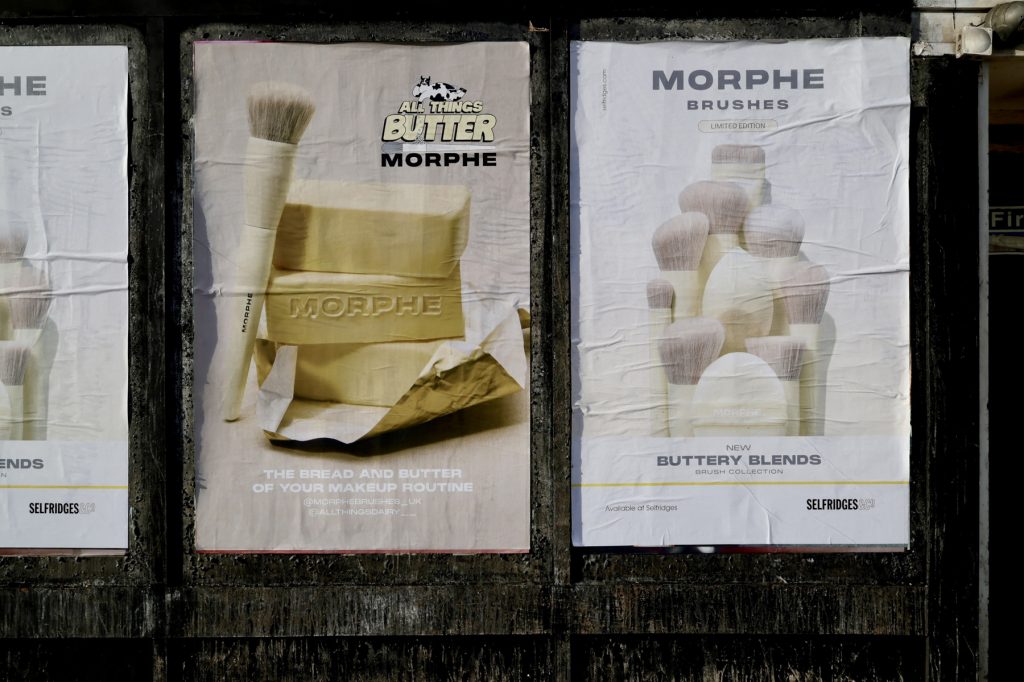
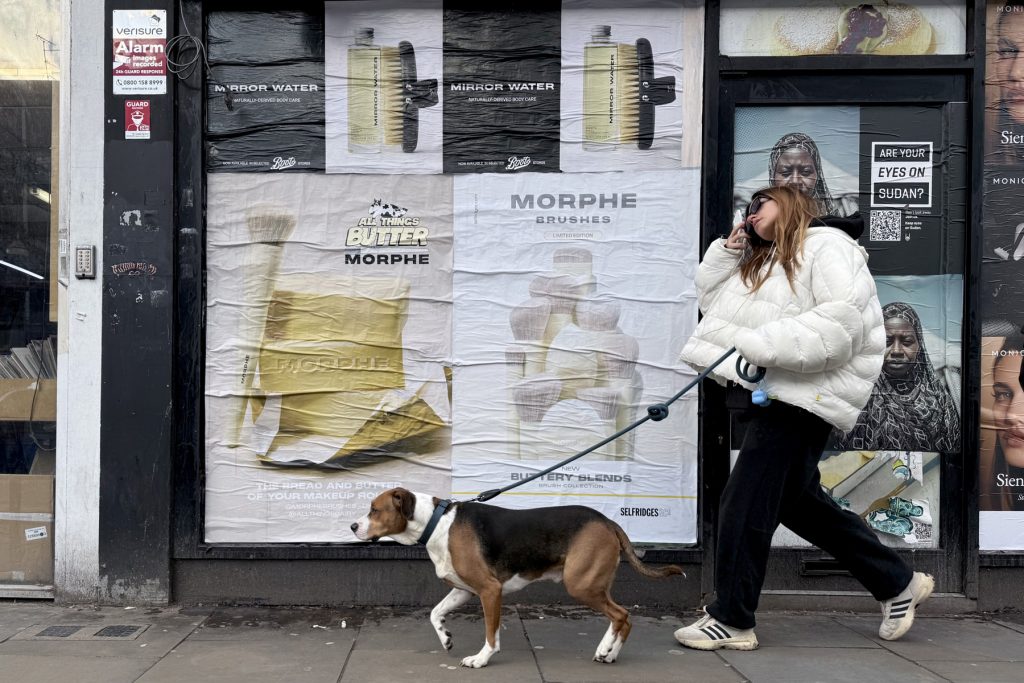
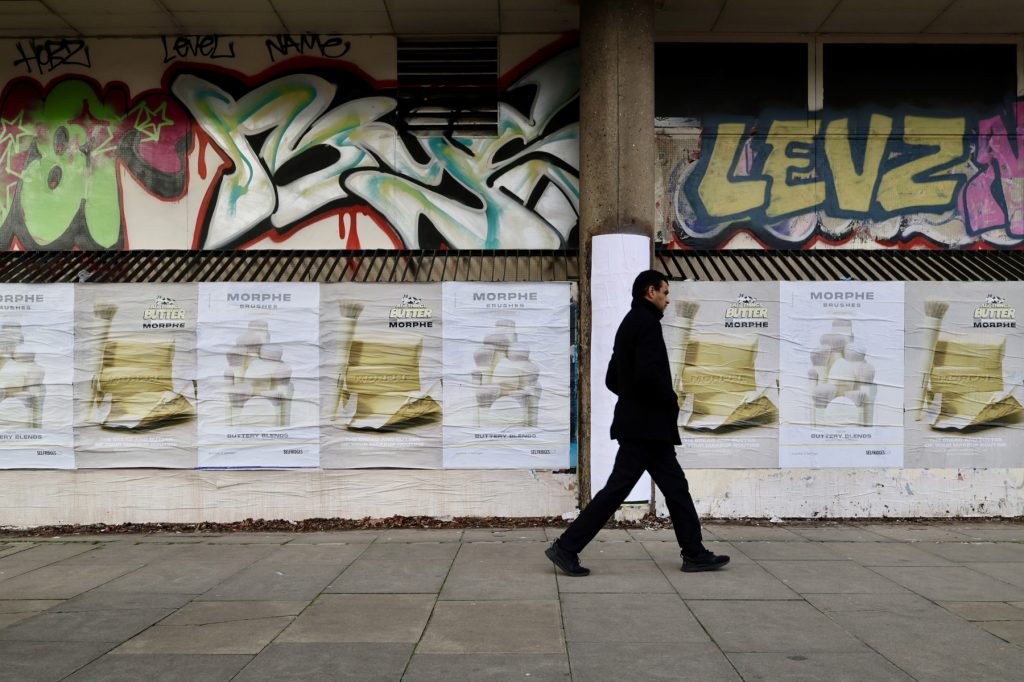
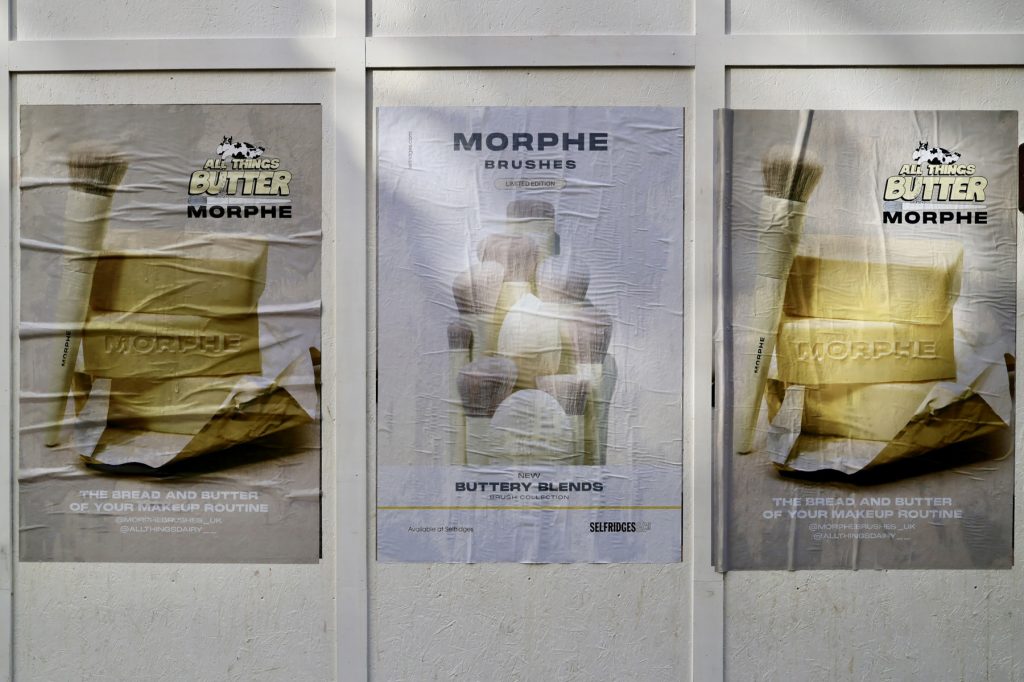
Morphe: Buttery Blend Brushes
UNCLE took the launch to the streets, flyposting across London, Manchester and Birmingham. Layered, repeated placements of creamy tones and product imagery let the buttery palette do the talking. This result cut through rough city textures while staying clean and composed for Morphe’s smoothest drop yet.
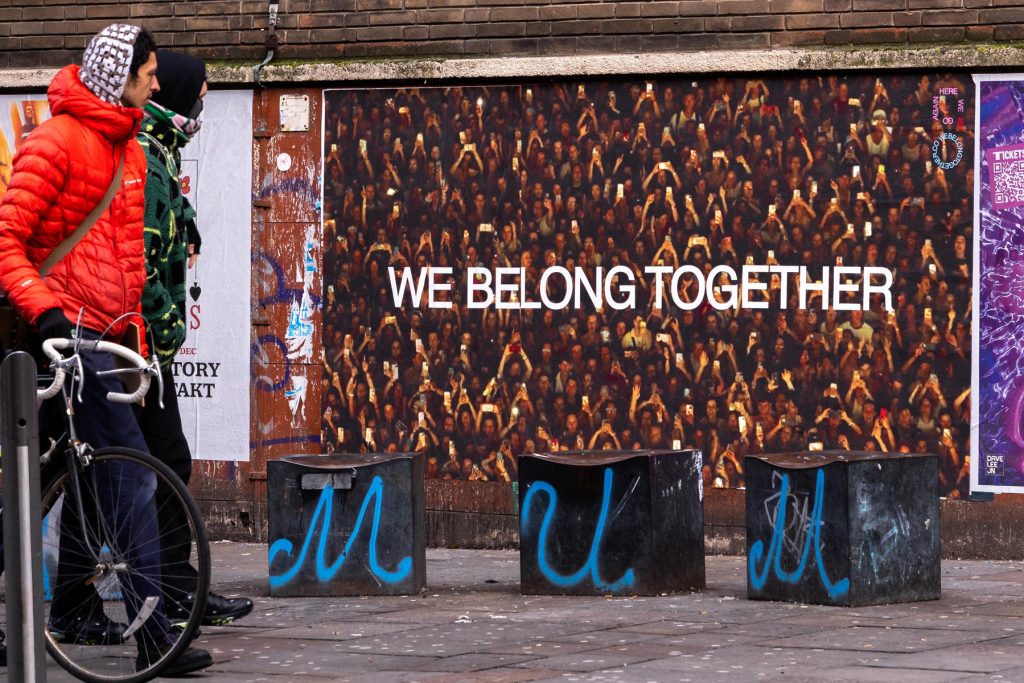
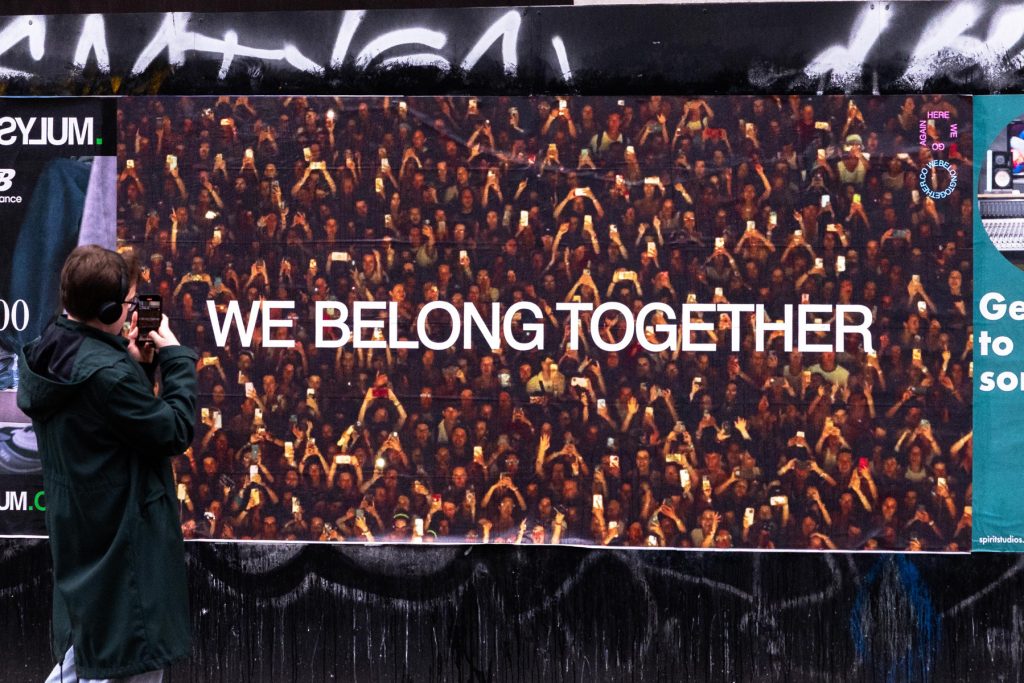
Harry Styles: Kiss All The Time. Disco, Occasionally.
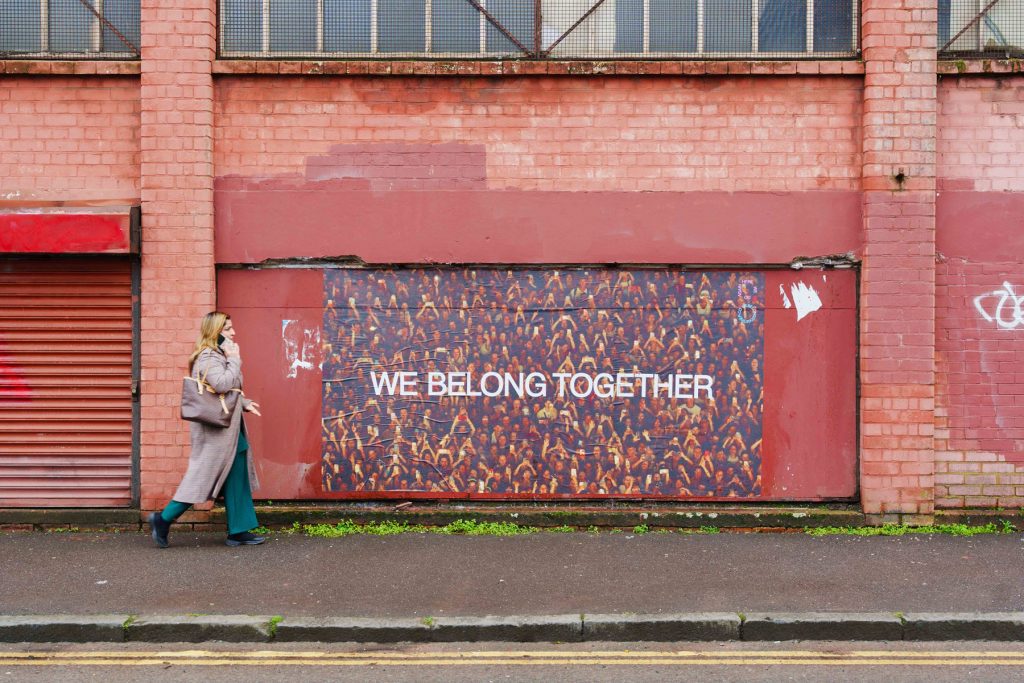
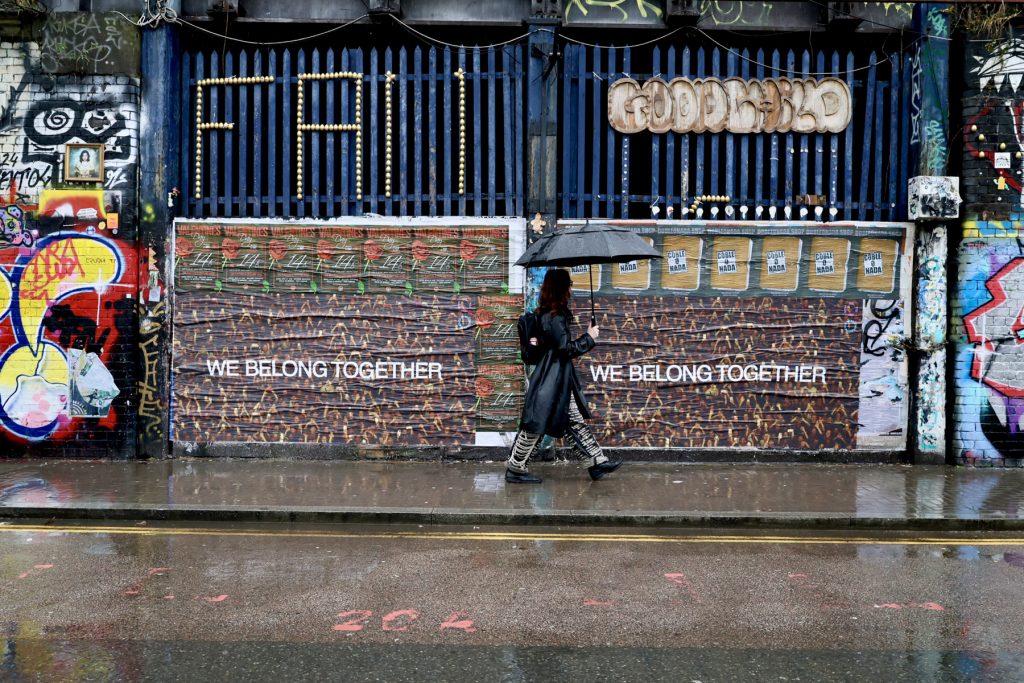
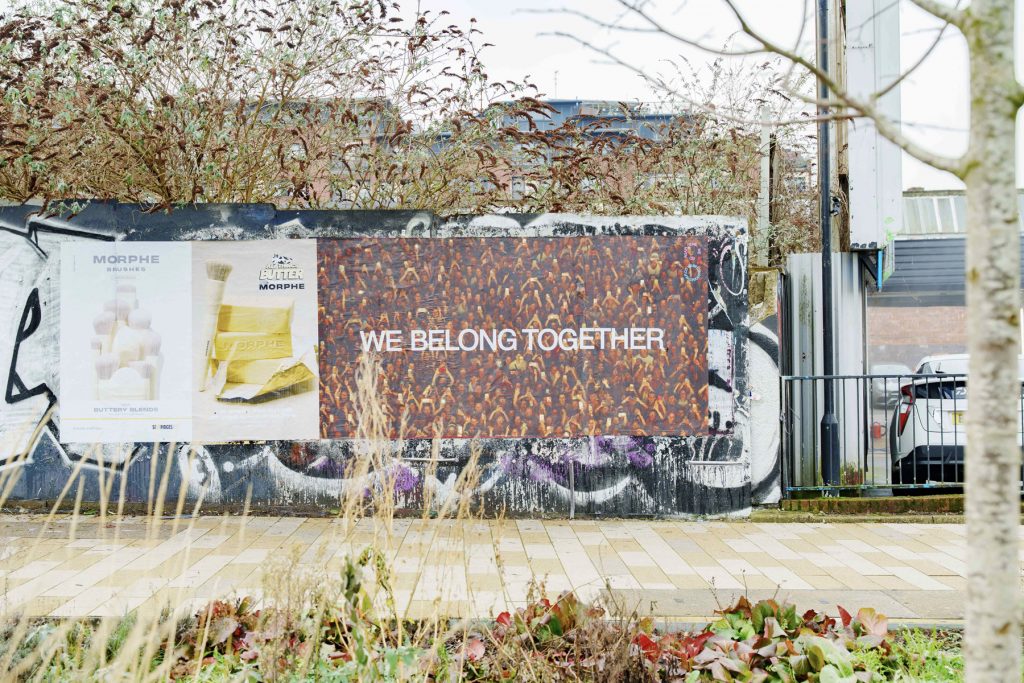
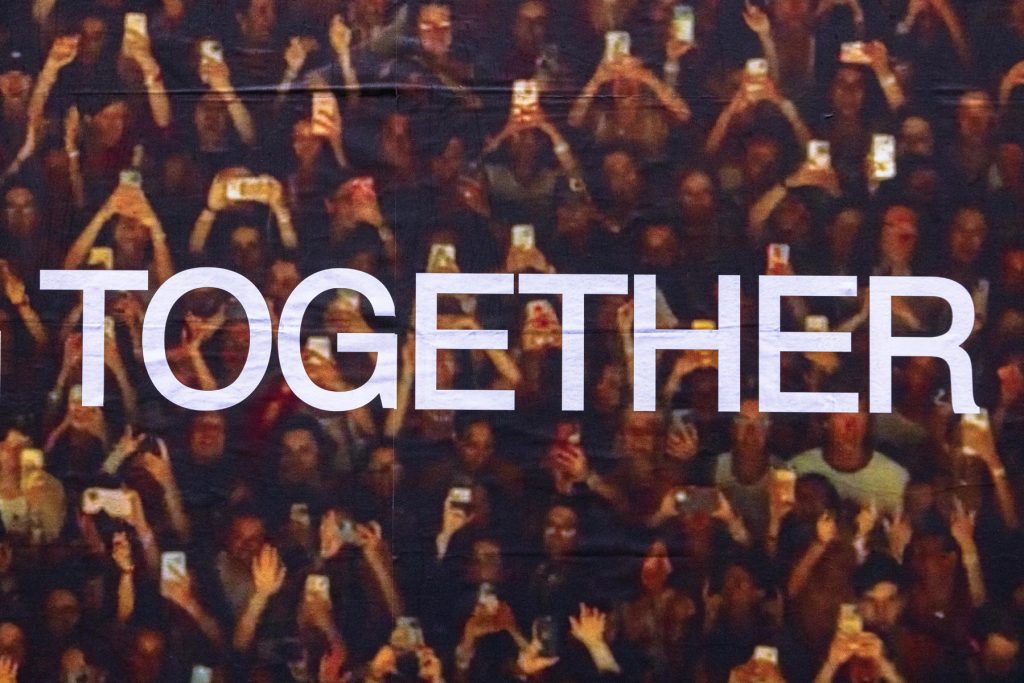
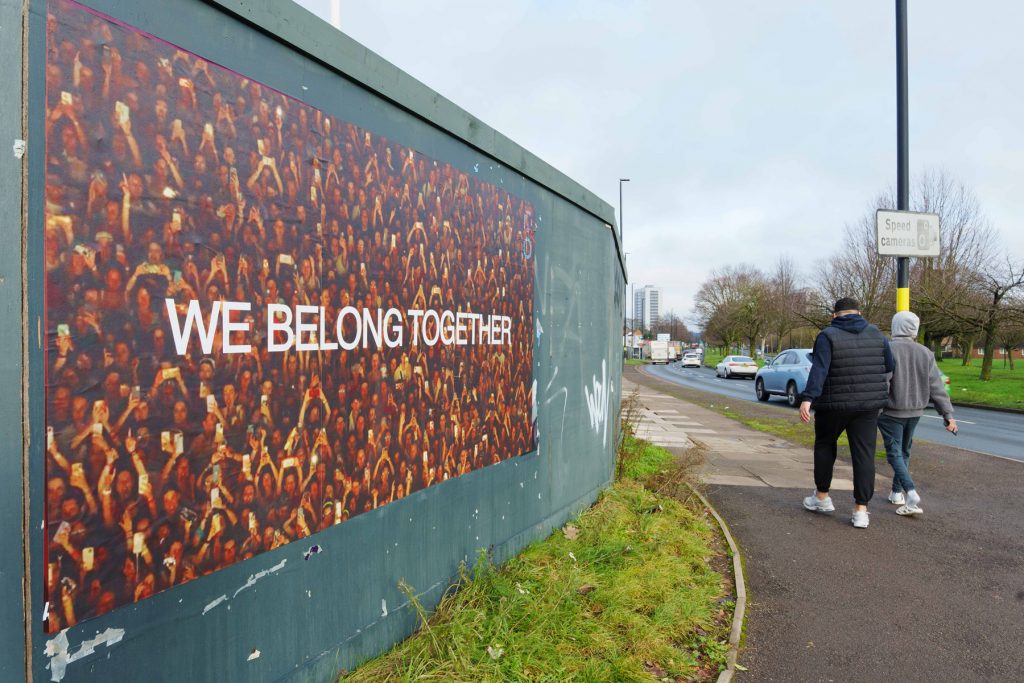
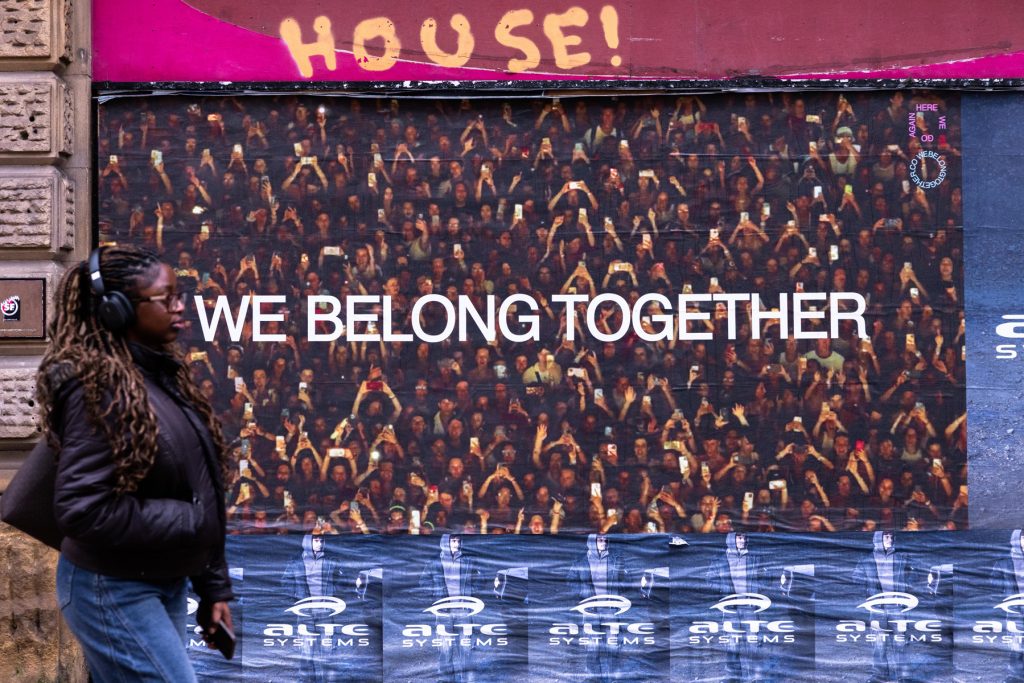
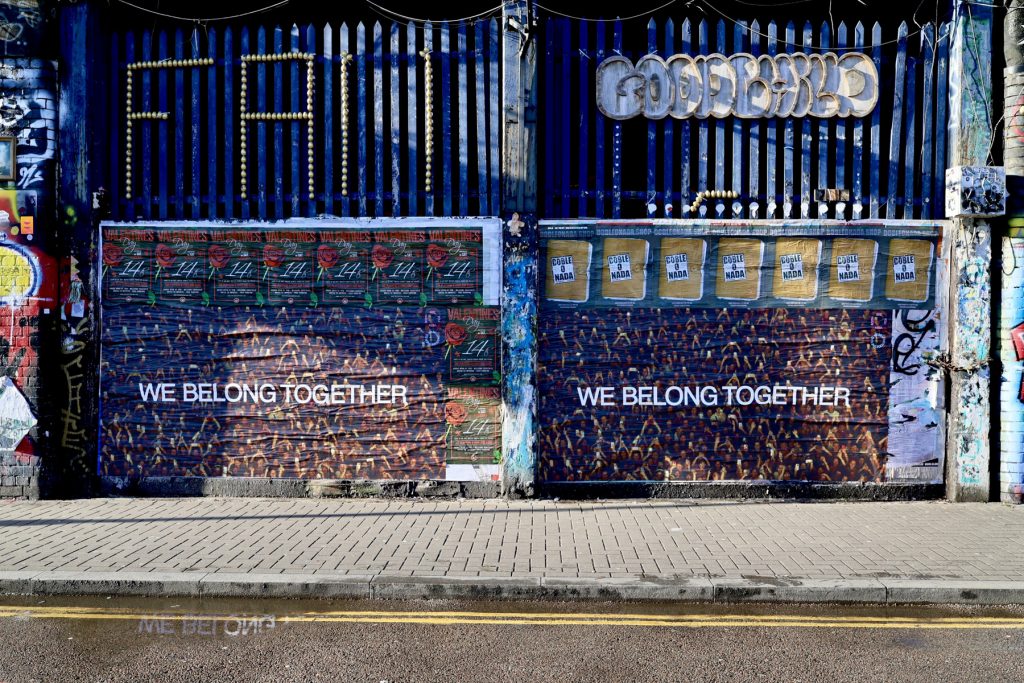
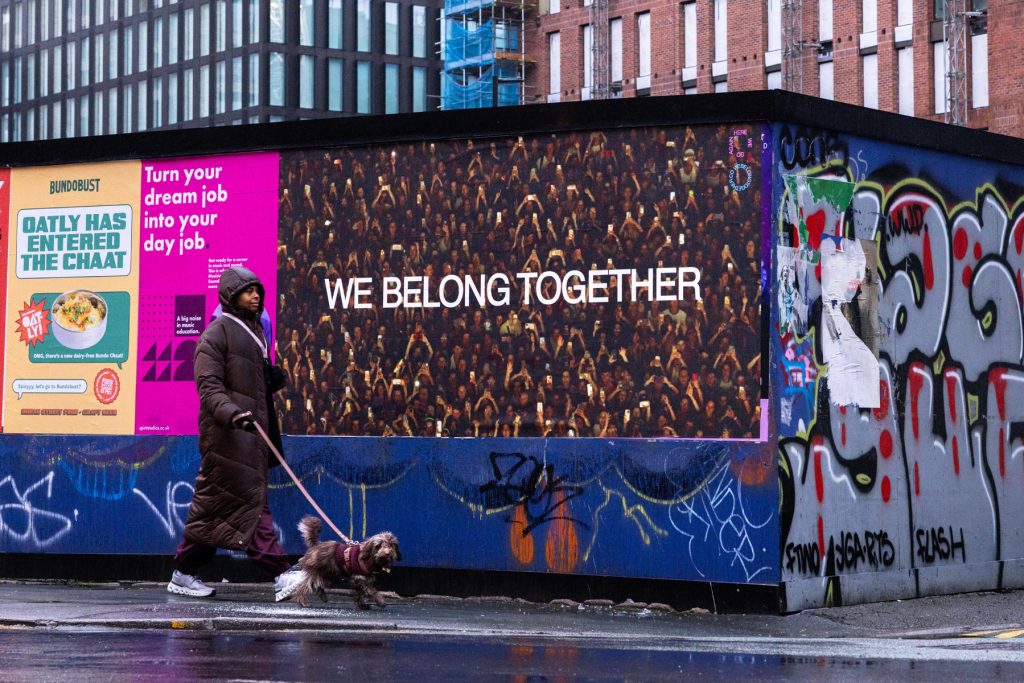
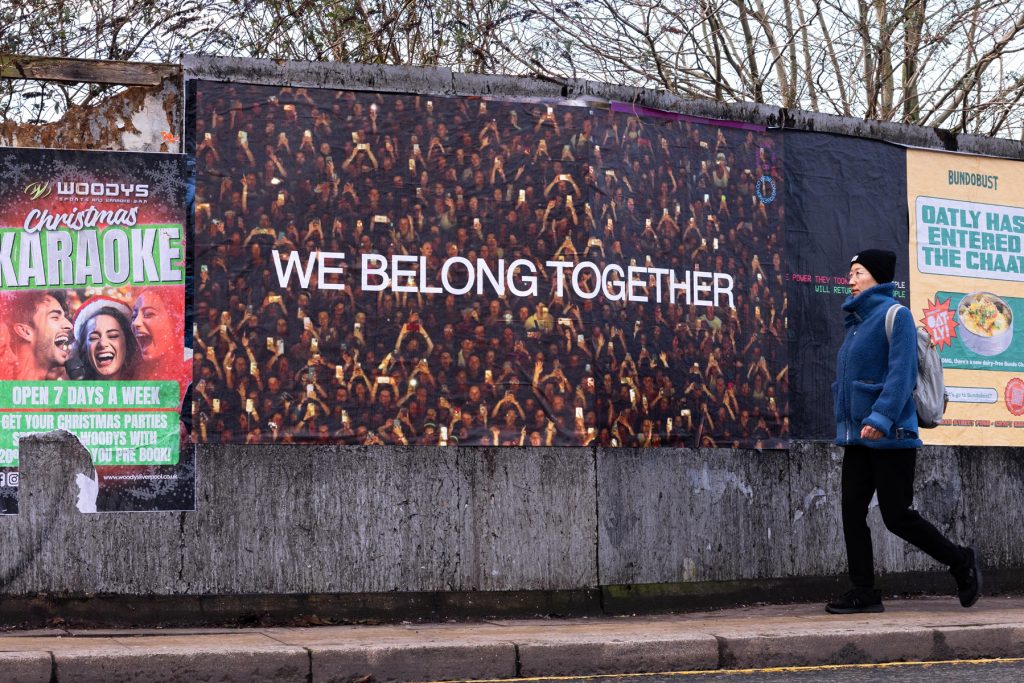
UNCLE worked with 7stars and Columbia Records as the on-the-ground team helping to bring this moment to life. Across London, Birmingham, Liverpool, Manchester and New York, large-format posters featuring crowd imagery and the words “WE BELONG TOGETHER” took over city walls. The result was a global moment of connection and community, meeting Styles’ audience exactly where they move, meet and live.
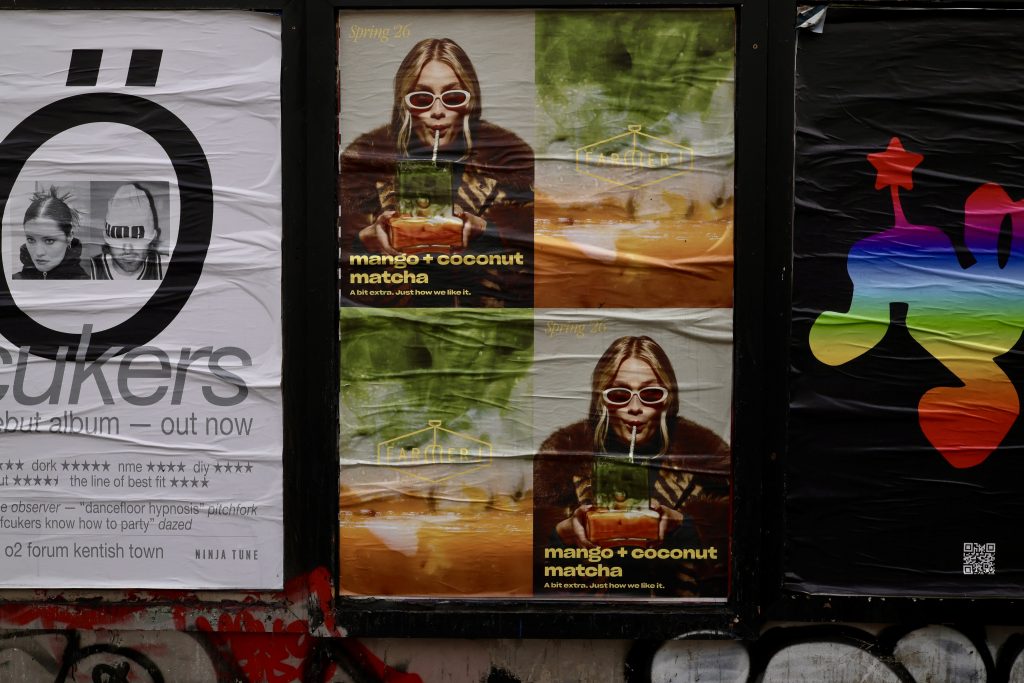
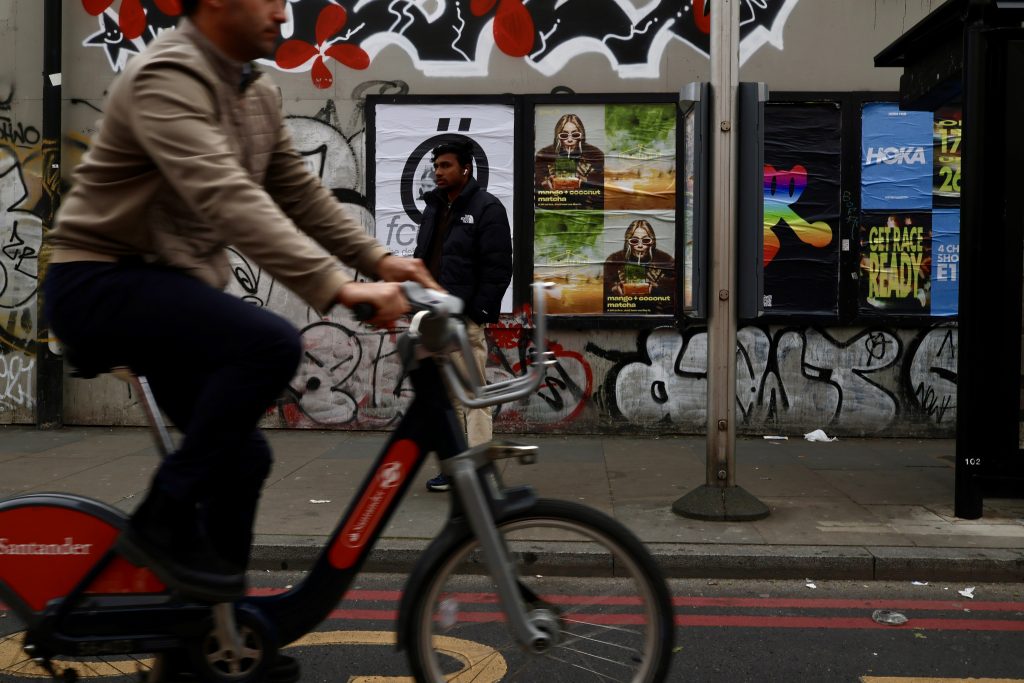
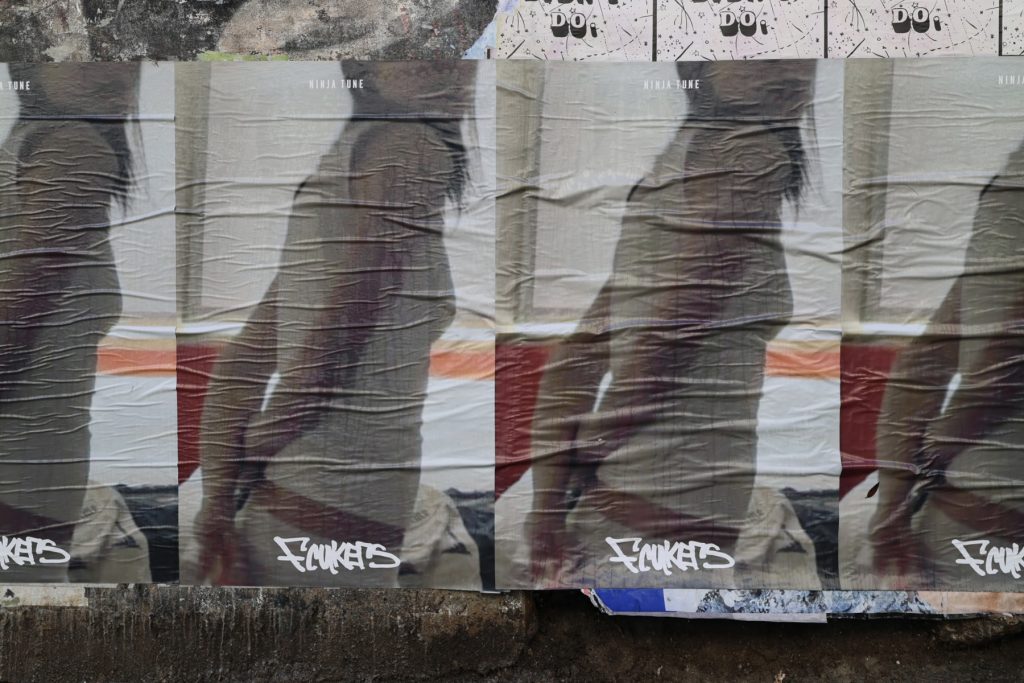
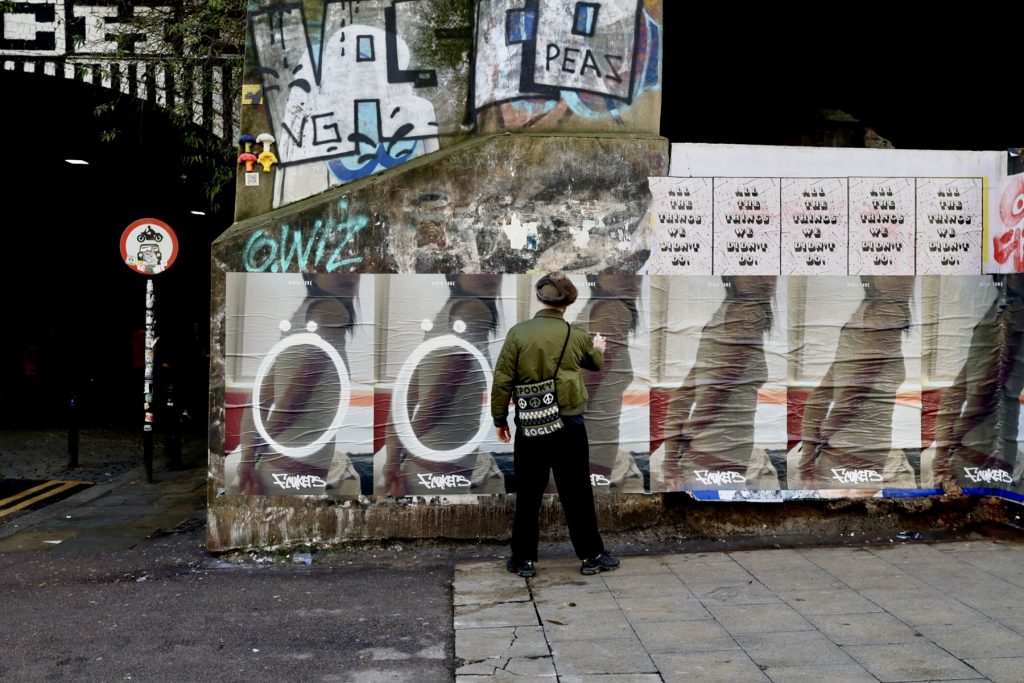
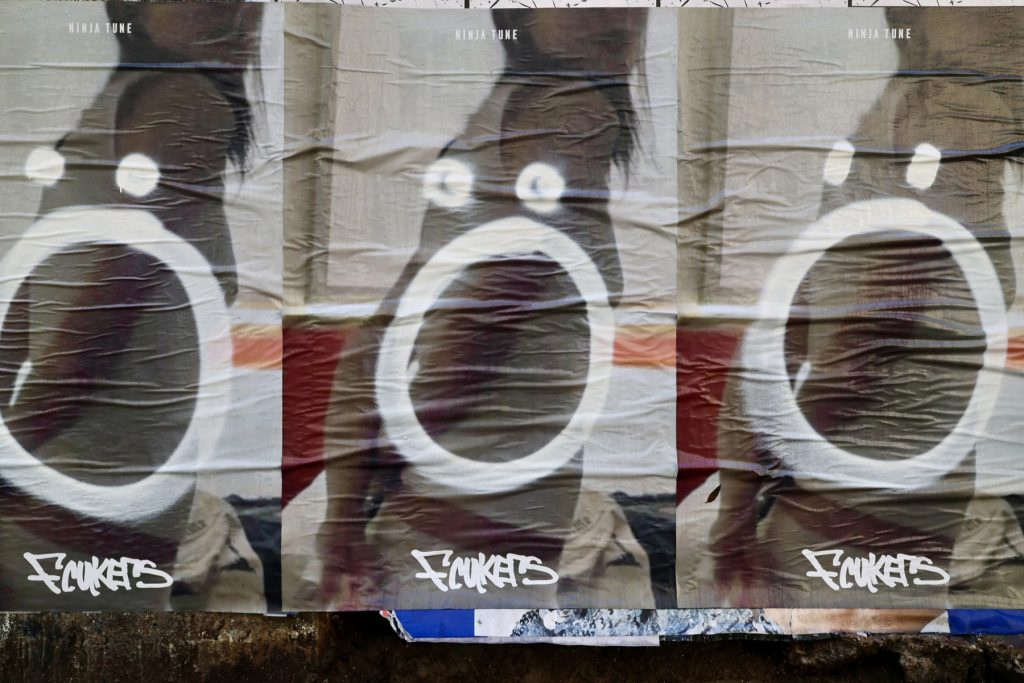
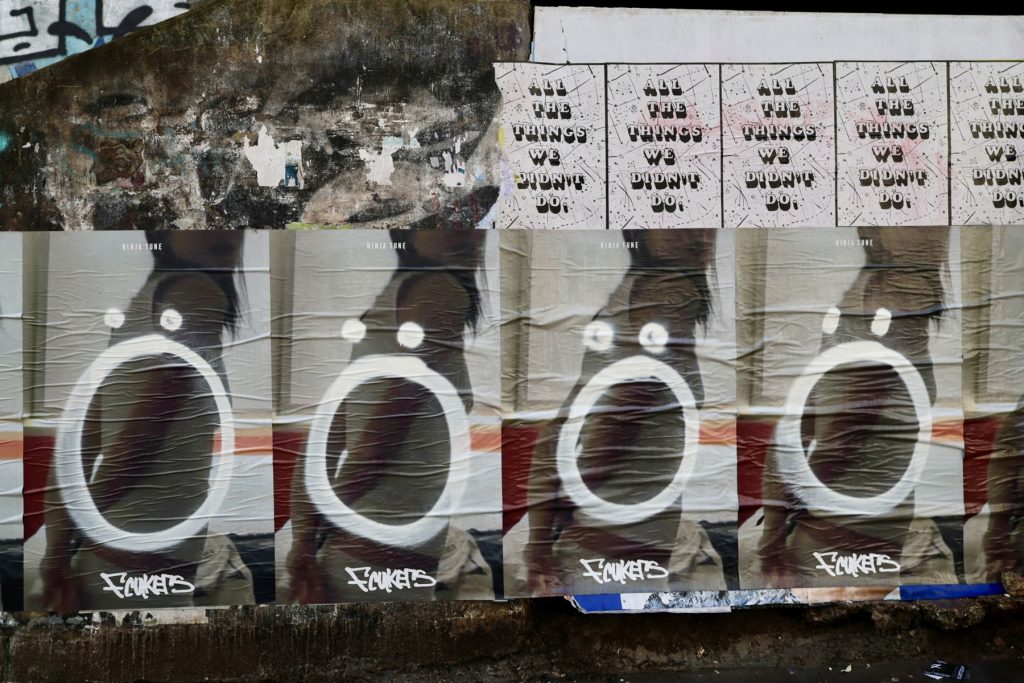
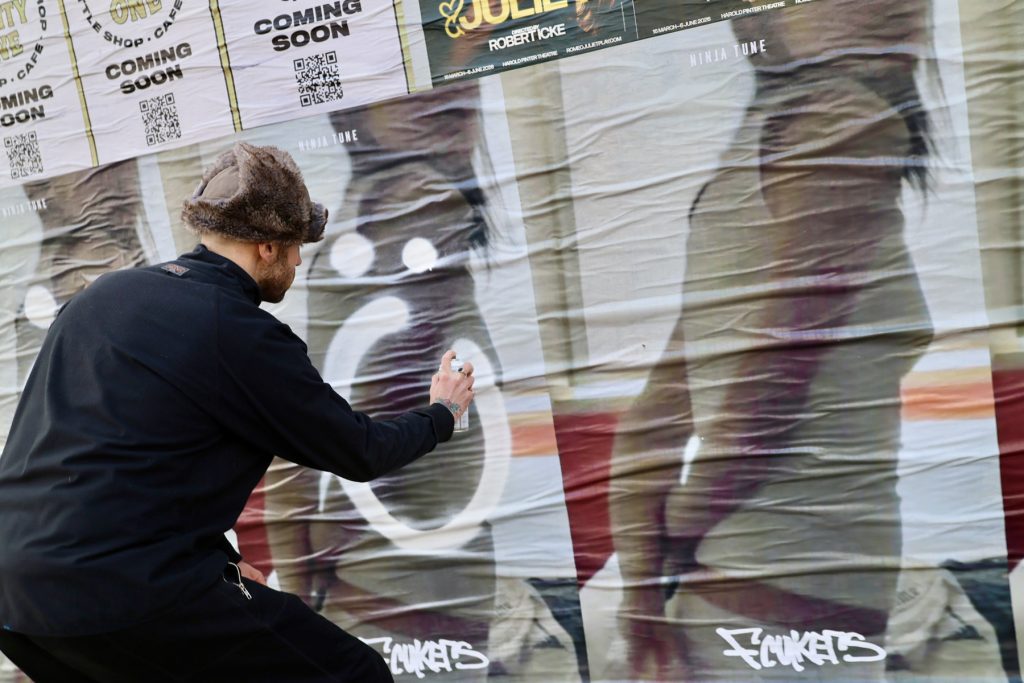
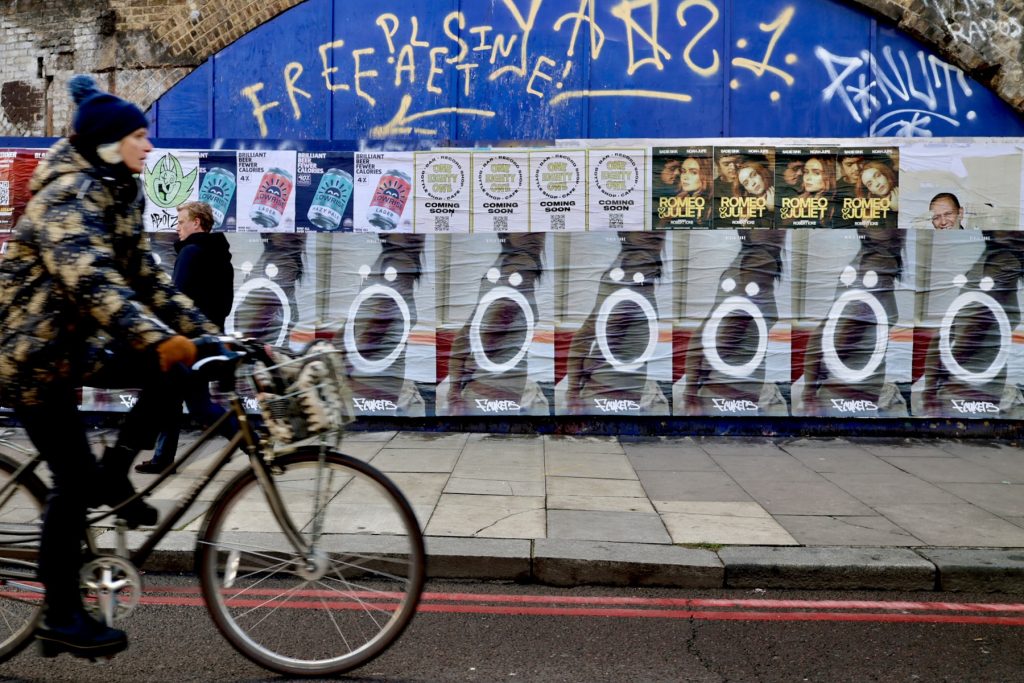
FCUKERS: Ö
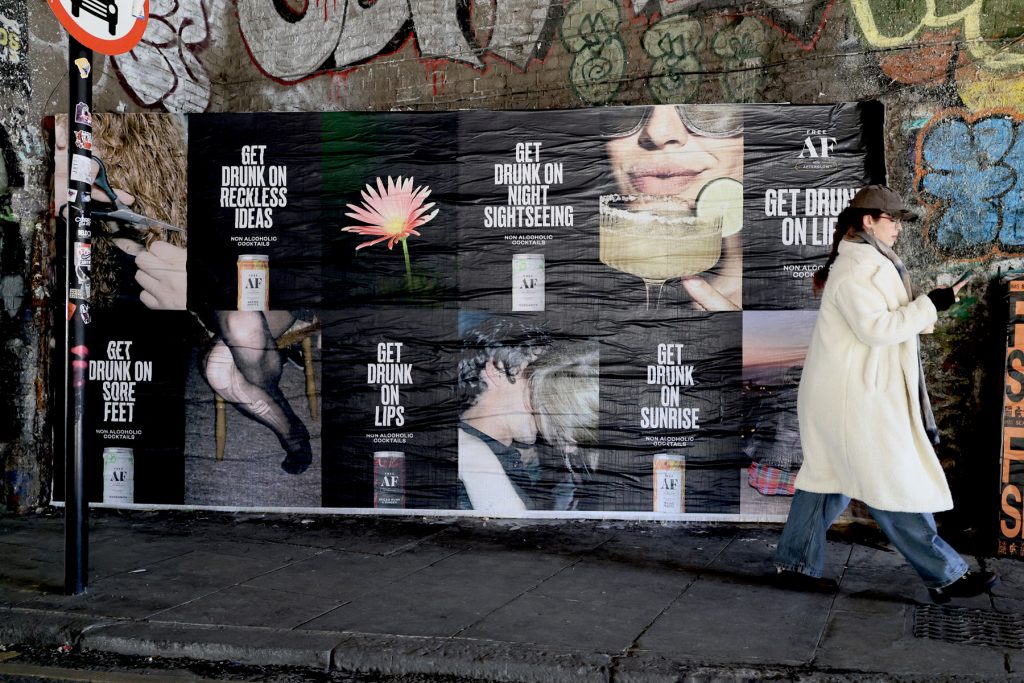
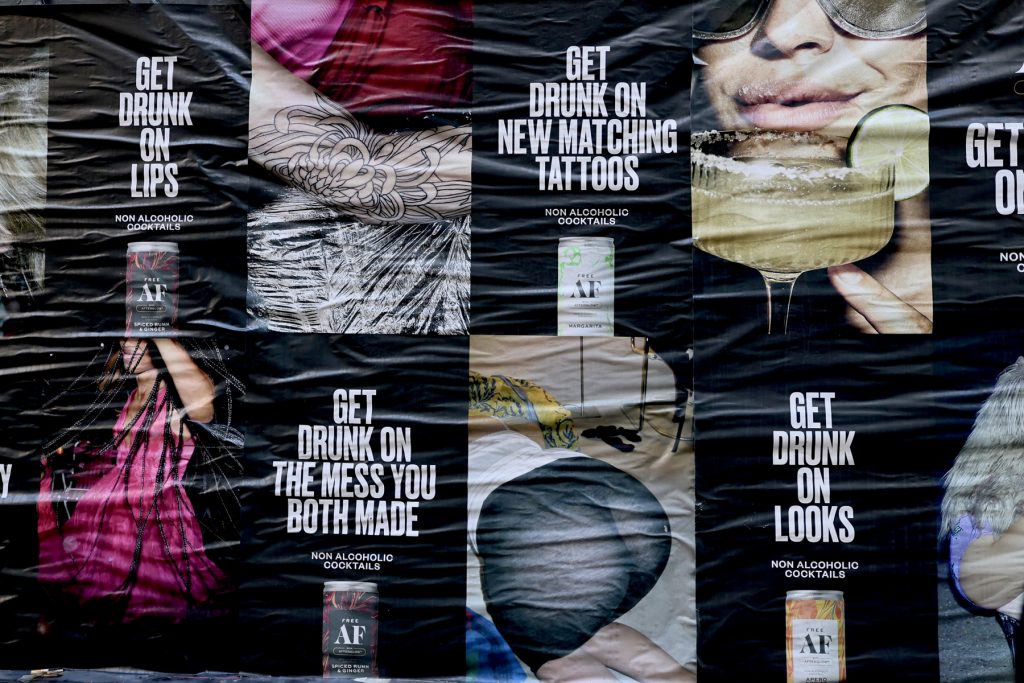
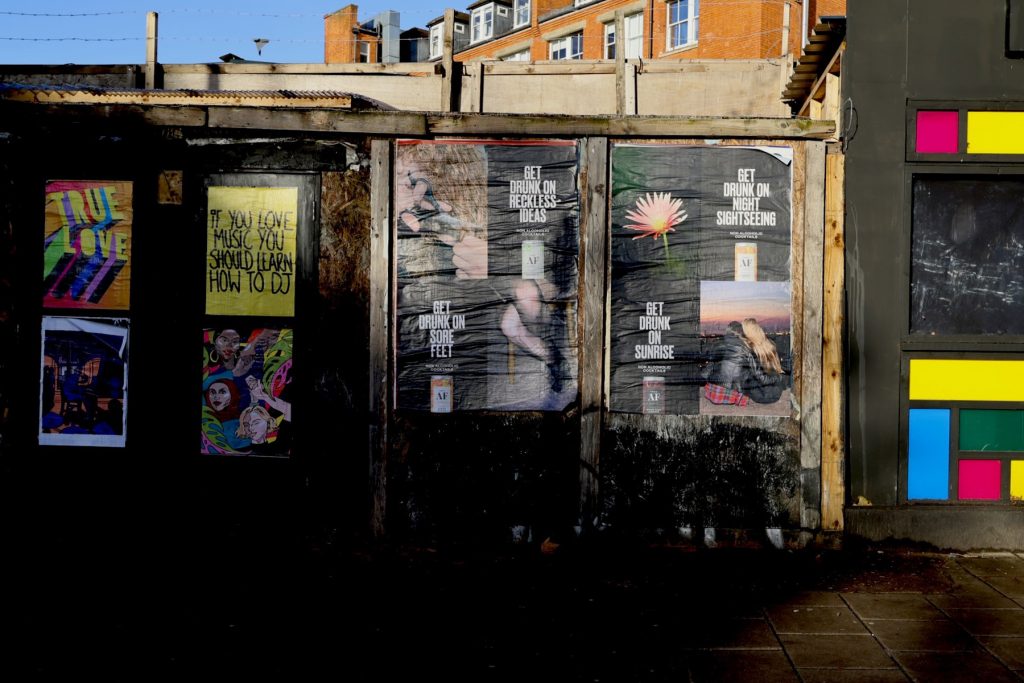
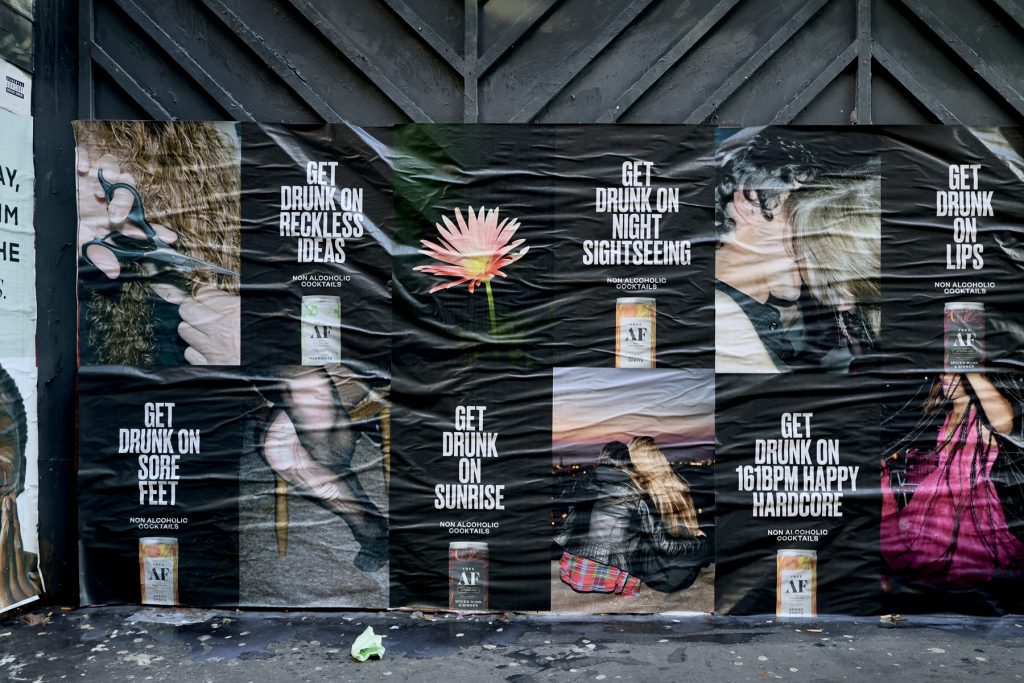
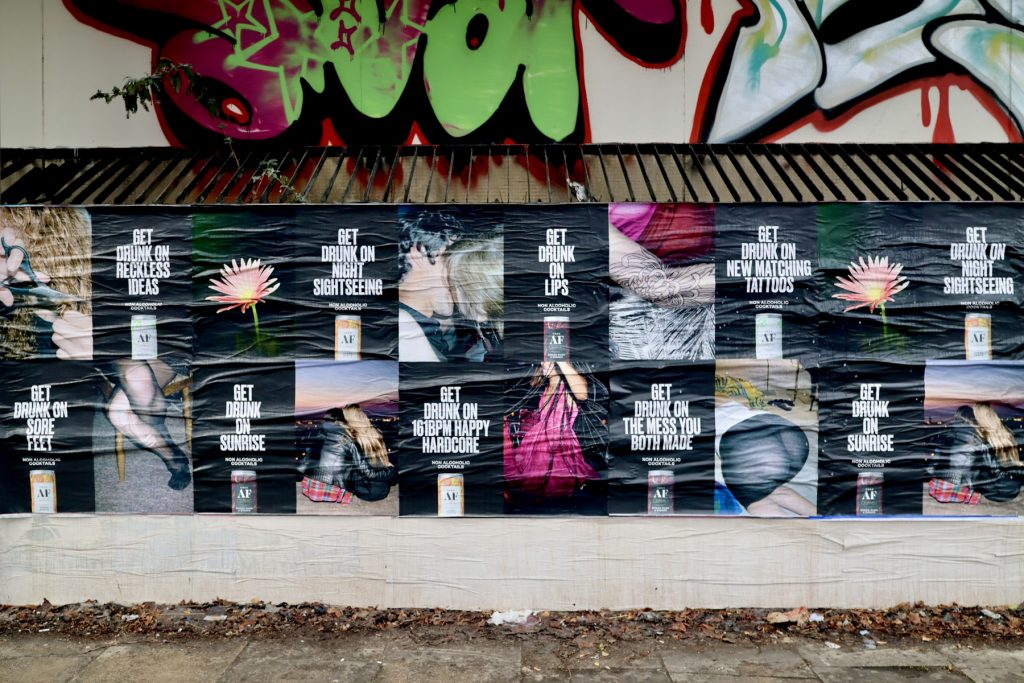
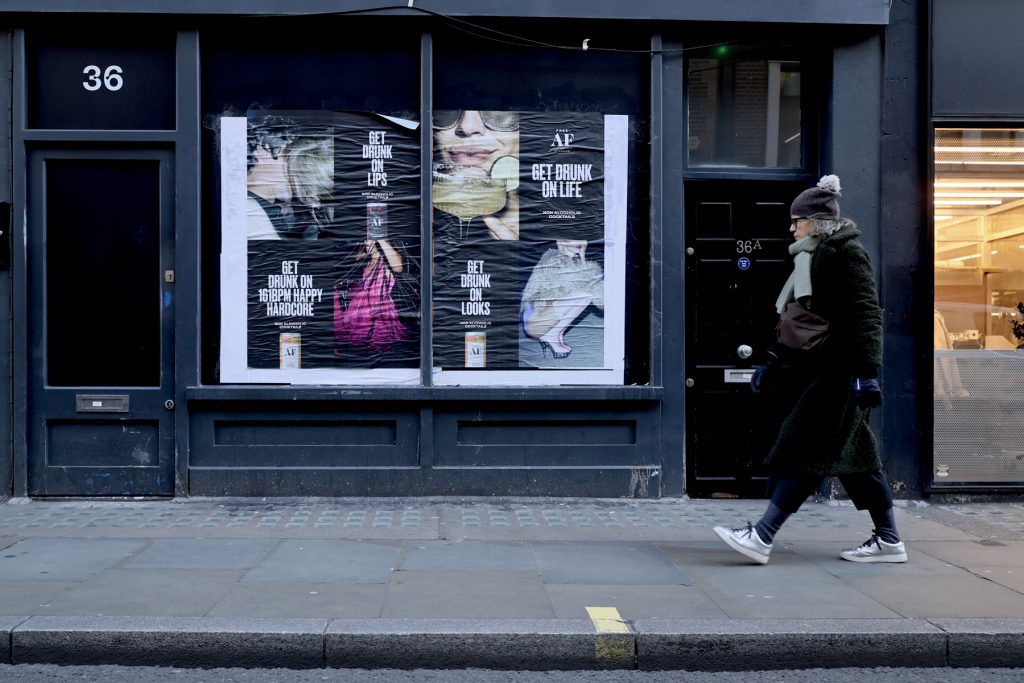
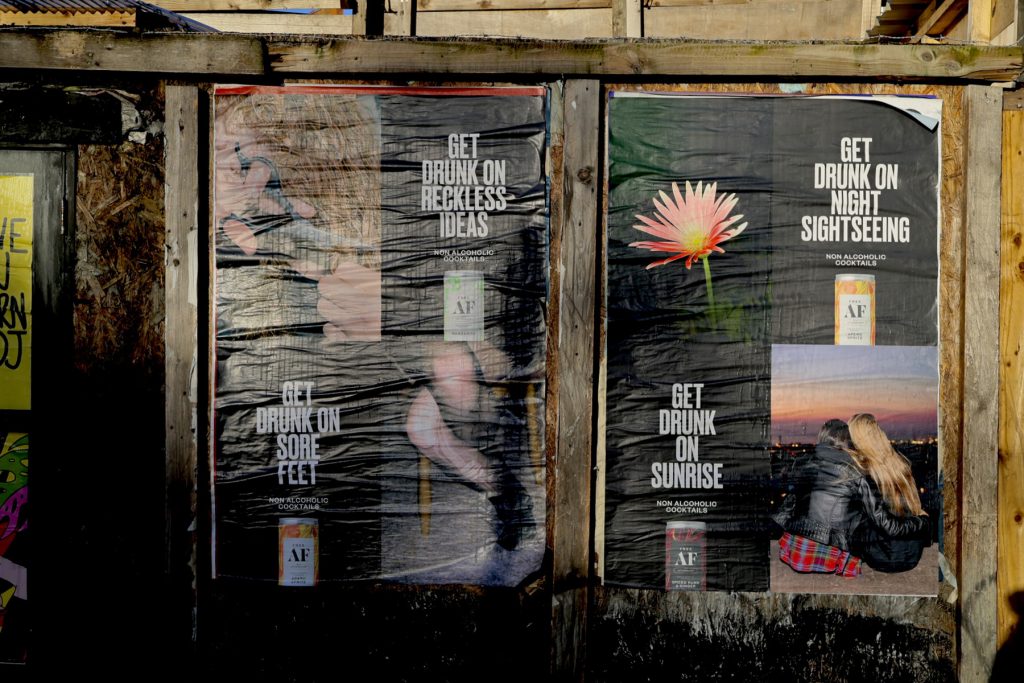
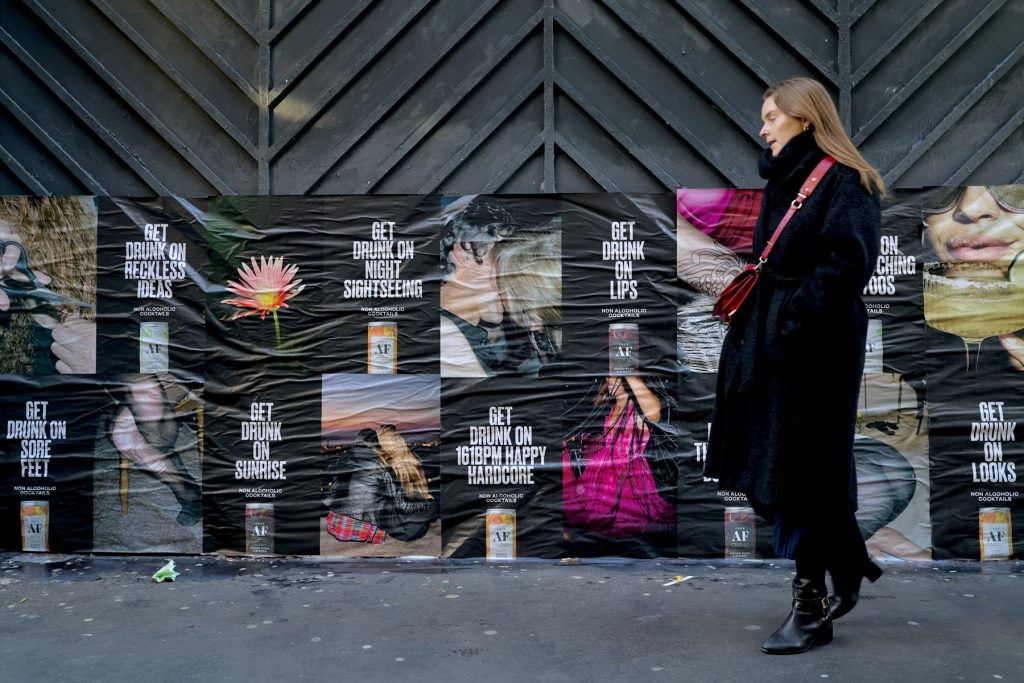
Free AF
London’s own Bar Italia, returned with Some like It Hot, the trio’s fifth studio album. Its a record that burns with romance, intrigue, self-discovery and rapture – music made for dark rooms and loud streets. Working with Beggars, UNCLE helped announce the album, and world tour of the same name, to the streets of the band’s stomping ground with visuals of the band framed in electric blue – contrasting against the city greys.
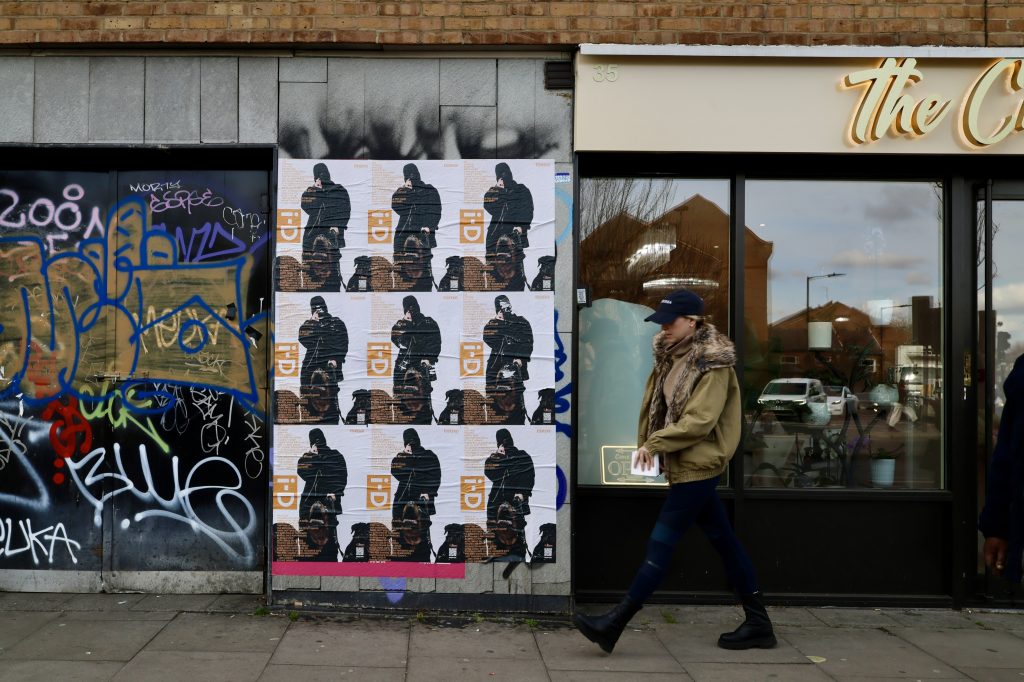
After four years of silence, Dave has just returned with The Boy Who Played The Harp. It’s an introspective comeback for the UK-rapper. Softer in sound yet sharper in message, it’s a story of reflection, growth and mastery, told by the kid who started it all – still searching for harmony in the noise. UNCLE and Neighbourhood Recording made sure the streets were ready for this welcome return with a campaign split over two phases. Phase one showcased the artwork’s poetic visuals, while phase two saw portraits of Dave and the album’s co-collaborators in a campaign that felt more like presence than promotion. A reminder that sometimes the loudest thing in the city is quiet confidence – and no one carries that better than Dave.
Welcome to i-D’s Beta Issue, a tribute to the Generation Beta kids born in 2025. On the face of it, Paris Hilton. An icon who has long been seen as the face of a new millennium. To make a mark for Issue 375, UNCLE hit London hard with B2 blocks of it-girl Paris.
Soul-electronic collective Leisure, hailing from New Zealand, announced their fifth studio album earlier this month. Welcome To The Mood refines their soulful ethos into a new chapter rooted in togetherness, authenticity, humanity and creative celebration. To bring news to London, UNCLE worked with Nettwerk on a multi-format campaign designed to be seen. B2 blocks covered the walls of London, while chalk stencils lined the pavement, giving the new release a floor-to-wall coverage.
To launch the innovative partnership between Zara Home and Collagerie, UNCLE ran a London flyposting campaign that showcased the vibrant designs of their new homewares collection on the streets. The collection sees the contemporary elegance of Zara Home merge with the craftsmanship of Collagerie. To celebrate, we pasted the city walls in sumptuous prints that turned heads and brightened the days of passersby.
Billie Eilish: Your Turn
With sultry monochromatic imagery of Eilish posed with loaded dice, UNCLE brought Lynchian drama to the streets of London and Manchester, stopping passersby in their tracks and daring them to take their turn.
Hugo x Slawn
Self Space Social
BYOMA
Get to know your skin, up close and personal. BYOMA are skin barrier specialists. With a range of products available, to cover your whole routine, they are on a mission to simplify routines and build barriers (of only the good kind). UNCLE took over the streets with a variety of formats. Featuring in your face visuals, the campaign broke the fourth wall. Your skin needs you.
Kylie Minogue: Lovers
For all the lovers, this is for you. Australian pop star Kylie Minogue has introduced a new fragrance line, LOVERS. It’s a tribute to connection and love in its many forms – romantic, platonic and personal.
Through a blend of formats, a mirrored creative reflecting the two scents, and a targeted flyposting campaign across key London locations, UNCLE made sure it was love at first sight.
Travelling never looked better, thanks to Db Journey. Designed in Scandinavia but built for the journey, Db has been refining travel gear with intent. Outdoor functionality meets urban sophistication.
Through flyposting, UNCLE welcomed Db back to where it all took off – in the streets and parks of Stockholm. It didn’t stop there though; with a supportive wall-to-wall campaign across London. All thanks to fly.
Coming together with a common objective, Birkenstock and Maharishi have redefined the relationship between nature and technology with this one. Introducing the Mogami Terra Tech – a collection that merges Eastern and Western influences with a truly modern aesthetic. Through flyposting, UNCLE delivered news of this collaboration deep into the streets of where those who would listen, live – London and New York.
25 years ago Damon Alban’s Gorillaz stepped onto the scene, bringing with a collection a cartoon lore that has lasted the ages. Part of that lore is Kong, the band’s original home studio that sits atop a hill in Essex. Welcome to the House of Kong, an exhibition like no other as seen in blocks of fly all over London.
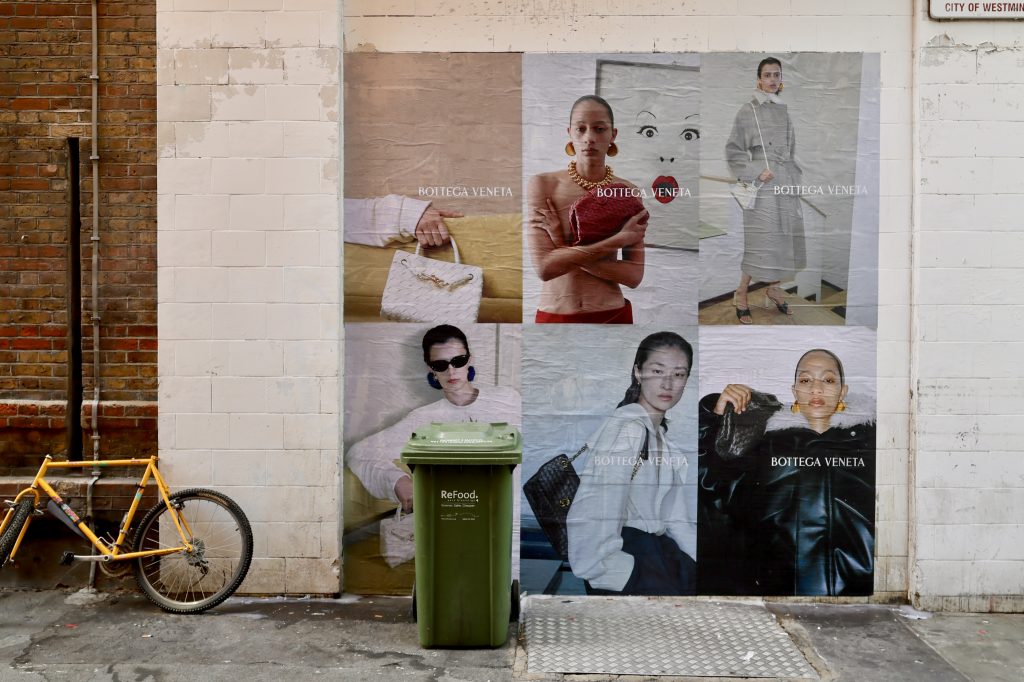
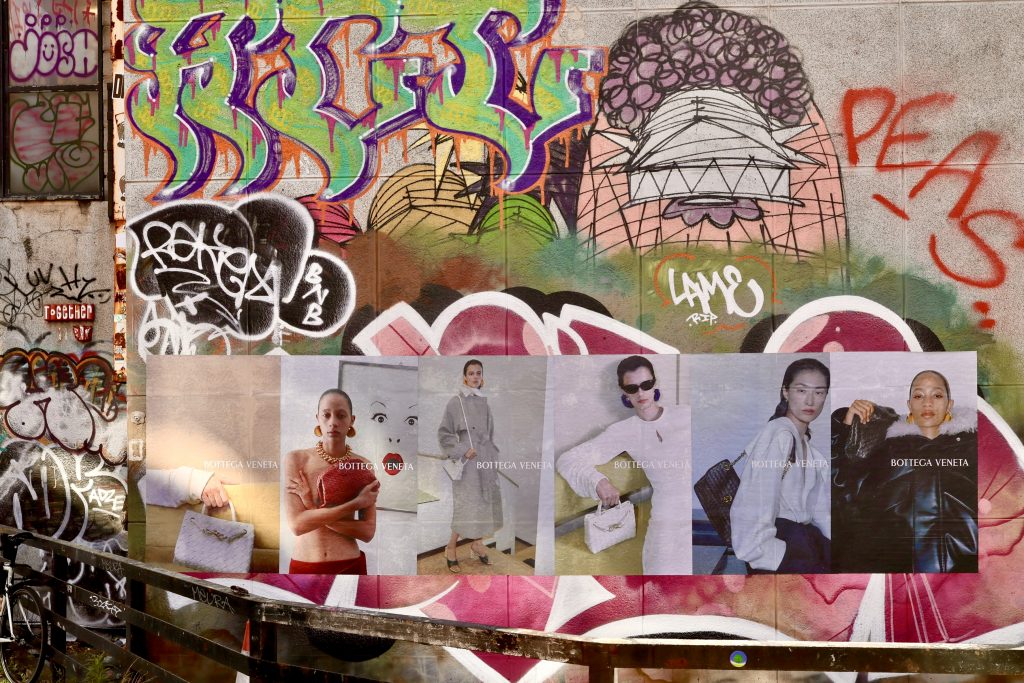
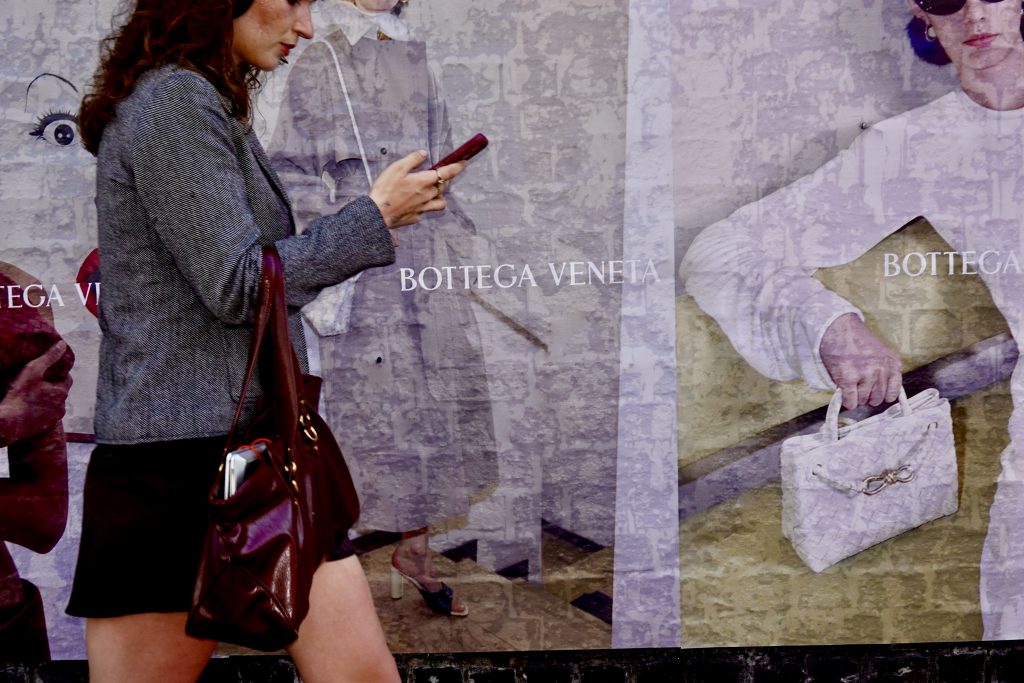
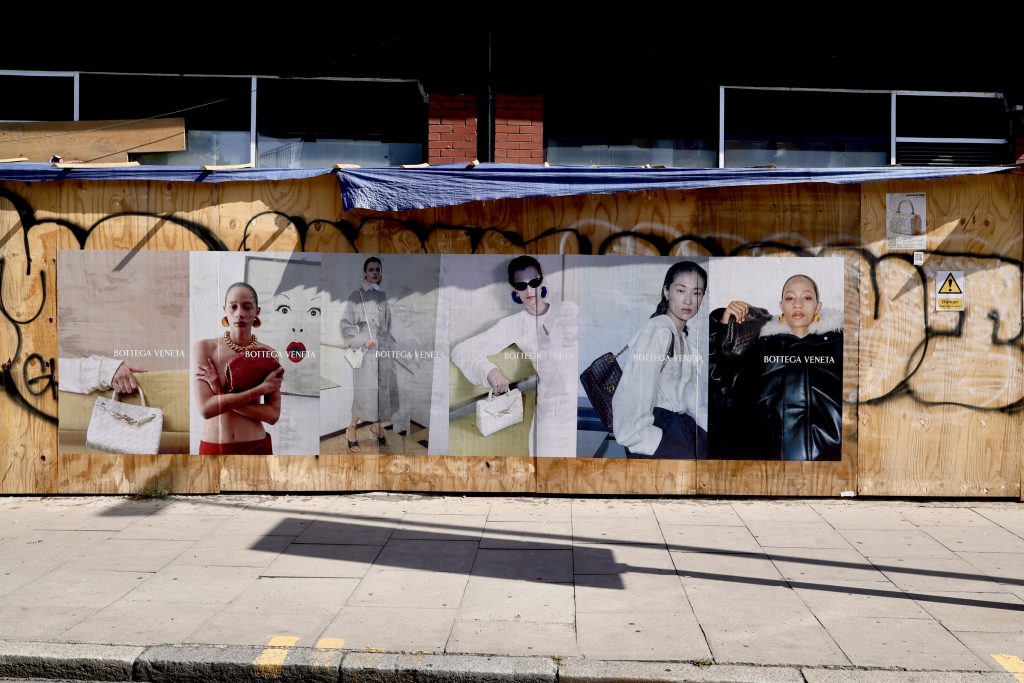
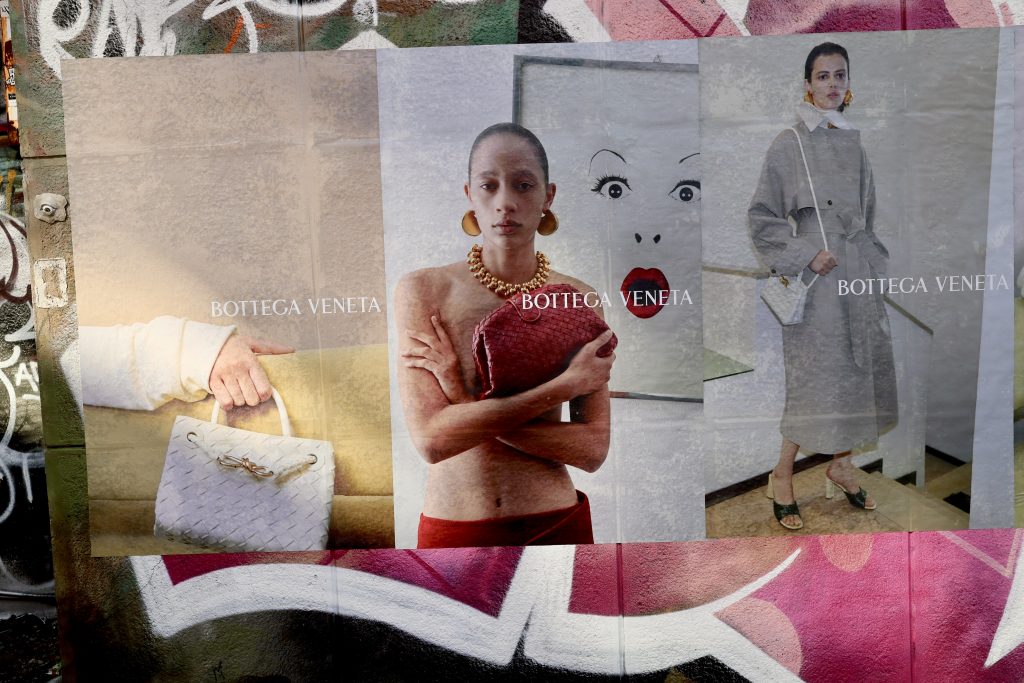
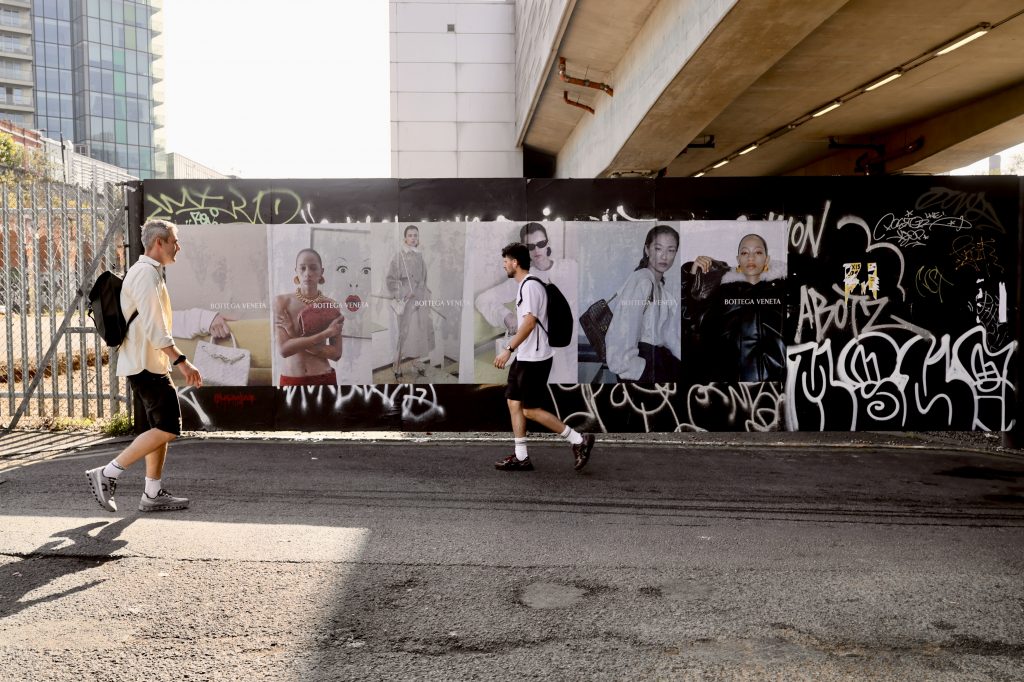
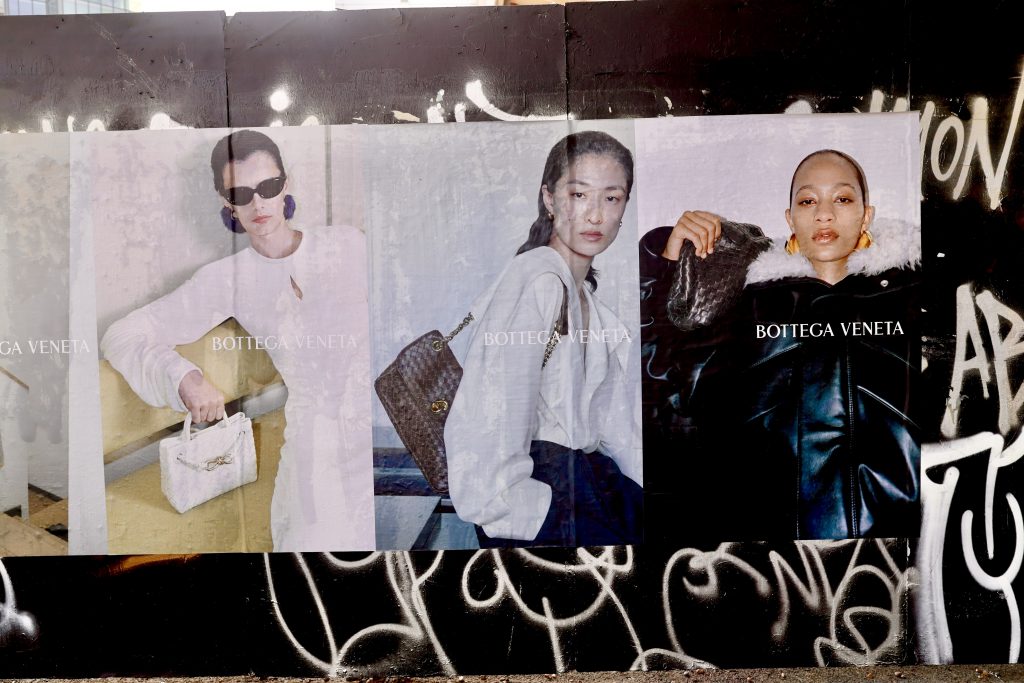
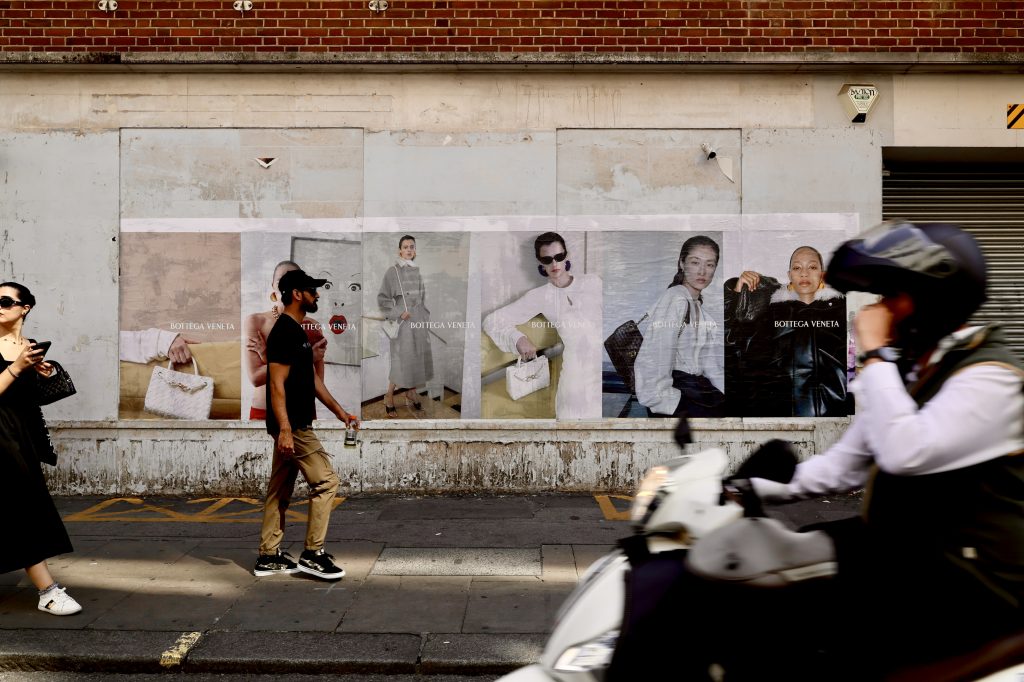
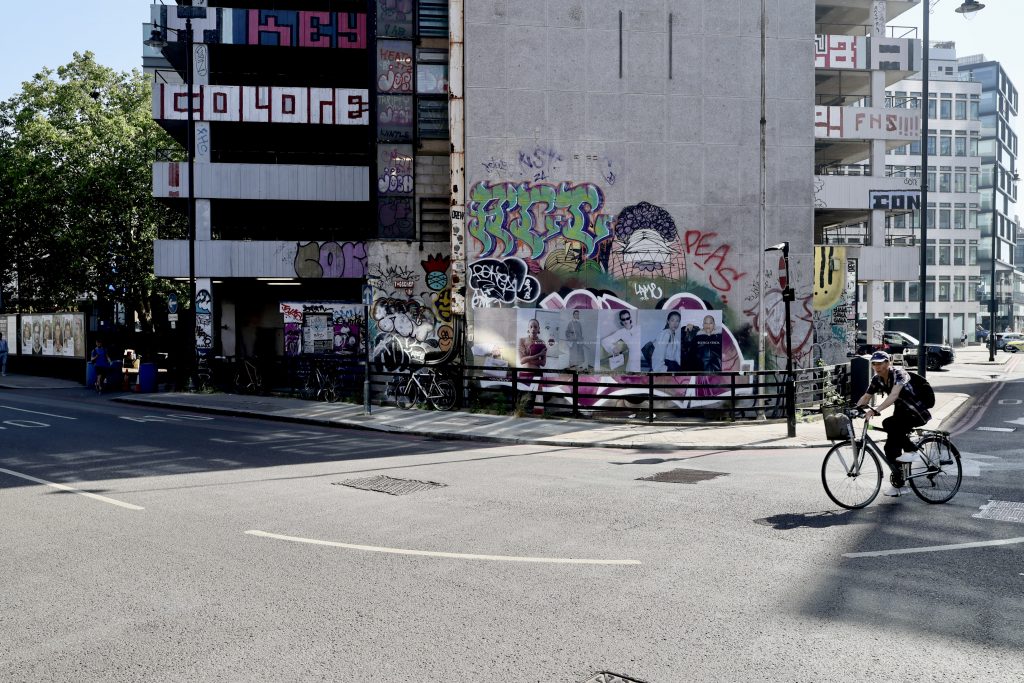
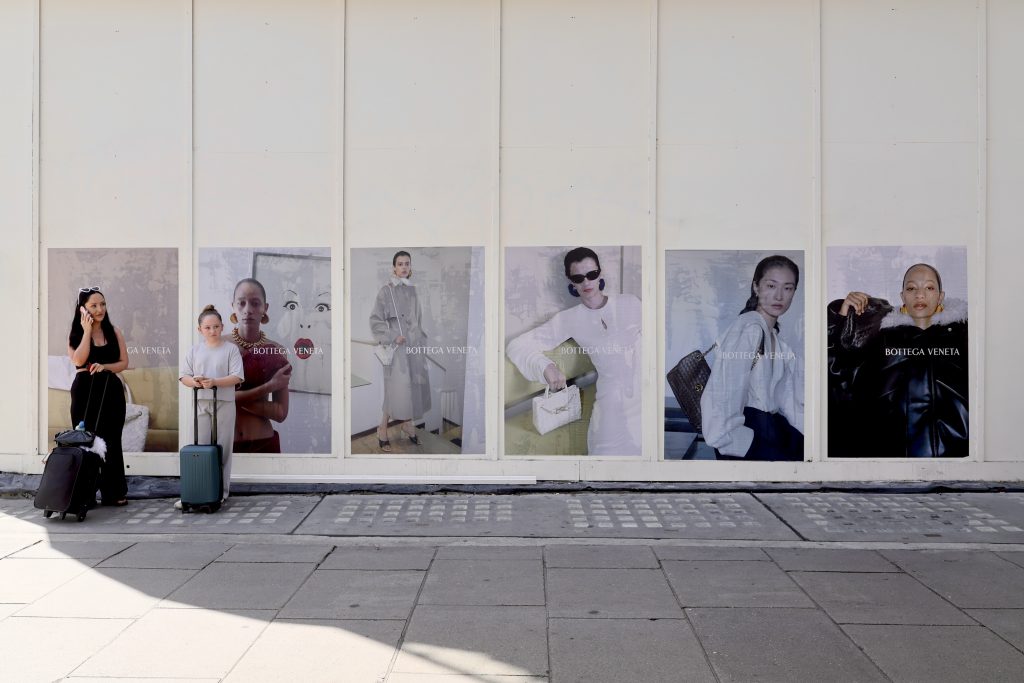
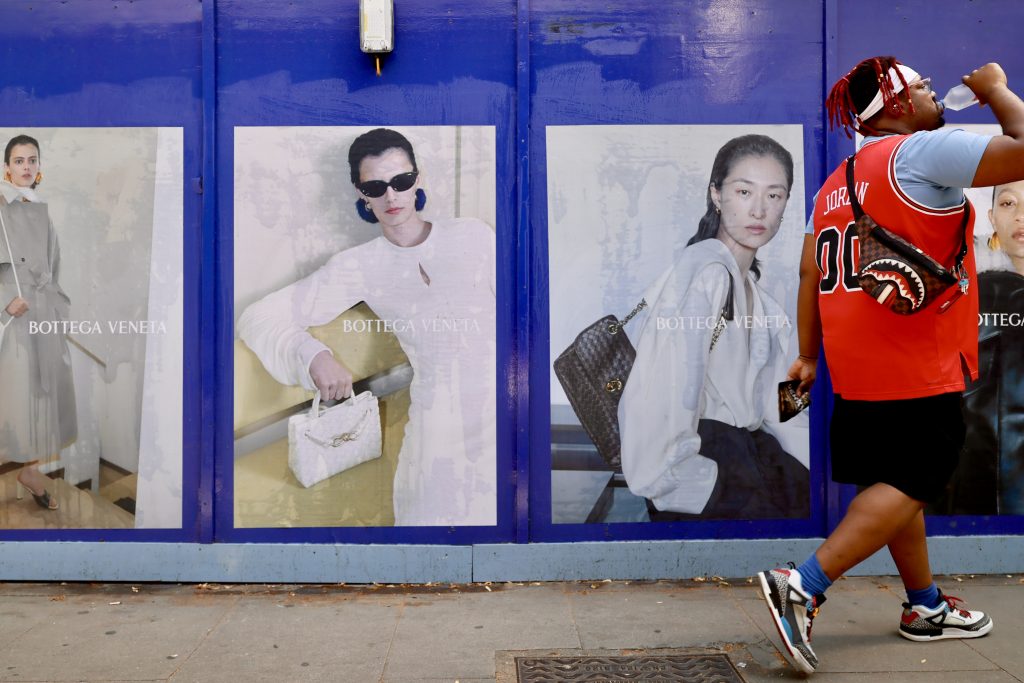
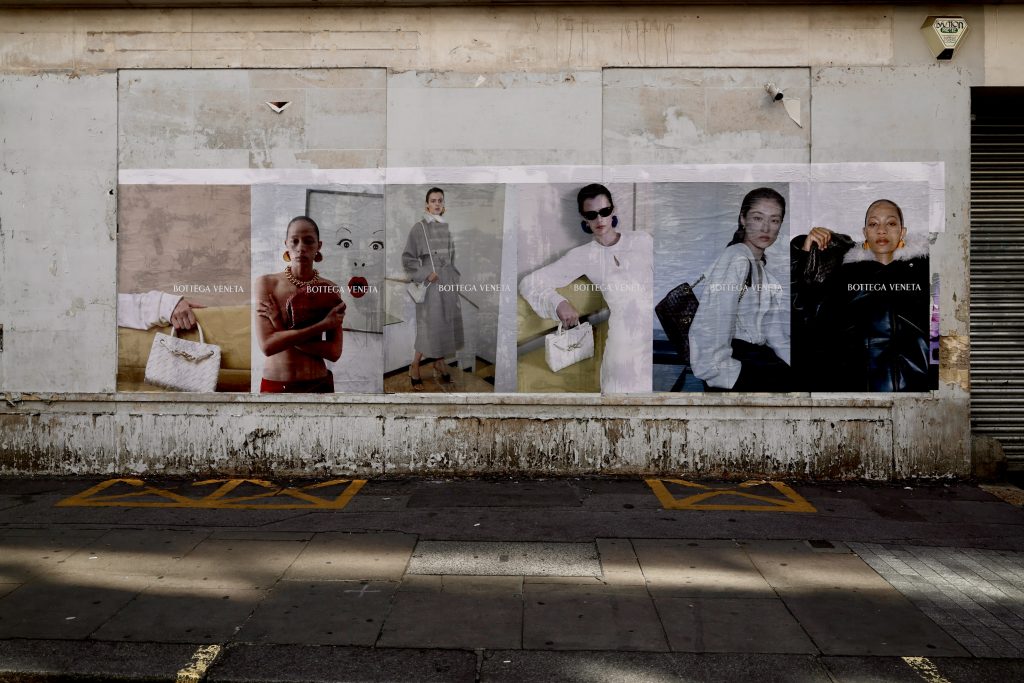
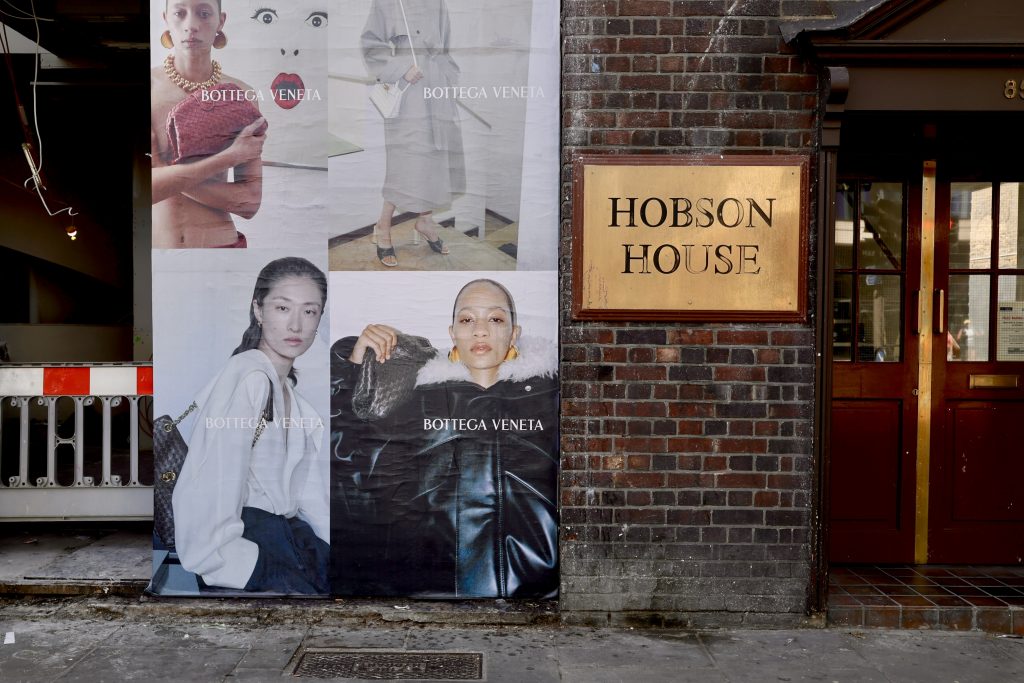
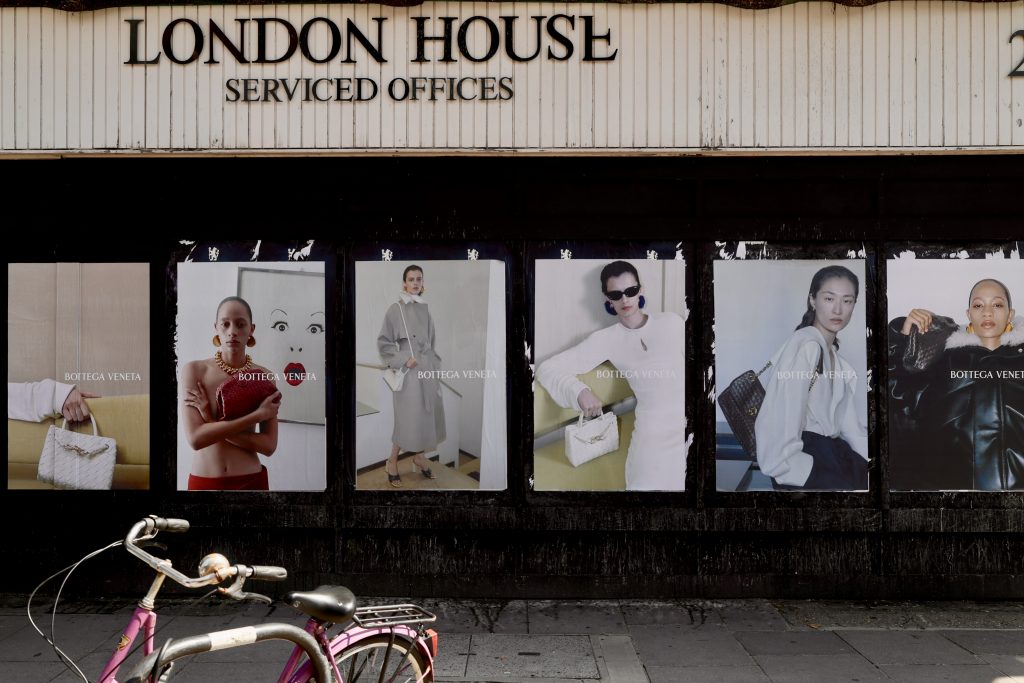
UNCLE went hand in hand with Bottega to celebrate 50 years of the iconic Intrecciato leather weave. We flyposted London from East to West with a poster campaign designed to connect people across all backgrounds, cultures and contexts. Monochromatic photography staged a dialogue between maker and wearer, hand and mind – and we did the rest.
SXSW London 2025
In 2024, SXSW expanded its global footprint from the Austin plains to the shores of Sydney. This year, SXSW touches down in East London and brings with it the convergence of creativity, culture and technology. UNCLE and Mother London collaborated on a flyposting campaign in the heart of where it is all happening – Shoreditch. Spotlighting the festival in a lime green takeover of our streets, the campaign gives passersby the chance to attend the inaugural SXSW London. Find the posters, take a picture; it’s as easy as that.
Polaroid: Flip
In a world so switched on, it’s nice to switch off. Introducing the Polaroid Flip. Built upon 80 years of Polaroid’s colourful past, the Flip is a camera designed for life’s best moments that can only be found in the real, physical and analogue world. UNCLE toured the UK on behalf of Ad Astra, wildposting the Flip into the streets of Birmingham, Bristol, London, Manchester and Sheffield. Instant photography > instant gratification.
To celebrate the 50th year of Zara, Steven Meisel & co staged a film collaboration with 50 of the greatest models in the world – all in one room for the first time ever. Coinciding with a 128-piece collection, this is Zara’s biggest and most star-studded collaboration.
You only turn fifty once, so UNCLE went big. Taking the campaign to two of the world’s most fashion-forward cities; London and New York, we celebrated this milestone in all corners, with a wall-to-wall flyposting treatment.
VIEVE
The future of lip has landed. VIEVE knows all about making products that make you feel good, inside and out. Their latest product, Poutder, is on everyone’s lips at the moment, and it looks as good on you as it does in the streets. Featuring striking campaign photography, UNCLE and Excite took VIEVE and Poutder on a tour through London, with flyposters that will get you talking.
K-Way
Pull your hood up and brave it the K-Way. In 1965, on a rainy day in Paris, an idea was born that would revolutionise outerwear. That was just the start for K-Way. Some 60 years later, the brand is continuing to protect against the elements without compromising on style. We made a splash in the streets with technicolour takeover of wildposters in London. Don’t get caught in the rain.
Mantle
MANTLE blends the known-too-well Scandi minimalism with skincare innovation. The result is a curated collection of award-winning products, elevated by innovative ingredients. Featuring clean and clinical artwork, our citywide mantle of the brand went deep into the streets of London. Seen across B2s, takeovers and railing boards, the campaign glowed up the city where it mattered most – shining a light on the MANTLE range.


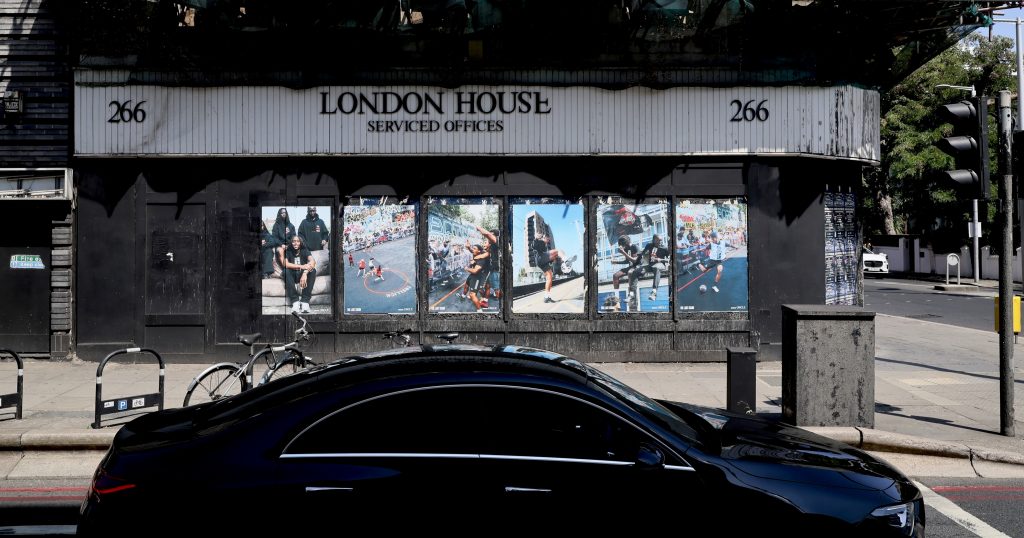
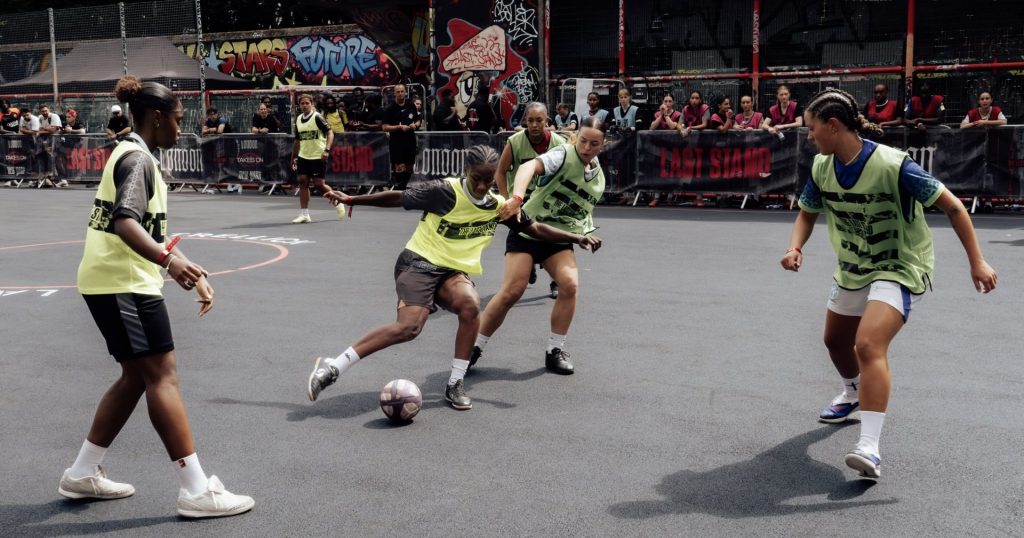
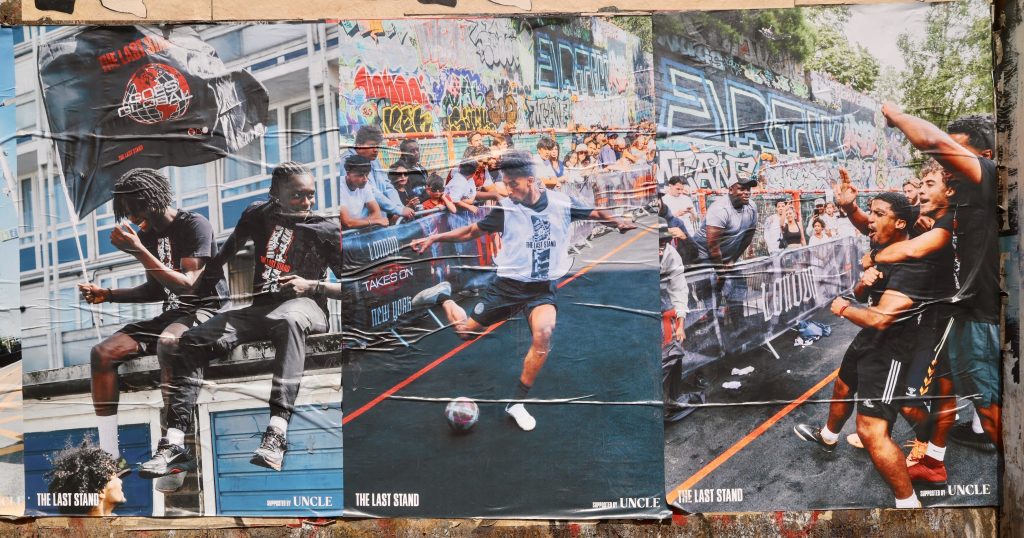
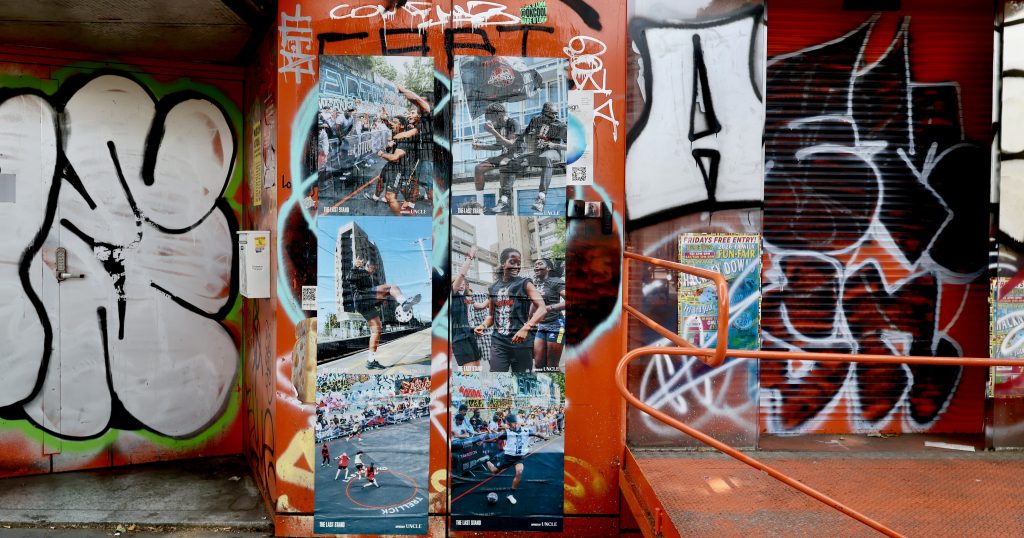
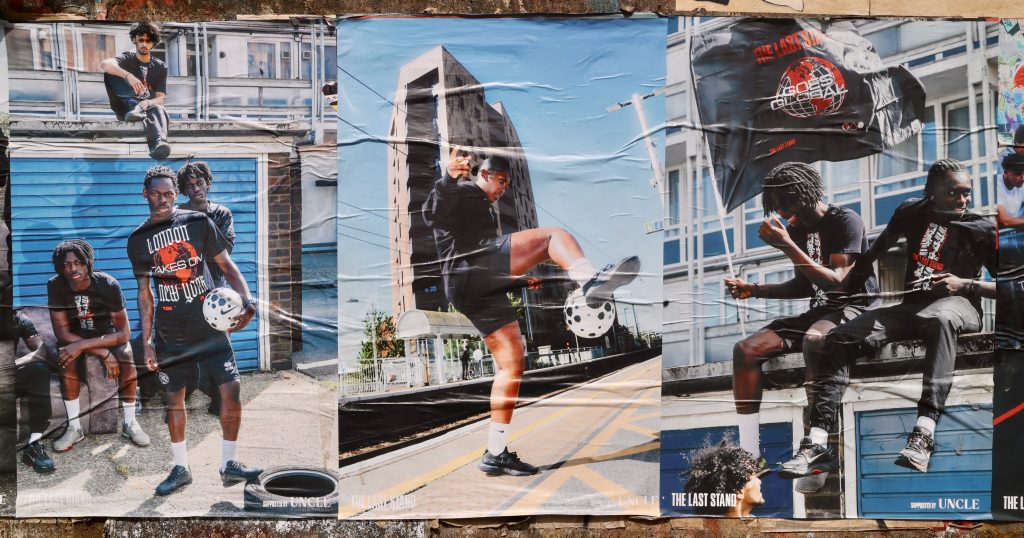
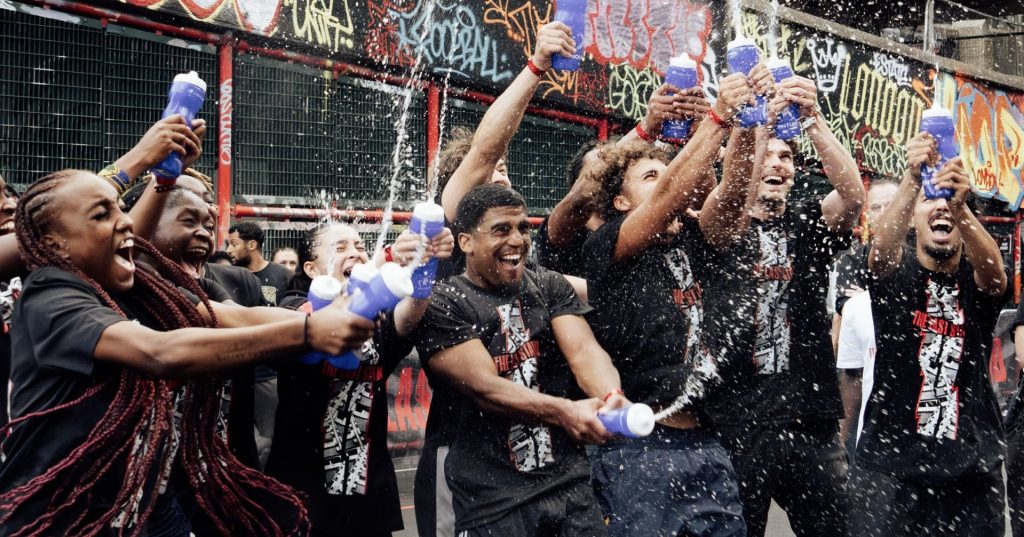
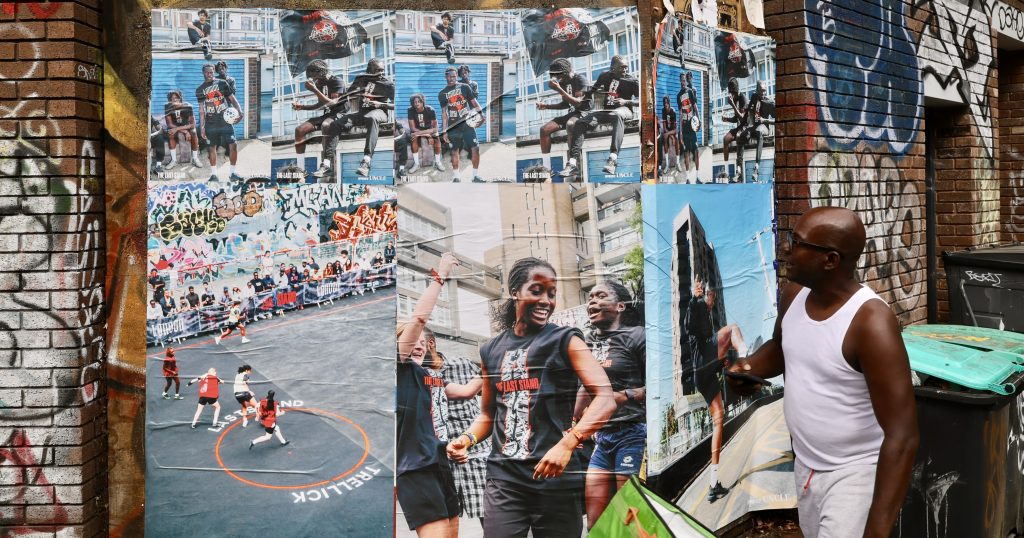
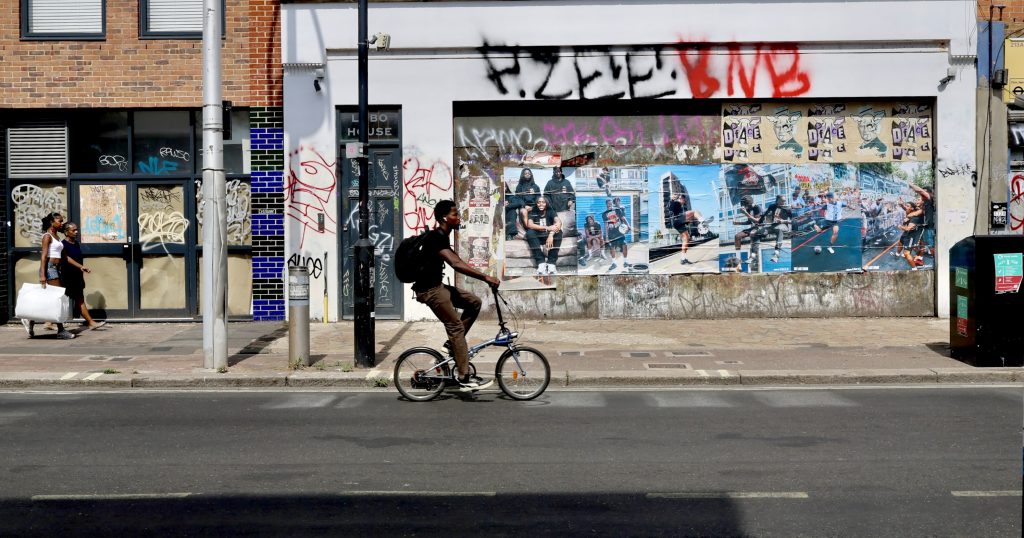
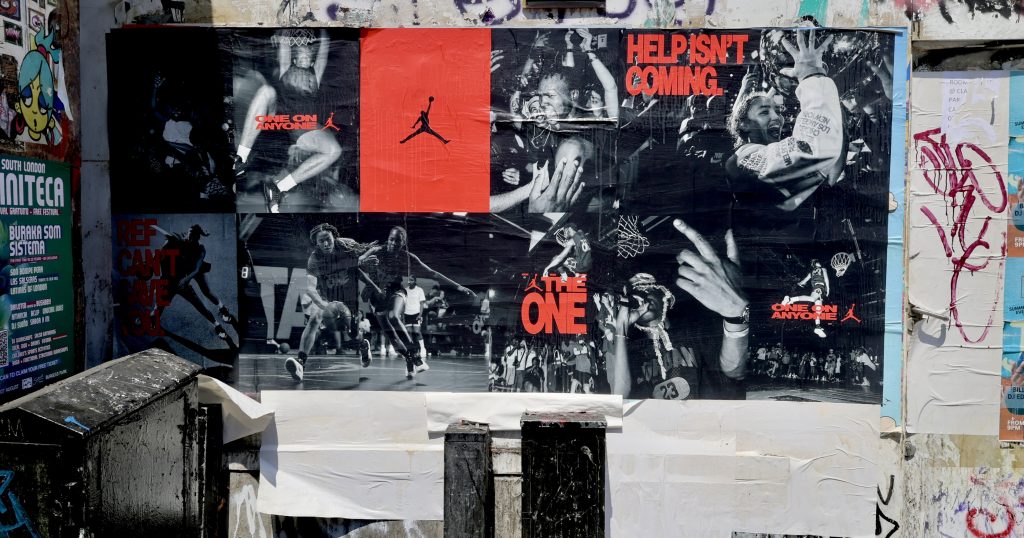
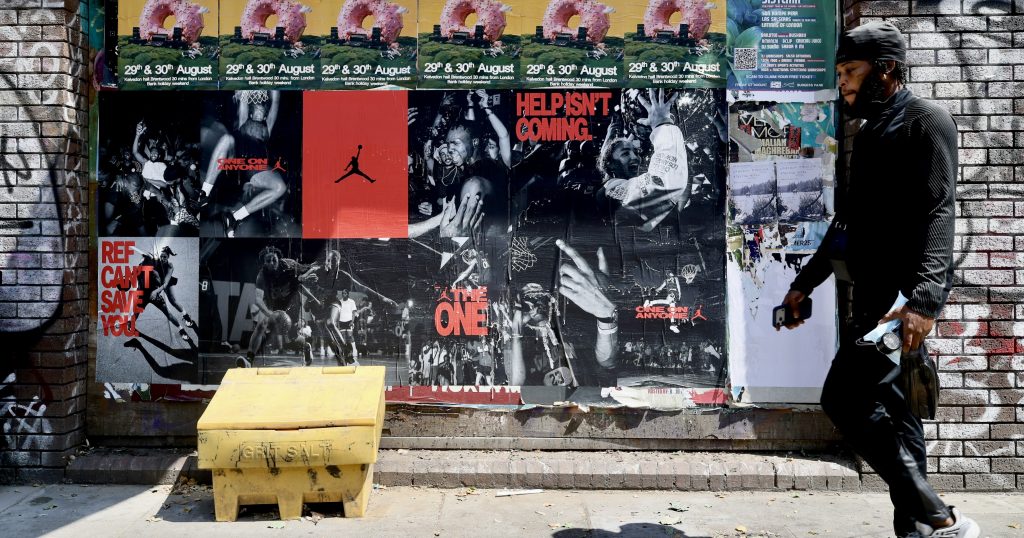
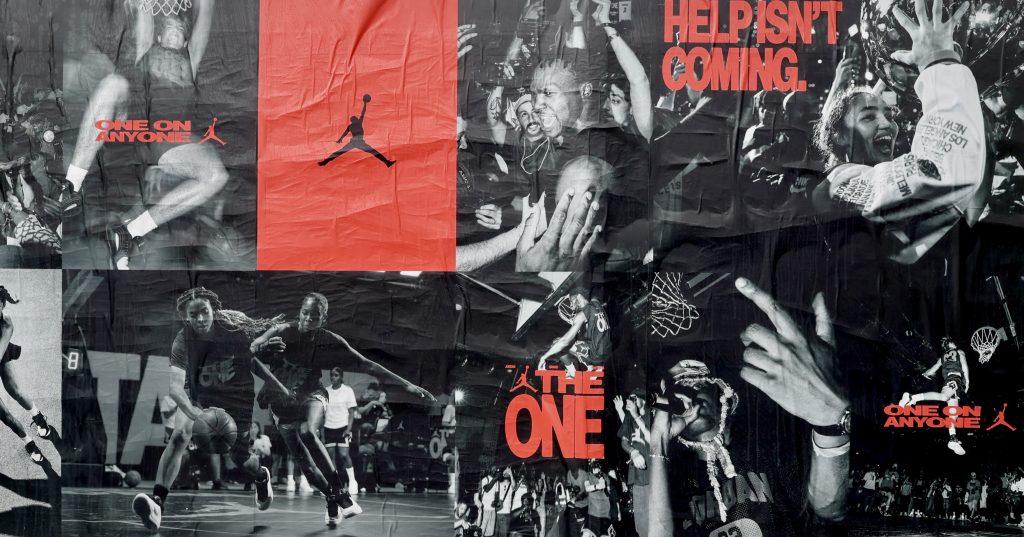
Nike x Slawn

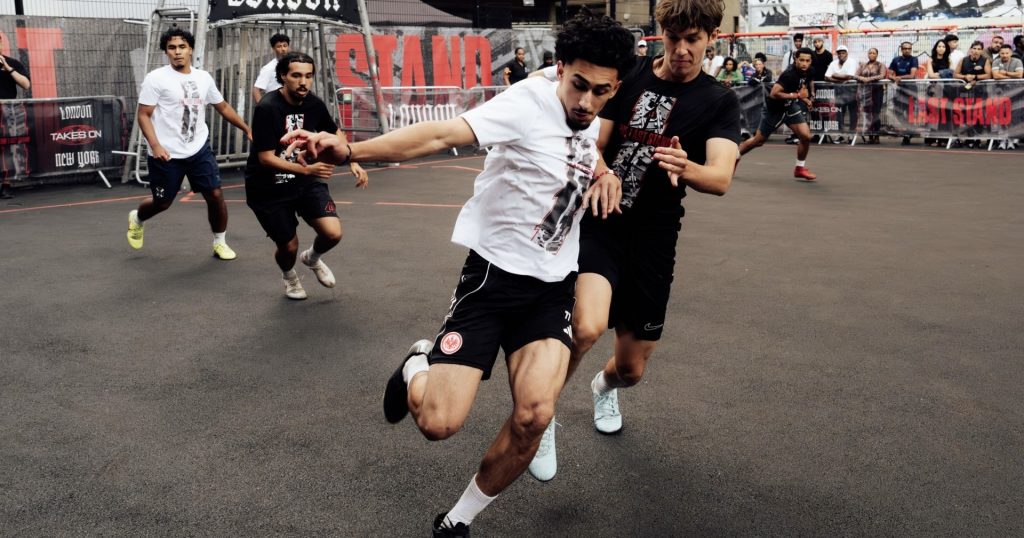
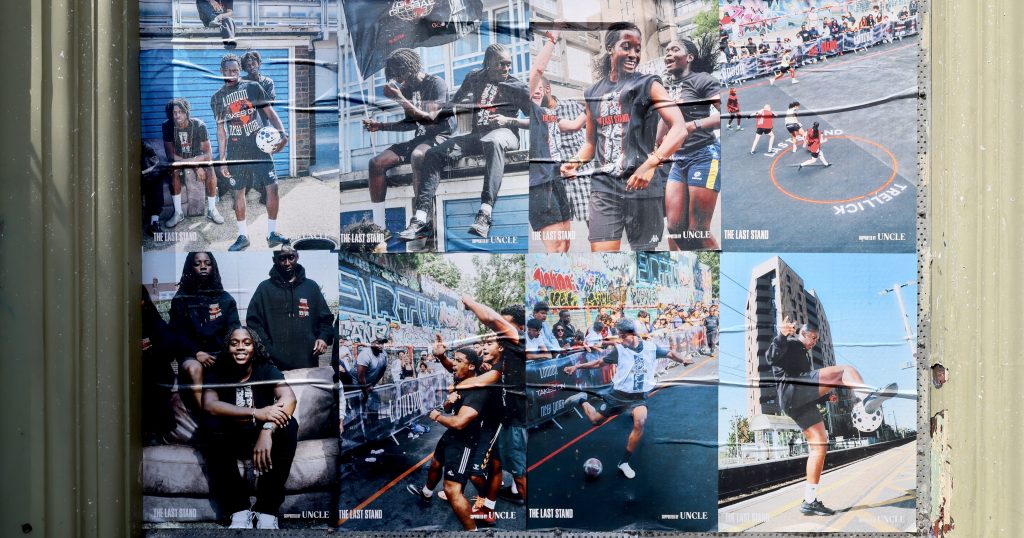
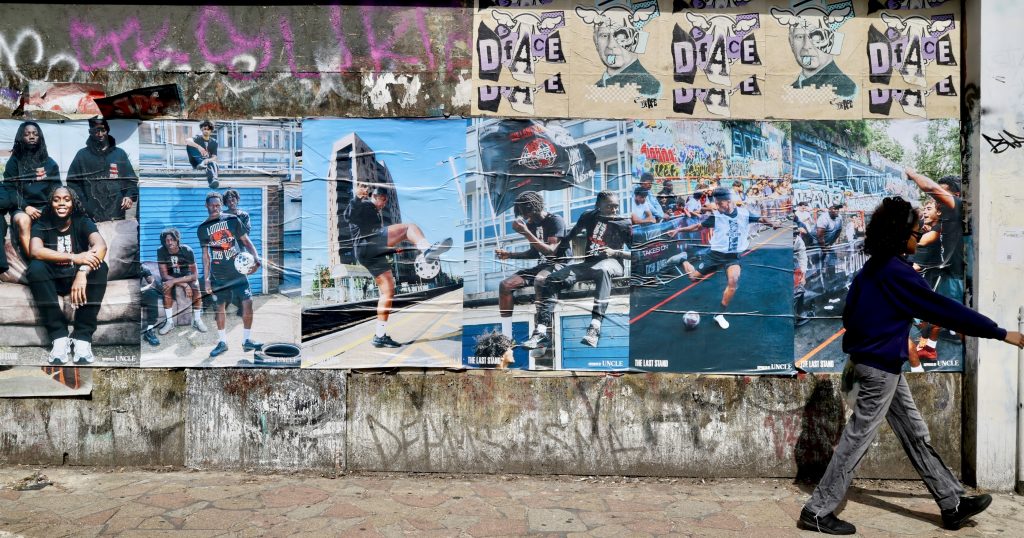
Service95’s latest poster campaign transformed London’s streets into a dynamic storytelling space through strategic flyposting. By placing posters in high-visibility locations, the campaign ensured maximum engagement with passersby, leveraging the city’s energy to create buzz. The impact was further amplified by integrating digital content, extending the campaign’s reach beyond physical locations. This seamless combination of offline and online strategy reinforced Service95’s brand presence, demonstrating how well-placed street advertising can drive conversation.