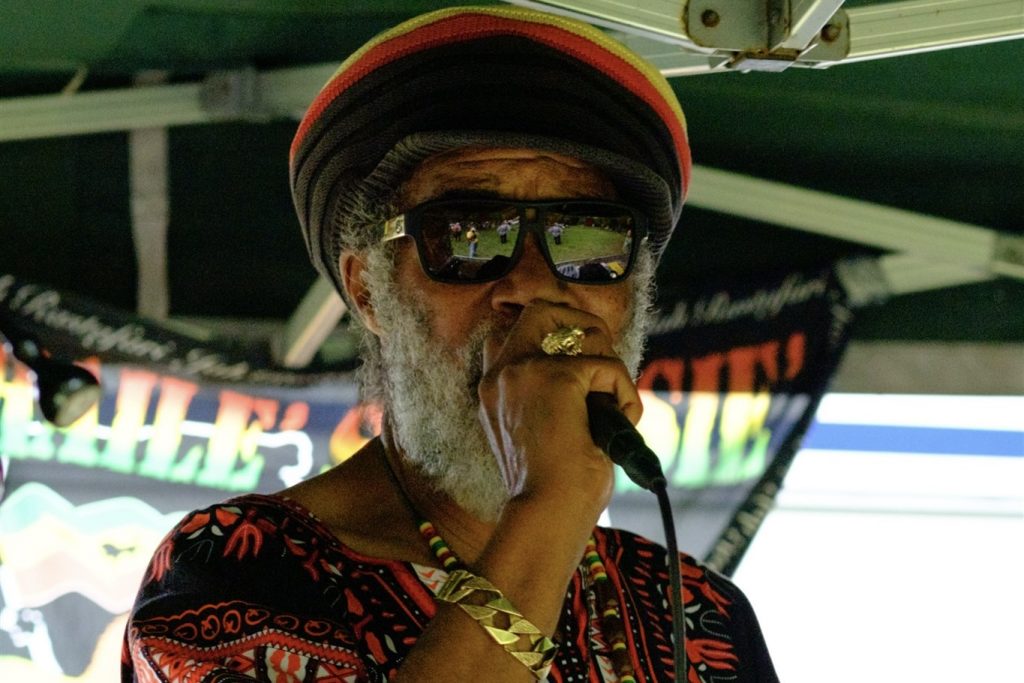
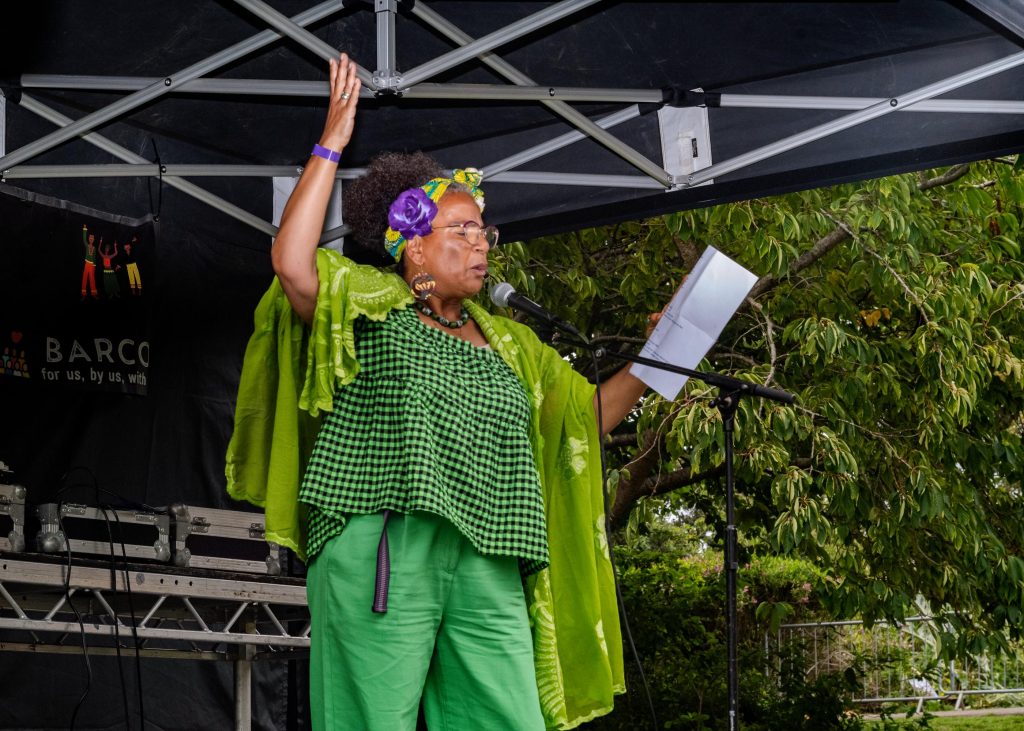
Those are the words of Maureen Onwunali, the Dublin-born Nigerian poet whose work is resonating with in-person audiences at a growing number of poetry events, while also travelling online, as culture increasingly has for much of her 23 years. “June Jordan, Audre Lorde or James Baldwin never had to post three reels a month to be picked up by the algorithm,” she says, listing both her influences and stating her disillusionment with today’s media landscape at the same time.
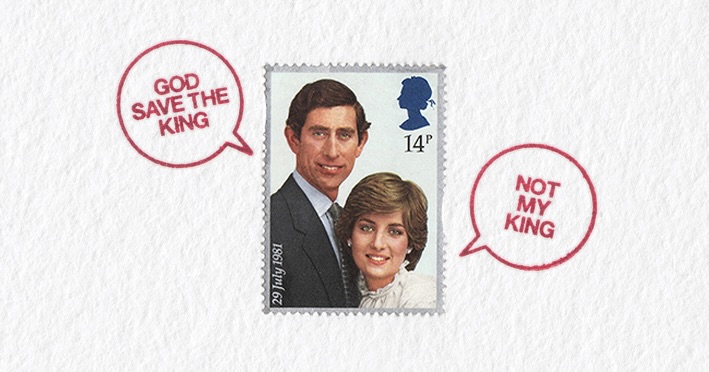
On the other side of that coin, though, is her gratitude that her words have reached places she has not. Her poems have found people in small towns across Australia, the Americas and beyond, carrying observations on masculinity, migration, care, nightlife and the people society forgets to notice. In Puffer Jacket Poetry, she writes of Black masculinity and the men who are rarely given permission to be soft. Put simply: ‘the mandem don’t cry enough.’ In another poem, she asks God to save, not the King, but “the people we forget to notice.” Those sending money back home. Line cooks working from a mother’s muscle memory. Voluntary litter pickers saving the world, one crushed Red Bull can at a time.’
A long-time resident of Milton Keynes, Onwunali is also interested in place as something you can shape, rather than just somewhere you happen to live. Born to Nigerian parents in Ireland, she says her family “built Nigeria in our living room,” carrying culture and tradition across borders. Ireland and Nigeria, to her, are connected by their histories of colonisation, by the same “Babylon” showing its face in different parts of the world. Milton Keynes, meanwhile, is younger and greener and still becoming itself. While Camden regularly calls with her residency at the iconic Roundhouse, MK is a place that she’s excited to have a tangible impact on.
Her own route into poetry was mostly self-taught, shaped less by the poems she was handed at school than by rap, cyphers and performance. Instead, she would sit in front of the TV while eating, watching poetry slams and studying how people used language. Poetry, as she understands it, is less a fixed document than “a living, breathing thing.”
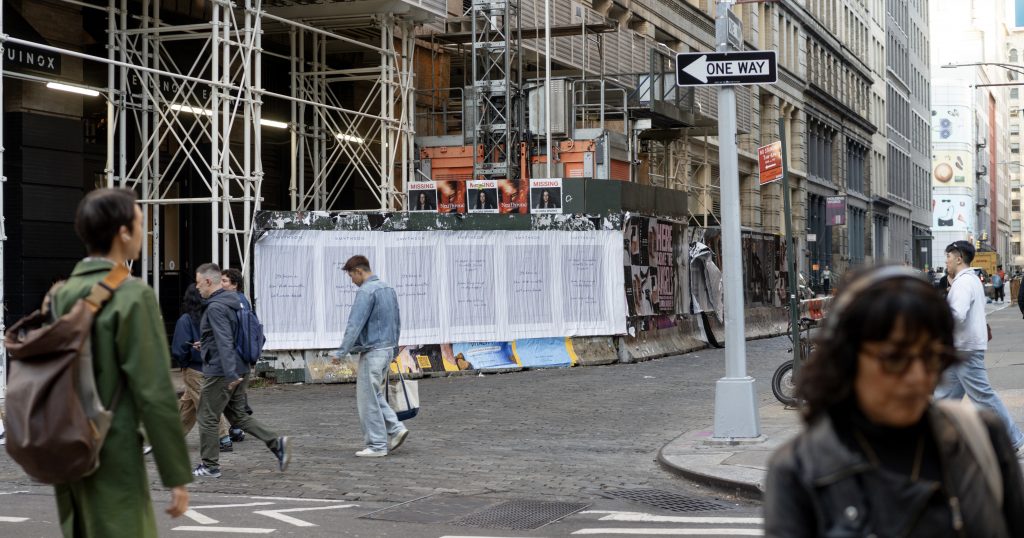
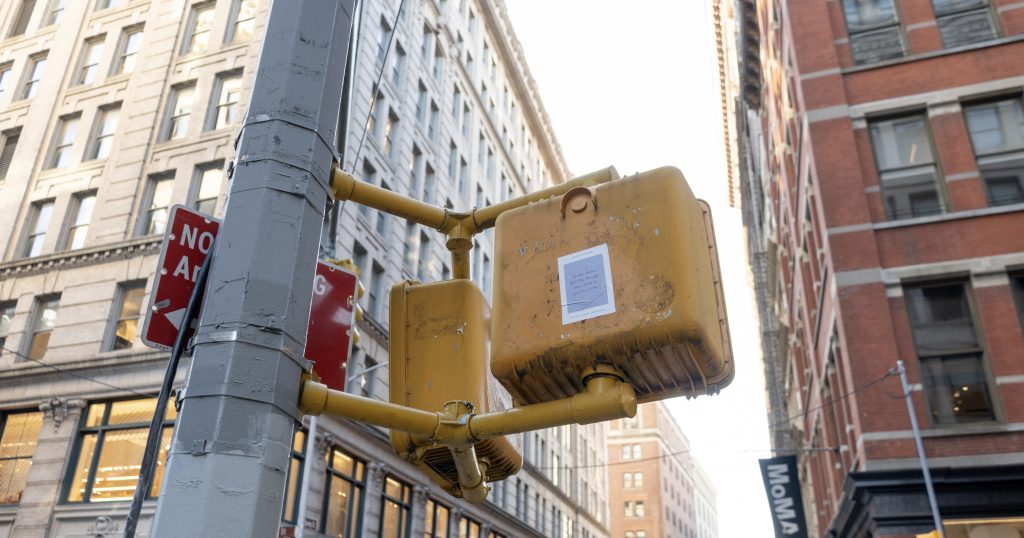
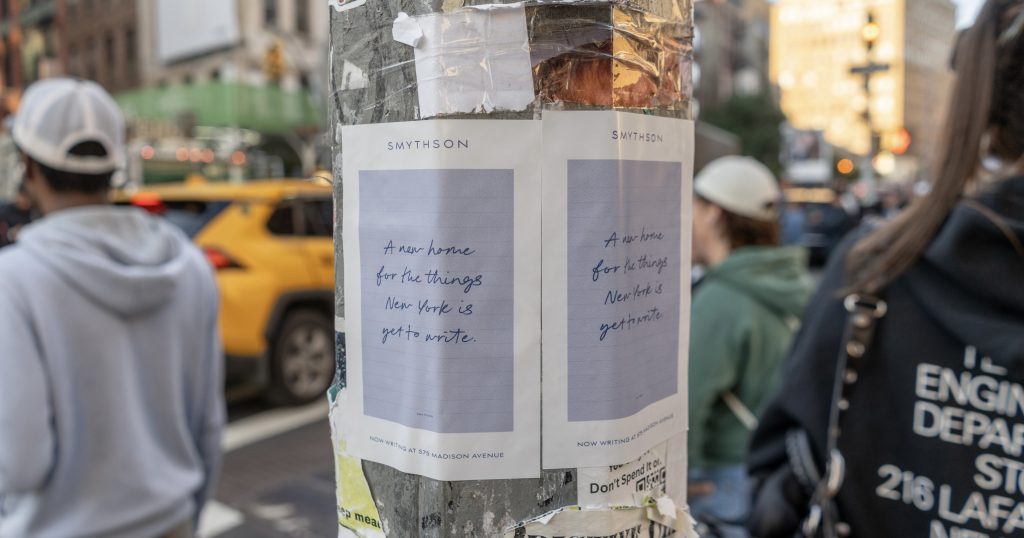
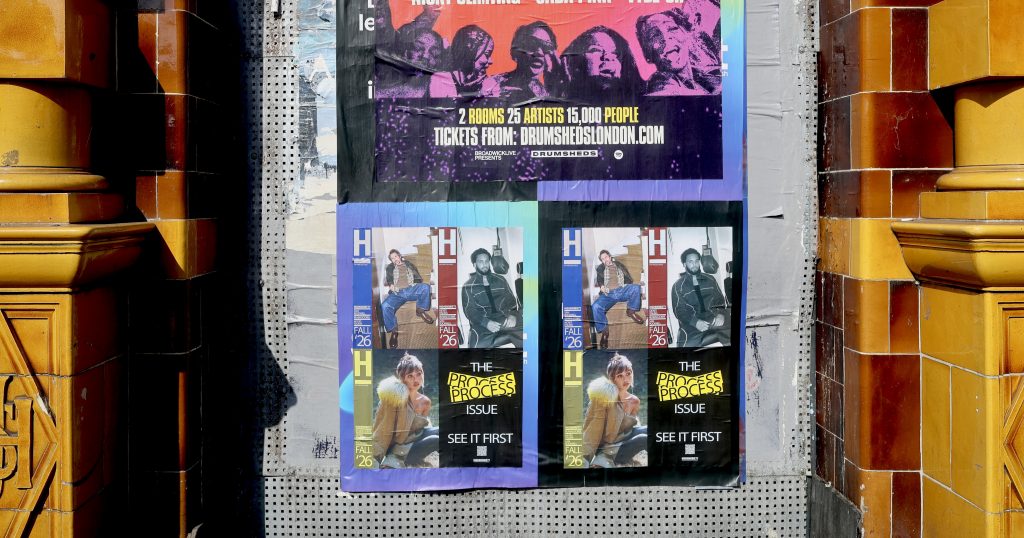
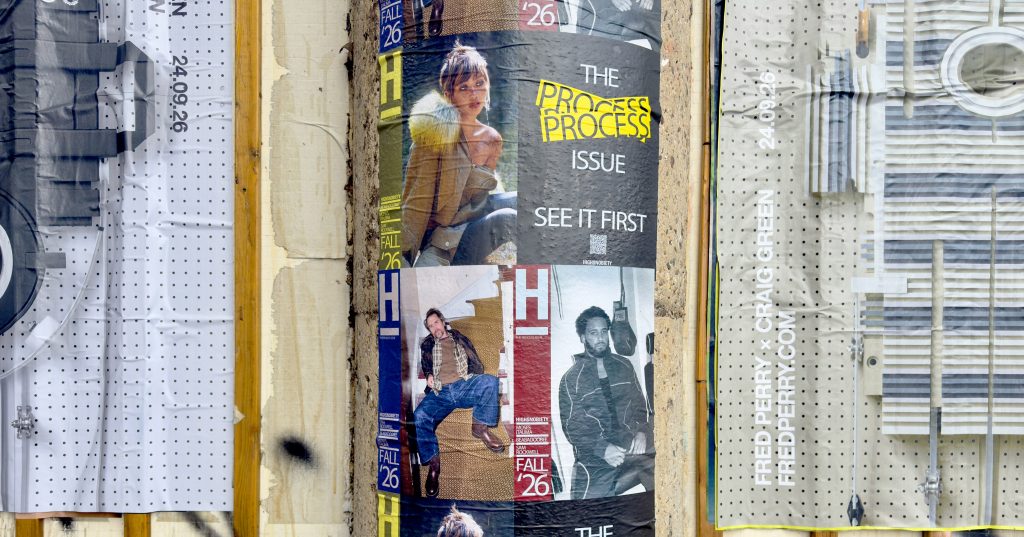
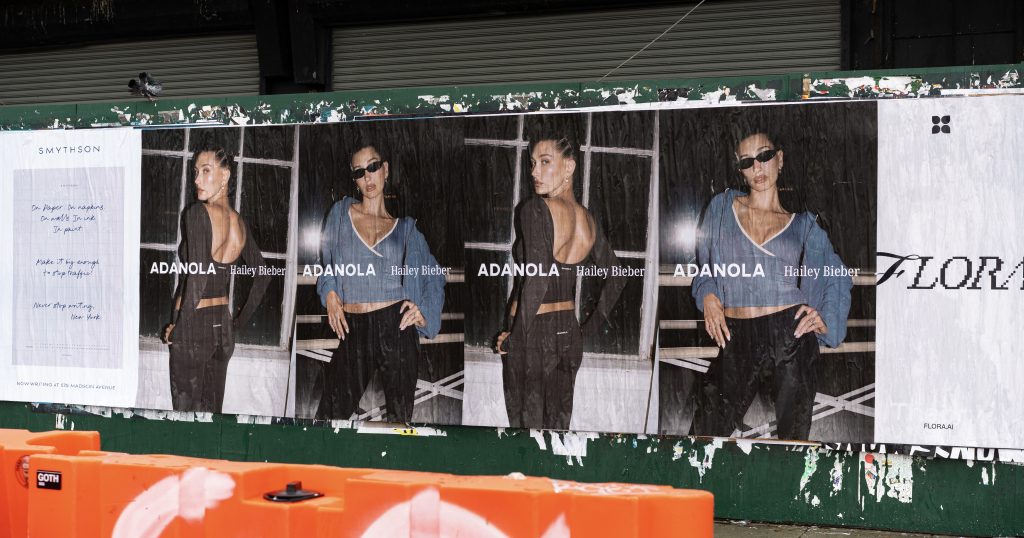
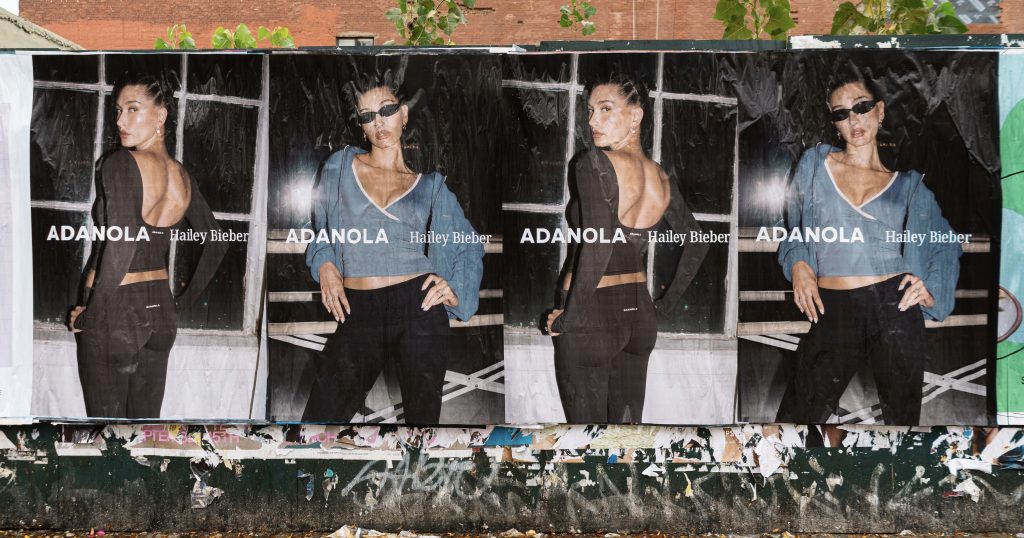
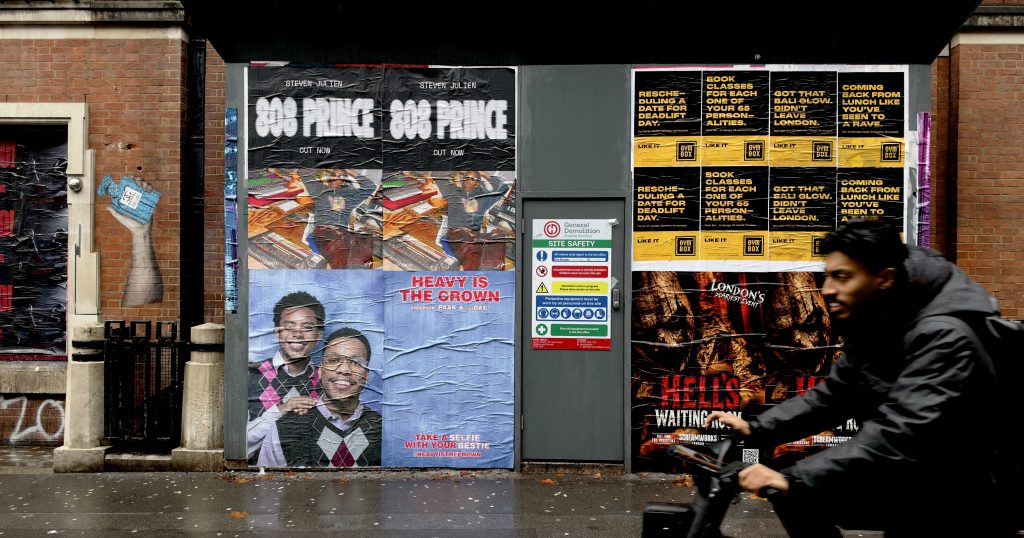
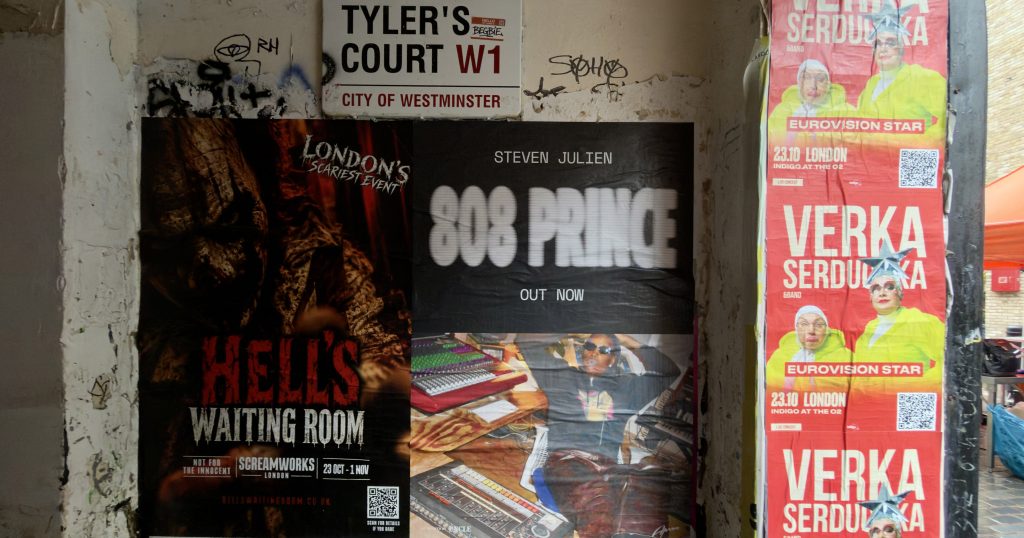
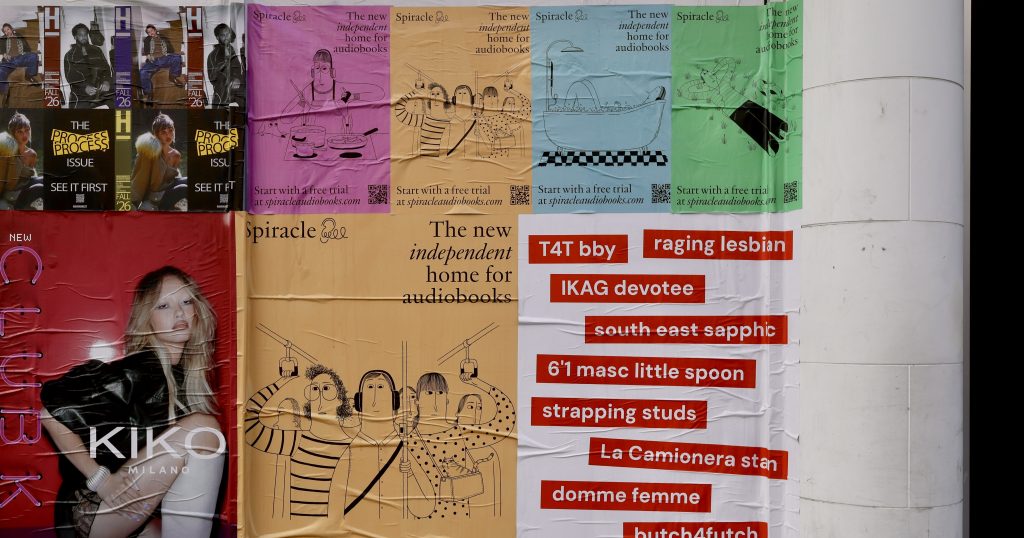
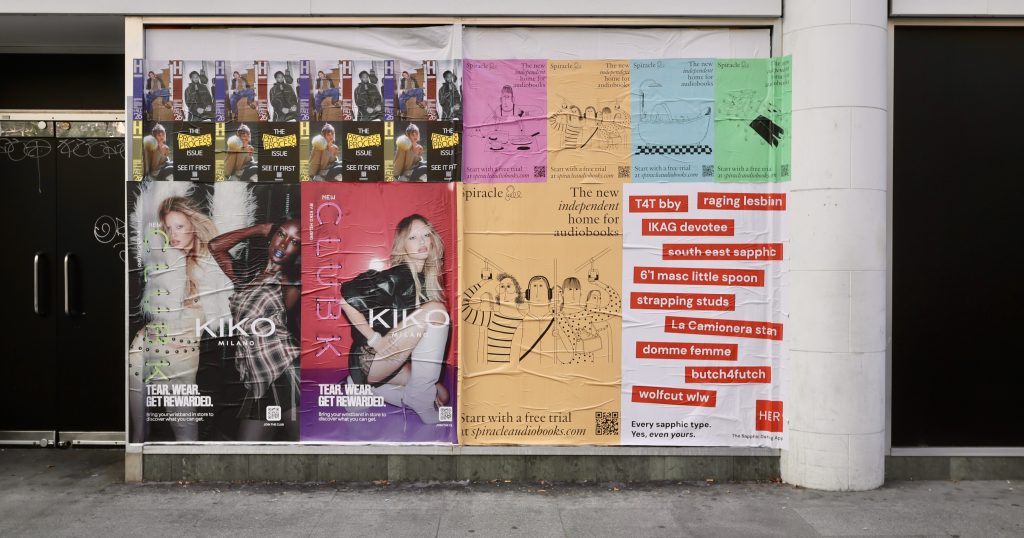
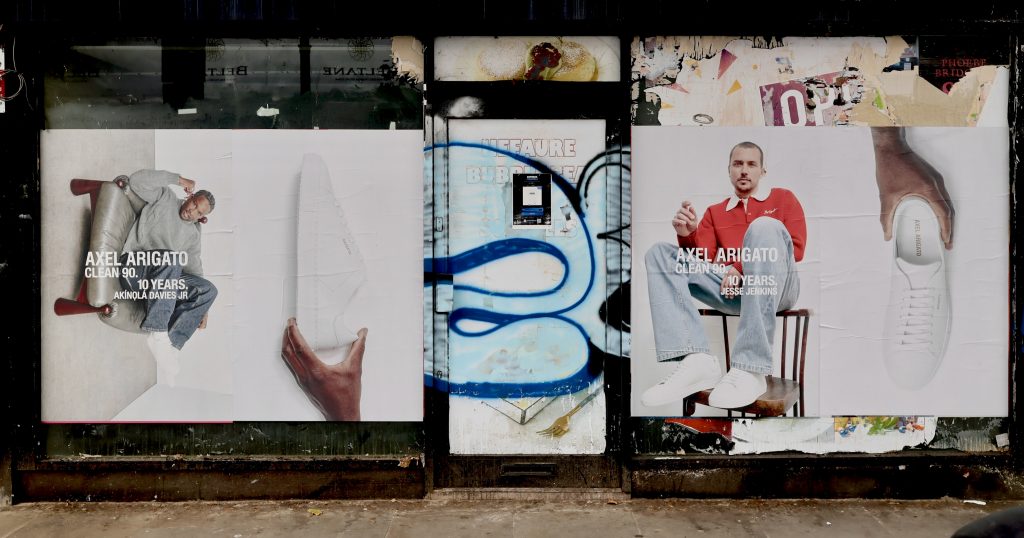
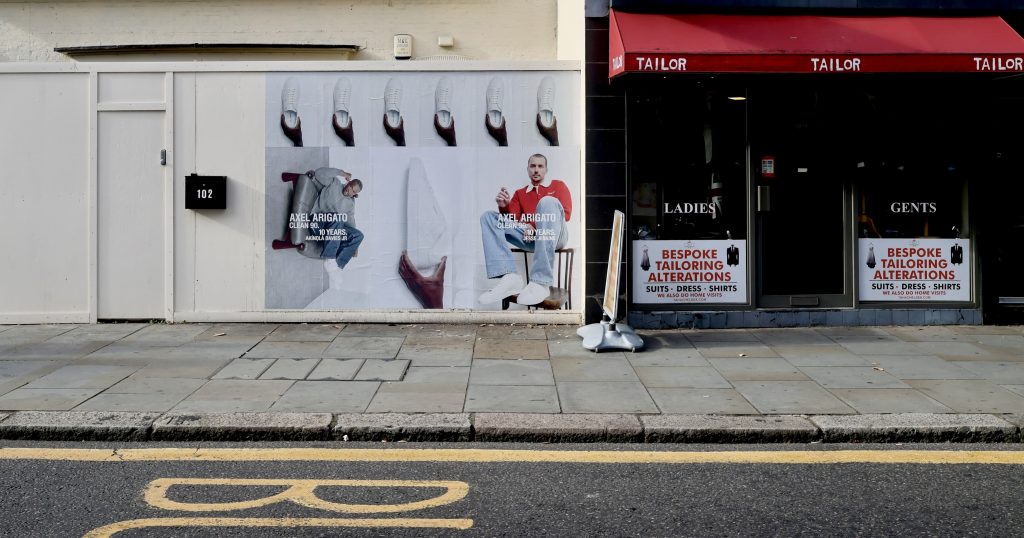
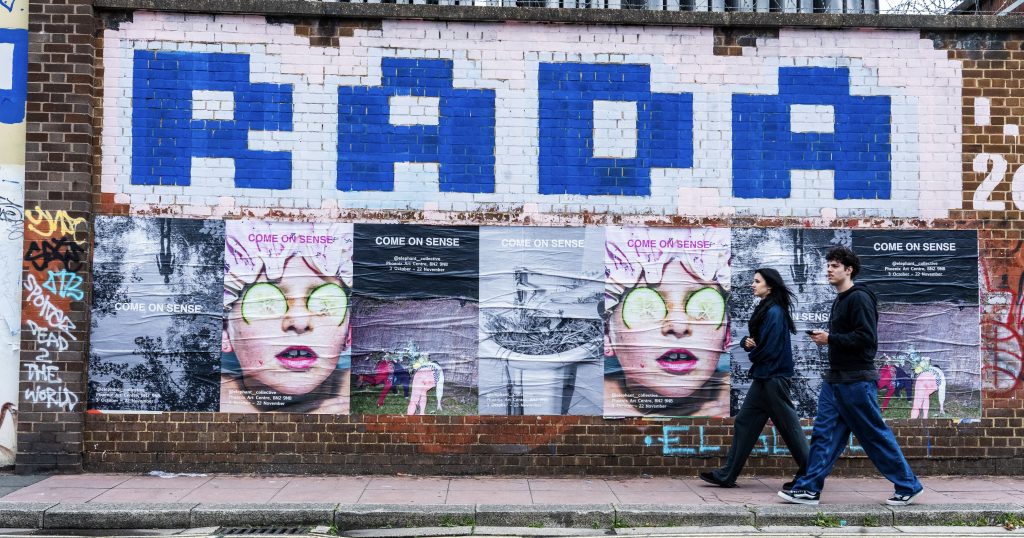
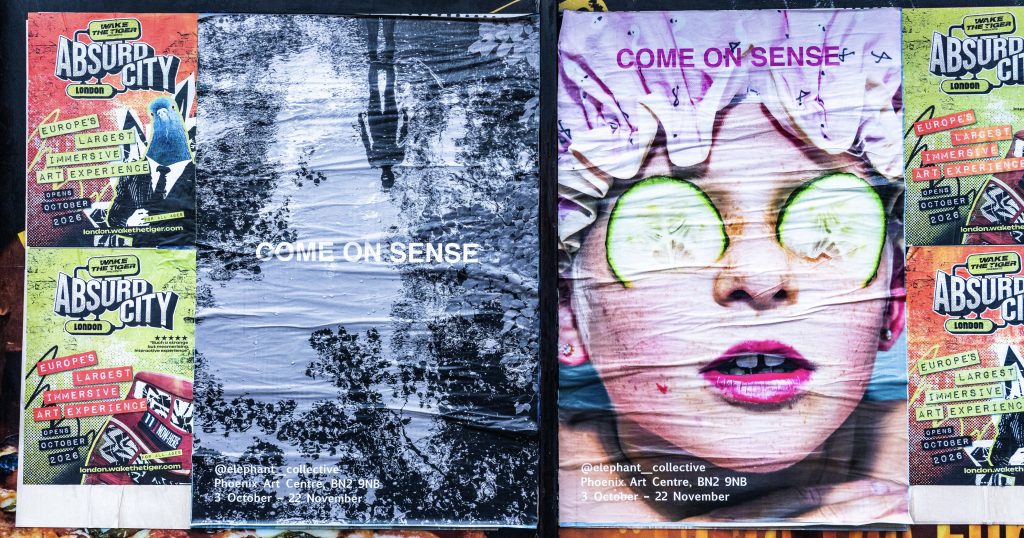
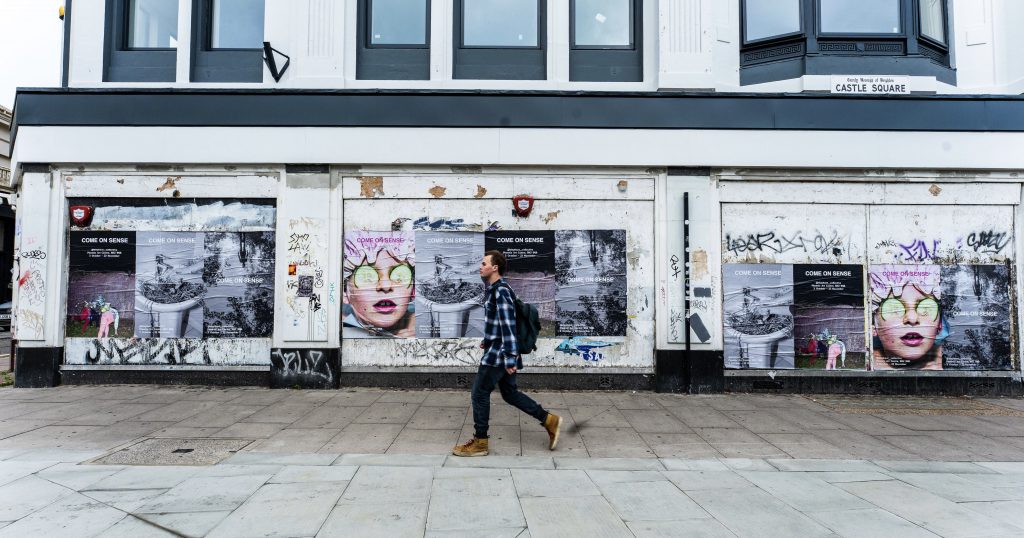
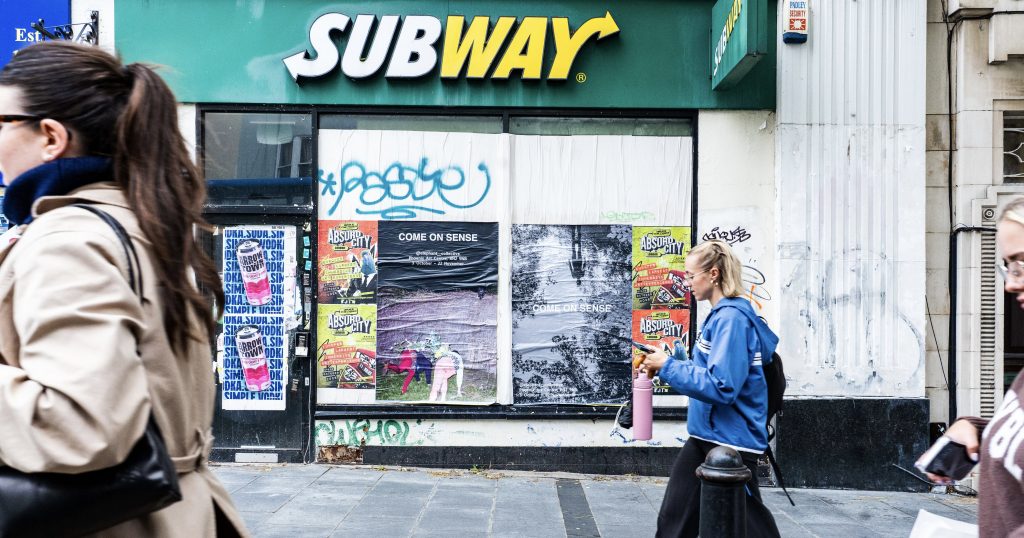
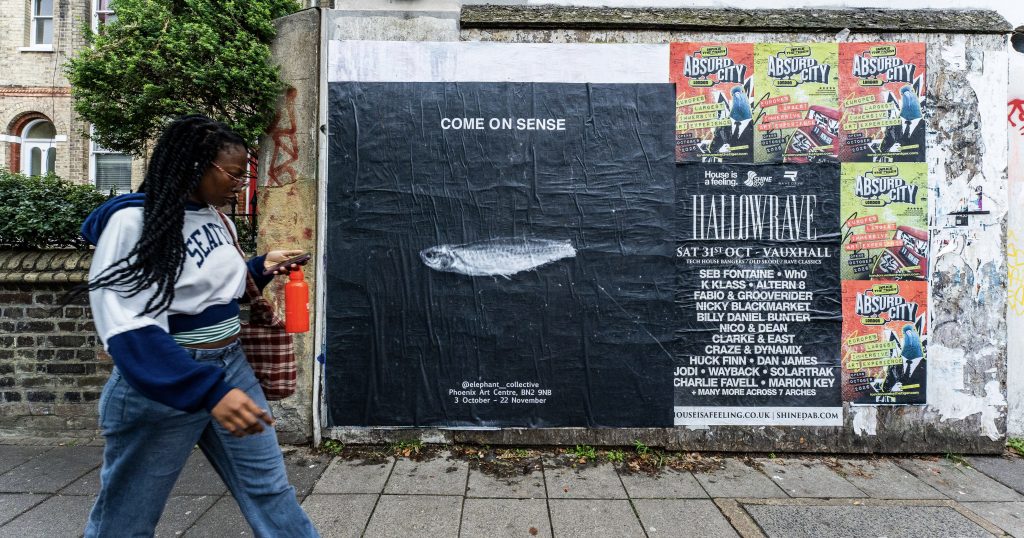
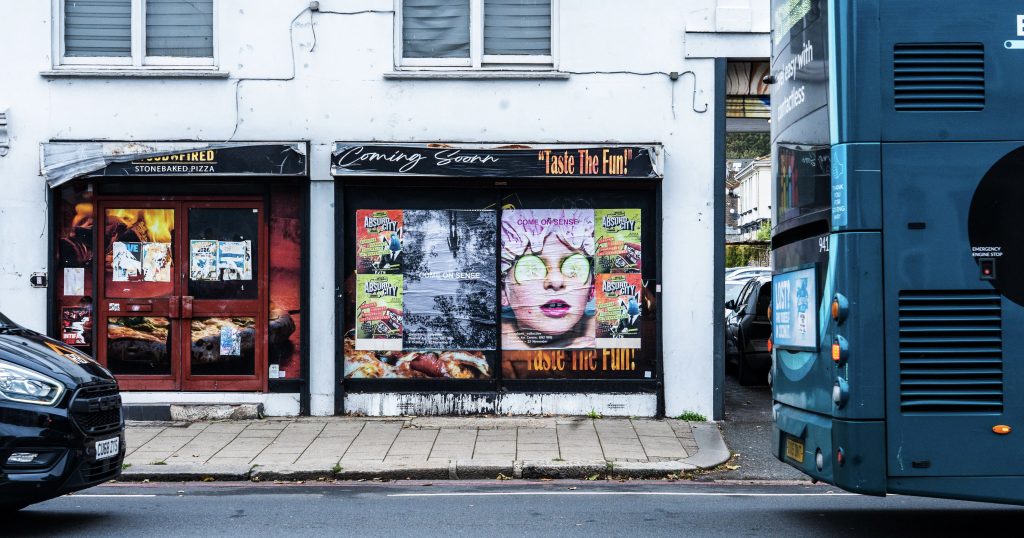
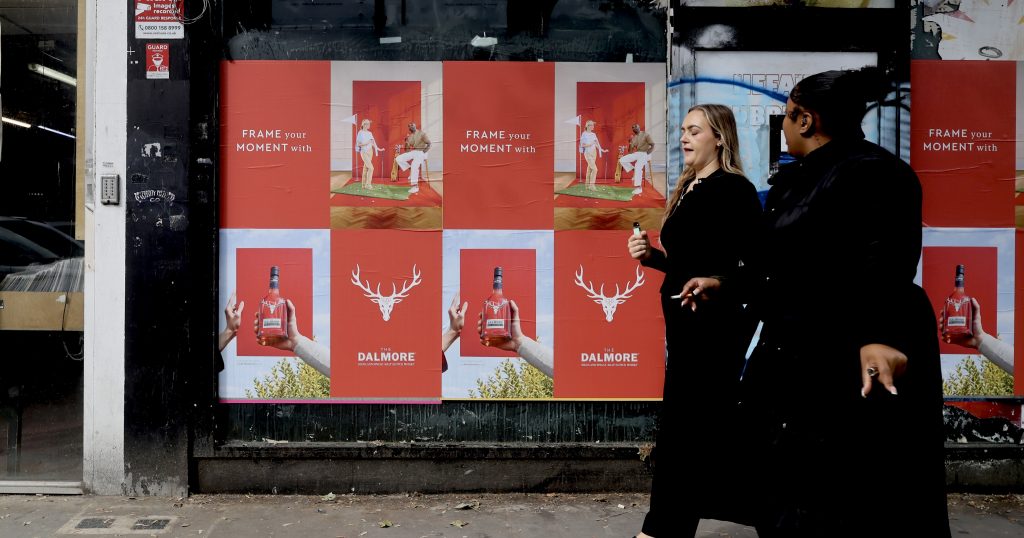
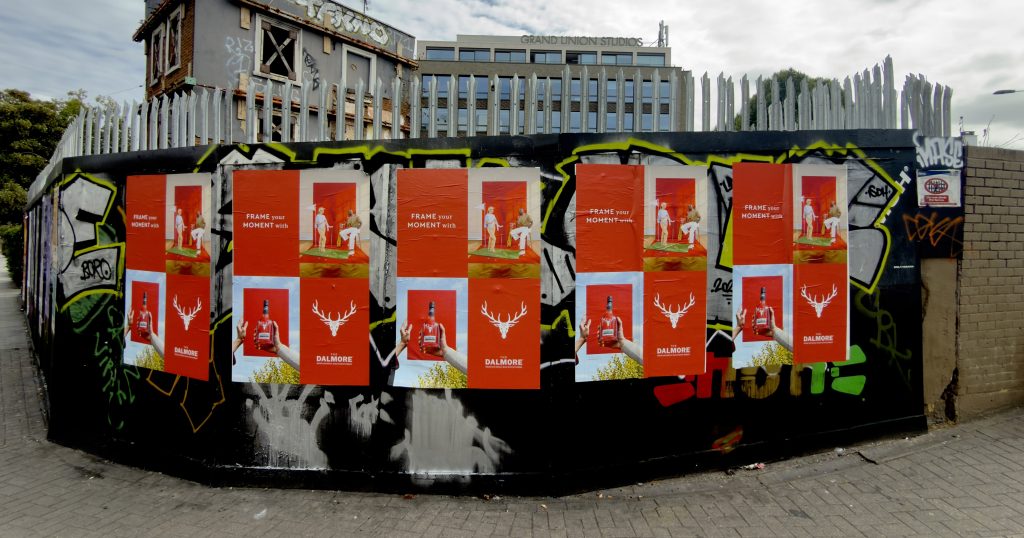
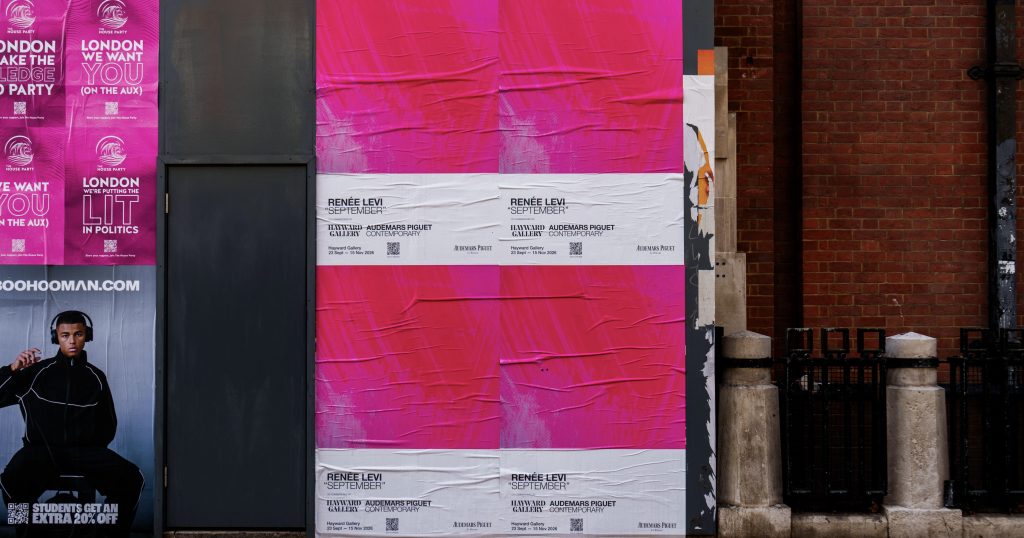
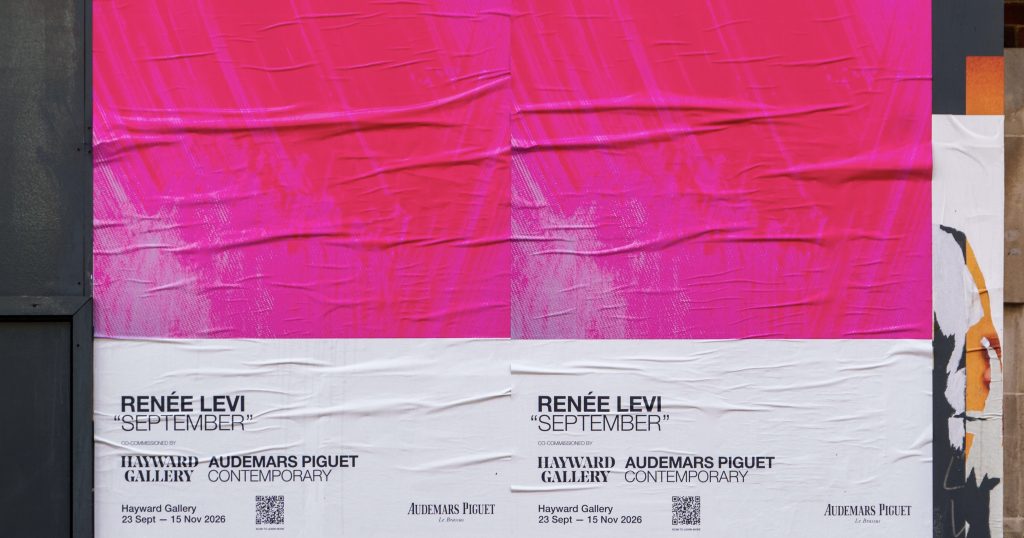
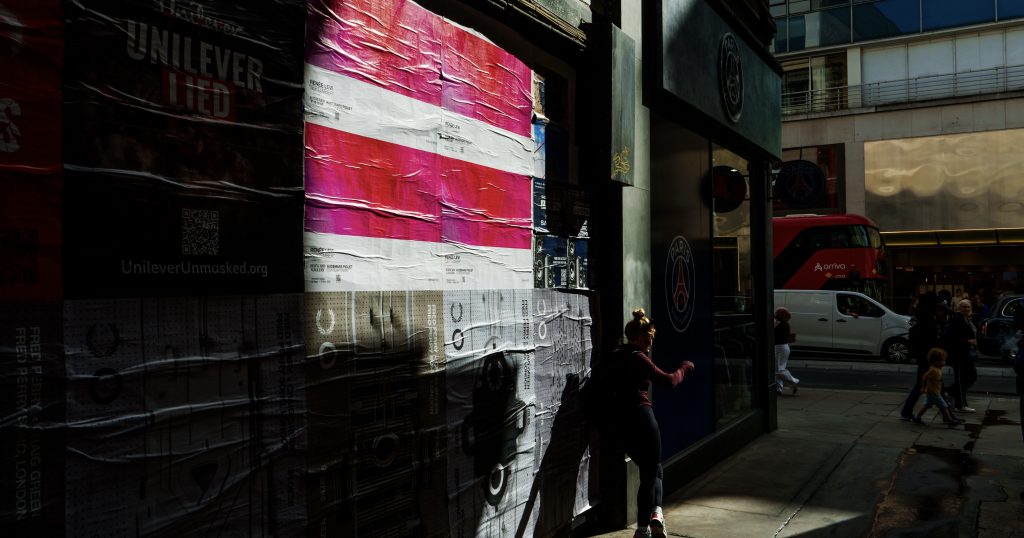
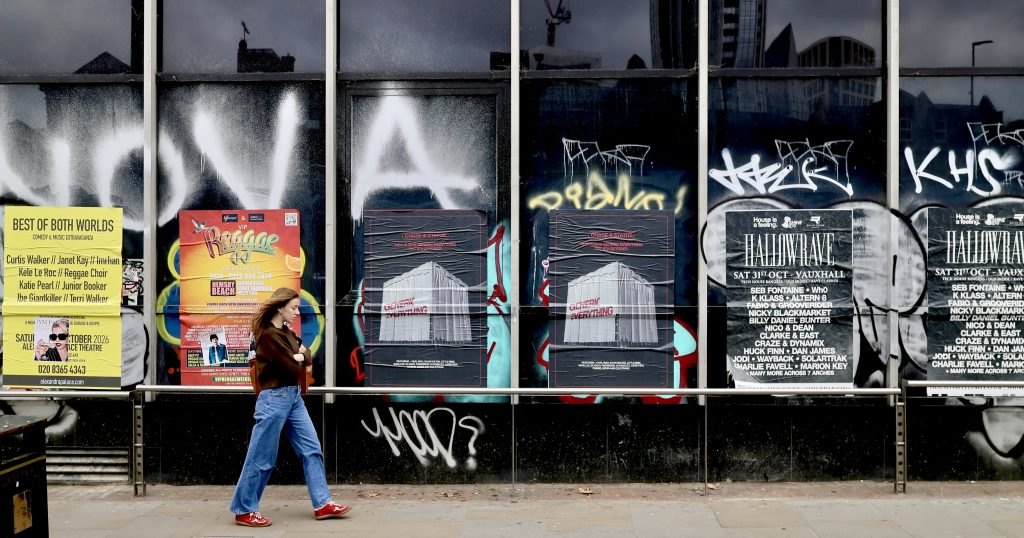
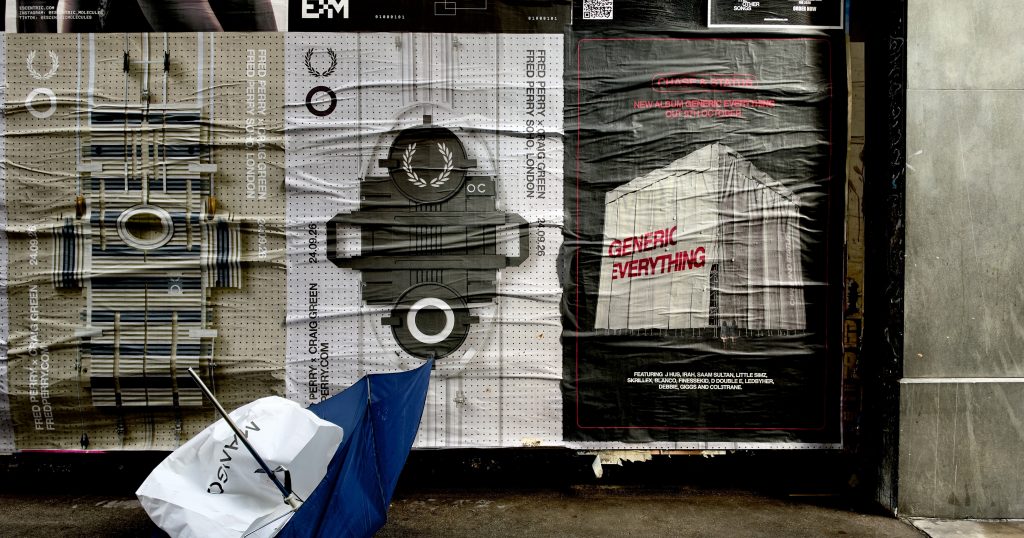
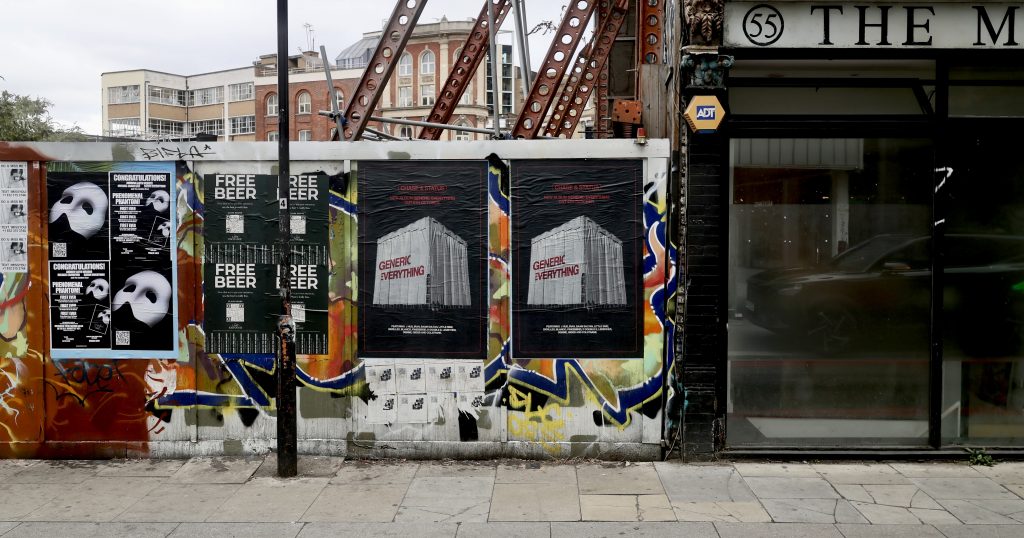
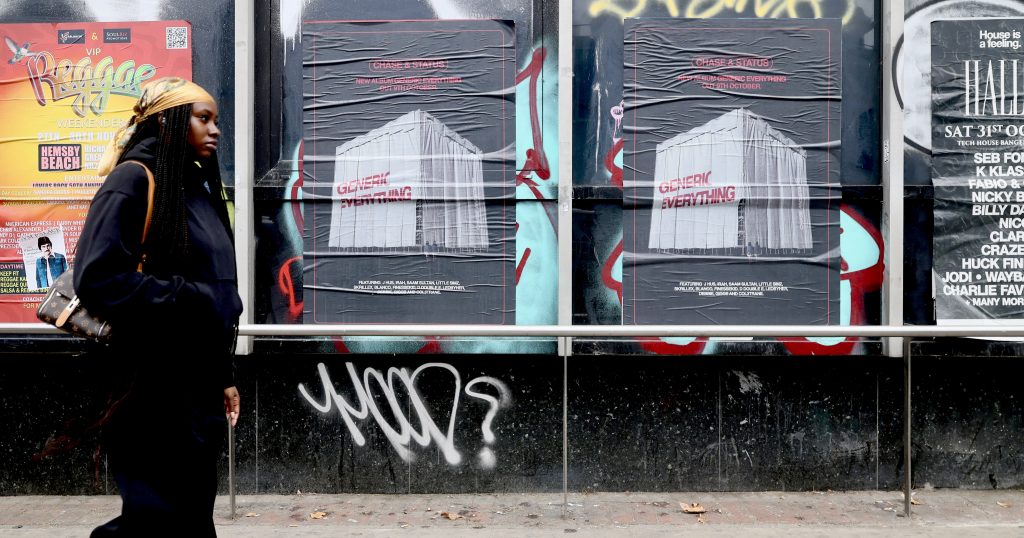
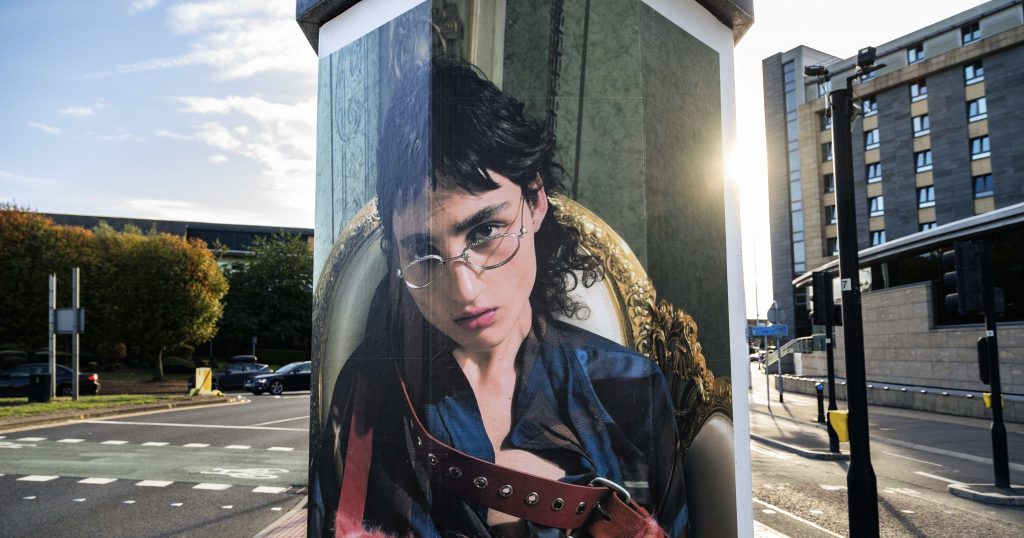
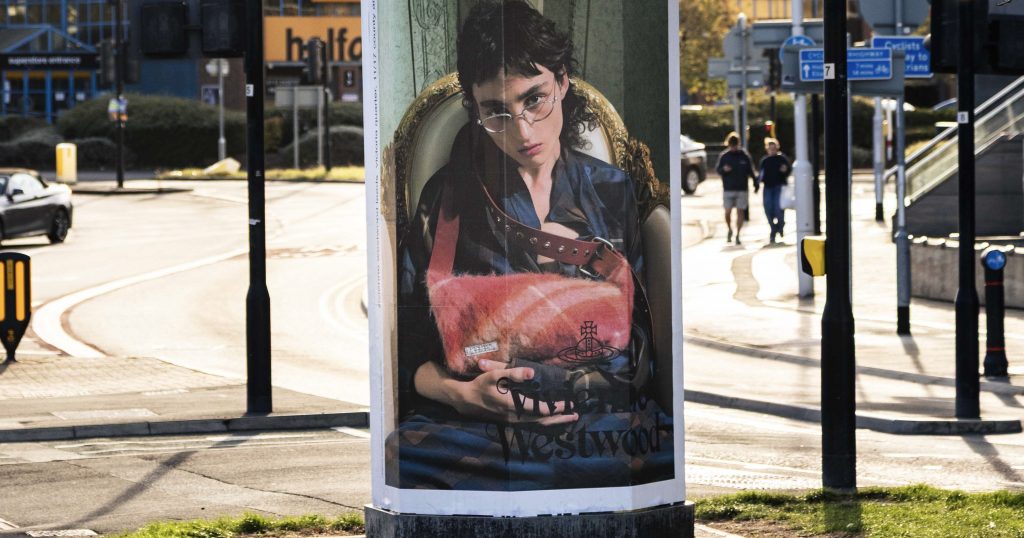
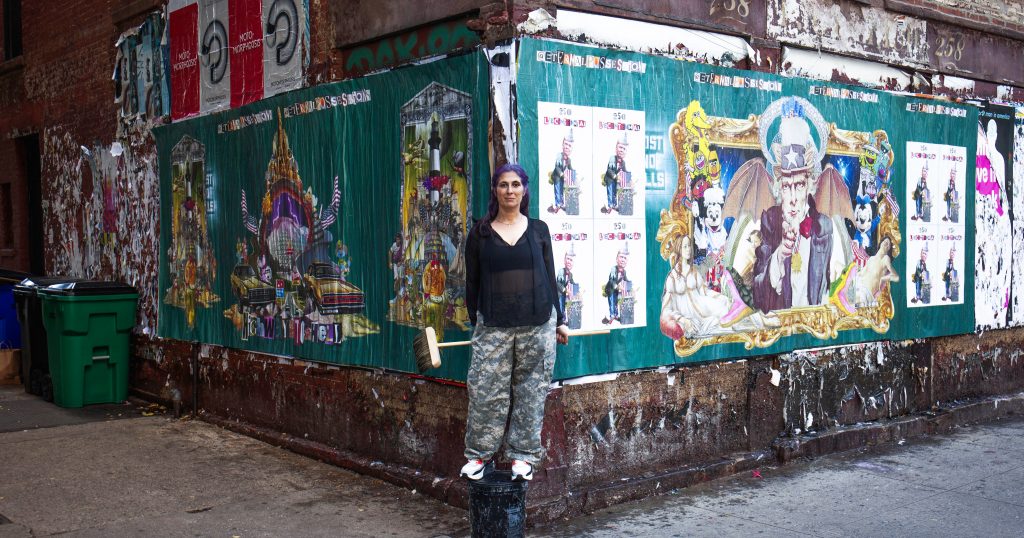
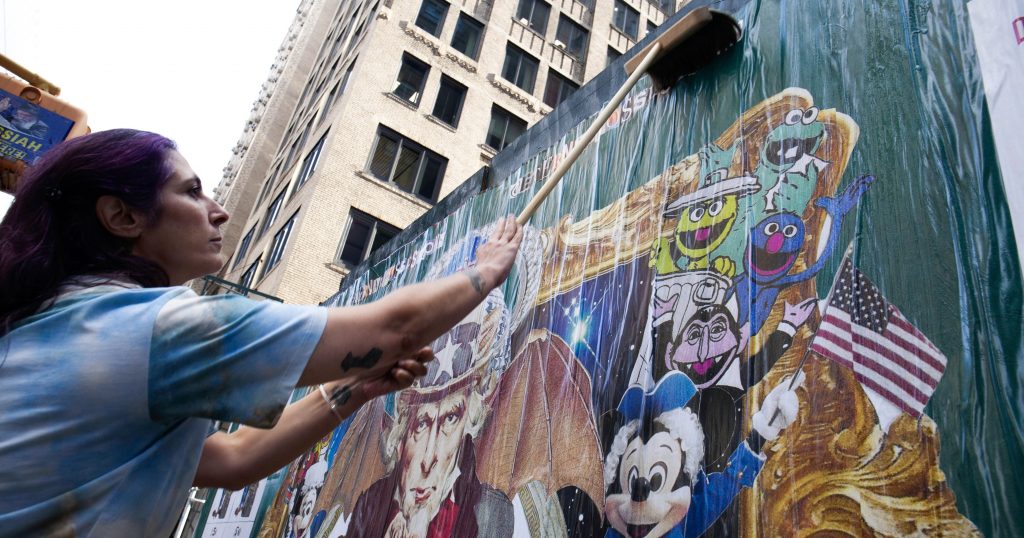
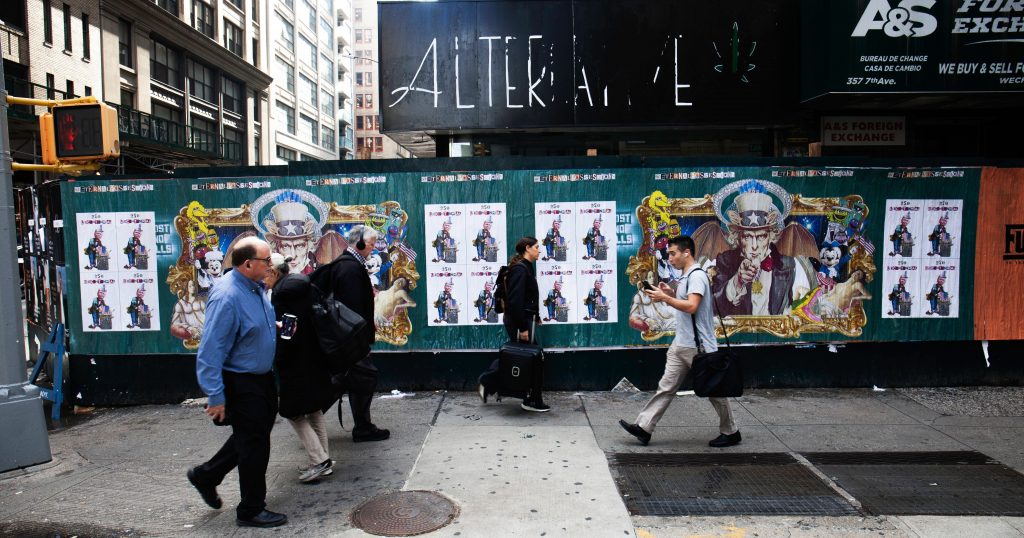
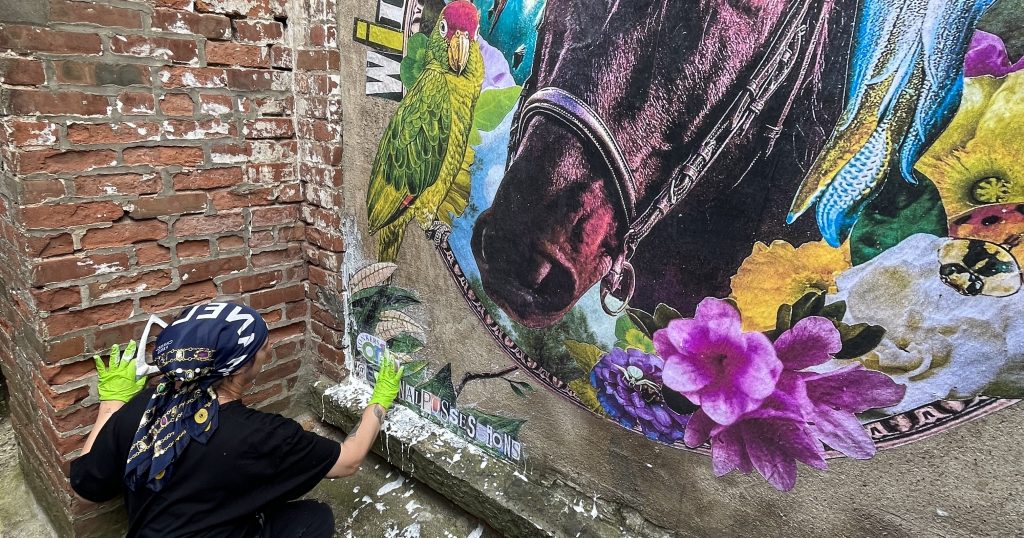
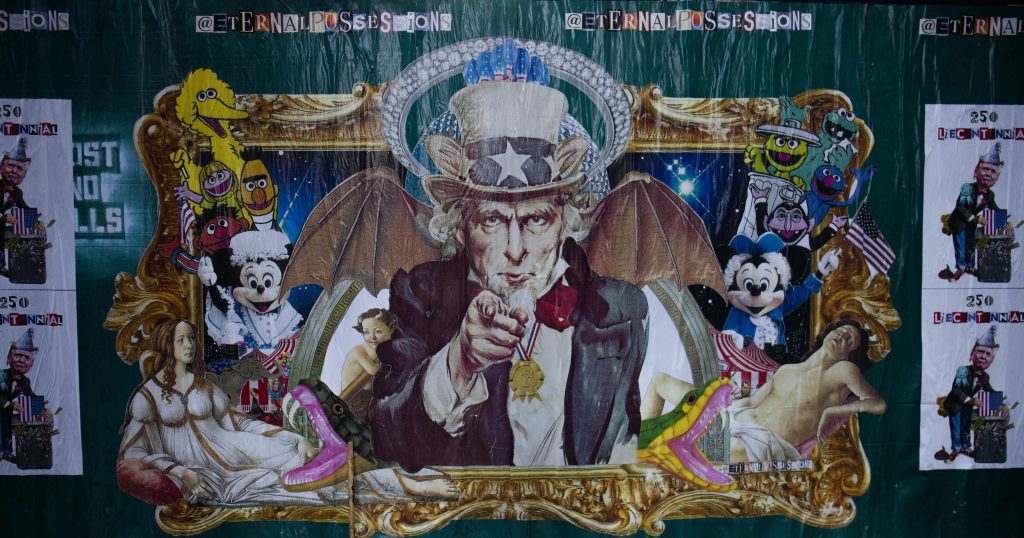
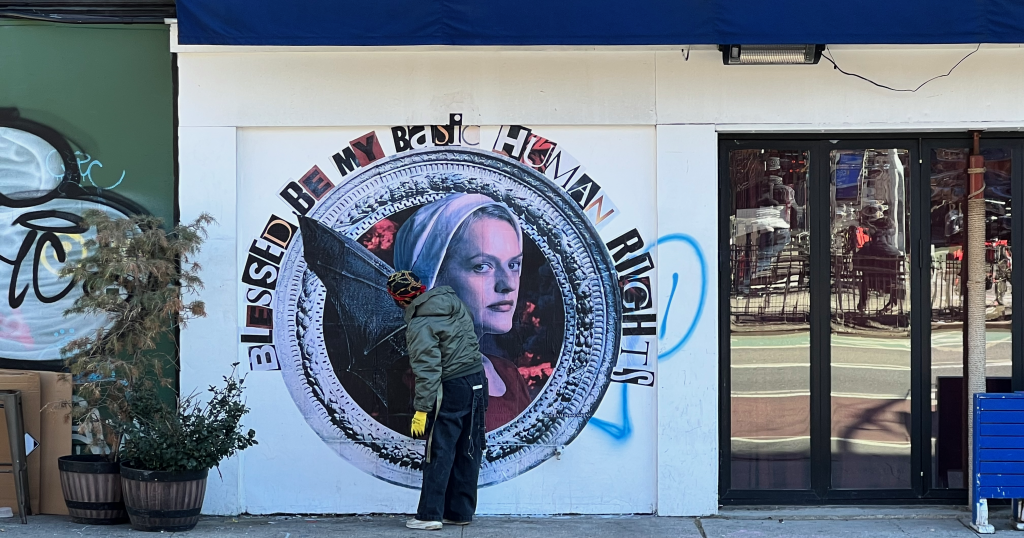
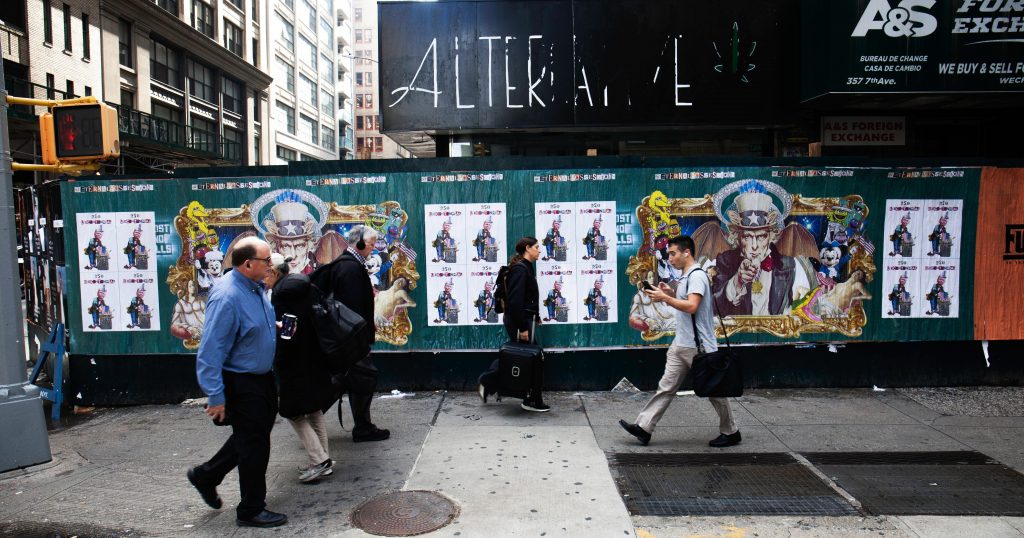
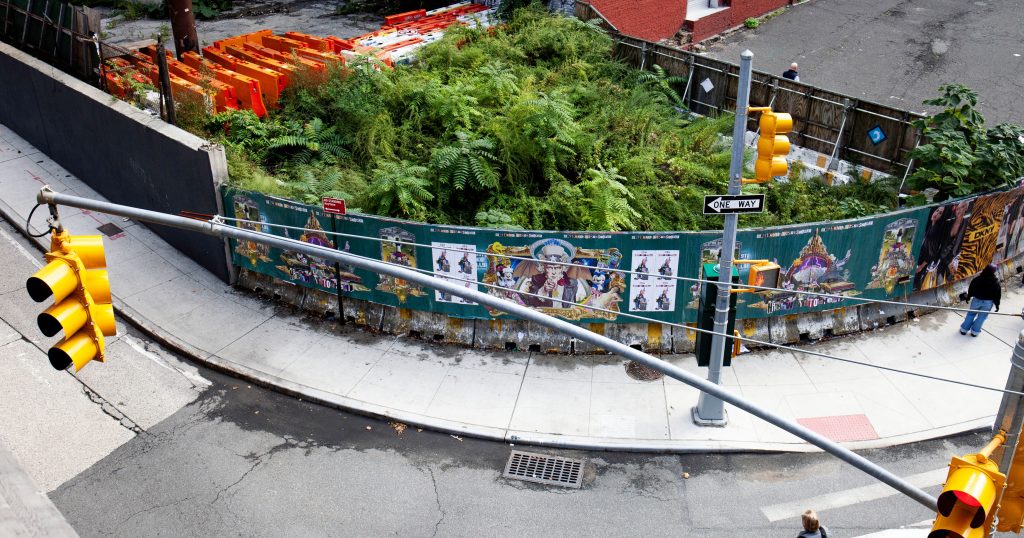
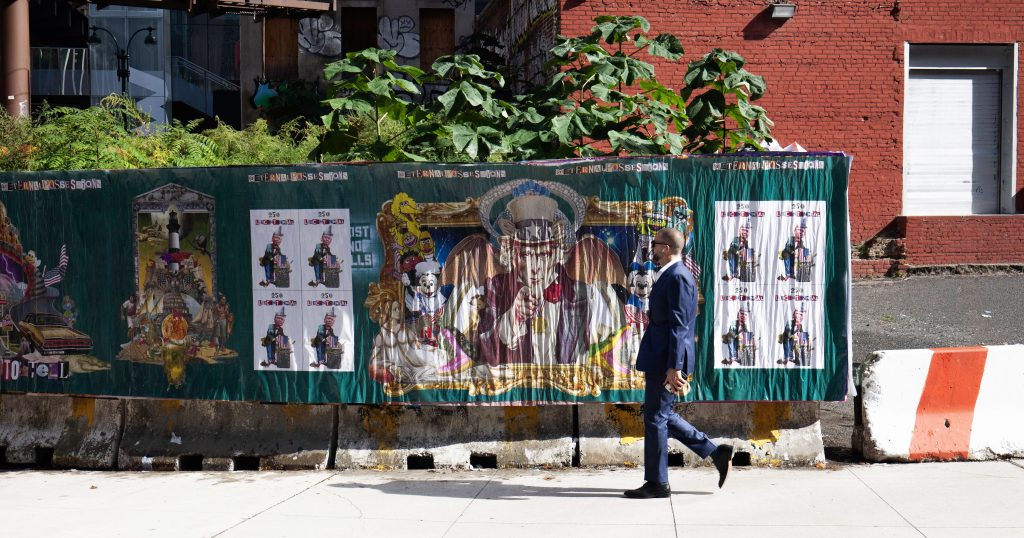
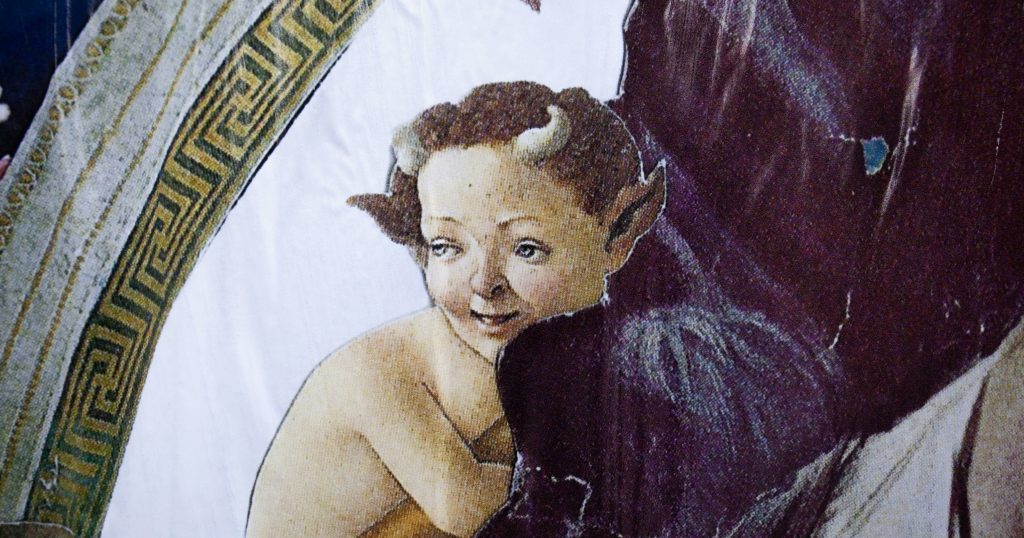
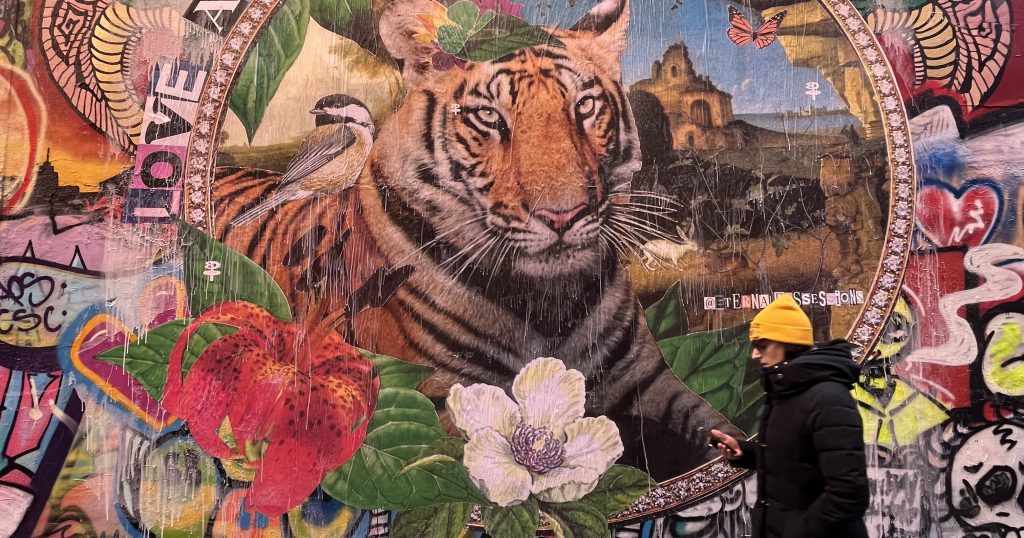
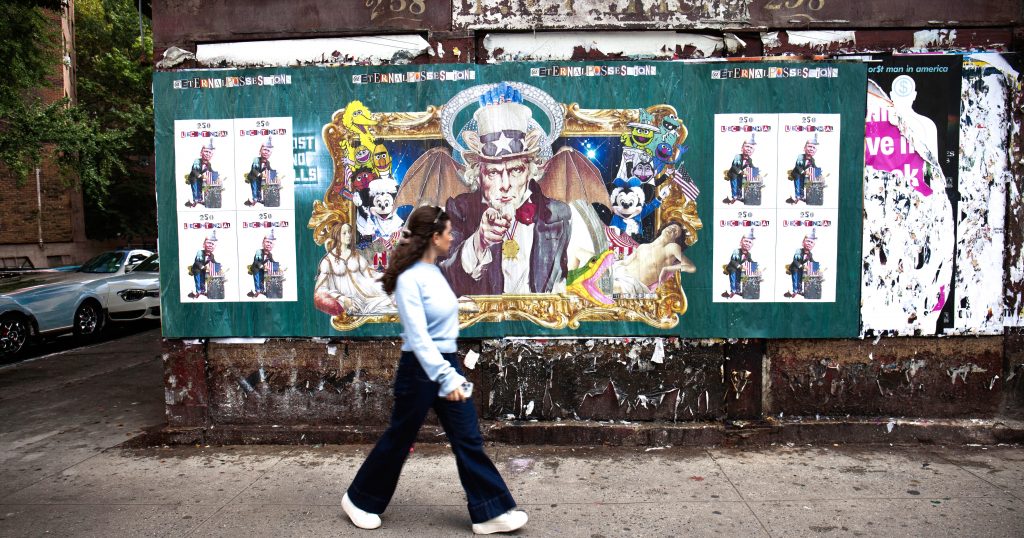
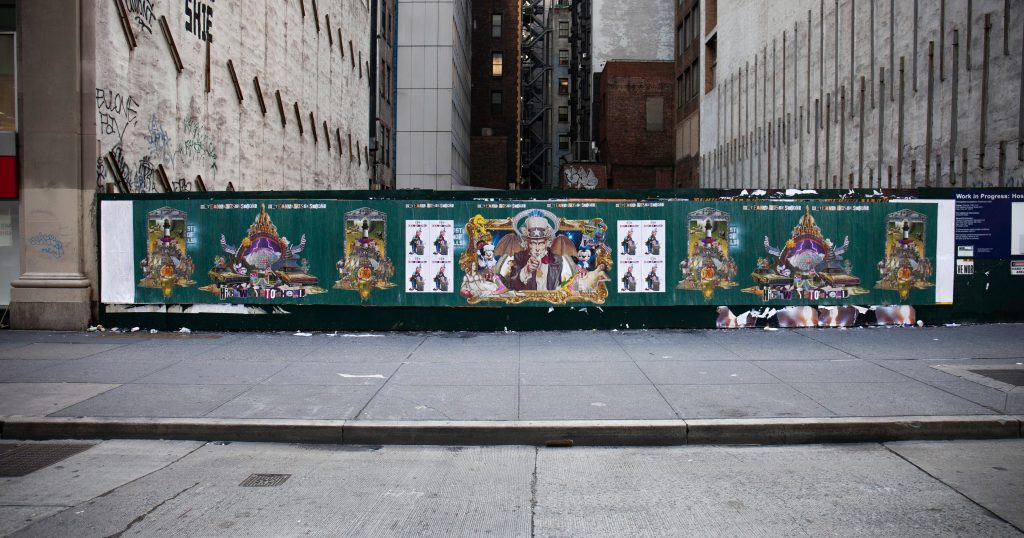
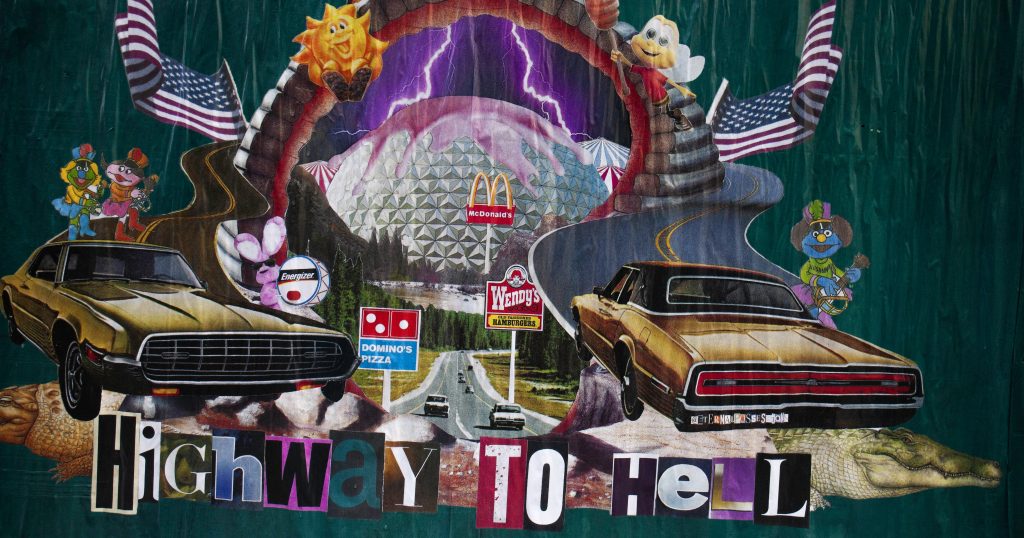
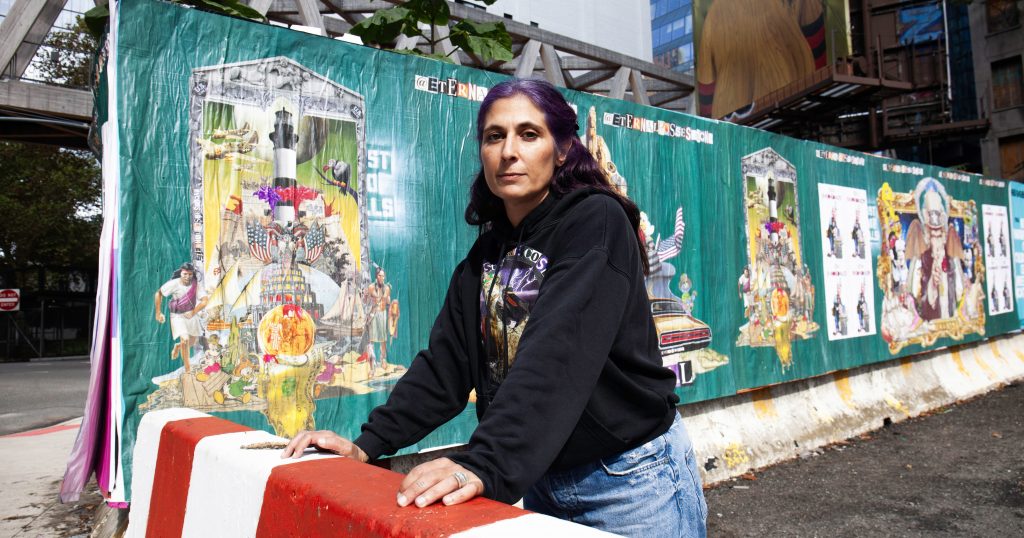
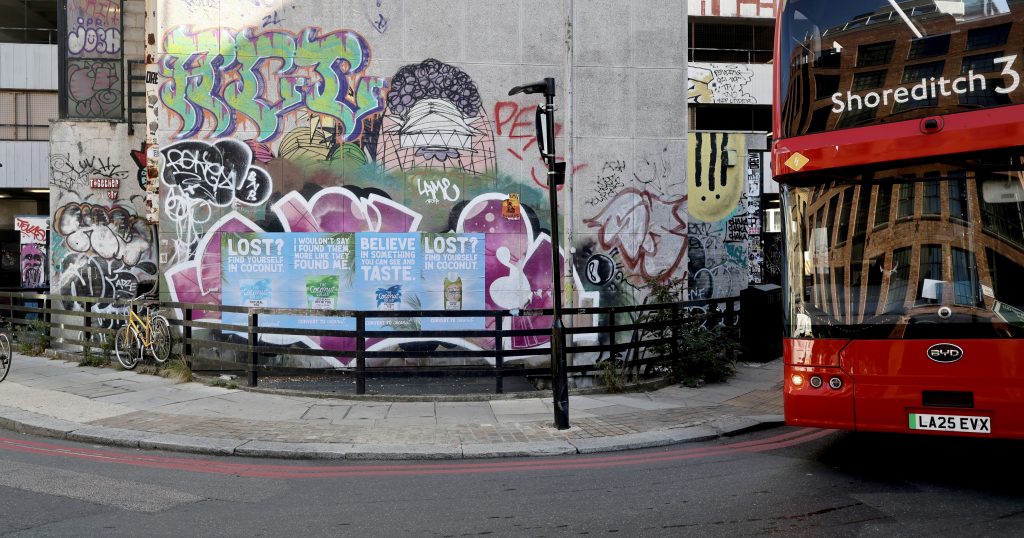
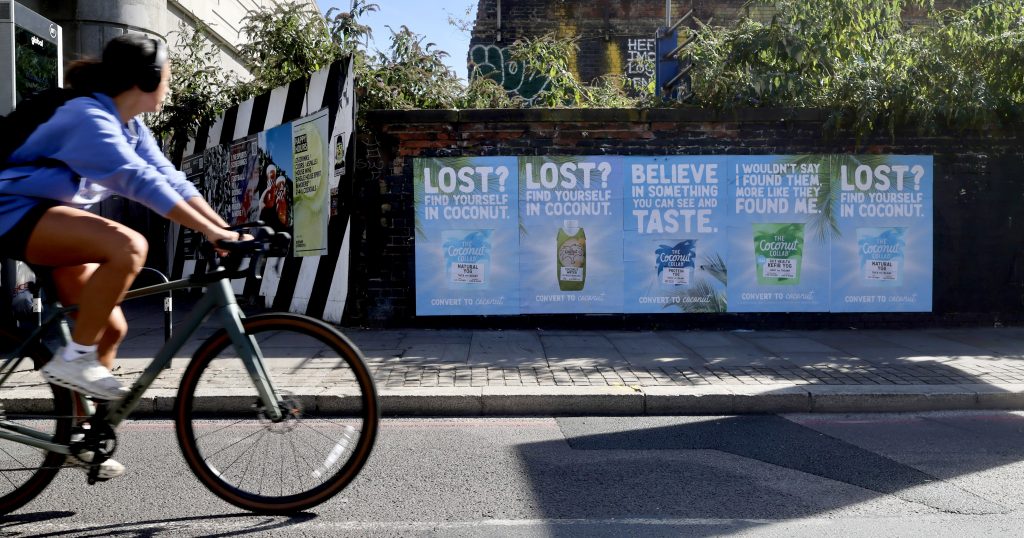
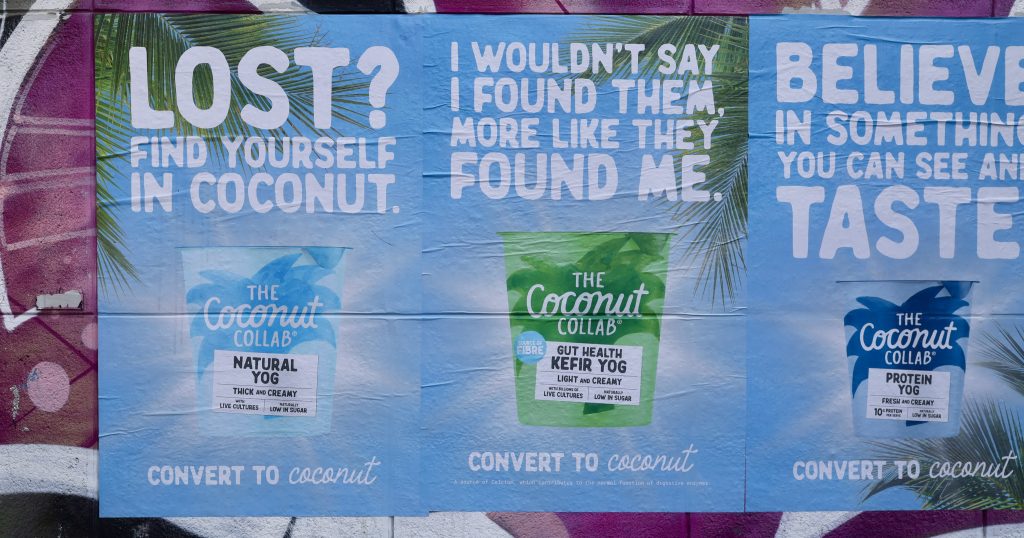
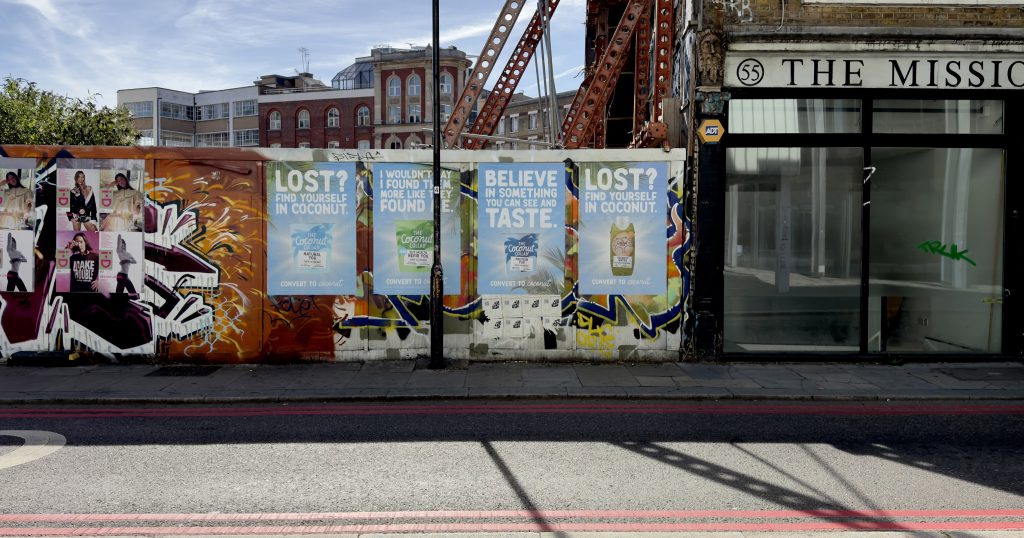
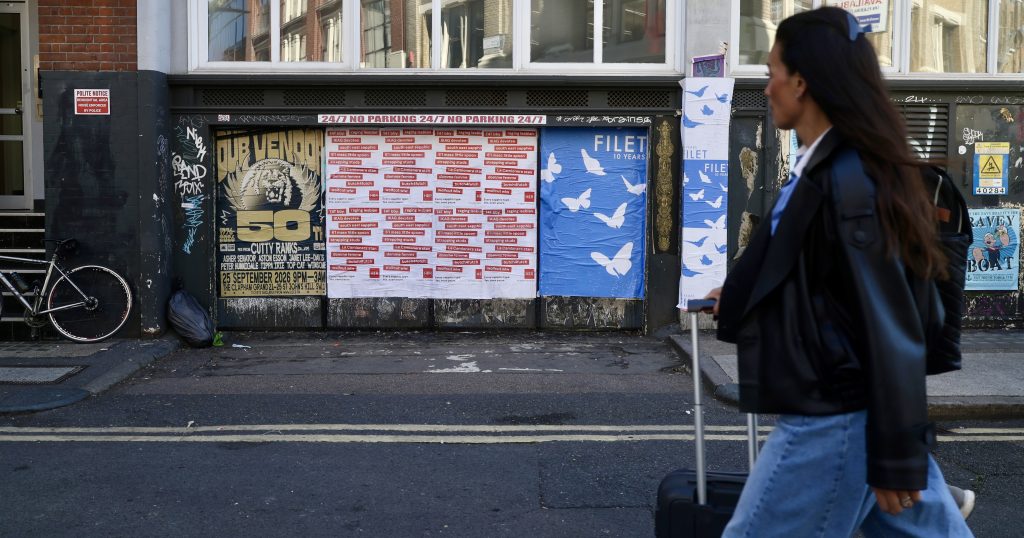
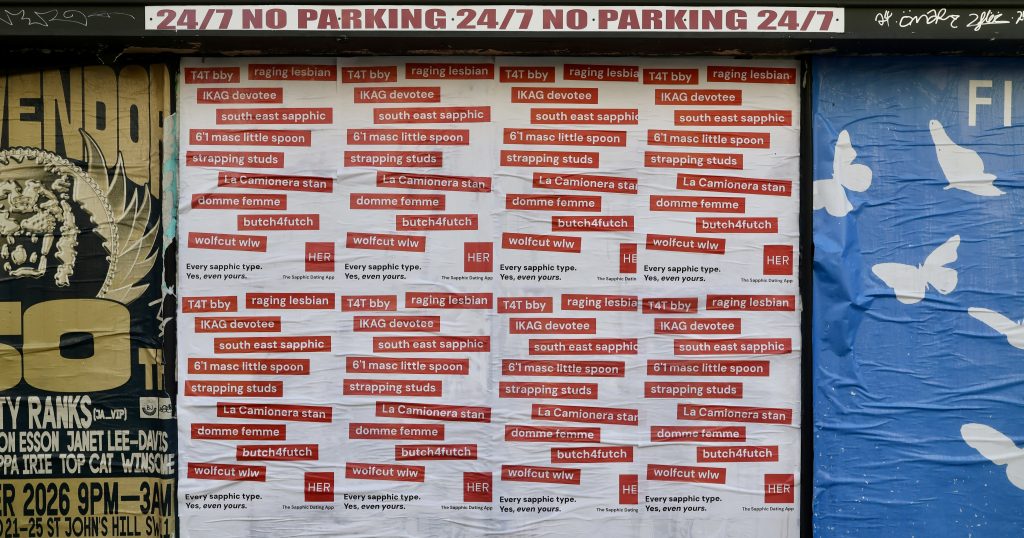
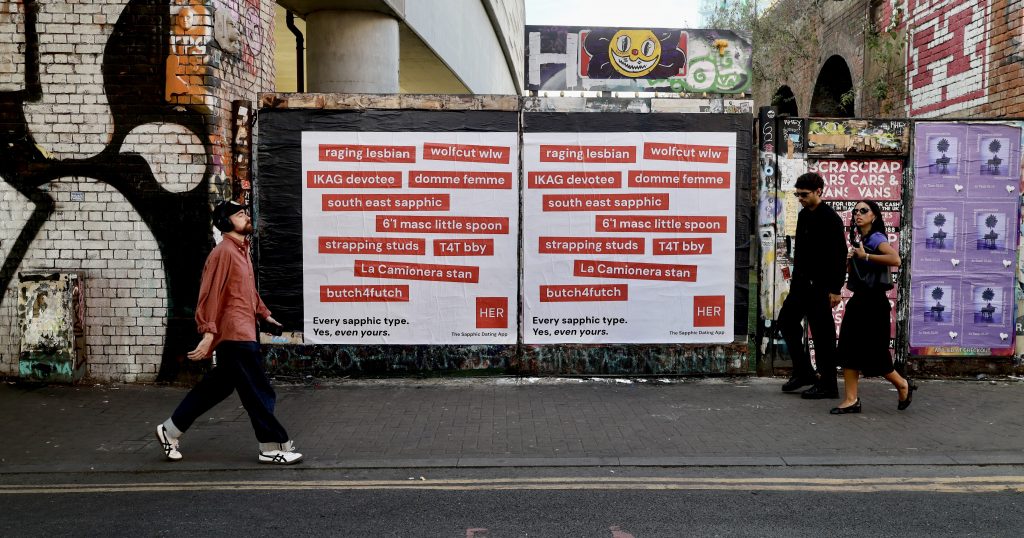
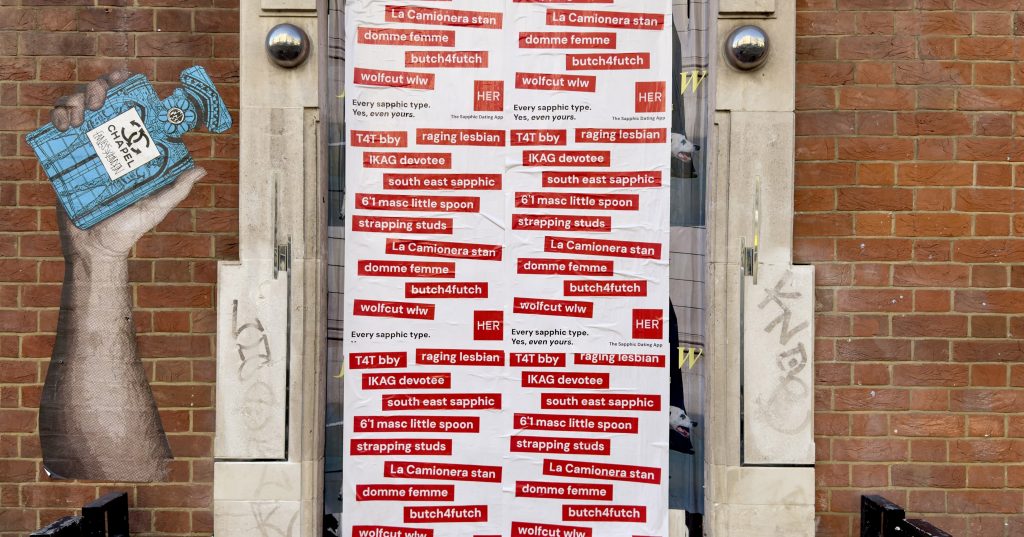
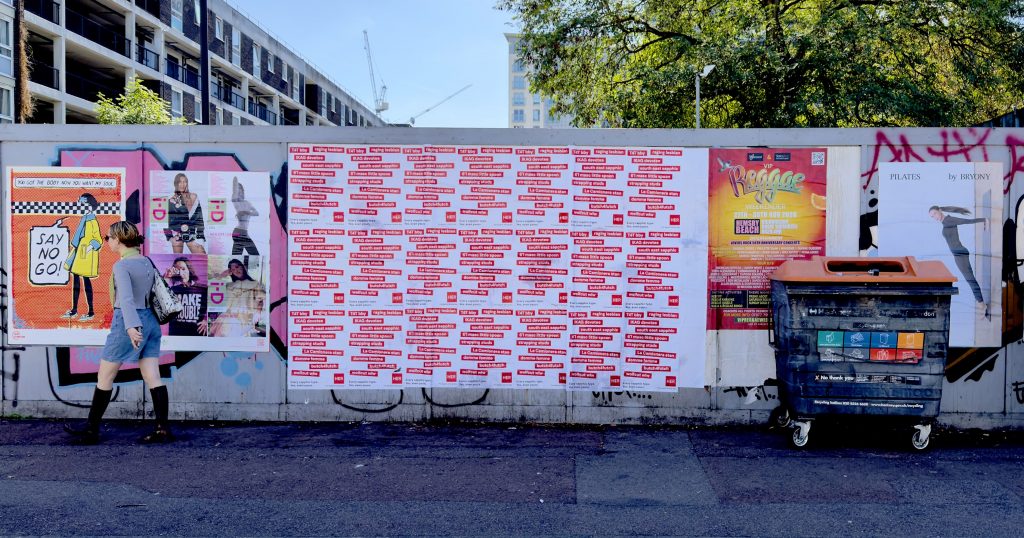
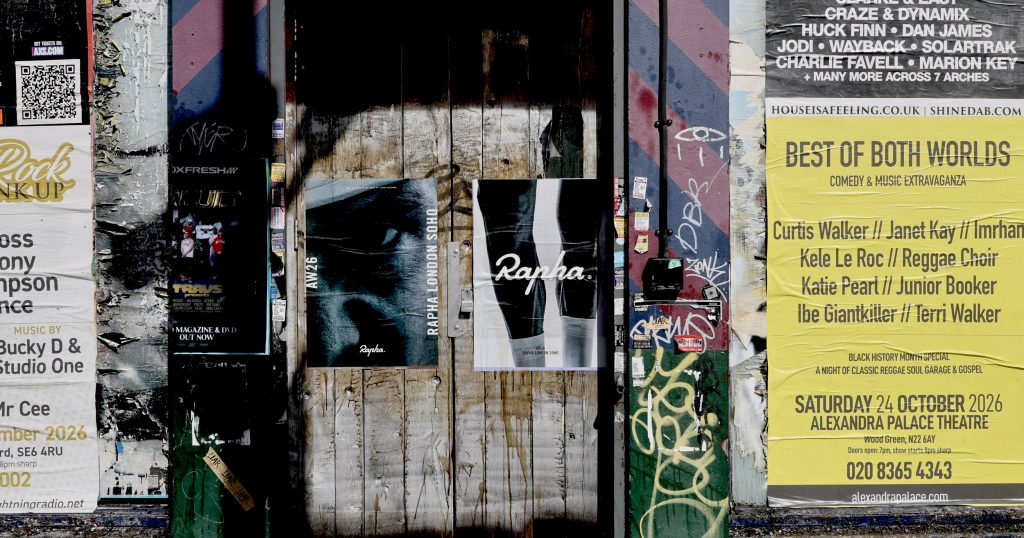
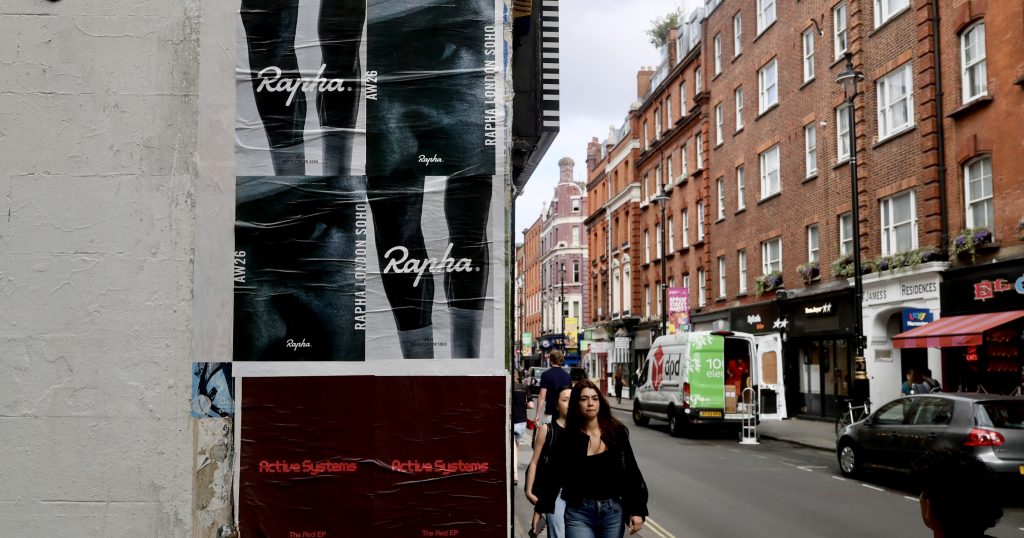
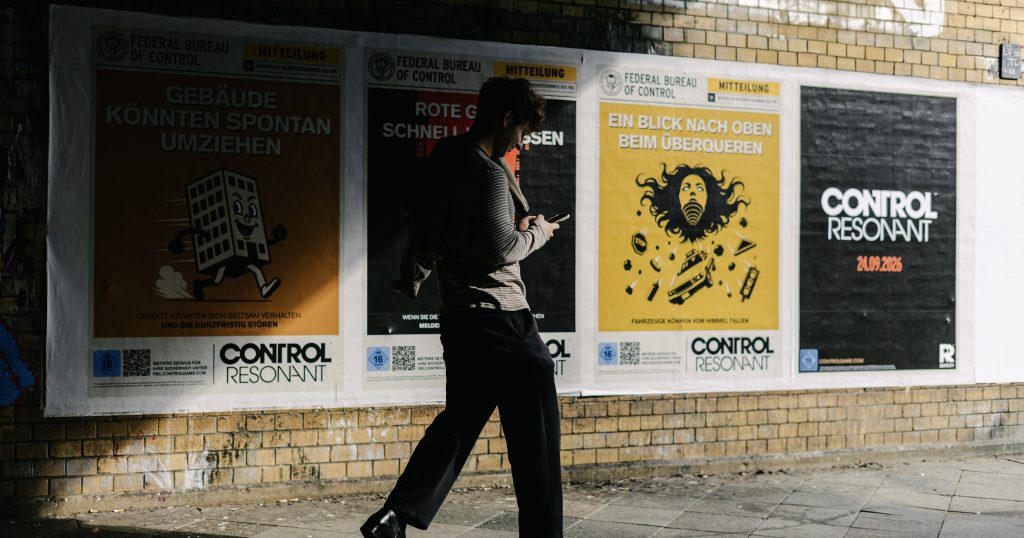
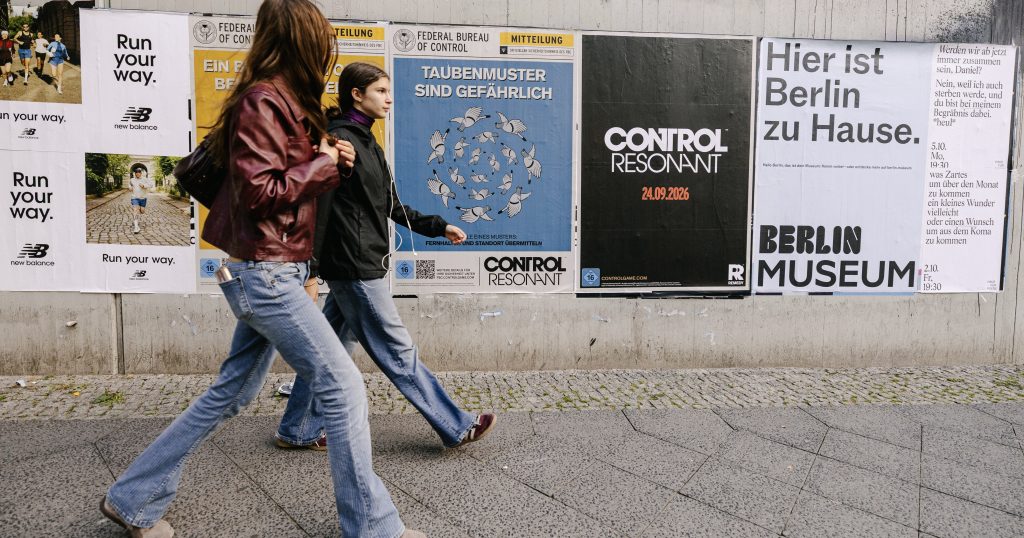
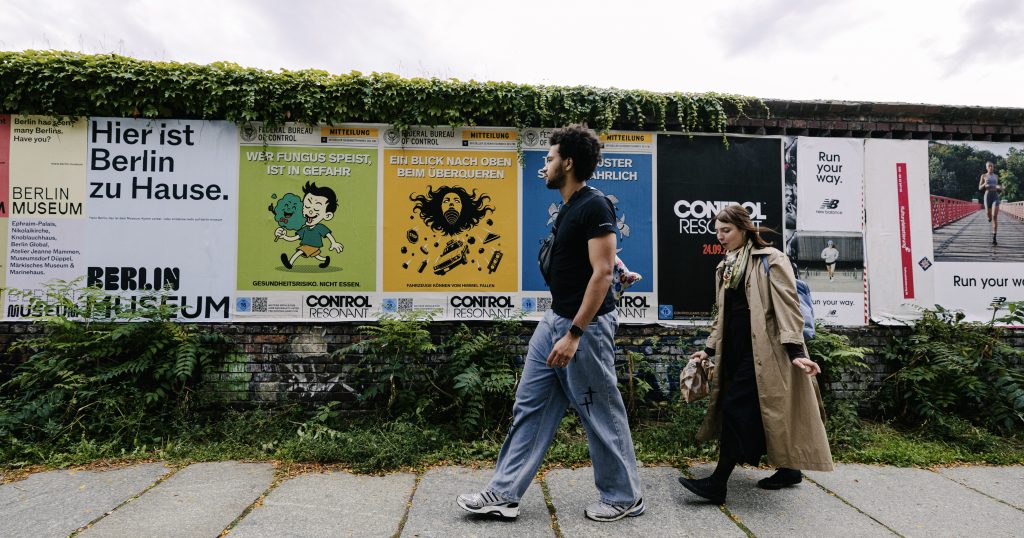
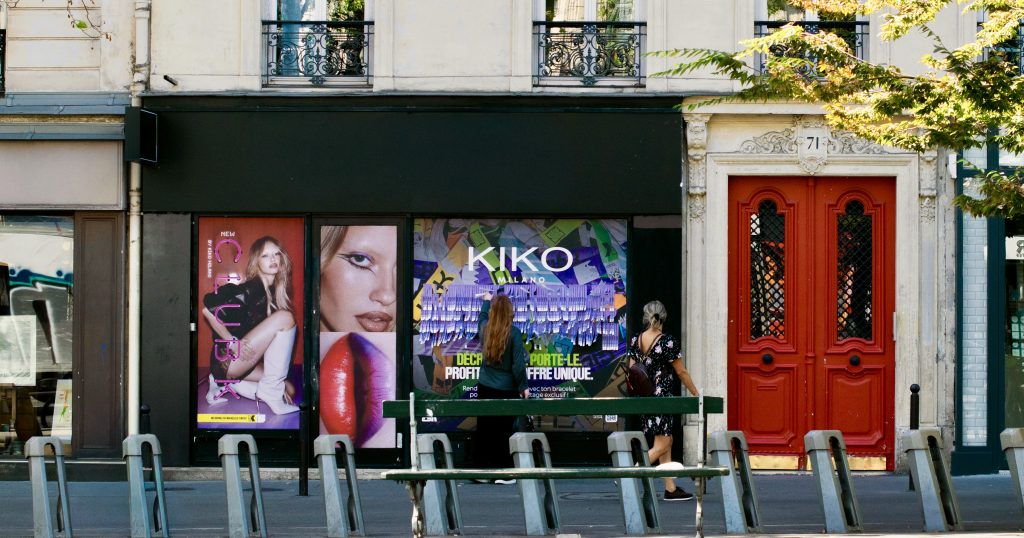
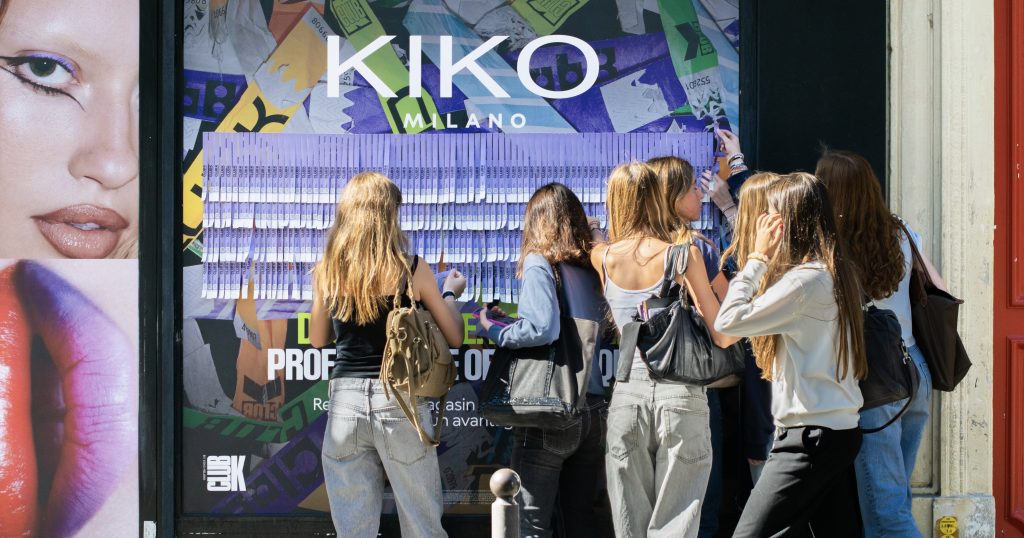
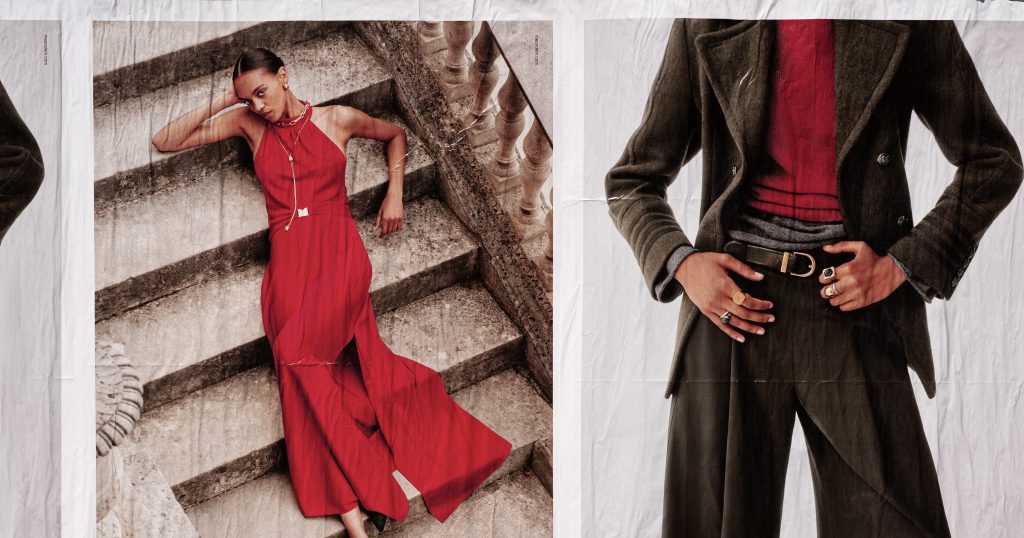
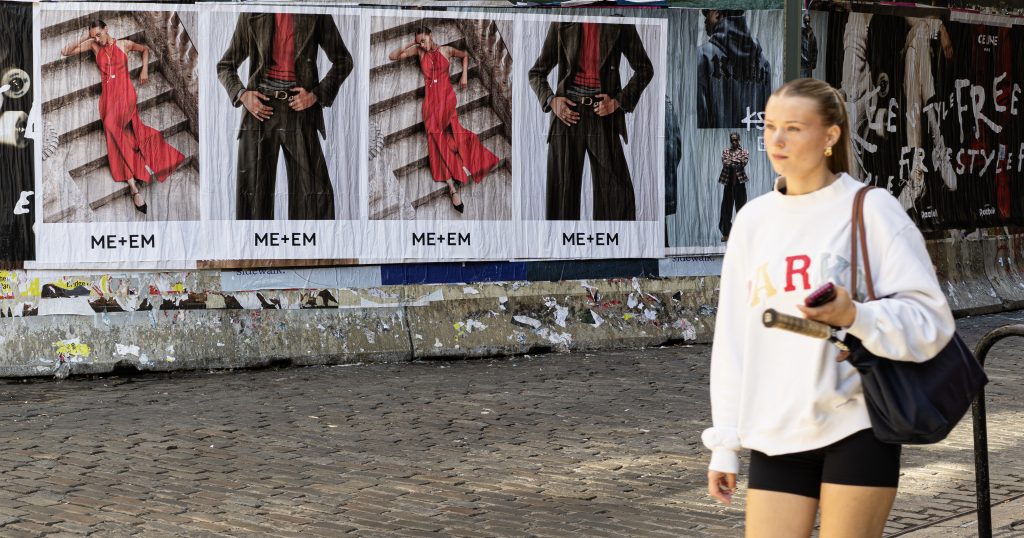
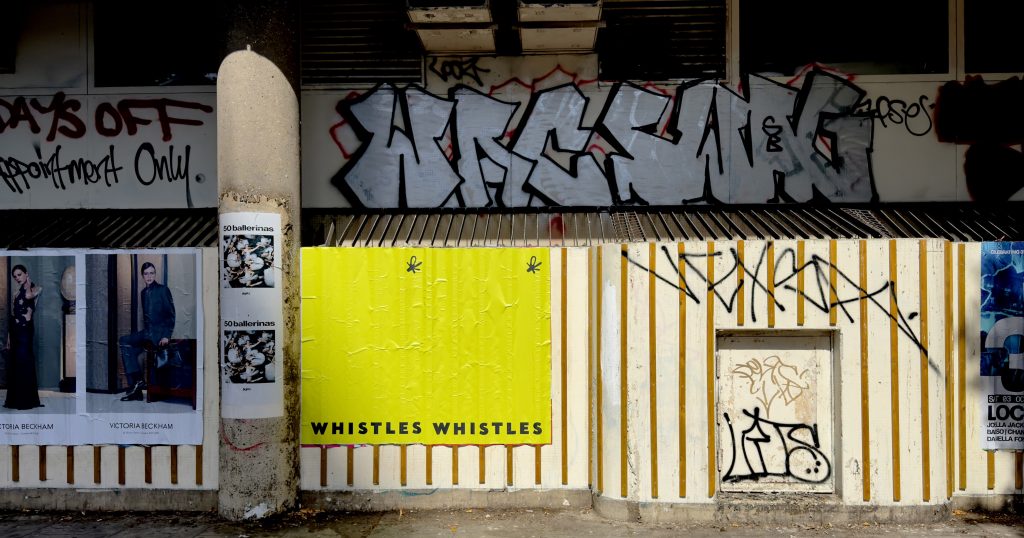
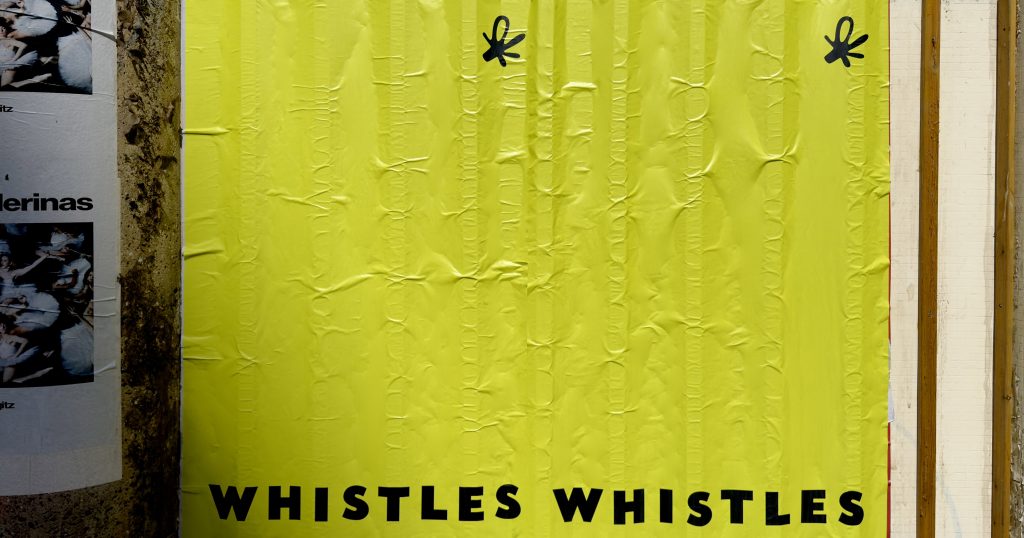
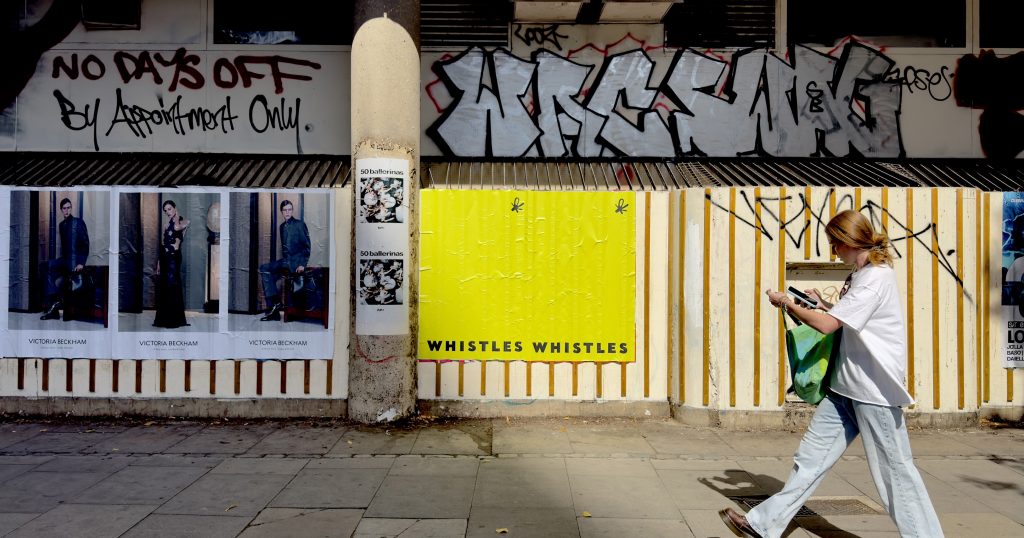
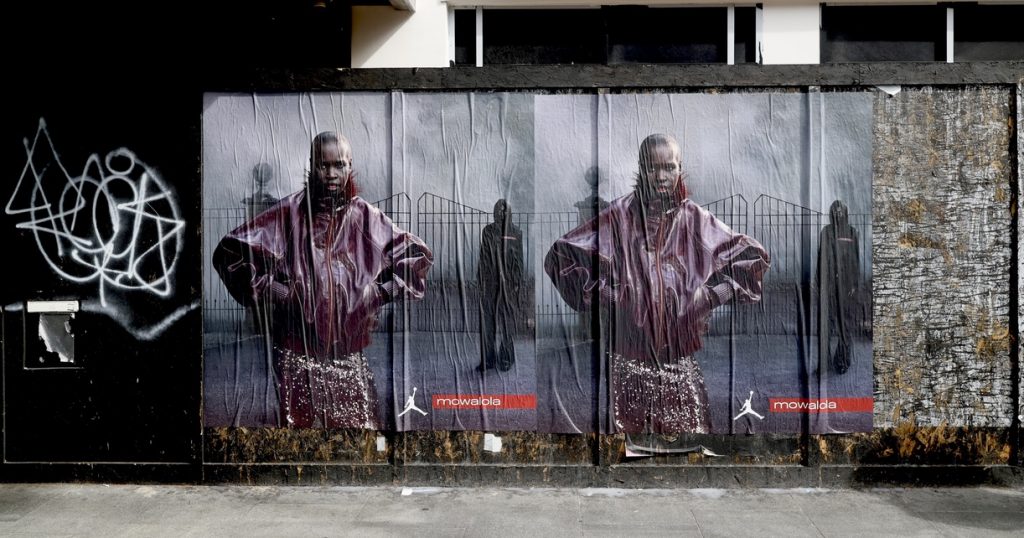
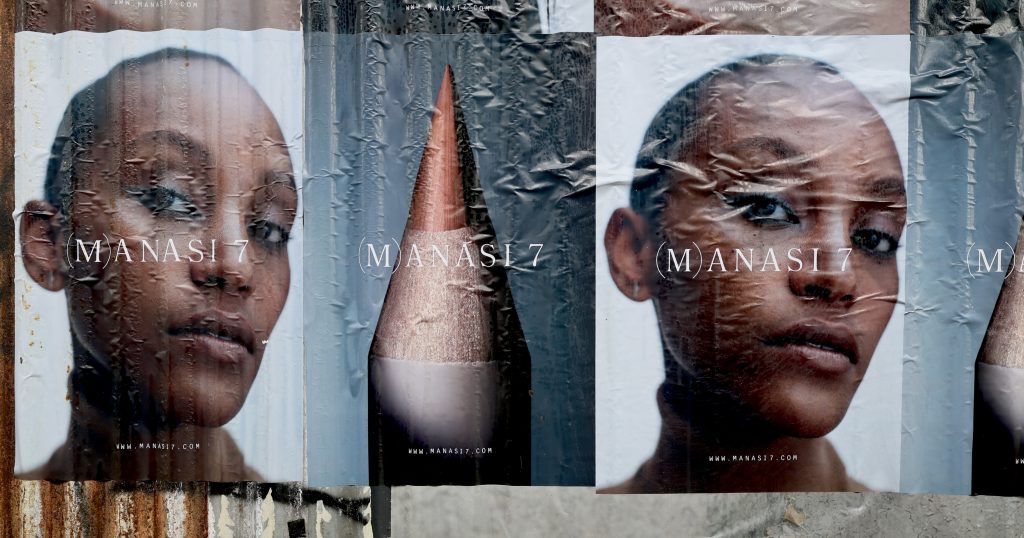
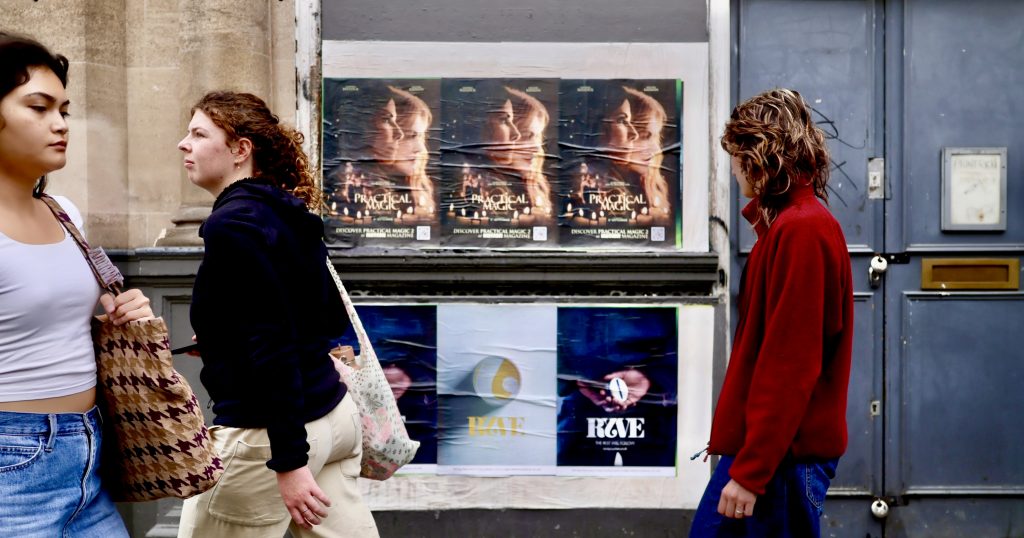
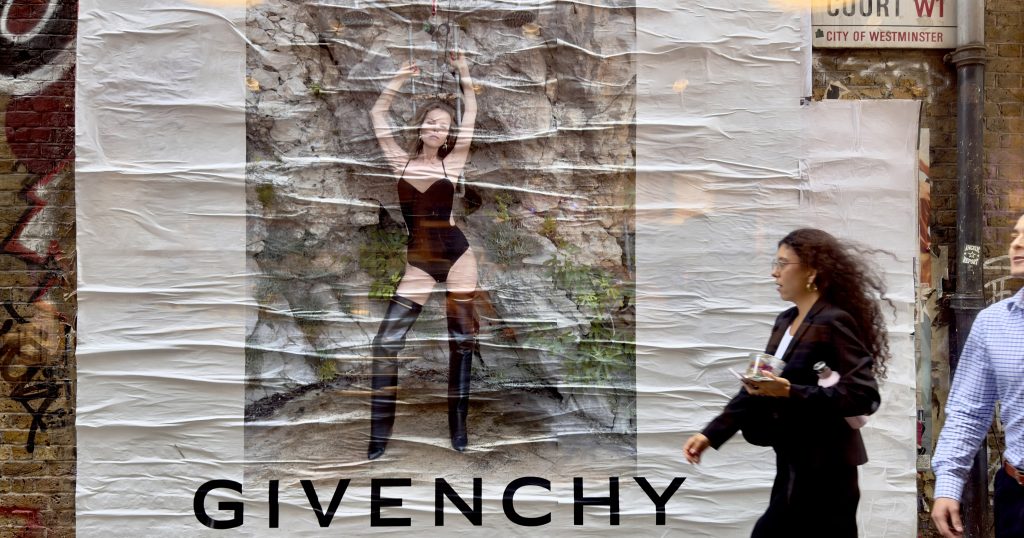
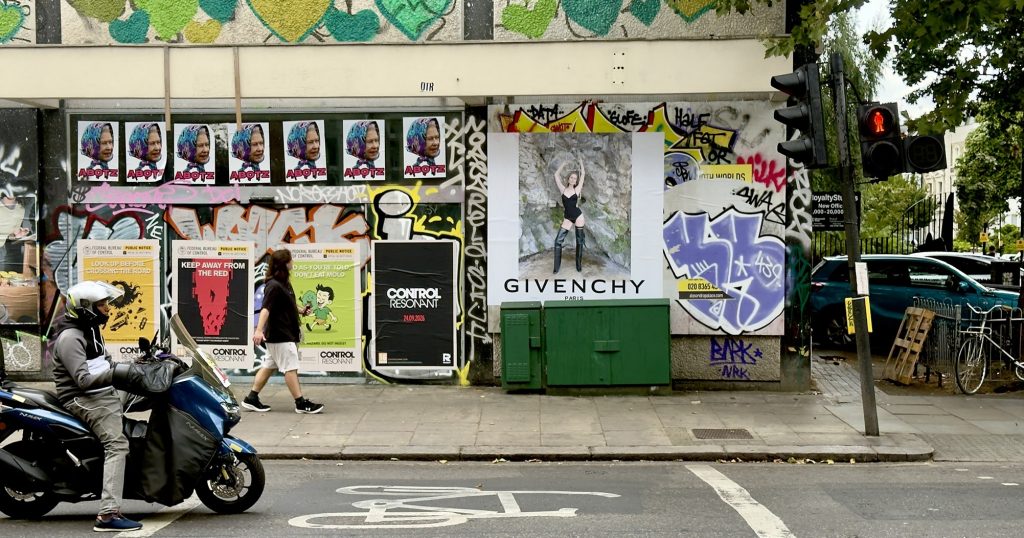
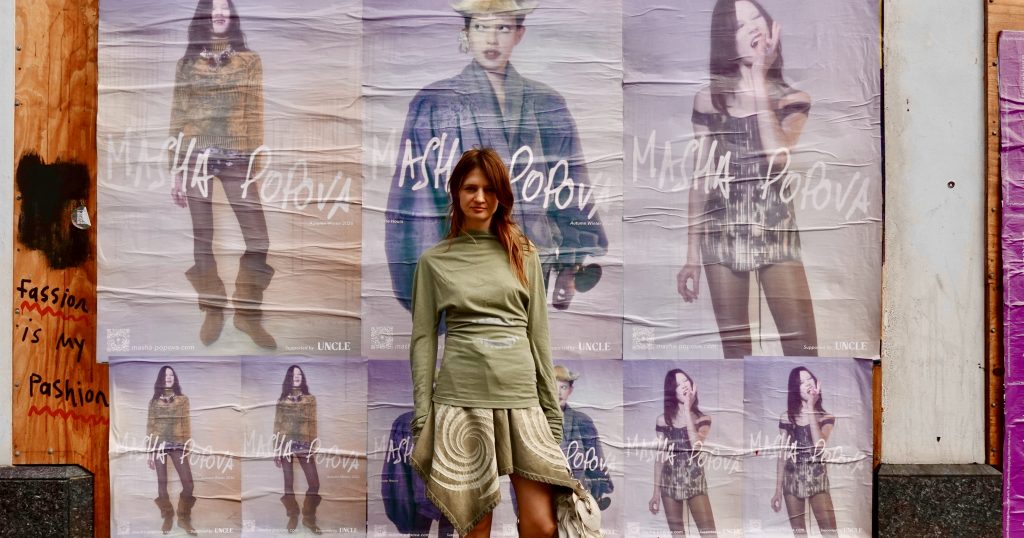
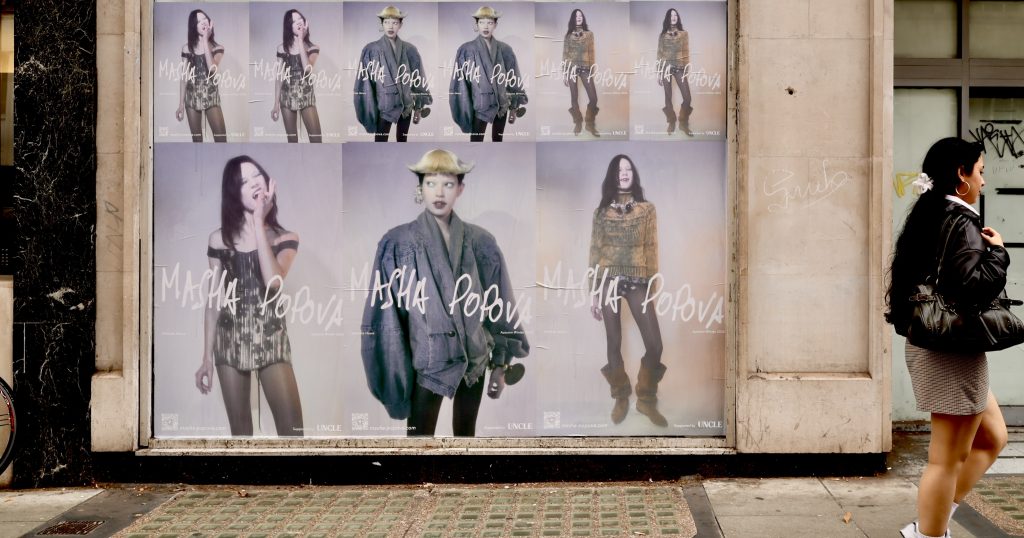
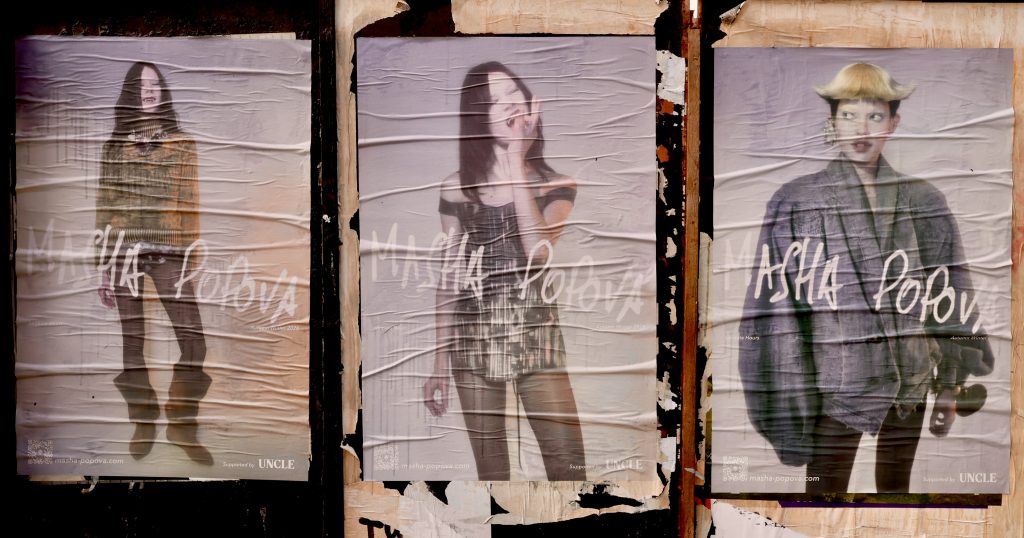
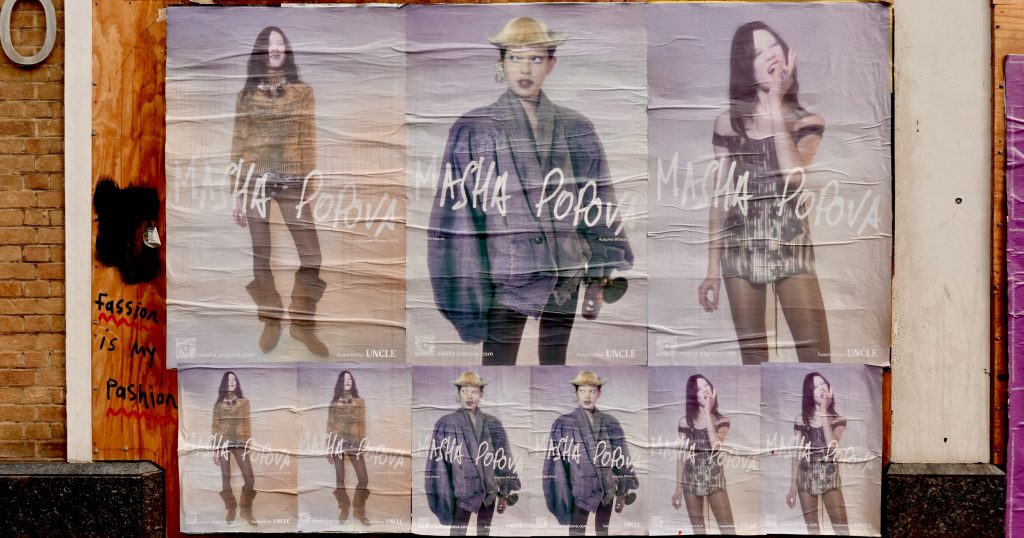
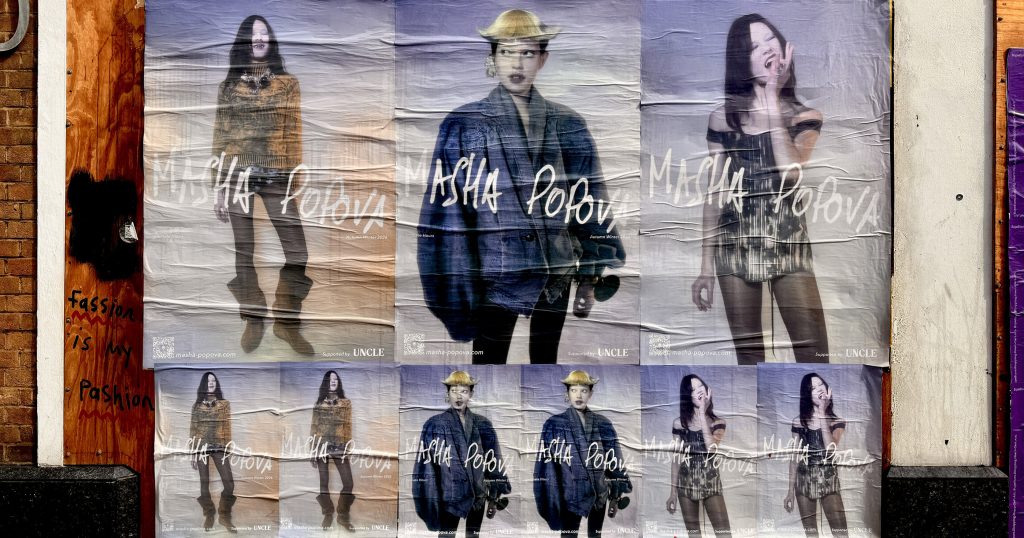
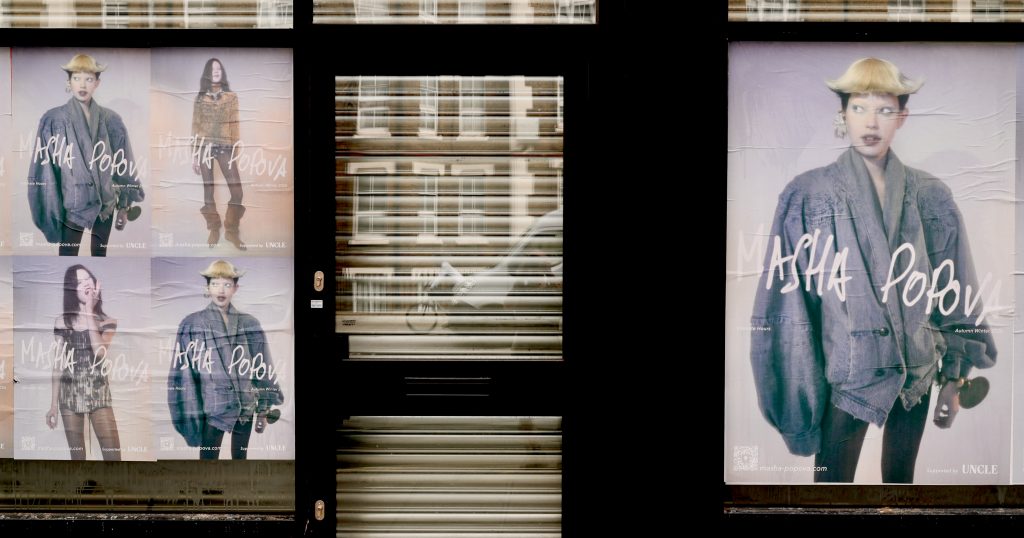
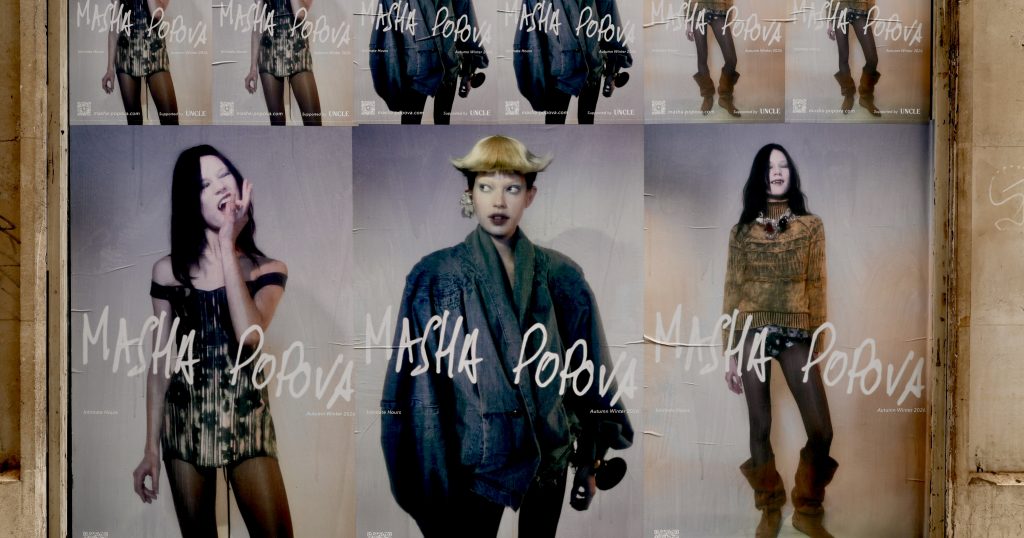
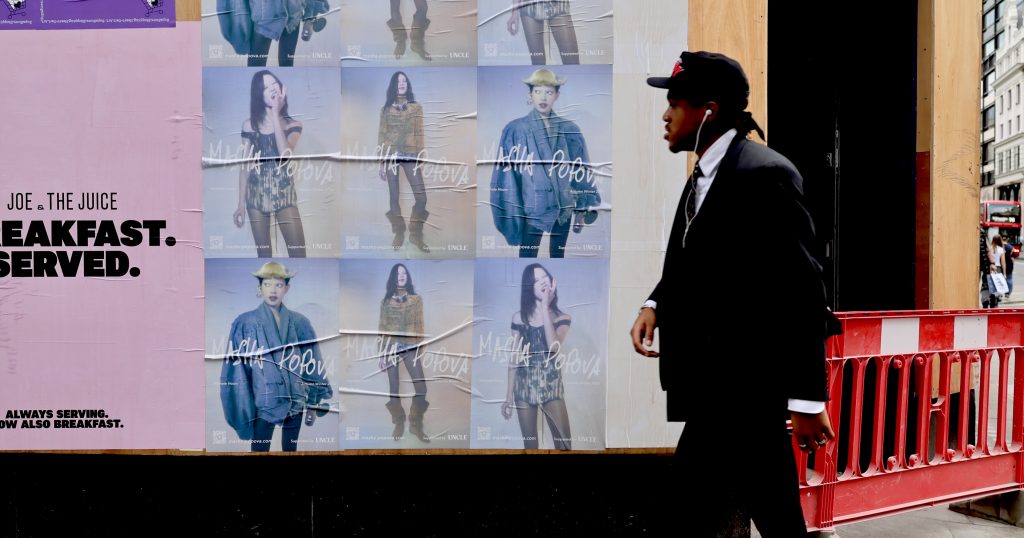
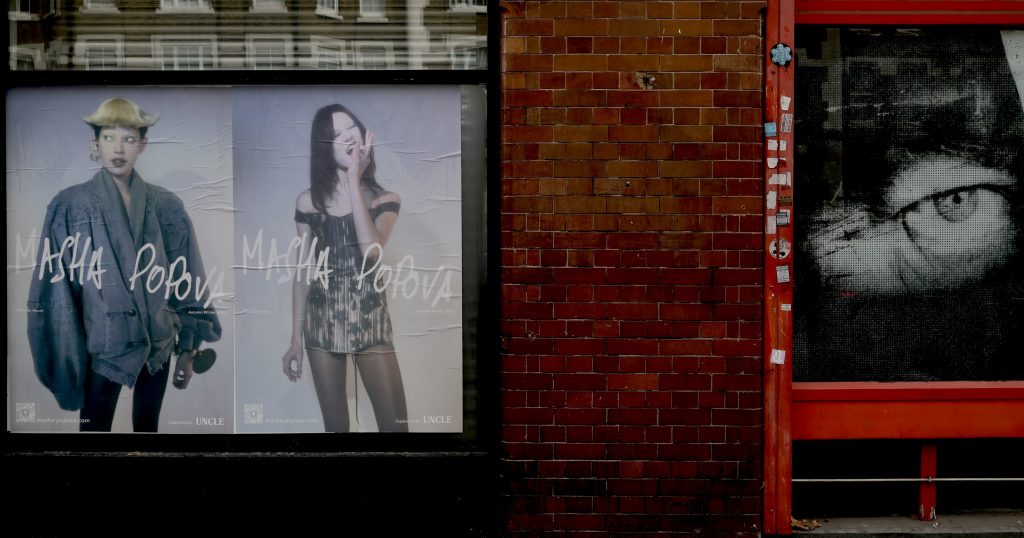
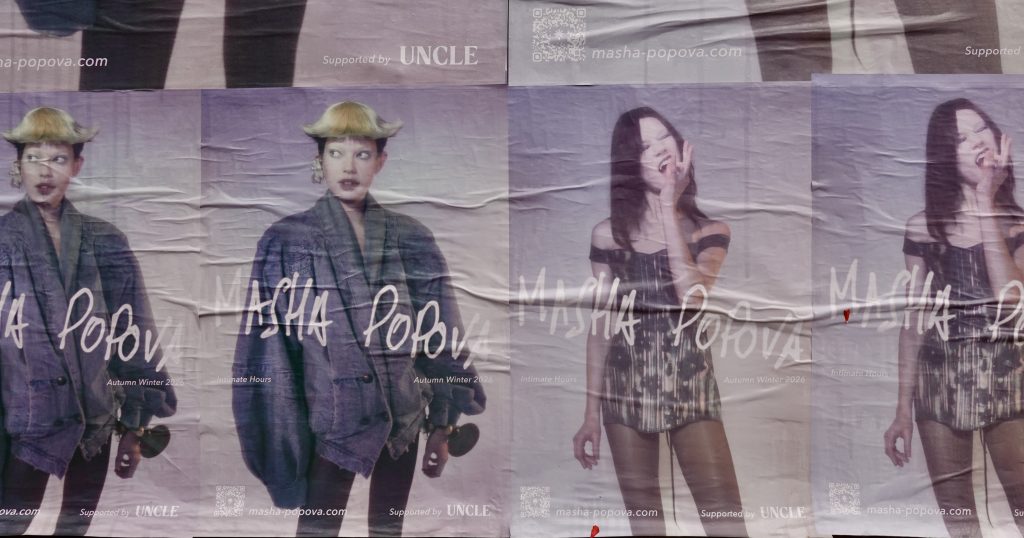
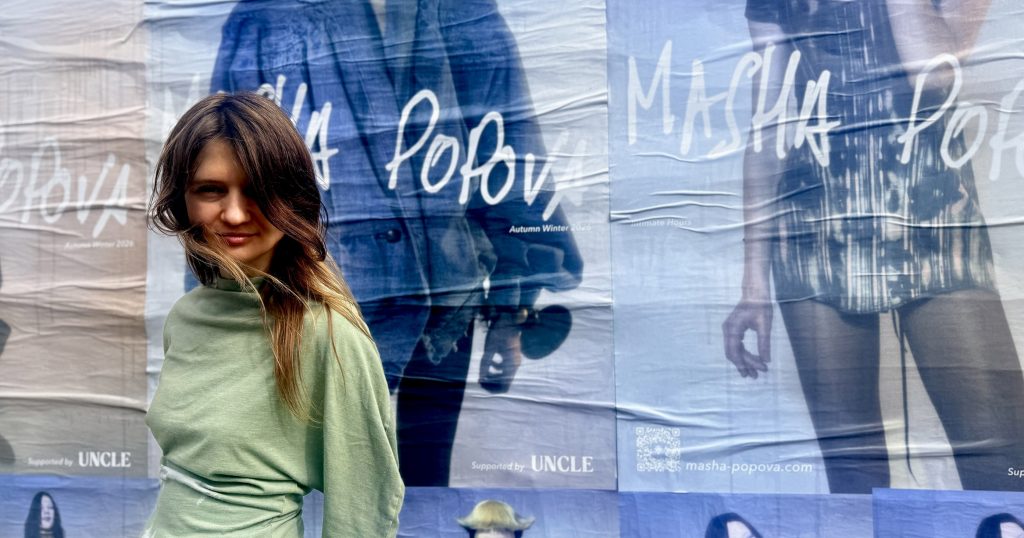
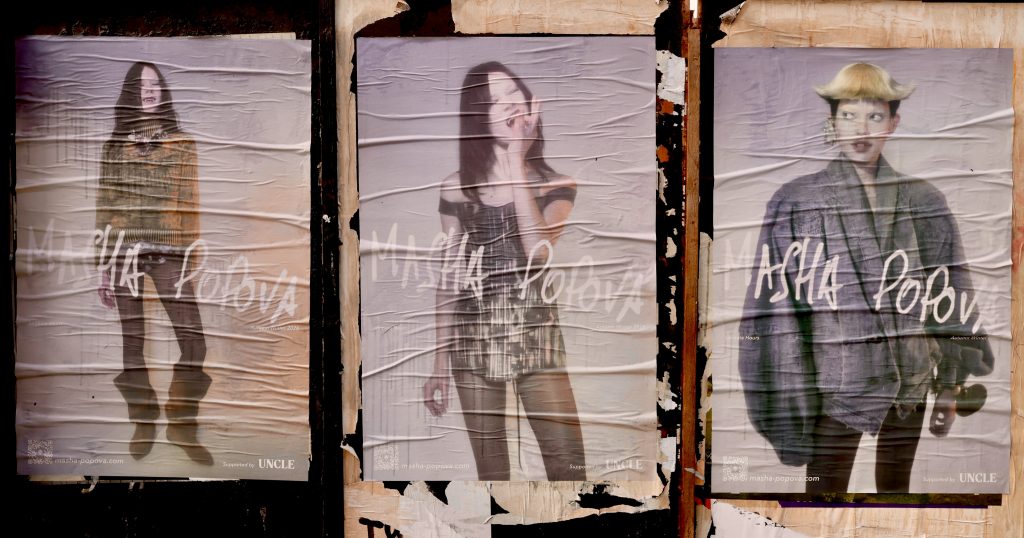
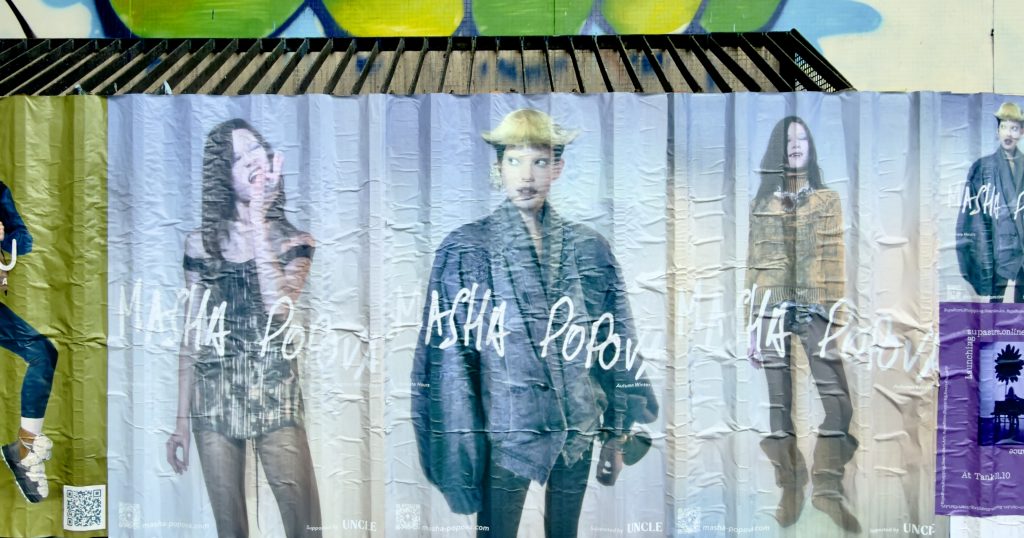
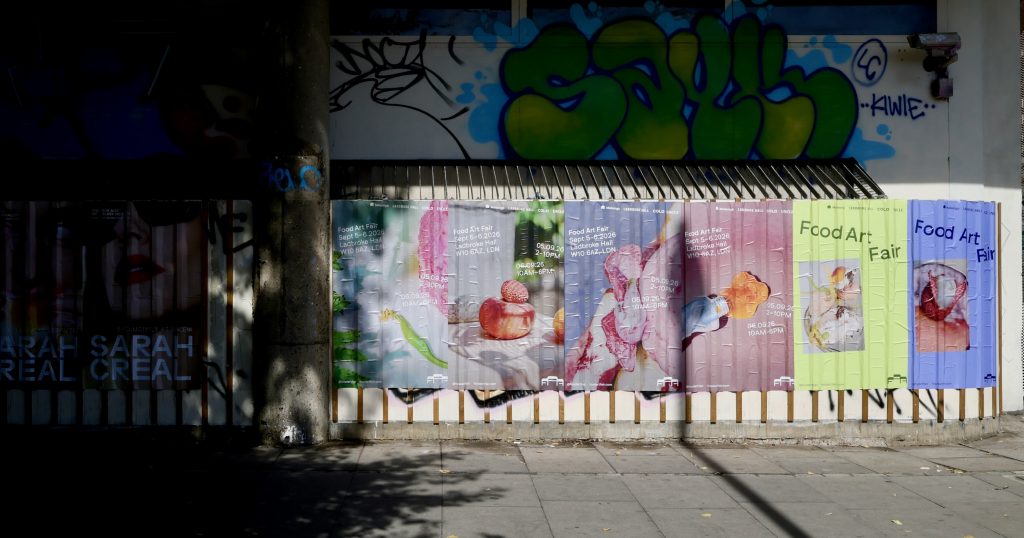
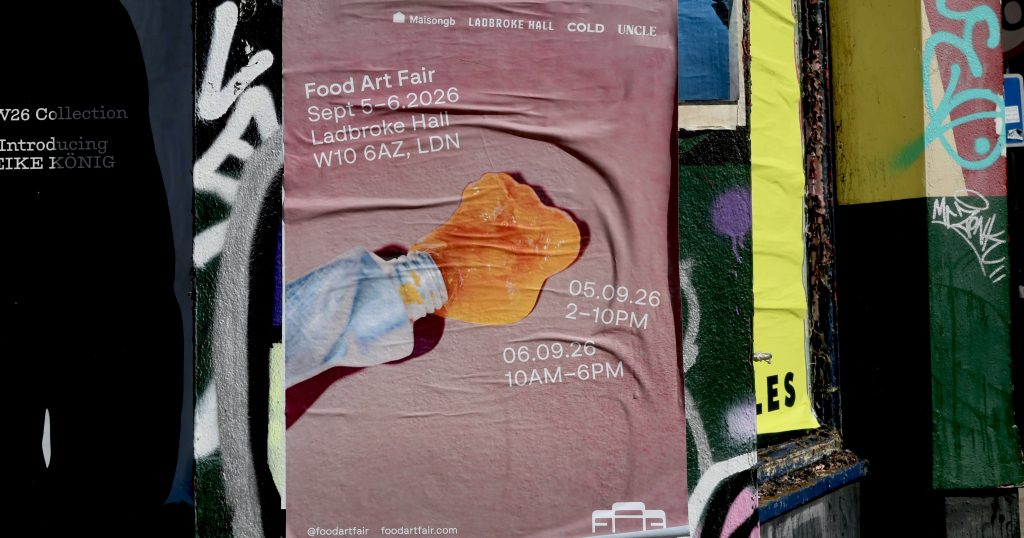
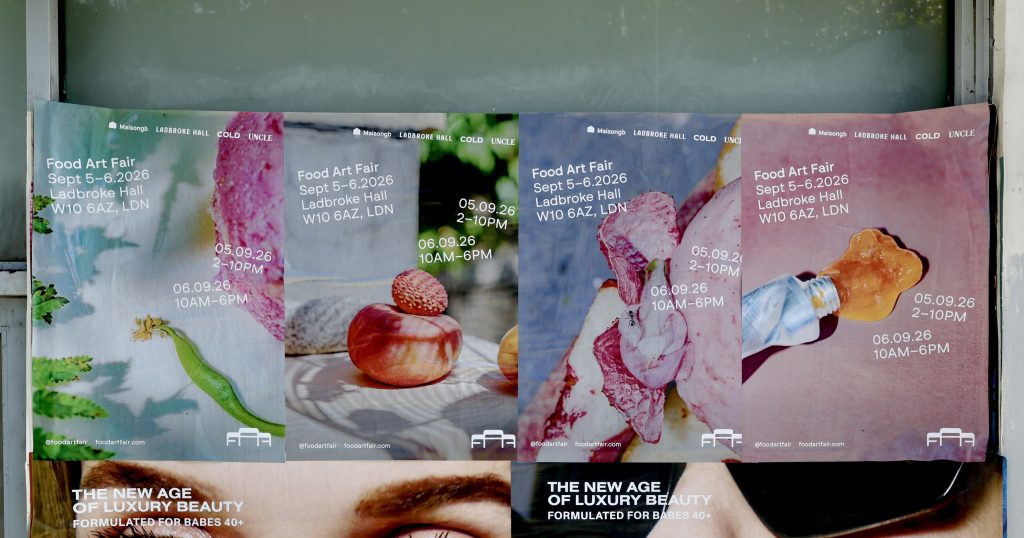
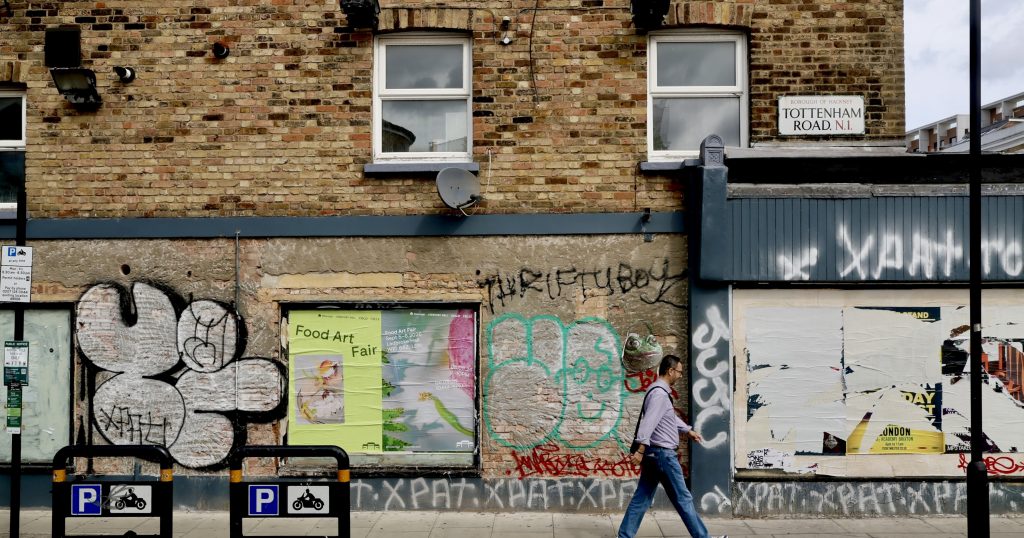
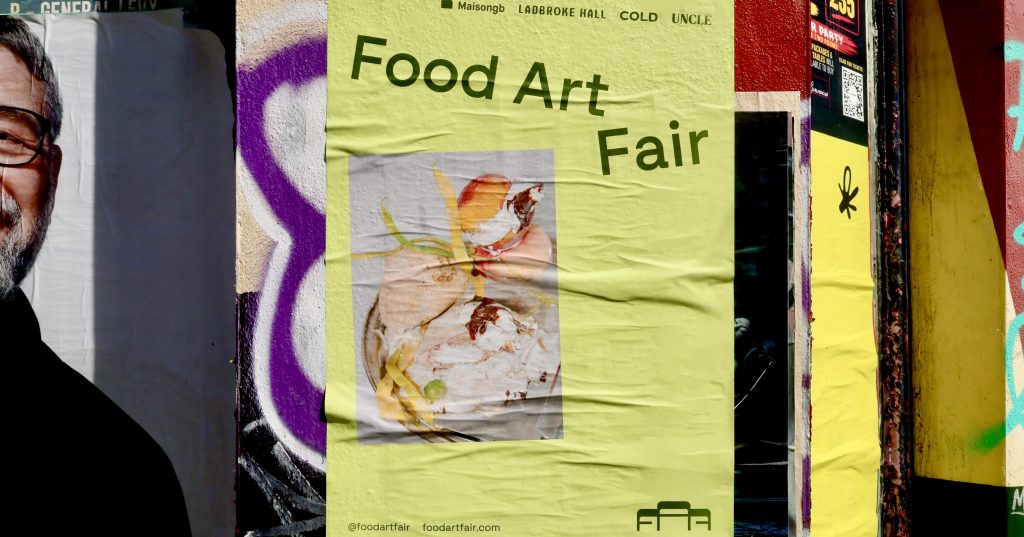
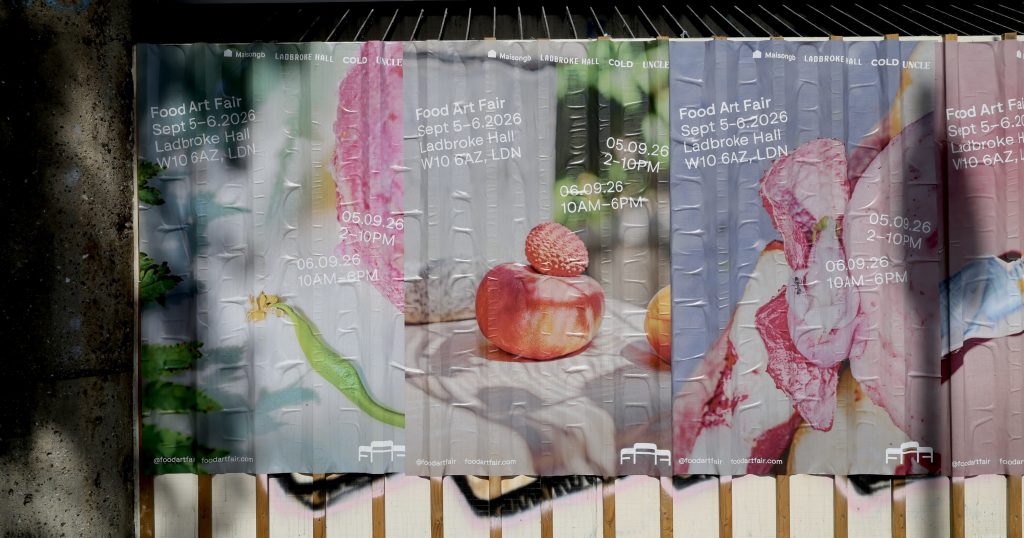
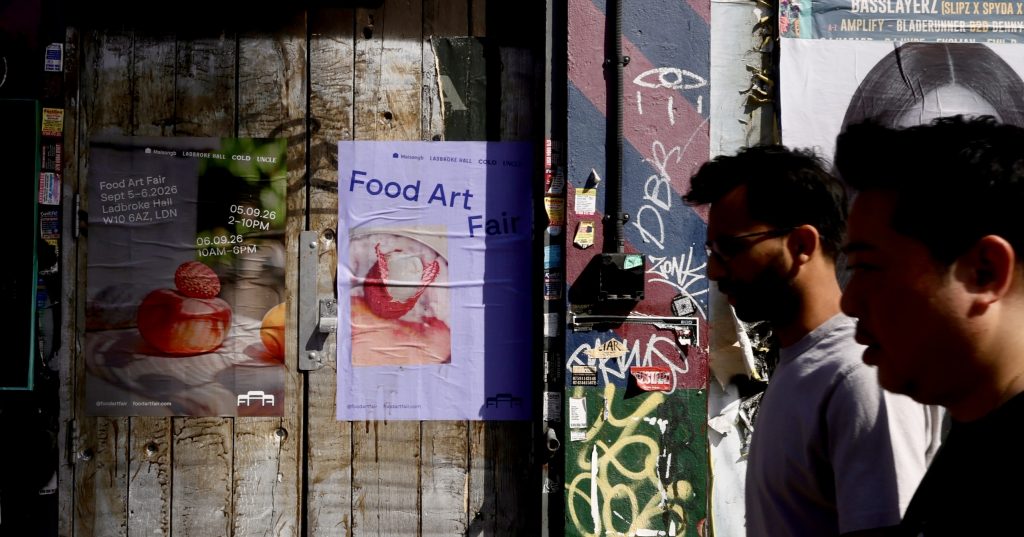
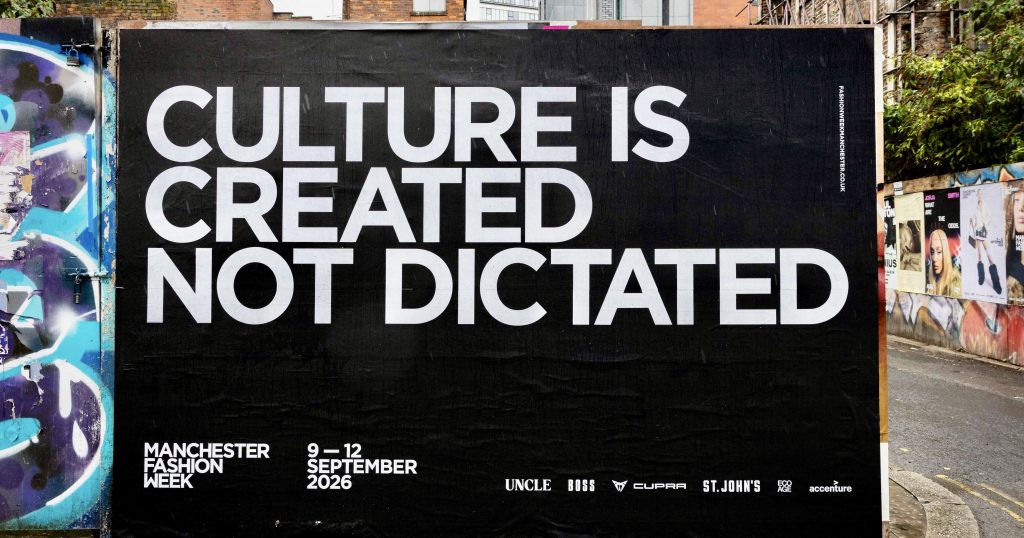
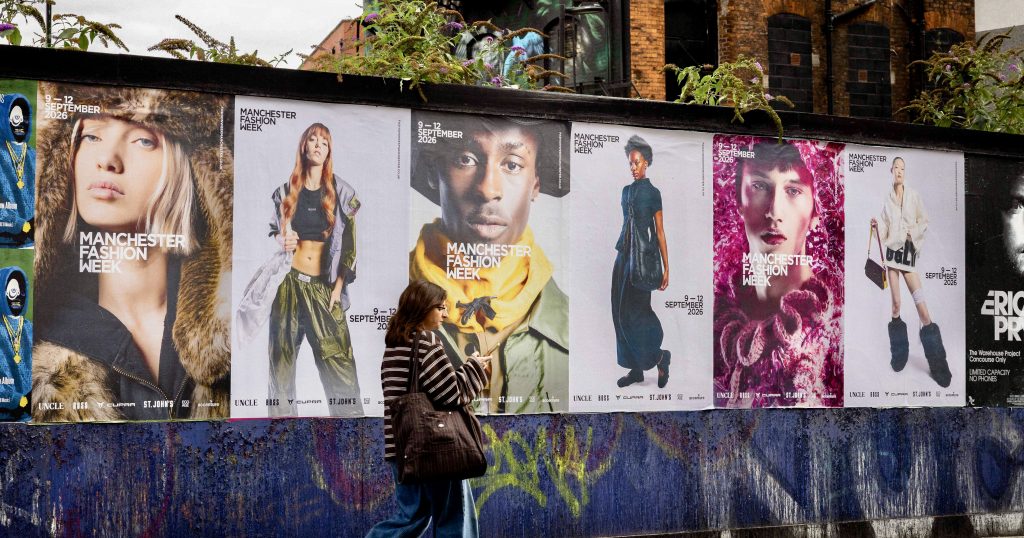
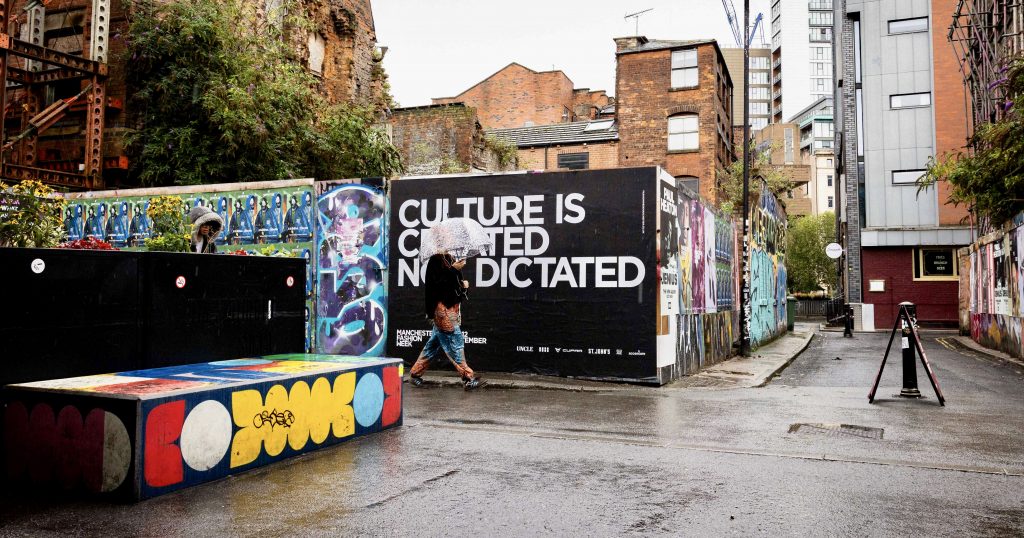
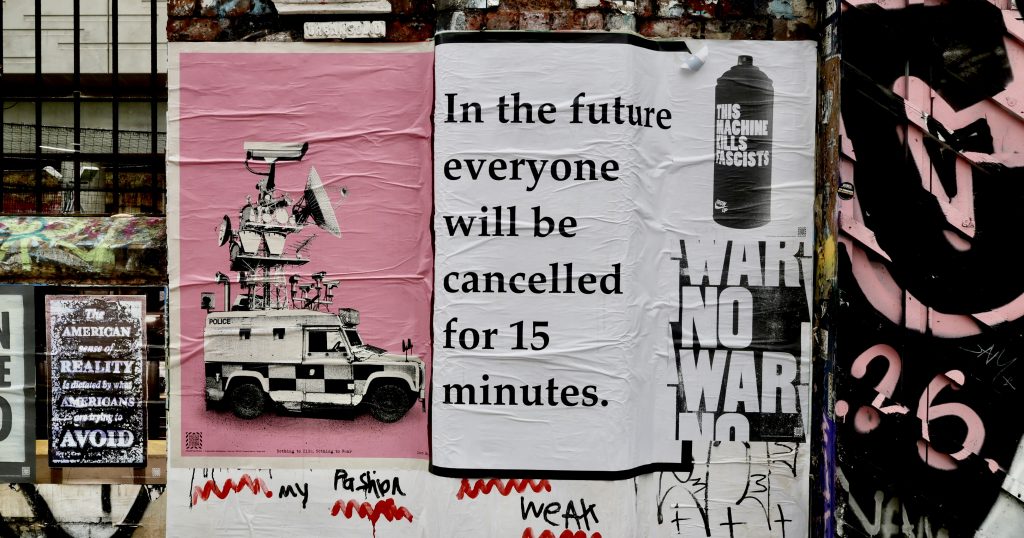
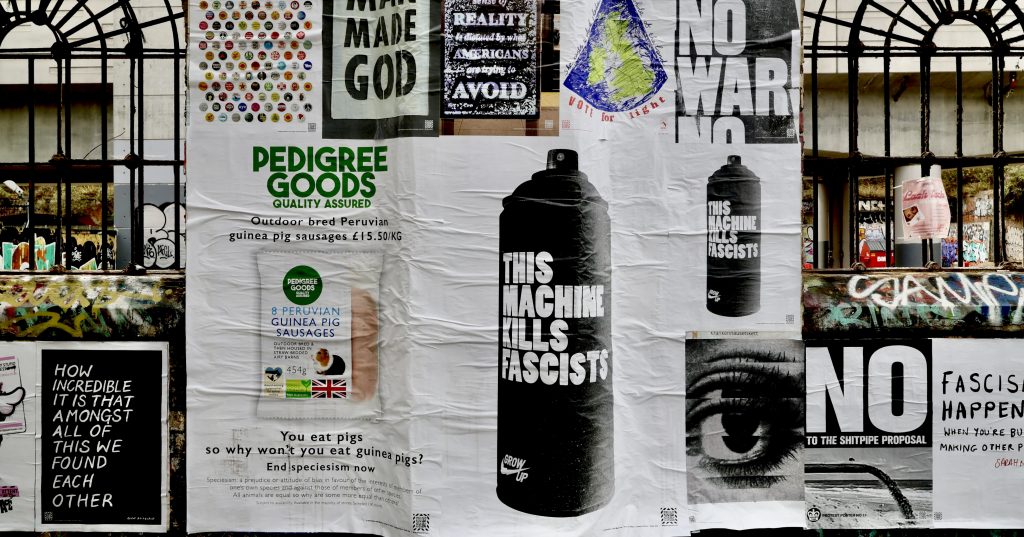
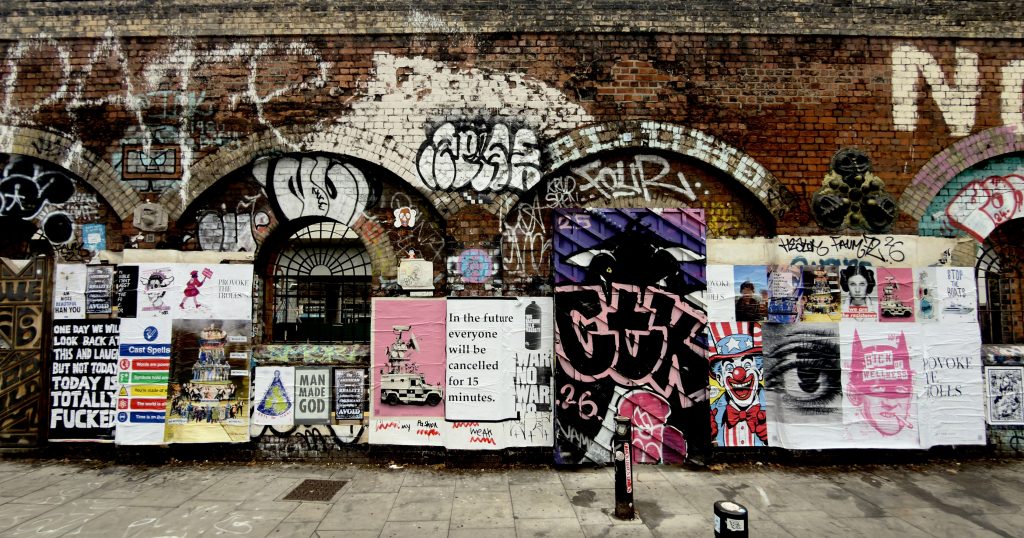
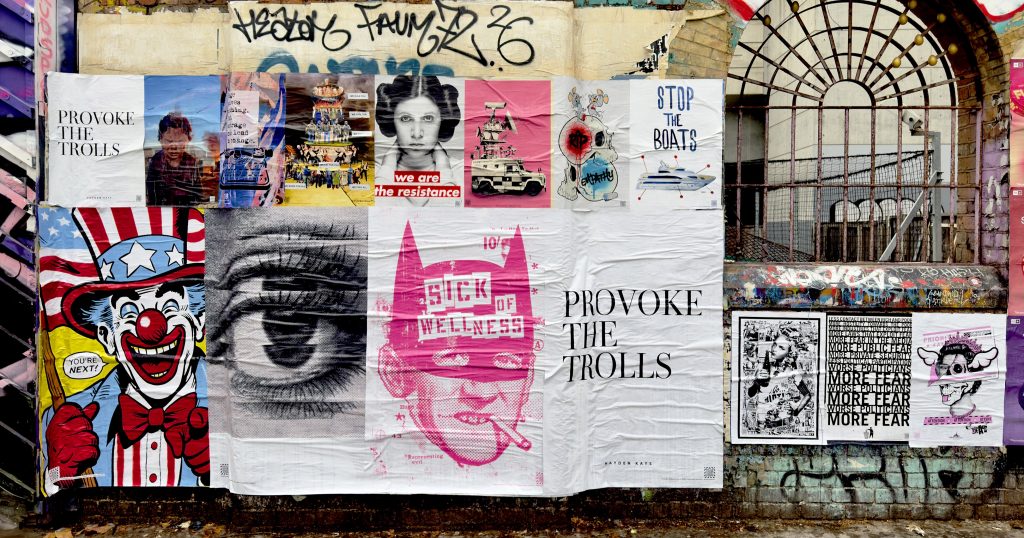
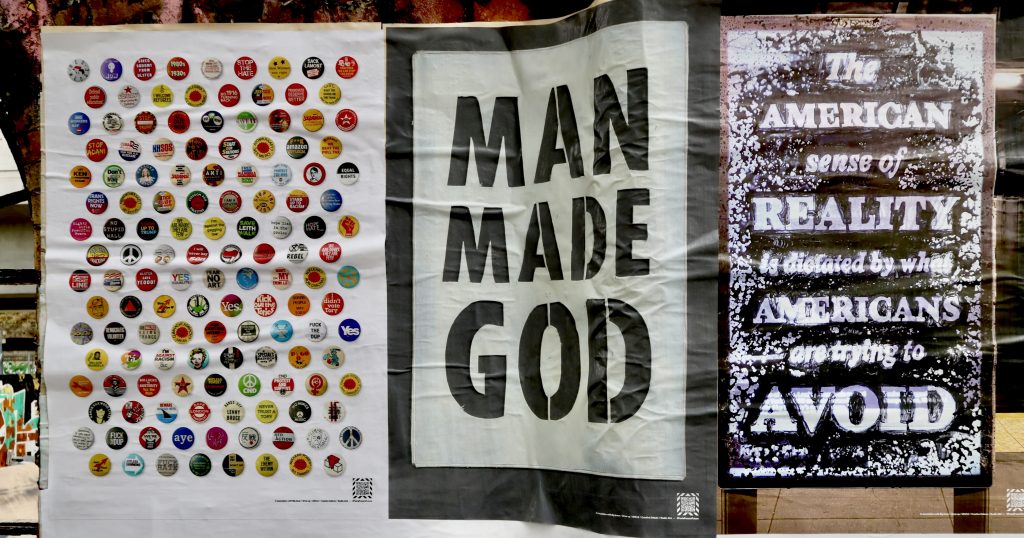
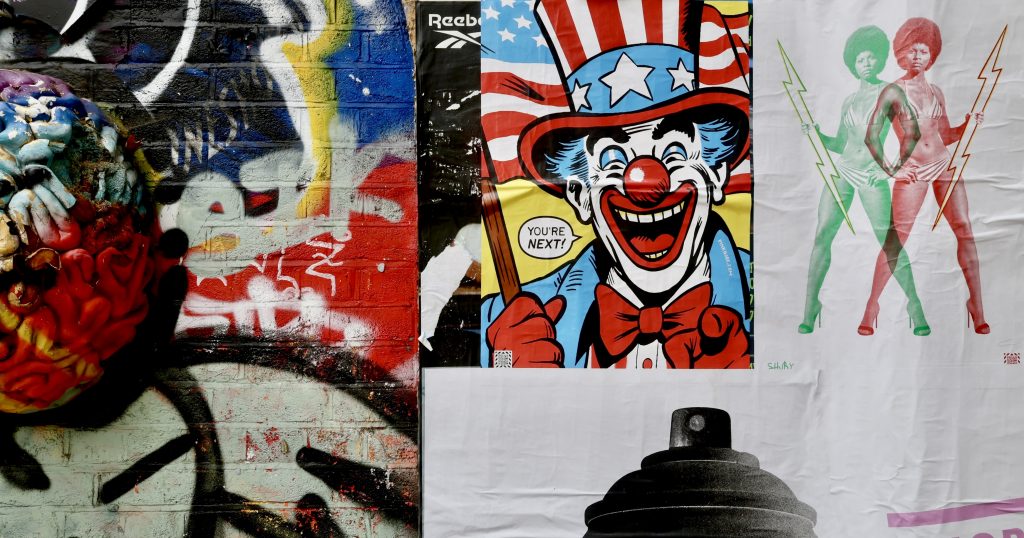
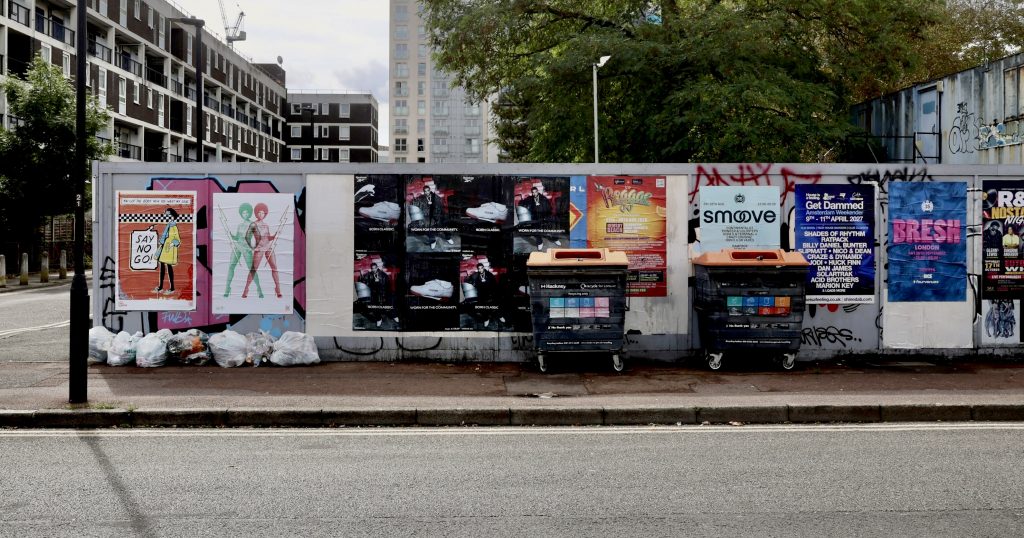
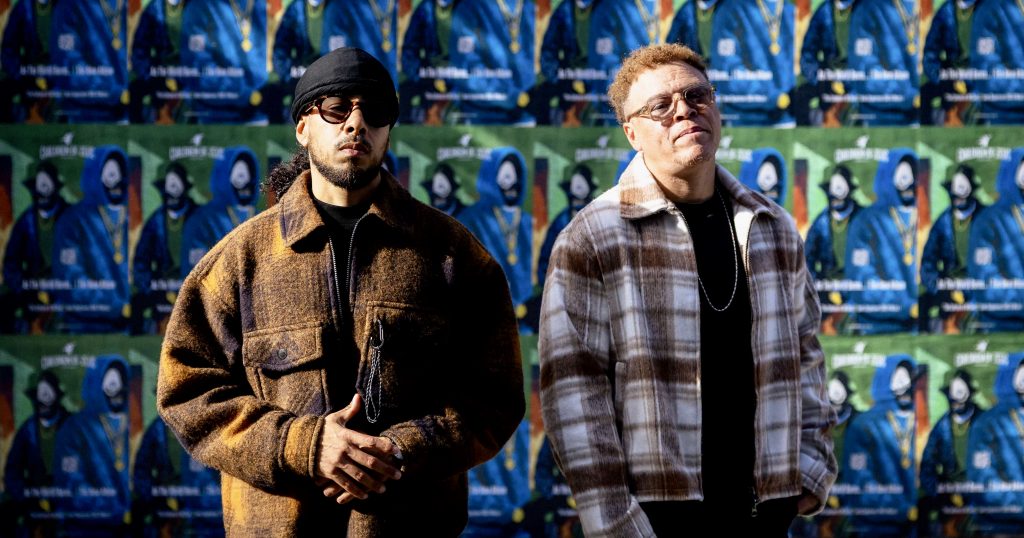
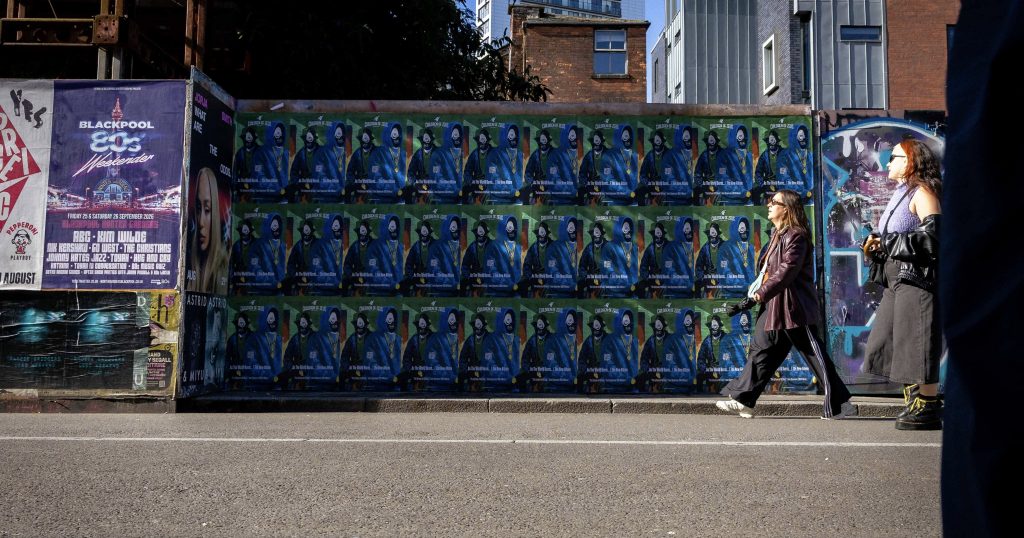
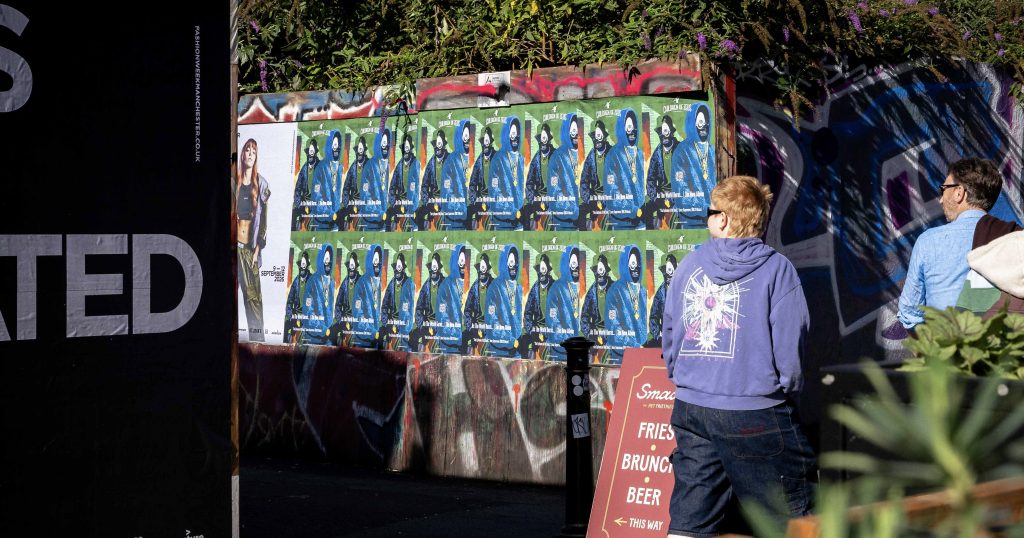
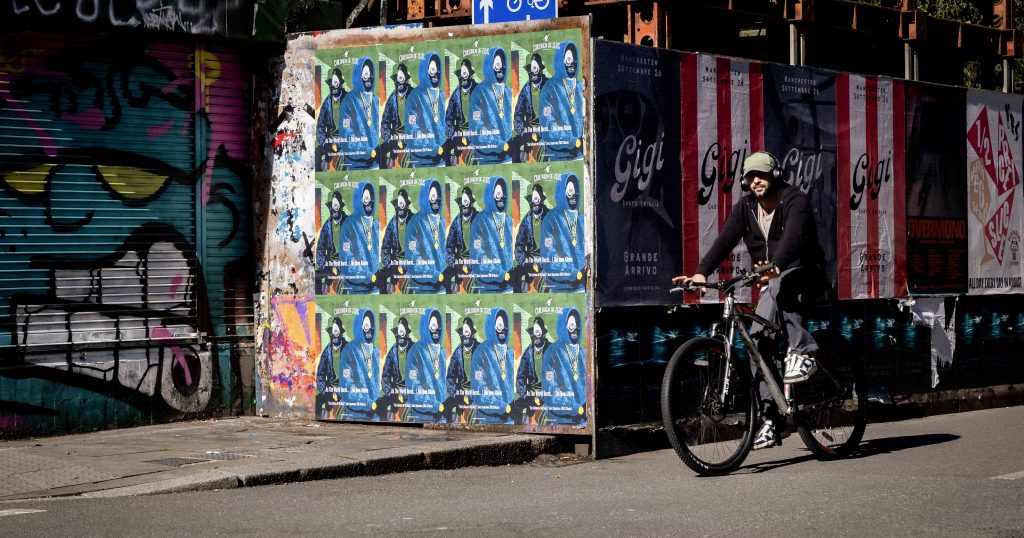
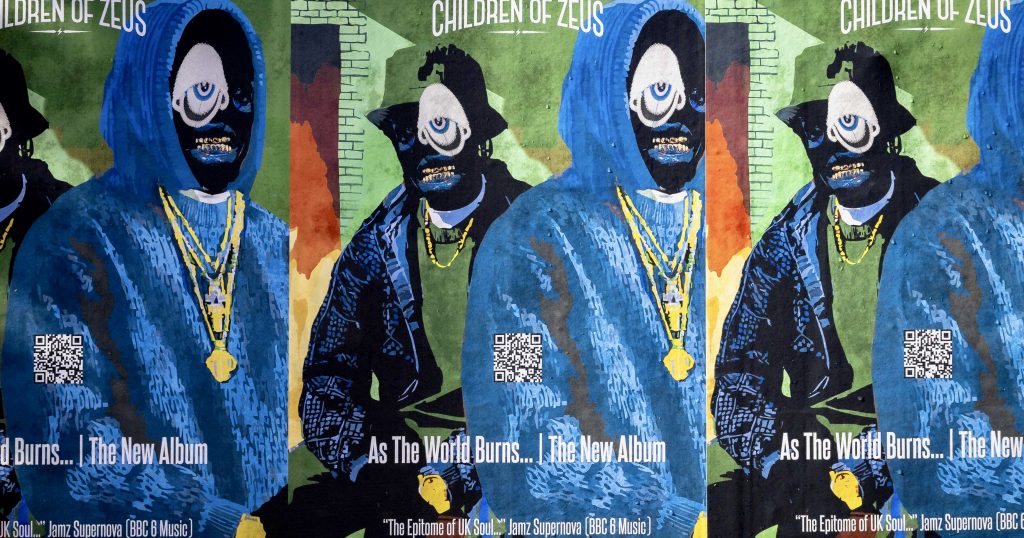
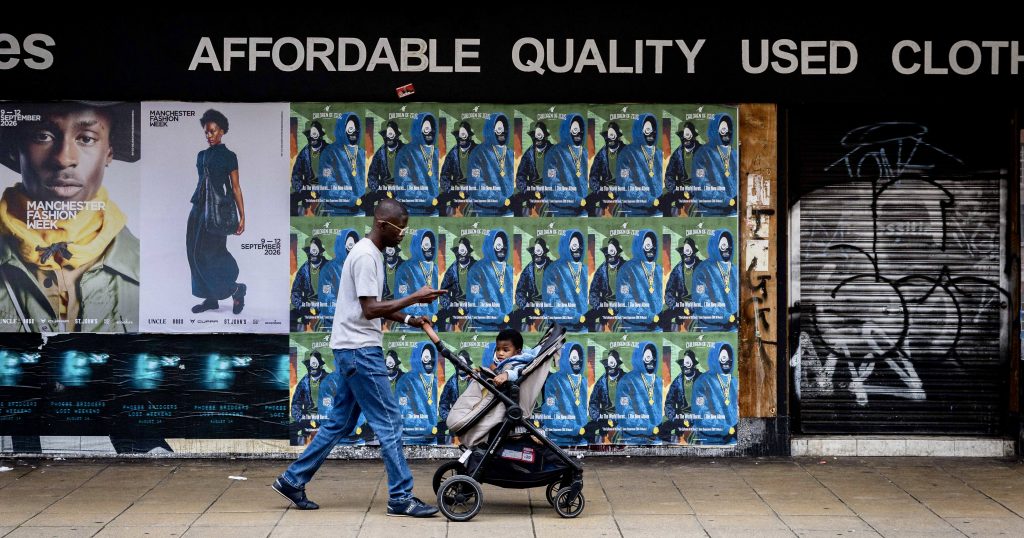
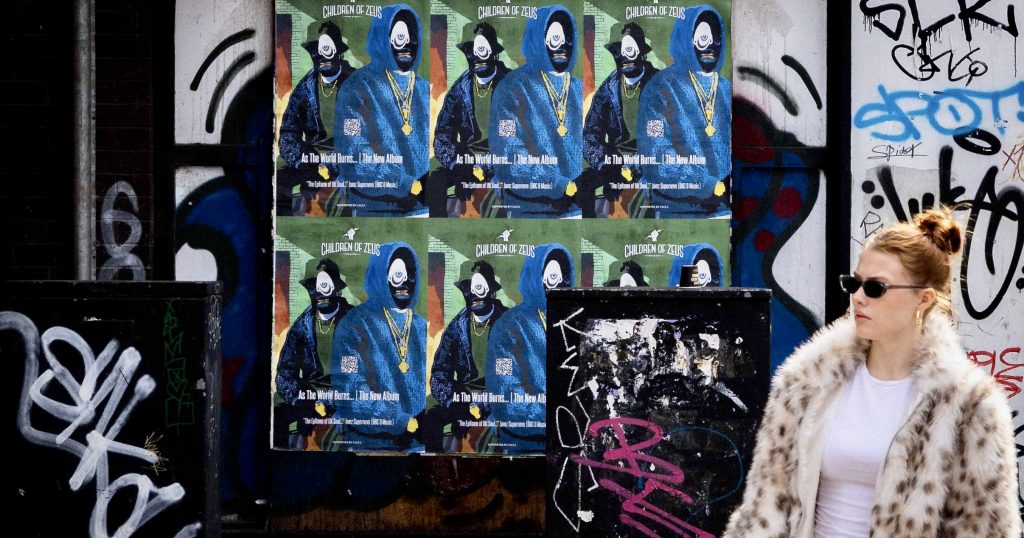
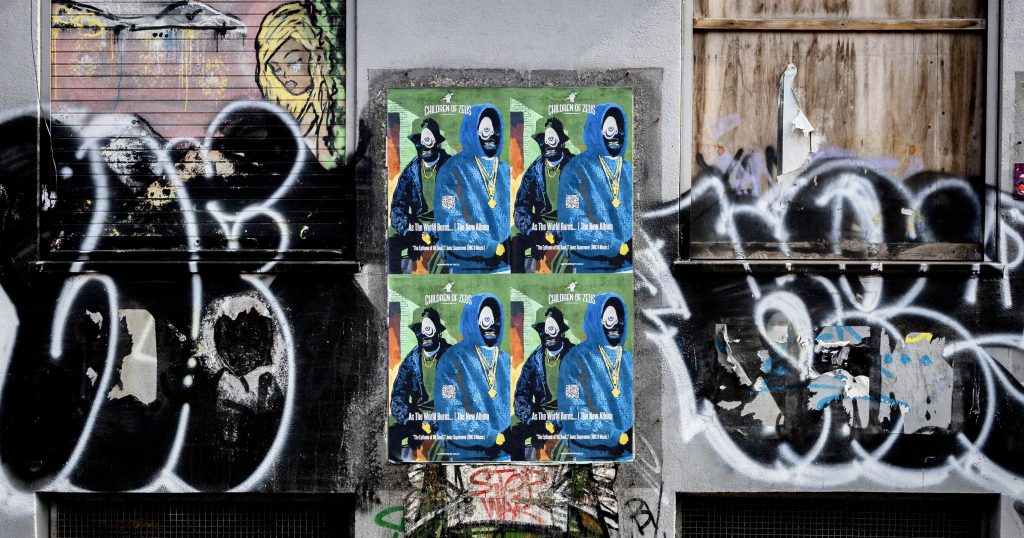
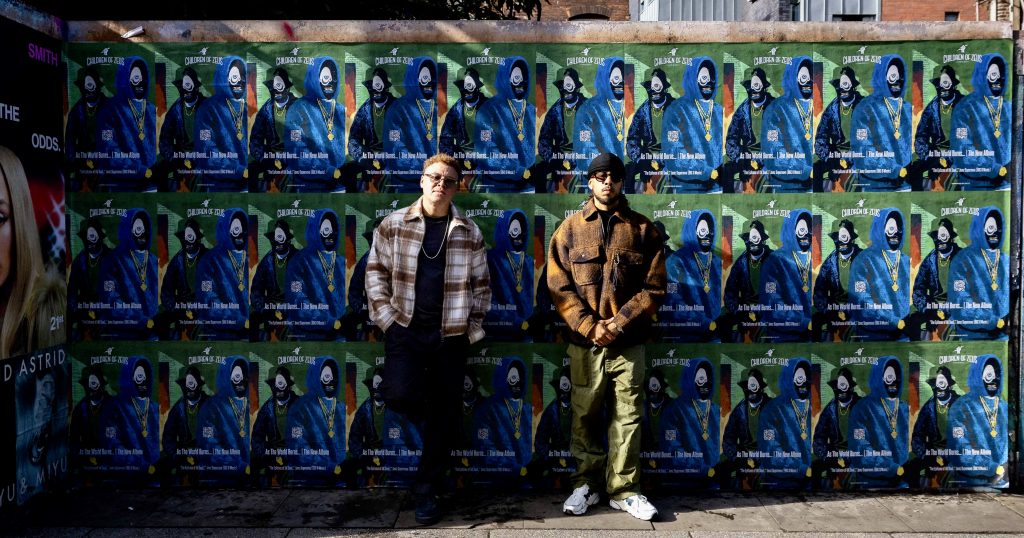
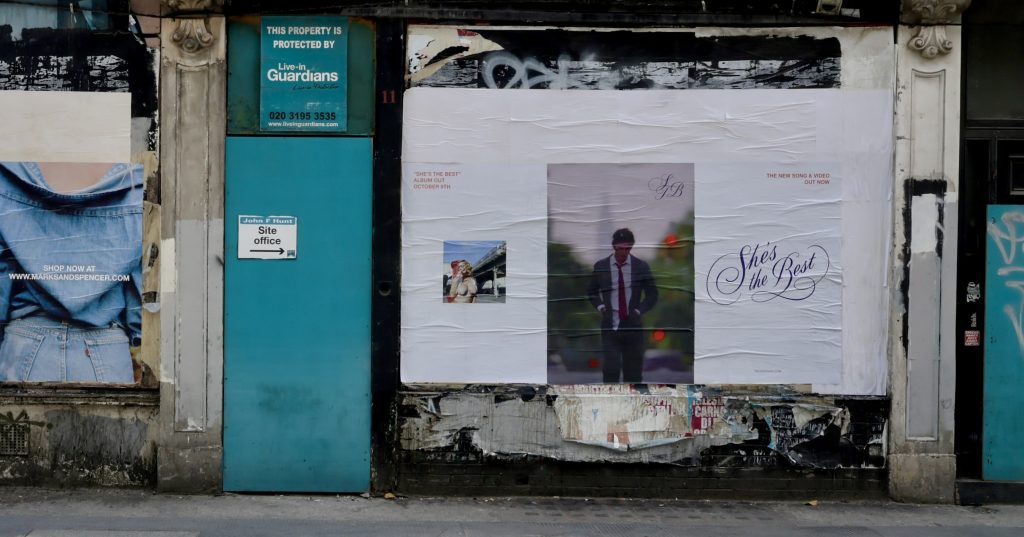
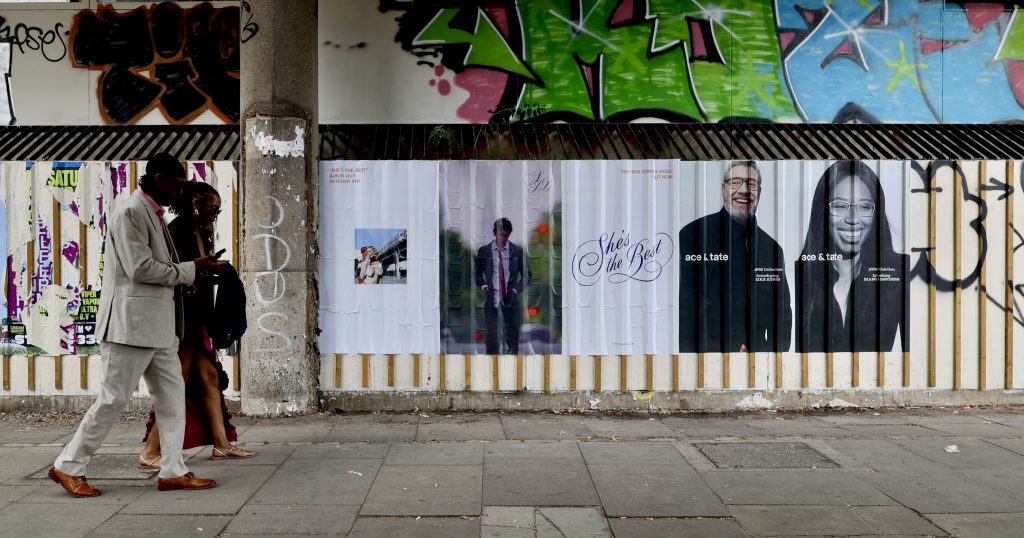
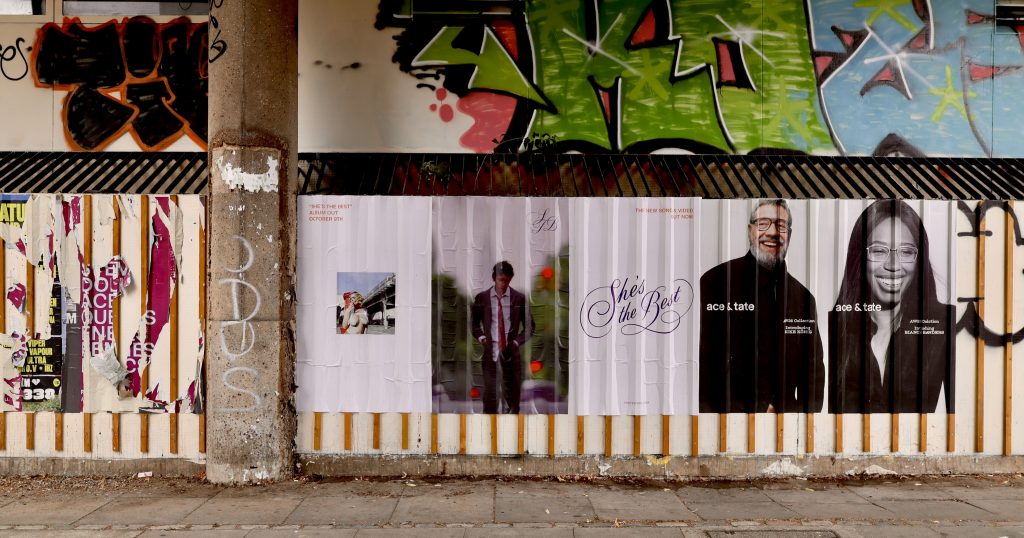
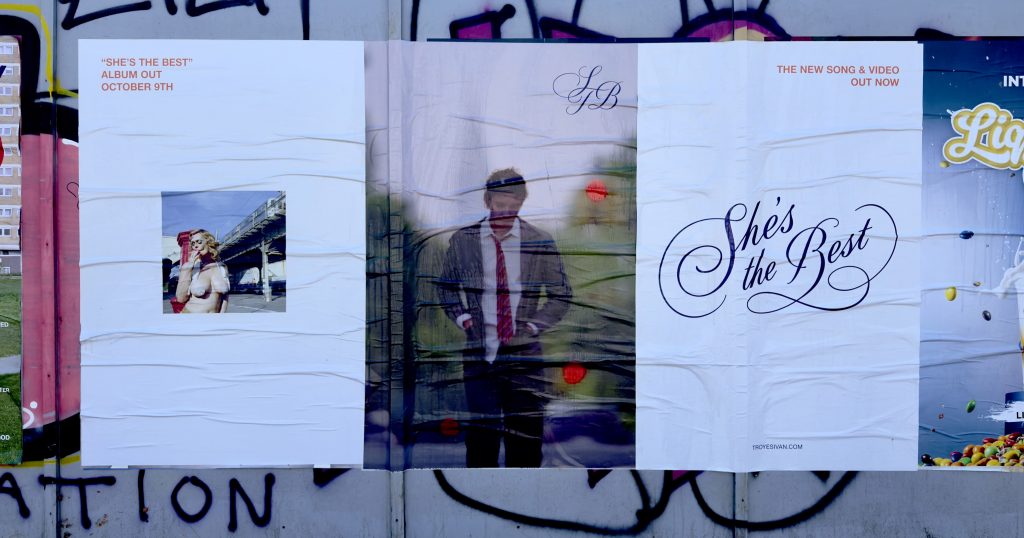
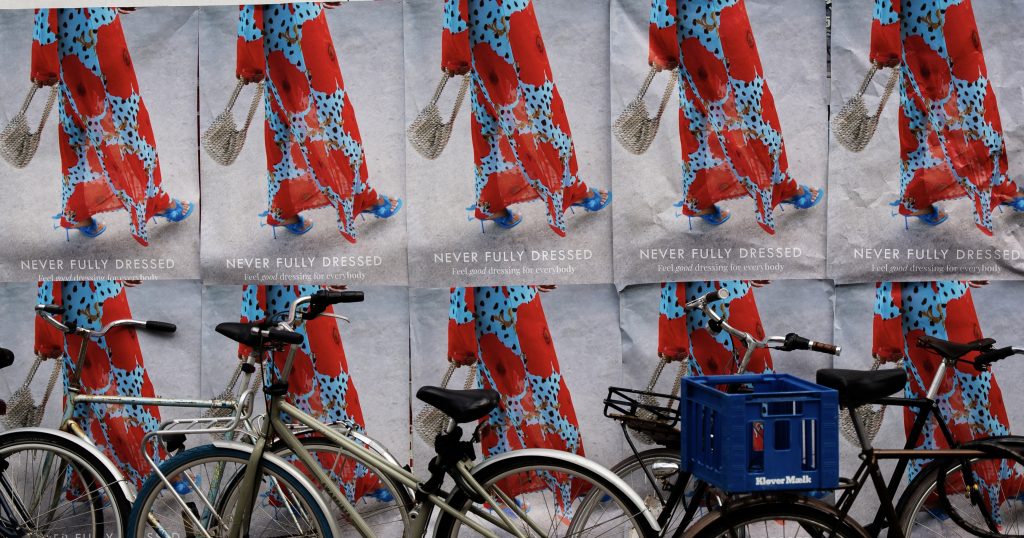
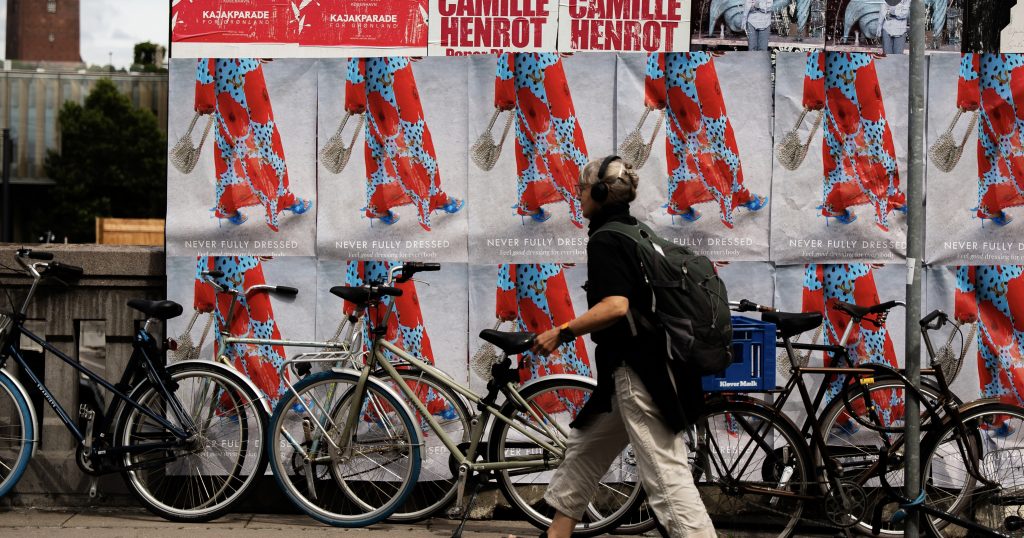
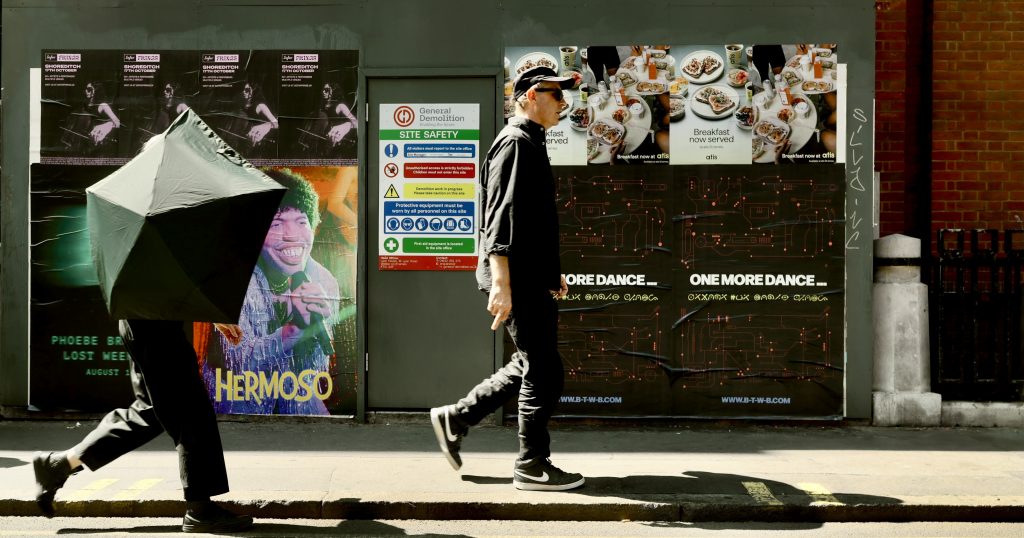
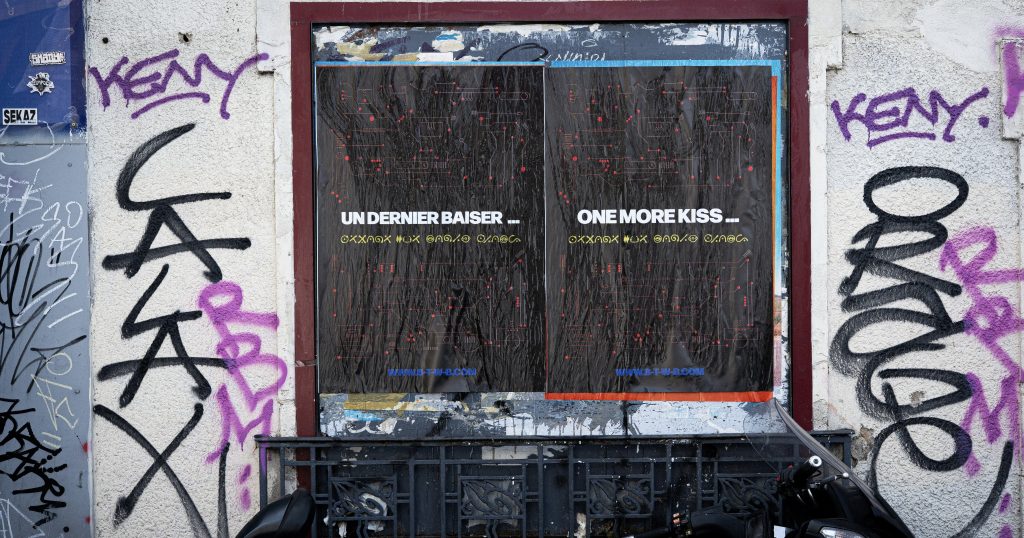
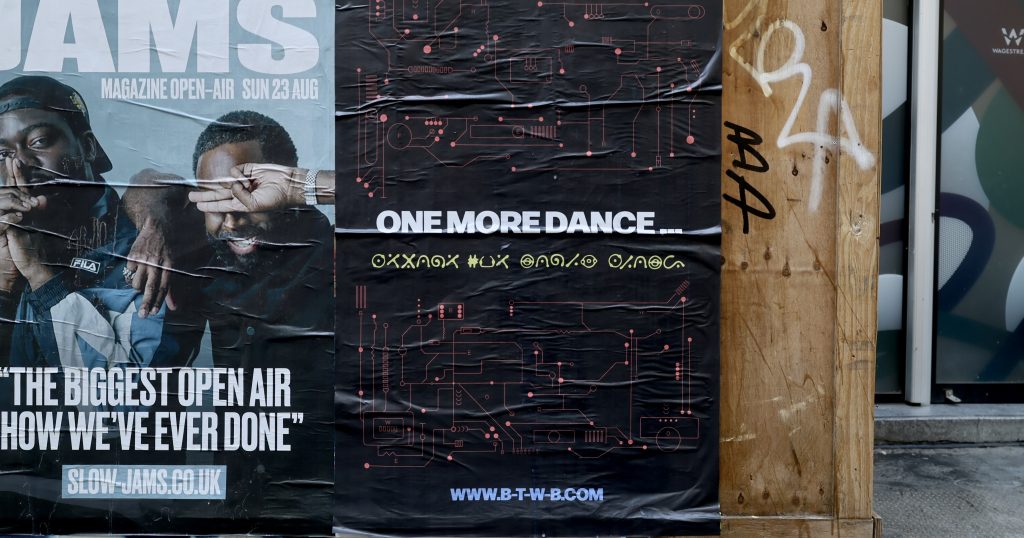
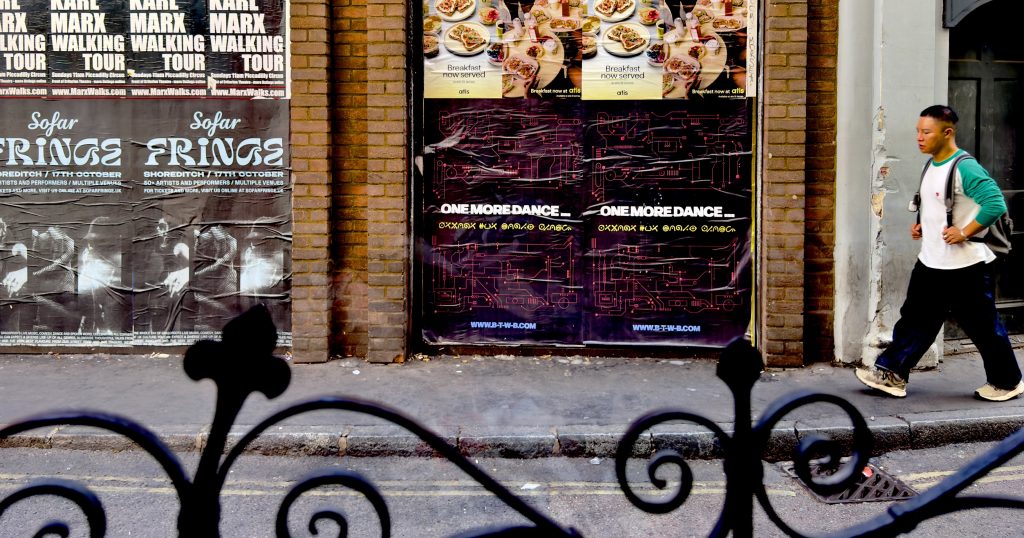
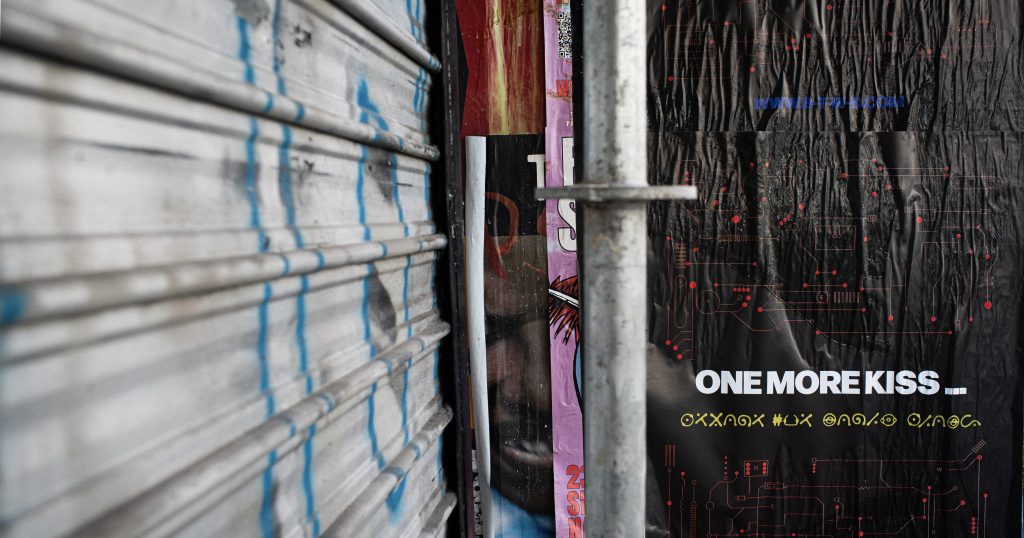
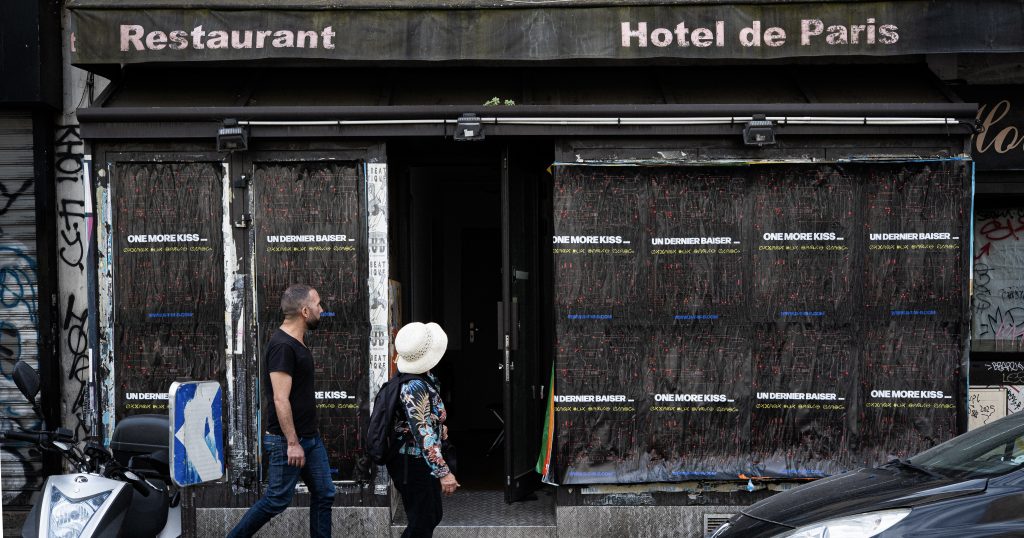
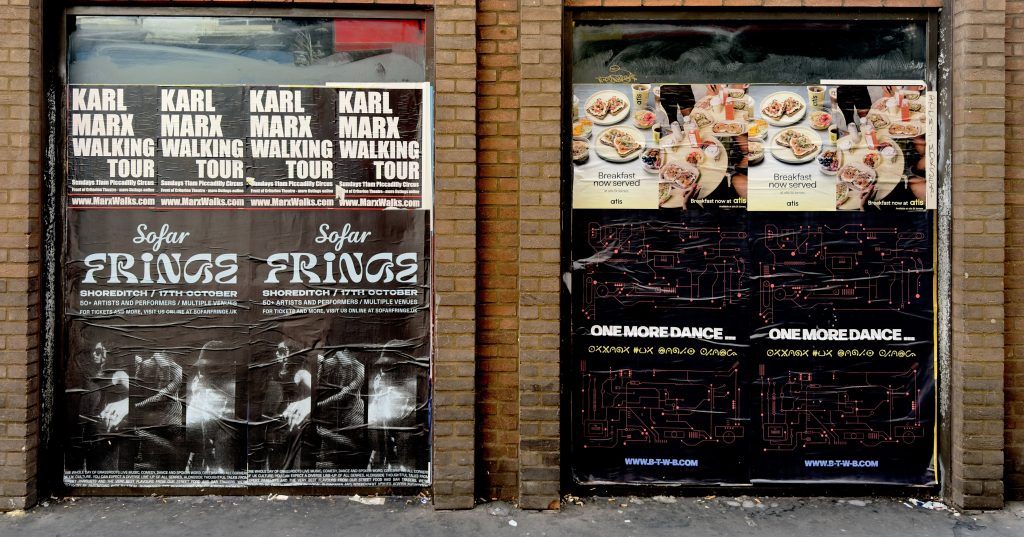
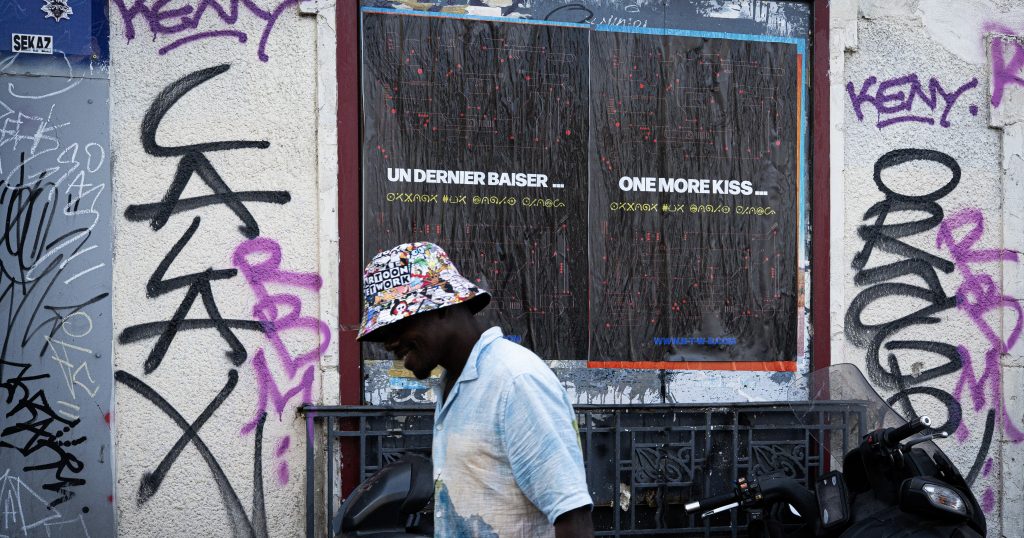
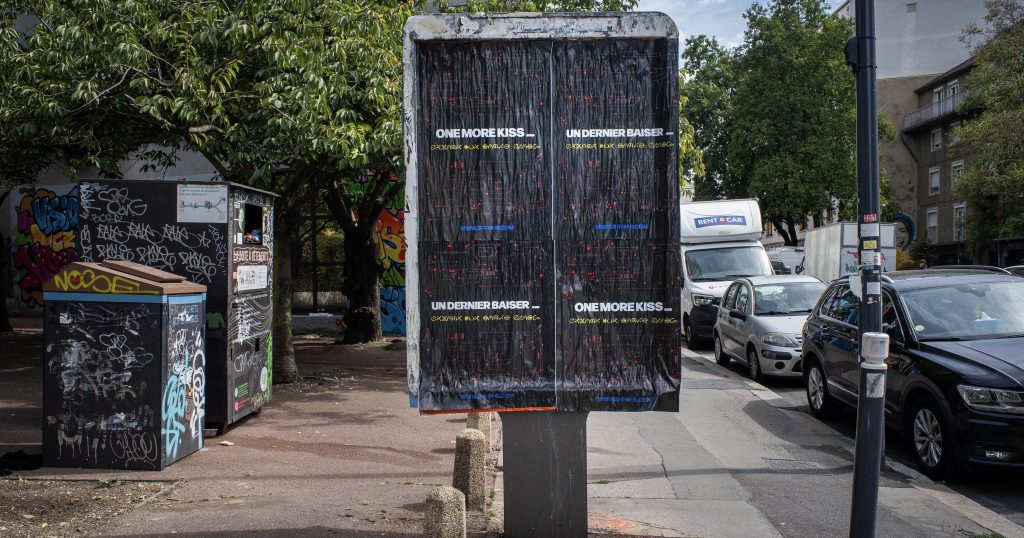
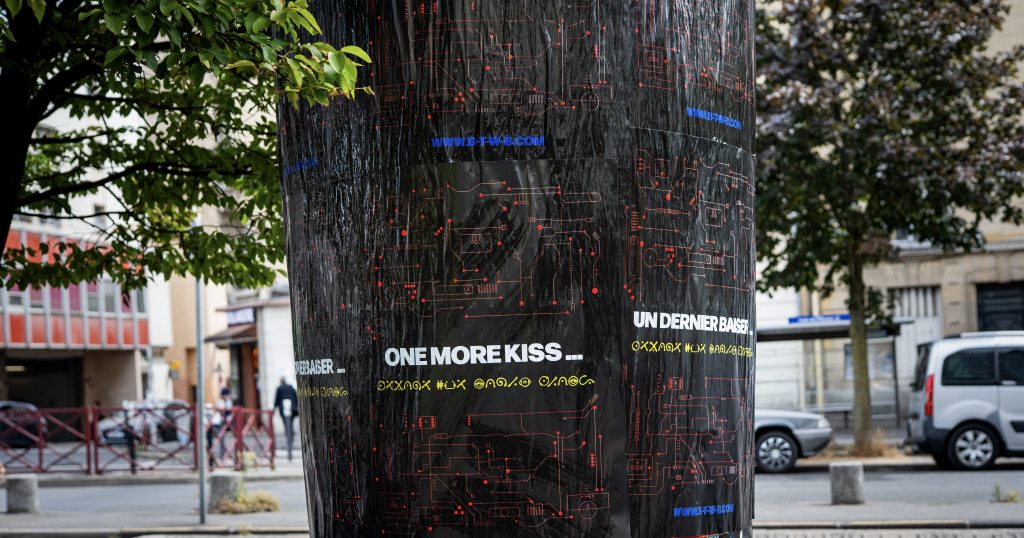
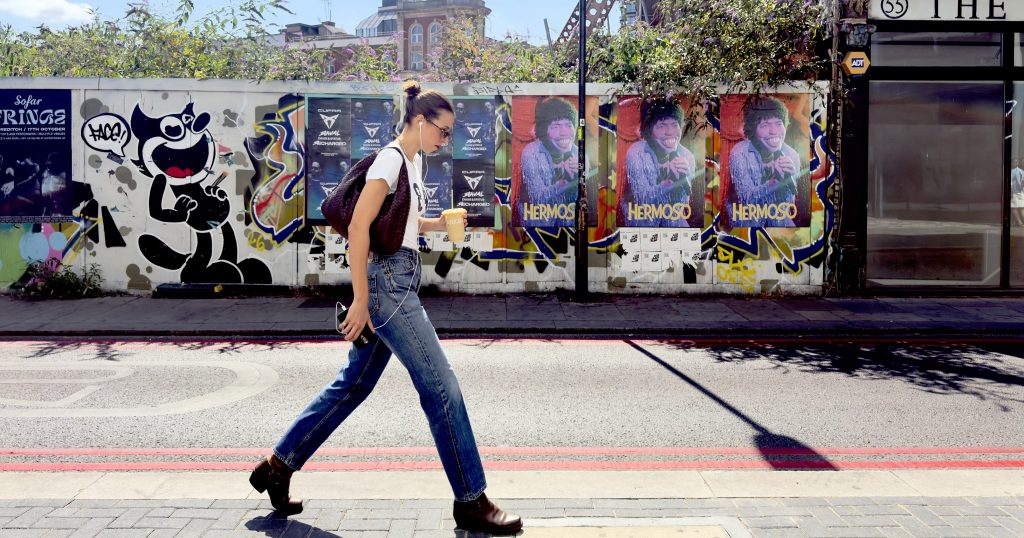
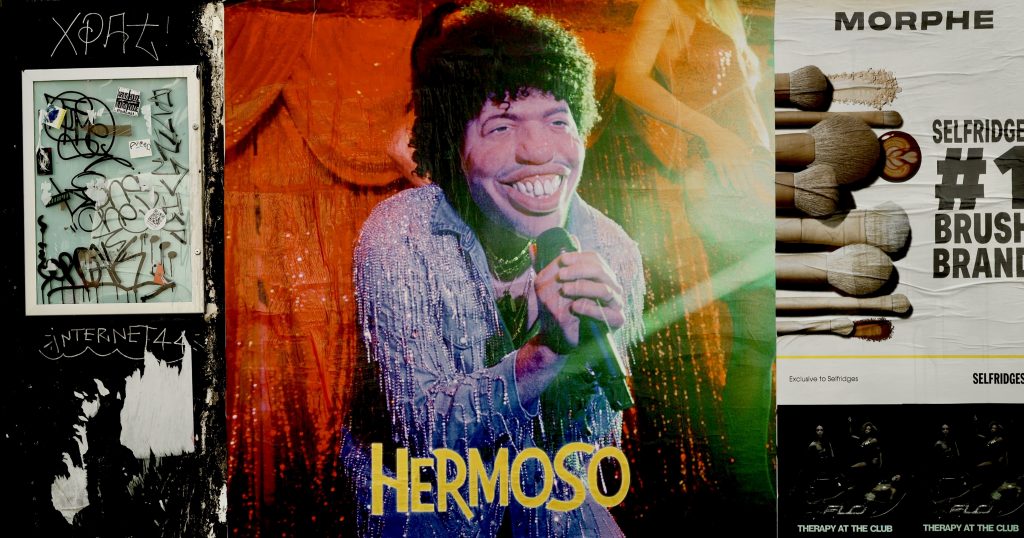
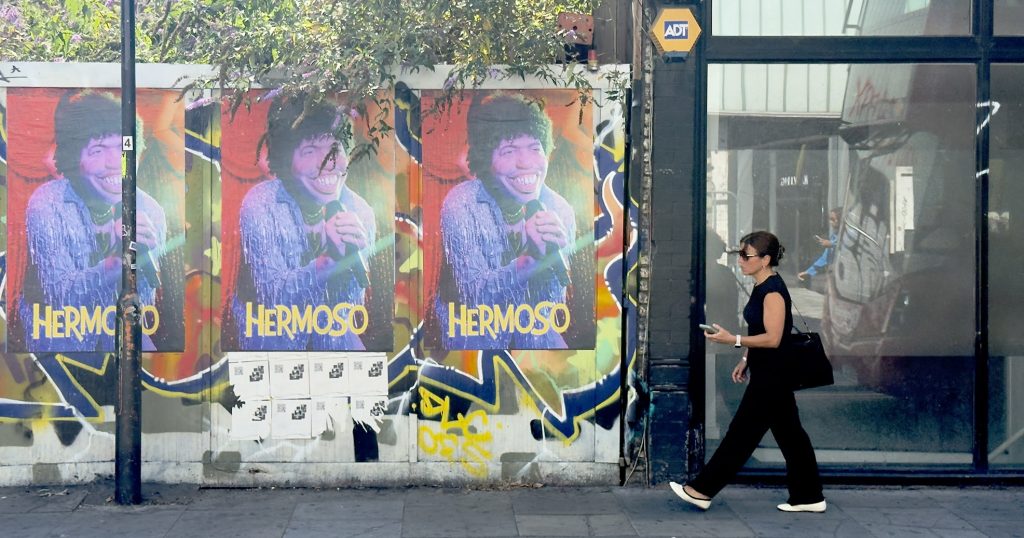
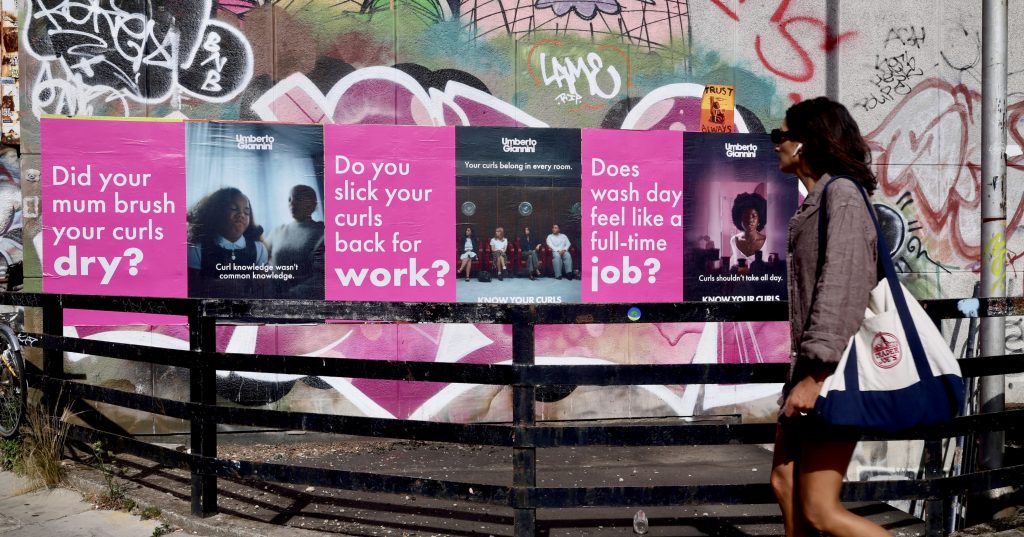
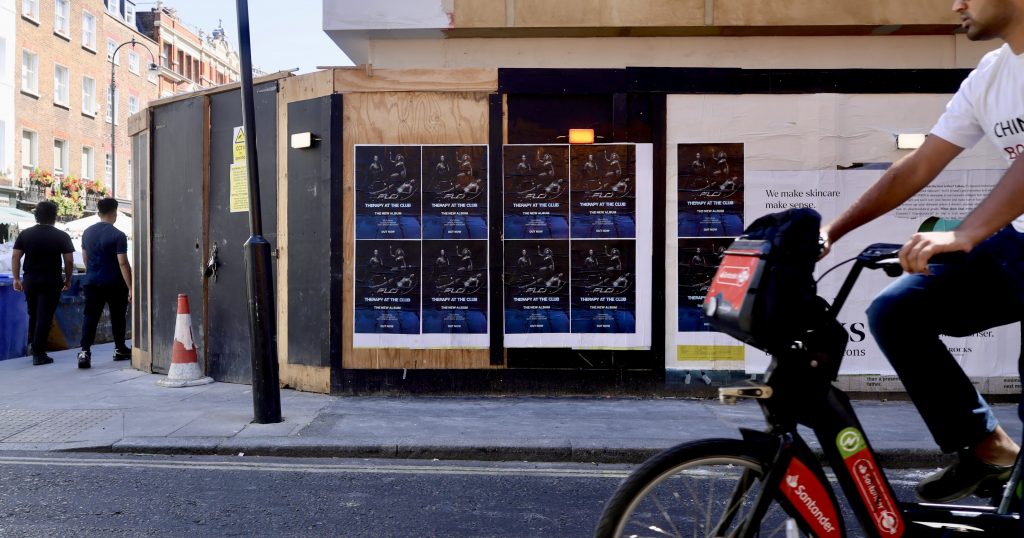
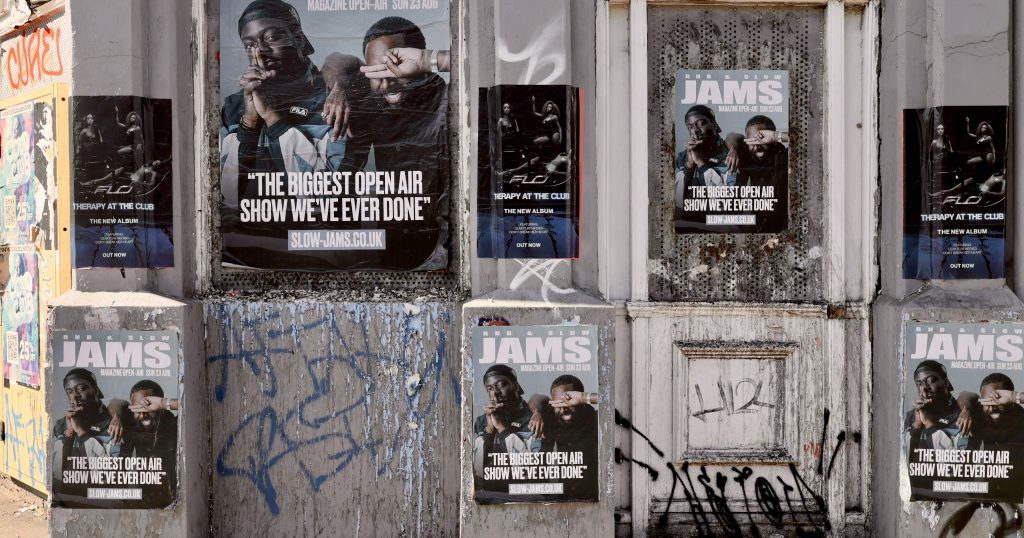
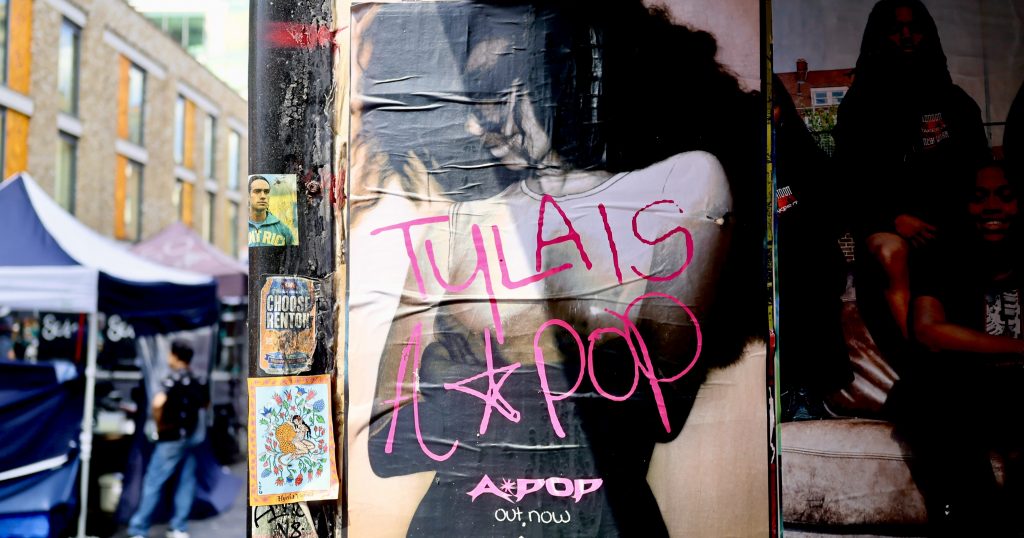
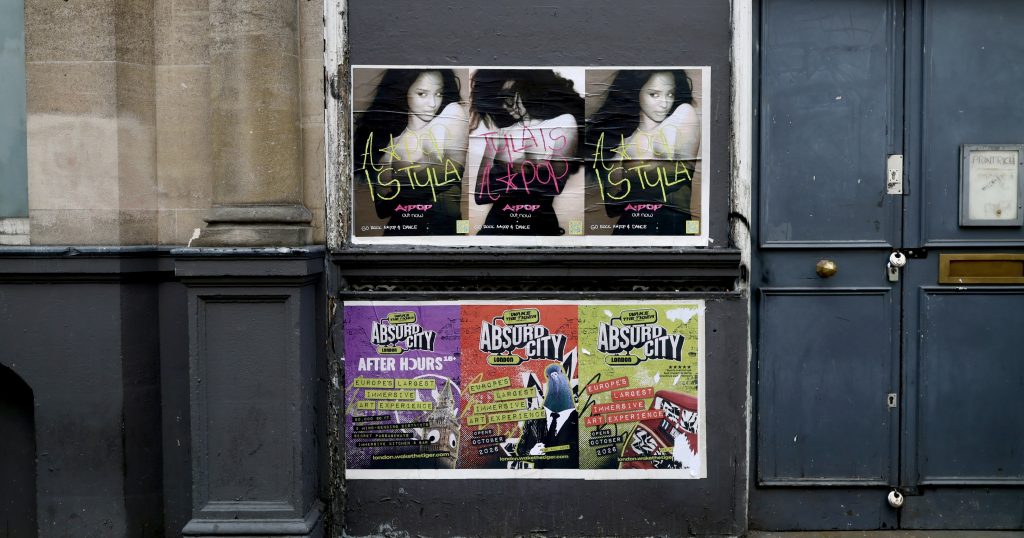
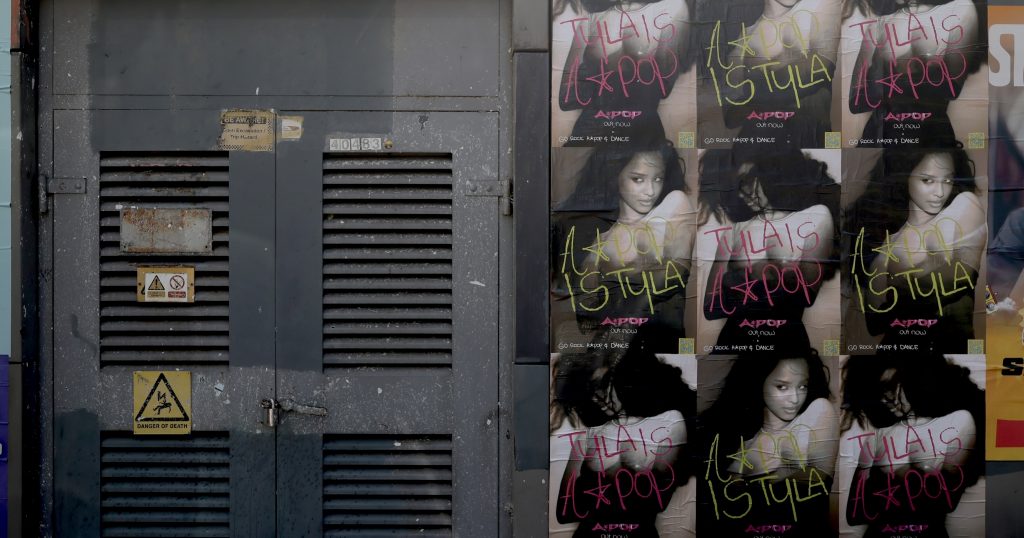
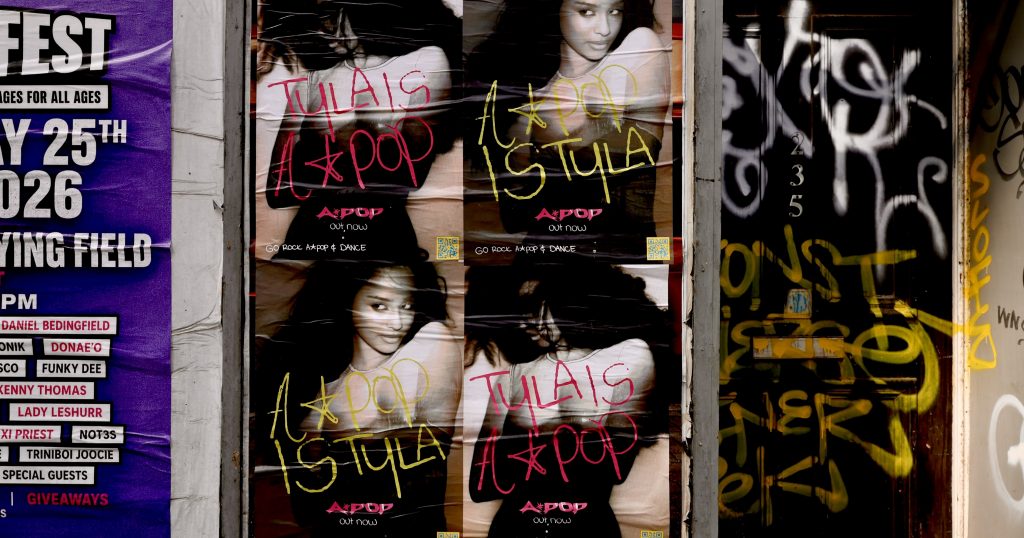
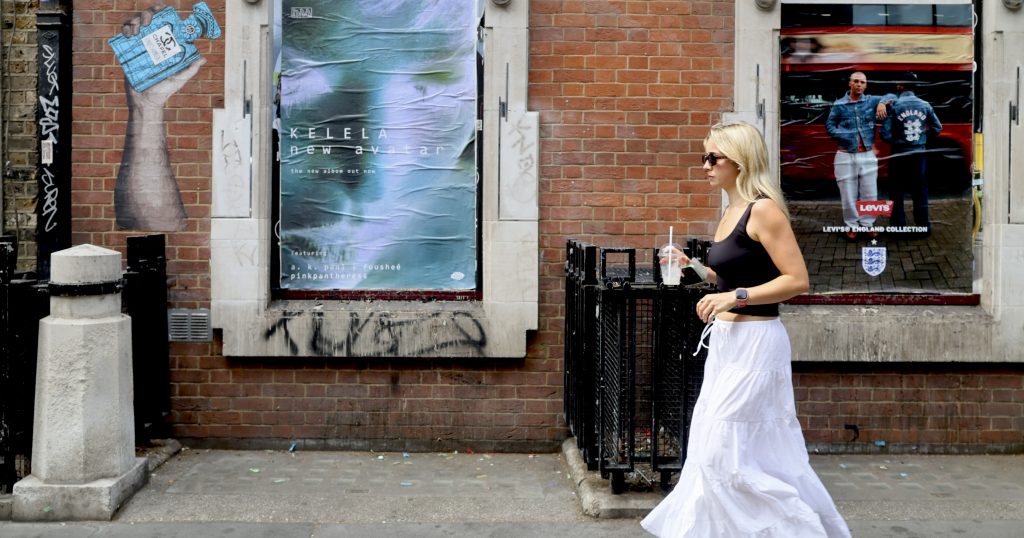
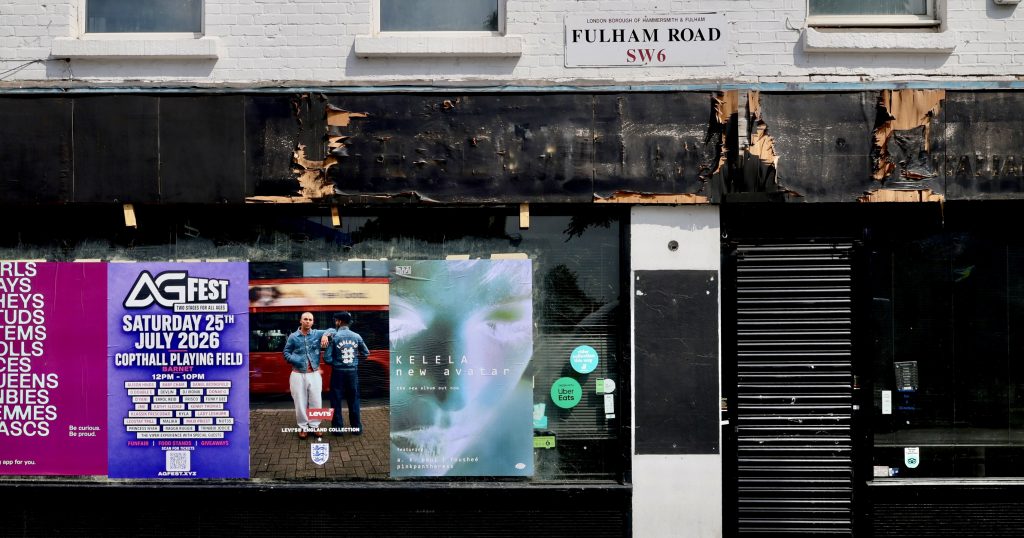
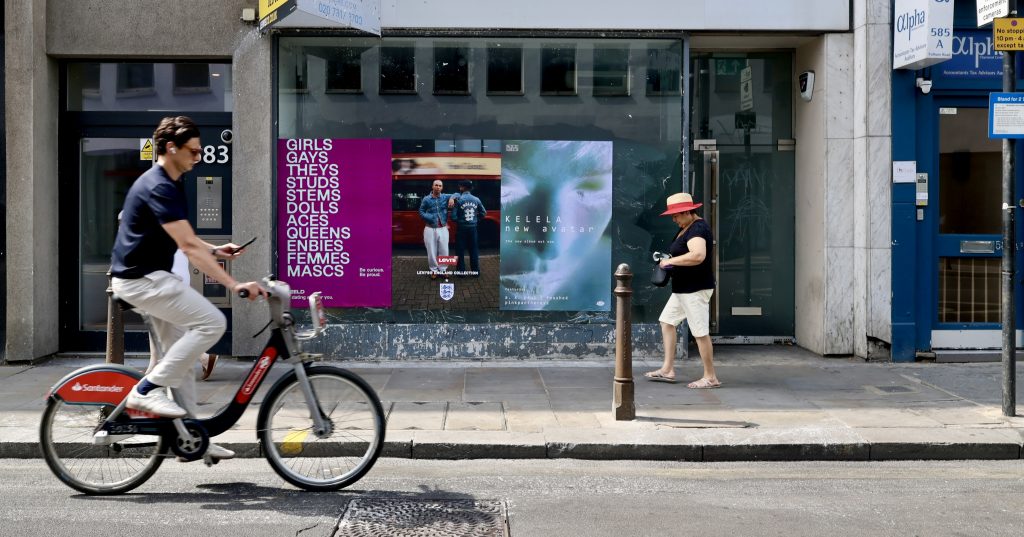
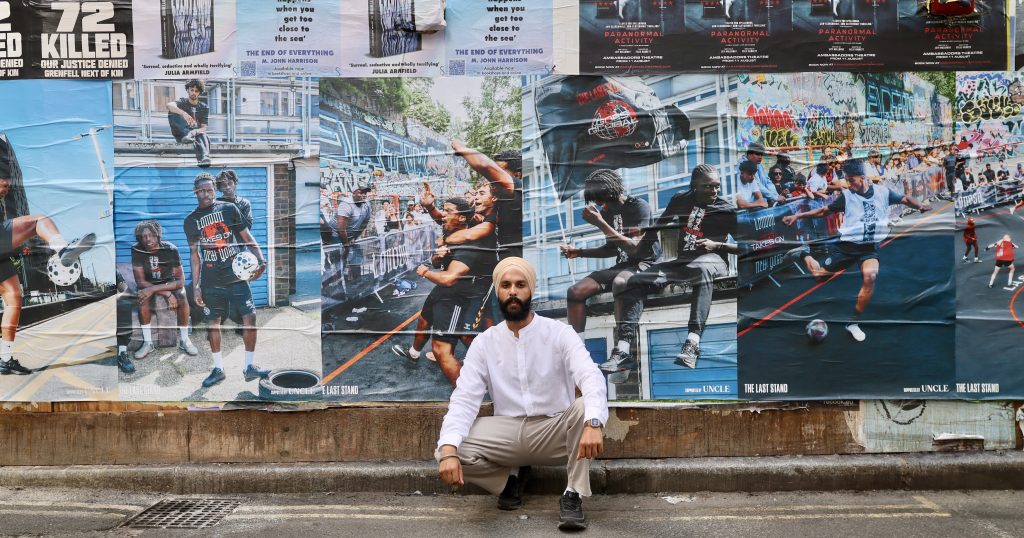
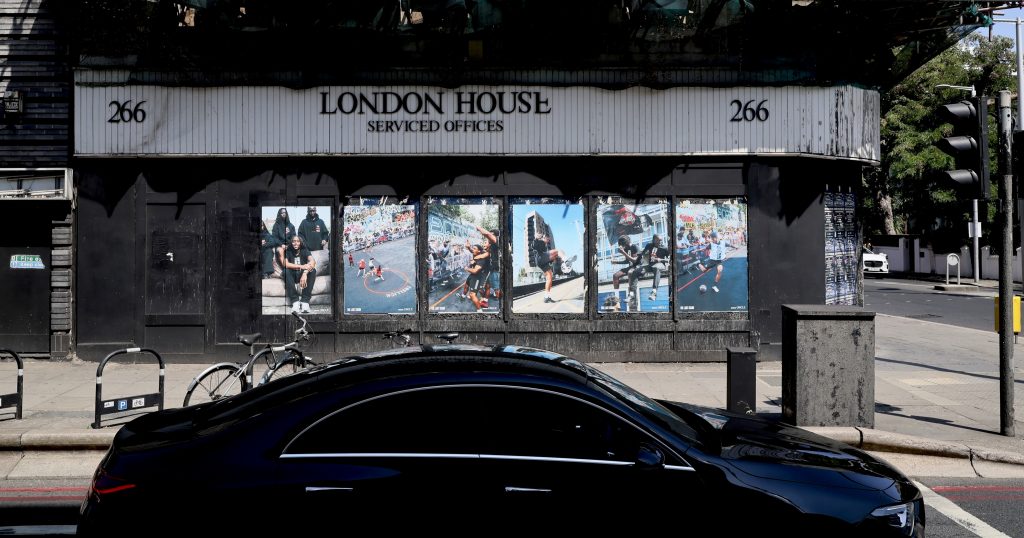
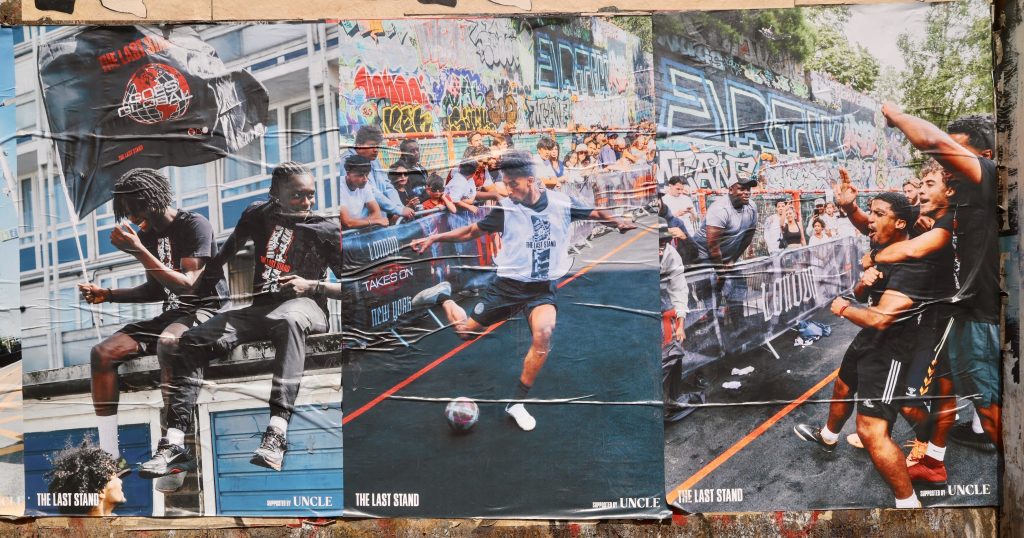
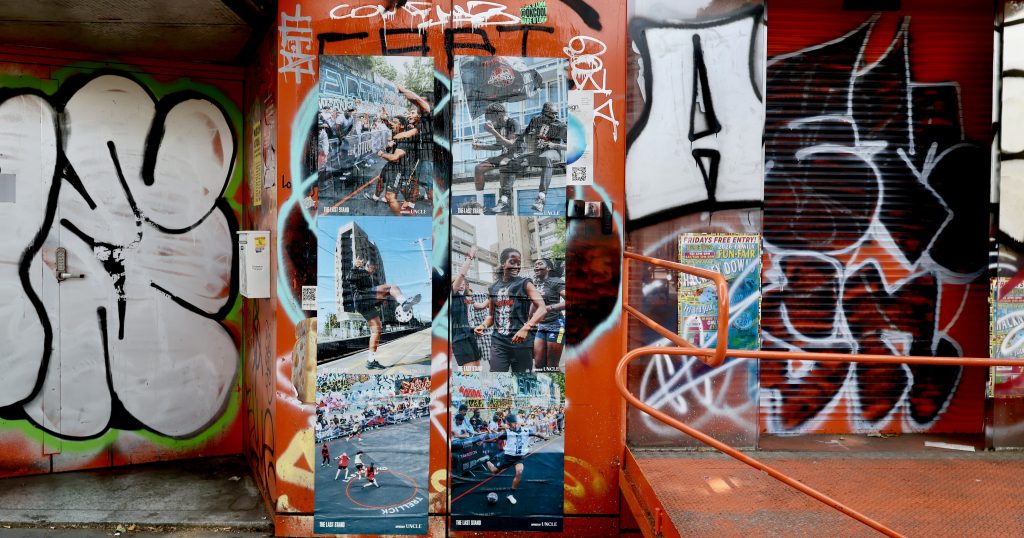
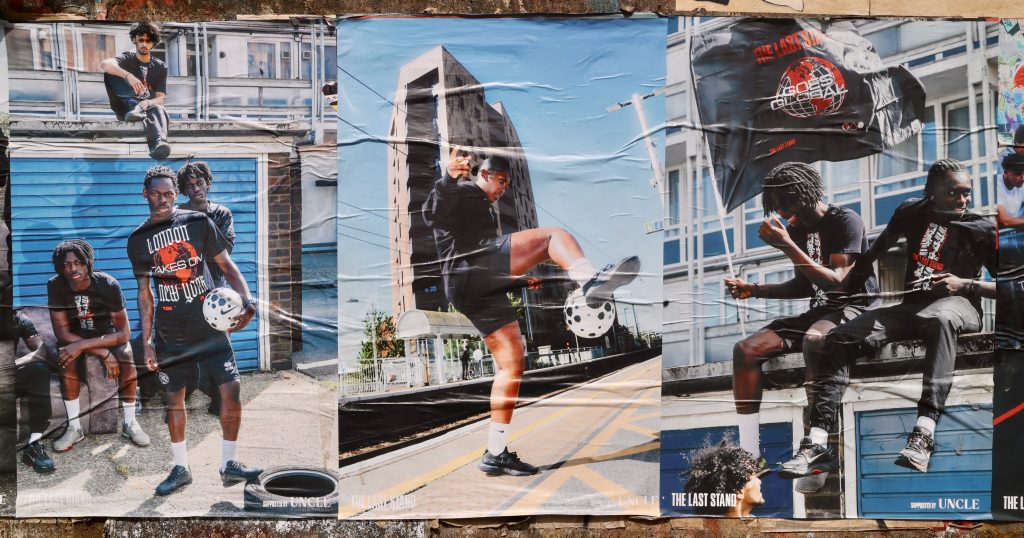
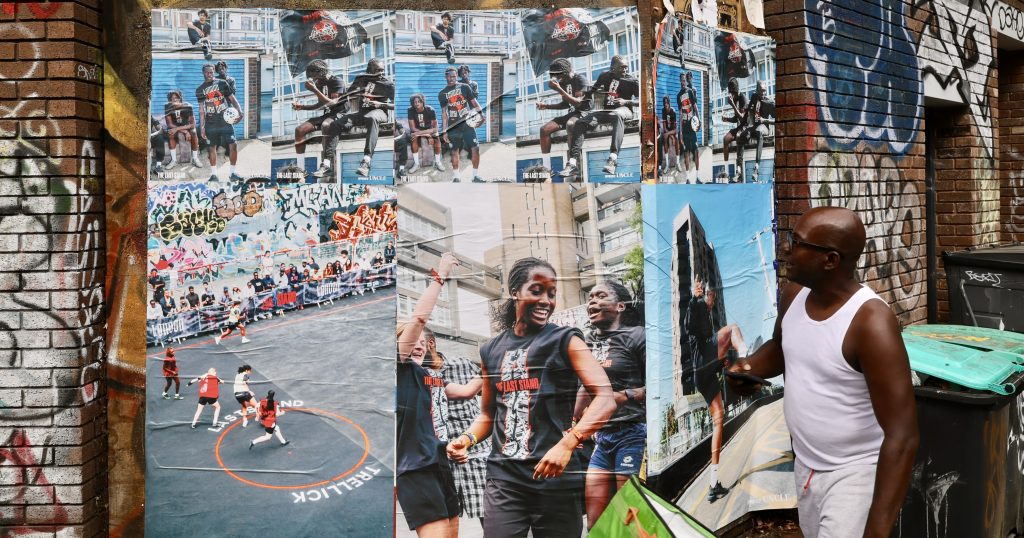
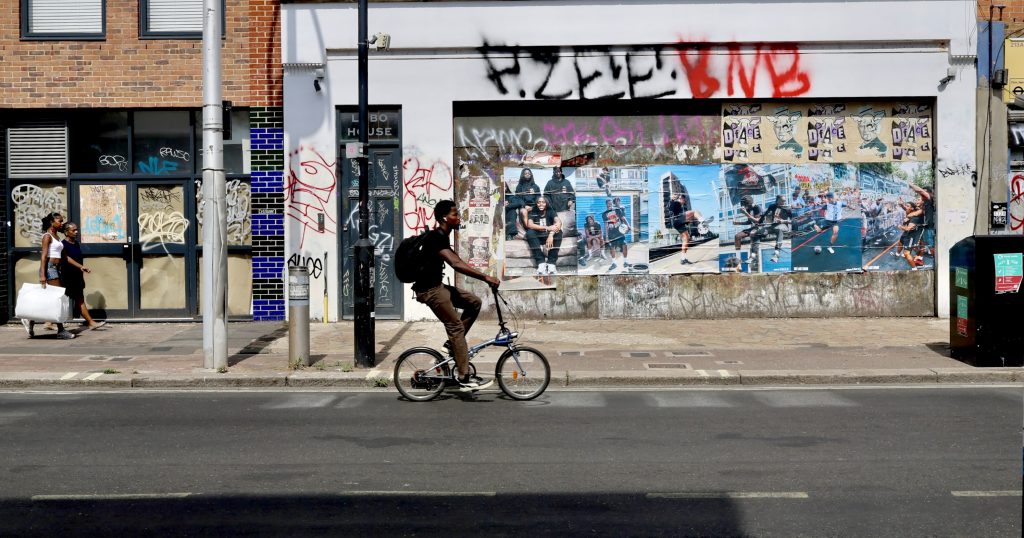
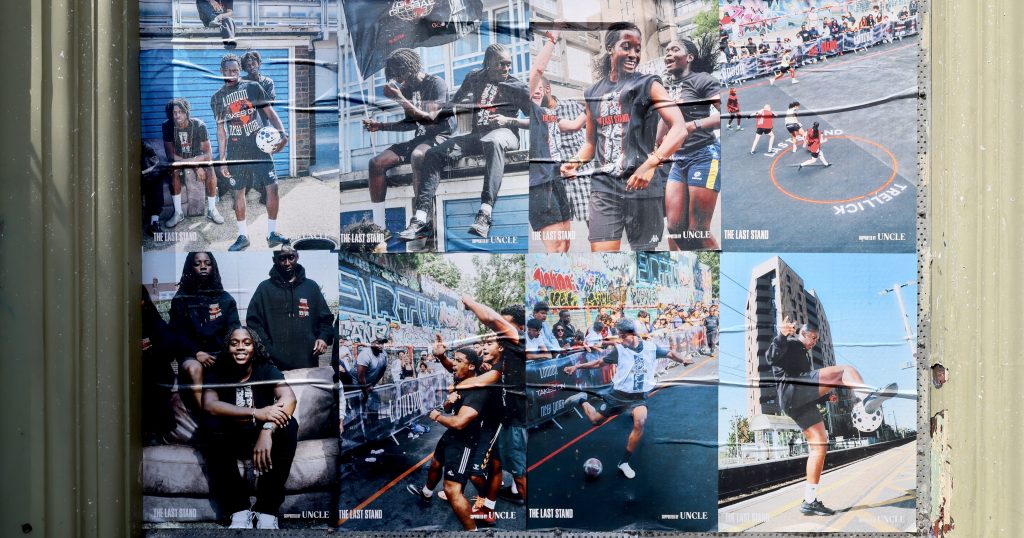
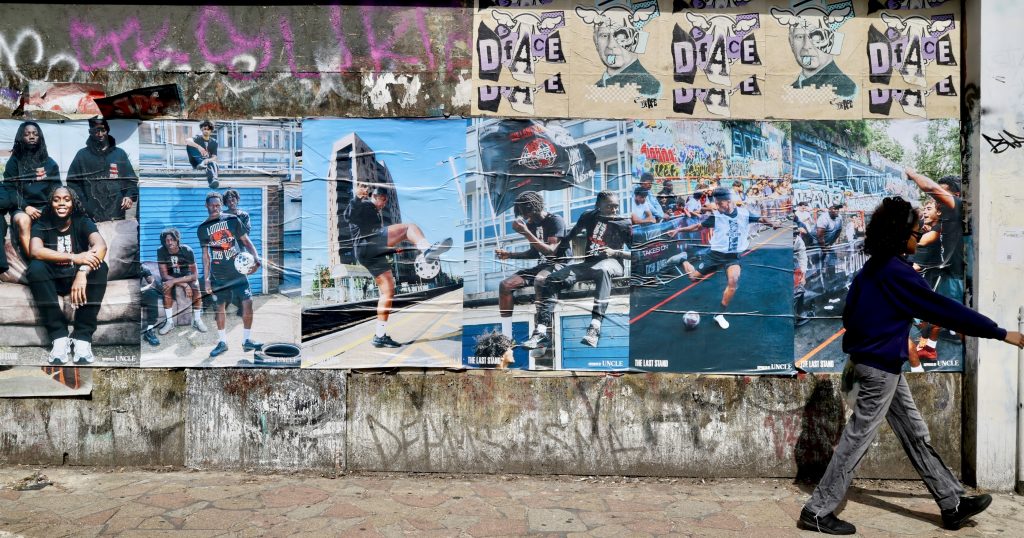
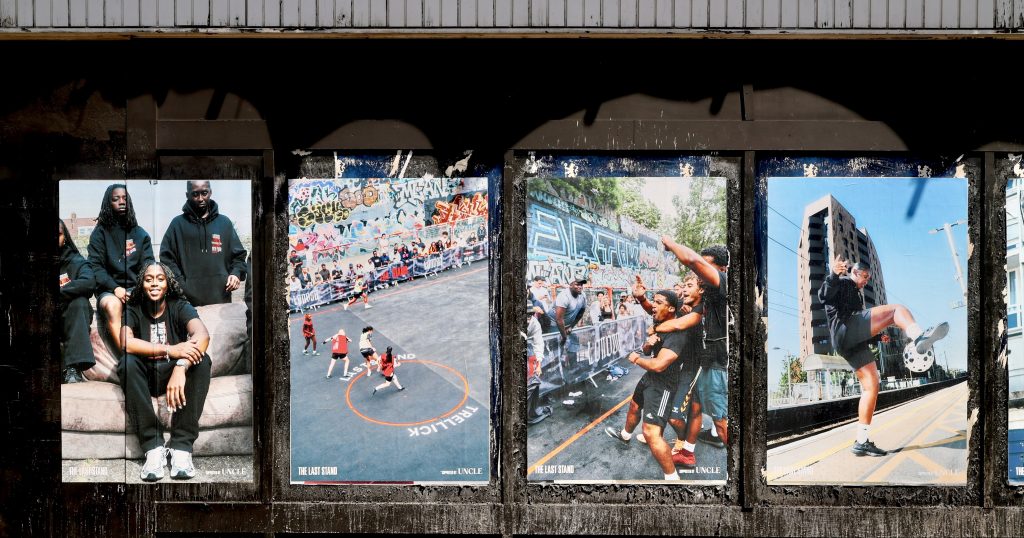
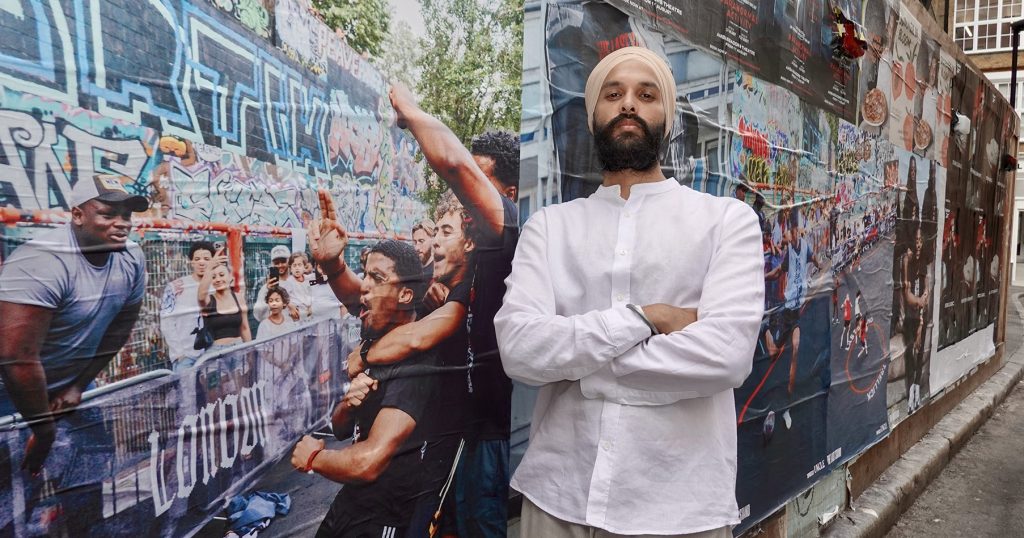
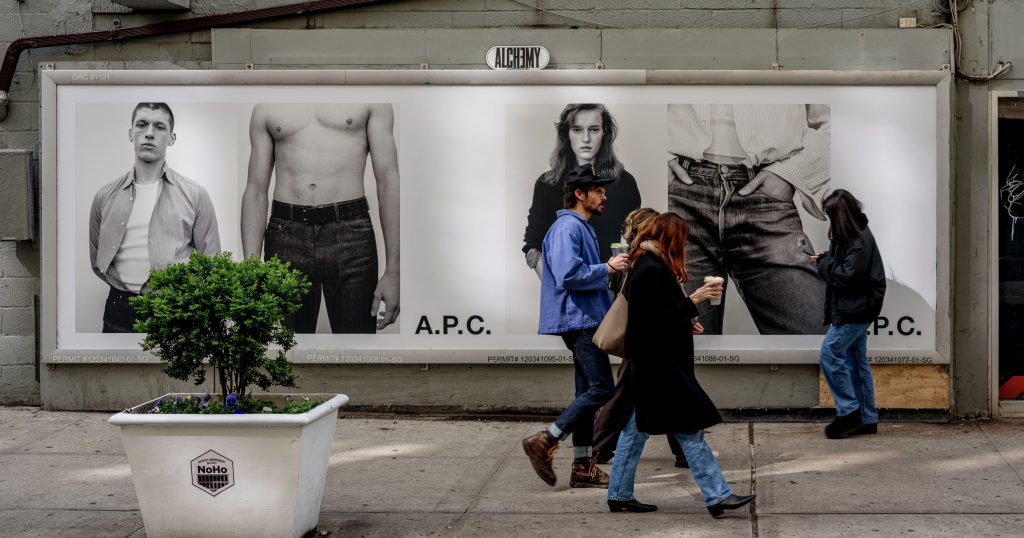
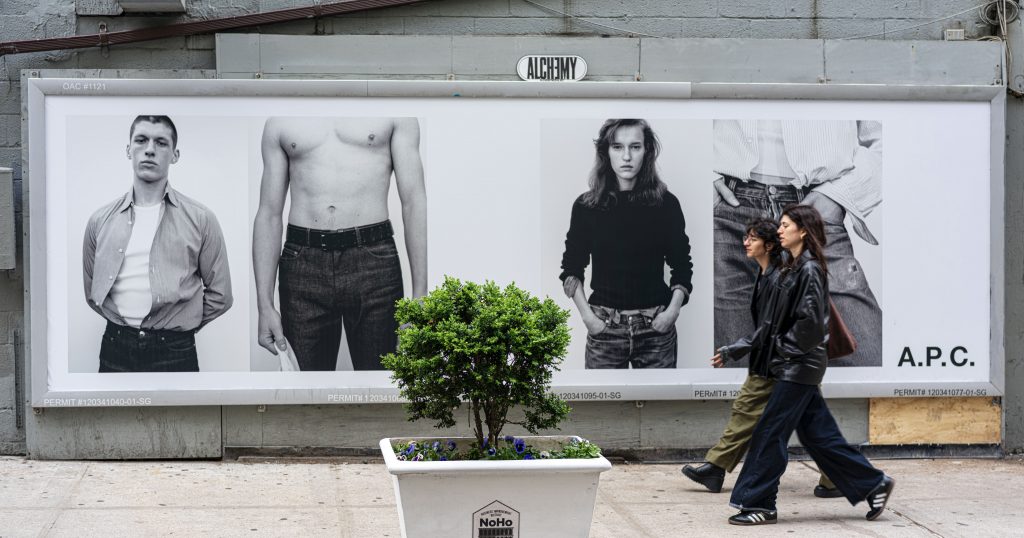
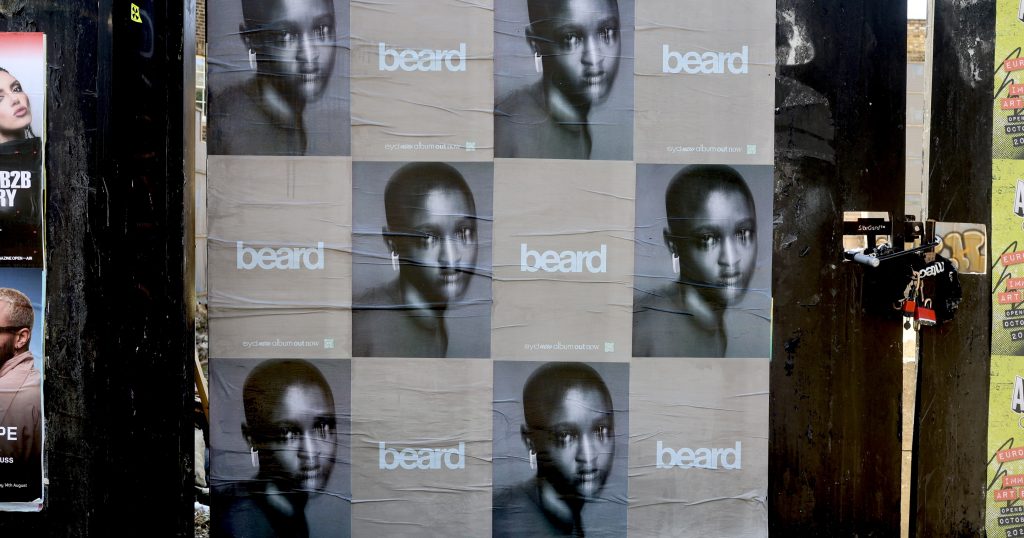
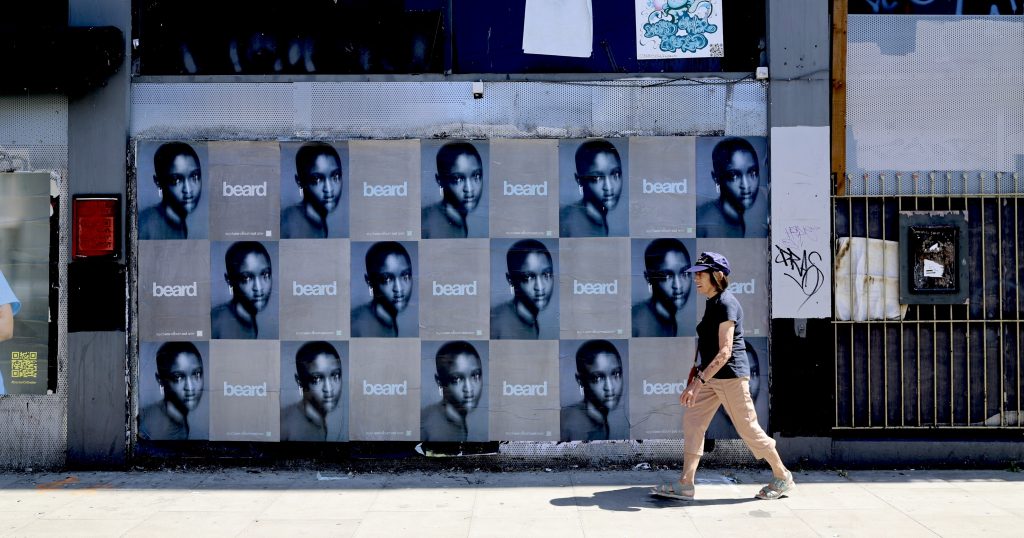
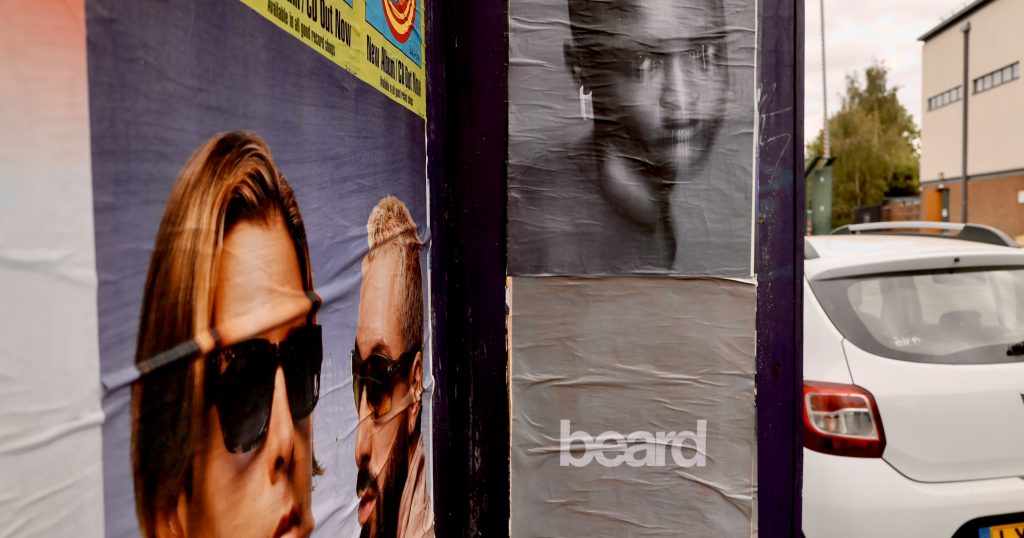
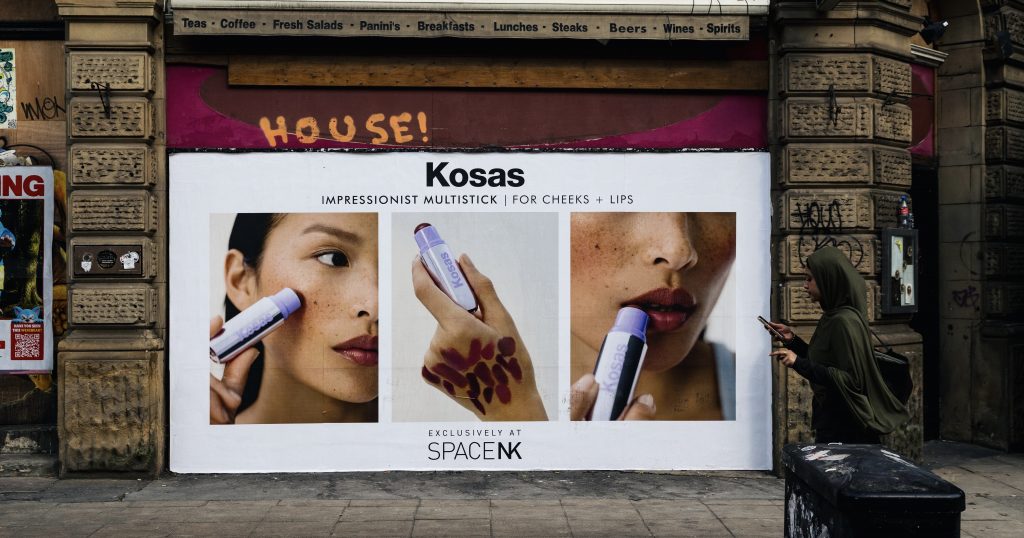
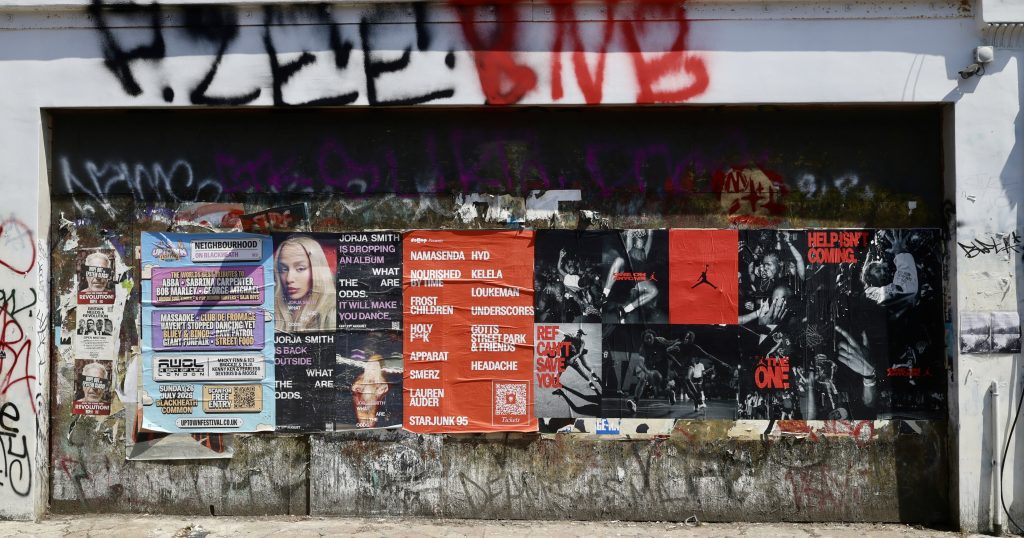
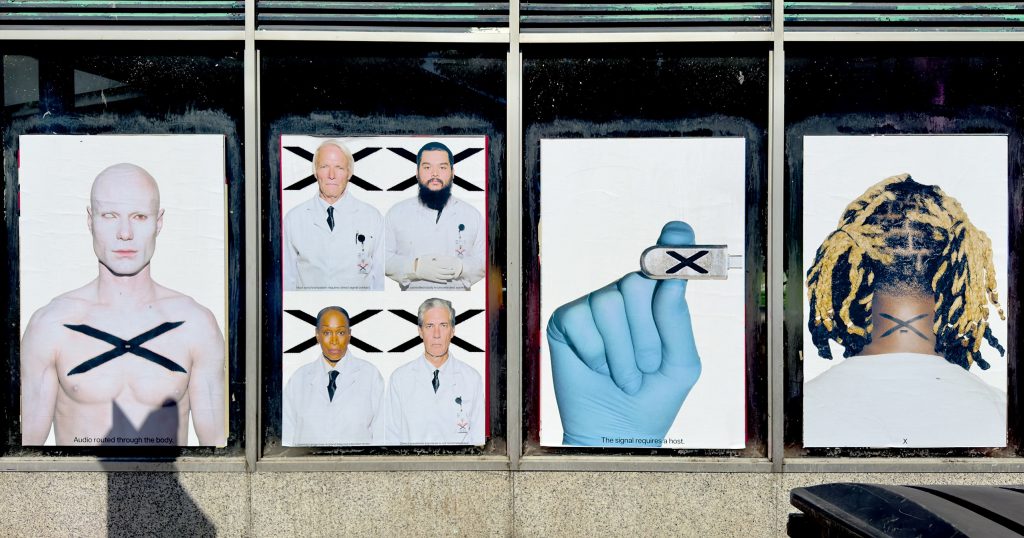
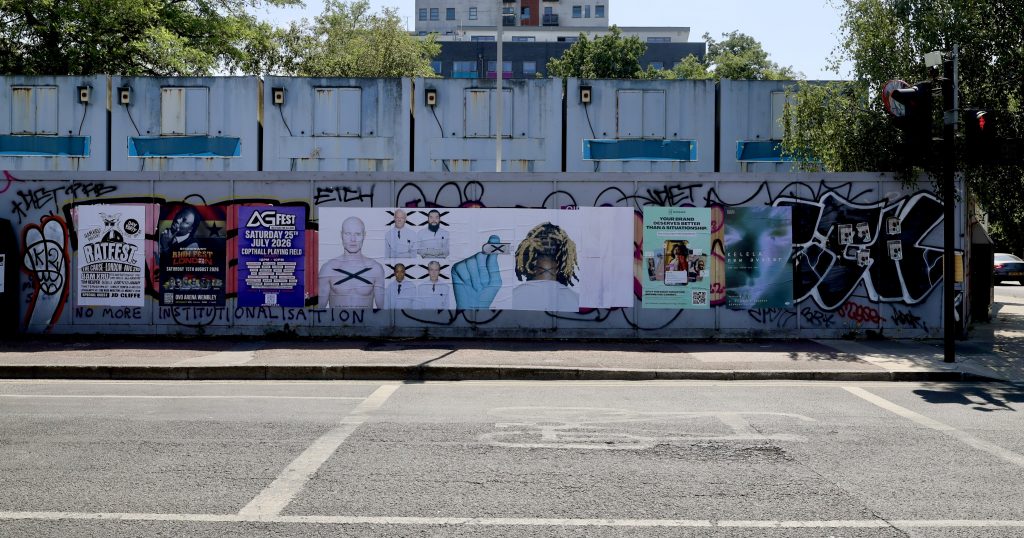
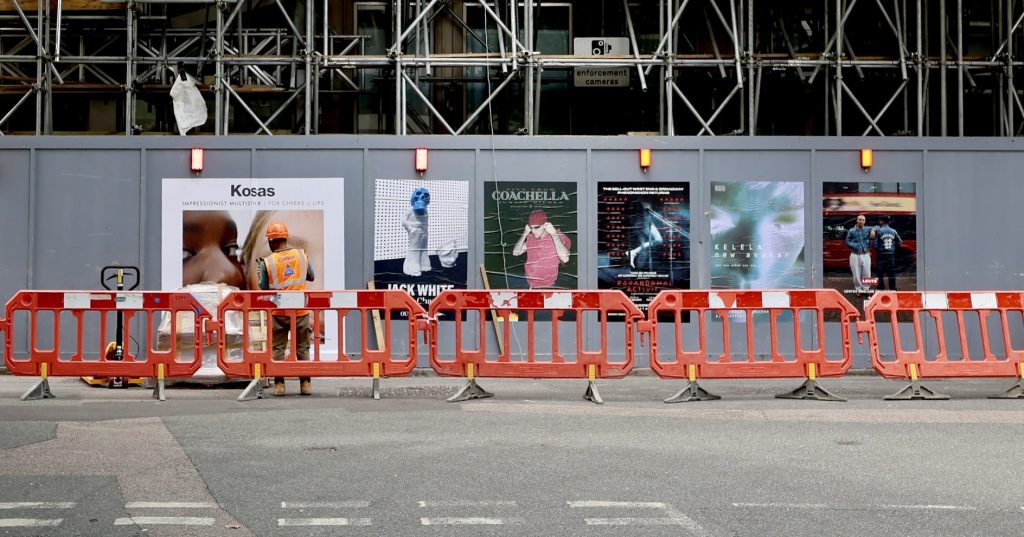
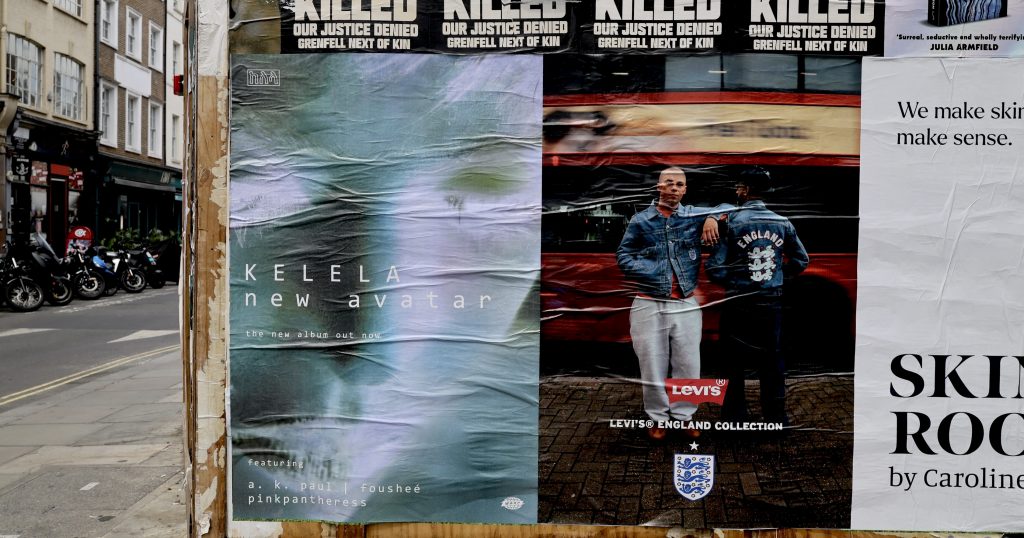
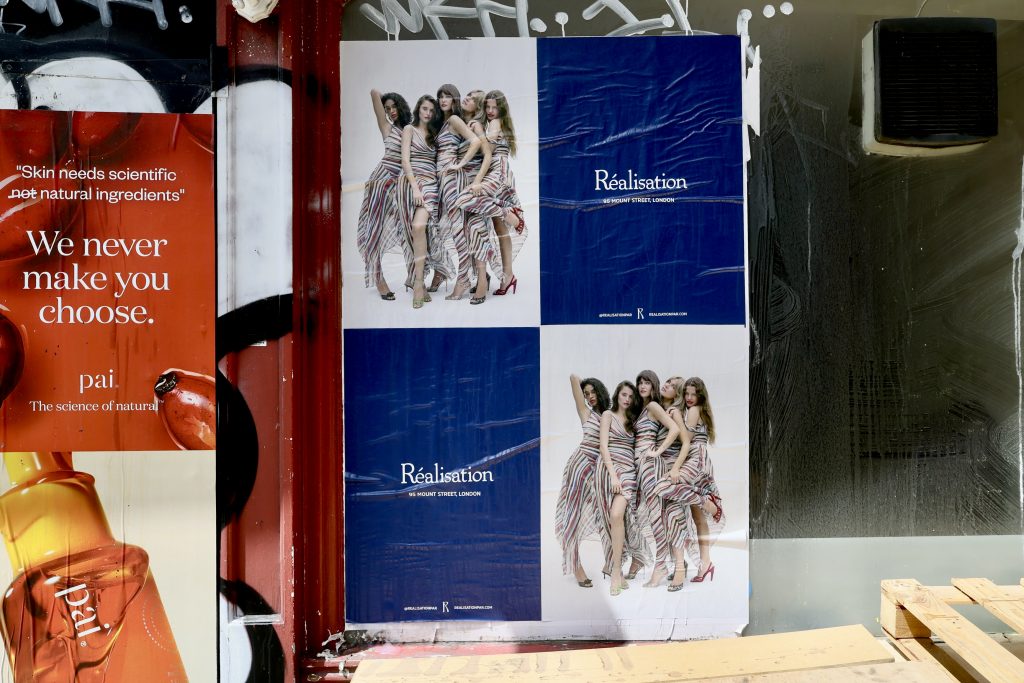
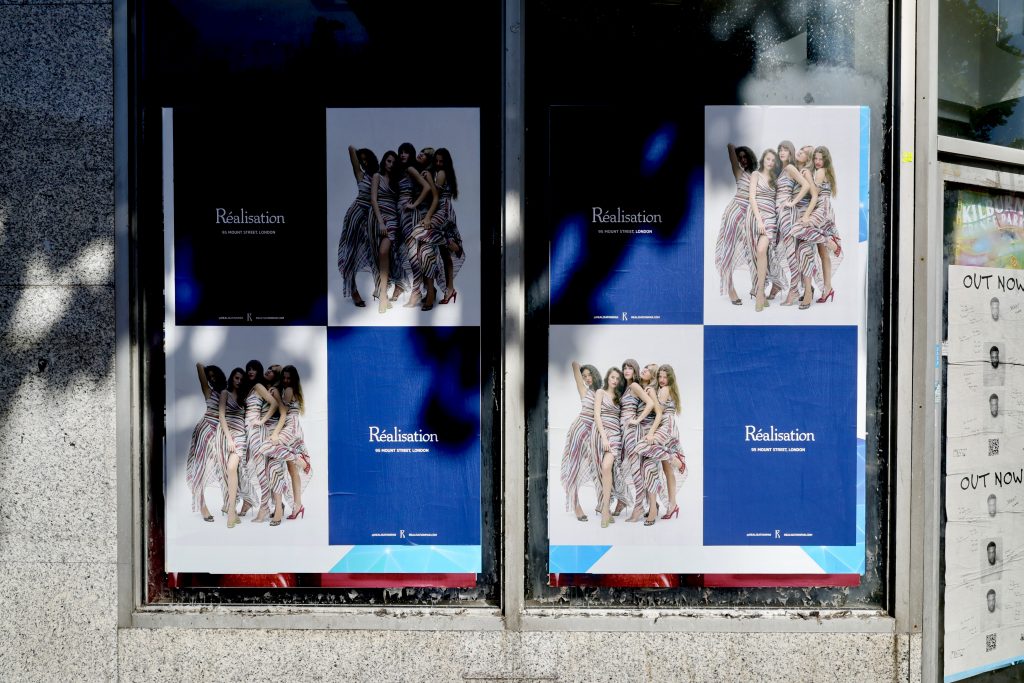
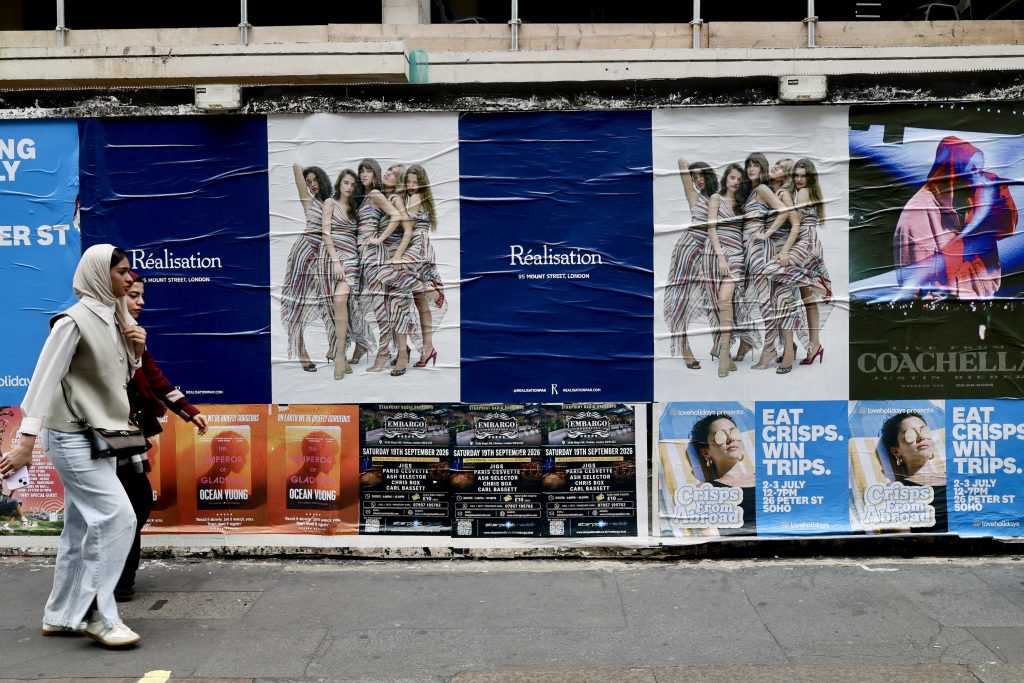
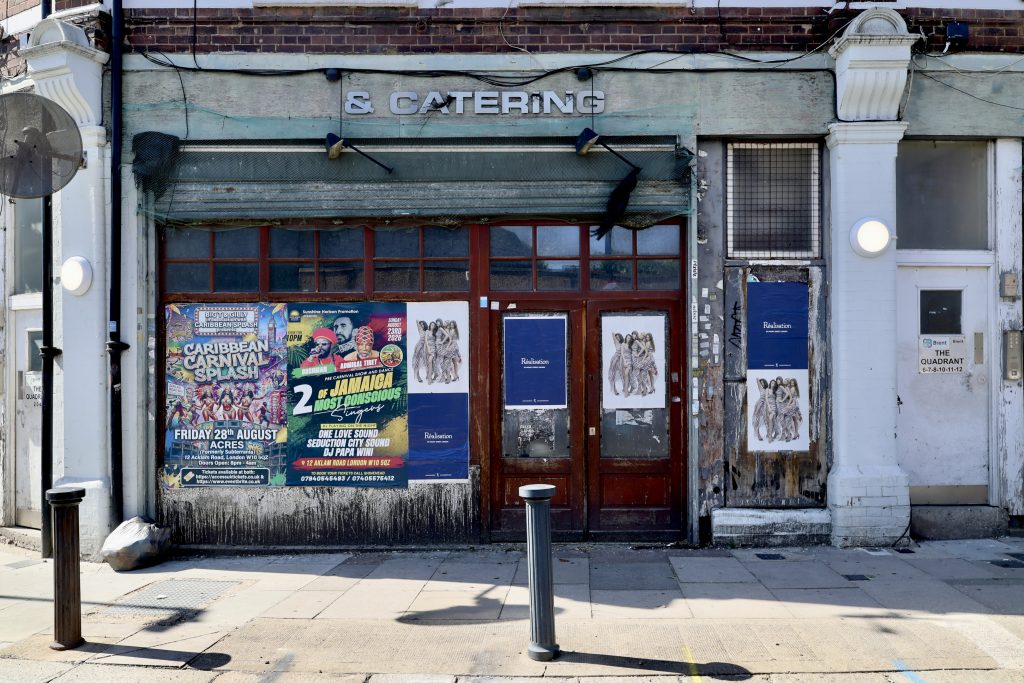
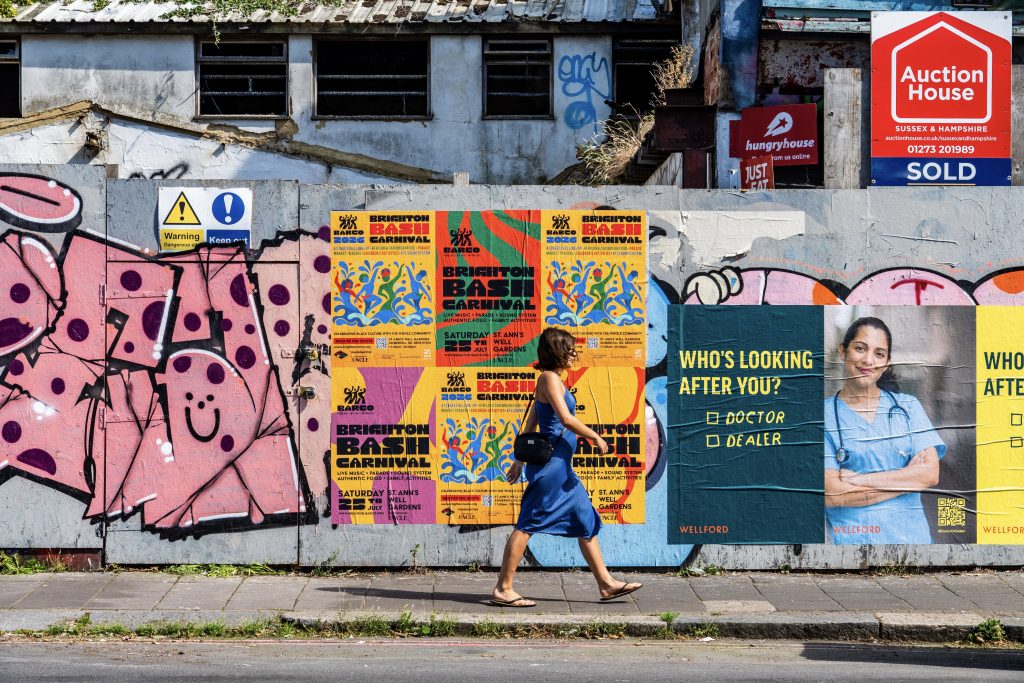
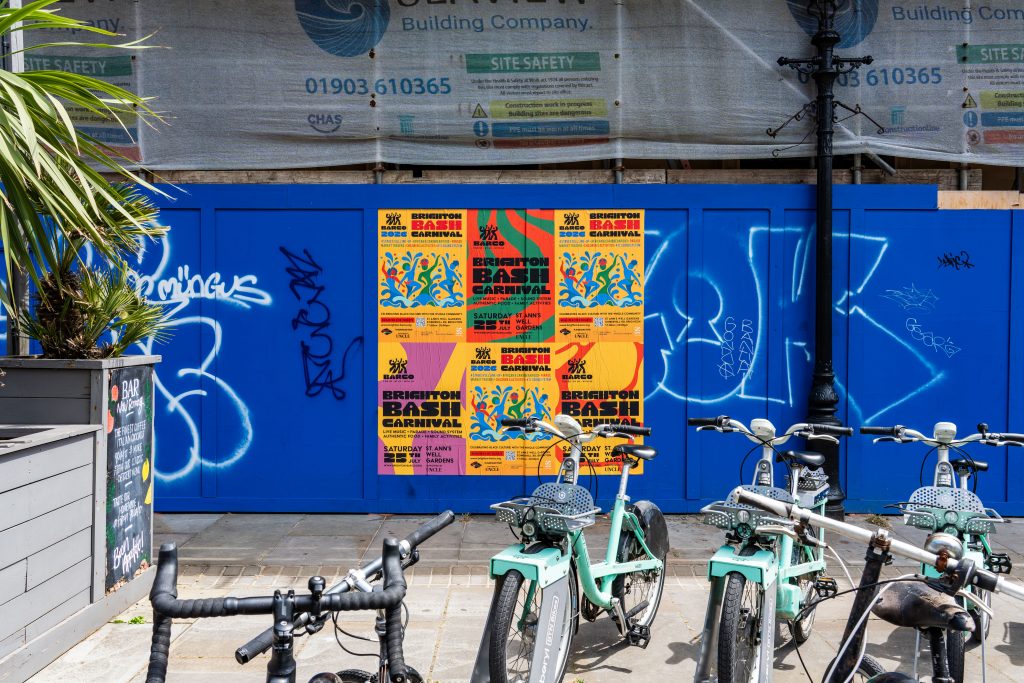
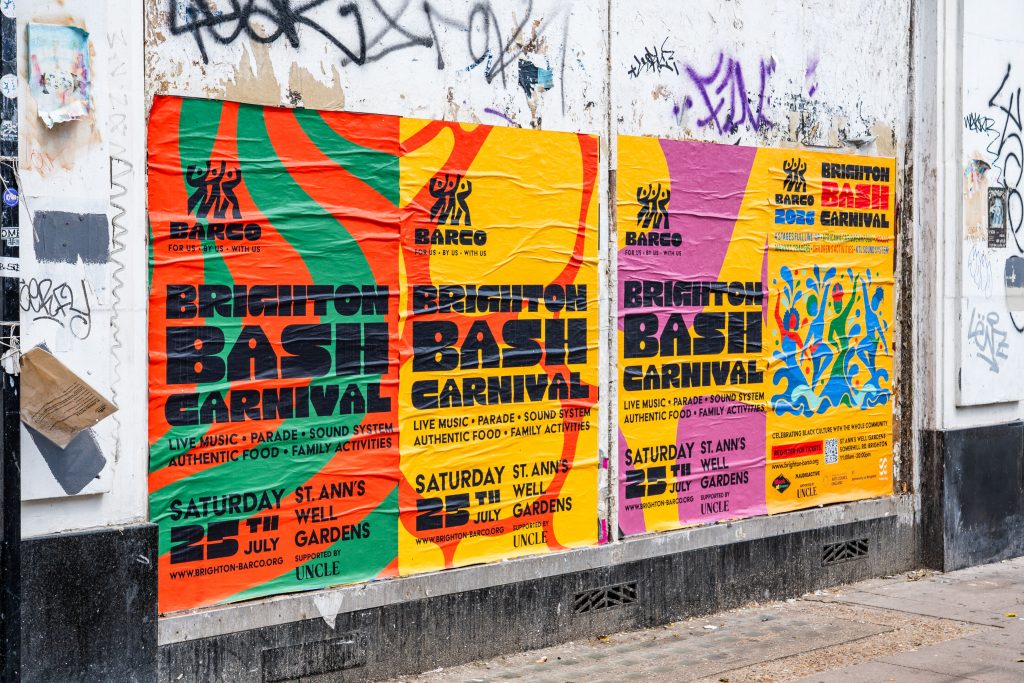
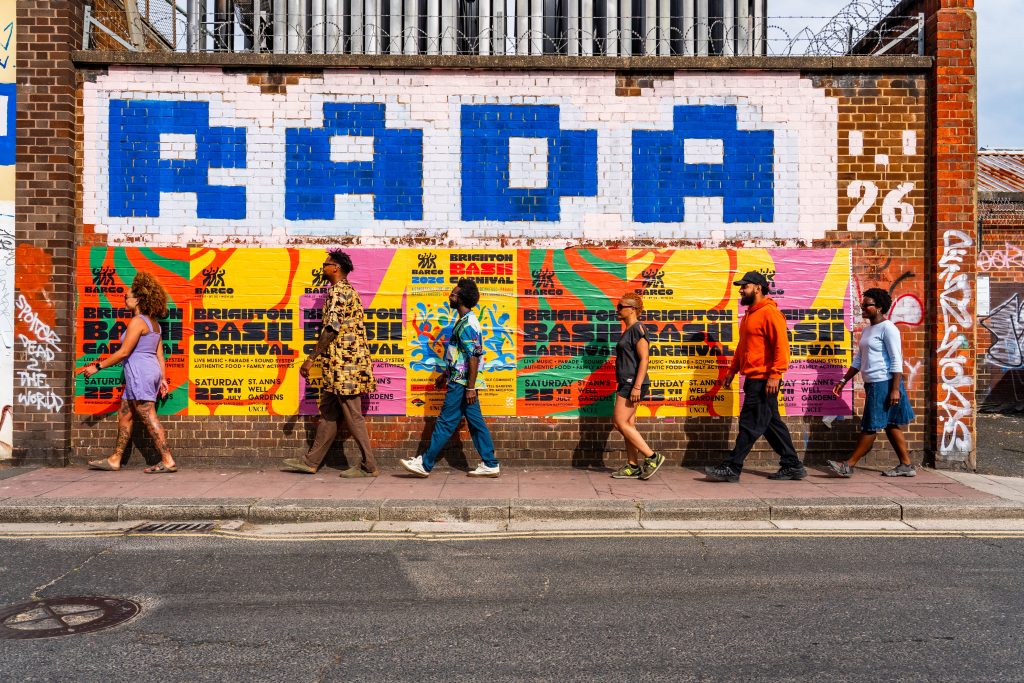
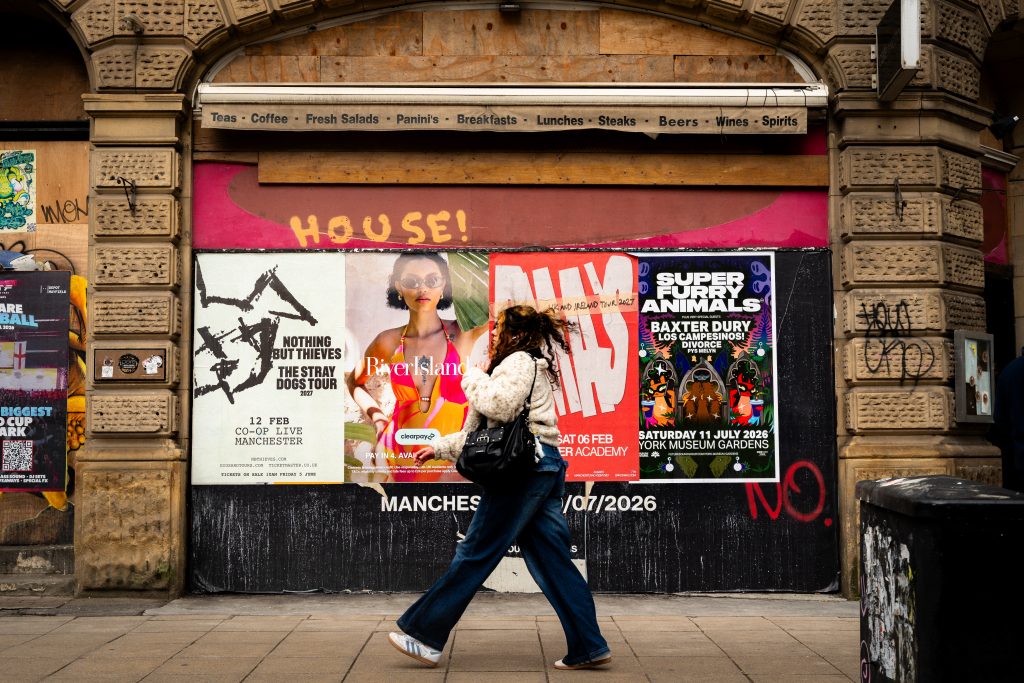
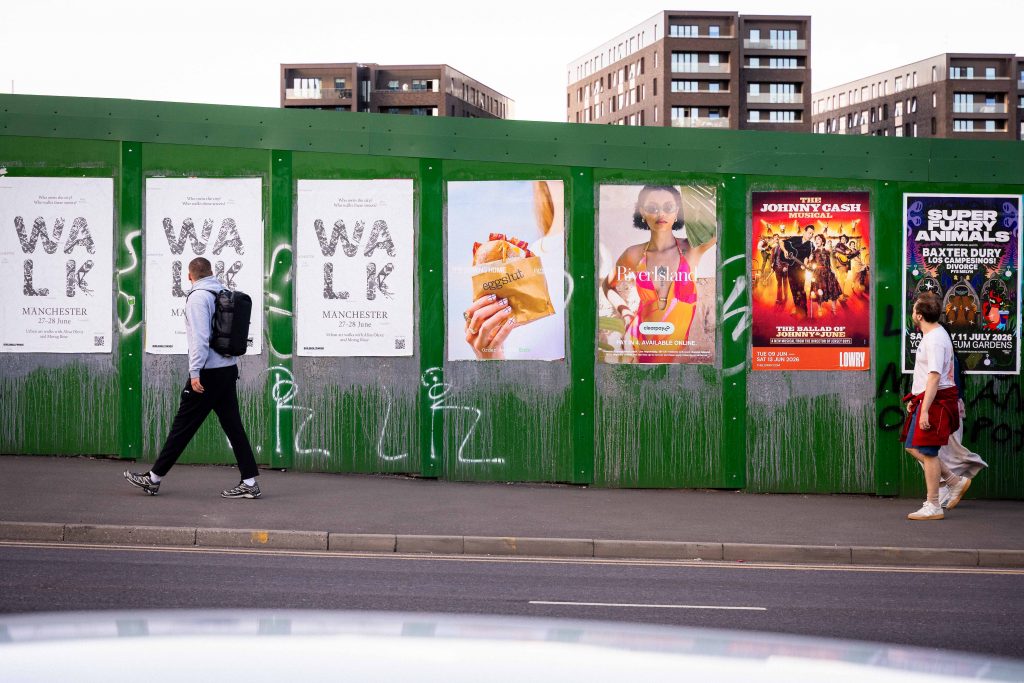
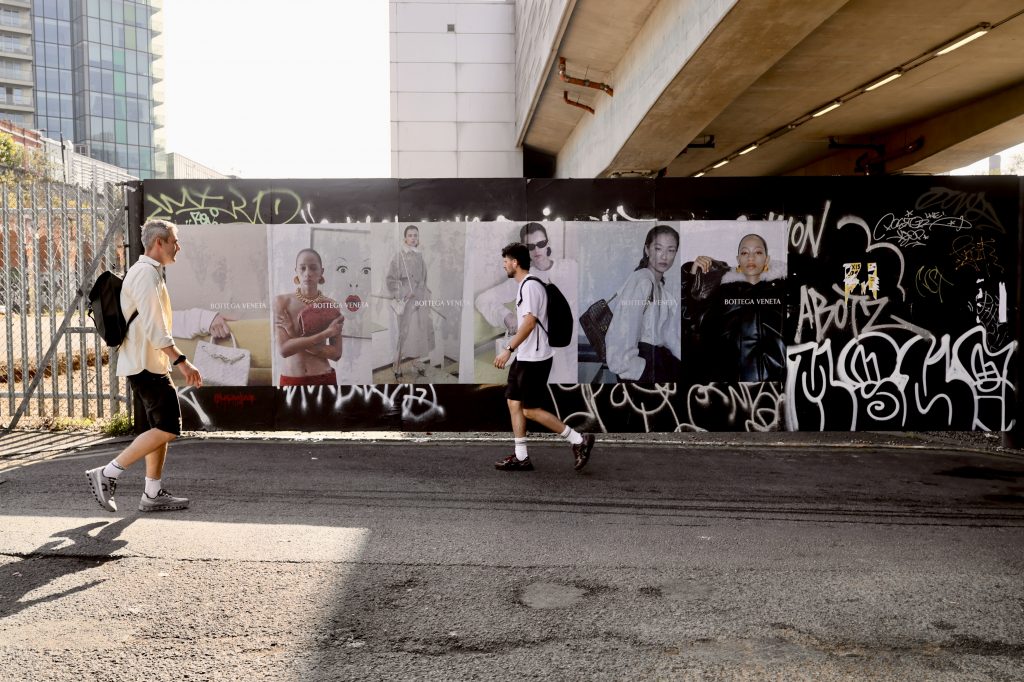
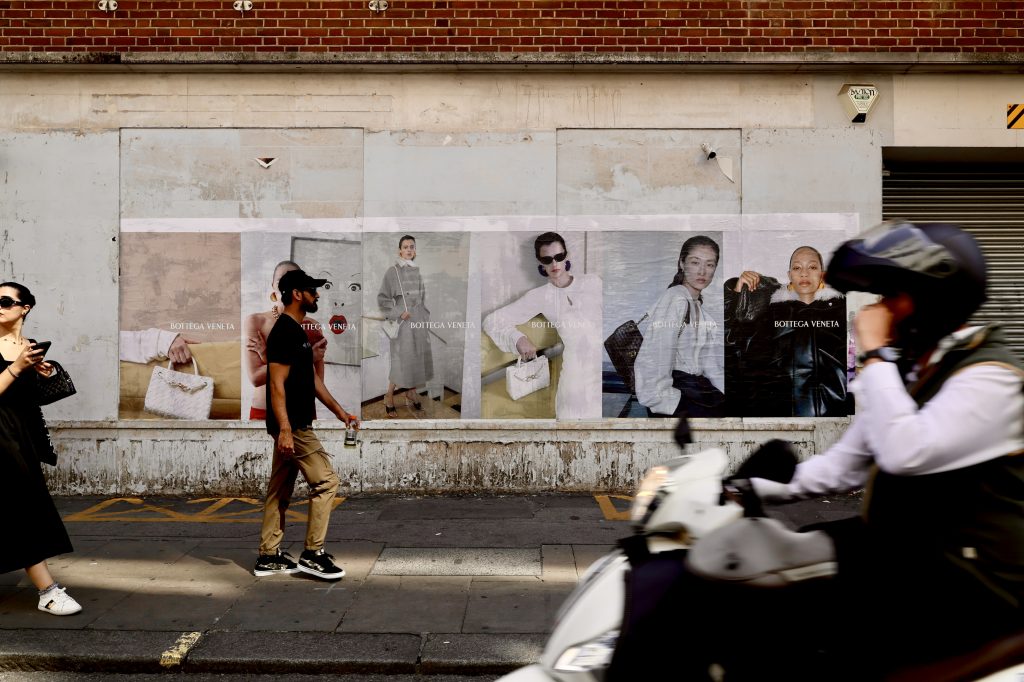
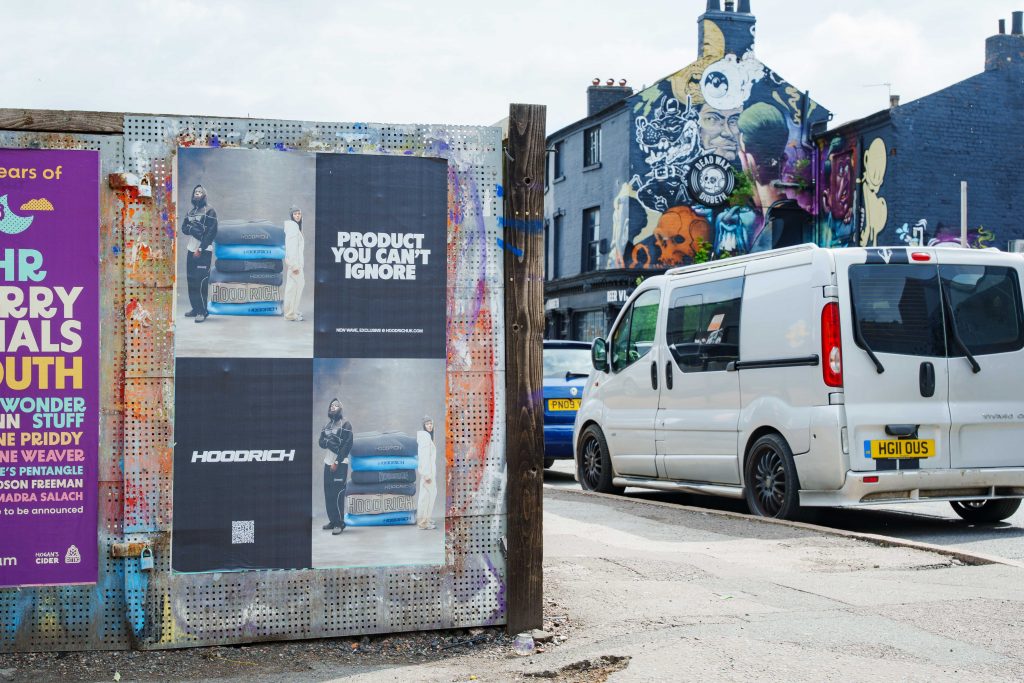
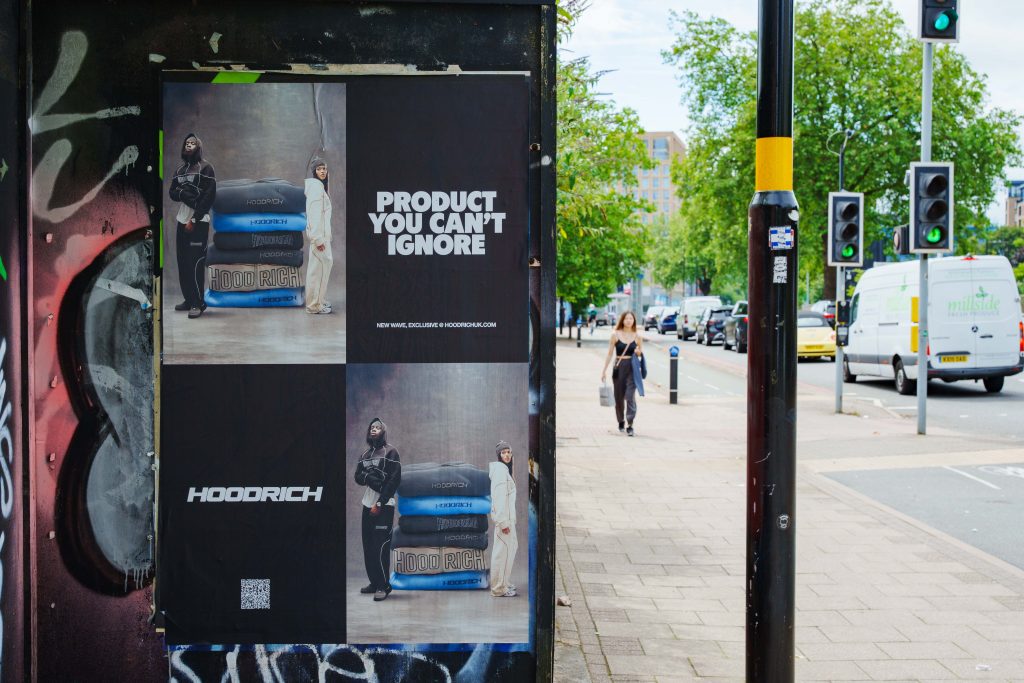
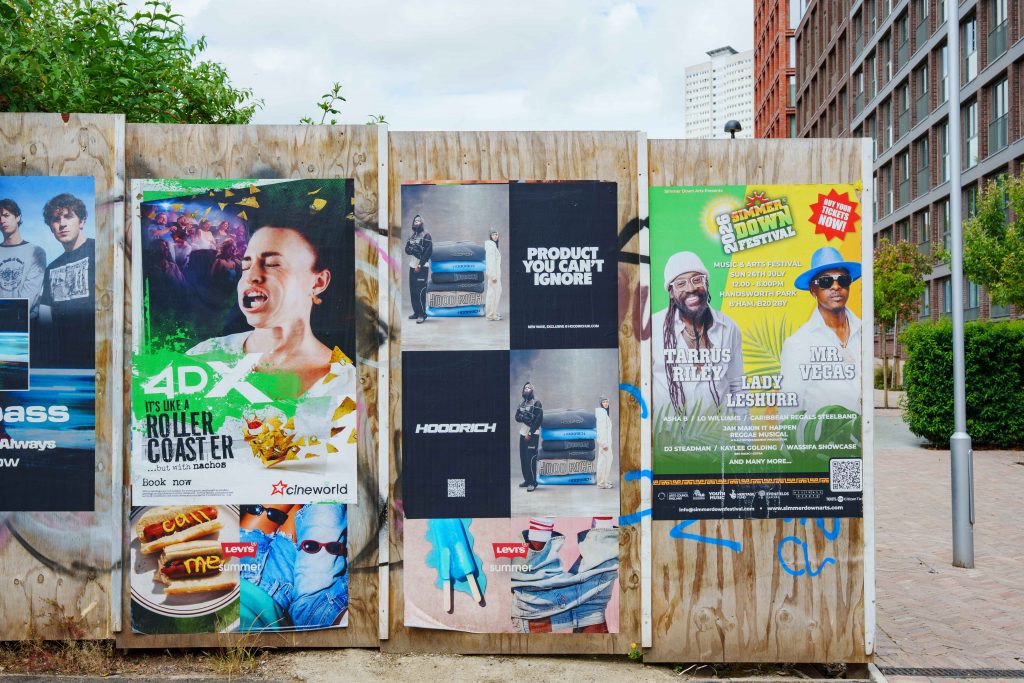
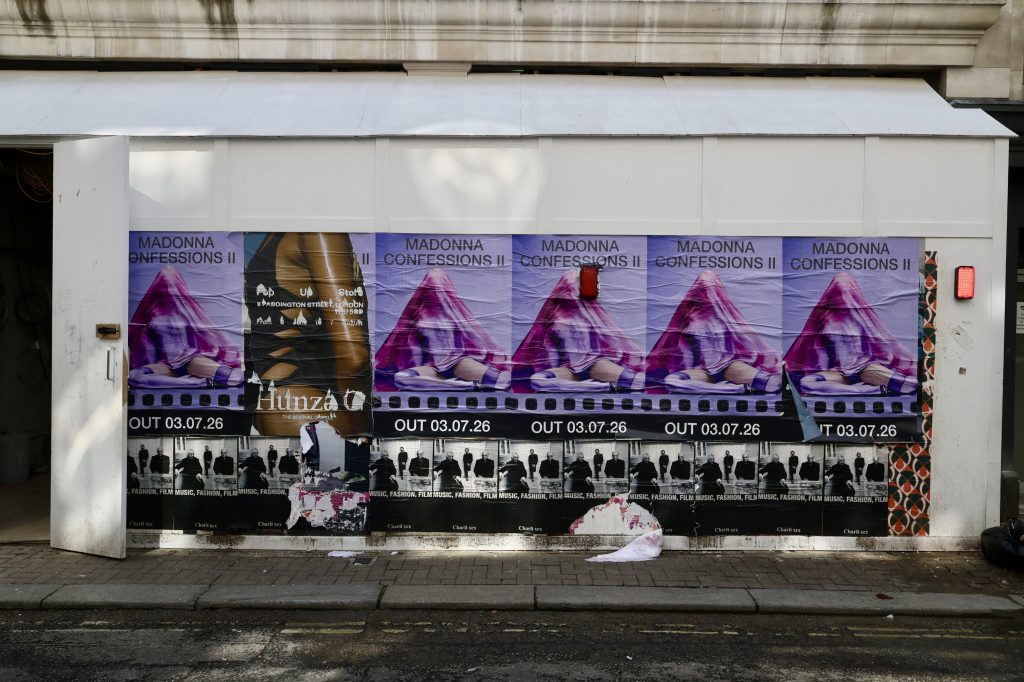
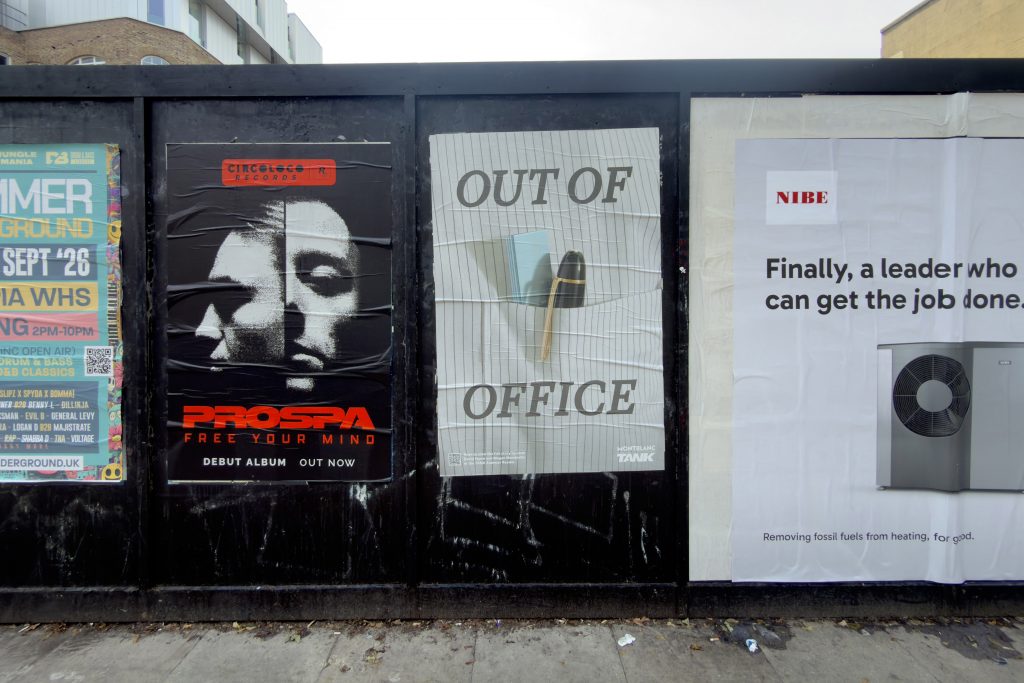
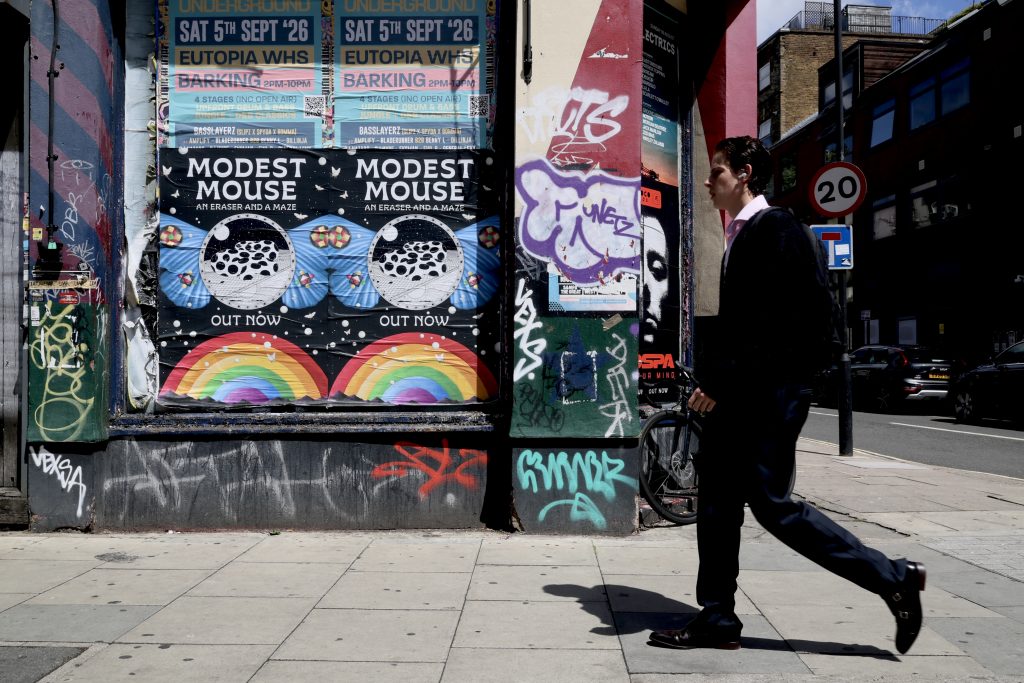
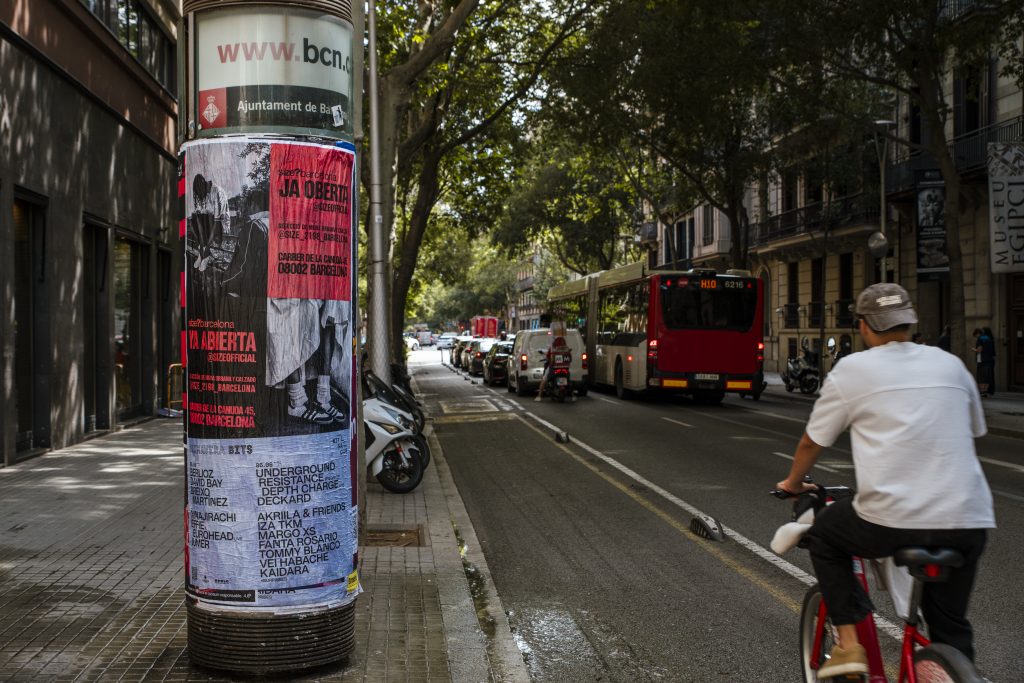
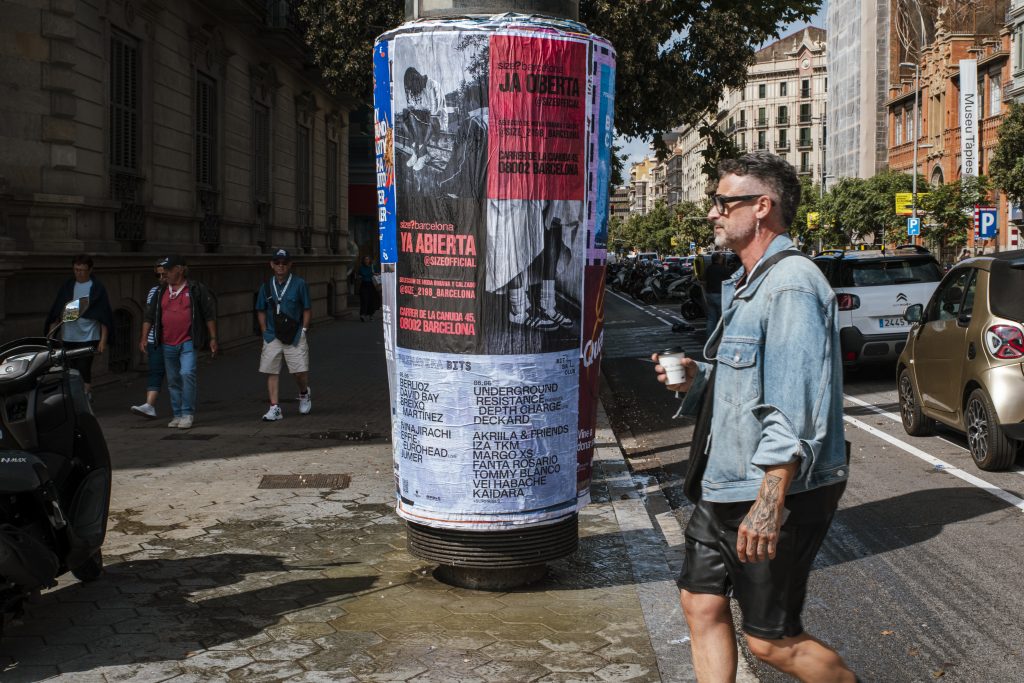
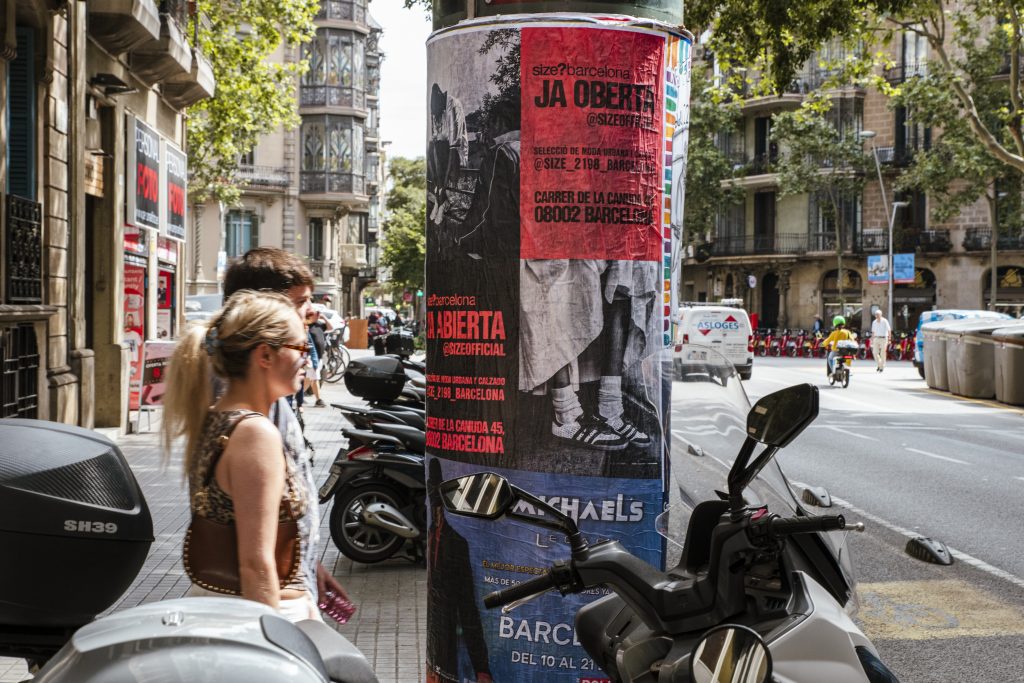
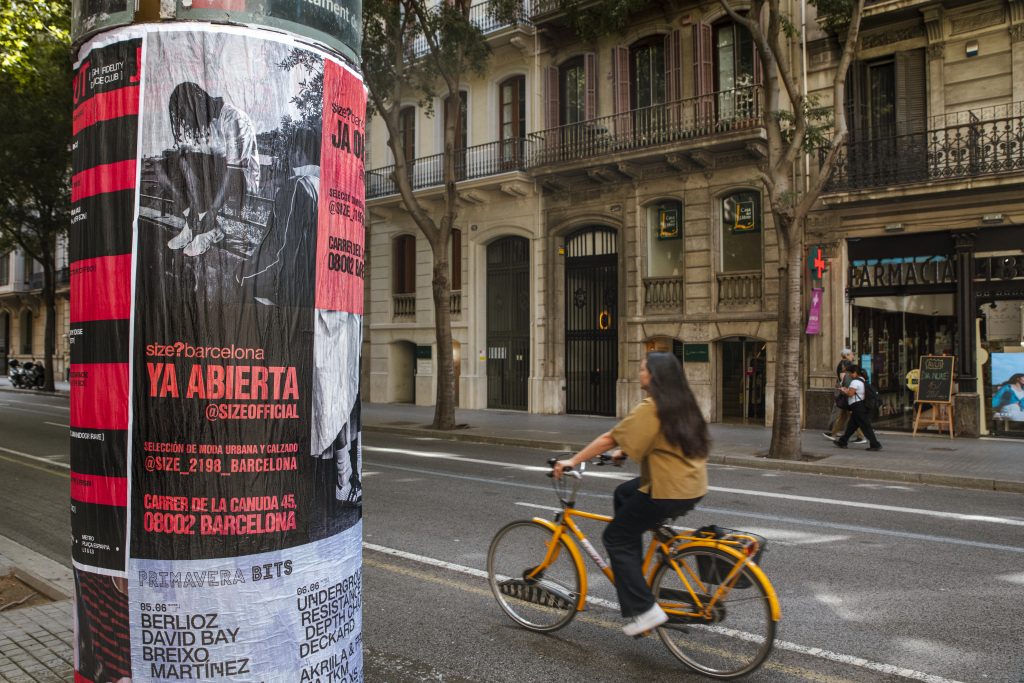
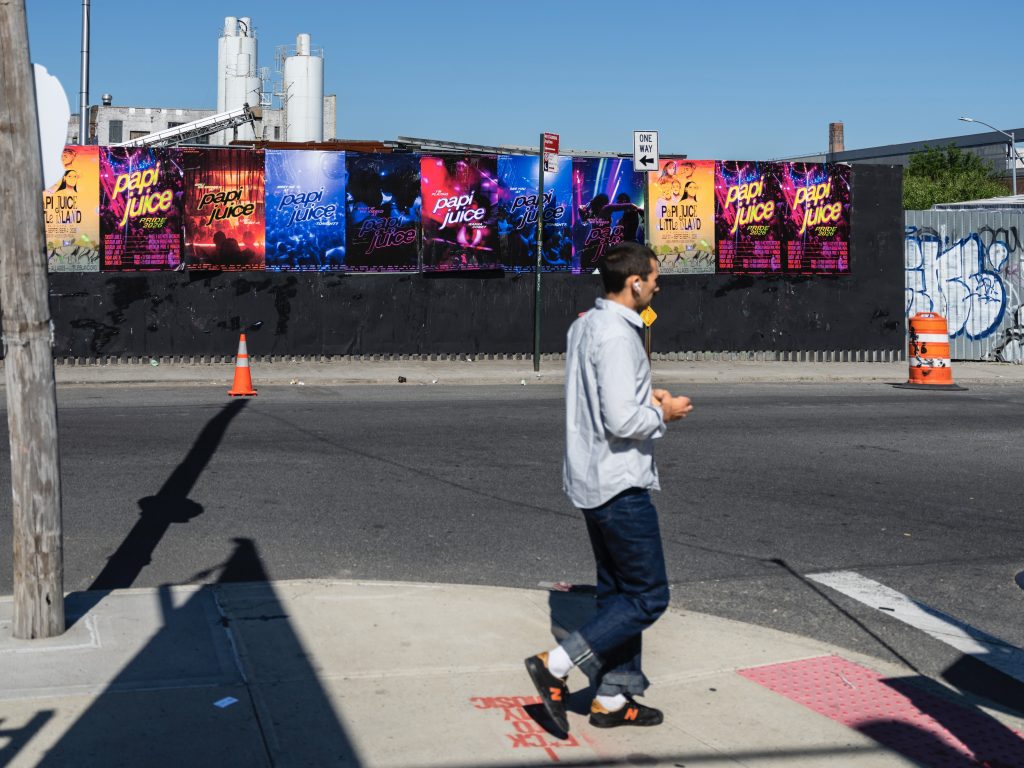
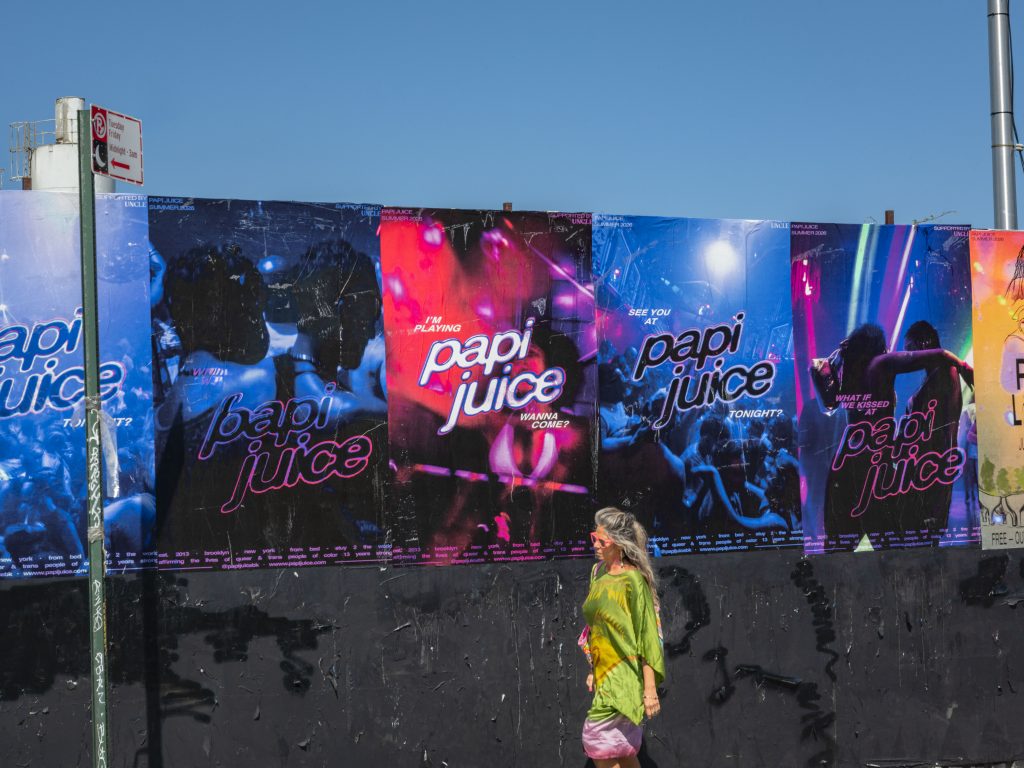
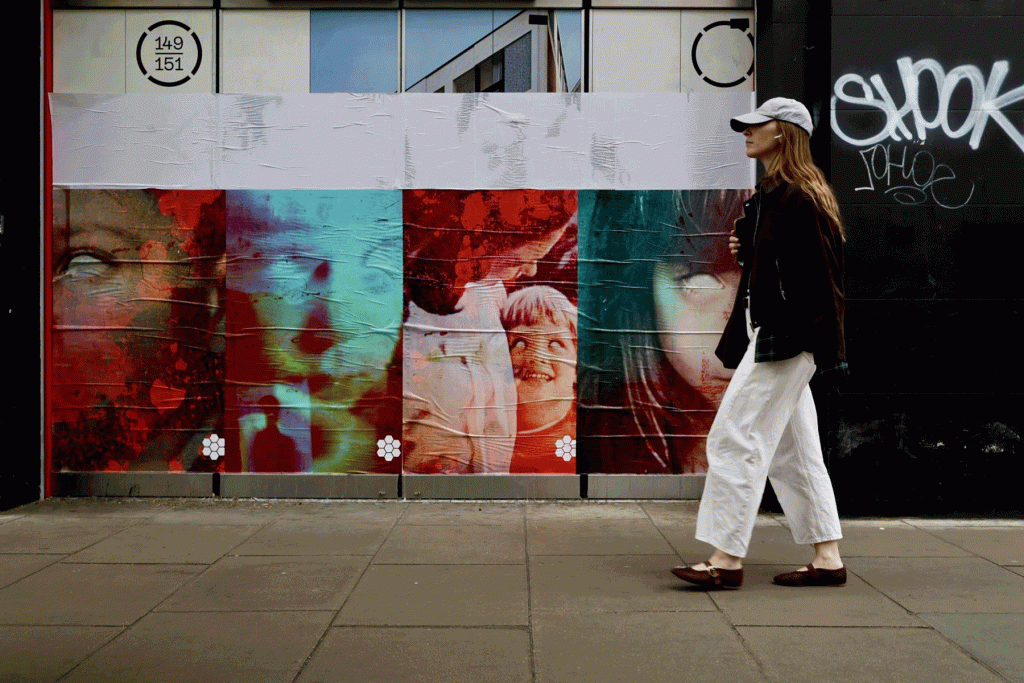
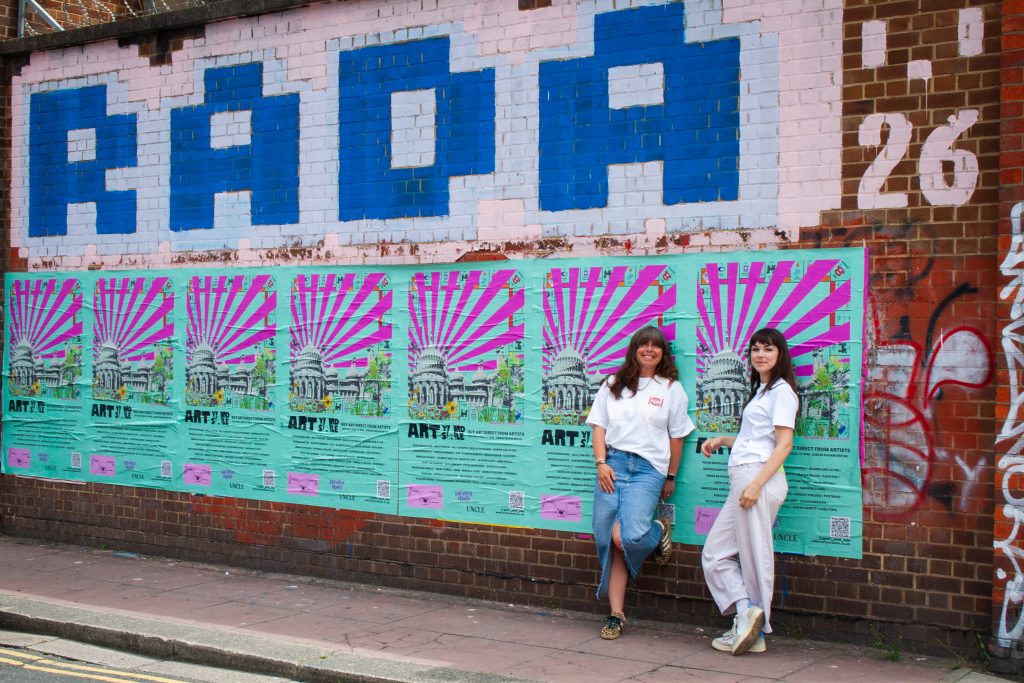
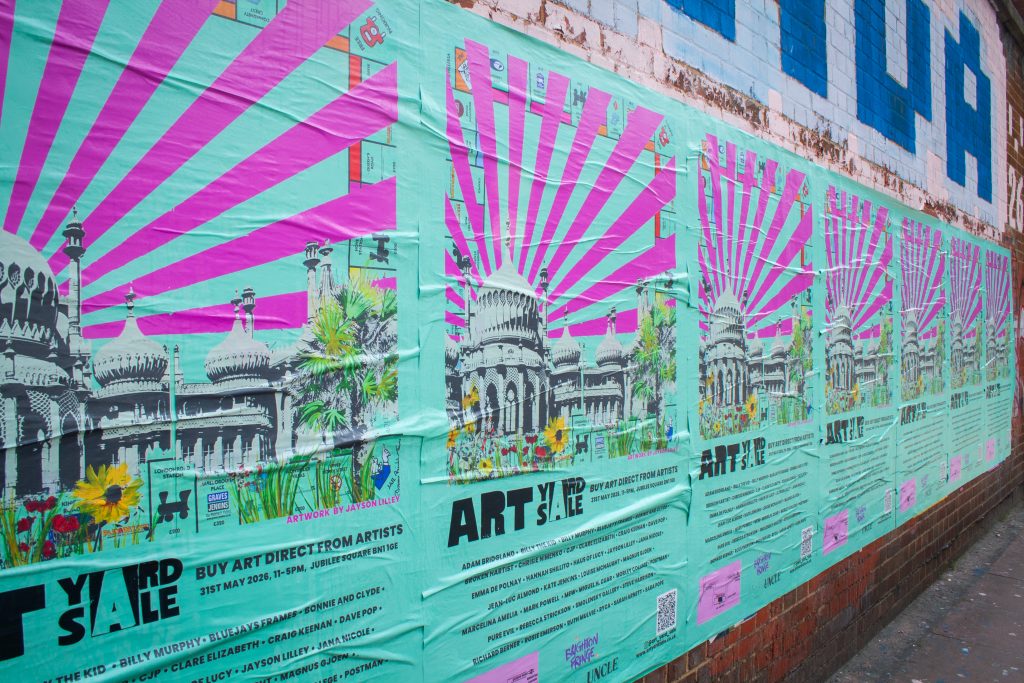
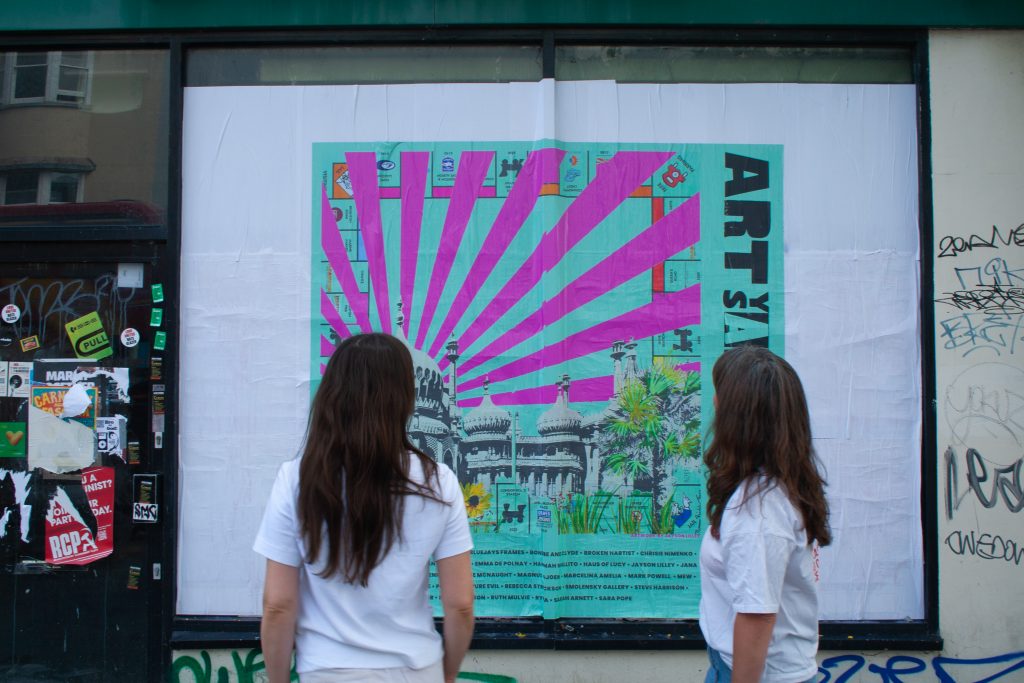
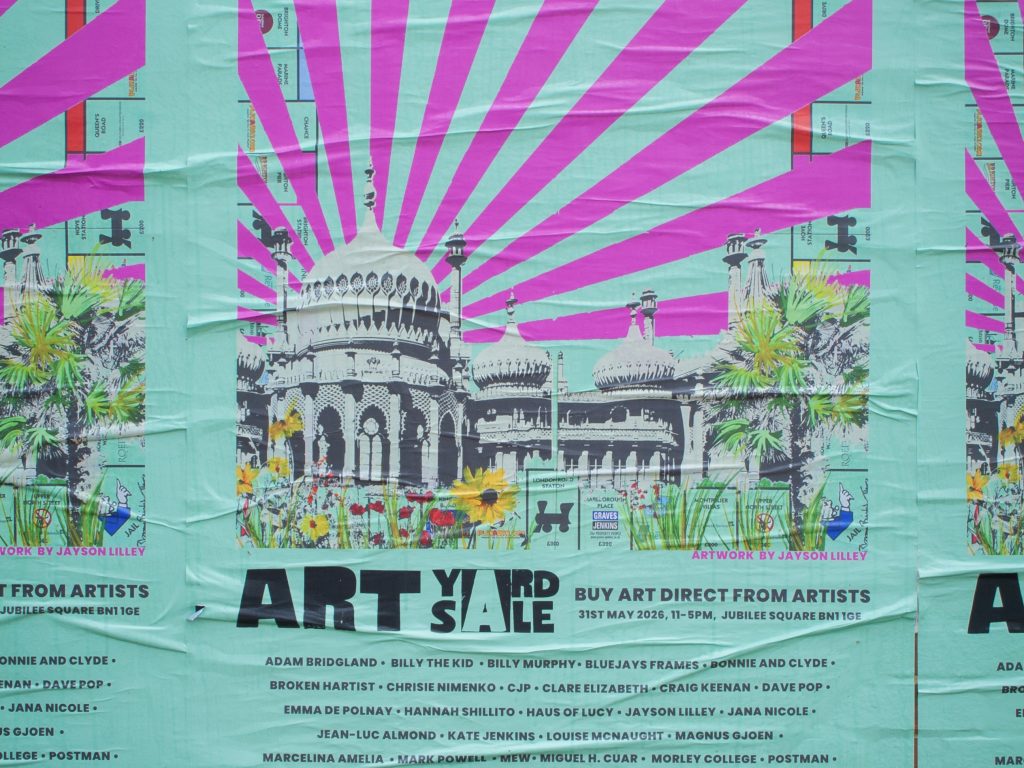
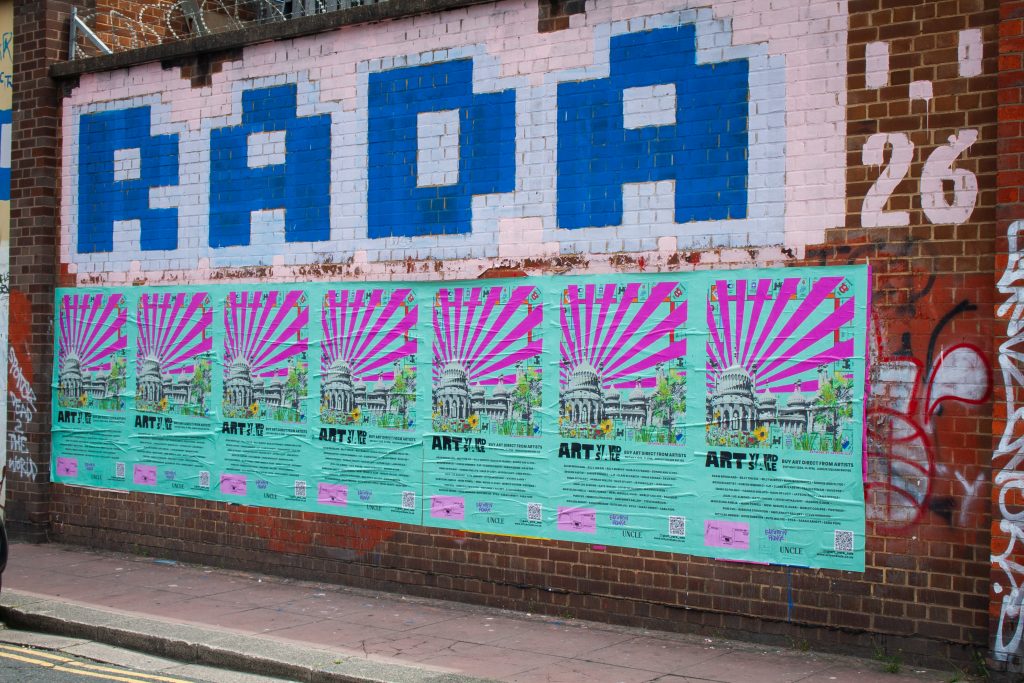
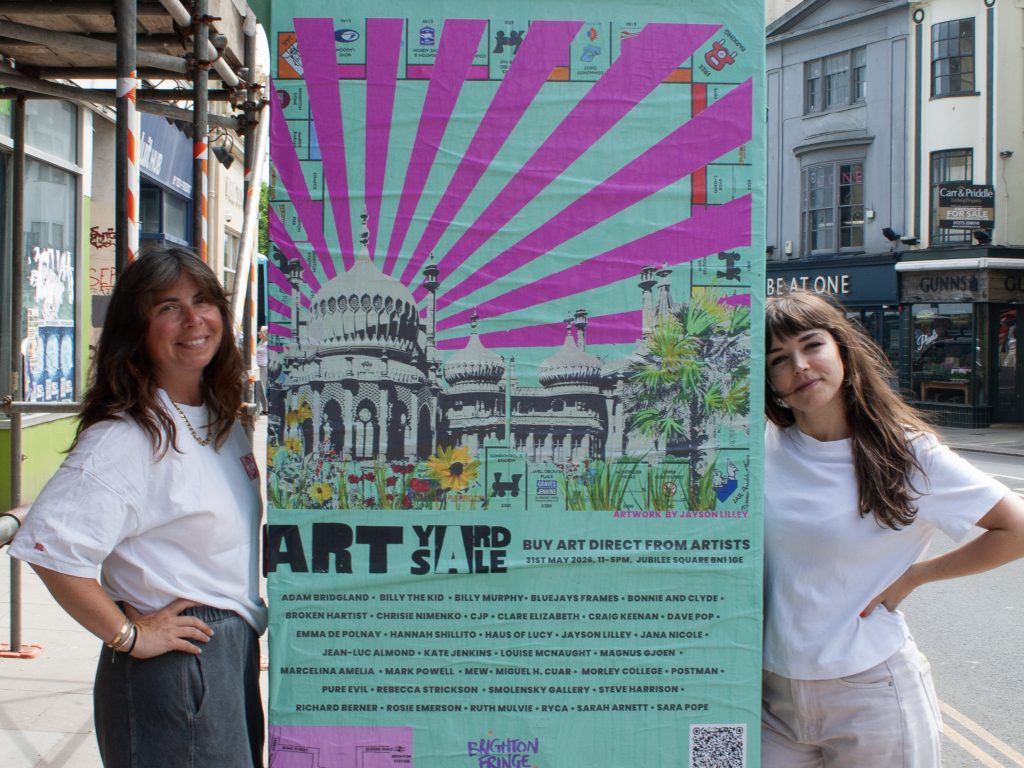
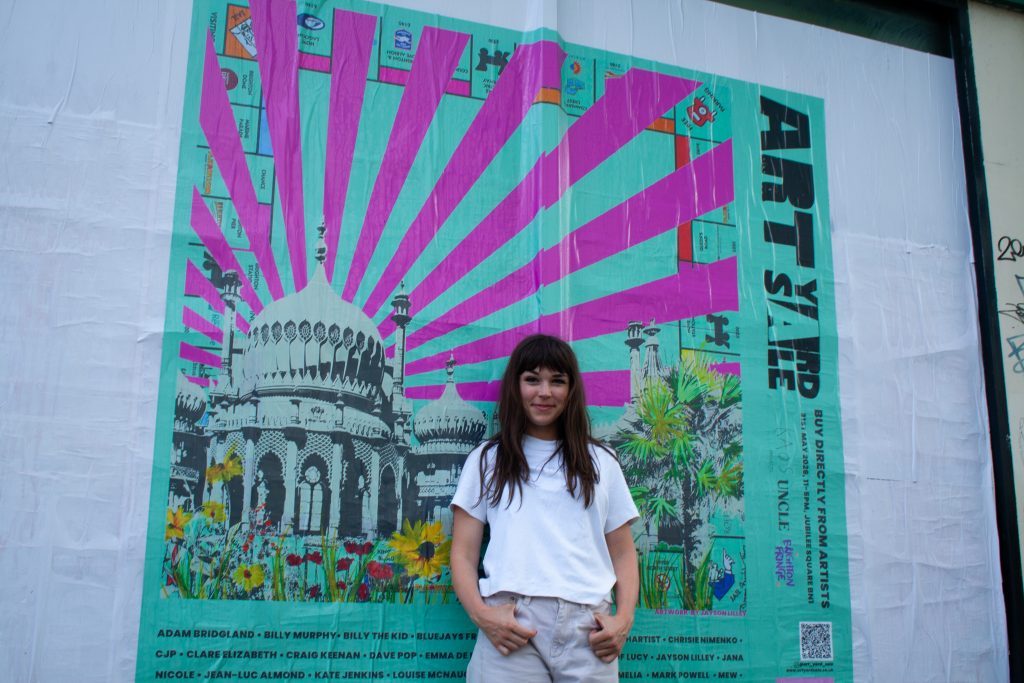
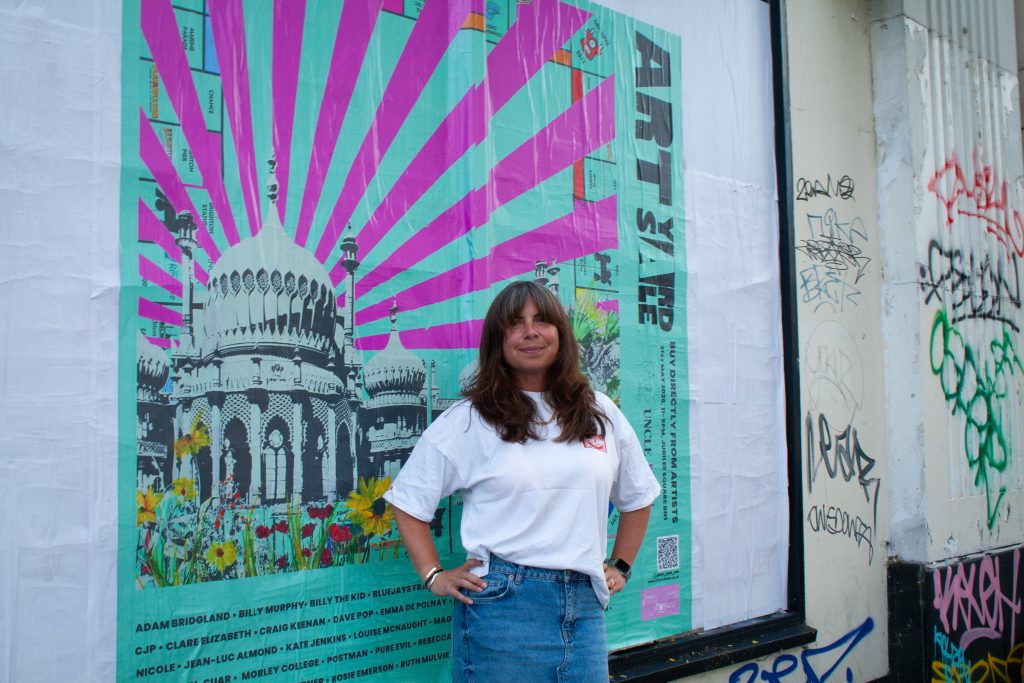
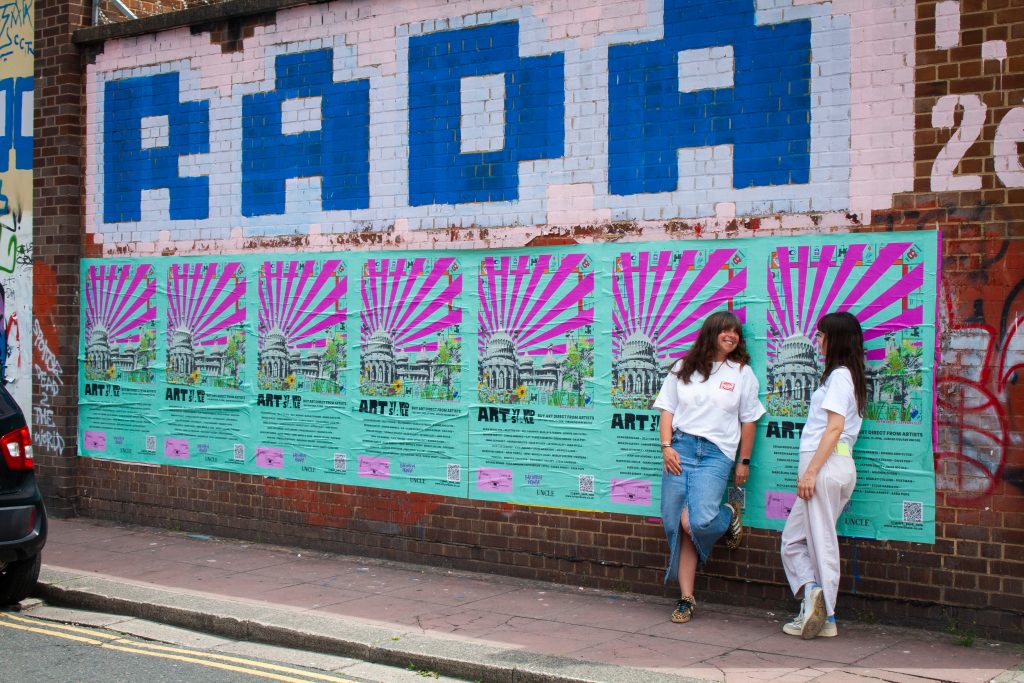
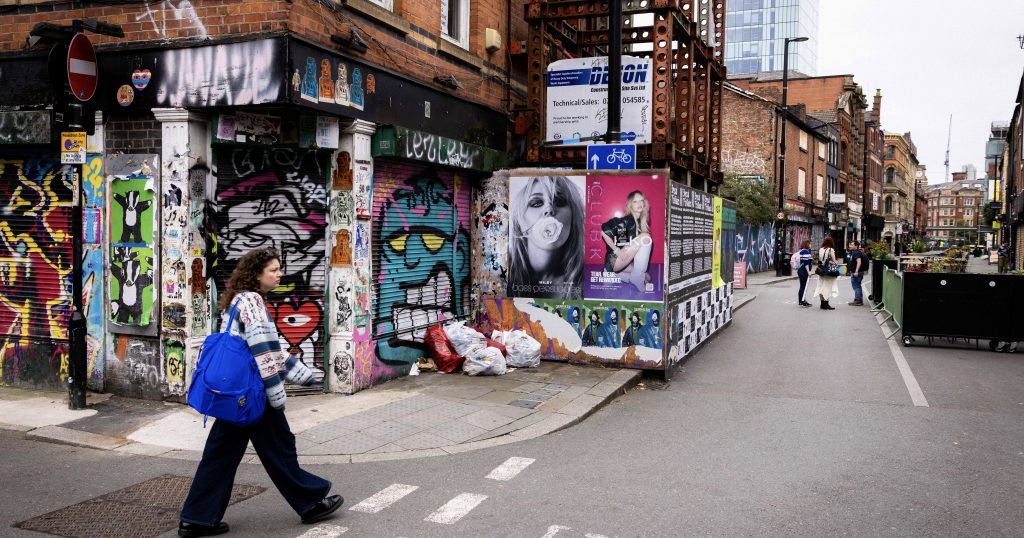
That makes her UNCLE collaboration, created ahead of the local elections, feel especially fitting. Inspired by Zoe Leonard’s I Want a President, Onwunali’s poem asks what kind of candidate people actually want, and what might happen if we raised our standards. It is poetry off the phone screen, off the stage and into the street.
I was never really fixed on poetry to start off with. It was more storytelling. I grew up with MTV playing in the background, and I was obsessed with rap, with cyphers, with wordplay — how people could build whole worlds with such limited space through language.
At one point I wanted to be a rapper, but I could never catch the beat — I just had too much to say. So I went back to just the words, and from there my relationship with writing really grew.
I started writing when I was about eleven. At the time it felt quite uncool, so it stayed personal — more like documentation. But as I got older, I realised I was writing about political realities around me, growing up in an immigrant household, and I started to feel like it was too important to keep to myself. If I really believed in what I was saying, it couldn’t just live and die with me.
The turning point was a workshop with the poet Joelle Taylor. I brought a folder with everything I’d ever written, read some of it out, and she invited me to perform in London. It was just me, my mum, and half my English department on a train, and I remember getting on stage and thinking, this is it.
From there it kind of snowballed — I did a poetry slam at the Roundhouse after sixth form, ended up winning it, and then eventually came back on a residency. I’ve been freelancing for the last couple of years now, which still feels a bit mad.
A LOT OF YOUR WORK PULLS MEANING OUT OF REALLY EVERYDAY MOMENTS — SMALL GESTURES, GIVING UP YOUR SEAT ON THE TUBE — WHAT DRAWS YOU TO THOSE KINDS OF DETAILS?
I think it comes from that idea that everything is poetry. You just have to take a moment to see it. It’s the art of noticing.
I always describe it as grabbing a moment and holding it up to the light. Even something like giving up your seat — most people have done it and don’t think anything of it, but when you actually look at it, it becomes this really beautiful, compassionate act.
I think I’m trying to remind people how similar we are. We spend so much time thinking what we’re going through is completely unique, but really we’re all living very similar lives. Everyone wants to feel part of something bigger, and sometimes you just need reminding that you already are.
I’d say it’s a bit of both, but probably more the latter.
A lot of the time, I’m writing from a place of urgency — like, everyone stop what you’re doing and listen. Let’s acknowledge what’s actually happening.
I’m not really interested in sitting with something for ages and perfecting it in a traditional sense. Sometimes it just feels like the sky is on fire, and I want people to hear what I have to say right now.
Of course, people might look back on it later as a reflection of the time, but for me it’s about the present — bearing witness to what’s happening and making people aware of it.
YOU’VE ASKED A REALLY INTERESTING QUESTION IN ANOTHER INTERVIEW — “WHY DO WE NEED OTHER PEOPLE TO TELL US WHAT WE’RE FEELING?” — DO YOU THINK POETRY SHOULD BE SOMETHING EVERYONE DOES, RATHER THAN SOMETHING A FEW PEOPLE PURSUE PROFESSIONALLY?
I still hold that belief. I think we often see it as the doers and the feelers, as if there’s a special group of people responsible for capturing all of the world’s feelings and turning them into something we can consume, whether that’s music, poetry, painting, or whatever else.
But I don’t think that should be the case. Poetry is for everyone, and it’s one of the few times in life where you don’t have to ask for permission to say things or think things. You don’t have to wait for anyone to tell you that you’re allowed to feel something, or allowed to question something.
You can just grab the closest pen and write. Even if you don’t write it down, you’re still speaking to yourself. You’re bearing witness to something and saying, this deserves to be archived, remembered or reflected on.
People say nothing in life is free, but the thought, the noticing, that is free. Even though I call myself a poet, I don’t think that separates me from “non-poets”. I don’t really think there are non-poets. It’s not a title or a role as much as it’s an act. I wouldn’t want someone to think, “Well, she’s the poet, so I’ll just listen.” We’re all constantly doing the act.
So yes, I think we need to stop relying on other people for our feelings and take control of that ourselves.
Yeah, definitely. I have a line in one of my poems that’s something like, “Who’s to say the revolution will be spoken in your jargon tongue anyway?”
For me, the function of poetry is to reach as many people as possible. Why would I want to put limitations on that just to show off my vocabulary, or prove I can use certain language techniques? It’s not a way of showing how educated I think I am. My priority is trying to connect to as many people as possible.
I think that happens through those everyday moments we look past. Those are the moments where people can say, “Actually, I do see myself in that.”
Our first introduction to poetry is often through school, and the GCSE anthology has given poetry a terrible reputation. People hold a grudge against it for years. They still shudder when they hear the word poetry.
I think we need to undo that. I’m trying to save poetry’s reputation a bit. In school, poetry can feel like this fixed document, like it’s written in stone and you can’t really do much to it. But really, it’s more like a Google document. It’s a live thing being edited as we speak. It’s breathable, it’s moving constantly, it has its own heartbeat. It’s alive, and it’s not written in stone. It’s supposed to be fluid.
It’s so important. I actually have a poem I performed at a GCSE conference, and I started it with: “William Wordsworth ain’t worth my words if the kids don’t know what their words are worth.”
Then it goes on from there, and the students go crazy because they understand what it’s saying. It’s in slang, but it’s still poetry.
I do think everything is a political act: what we see, what we don’t see, the voices that are platformed and the voices that are silenced. The poetry we’re shown is so often overrepresented by old white men talking about duchesses and colonial expansion. The writing might be beautiful, but if the kids can’t see themselves in it, they’re not going to connect. There are no stakes in it for them.
Poetry has been around since people learned how to communicate with each other. In collective cultures, in the global south, oral storytelling and oral history is poetry. It has always been there and always will be there.
When people talk about Wordsworth, I always think the real poets, in every generation, are the people in town centres on soapboxes being called crazy, saying, “Listen to what I have to say. This is what’s going on with the world.”
I’d call myself a soapbox poet. I want to be the town’s crazy person yelling into the sky, beating my chest at the world, saying: this is what’s happening.
The curriculum has introduced some reforms and more modern poetry, so there is work being done, but I still think there’s a lot more to do.
The poem is after Zoe Leonard’s I Want a President. It’s built around that idea of, “I want a candidate who…” and then it goes from there.
I live in Milton Keynes, in quite a diverse neighbourhood, and I had a Reform candidate knock on my door. I just thought, this is hilarious. Absolutely hilarious.
It made me think that we need to raise our standards. With anything else, whether it’s doctors, electricians or engineers, we want the best because we know quality matters. But when it comes to politicians, we settle for so much. We concede so much. We need to want better for ourselves and our communities.
So the poem essentially lists the type of candidate I want to see. There are lines like, “I want a gold tooth smile for a candidate,” or “I want a grieving mother for a candidate,” or “I want a candidate who knows how costly their words are,” and “a candidate who has felt the cold of concrete.”
I want someone I can relate to. Whether or not that’s realistic doesn’t really matter. I’m not concerned with realism. I’m concerned with getting people to question the type of candidate they want to see, and whether that is actually reflected in what’s on the ballot.
I’m keen to see how people react to it, and hopefully it starts a conversation about what we ask for as electorates.
WITH THE LOCAL ELECTIONS IN MIND, DO YOU THINK THERE’S SOMETHING POWERFUL ABOUT FOCUSING ON WHAT’S HAPPENING AROUND YOU — IN YOUR IMMEDIATE ENVIRONMENT — RATHER THAN ALWAYS THINKING NATIONALLY OR GLOBALLY?
One hundred percent. I don’t necessarily believe the current electoral system is going to bring about some kind of utopia, but local elections are about tangible, everyday, material changes that really affect people.
I think it’s important to have a say in the things you can actually reach your hand out and touch and feel. Some people might argue that it’s even more important than a wider national election, because you will very much feel the impact of how you vote. It’s closer to home.
Being born to Nigerian parents has influenced not only my work, but my sense of self. I think the first and probably last time I was in Nigeria, I was less than one year old, so I don’t have any real memories of it. But my parents did their best to pack as much culture and tradition as they could into this 25kg luggage and bring it to Ireland with them.
They built Nigeria in our living room, so I’ve always had a close connection to the culture and my roots. I don’t feel like a stranger in that part of my identity.
Then being born and raised in Dublin was my formative years. It’s my friends, my family, and even my accent. I’ve been in the UK for eleven years now and you can still hear bits of it.
Politically, I think my Irish and Nigerian identities work hand in hand. Ireland has often tried to stand up against injustice because of its own history, and Nigeria has also experienced British Empire. That same Babylon reared its ugly face in both parts of the world, so those identities feel very similar to me in that sense.
With Milton Keynes, people always ask, why Milton Keynes? And honestly, my mum chose here. But I really like it. It’s so fresh and new. It’s only about sixty years old, and you can tell it was so intentional. Even when you look at the map, with the grids, it feels a bit like Barbie’s dollhouse sometimes, because everything is so planned.
But I think it’s beautiful. It’s very green, it’s malleable, and now it’s a city. I feel oddly patriotic about it. Londoners think anything outside London is just farmland, but I’ll defend Milton Keynes to the end.
I see myself in it, honestly. It’s still growing and I’m still growing. I’ve worked a lot with the council there, and I’m trying to do my part in moulding Milton Keynes into the city I want to see. That’s such a cool thing, because who can say they’re actually helping to mould their city?
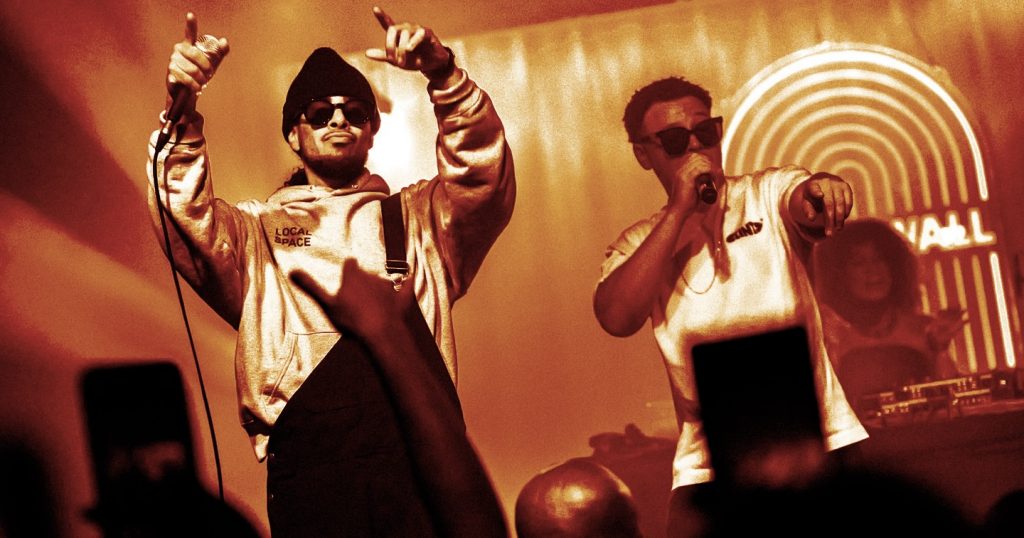
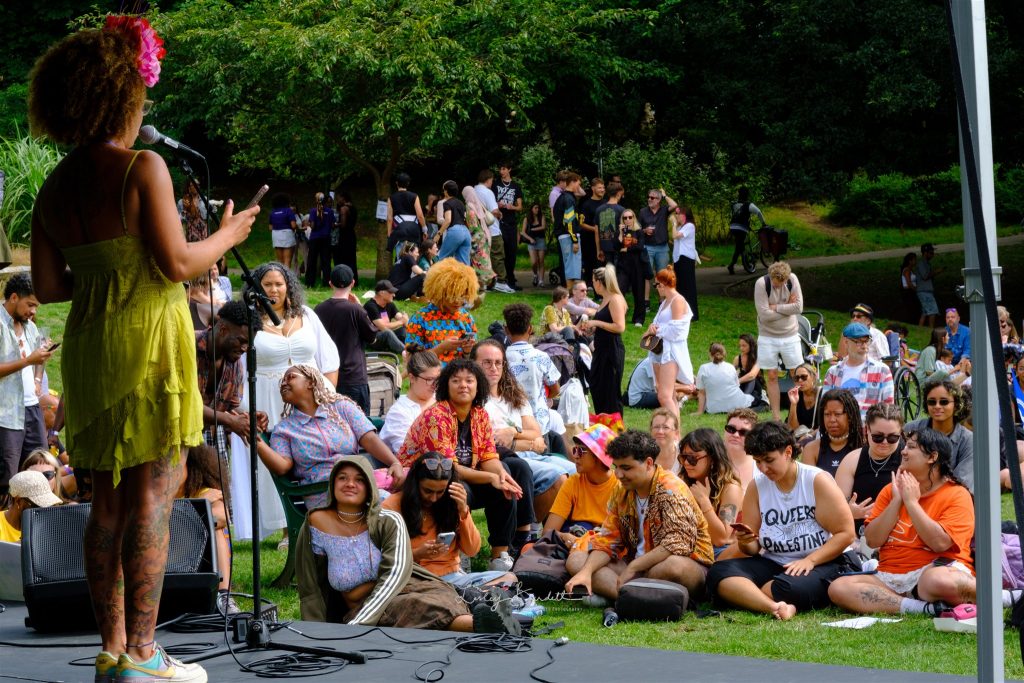
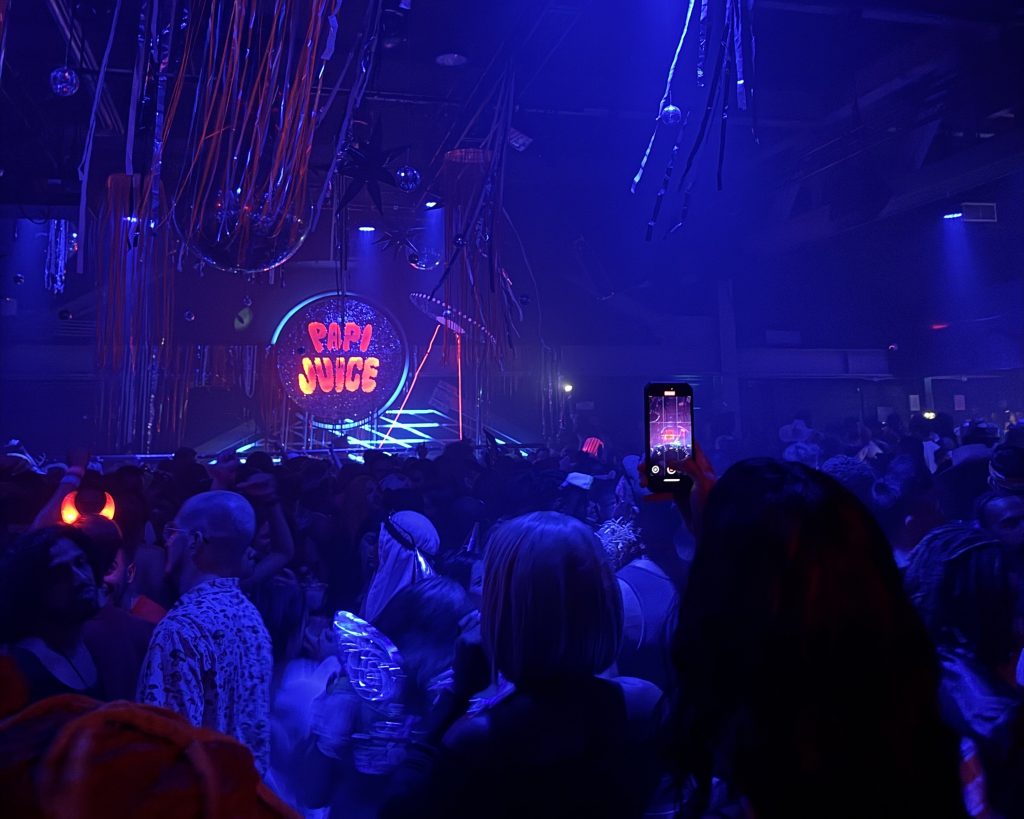
I think it’s already on its way, in terms of poetry becoming more mainstream. I recently performed at the Roundhouse, and we claimed it was the largest poetry event in the world. It was 1,500 people in the audience, so maybe it was — I need to check that.
I love that poetry is on big stages, but I don’t want it to become a one-sided conversation. Poetry should be an equal exchange. I don’t want to be put on a pedestal, or on a platform, and just talk down to people.
I’d love more people to engage with it, not just as audience members, but as mutual givers and receivers. I want people to really give it a try, and share more. I want poetry to feel as normal as singing in the shower — something everyday. Like, of course I’ll write a poem on my way to work.
For my own work, I think I’m already doing a lot of what I wanted to do, so everything else is kind of a bonus. Being freelance means I don’t really answer to anyone, and there aren’t the same limitations on what I can say. I get to use my politics degree in the purest form, rather than going down the traditional route into the civil service or something like that.
I think I’ll probably get more political, and I’d like poetry to become more mainstream in that way too. I want it to feel normal to have these conversations over dinner, or in the classroom.
WHAT DO YOU HOPE PEOPLE TAKE AWAY FROM THIS WORK — WHETHER THAT’S THE POEM ITSELF OR THE WIDER COLLABORATION?
I’d just emphasise dreaming bigger. Don’t be confined to the terrible standards we’ve given ourselves.
You can actually aspire for a better candidate, a better world, and better communities.
And obviously, go out and vote.