

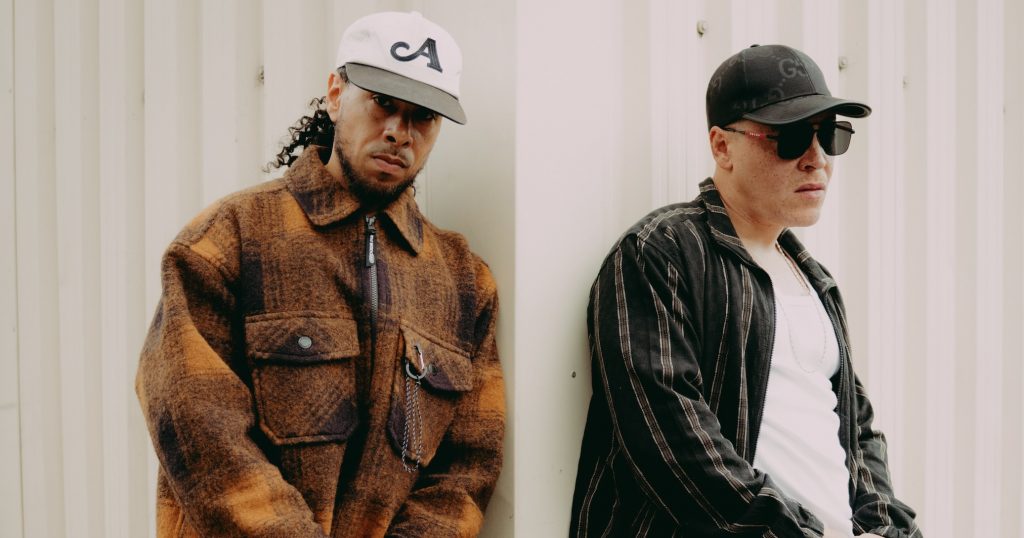
Before Children of Zeus were making “big people music”, they were children listening to it.
On the pirate stations Tyler Daley and Konny Kon heard growing up, a “big people party” meant exactly that: a night for adults, and one they were far too young to attend. The parties may have been beyond their reach, but the music was not. Soul, reggae, lovers rock and hip-hop reached them through their parents, radio shows and tapes recorded from the airwaves.
Among that music was street soul, a distinctly Black British sound which emerged from inner-city bedrooms and small studios during the mid-to-late 1980s. Its artists took inspiration from American soul and R&B but made it theirs. Hip-hop drums, reggae basslines, lovers rock sweetness, drum machines, synthesisers and sometimes pleasingly unpolished vocals. Records were self-funded, pressed onto white labels or recorded to cassettes, and carried between record shops, pirate stations, house parties, bars and clubs.
It was music made outside the mainstream, but not without an audience. Street soul offered love, closeness and escape against a backdrop of economic pressure and inner-city life. The bass might have been heavy and the production raw, but the sentiment was tender.
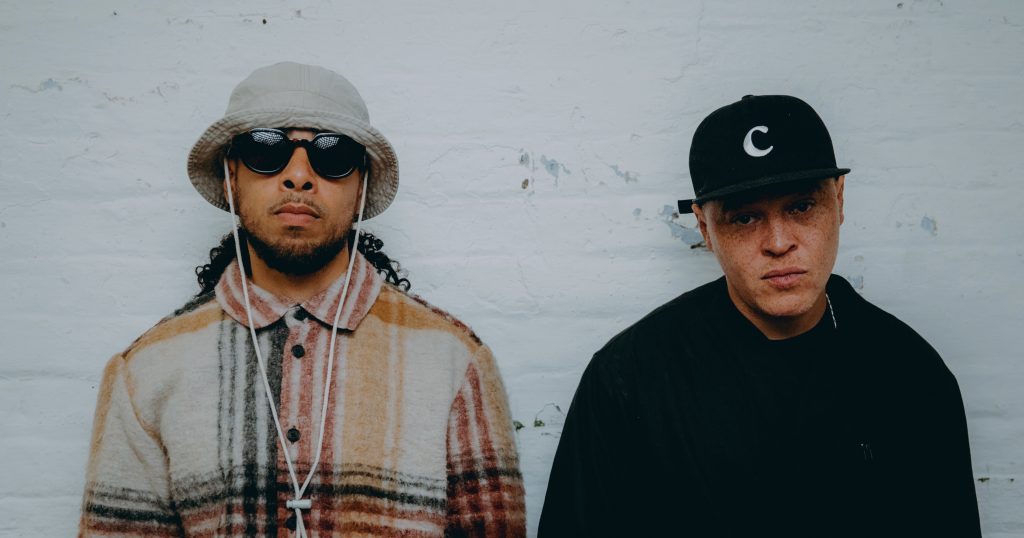
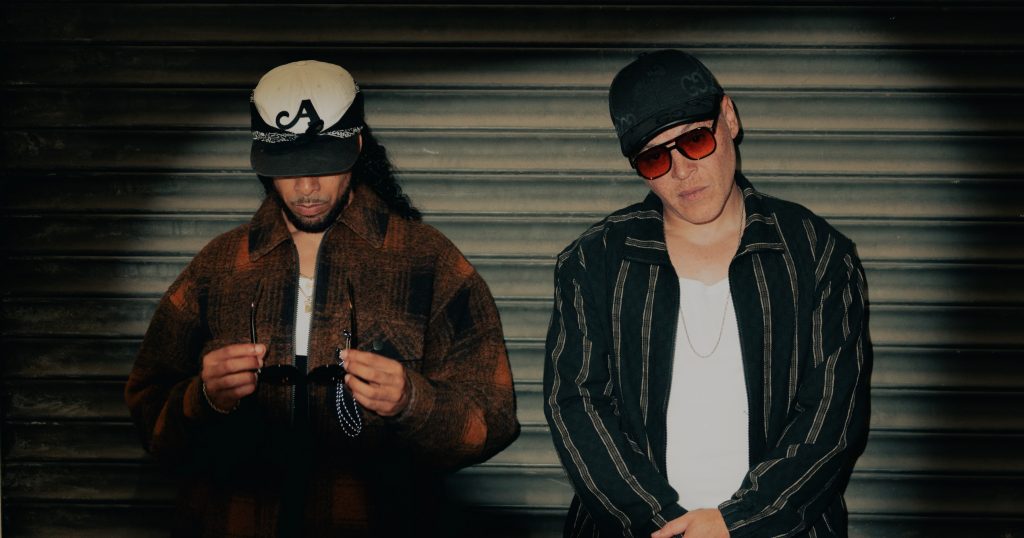
Although its history has frequently been drowned out by louder retellings of acid house and the Haçienda, Manchester had one of the country’s strongest street soul scenes. Its lineage runs through groups including 52nd Street and Fifth of Heaven, the voices of Diane Charlemagne and Denise Johnson, and records such as Bô’vel’s underground classic Check 4 U. As lifelong Mancunians, Children of Zeus make what Tyler describes as “modern-day street soul.”
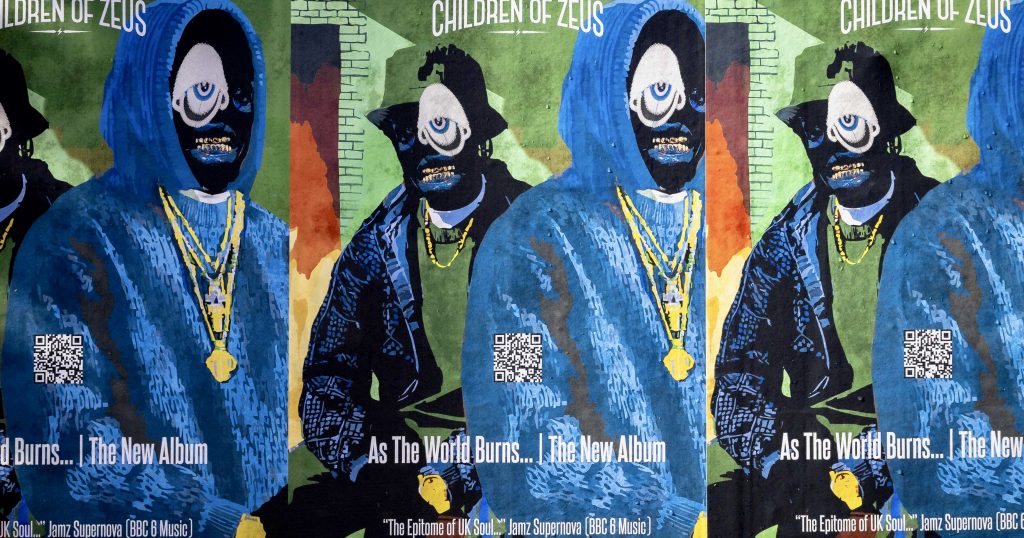
A decade on from their debut single Still Standing and five years on from their second album Balance, their third album, As The World Burns…, continues that lineage while responding to a particularly anxious present. Its title acknowledges the fires burning globally, but the music searches for something else between them: sunsets, good food, slow jams, weed, rum, love, laughter and good company.
The record is not presented as a grand political solution, but an example of joy as resistance. Like the street soul that reached Tyler and Konny when they were children, it celebrates and archives the beauty of moments. Moments that require a fitting soundtrack.
The only difference is that now they are the ‘big people’ making it.





features
09.26 Big People Music: Children of Zeus on street soul, joy and life as the world burns
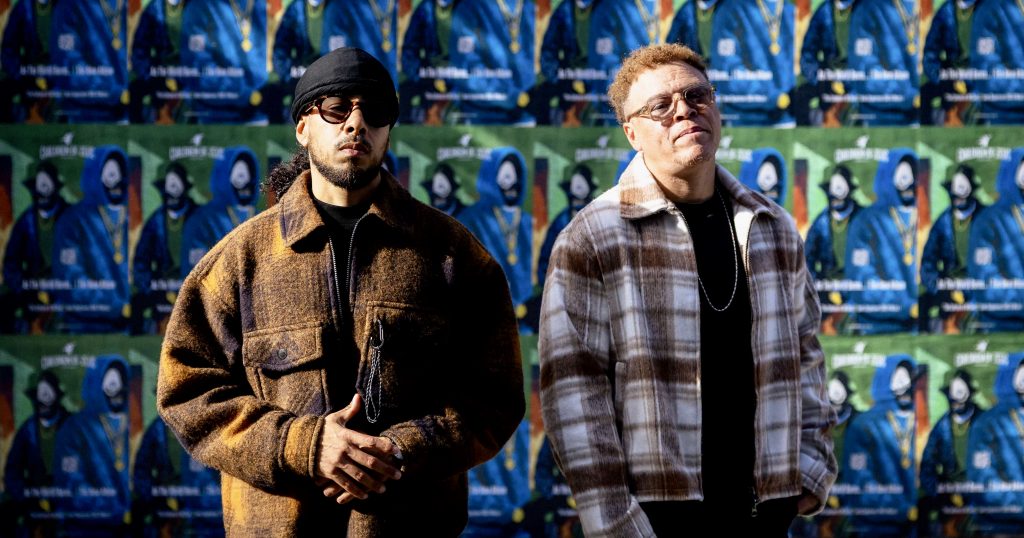
IT’S BEEN FIVE YEARS SINCE BALANCE. WHY DID THIS ALBUM TAKE FIVE YEARS, AND WHAT TOLD YOU THAT YOU WERE FINALLY READY TO PUT ANOTHER CHILDREN OF ZEUS RECORD OUT?
Tyler Daley: When you’ve never put anything out before as Children of Zeus, it’s always easy. The second album took us a bit of time, but this third time around we didn’t want to come back and put out just anything. We’ve still been together, touring and working on music; we just haven’t put out an album. We hadn’t had a collection of songs that felt like the right album until now. We didn’t want to throw anything out. The fans have been loyal to us, so we owe them good music.
Konny Kon: Between us, we’ve put out quite a bit since the last album: productions, remixes, vocals on other people’s projects and two solo projects from Tyler. If you’re really tapped in, there has been music, just not a Children of Zeus album. To us, we’ve never stopped. We kept touring, gigging, collaborating and remixing. The album took time because we like to put our foot into it rather than throw anything out.
THERE’S AN INTERESTING TENSION AT THE HEART OF AS THE WORLD BURNS…: THE WORLD MIGHT BE BURNING, BUT THE RECORD LOOKS FOR MOMENTS OF JOY AND PLEASURE WITHIN IT. WAS THAT THE AIM, AND DO YOU SEE THAT SEARCH FOR JOY AS A FORM OF RESISTANCE?
Tyler Daley: That’s probably the closest anyone has come to it. I assumed it would be quite obvious, but other people have taken different meanings from it. That’s pretty much where I am with it.
Konny Kon: For us, this felt like more of a fun album than the last one. The way people perceive our music is not always the same as how we feel about it, but this felt a lot more fun. Creating fun in a dark time felt a bit weird, but you’ve still got to give people these distractions: a little something to take their minds away from what’s going on around the world.
Tyler Daley: I think the best change we can affect comes from trying to bring about some form of positivity. We can get angry and push more negativity into the world; even resisting something can sometimes come across as aggressive. The people who come to our shows are the most loving and diverse crowd. If we can continue building that crowd and that energy, that’s probably the best thing we can do: put some good energy into the world, because there doesn’t seem to be much of it at the moment.
YOU’VE DESCRIBED THE ALBUM AS “50 MINUTES OF BIG PEOPLE MUSIC”. WHAT DOES THAT PHRASE MEAN TO YOU?
Konny Kon: When we were kids, we listened to a lot of pirate radio and they always used to say “big people party”. It would be one of these parties we couldn’t attend – even if we were ten years older, I don’t think we’d have been allowed in. Big people music was the music I was really tapped into: street soul, reggae and the music that wasn’t some novelty thing for our age group. It’s serious, tough music. It’s open to everyone, but that was the way of describing it.
Tyler Daley: “Big people” is a Caribbean term for people who are older: your elders. We’re obviously not kids, so to make music for kids would be a bit weird in my book. We try to grow with our music and allow the wisdom to come through as well. It’s grown music for grown folks. That doesn’t mean it’s exclusive to them, but we get a bit deeper beyond the surface.
Tyler Daley: When you’ve never put anything out before as Children of Zeus, it’s always easy. The second album took us a bit of time, but this third time around we didn’t want to come back and put out just anything. We’ve still been together, touring and working on music; we just haven’t put out an album. We hadn’t had a collection of songs that felt like the right album until now. We didn’t want to throw anything out. The fans have been loyal to us, so we owe them good music.
Konny Kon: Between us, we’ve put out quite a bit since the last album: productions, remixes, vocals on other people’s projects and two solo projects from Tyler. If you’re really tapped in, there has been music, just not a Children of Zeus album. To us, we’ve never stopped. We kept touring, gigging, collaborating and remixing. The album took time because we like to put our foot into it rather than throw anything out.
THERE’S AN INTERESTING TENSION AT THE HEART OF AS THE WORLD BURNS…: THE WORLD MIGHT BE BURNING, BUT THE RECORD LOOKS FOR MOMENTS OF JOY AND PLEASURE WITHIN IT. WAS THAT THE AIM, AND DO YOU SEE THAT SEARCH FOR JOY AS A FORM OF RESISTANCE?
Tyler Daley: That’s probably the closest anyone has come to it. I assumed it would be quite obvious, but other people have taken different meanings from it. That’s pretty much where I am with it.
Konny Kon: For us, this felt like more of a fun album than the last one. The way people perceive our music is not always the same as how we feel about it, but this felt a lot more fun. Creating fun in a dark time felt a bit weird, but you’ve still got to give people these distractions: a little something to take their minds away from what’s going on around the world.
Tyler Daley: I think the best change we can affect comes from trying to bring about some form of positivity. We can get angry and push more negativity into the world; even resisting something can sometimes come across as aggressive. The people who come to our shows are the most loving and diverse crowd. If we can continue building that crowd and that energy, that’s probably the best thing we can do: put some good energy into the world, because there doesn’t seem to be much of it at the moment.
YOU’VE DESCRIBED THE ALBUM AS “50 MINUTES OF BIG PEOPLE MUSIC”. WHAT DOES THAT PHRASE MEAN TO YOU?
Konny Kon: When we were kids, we listened to a lot of pirate radio and they always used to say “big people party”. It would be one of these parties we couldn’t attend – even if we were ten years older, I don’t think we’d have been allowed in. Big people music was the music I was really tapped into: street soul, reggae and the music that wasn’t some novelty thing for our age group. It’s serious, tough music. It’s open to everyone, but that was the way of describing it.
Tyler Daley: “Big people” is a Caribbean term for people who are older: your elders. We’re obviously not kids, so to make music for kids would be a bit weird in my book. We try to grow with our music and allow the wisdom to come through as well. It’s grown music for grown folks. That doesn’t mean it’s exclusive to them, but we get a bit deeper beyond the surface.
YOUR MUSIC DRAWS ON WHAT YOU GREW UP HEARING WITHOUT FEELING LIKE STRAIGHTFORWARD REVIVALISM. HOW DO YOU DRAW FROM THAT HISTORY WITHOUT SIMPLY RECREATING SOMETHING FROM 1993?
Konny Kon: I don’t think we purposely set out to make anything that is either forward-thinking or nostalgic. We just make music inspired by what we like, and that’s a mixture of really old music that predates us being born and music that came out this week. It takes in influences from the last 40 or 50 years.
I remember people saying, “You guys are so ’90s R&B and ’90s hip-hop.” We hadn’t even considered that. We weren’t purposely doing it; we were drawing from our influences. Some came from when we were kids and some from music that had just come out. We never say, “Let’s make something nostalgic,” or, “Let’s make what we’re listening to right now.” It’s just whatever comes out.
Tyler Daley: From the outside, it probably looks like we’re quite diverse. To us, it just feels like one continuous thing.
STREET SOUL FEELS LIKE THE MAIN LINEAGE RUNNING THROUGH CHILDREN OF ZEUS. FOR SOMEBODY UNFAMILIAR WITH THE TERM, WHAT DOES IT MEAN TO YOU, AND DO YOU FEEL YOU’RE CARRYING THAT TRADITION FORWARD?
Tyler Daley: It’s what I grew up on. My parents were very much on the pulse when it came to subcultures and what was happening in Black music. At the time, there were these soul records that weren’t being played on popular radio or getting airtime anywhere unless you knew where to go. I was way too young for those underground clubs, but I got the music from my parents because they played it all the time. As soon as I was old enough, I listened to pirate radio myself and taped it. I’d say that’s probably one of the things Konny and I connected on.
It’s a huge part of our music. If you were to call us anything, you’d probably say we are modern-day street soul. I think it’s a very unique UK experience, even though not every street soul song is from the UK. All those elements came into the melting pot: reggae basslines, hip-hop drums and very soulful vocals, with something almost like lovers rock in its essence. Along with hip-hop, it’s probably the biggest inspiration for Children of Zeus.
Konny Kon: It’s a form of soul. It’s almost as if street soul was to soul and R&B what lovers rock was to reggae: a UK take on it. It wasn’t only UK music, but a lot of it was a UK take on R&B and soul at the time, and much of it was hip-hop-inspired. It sounded very hip-hop and very raw, but the UK take was also very Caribbean.
A lot of it was very DIY, with shaky vocals. You can listen to some of those songs and tell someone’s cousin has come into the studio for the first time to sing something they’ve been told to sing.
Tyler Daley: As raw as it was, it was fire. Basslines being “too loud” became: that’s not too loud, because we turn the bass up anyway. We’re going to leave the bass a little bit loud and leave these drums a bit dusty. This is how we hear music and how we want to listen to it – with that same feel reggae had back in the day. It’s raw ghetto music.
Konny Kon: I don’t think we purposely set out to make anything that is either forward-thinking or nostalgic. We just make music inspired by what we like, and that’s a mixture of really old music that predates us being born and music that came out this week. It takes in influences from the last 40 or 50 years.
I remember people saying, “You guys are so ’90s R&B and ’90s hip-hop.” We hadn’t even considered that. We weren’t purposely doing it; we were drawing from our influences. Some came from when we were kids and some from music that had just come out. We never say, “Let’s make something nostalgic,” or, “Let’s make what we’re listening to right now.” It’s just whatever comes out.
Tyler Daley: From the outside, it probably looks like we’re quite diverse. To us, it just feels like one continuous thing.
STREET SOUL FEELS LIKE THE MAIN LINEAGE RUNNING THROUGH CHILDREN OF ZEUS. FOR SOMEBODY UNFAMILIAR WITH THE TERM, WHAT DOES IT MEAN TO YOU, AND DO YOU FEEL YOU’RE CARRYING THAT TRADITION FORWARD?
Tyler Daley: It’s what I grew up on. My parents were very much on the pulse when it came to subcultures and what was happening in Black music. At the time, there were these soul records that weren’t being played on popular radio or getting airtime anywhere unless you knew where to go. I was way too young for those underground clubs, but I got the music from my parents because they played it all the time. As soon as I was old enough, I listened to pirate radio myself and taped it. I’d say that’s probably one of the things Konny and I connected on.
It’s a huge part of our music. If you were to call us anything, you’d probably say we are modern-day street soul. I think it’s a very unique UK experience, even though not every street soul song is from the UK. All those elements came into the melting pot: reggae basslines, hip-hop drums and very soulful vocals, with something almost like lovers rock in its essence. Along with hip-hop, it’s probably the biggest inspiration for Children of Zeus.
Konny Kon: It’s a form of soul. It’s almost as if street soul was to soul and R&B what lovers rock was to reggae: a UK take on it. It wasn’t only UK music, but a lot of it was a UK take on R&B and soul at the time, and much of it was hip-hop-inspired. It sounded very hip-hop and very raw, but the UK take was also very Caribbean.
A lot of it was very DIY, with shaky vocals. You can listen to some of those songs and tell someone’s cousin has come into the studio for the first time to sing something they’ve been told to sing.
Tyler Daley: As raw as it was, it was fire. Basslines being “too loud” became: that’s not too loud, because we turn the bass up anyway. We’re going to leave the bass a little bit loud and leave these drums a bit dusty. This is how we hear music and how we want to listen to it – with that same feel reggae had back in the day. It’s raw ghetto music.
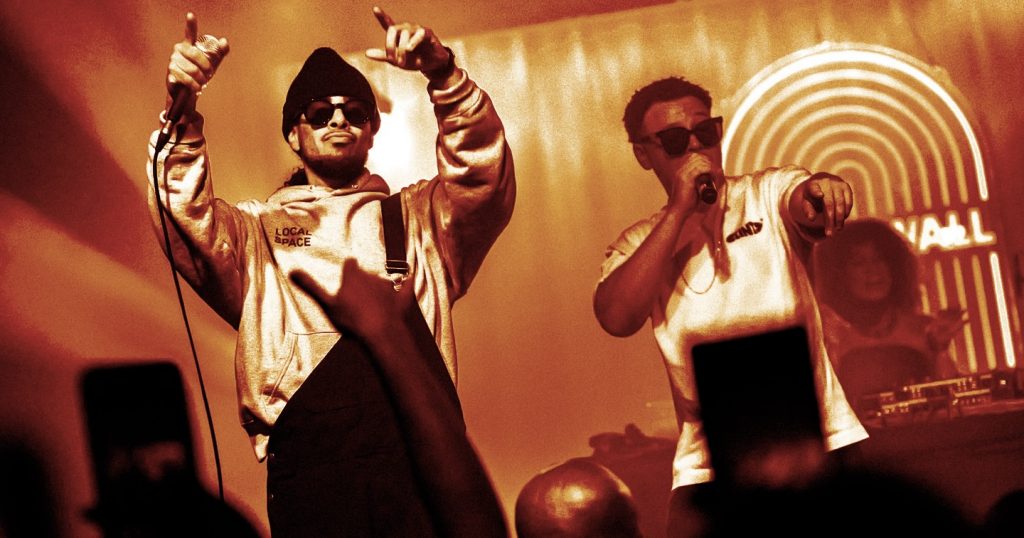
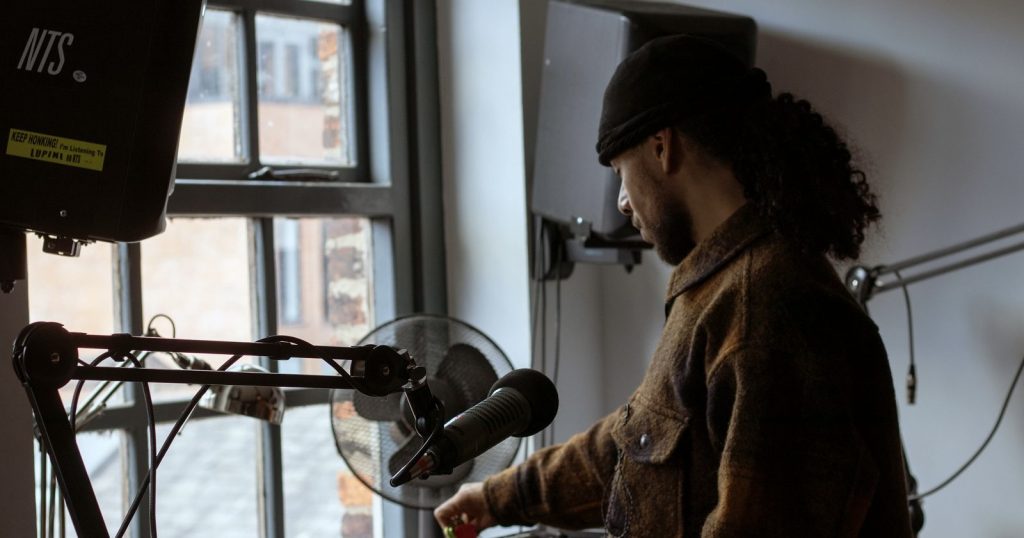
THAT MUSIC REACHED YOU THROUGH PARENTS, PIRATE TAPES, DJS AND CLUBS. WHY ARE INDEPENDENT AND COMMUNITY RADIO STILL IMPORTANT NOW?
Konny Kon: It’s an alternative. Radio is almost redundant in some aspects now. For us, radio was where you discovered music through DJs, whereas I feel like radio DJs are now chasing what’s happening online: “That’s hot online, so we need to play it.” Independent and local radio are still tapped into showing people things they don’t necessarily know.
Everyone is struggling to be heard. Unless you’ve got a bunch of money to throw at it, it’s really hard. There are more opportunities, but you’re competing with so much other stuff. It’s important to have DJs showcasing music that isn’t playlisted on daytime radio. Even on some specialist mainstream shows, people are dictated to about what they play. Independent radio can help those still struggling to be heard.
Tyler Daley: Coming from street soul, it was just as exciting – if not more exciting – to hear something by someone you’d never heard before. We grew up on tapes where a song would get dropped in a club, nobody had heard it, it would get three or four reloads, and off the back of that become a massive song.
It isn’t easy right now because people have to work, but as a selector, it’s your job to educate people. I was educated by DJs. That’s where I got my music knowledge: from other DJs I respected. The community side of radio still retains that somewhat, whereas I think it has been lost everywhere else.
THERE’S BEEN DISCUSSION ABOUT WHETHER STATIONS SUCH AS 1XTRA DO ENOUGH TO SUPPORT NEW BLACK BRITISH MUSIC, RATHER THAN RELYING ON FAMILIAR US R&B AND POP. FROM WHERE YOU’RE SITTING, DOES NEW BRITISH SOUL GET ENOUGH VISIBLE SUPPORT?
Konny Kon: 1Xtra and other radio stations are under pressure to be commercial and stay funded, so it’s not just their fault. Consumers dictate it too. I DJ in clubs quite a lot and don’t necessarily get to play the music I want. You can see people leave or the energy die down when you play too much stuff they don’t know. For the age group 1Xtra is aiming at, mid-2000s R&B is probably what most of them want to hear. They could playlist daytime music that people don’t know, but listeners might turn off, in the same way that people in a club want familiarity and nostalgia.
That goes back to why independent radio is important: it can showcase music without the same pressure. 1Xtra has the tough job of serving as many people as possible. Would I like to hear more UK, independent and underground music there? Of course. I’d love to be playlisted and supported more, because I’m sure that if people heard it a hundred times, they’d end up liking it.
Tyler Daley: I don’t remember a time when it wasn’t like that. We grew up on pirate radio because nobody else was playing anything we liked. The music we’re into is specialist, and it’s the specialist DJs’ job to push it and get certain songs into the mainstream. We create our own hype through the internet, specialist DJs and community radio. That’s our fight. I can’t see the other side changing too much.
IF TWO YOUNG ARTISTS LIKE YOURSELVES WERE STARTING OUT IN MANCHESTER IN 2026, WOULD THEY HAVE BETTER OPPORTUNITIES THAN YOU HAD, OR HAS GRASSROOTS CULTURE BECOME HARDER TO EXIST IN?
Tyler Daley: I think it’s way easier. There are a lot more artists now, so there’s definitely more competition, but you can go straight to the consumer. As long as you’re consistent, have a bit of a plan and have some good music, you should be able to find a fanbase. It has its own obstacles, but in terms of opportunities and the ability to do things yourself, it’s massively different.
Konny Kon: I agree. When we started, there was zero opportunity. Everyone moved to London to try to make it. There were no record labels and no promotion; everything was in London. Even then, with the type of music we make, you were trying to reach America or the wider world. Now you can do it yourself. You just need to find the people who are into it.
Konny Kon: It’s an alternative. Radio is almost redundant in some aspects now. For us, radio was where you discovered music through DJs, whereas I feel like radio DJs are now chasing what’s happening online: “That’s hot online, so we need to play it.” Independent and local radio are still tapped into showing people things they don’t necessarily know.
Everyone is struggling to be heard. Unless you’ve got a bunch of money to throw at it, it’s really hard. There are more opportunities, but you’re competing with so much other stuff. It’s important to have DJs showcasing music that isn’t playlisted on daytime radio. Even on some specialist mainstream shows, people are dictated to about what they play. Independent radio can help those still struggling to be heard.
Tyler Daley: Coming from street soul, it was just as exciting – if not more exciting – to hear something by someone you’d never heard before. We grew up on tapes where a song would get dropped in a club, nobody had heard it, it would get three or four reloads, and off the back of that become a massive song.
It isn’t easy right now because people have to work, but as a selector, it’s your job to educate people. I was educated by DJs. That’s where I got my music knowledge: from other DJs I respected. The community side of radio still retains that somewhat, whereas I think it has been lost everywhere else.
THERE’S BEEN DISCUSSION ABOUT WHETHER STATIONS SUCH AS 1XTRA DO ENOUGH TO SUPPORT NEW BLACK BRITISH MUSIC, RATHER THAN RELYING ON FAMILIAR US R&B AND POP. FROM WHERE YOU’RE SITTING, DOES NEW BRITISH SOUL GET ENOUGH VISIBLE SUPPORT?
Konny Kon: 1Xtra and other radio stations are under pressure to be commercial and stay funded, so it’s not just their fault. Consumers dictate it too. I DJ in clubs quite a lot and don’t necessarily get to play the music I want. You can see people leave or the energy die down when you play too much stuff they don’t know. For the age group 1Xtra is aiming at, mid-2000s R&B is probably what most of them want to hear. They could playlist daytime music that people don’t know, but listeners might turn off, in the same way that people in a club want familiarity and nostalgia.
That goes back to why independent radio is important: it can showcase music without the same pressure. 1Xtra has the tough job of serving as many people as possible. Would I like to hear more UK, independent and underground music there? Of course. I’d love to be playlisted and supported more, because I’m sure that if people heard it a hundred times, they’d end up liking it.
Tyler Daley: I don’t remember a time when it wasn’t like that. We grew up on pirate radio because nobody else was playing anything we liked. The music we’re into is specialist, and it’s the specialist DJs’ job to push it and get certain songs into the mainstream. We create our own hype through the internet, specialist DJs and community radio. That’s our fight. I can’t see the other side changing too much.
IF TWO YOUNG ARTISTS LIKE YOURSELVES WERE STARTING OUT IN MANCHESTER IN 2026, WOULD THEY HAVE BETTER OPPORTUNITIES THAN YOU HAD, OR HAS GRASSROOTS CULTURE BECOME HARDER TO EXIST IN?
Tyler Daley: I think it’s way easier. There are a lot more artists now, so there’s definitely more competition, but you can go straight to the consumer. As long as you’re consistent, have a bit of a plan and have some good music, you should be able to find a fanbase. It has its own obstacles, but in terms of opportunities and the ability to do things yourself, it’s massively different.
Konny Kon: I agree. When we started, there was zero opportunity. Everyone moved to London to try to make it. There were no record labels and no promotion; everything was in London. Even then, with the type of music we make, you were trying to reach America or the wider world. Now you can do it yourself. You just need to find the people who are into it.
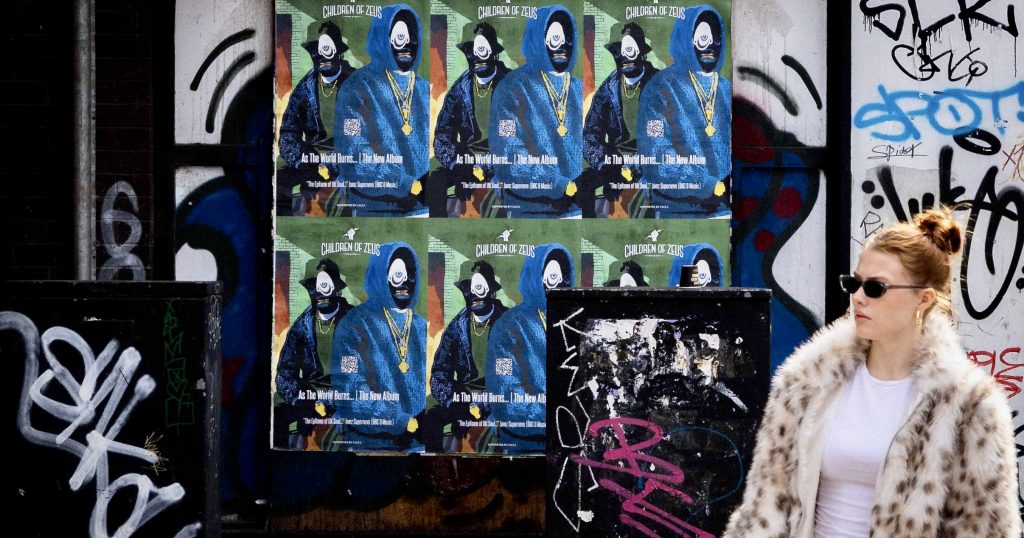
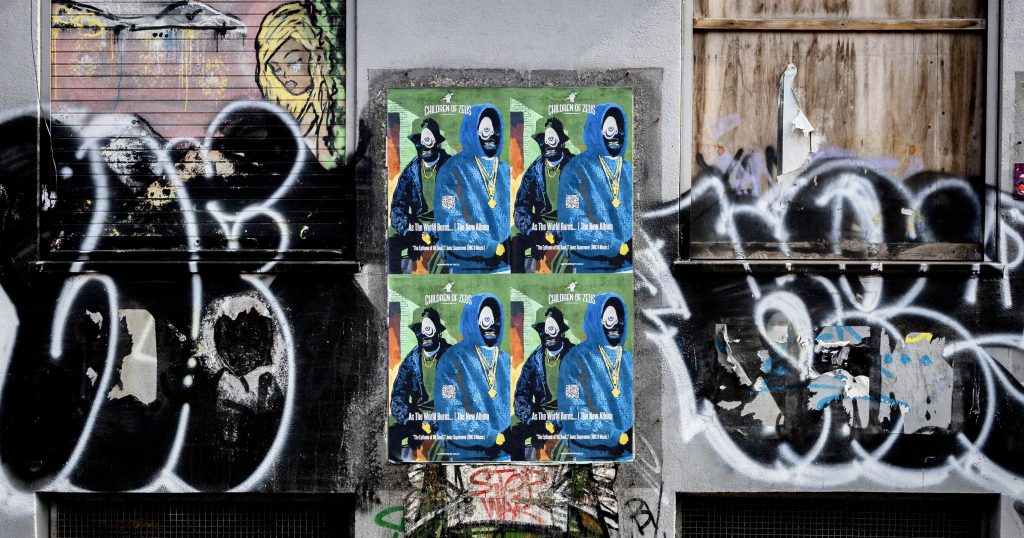
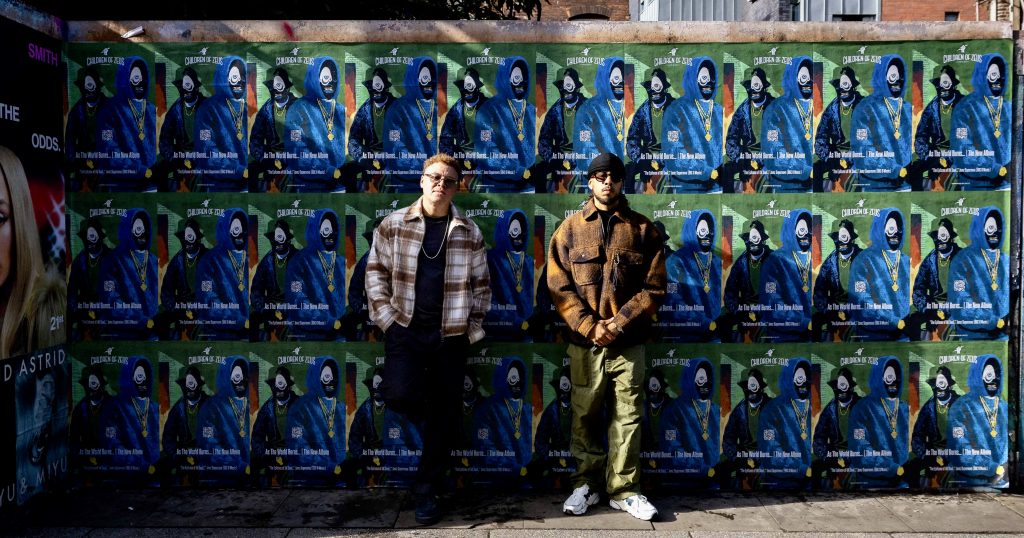
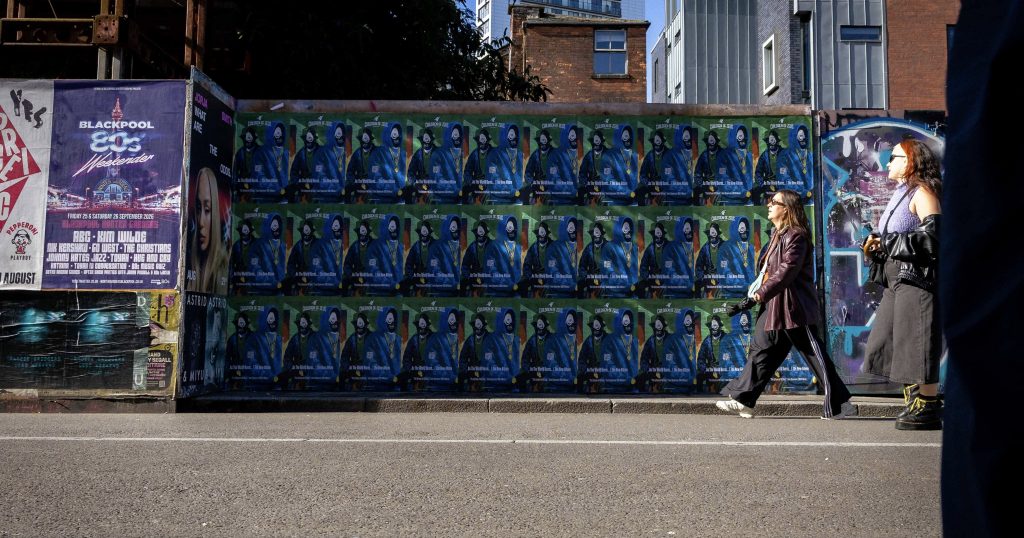
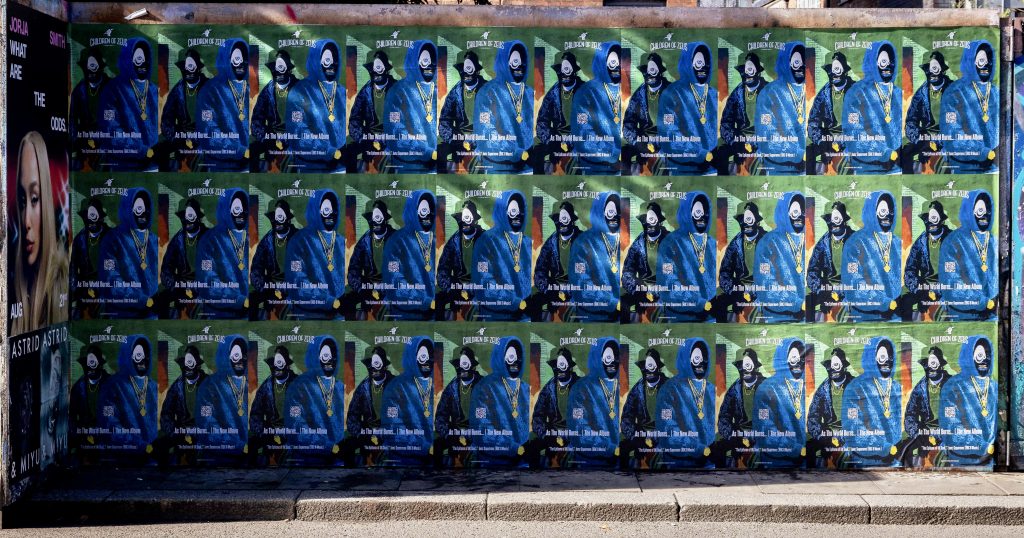
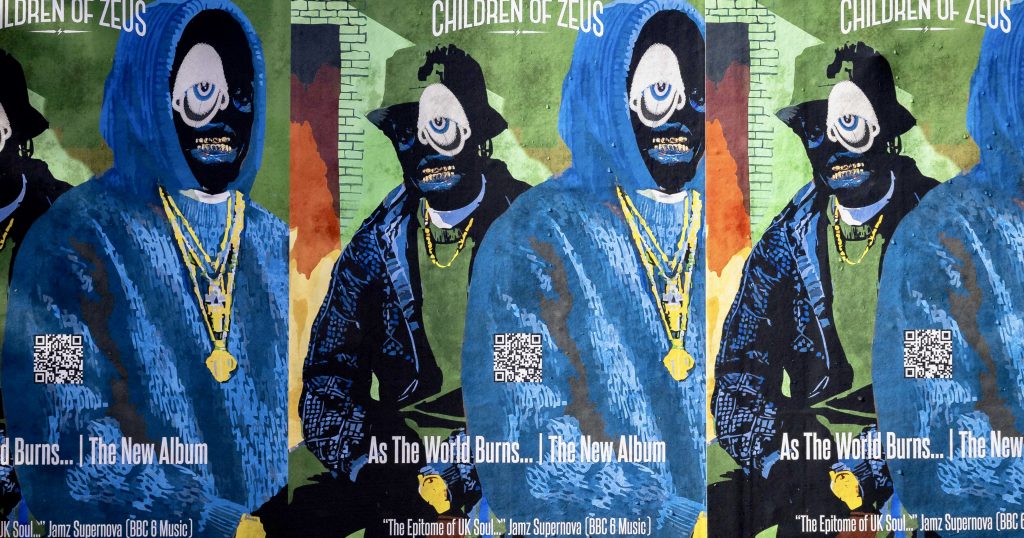
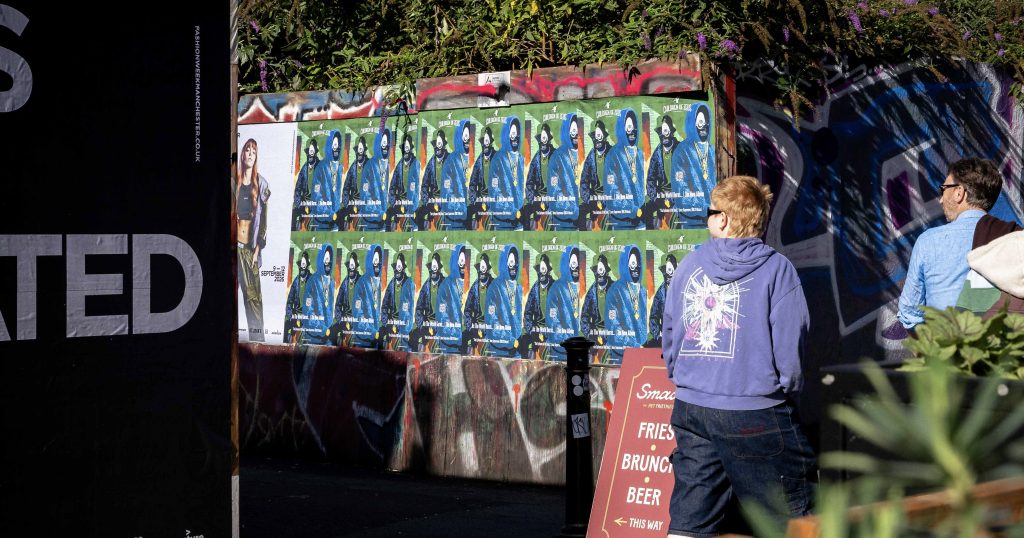
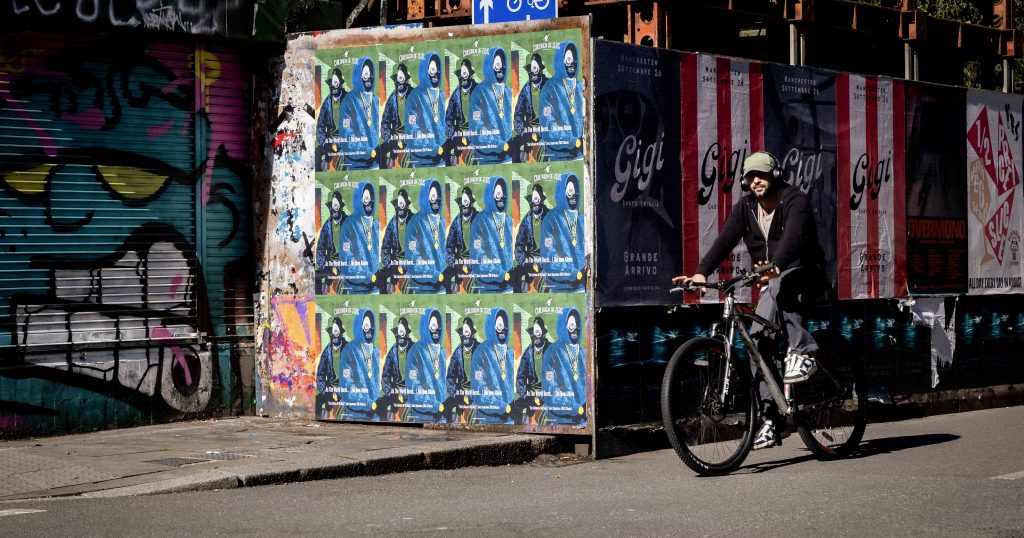
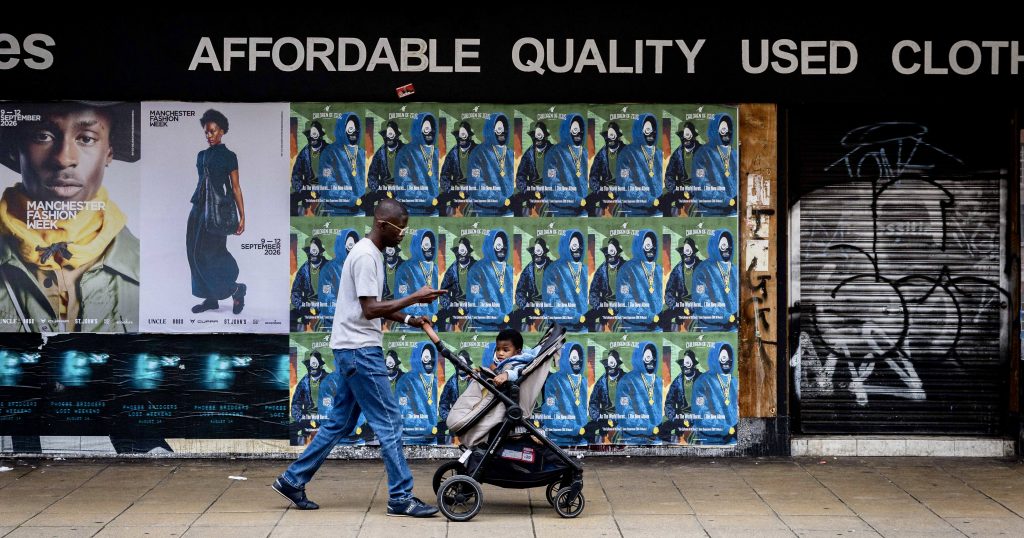
THE PRESS AROUND THE ALBUM TALKS ABOUT “MOVING THE ALGORITHMIC NEEDLE”, BUT YOU COME FROM A VERY DIFFERENT CULTURE OF MUSIC DISCOVERY. AS THIS UNCLE CAMPAIGN PUTS CHILDREN OF ZEUS PHYSICALLY ONTO THE STREETS, DOES OCCUPYING PUBLIC SPACE STILL MEAN SOMETHING IN AN ERA OF PERSONALISED FEEDS?
Konny Kon: It’s more important than the algorithm, definitely. The algorithm doesn’t really work for us, to be honest. It never has. We’ve been trying to figure it out for the last five years or so. Real life is always more important than the digital world. Someone can see something tangible and physical; I think that holds much more weight than the algorithm.
IF SOMEBODY IS ABOUT TO HEAR AS THE WORLD BURNS… FROM START TO FINISH, WHERE SHOULD THEY LISTEN?
Konny Kon: Either a solo car trip, so your annoying friend isn’t talking all the way through it, or on headphones. I feel like we make music for headphones. There are so many little things we deal with when making an album: I hope someone hears something pan from one ear to the other, which they’re not going to pick up on a phone or laptop speaker. We spend so much time on details that perhaps one per cent of people will notice, but when they do, it means the world.
A guy from Manchester reviewed Balance in his car and pointed out all these Easter eggs. The middle track is called “Balance” and sits right in the middle. On the intro, it says “left side, right side”; on headphones, you hear those in the corresponding ears. I was like, “Yes, someone noticed.” The basslines are important too, so you need something that can handle them.
Tyler Daley: I have to listen on big speakers or in the car. I’m not as much of a headphone person as Konny because I’m nervous about messing up my ears. As long as the drums and bass are kicking, that’s my favourite. If I can hear it loud on big speakers or in the car with the bass thumping, that’s where I want to listen.
Konny Kon: When we make albums, we do the mix and then sit in the car to listen. You have to take it into the car and it has to work there. We’d mix in a car if we could. We’ve tried – I took a laptop into the car once and went around mixing stuff.
AFTER SOMEBODY REACHES THE END OF THE ALBUM, WHAT DO YOU HOPE THEY’RE LEFT FEELING?
Tyler Daley: Optimistic, somewhat.
Konny Kon: Outside of enjoying it, which is the main thing, I like leaving things open to interpretation. It’s always interesting to hear what people take from our music that we didn’t intend, or when someone comes to the same conclusion as us. Once it’s out in the world, it’s out of our hands. We’ve done what we can, so I’m happy for people to take on board whatever they take on board. First and foremost, I really hope people enjoy it.
Tyler Daley: If you come to a Children of Zeus show, one thing you can leave feeling in today’s climate is: there are actually some good people out there. There’s a nice, cohesive community of good people. That’s why I’d say optimistic.
Konny Kon: It’s more important than the algorithm, definitely. The algorithm doesn’t really work for us, to be honest. It never has. We’ve been trying to figure it out for the last five years or so. Real life is always more important than the digital world. Someone can see something tangible and physical; I think that holds much more weight than the algorithm.
IF SOMEBODY IS ABOUT TO HEAR AS THE WORLD BURNS… FROM START TO FINISH, WHERE SHOULD THEY LISTEN?
Konny Kon: Either a solo car trip, so your annoying friend isn’t talking all the way through it, or on headphones. I feel like we make music for headphones. There are so many little things we deal with when making an album: I hope someone hears something pan from one ear to the other, which they’re not going to pick up on a phone or laptop speaker. We spend so much time on details that perhaps one per cent of people will notice, but when they do, it means the world.
A guy from Manchester reviewed Balance in his car and pointed out all these Easter eggs. The middle track is called “Balance” and sits right in the middle. On the intro, it says “left side, right side”; on headphones, you hear those in the corresponding ears. I was like, “Yes, someone noticed.” The basslines are important too, so you need something that can handle them.
Tyler Daley: I have to listen on big speakers or in the car. I’m not as much of a headphone person as Konny because I’m nervous about messing up my ears. As long as the drums and bass are kicking, that’s my favourite. If I can hear it loud on big speakers or in the car with the bass thumping, that’s where I want to listen.
Konny Kon: When we make albums, we do the mix and then sit in the car to listen. You have to take it into the car and it has to work there. We’d mix in a car if we could. We’ve tried – I took a laptop into the car once and went around mixing stuff.
AFTER SOMEBODY REACHES THE END OF THE ALBUM, WHAT DO YOU HOPE THEY’RE LEFT FEELING?
Tyler Daley: Optimistic, somewhat.
Konny Kon: Outside of enjoying it, which is the main thing, I like leaving things open to interpretation. It’s always interesting to hear what people take from our music that we didn’t intend, or when someone comes to the same conclusion as us. Once it’s out in the world, it’s out of our hands. We’ve done what we can, so I’m happy for people to take on board whatever they take on board. First and foremost, I really hope people enjoy it.
Tyler Daley: If you come to a Children of Zeus show, one thing you can leave feeling in today’s climate is: there are actually some good people out there. There’s a nice, cohesive community of good people. That’s why I’d say optimistic.

![“Did you go to art school?”“[Chuckling] I did not. I think if you really want to do something, you’re gonna find a way to do it!”“Did you go to art school?”](https://manfromuncle.info/wp-content/uploads/2026/10/x051D0954-D46D-48AA-8AC7-13F920D5704E_1_201_a-scaled.jpeg.pagespeed.ic.Gw1XaJSK73.jpg)